
A Ganghwa Day Trip That Doesn’t Waste Half of Itself Driving
The problem with Ganghwa is not that there’s nothing to do. It’s that the good things are twenty minutes apart in different directions, several of them close on days you wouldn’t guess, and the island has exactly two bridges — so a badly ordered day means crossing between island and mainland three times.
I’ve done this wrong more than once. What follows is the order I’d give a friend: two routes, hour by hour, one for a car and one for a bus. Both start in Seoul after breakfast and get you back before dinner.
If you want to know what each stop actually is, I’ve written up all eight of them separately. This piece is only about sequence.
First, the Day of the Week
Settle this before anything else, because it decides half your itinerary.
Monday costs you the museums. Both county museums close, and so does the free textile center in town. Everything else stays open — the temple, the dolmen, the mill cafe and the immersive art hall — so a Monday is workable, but you lose the stop that explains the island.
Friday loses the vegan bakery on the coast road, which is the one closure most likely to catch you mid-afternoon.
The clean answer is any day but Monday, and a weekday if you have the choice: the mill cafe is genuinely full at weekends, and the single road onto the island backs up on Sunday evenings.
Route A: With a Car — North to South, One Crossing
The whole trick is to enter over the northern bridge and leave over the southern one. Do that and you never double back.
09:00 — leave Seoul. Olympic Expressway, Gimpo riverside road, across to the island. Ninety minutes without traffic.
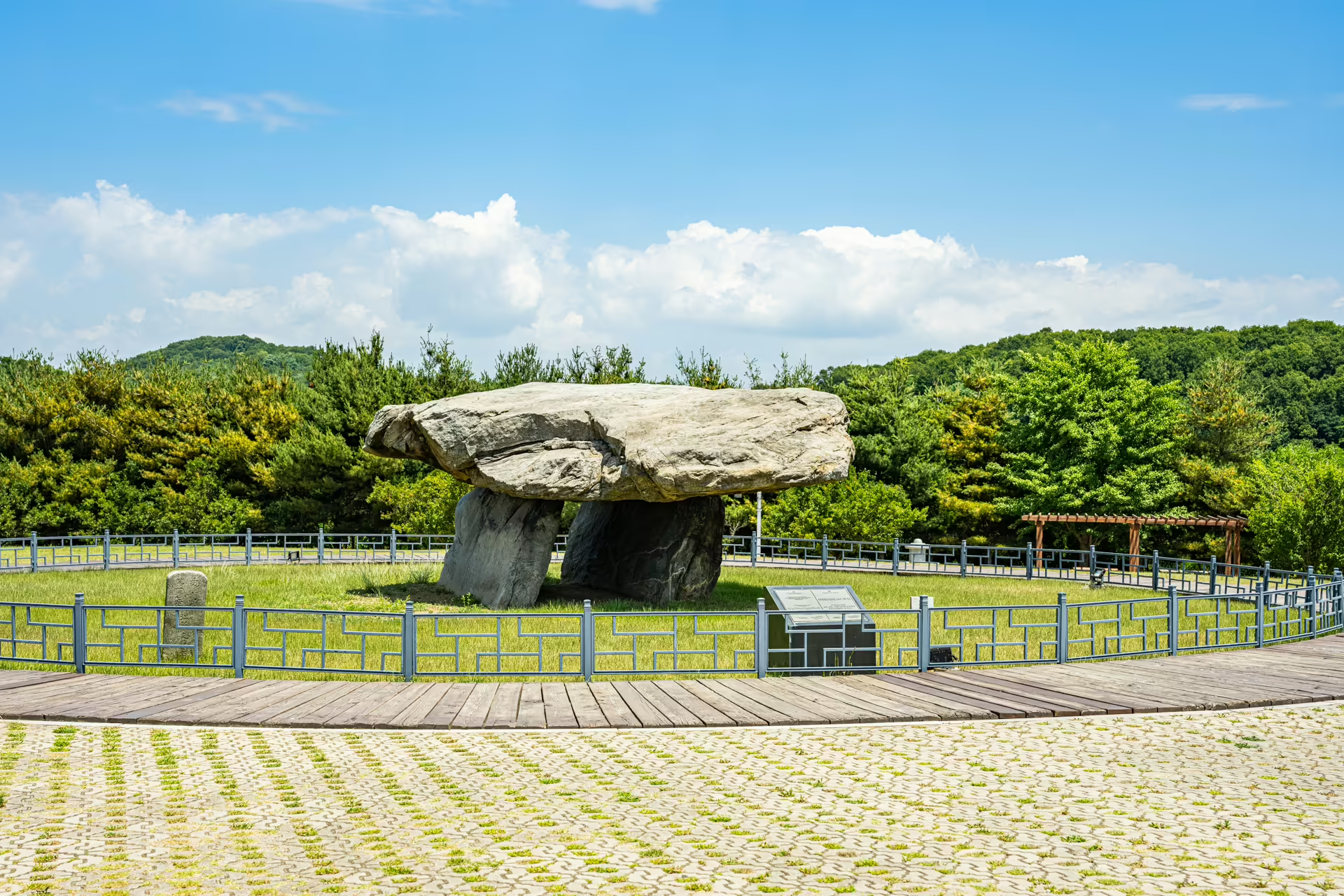
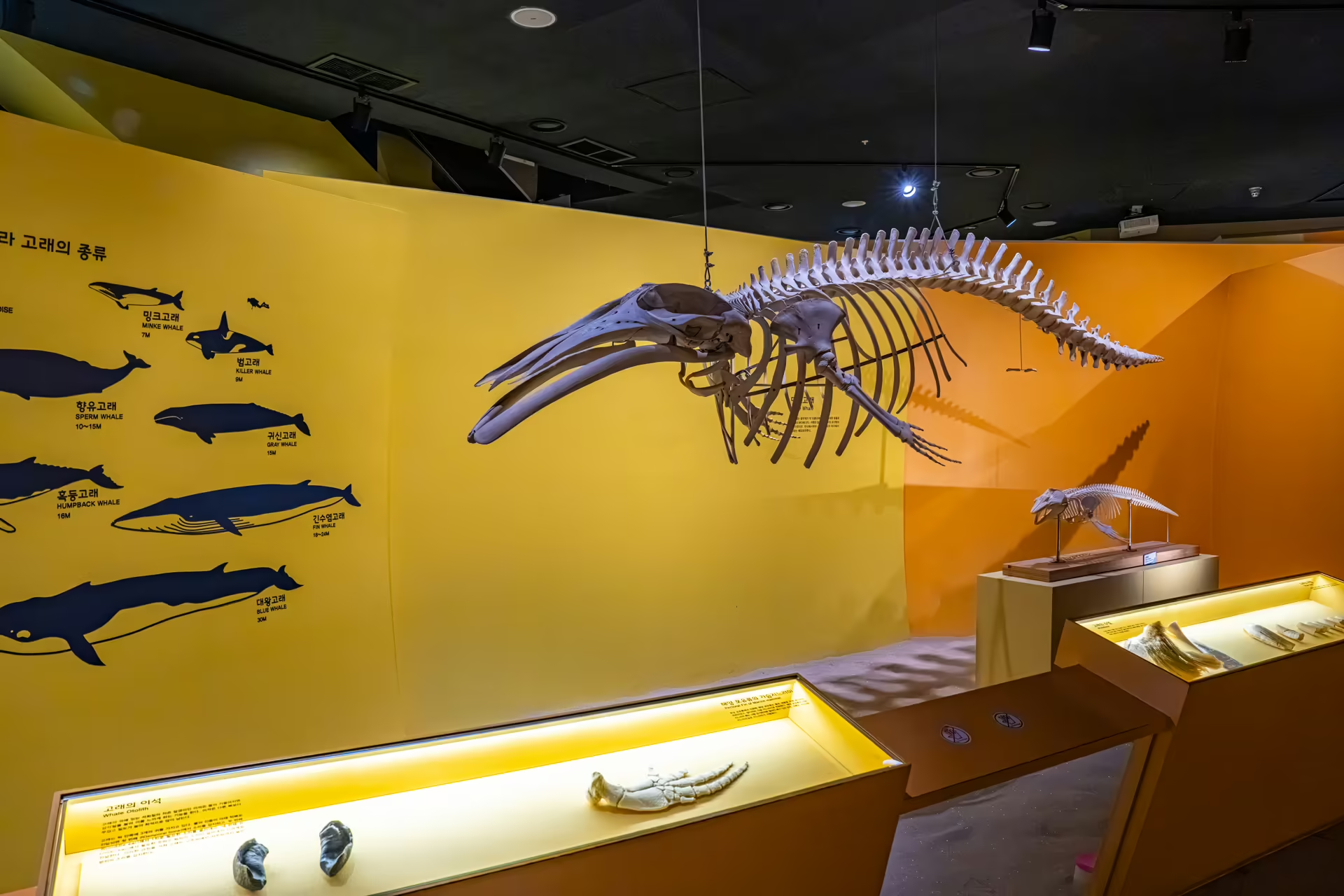
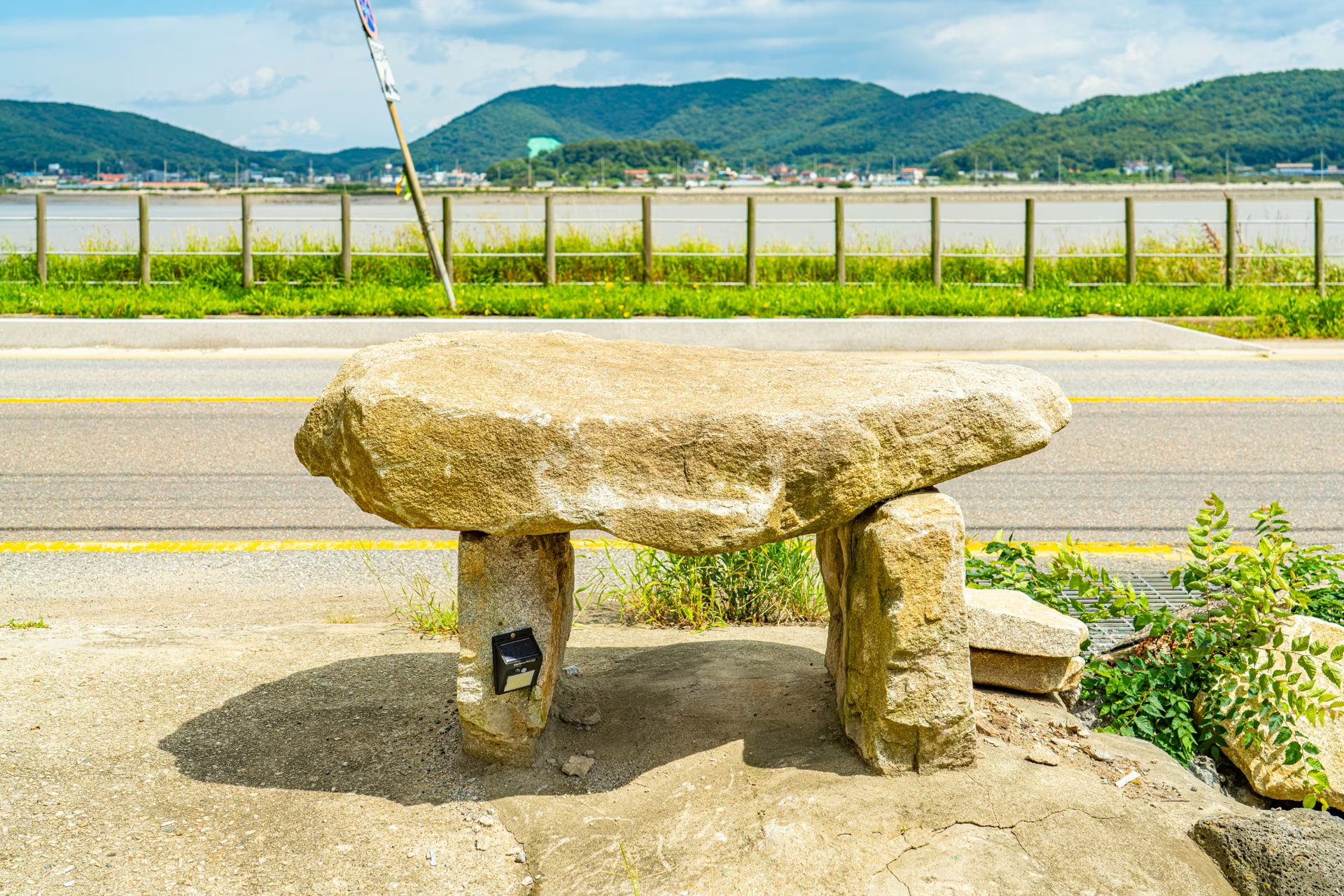
10:30 — the dolmen and the two museums, Hajeom-myeon. Start outside on the lawn with the 53-tonne capstone, then go indoors. One ₩3,000 ticket covers both museums. This is the orientation stop and everything you see later depends on it: the island’s whole story — Mongol invasions, a court in exile, two Western fleets — is laid out in the first building, and the second has a 14.5-meter sperm whale skeleton in the lobby to keep the children happy. Allow two hours.
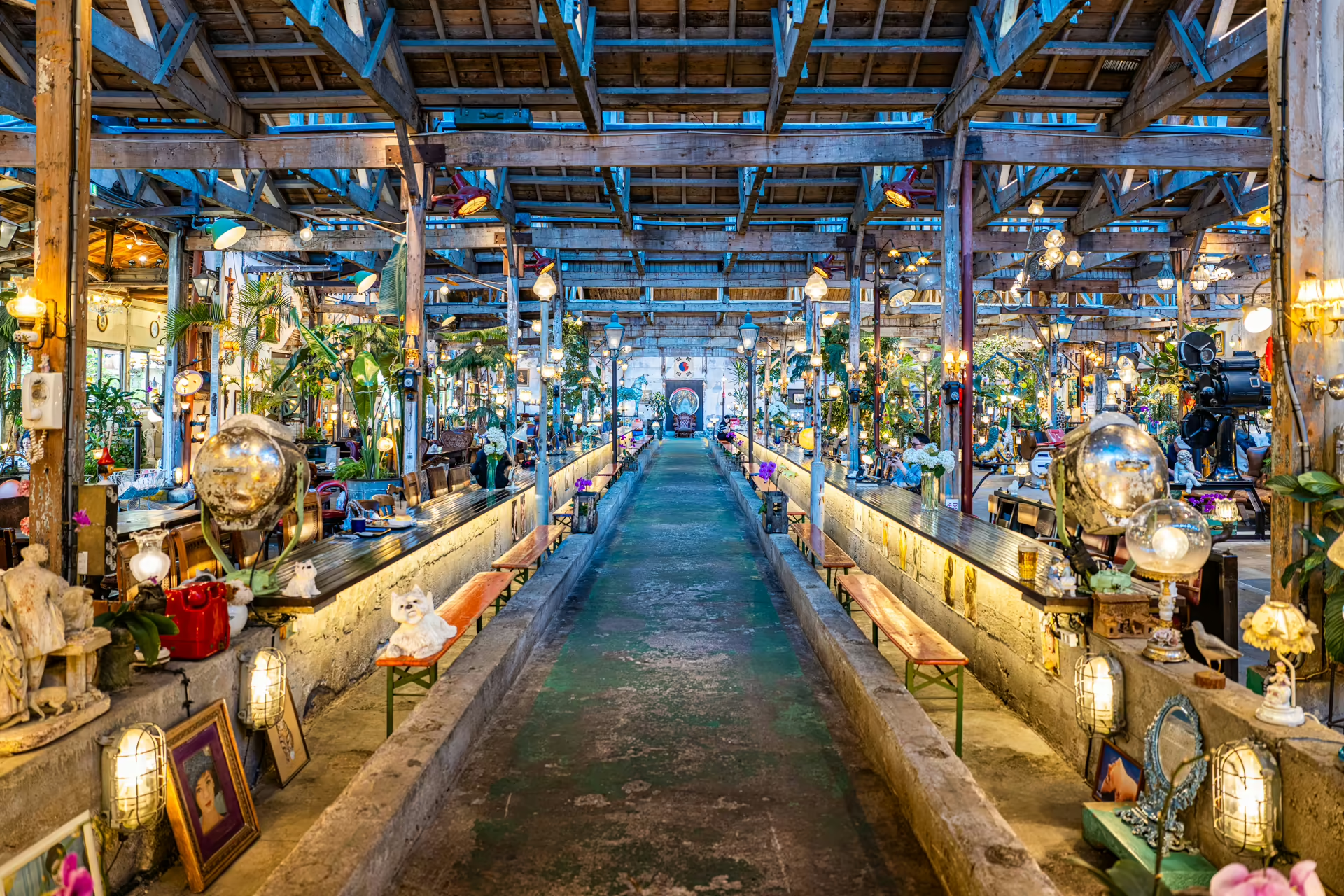
12:50 — lunch at Joyang Bangjik, Ganghwa town. Twenty minutes south. A 1933 weaving mill turned cafe the size of a warehouse, with water running down the middle of the old loom floor. It does coffee and bakery rather than a proper lunch, so eat something substantial in town first if you need it — or accept that this is a long coffee and a lot of photographs. Allow an hour and a half. Park in the public parking lot across the road rather than fighting for the six spaces on site.
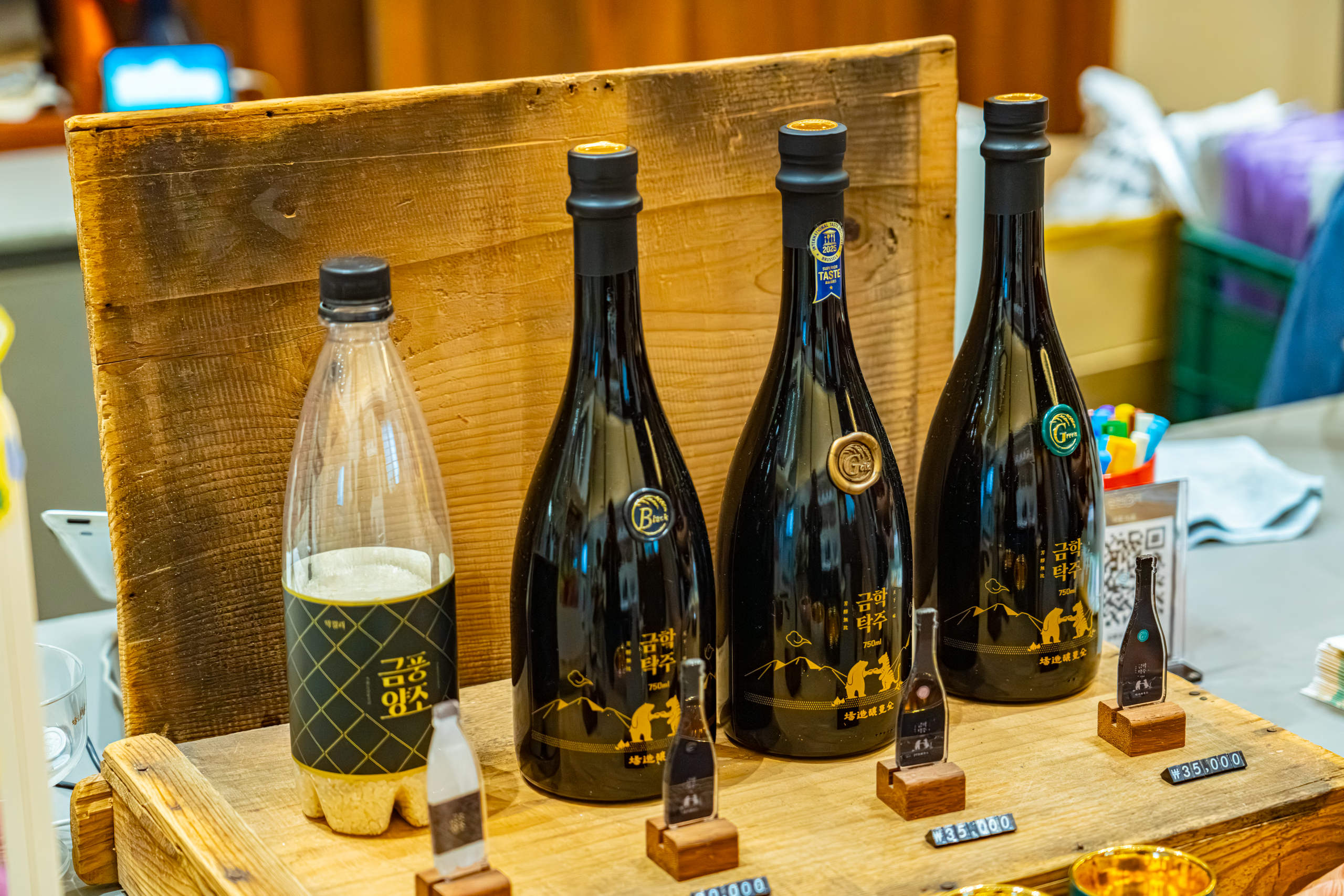
14:45 — Geumpung Brewery. A 1931 timber brewery still making makgeolli, twenty-five minutes south in Gilsang-myeon. Tours and tastings need booking ahead — do it the night before, not on the morning. Allow an hour. If nobody in the party drinks, skip this and give the time back to the temple.
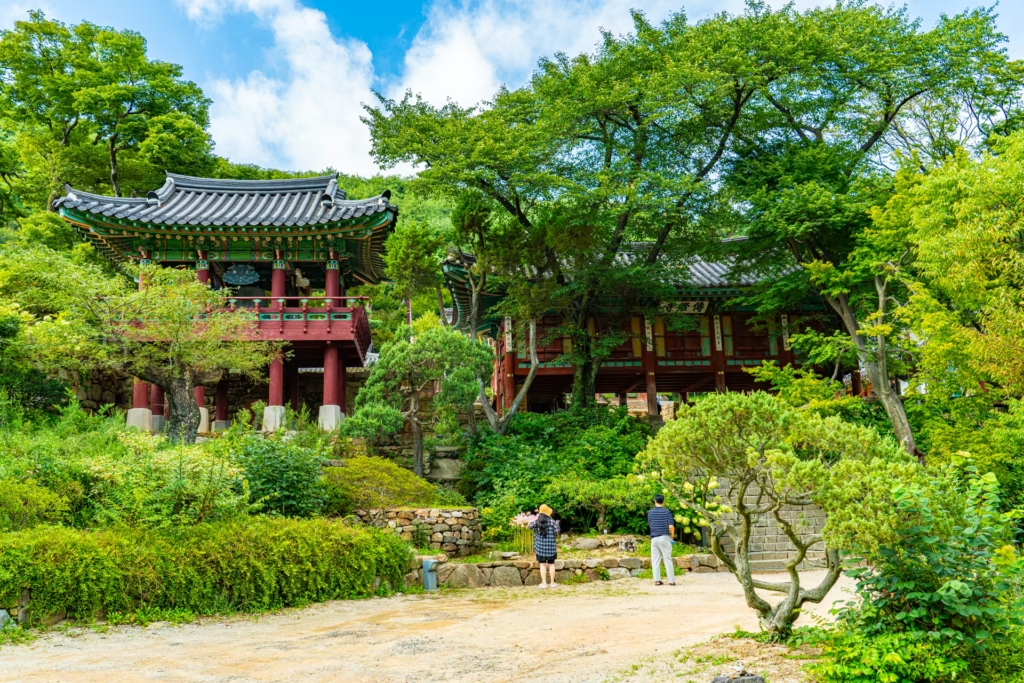
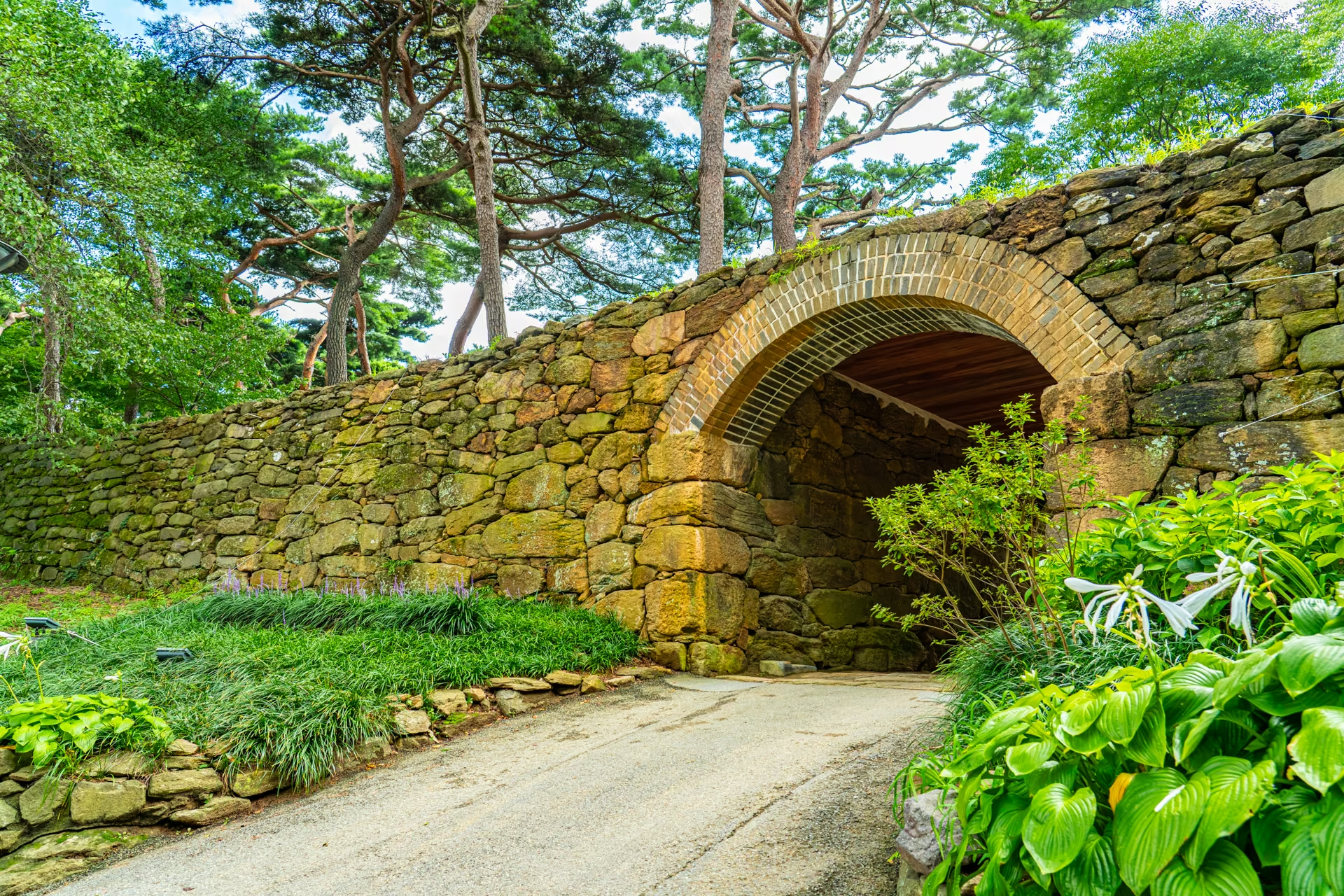
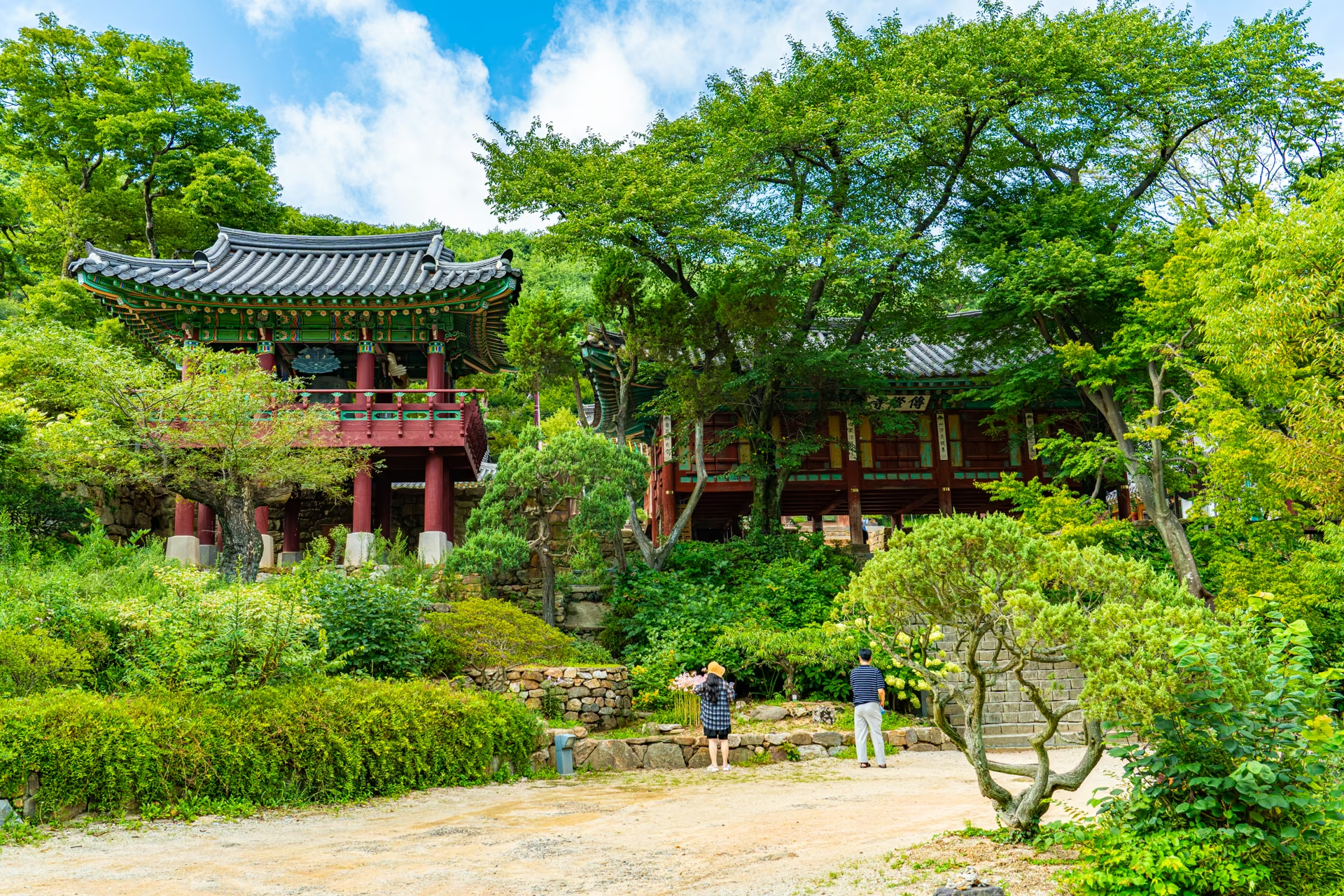
15:50 — Jeondeungsa. Three minutes from the brewery — they share a hillside — and inside a mountain fortress wall. Free, founded in 381 CE, and the late-afternoon light on the ramparts is the best hour of the day to be here. Allow an hour and a half, more if you walk the wall.
17:20 — out over the southern bridge. Home by seven.
The Two Swaps
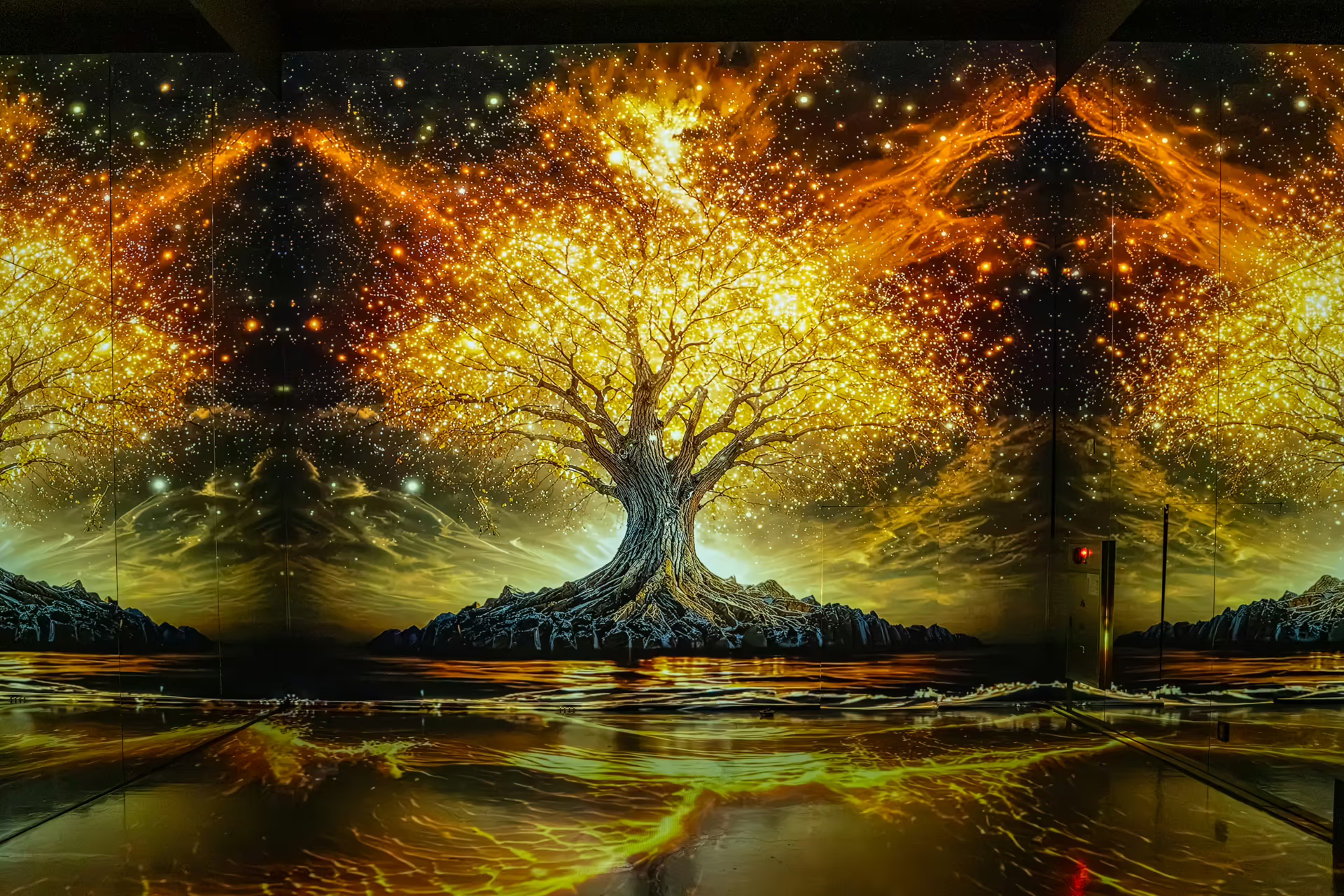
If it rains, drop the brewery and the temple and put Art Factory Charmgiroom in from 14:45 — a 120-meter projection hall in an old sesame oil mill, fifteen minutes from the southern bridge, and the largest indoor space on the island. Buy the ticket the day before; same-day online purchase doesn’t work. It opens every day until 20:00, which makes it the one stop here you can rely on whatever the weather and whatever the weekday.
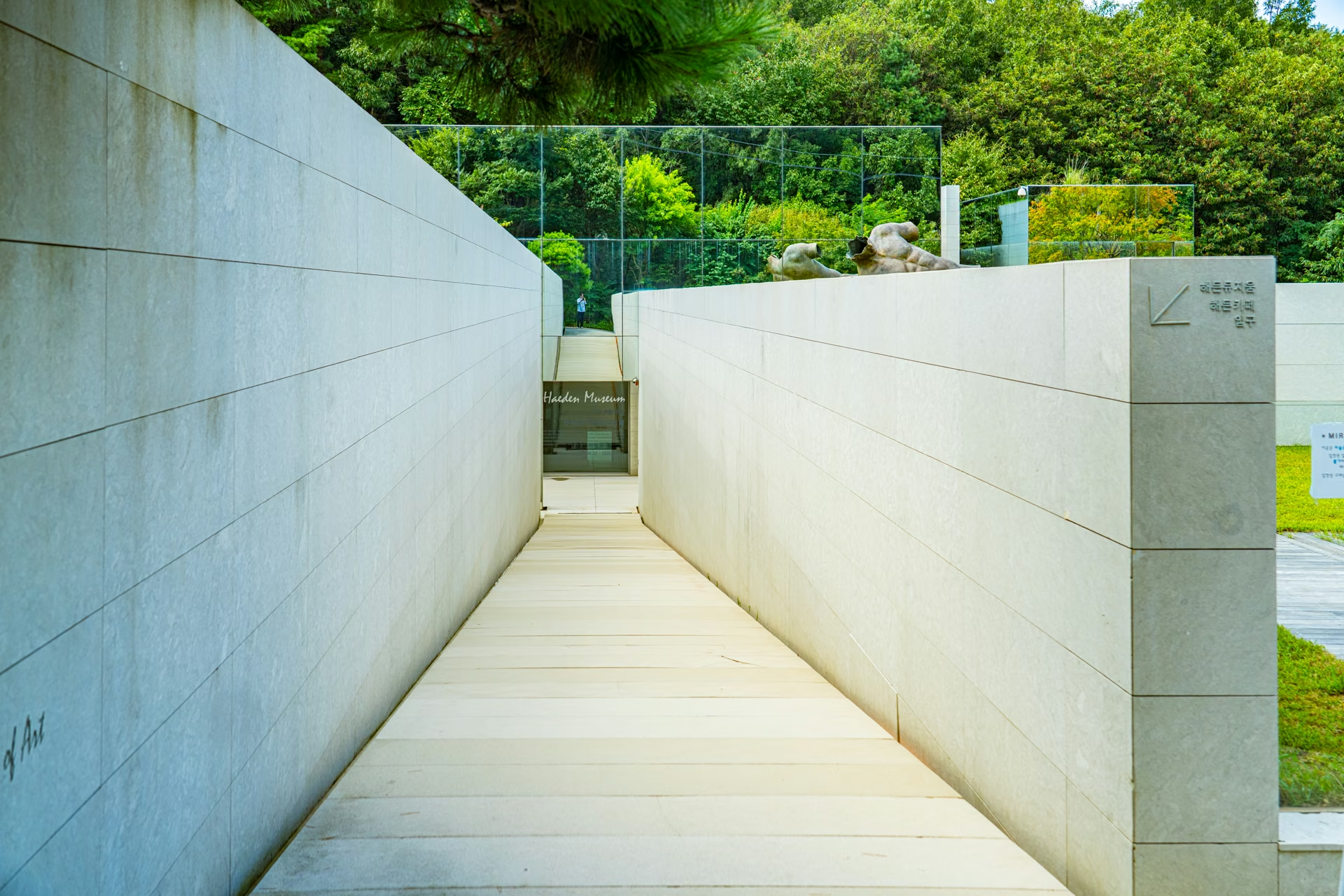
If you’d rather look at art and water than drink, swap the brewery for the Haeden Museum — at ₩20,000 the island’s priciest ticket, and the only one a serious gallery-goer will thank you for — and finish on the coast road at the vegan bakery — Chagall and Hockney on the labels, then bread and a view across the strait where the French and American squadrons came up in 1866 and 1871. Not on a Friday; the bakery is shut.
Route B: Without a Car — the Town Cluster and One Taxi
This works better than you’d expect, because two of the island’s best stops are within walking distance of the bus terminal.
09:00 — bus 3000 from Sinchon. About ₩3,000 on a transit card, every fifteen to thirty minutes. Reckon on two hours twenty. All seats, no standing, and it fills at weekends — get to the stop early rather than exactly on time.
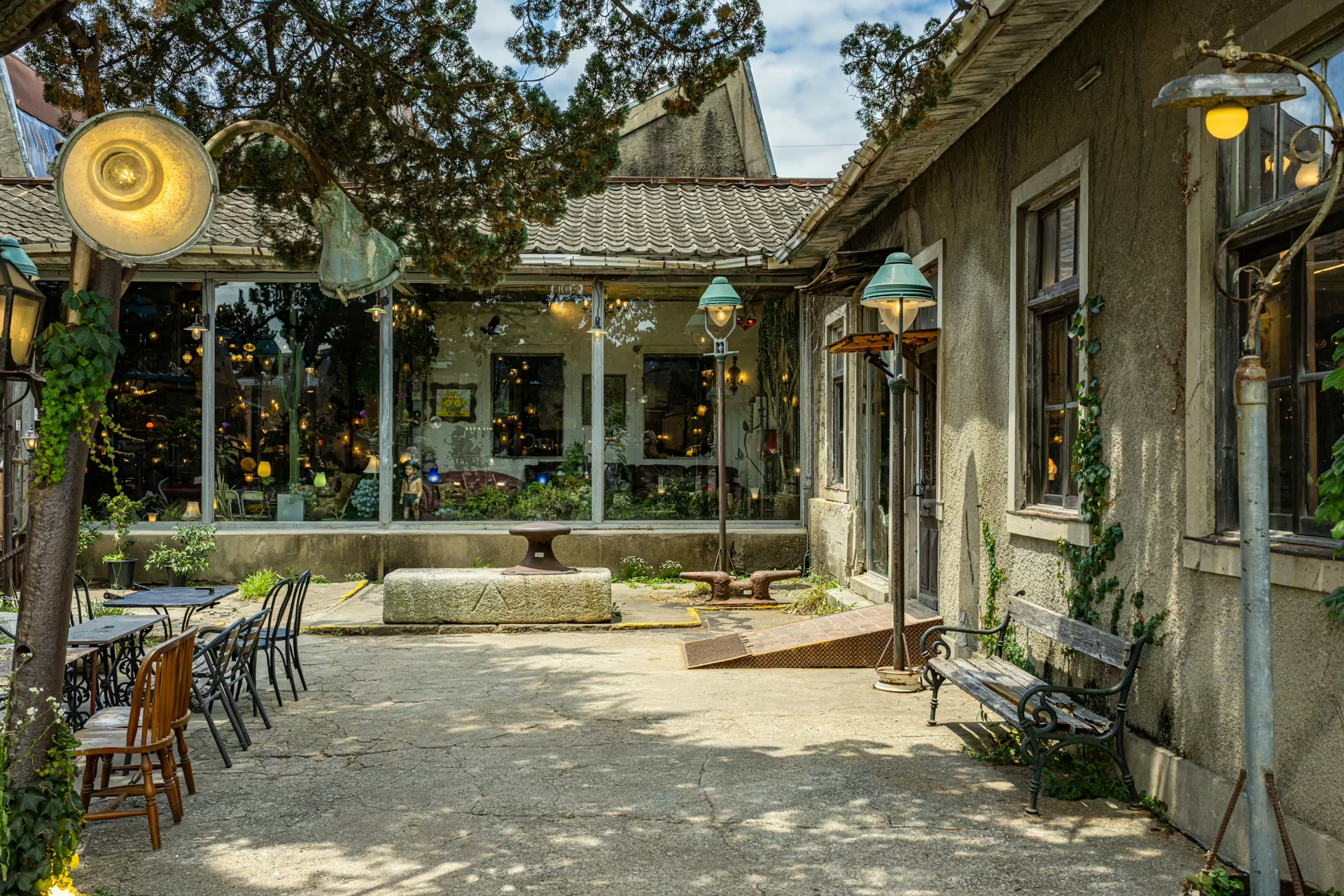
11:40 — walk to Joyang Bangjik. Twenty minutes from the terminal through the old quarter, and the approach lane is part of the pleasure. Coffee, bakery, and as long as you want under the roof lights.
13:20 — the Sochang Experience Center, ten minutes’ walk. A 1956 mill building, free, closed Mondays, where you can see the cotton gauze Ganghwa still weaves and understand what the sixty-odd factories here were actually making. It takes half an hour, and it makes sense of everything you just spent ninety minutes photographing.
14:10 — taxi to the dolmen and museums. Twenty minutes out through farmland. Two hours there.
16:30 — taxi back to the terminal and the 3000 home. Aim to be on a bus by 17:30; the Sunday evening queue is real.
Budget for the two taxi legs. Ganghwa town out to Hajeom-myeon and back is the one real cost in this route, and it’s the part every carless itinerary I’ve read quietly leaves out.
What you give up: the temple, the brewery, the art hall, the coast. All of them need a car or a long taxi. That’s the trade, and the day is still a good one.
If You Have Two Days
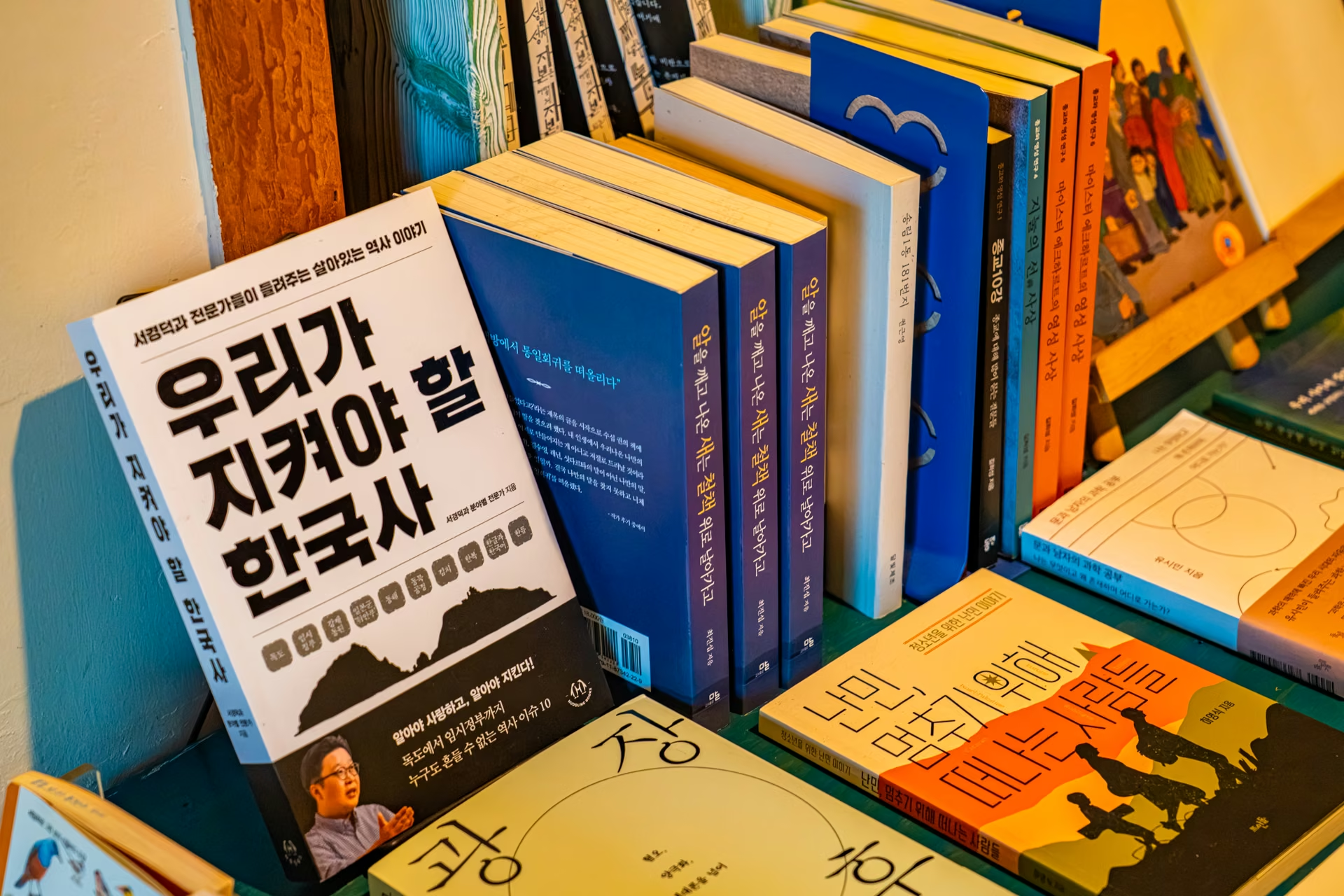
Stay over and the island opens up considerably. The obvious place is Gukjawajugeok, an independent bookshop in an old country house down a farm lane, where you can sleep among the shelves — with the honest caveat that booking is hard without Korean.
Give the second morning to the forts on the eastern shore. Once you’ve seen the 1871 dioramas in the history museum, standing on the parapet at Gwangseongbo where the garrison held out does something no display case manages. Then the coast road south, the bakery, and out over the bridge.
What to Cut When You’re Running Late
You will run late. The order to sacrifice things, in my experience:
Cut the natural history museum first. Look at the whale in the lobby — which takes ninety seconds and is the best thing in it — and skip the two floors upstairs unless you have children.
Cut the brewery second, unless you’ve booked. It’s the stop that most depends on being on time for a slot.
Never cut the dolmen. It costs nothing, it takes ten minutes, and it is the only UNESCO World Heritage site on this itinerary.
Never cut Jeondeungsa for time alone. It’s free, it needs no booking, and it works as a last stop long after the museums have locked up.
Practical Manual
| Item | Detail |
|---|---|
| Getting there | Bus 3000 from Sinchon, Seoul to Ganghwa terminal — about ₩3,000, every 15–30 min, roughly 2 hr 20 min, all seats. By car about 90 minutes from central Seoul |
| Bridges | Northern bridge for Ganghwa town and the museums; Chojidaegyo in the south for the temple and the coast. Enter by one and leave by the other |
| Best days | Any day but Monday. Weekdays are quieter at the mill cafe |
| Days to avoid | Monday — both museums and the textile center closed. Friday — vegan bakery closed. The temple, dolmen, mill cafe and art hall are open every day |
| Route A (car) | Dolmen and museums 10:30 → Joyang Bangjik 12:50 → Geumpung Brewery 14:45 → Jeondeungsa 15:50 → southern bridge 17:20 |
| Route B (bus) | Joyang Bangjik 11:40 → Sochang Experience Center 13:20 → taxi to dolmen and museums 14:10 → taxi back to terminal 16:30 |
| Book ahead | Geumpung Brewery tours. Art Factory Charmgiroom tickets must be bought at least a day in advance online |
| Budget | Bus ₩6,000 return, museums ₩3,000, temple free, dolmen free, coffee and cake about ₩16,000. Route B adds two taxi legs between Ganghwa town and Hajeom-myeon — around 16 km each way, and the largest single line in that version’s budget |
| One warning | A single road carries everyone off the island. Leaving after 18:00 on a Sunday can add an hour |
Times, prices and closing days are as published at the time of reporting. The individual guides linked above carry the detail for each stop and are the place to check before you travel.
Navigation Tip: Use Naver Map for every leg of this — Google Maps can’t route Korean roads properly — and keep Papago handy, because English signage outside the temple is thin.