
The Ganghwa Vegan Bakery With No Sign and a Dolmen Out Front
Eating vegan in Korea is easier than it was five years ago and still harder than most guidebooks admit. Temple cuisine is genuinely plant-based but expensive and usually booked. Everything else requires a negotiation — no fish sauce, no anchovy stock, no egg wash — conducted in a language you may not have. So finding a bakery on a farming island an hour from Seoul that is fully plant-based by design, rather than by accommodation, is worth a detour.
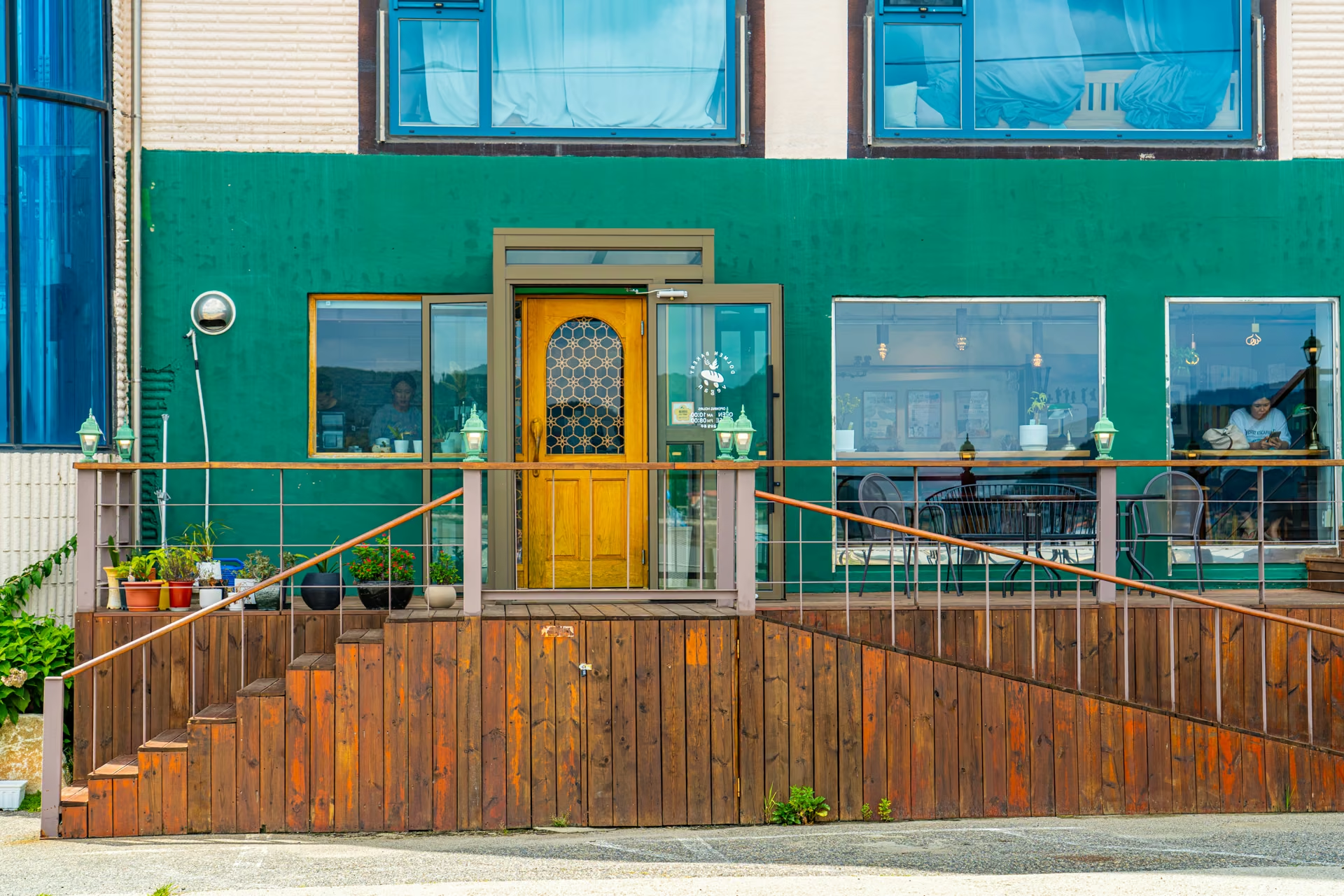
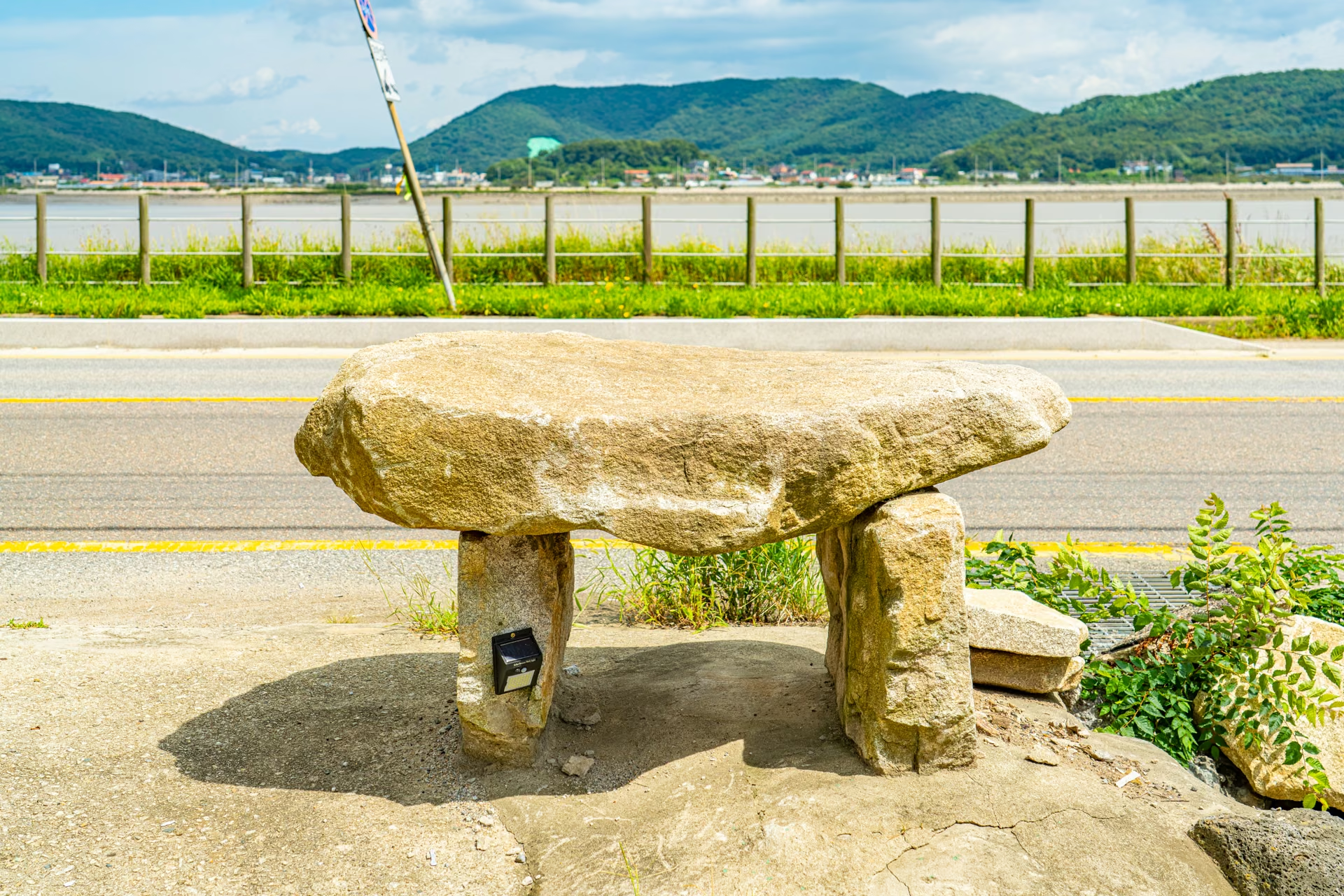
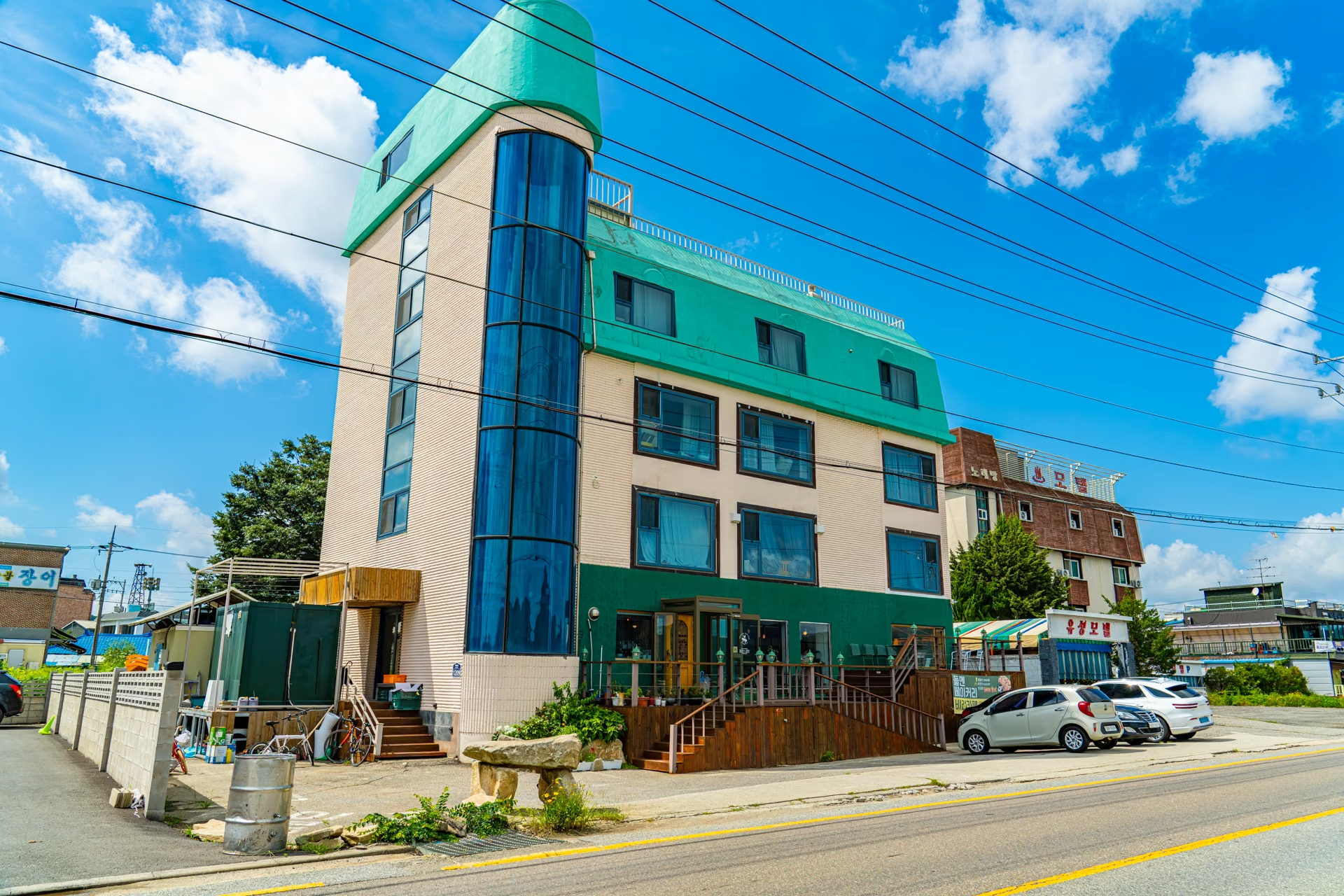
Dolmen Bakery sits on Haeandong-ro, the road that runs along the eastern shore of Ganghwa Island facing the mainland. It has no sign. Not a small sign, not a discreet one — none. What it has instead is a miniature dolmen, a stone table monument in the style of the Bronze Age megaliths that Ganghwa is famous for, sitting outside the door doing the job a sign would normally do. That is the landmark. Drive slowly.
Getting There from Seoul
Ganghwa is reached by bridge, not ferry, so there is nothing to book. From central Seoul the drive is around an hour and a quarter to an hour and a half depending on traffic; cross at Ganghwa Bridge and turn south onto the coast road, and the bakery is a few minutes along it in Seonwon-myeon.
Public transport is possible but awkward: bus 3000 from Sinchon Station to Ganghwa Bus Terminal, then a local county bus or a short taxi. The Sinchon leg is nominally an hour and often considerably more, and the island’s rural buses are infrequent. If you are relying on transit, put this at the front of the day rather than the end.
Since there is no sign, do not rely on visual navigation. Put the address into Naver Map and follow it to the pin.
What “Vegan” Means Here
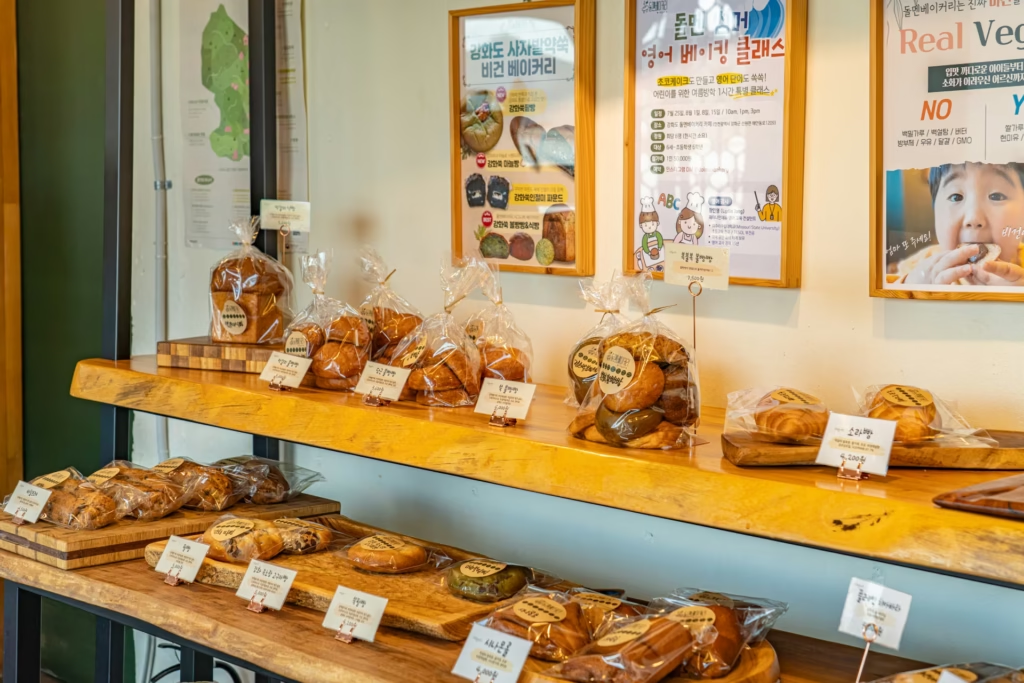
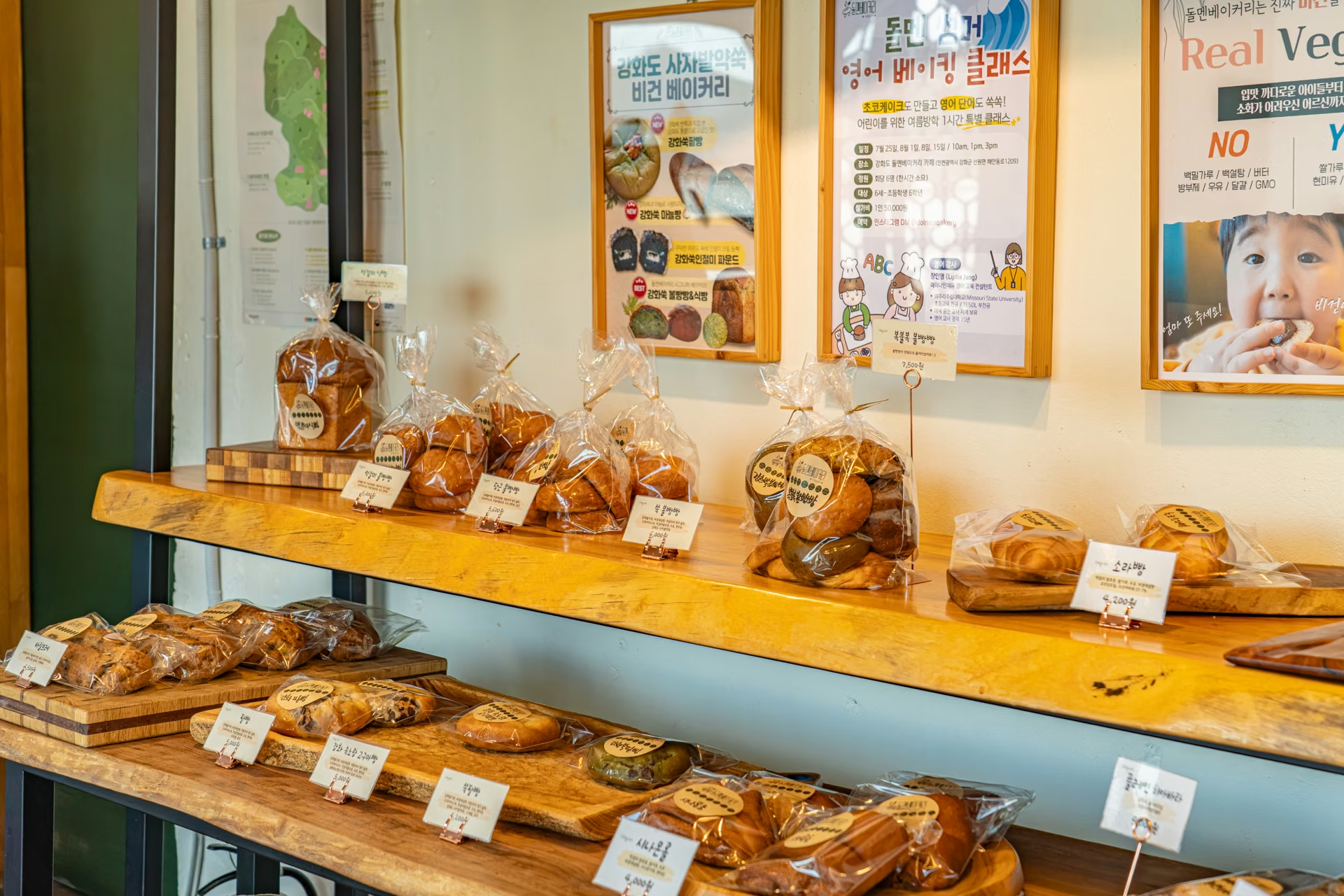
The exclusion list is specific and the bakery is unambiguous about it. No white flour. No white sugar. No milk, no cream, no eggs, no butter. No GMO ingredients. No synthetic additives or preservatives. Sweetening is done with unrefined sugar.
That list matters practically, not just ethically. If you are dairy-intolerant, egg-allergic, or travelling with a child whose eczema flares on refined flour, this is a place where you do not have to interrogate anyone. Every item on the counter clears the same bar. In a country where “vegan” at a café often means one oat-milk option, that is a meaningful difference.
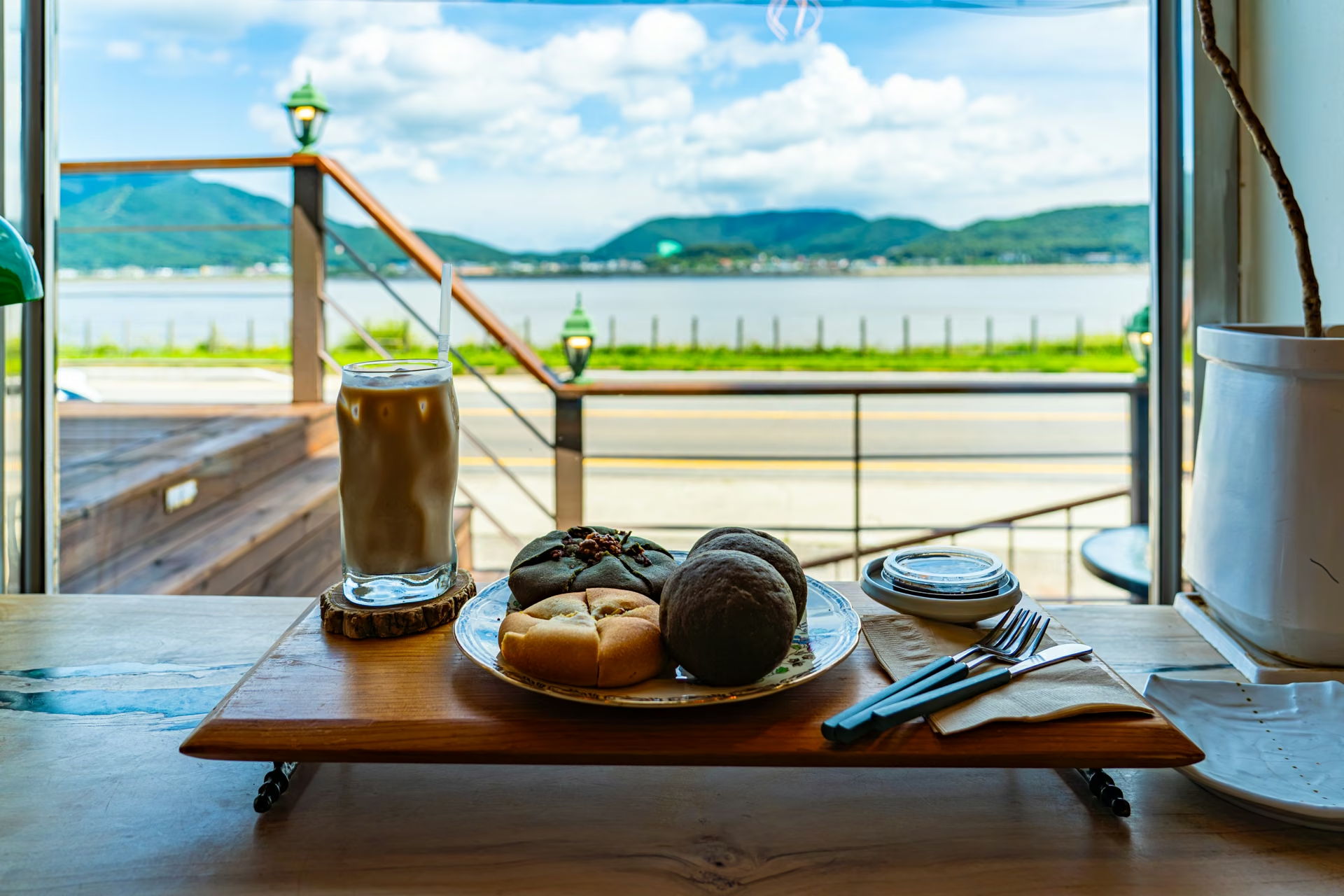
The obvious question is whether food built around that many exclusions tastes like anything. It does, and the reason is that the bakery is not trying to imitate butter pastry with substitutes. It builds flavour from grain, nuts and seasonal produce instead, so the texture is dense and varied rather than airy, and the finish is nutty and lingering rather than sweet and fast.
What to Order
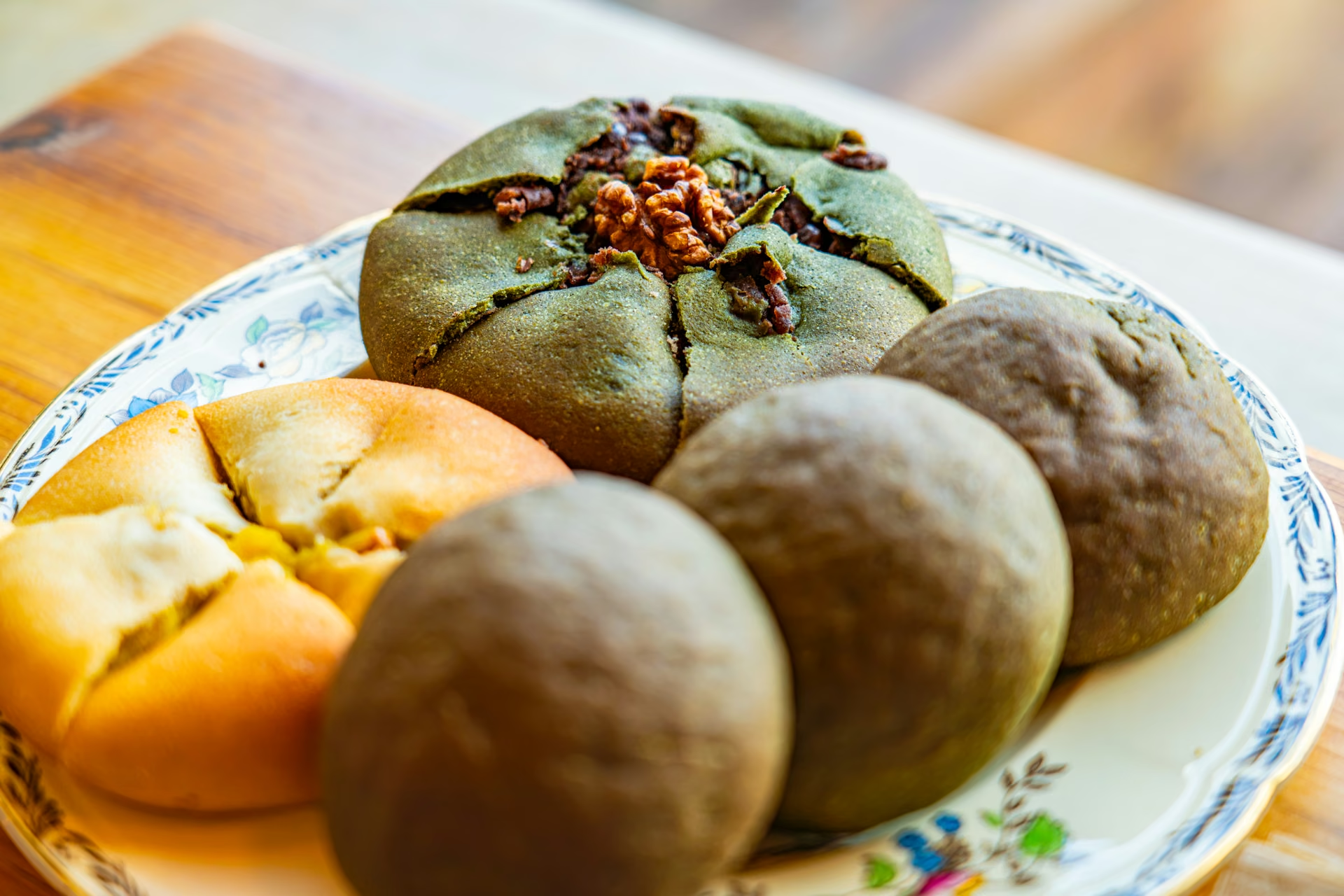
The signature items are the ones built from Ganghwa’s own crops, and those are what I would order if you only have room for two things.
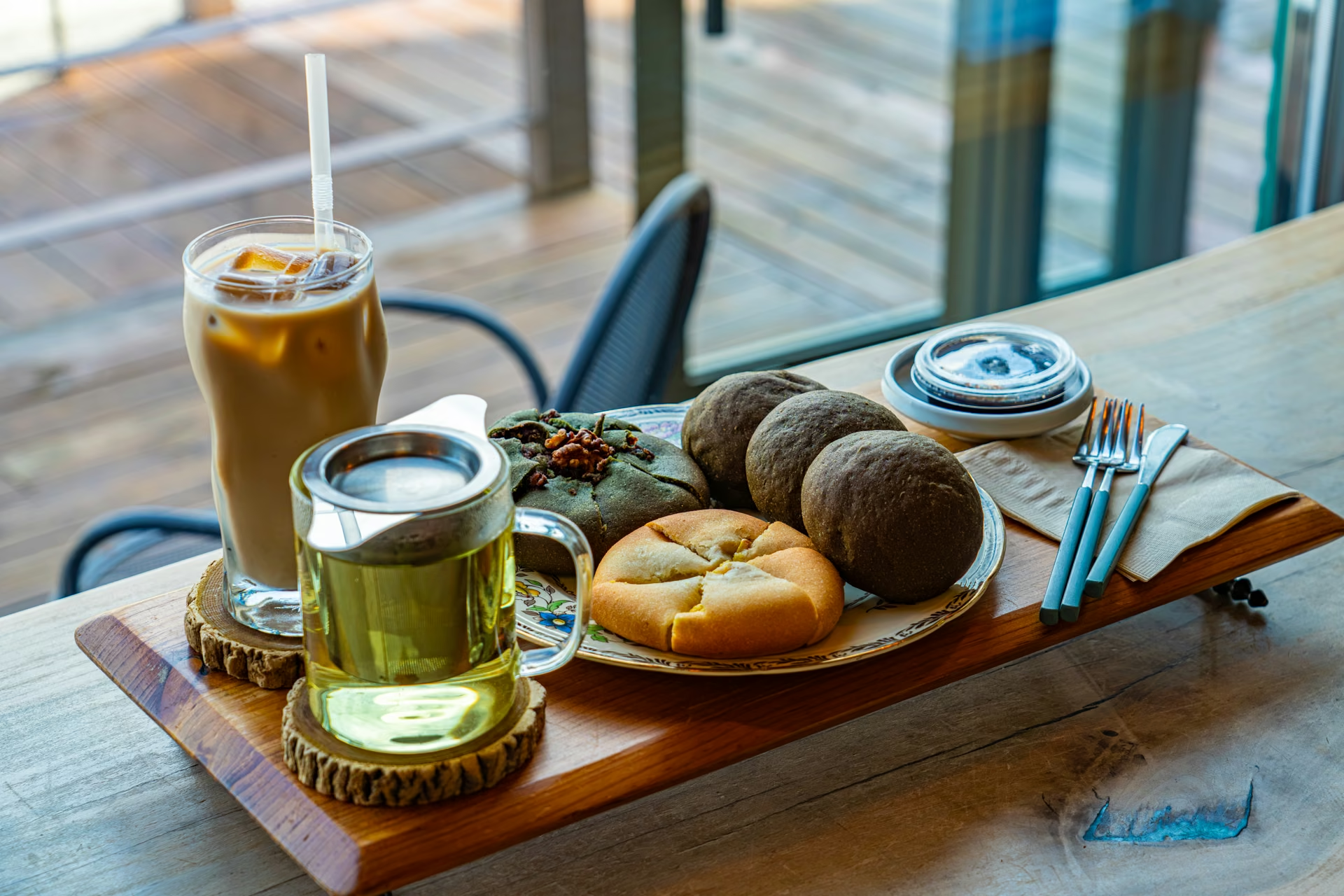
Ganghwa mugwort. Mugwort — ssuk — is the island’s best-known agricultural product, herbaceous and slightly bitter, closer to a Japanese matcha register than to anything sweet. It shows up in a red-bean bun and in a rounder pull-apart loaf, and it is the most distinctly local thing on the counter.
Yellow-flesh sweet potato. Ganghwa’s songnorang sweet potato is denser and less watery than the standard supermarket variety. In bread form it gives a natural sweetness that does not need sugar behind it.
Garlic. Also grown here, also folded into the baking, and better than it sounds.
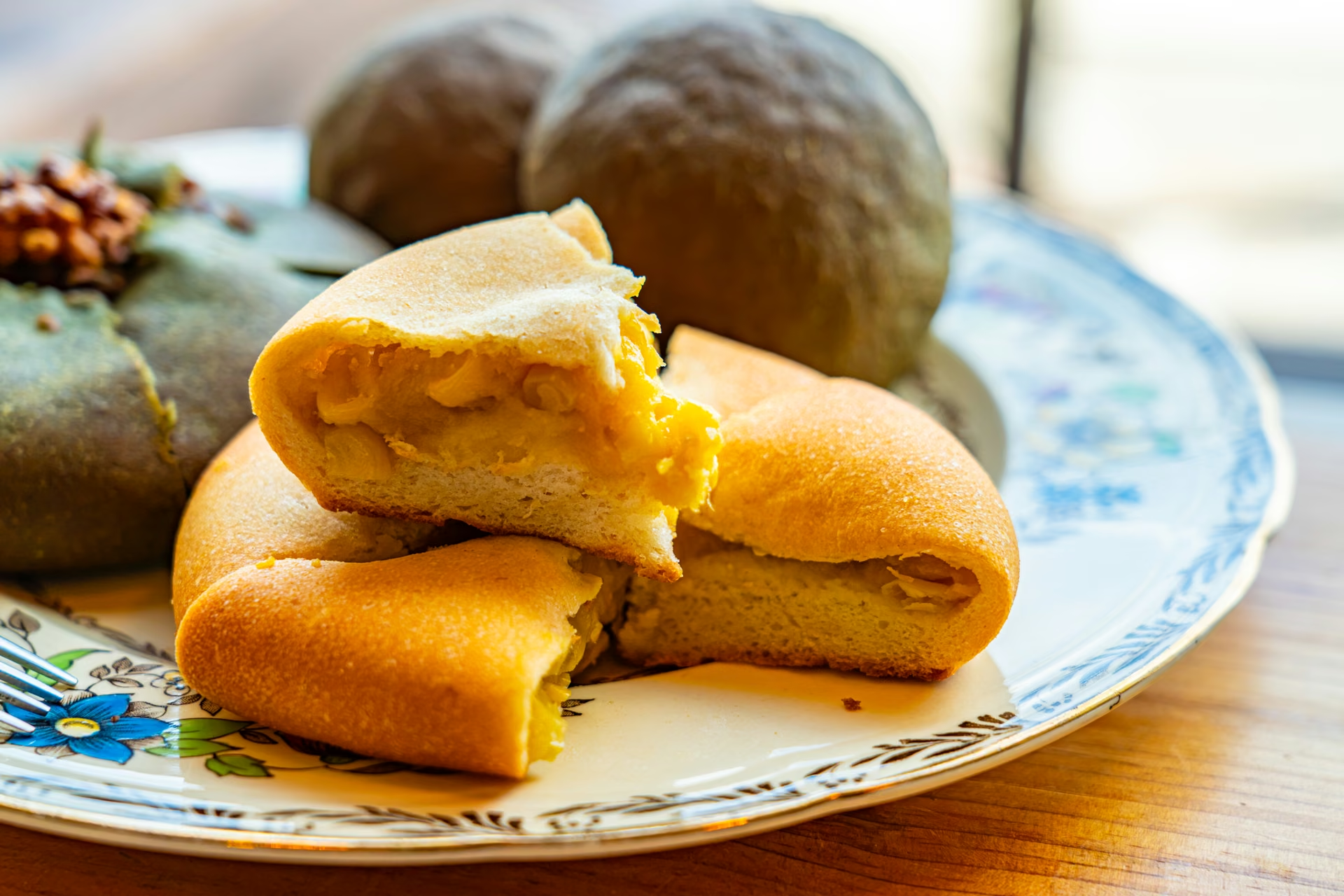
Beyond the signatures there are handmade red bean buns for a light stop, and ciabatta and loaf breads substantial enough to count as a meal. Take a loaf with you — this is a good place to solve tomorrow’s breakfast if you are staying on the island.
On the drink side, the pairing to get is the marigold-and-Ganghwa-mugwort tea. There is also a Ganghwa ginseng tea. At the time of my reporting the teas ran ₩7,000, the mugwort red bean bun ₩5,200, the yellow sweet potato bread ₩5,000 and the mugwort pull-apart ₩6,000. Small bakeries adjust prices, so treat those as an order of magnitude rather than a promise.
One timing note that matters more than any of this: bread reportedly comes out of the oven around 10:30, half an hour after opening. Arrive at 10:00 sharp and the counter may still be filling. Arrive at 11:00 and you get the full range.
The View Is Not Decoration — It Is the Ganghwa Strait
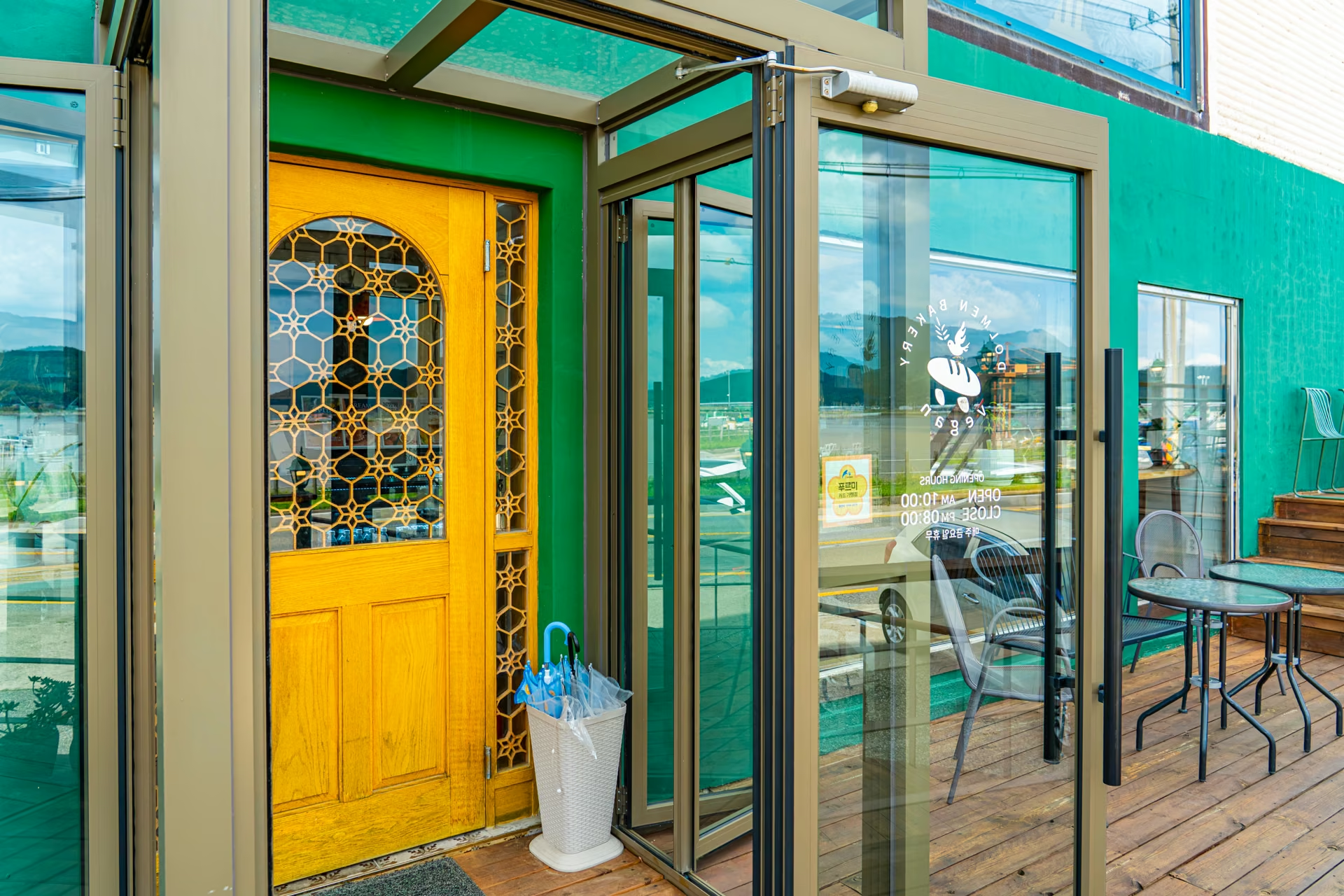
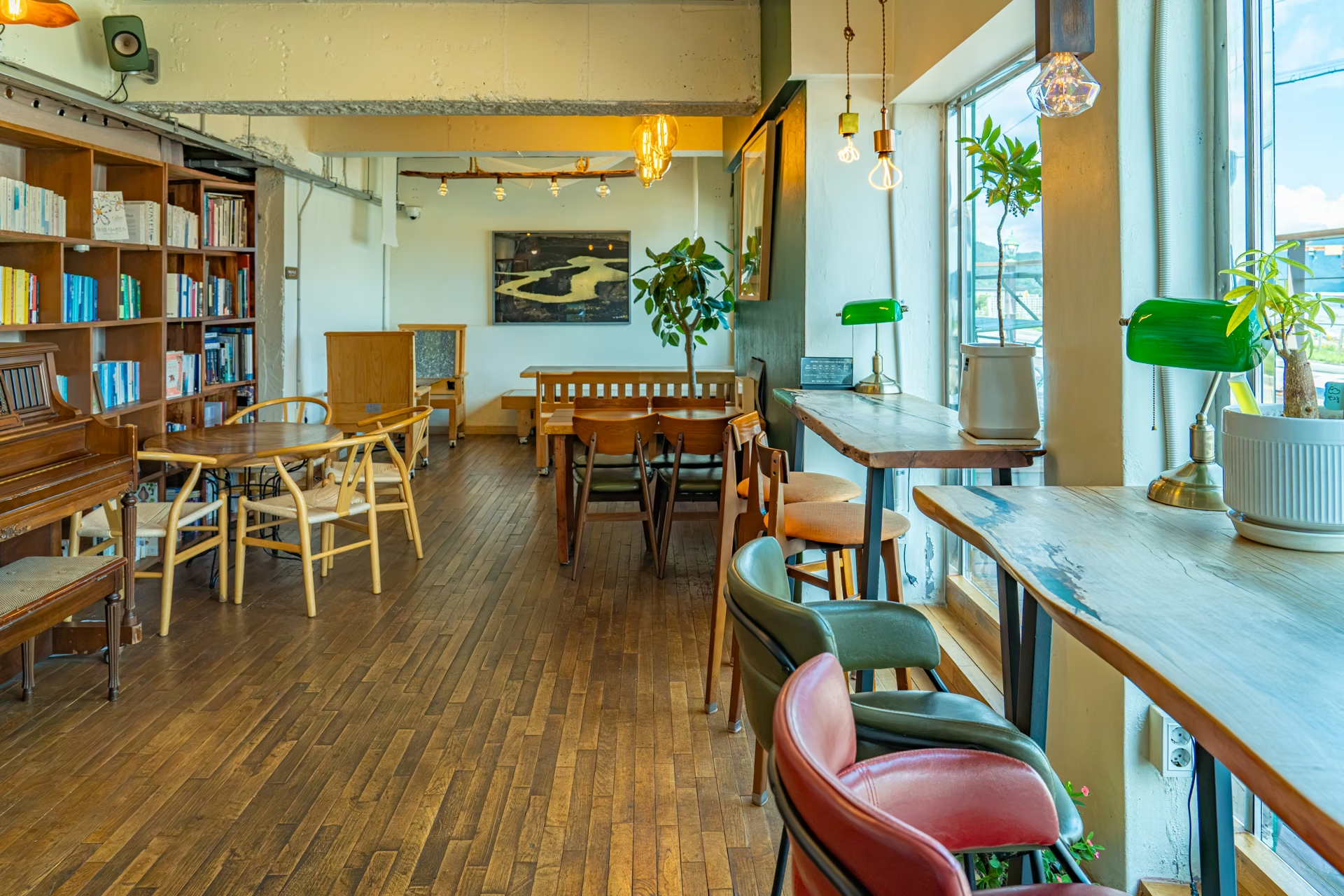
Sit at the window and you are looking at the Ganghwa Strait, known in Korean as Yeomha. It separates the island from Gimpo on the mainland and narrows to roughly 800 metres at its tightest, running about 20 kilometres north to south. Because the tidal height differs sharply between Wolgot at the northern end and Hwangsando at the southern end, water moves through it fast — fast enough that it has always been treated as a defensive asset rather than a crossing.
Which is exactly what it was. This narrow channel is where the French campaign of 1866 and the American expedition of 1871 both foundered — the French were beaten outright and withdrew, the Americans won their engagements and then sailed away without the treaty they had come for. Either way, neither fleet got what it wanted. The forts and gun batteries lining both banks are still there, and the victory over the French was won a short drive south of here at Jeondeungsa Temple’s fortress. Drinking mugwort tea while looking at that water is a quietly strange experience — the calmest possible vantage point on the most contested stretch of coast in modern Korean history.
Why Ganghwa, of All Places
It is worth asking why a fully plant-based bakery ended up here rather than in Seoul’s Yeonnam-dong, where the vegan customer base actually lives. The answer is agricultural. Ganghwa is a farming island that happens to sit an hour from a city of ten million, and it grows a short list of things extremely well.
Mugwort is the headline crop. The island’s mugwort is harvested from fields exposed to sea wind, and Korean cooks have treated it as a distinct ingredient rather than a generic herb for a long time. Ganghwa ginseng has its own reputation. So does the island’s rice, its turnip — the local sunmu variety is regionally famous — and the yellow-flesh sweet potato. For a baker committed to working without dairy, eggs or refined sugar, having that produce within a few kilometres is not a lifestyle choice. It is the supply chain.
That logic shows up elsewhere on the island too. The brewery in Gilsang-myeon has been fermenting Ganghwa rice into makgeolli since 1931 on the same reasoning: the ingredient was already here. What is newer is the idea that a visitor might drive out from Seoul specifically to taste what an island grows, rather than to look at something.
Practical Warnings
It closes on Fridays. This trips people up more than anything else, because Friday is when a lot of visitors drive out from Seoul ahead of a weekend. Listings consistently show a regular Friday closure with the shop open the other six days from 10:00 to 20:00, last order 19:30. Call ahead if your trip hinges on it.
It is small. This is a village bakery with a room attached, not a destination café with fifty seats. On a weekend afternoon the window seats go first.
Popular items sell out. Small-batch baking with no preservatives means what is gone is gone. Late afternoon is a thinner selection.
Dogs. Several Korean directories list it as dog-friendly. I would still ring the number before arriving with an animal.
Who This Is Actually For
This is for vegan and vegetarian travellers who are tired of doing ingredient forensics at every meal, and for anyone with a dairy or egg restriction who wants an hour of not thinking about it. It is for travellers who care where food comes from, because the mugwort, sweet potato and garlic in these loaves were grown within a few kilometres of the oven. It is for anyone already driving Ganghwa’s east coast, since the bakery sits on the road between the bridge and the island’s southern cluster of sights.
It is a poor fit if you want a full brunch menu — this is bread and tea, not a cooked plate. It is a poor fit if you are chasing a big Instagram café with a photo wall; the appeal here is a small room and a large view. And it is no use at all to you on a Friday.
What I remember is the ordinariness of it. A dense slice of mugwort bread, a cup of tea going cold, eight hundred metres of fast grey water in the window, and a stone dolmen outside the door standing in for a sign that nobody ever got around to making.
Practical Manual: Dolmen Bakery
| Address (EN) | 1209 Haeandong-ro, Seonwon-myeon, Ganghwa-gun, Incheon (1F) |
| Address (KR) | 인천광역시 강화군 선원면 해안동로 1209 1층 |
| Phone | 070-4352-0179 |
| Hours | 10:00–20:00 (last order 19:30) |
| Closed | Fridays |
| Bread out of the oven | Around 10:30 |
| Diet | 100% plant-based · no white flour, white sugar, dairy, eggs, butter, GMO or preservatives · unrefined sugar only |
| Order this | Ganghwa mugwort red bean bun · yellow-flesh sweet potato bread · marigold & Ganghwa mugwort tea |
| Finding it | No shop sign. Look for the small dolmen sculpture at the entrance. |
| From Seoul | ~75–90 min by car via Ganghwa Bridge · or bus 3000 Sinchon → Ganghwa Terminal, then local bus or taxi |
| Navigation Tip | Google Maps does not give driving directions in Korea. Use Naver Map and search 돌멘베이커리. Show the Korean address to a taxi driver, or run it through Papago. |
Menu prices reflect the time of reporting and small bakeries adjust them. Hours were cross-checked against current listings; ring ahead if you are driving specifically for this.
More on Ganghwa Island and plant-based Korea
- Jeondeungsa Temple: Korea’s oldest, free to enter, inside a fortress
- Haeden Museum: Chagall and Hockney in a Ganghwa hillside
- Gukjawajugeok: a night in a farmhouse bookstore
- Balwoo Gongyang: Michelin-listed Buddhist temple cuisine in Seoul
- A Busan cooking class that accommodates vegan and vegetarian diets