
Art Factory Charmgiroom: The Building Kept Its Name and Nothing Else
The name is the joke, and it’s a good one. Chamgireum means sesame oil. This was a sesame oil factory, and when it reopened in 2024 as an immersive art venue with a restaurant and a roller rink, the owners kept the word in the name — reportedly on the advice of a well-known Korean singer, who pointed out that nobody forgets a gallery called sesame oil.
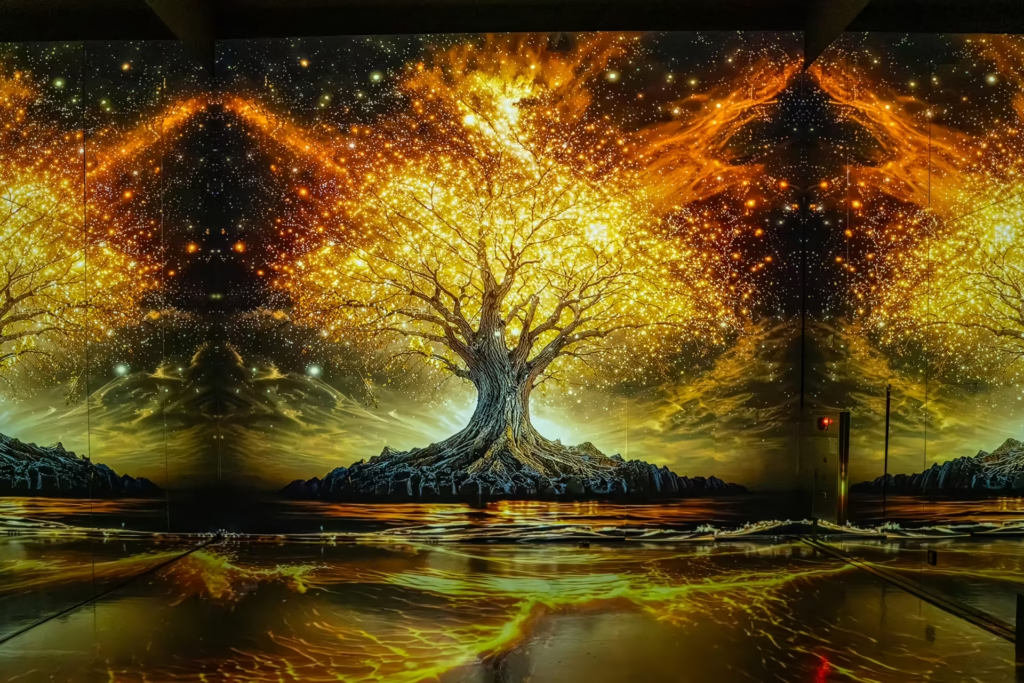
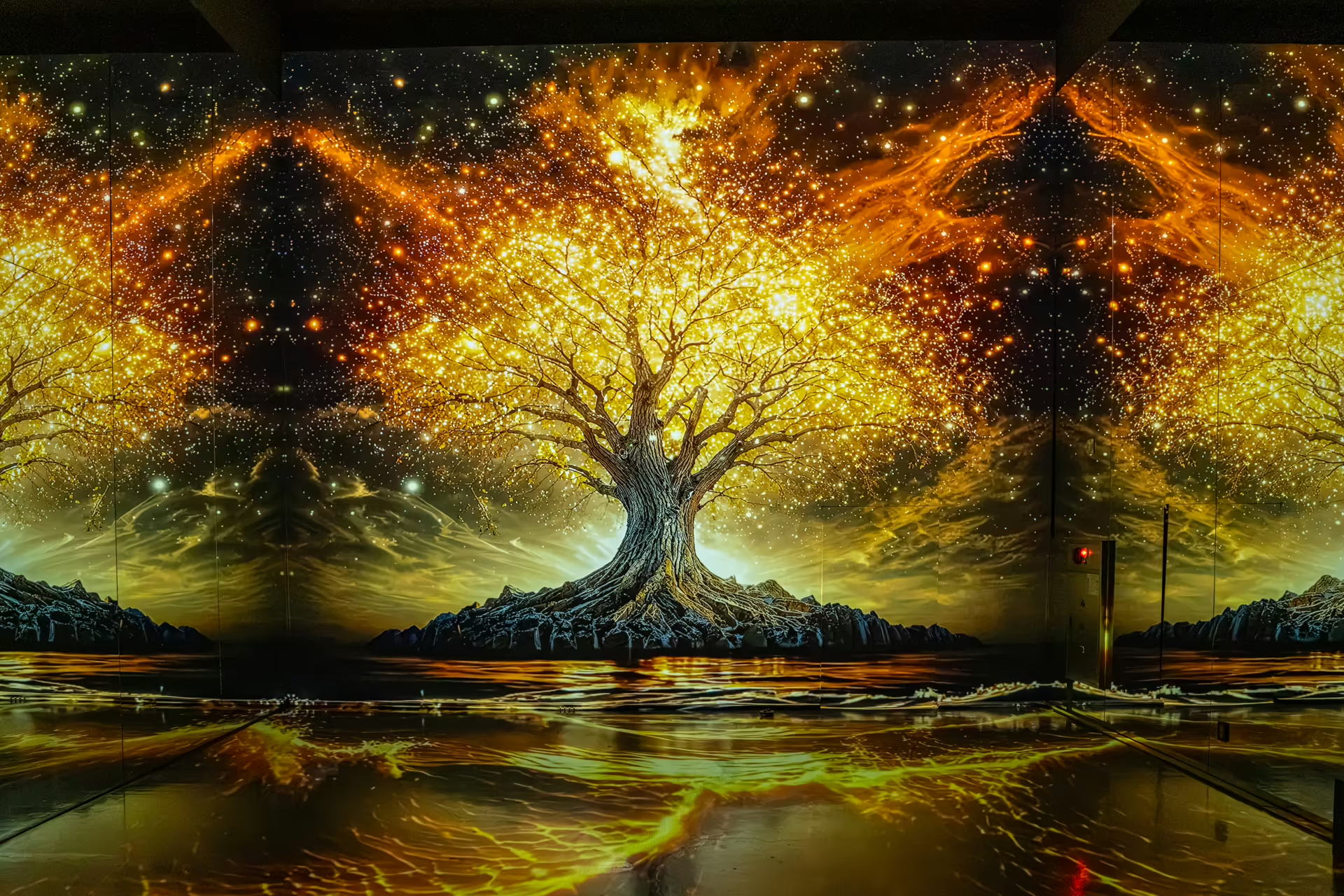
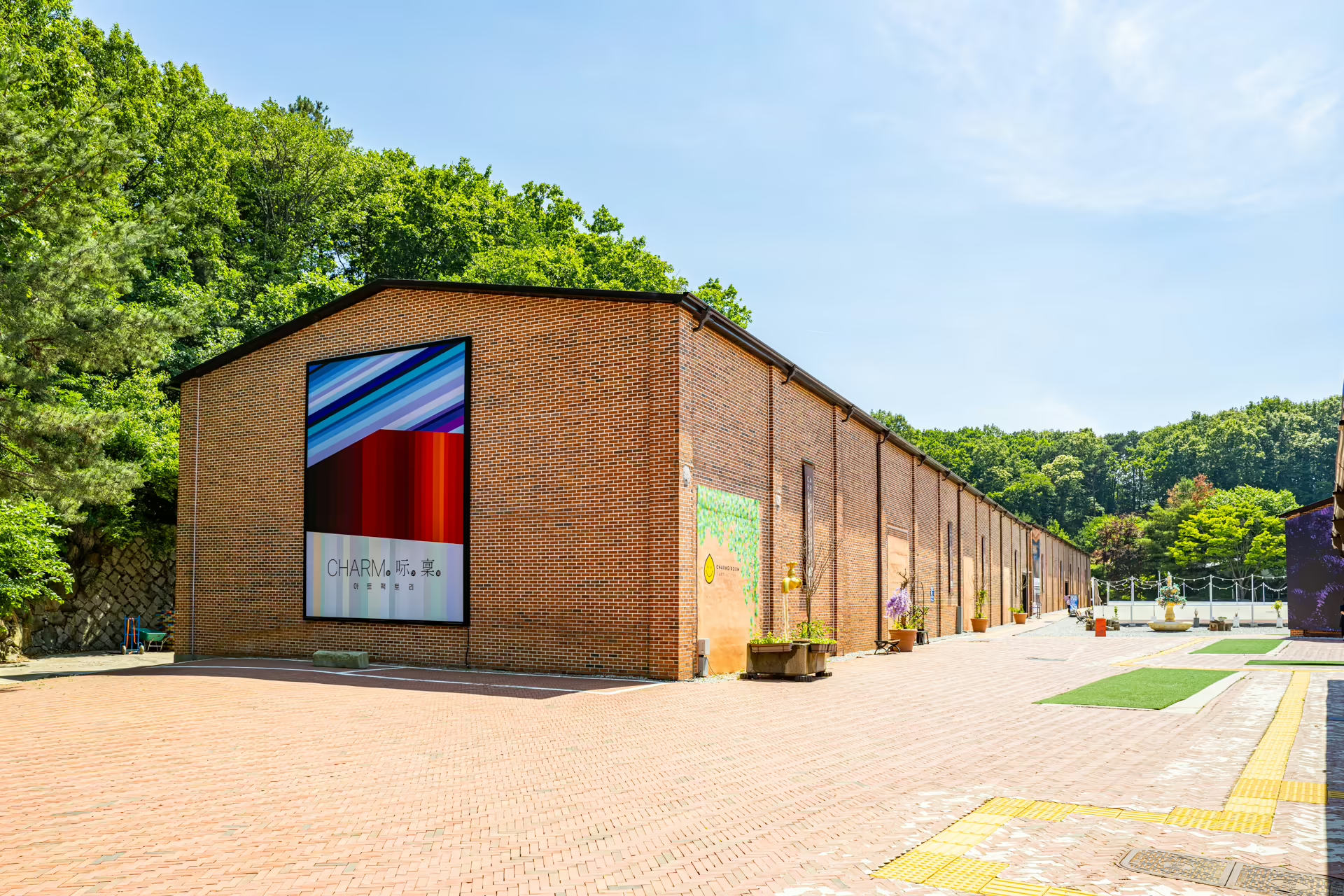
The machinery is long gone. What’s left is the shell: a brick shed 120 meters long and eight meters to the ridge, on a seven-thousand-pyeong plot in the south of Ganghwa Island. Inside, every surface — walls, floor, ceiling — is a projection screen. You walk through a golden tree the height of the building, past a nine-tailed fox the size of a bus, over water that isn’t there.
Orientation: Getting to Art Factory Charmgiroom
It’s in Gilsang-myeon, at the southern end of the island — not in Ganghwa town, which is where most people assume. If you’re coming over the Chojidaegyo bridge from the Gimpo side, it’s about fifteen minutes from the bridge, which makes it the natural first or last stop on a day out rather than a detour.
Be honest with yourself about transport: this one wants a car. Local bus service out here is thin, and the approach road is narrow enough that meeting an oncoming vehicle means one of you reversing. Take a taxi from Ganghwa terminal if you’re on public transport, or build your day so this is the stop you drive to. Parking on site is free and there is a lot of it.
1. The Booking Rule That Catches Everyone
Read this before anything else, because it is the single most common way to arrive and be annoyed.
Online tickets must be bought at least a day in advance. Same-day online purchase does not work — the system won’t let you buy in the morning and walk in that afternoon. If you turn up without a ticket you can still get in, but only by buying at the desk at full price, and the online channels are where the discounts live. Korean booking platforms and the regional tourist card both knock money off.
So: decide the day before, or accept paying list.
2. What ₩17,000 Actually Covers
Admission at the time of reporting runs ₩17,000 for adults, ₩13,000 for teenagers and ₩9,000 for children, with under-fives free. That is not cheap for a rural attraction, so it’s worth being clear about what you get.
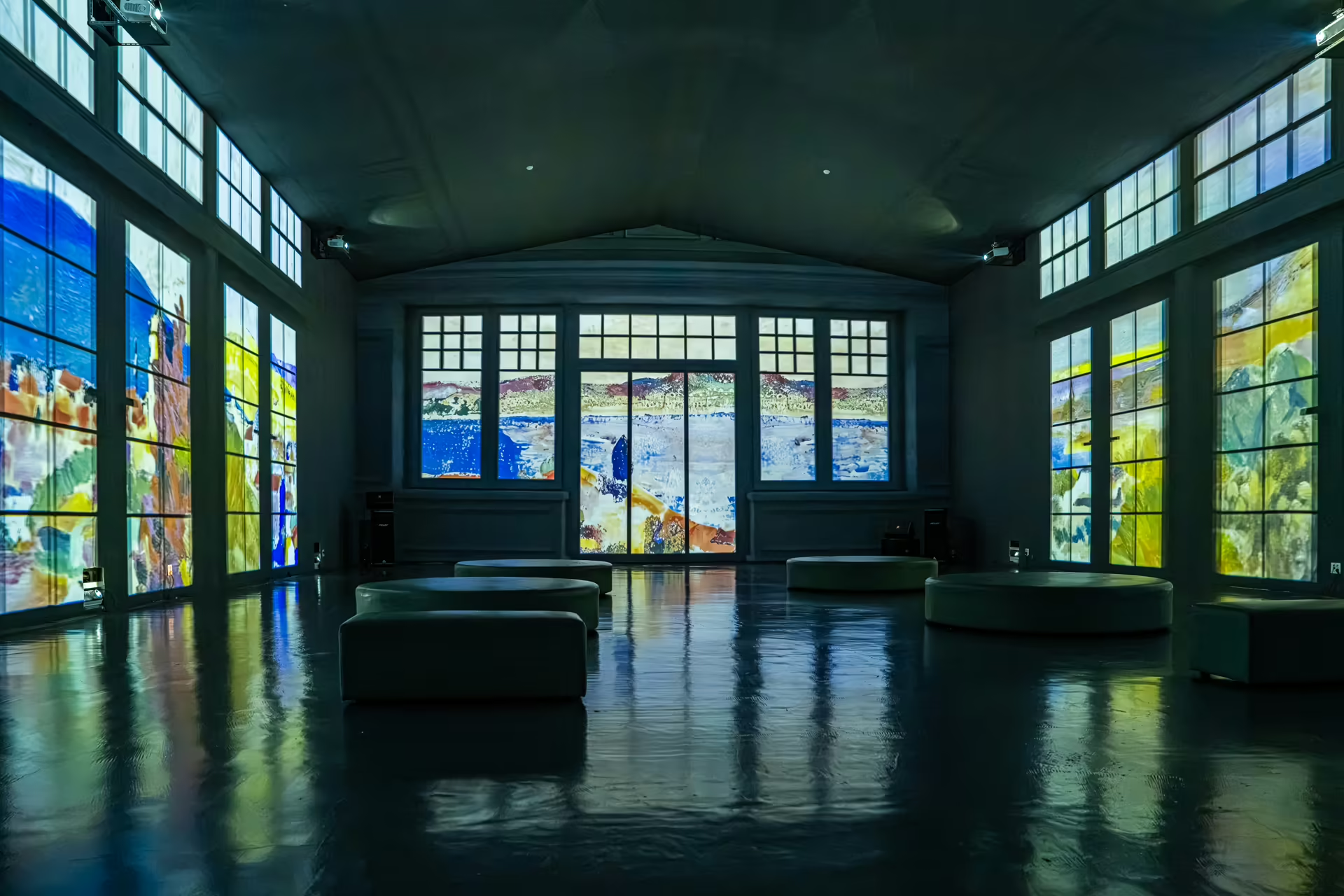
You get the projection halls. The program rotates, which is the important structural point — this is not a permanent collection, it’s a venue that licenses and commissions shows and swaps them out. Recent programs have run in two strands: an original narrative piece built on Korean folklore and the legends of the island’s own temple, and a second hall showing a fine-art program on a cycle of roughly half an hour.
The folklore hall is the better of the two. A nine-tailed fox unfolds across an entire wall; a palace gate assembles itself out of light over a floor of reflected water; lanterns rise. It is unashamedly theatrical and it works on adults as well as children, which not all of these venues manage.

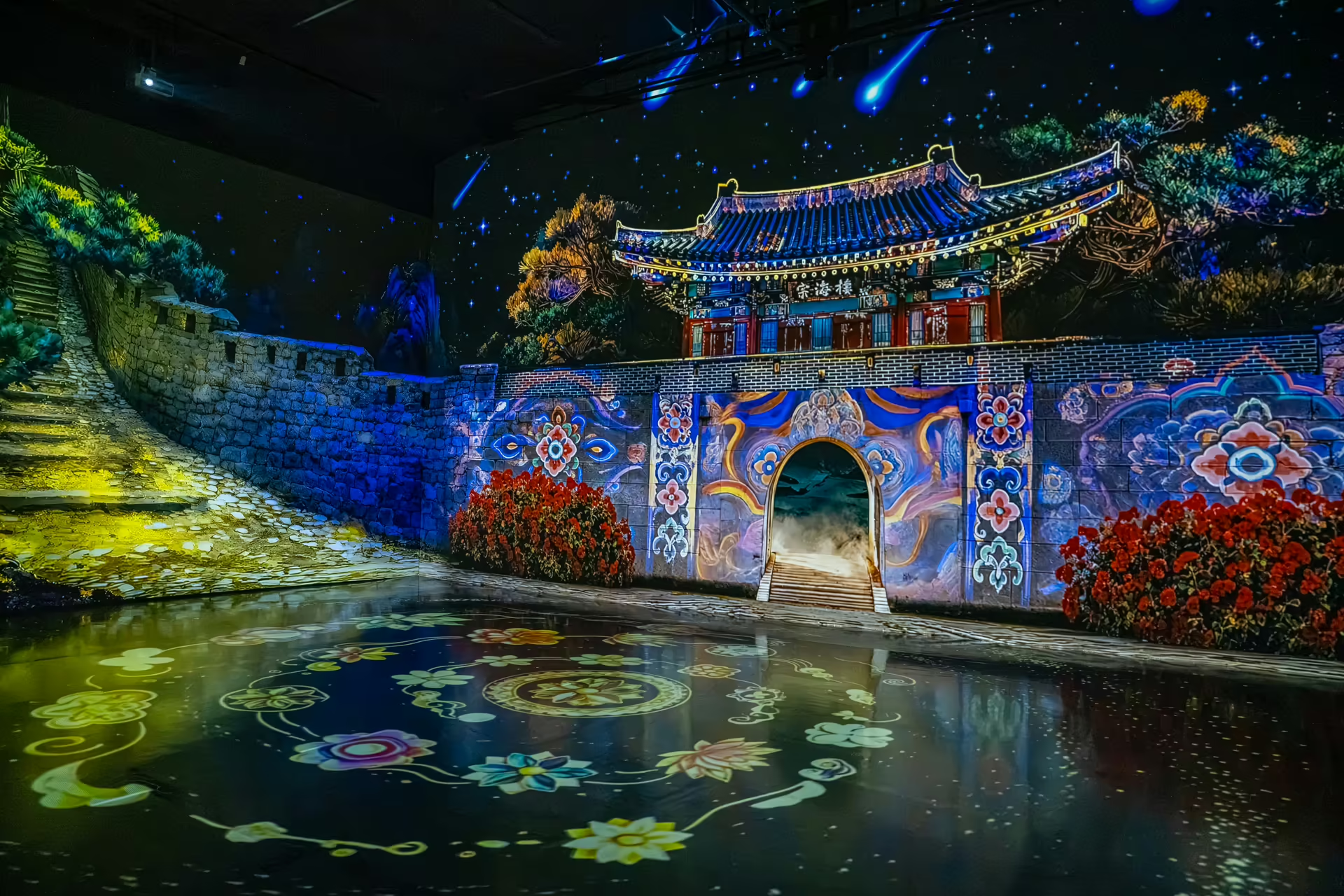
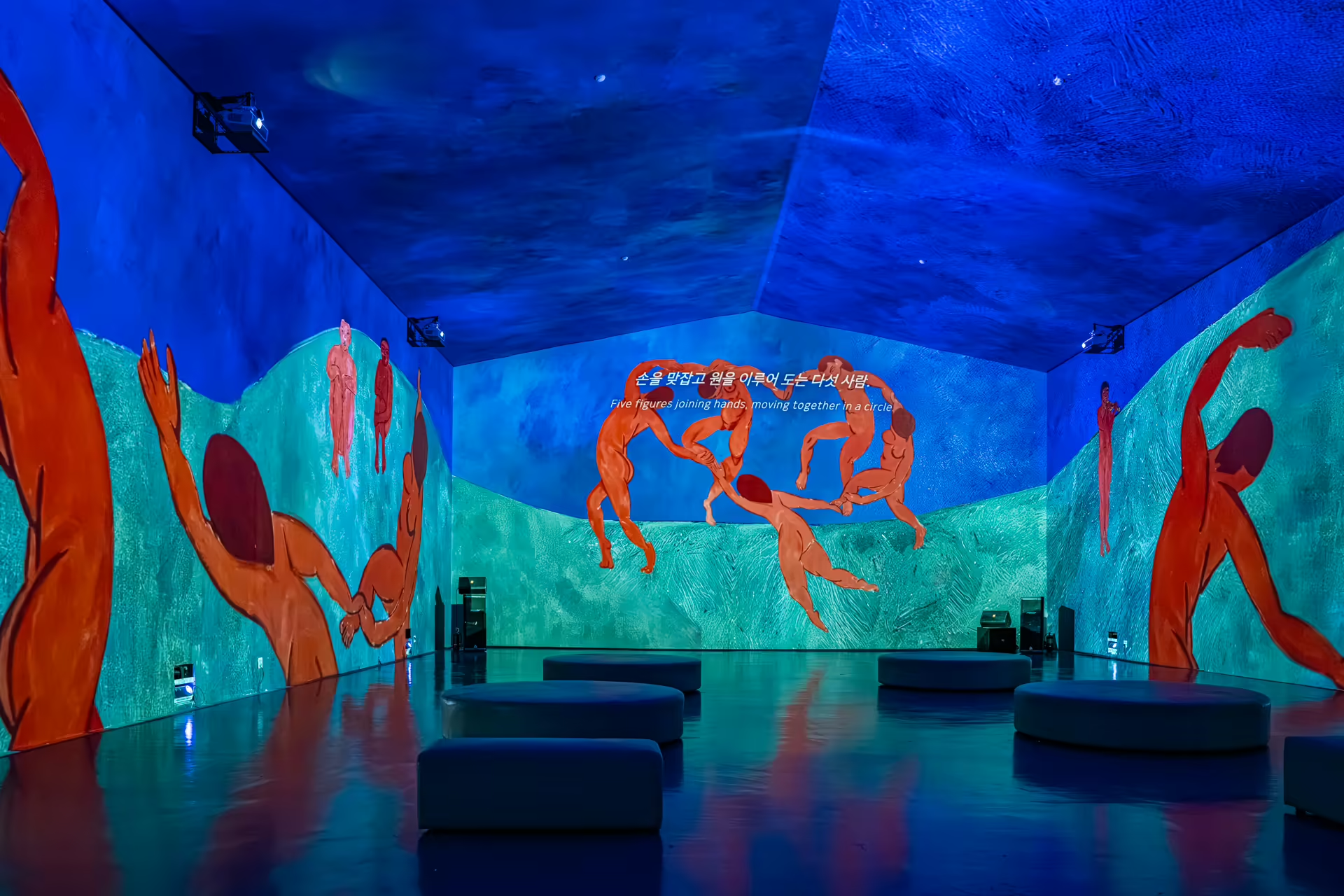
Check what’s showing before you commit. Programs here change every few months, so anything a blog post tells you is on may well have been replaced. The venue’s own channels are the only reliable source.
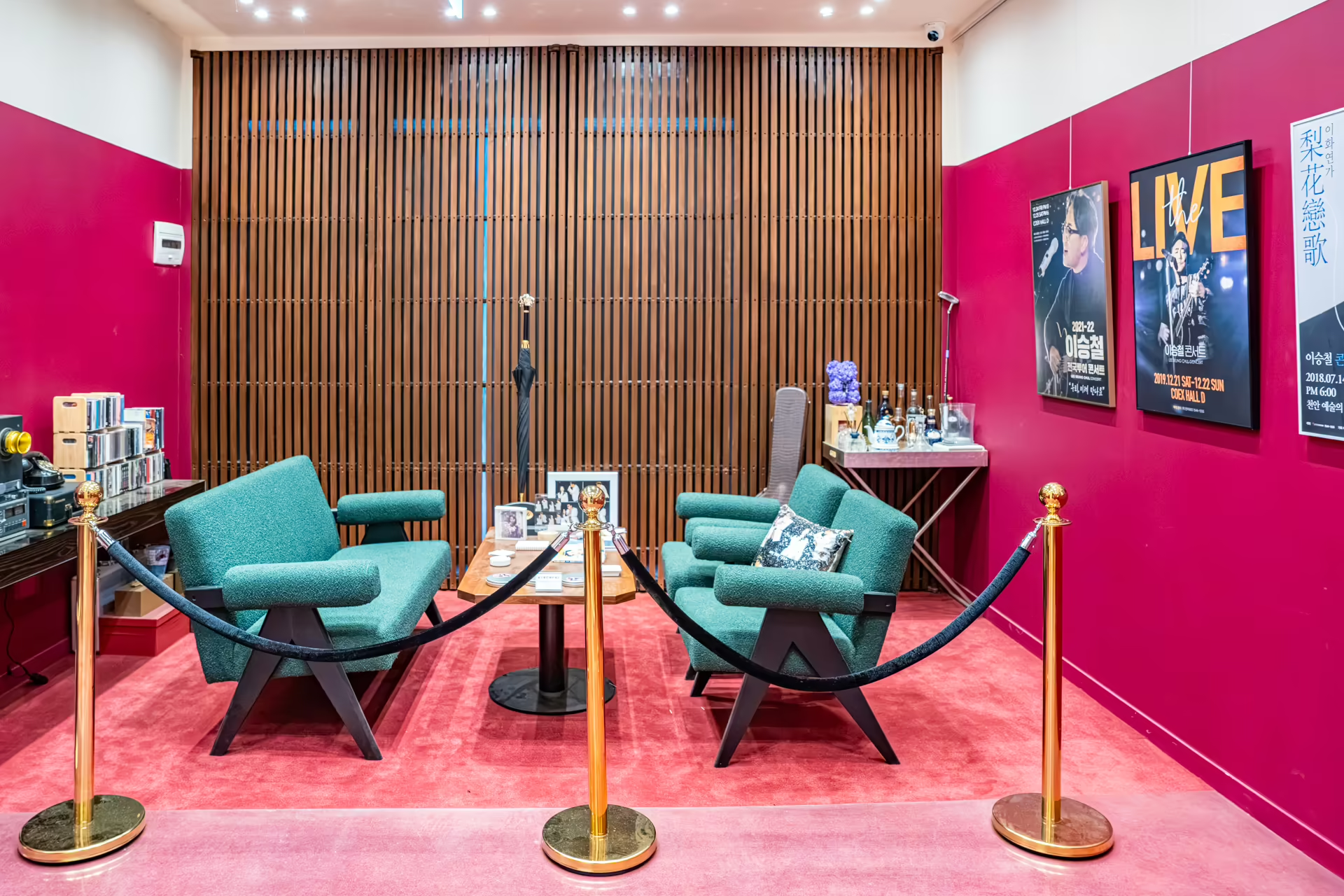
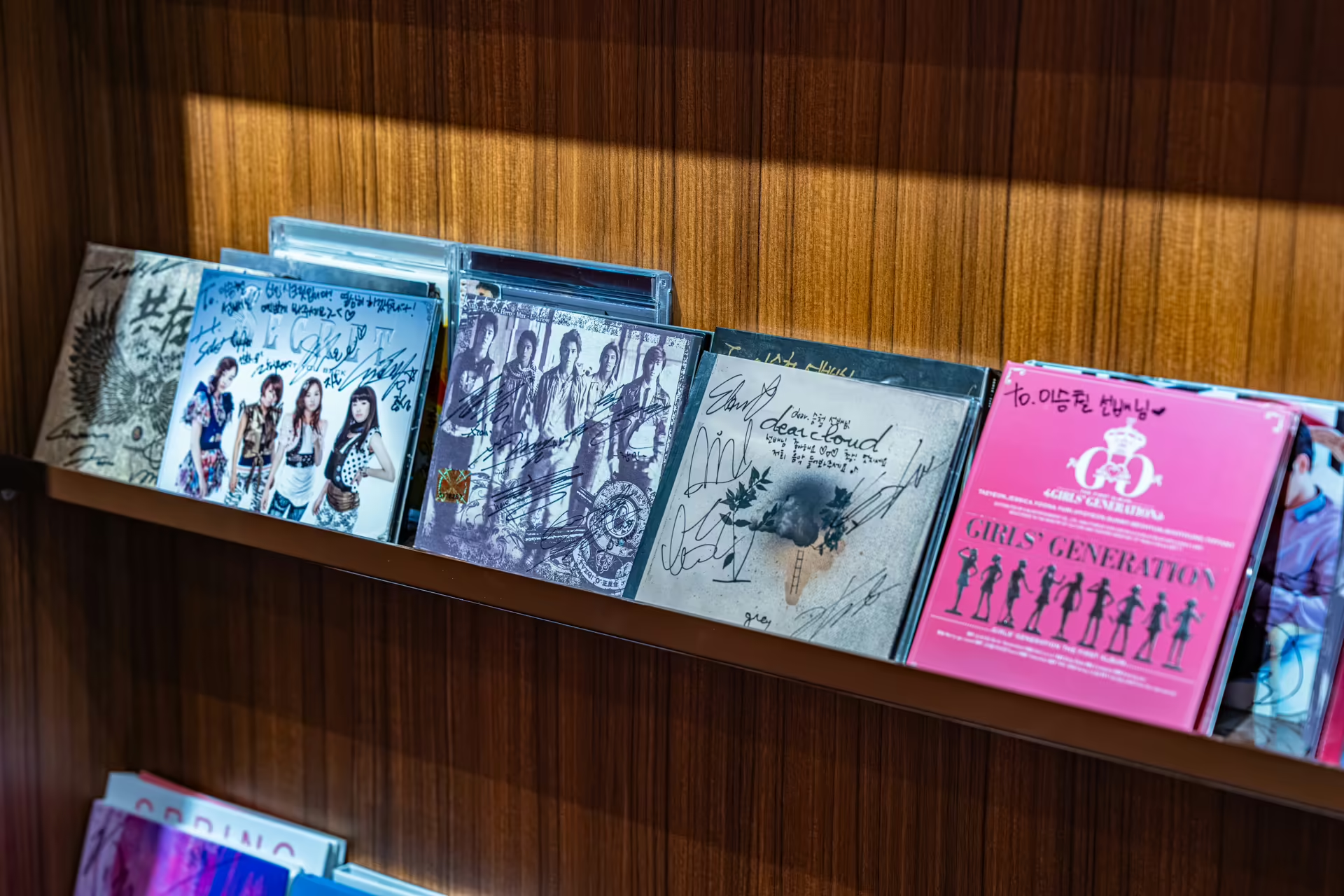
The ticket also gets you the music lounge — a hot-pink room of stage costumes, gold discs, posters and a mixing desk, assembled around one performer’s career. It is completely at odds with the rest of the building, and it’s the room people linger in longest.
3. The Part That’s Free
Here is the thing that makes this venue worth knowing about even if immersive art leaves you cold. You can eat and drink here without buying a ticket.
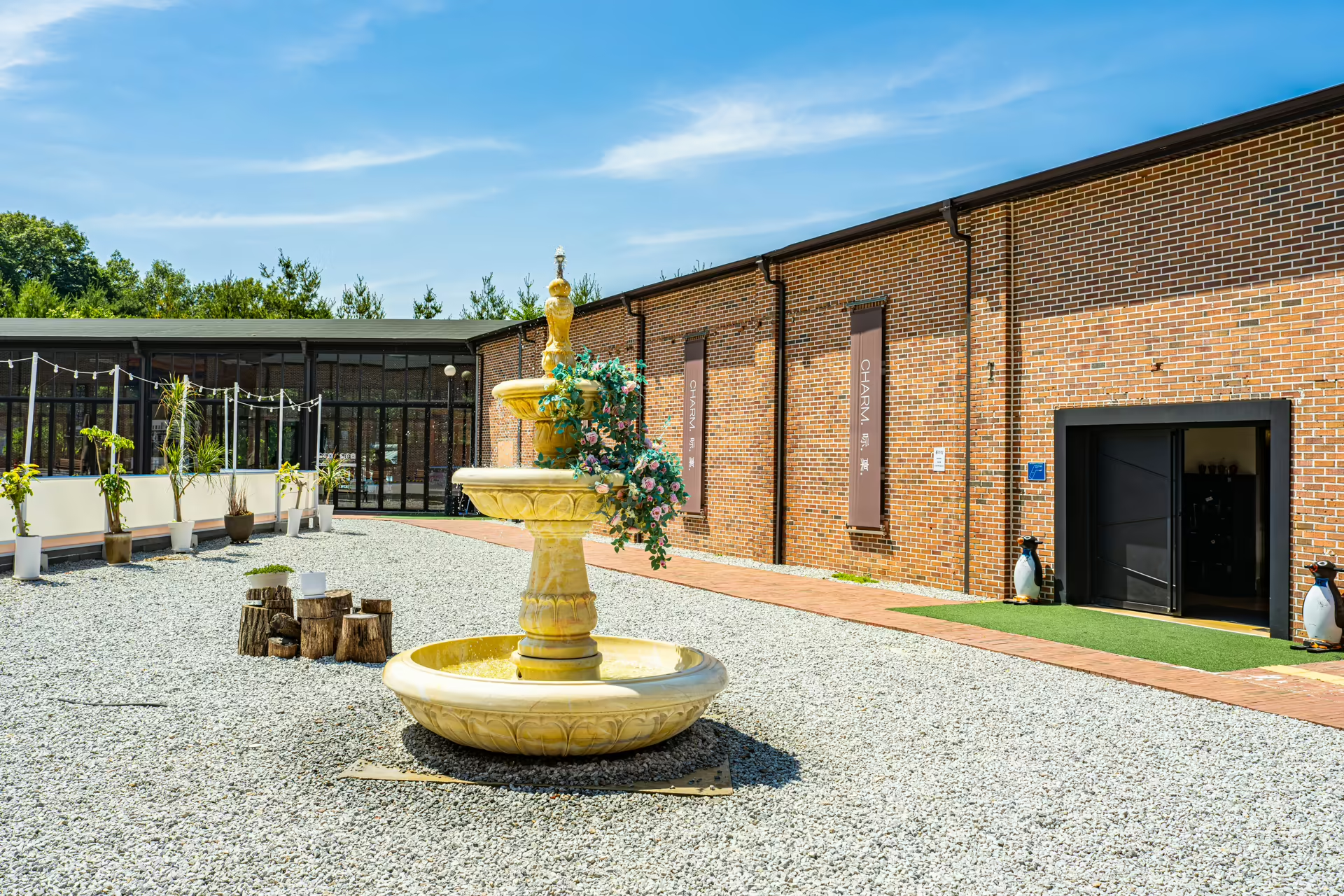
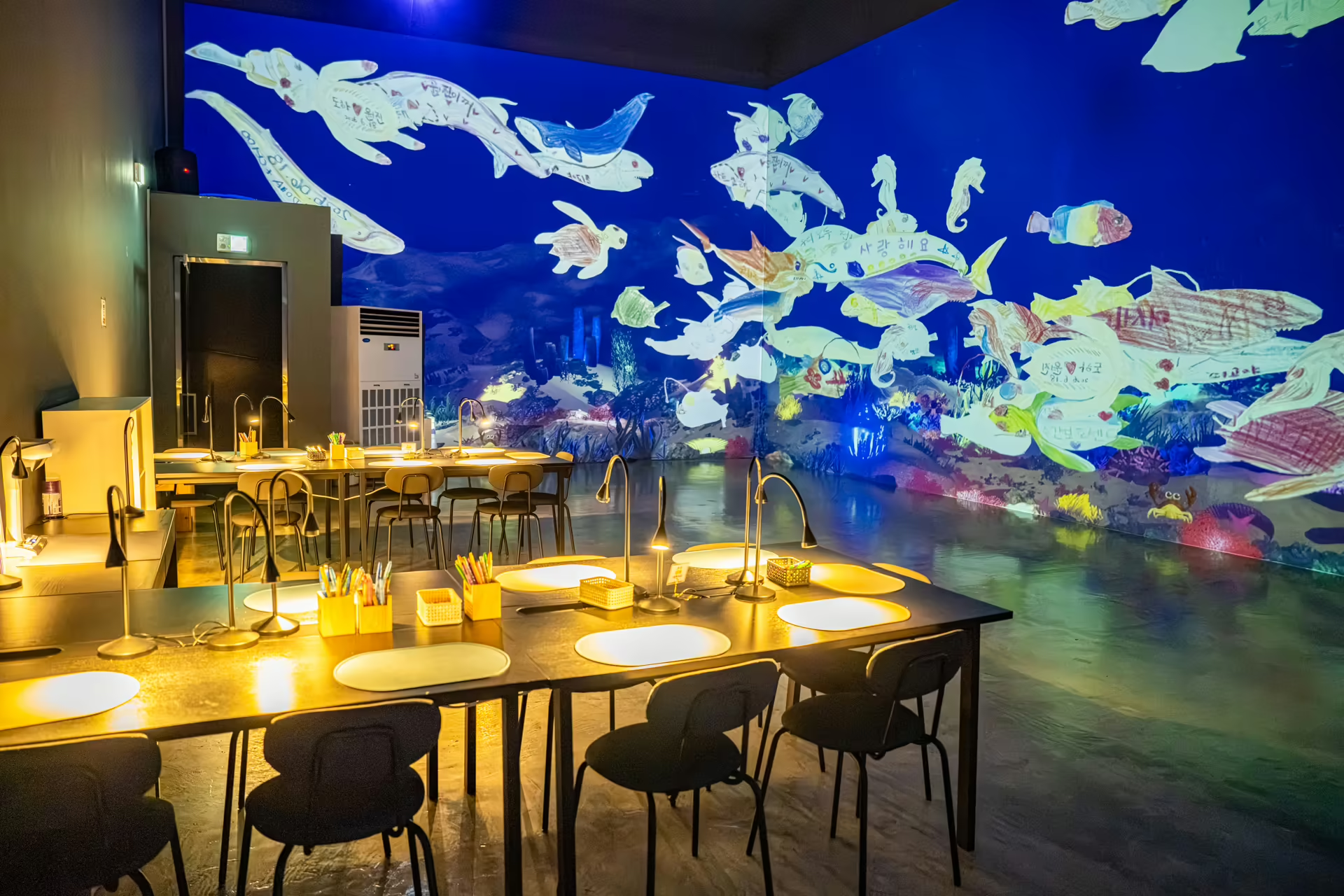
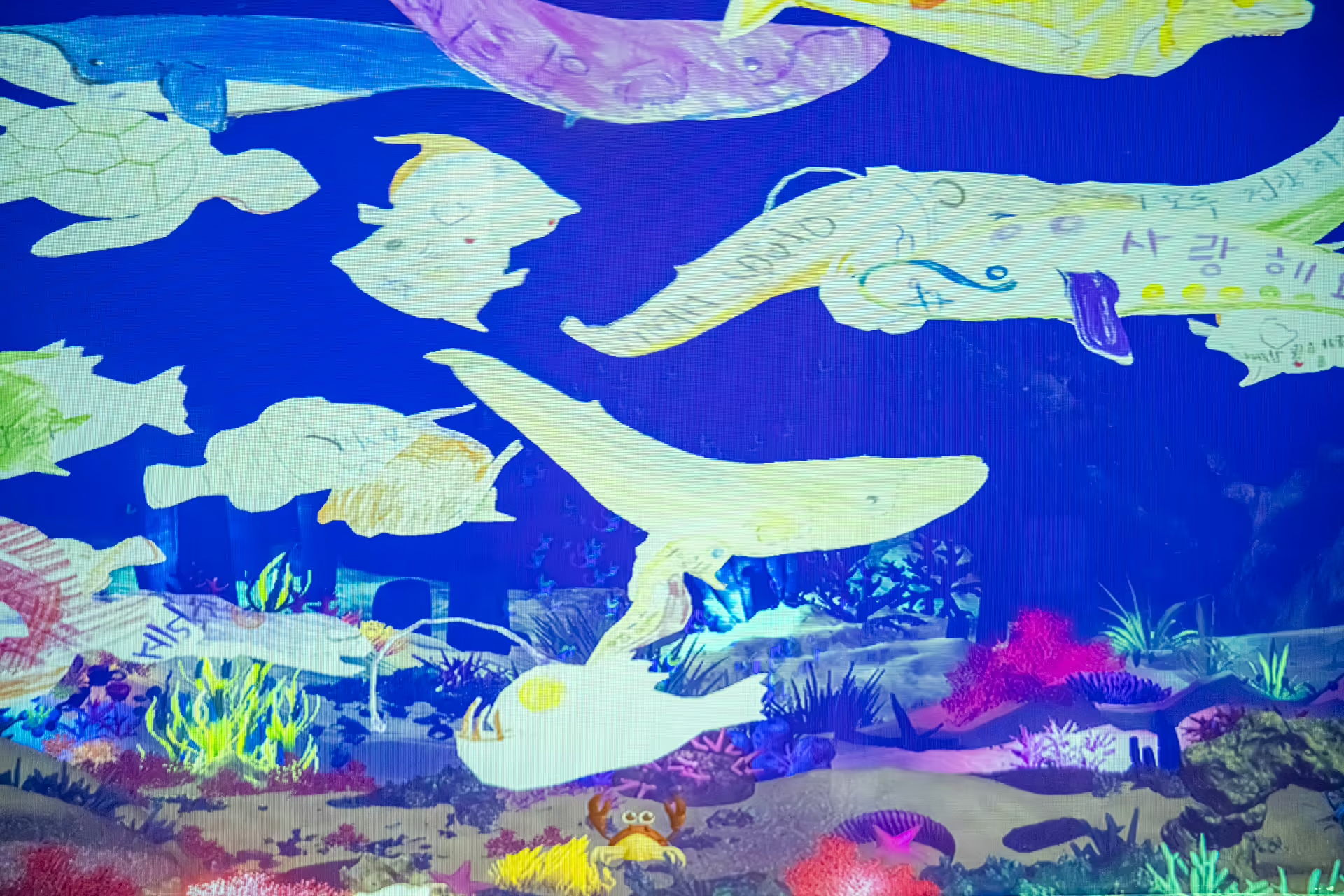
The cafe and restaurant are outside the ticket barrier, and the restaurant occupies a hall with its own projection running across the walls — an undersea program when I visited, whales drifting over the tables. Ticket holders wear a wristband and can come and go all day; everyone else simply walks in, orders, and sits under the same projection.
For a family where one adult wants the full circuit and another would rather have a coffee, that’s a genuinely useful arrangement. It’s also the reason to stop here on a wet afternoon when you weren’t planning to pay for anything.
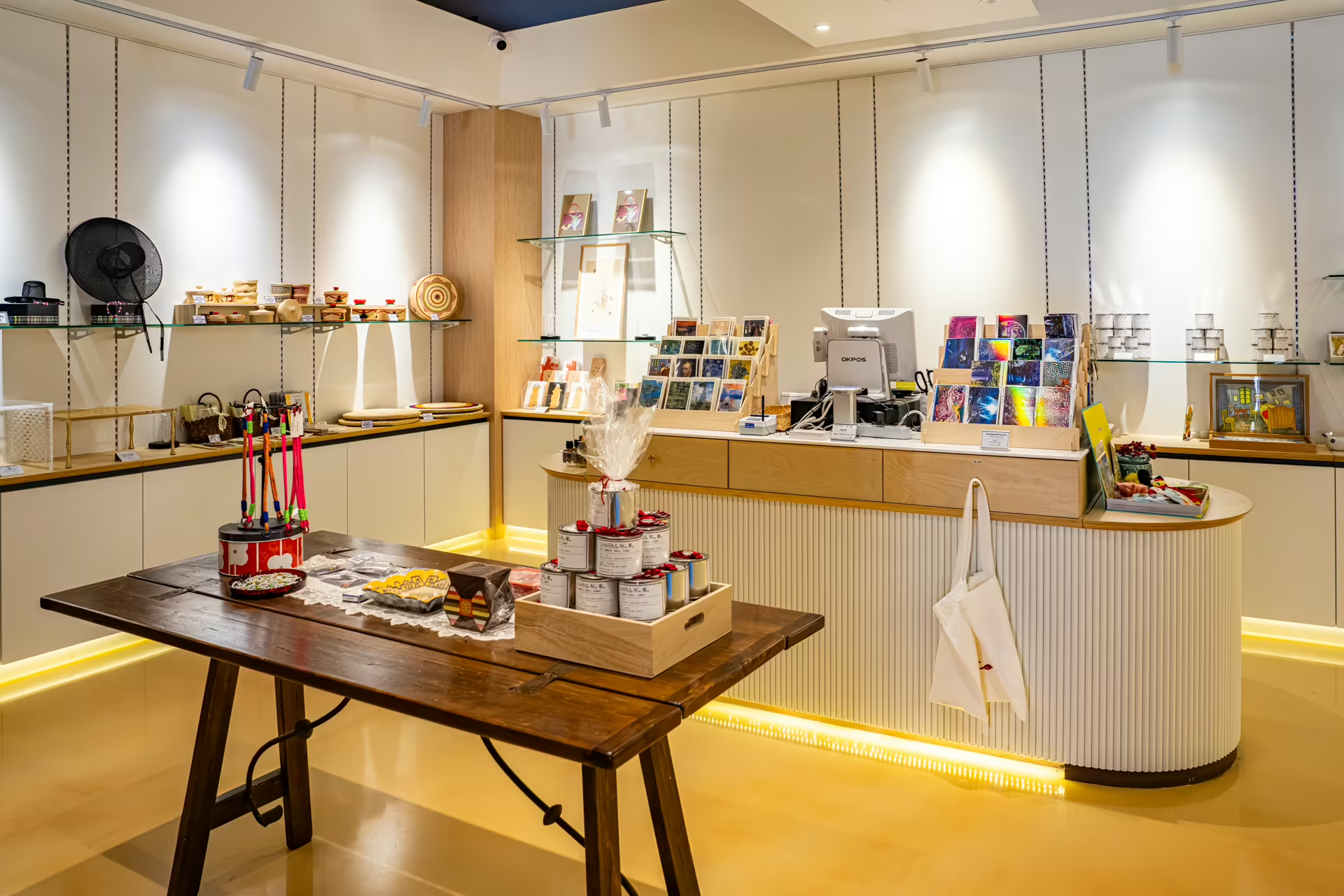
There’s also a roller rink, charged separately at around ₩8,000 an hour for adults with skates and pads included, and a shop selling the venue’s own branded goods. The shop is worth two minutes for the packaging alone — the sesame-oil conceit runs all the way through the merchandising.
4. Hours — and the Reason to Keep This for a Monday
It opens every day, 09:30 to 20:00. No weekly closing day, and a longer evening than almost anything else on the island.
That matters more than it sounds, because Ganghwa’s opening pattern is otherwise hostile. Both county museums close on Mondays. So does the free textile museum in town. If your day out lands on a Monday, this is the one substantial indoor attraction on the island that will definitely be open — and at eight in the evening it’s still going when everything else has been shut for hours.
Third-party listings are unreliable here, and I’d been told the place closed two days a week before checking the venue’s own current hours. Don’t plan around what a blog tells you; the 20:00 finish is the useful fact.
Practically: there’s a nursing room with a bottle warmer, pushchairs and wheelchairs get around the halls without trouble, and dogs are allowed on the outdoor terrace but not inside the exhibition.
Who This Is Actually For
Families with children between about five and twelve: this is the strongest card on the island for that age group. Projections at that scale hold small attention spans, and the roller rink absorbs whatever’s left.
Anyone traveling on Ganghwa in bad weather, or on a Monday: the island is mostly outdoors — forts, dolmens, coast road — and this is the largest indoor thing on it, open seven days when the county museums up in Hajeom-myeon are shut. Those museums are the other dry option and a fifth of the price, but not on a Monday.
People who want the building rather than the show: buy nothing, walk into the restaurant, and look at the roof. The bare hall with the factory windows is the most honest room here.
Serious gallery-goers: be clear about what this is. Licensed immersive projection, not curation, and at ₩17,000 it costs more than most Korean municipal art museums charge. If you want actual paintings on actual walls, the Haeden Museum is twenty minutes away and has Chagall and Hockney on its labels.
Anyone without a car: reconsider, or budget for a taxi both ways. The bus does not realistically serve this address.
Somebody stood in an empty oil mill, worked out what it would cost to fill it with projectors, and then decided the one thing worth keeping was the word for the product that used to be pressed there. Everything else in the building is new. The sign is the artifact.
Practical Manual
| Item | Detail |
|---|---|
| Name | Art Factory Charmgiroom Ganghwa (아트팩토리참기름 강화) |
| Address (English) | 109 Kkachigol-gil, Gilsang-myeon, Ganghwa-gun, Incheon |
| Address (Korean) | 인천광역시 강화군 길상면 까치골길 109 |
| Opened | May 2024, in a former sesame oil factory. Site around 7,000 pyeong; main hall 120 m long and 8 m high |
| Admission | Adults ₩17,000, teenagers ₩13,000, children ₩9,000, under-5s free. Discounts on Korean booking platforms and with the regional tourist card |
| Booking | Online tickets must be bought at least one day ahead — same-day online purchase is not possible. Walk-ups buy at the desk at full price |
| Cafe and restaurant | No ticket needed. Ticket holders get a wristband for same-day re-entry |
| Roller rink | Charged separately, about ₩8,000 an hour for adults including skates and pads |
| Hours | 09:30–20:00 daily. Last entry one hour before closing |
| Closed | No weekly closing day — open every day, including Mondays when the island’s museums are shut |
| Program | Rotating. A folklore-based original piece plus a fine-art program in the second hall. Check what’s showing before traveling |
| Parking | Free and plentiful. The access lane is narrow — take it slowly |
| Getting there | About 15 minutes from the Chojidaegyo bridge. A car or a taxi is the practical option; local bus service is thin |
| Inquiries | 1660-1094 (10:00–17:00) |
Prices, hours and programs are as published at the time of reporting. Several third-party listings still carry outdated opening hours and invented closing days for this venue — the figures above come from its own current listing. Check the official channels the day before you go, which is when you need to buy your ticket anyway.
Navigation Tip: Use Naver Map with the Korean address above — Google Maps can’t route Korean roads properly — and keep Papago handy for the ticket desk and the menu.