
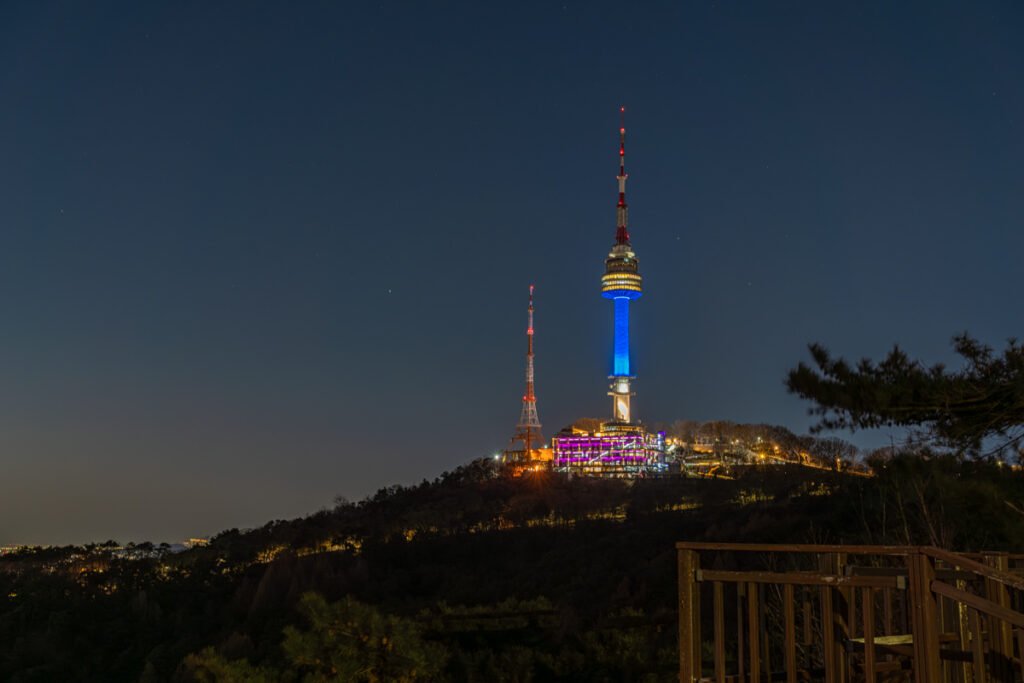
Ten Things to Do in Seoul That Aren’t on Everyone Else’s List
Most lists of things to do in Seoul are the same five items in a different order. Gyeongbokgung, Bukchon, Myeongdong, Hongdae, N Seoul Tower. They’re on every list because they’re genuinely worth seeing — but four days of that leaves you with a city you’ve photographed and not actually met.
I live here and I get asked for the alternative version constantly. This is it: ten places I’ve written up individually over the past year, gathered into one page. Three of them cost nothing at all. One is a helium balloon. One is a pharmacy that has been boiling herbal tonic in the same iron cauldron since long before anyone thought to call it a café.
None of them require leaving the city, and none of them require a car.
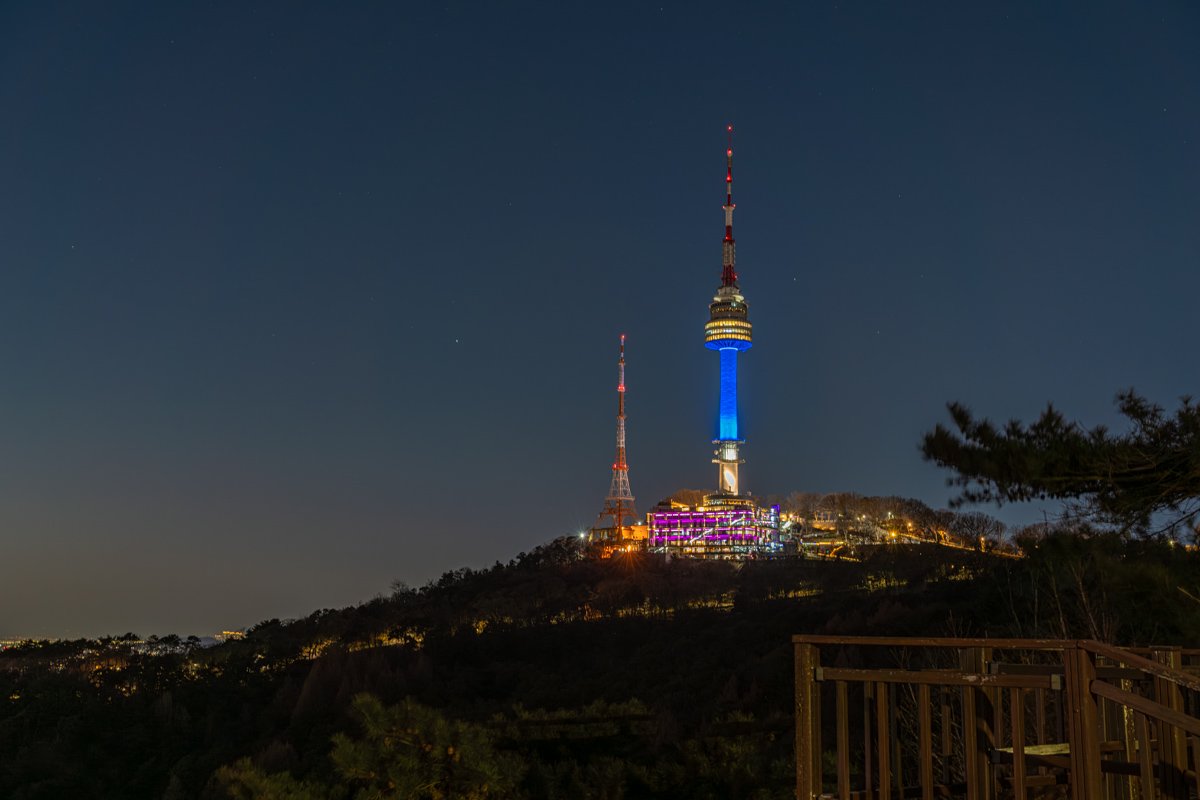
Where These Ten Sit on the Map
Seoul is a city of roughly nine and a half million people with the Han River cutting through it, but the stops in this guide sit in a surprisingly tight band across the northern half.
Jongno and Jung-gu hold the palaces, Insadong and the old commercial streets. Seochon is the quieter side of Gyeongbokgung, west of the palace wall, and is where the old city still feels lived-in. Namsan rises in the middle with the tower on top. Across the river to the southwest is Yeouido; back on the north bank, west along the water, are Mapo and Sangam.
Everything below is on the subway. Get a T-money card at any convenience store and reckon on 20 to 40 minutes between any two points in this guide.
The Three That Cost Nothing
Free attractions in a capital city are usually free for a reason. These three aren’t.
1. HiKR Ground — five floors of K-pop, no ticket
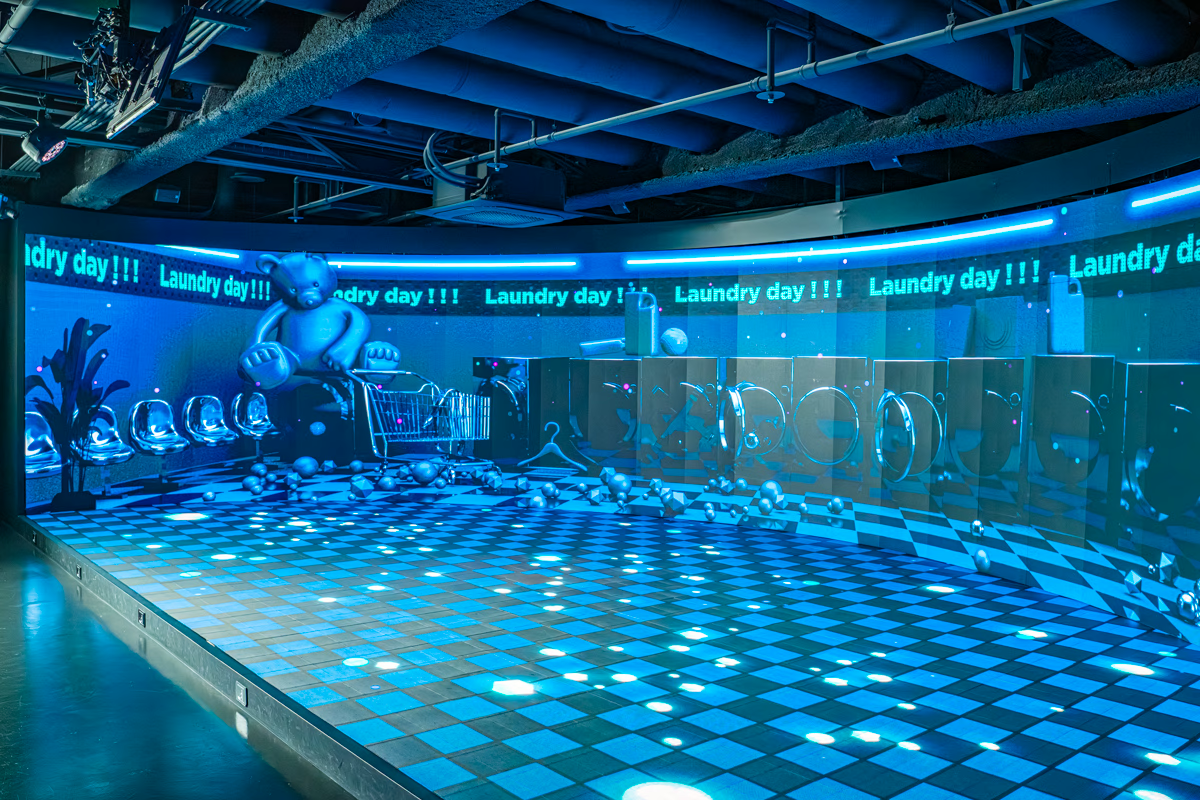
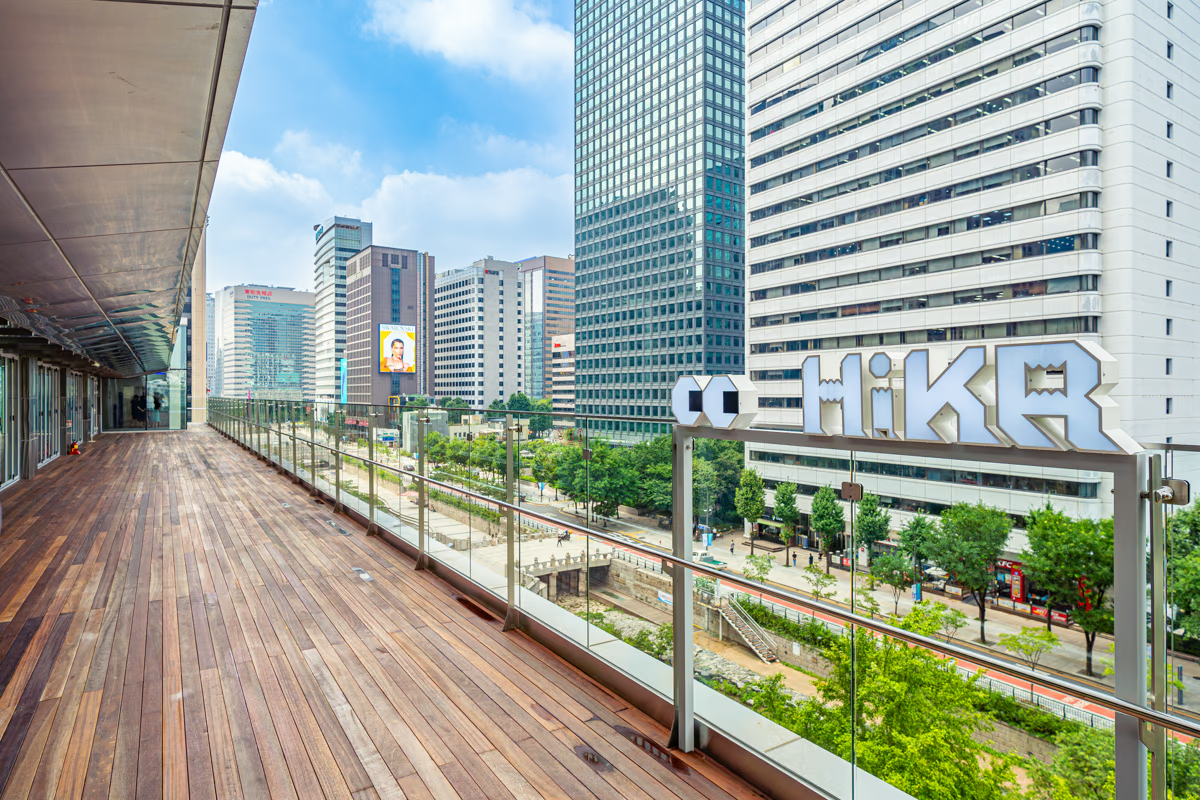
Most people researching K-pop in Seoul end up pricing concert tickets and studio tours. Almost nobody puts this on the list: a five-story interactive complex run by the Korea Tourism Organization, sitting directly on top of a subway exit in the middle of the city, charging nothing at all.
There’s an XR studio where you shoot yourself into a music video, a media wall in the lobby, and a floor given over to a curated tour of Korea’s regions. It’s slick, it’s state-funded, and it is the most underused K-pop experience in the city.
Free — full guide to HiKR Ground
2. Hansik Space E:eum — Korean food, explained properly
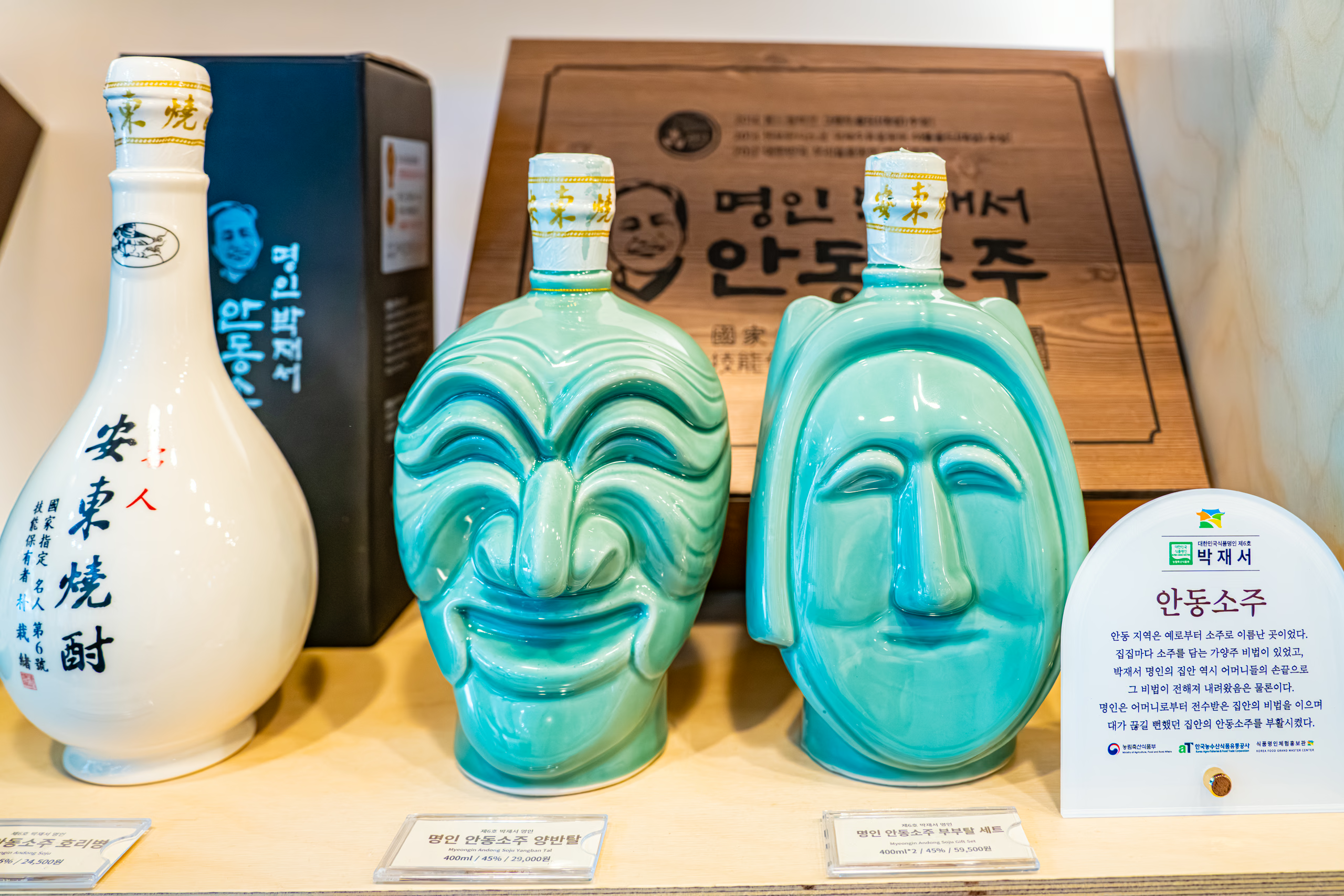
At the entrance to Bukchon, two minutes from Anguk station, a government-run food culture center does something no restaurant can: it explains what you’re about to spend a week eating. A library of Korean food books in the basement, a traditional liquor gallery with tastings, and cooking sessions that draw on the work of nationally designated food masters.
It’s operated by the agriculture ministry and the national hansik institute, and entry is free. Spend an hour here at the start of a trip and the rest of your meals make more sense.
Free to enter — full guide to Hansik Space E:eum
3. Namsangol Hanok Village — Bukchon without the guilt
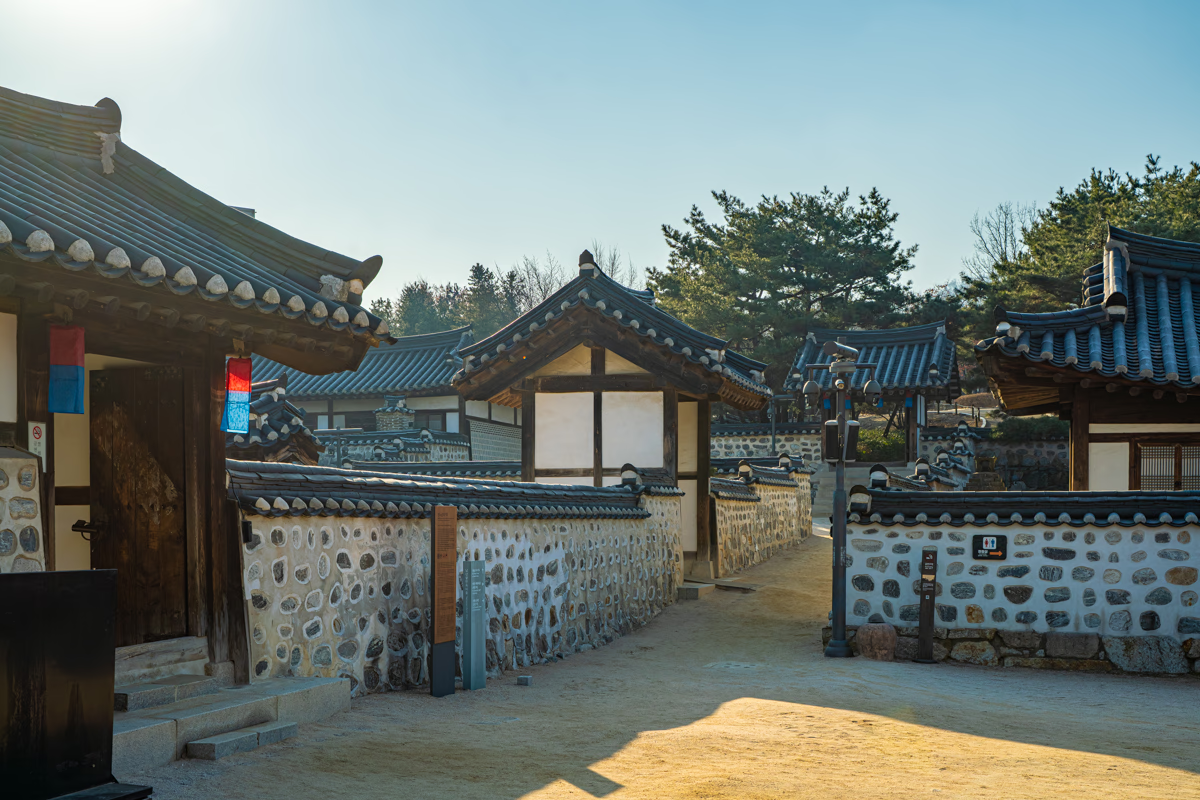
Everyone goes to Bukchon, where the hanok are private homes and the crowding has become a genuine problem for the people who live in them. Namsangol is five relocated Joseon houses at the foot of Namsan that you can walk straight into, with ondol underfloor heating you can see the workings of, plus a garden, a pavilion and a time capsule buried in the plaza.
The composition most visitors miss: tiled hanok rooflines in the foreground with N Seoul Tower directly behind. It’s the shot Bukchon is famous for, taken somewhere you’re actually invited to stand.
Free — full guide to Namsangol
The Old City, Done Properly
4. Gyeongbokgung — and the hanbok question, answered honestly
The palace is unavoidable, so the only useful thing I can add is how to approach it.
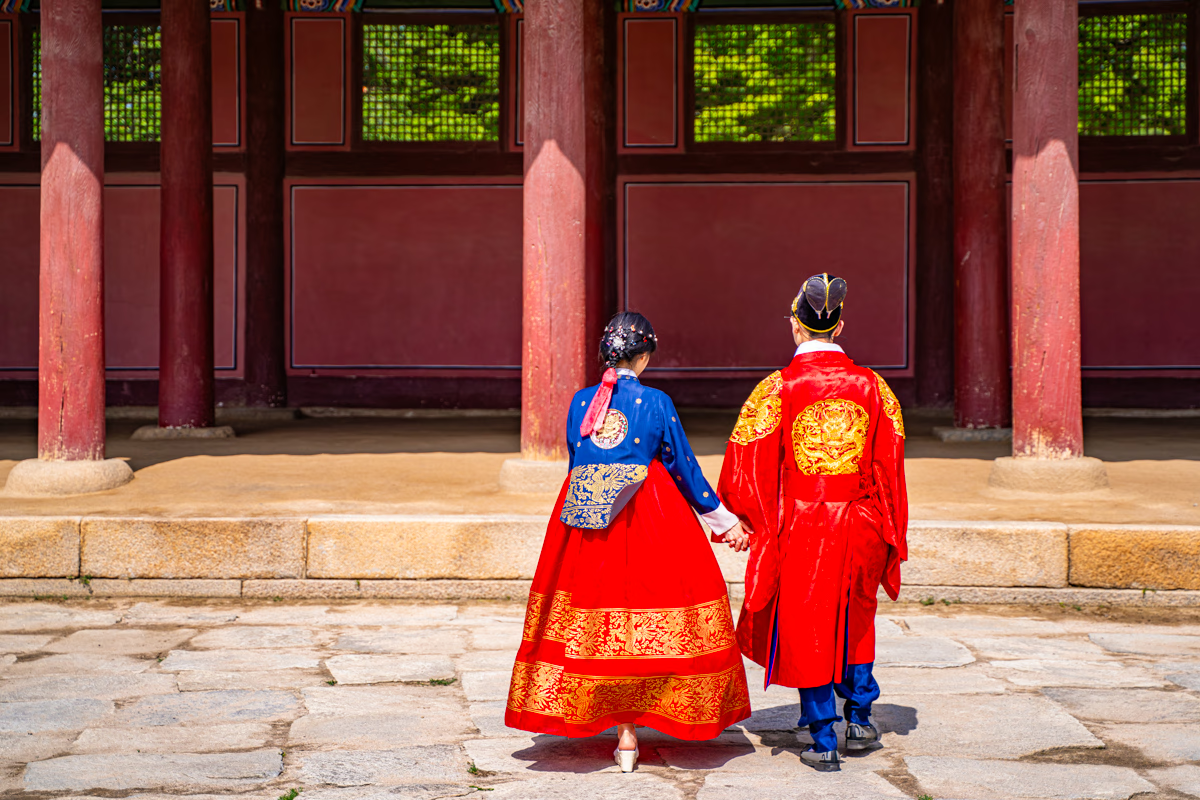
Admission is ₩3,000, and it’s free if you arrive in hanbok — but be clear about the arithmetic before the rental shops around the palace sell you the idea. A hanbok rental runs ₩15,000 to ₩20,000. You are not saving money on a ₩3,000 ticket; you’re paying five or six times it for the costume and the photographs. Do it because you want the photographs. That’s a perfectly good reason.
Time the changing of the royal guard, but arrive before the hour rather than on it. And note that it closes on Tuesdays, which is the most commonly wasted morning in Seoul.
₩3,000 · closed Tuesdays — full guide to Gyeongbokgung, or check current hours at the palace’s own site
5. Tongin Pharmacy, Seochon — a tea room inside a working chemist
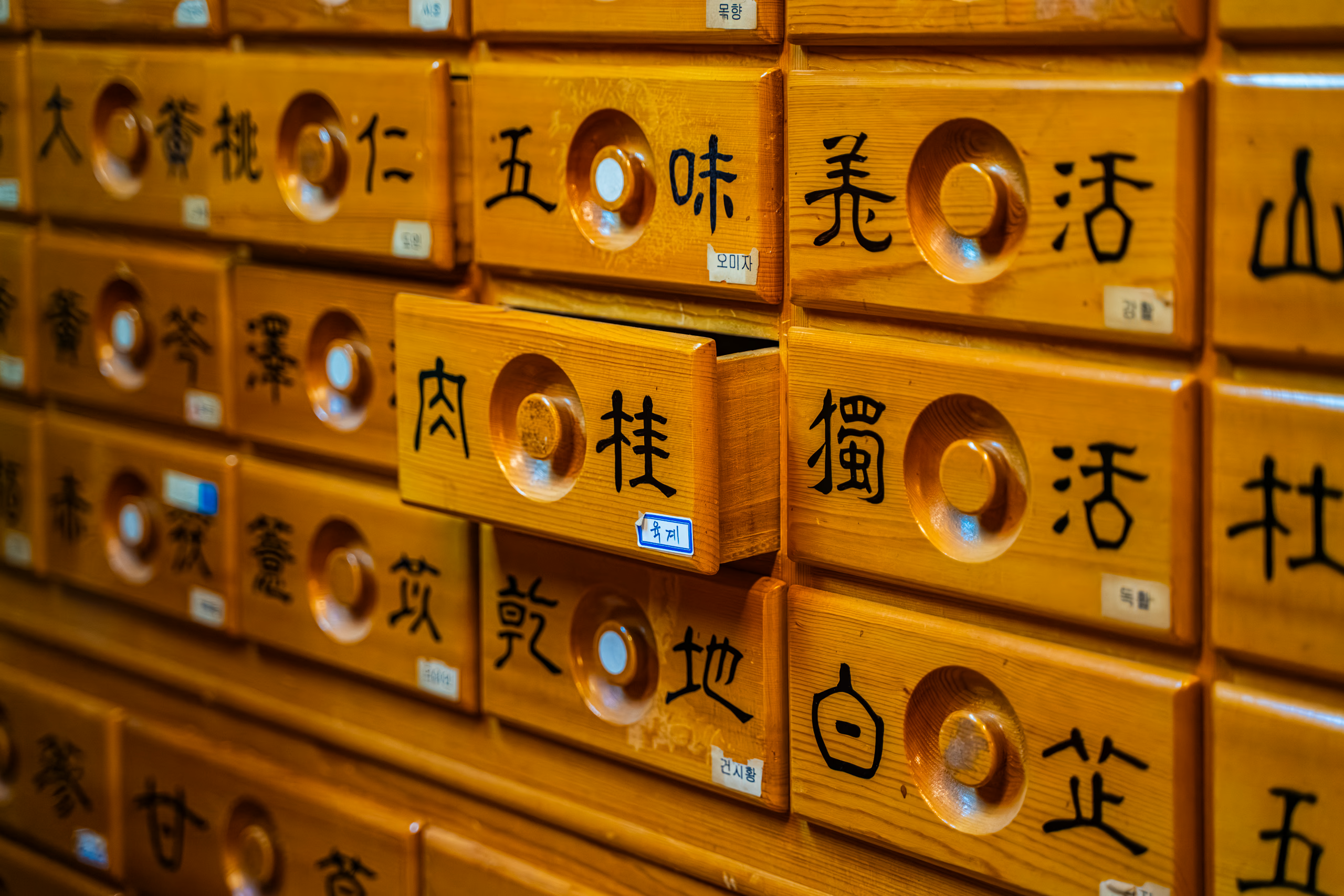
Behind Gyeongbokgung’s western wall, in a hanok in Seochon, a pharmacy has been simmering ten-herb restoration tonic and ssanghwa-cha in a single oversized iron gamasot for decades. Not a café with a traditional theme — a working dispensary, with drawers of herbs behind the counter, that also pours you a cup.
Reckon on roughly ₩5,000 to ₩8,000 a cup. If your idea of a Seoul afternoon involves sitting somewhere old and drinking something bitter and restorative, this is the address, and it’s the best argument I know for walking Seochon instead of Bukchon.
About ₩5,000–8,000 a cup — full guide to Tongin Pharmacy
Two Meals Worth Planning Around
6. Balwoo Gongyang — Michelin-listed Buddhist temple food
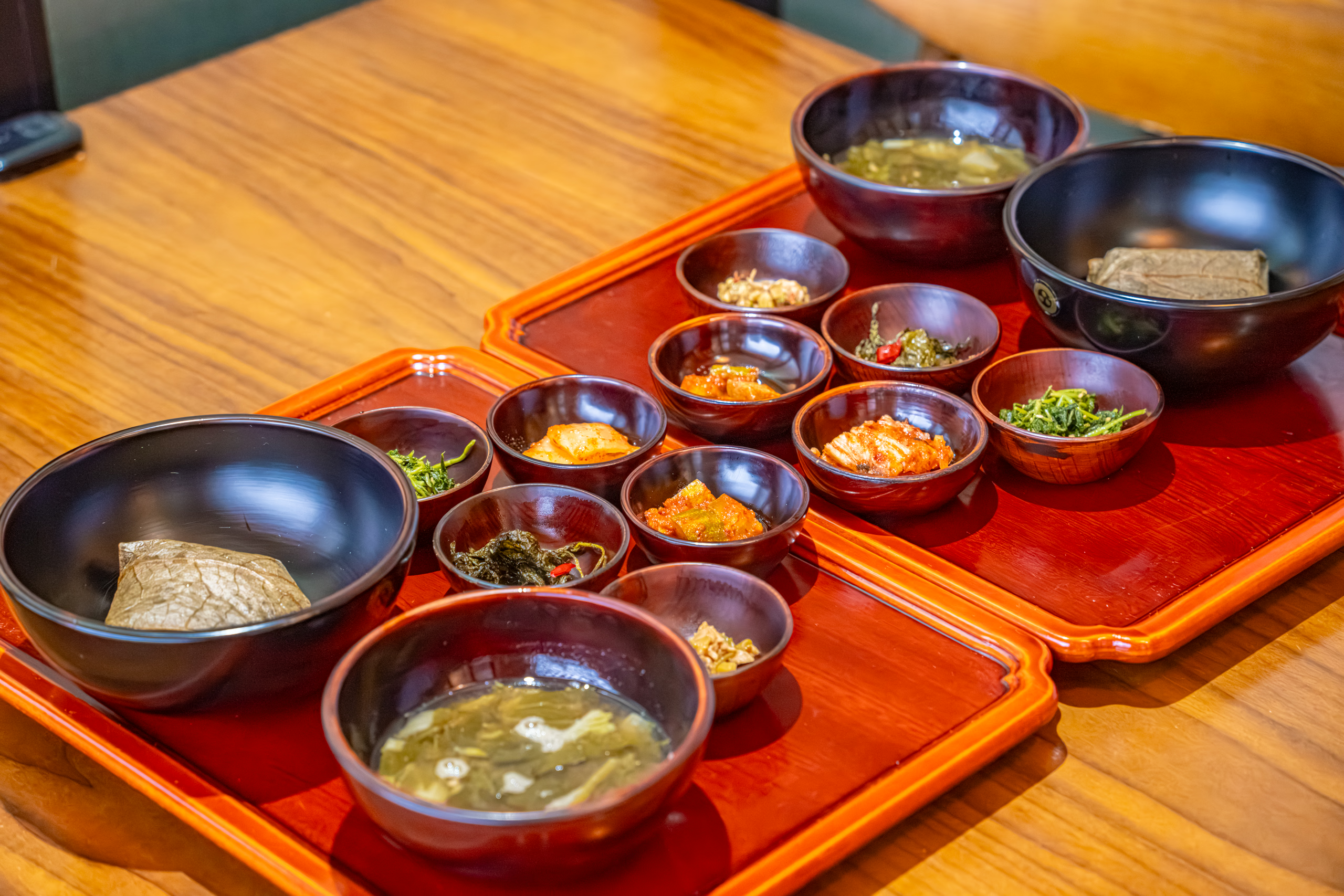
Korean temple cuisine, served as a set of courses, in a dining room across from Jogyesa. No meat and no alcohol — and, because Buddhist monastic cooking excludes the five pungent roots, no garlic, green onion, chive, rocambole or leek either. Handing a Korean kitchen that list is a strange thing to do, and eating the result is a genuinely interesting experience rather than a pious one.
Courses run from about ₩36,000 to ₩120,000. Book well ahead; the private rooms go first.
₩36,000–120,000 · reserve ahead — full guide to Balwoo Gongyang, current courses at balwoo.or.kr
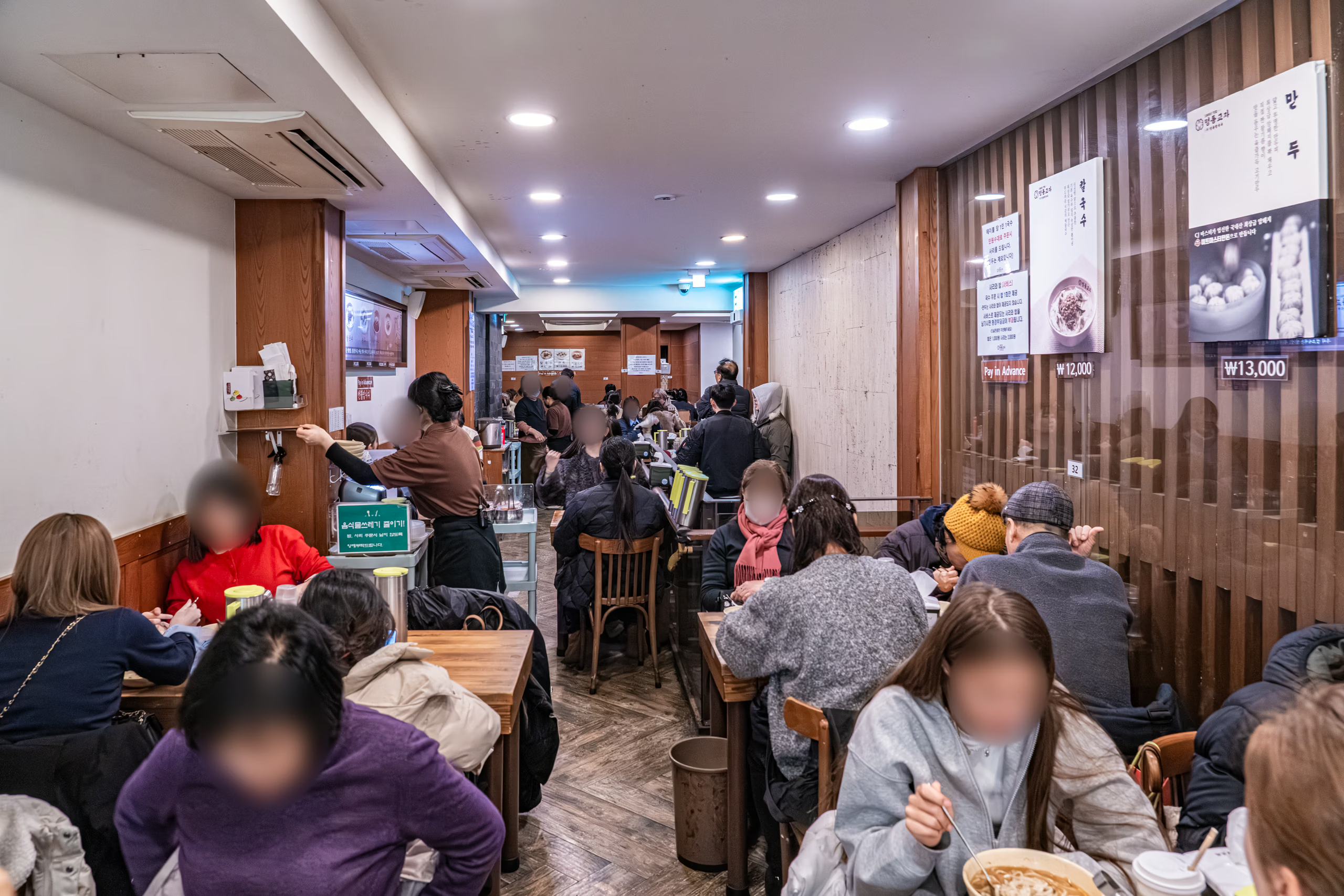
7. Myeongdong Kyoja — four items, sixty years, still a line
The opposite end of the same city. A noodle house that has been making kalguksu — hand-cut wheat noodles in a rich chicken broth — for close to sixty years, with a menu of four things and a line that moves fast because the kitchen has had six decades of practice.
The kimchi they put on the table is aggressively garlicky and famous in its own right. Come at an off hour, eat quickly, leave. That’s the format, and the format is the point.
Under ₩15,000 — full guide to Myeongdong Kyoja
The View, the Rain, and the Bed
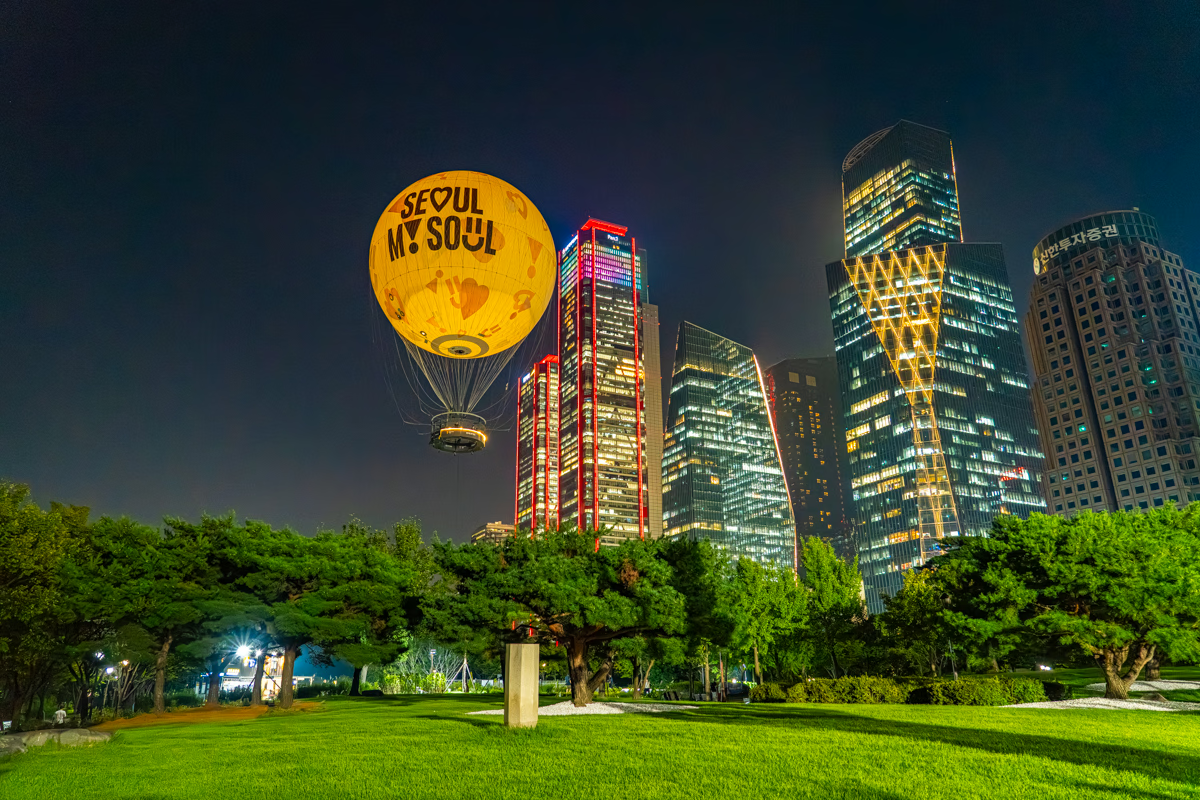
8. Seoul Dal — 130 meters up, tethered, over the Han
A helium balloon that lifts you 130 meters above Yeouido Park on a tether, giving you the river and the western skyline from an angle no observation deck offers. It’s a short ride and an unusual one.
One piece of timing advice that matters: midday slots have the shortest lines and the flattest light. If you care about the view or the photographs, book late afternoon instead.
Ticketed · weather-dependent — full guide to Seoul Dal
9. When it rains — four indoor options that aren’t cafés
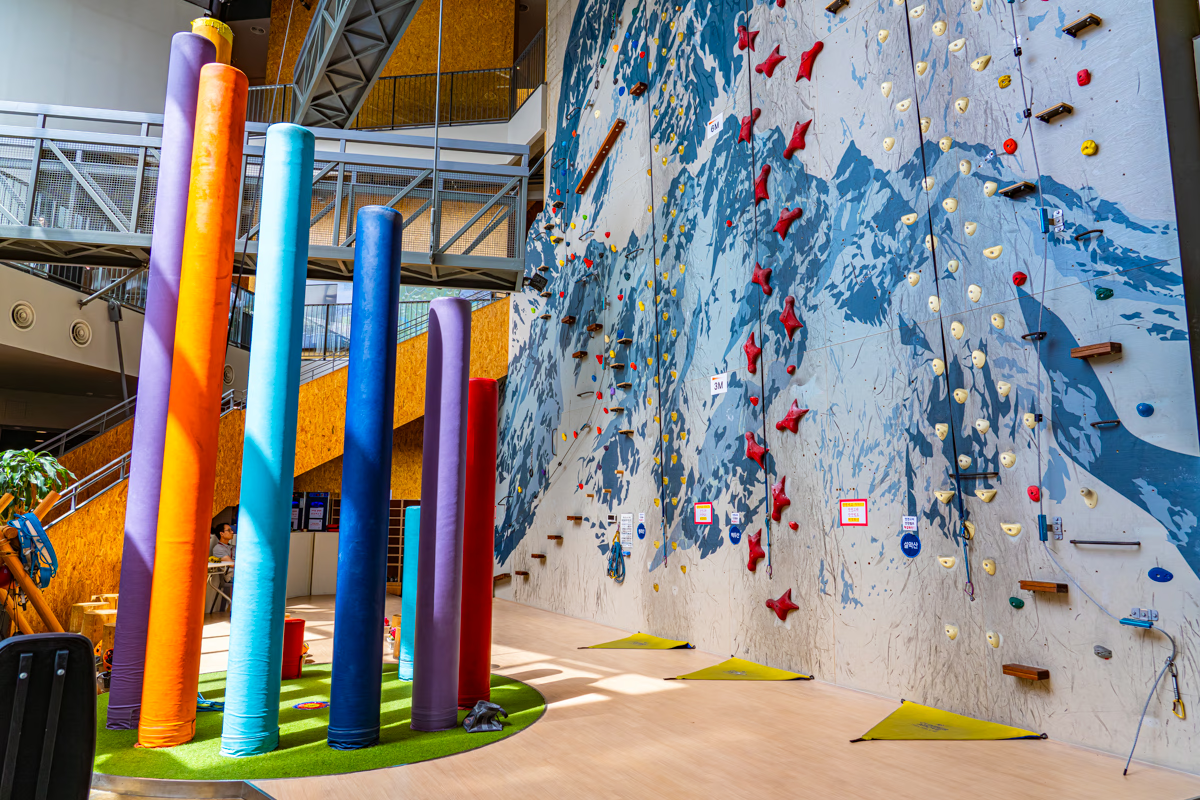
Seoul’s default wet-weather answer is café-hopping, which is fine for an hour and thin for a day. The alternatives I keep returning to include the Korean Film Museum in Sangam — free, and a proper archive of Korean cinema — and a city-run bouldering center in Mapo, where a day pass runs about ₩8,000 to ₩9,500 and you can climb without belonging to anything.
One caveat on that last one: walk-ins work on weekdays, weekend slots sell out in advance, and it closes Mondays and Tuesdays.
One free, the rest low-cost — full guide to Seoul in the rain
10. Grand Hyatt Seoul — the case for sleeping on the mountain
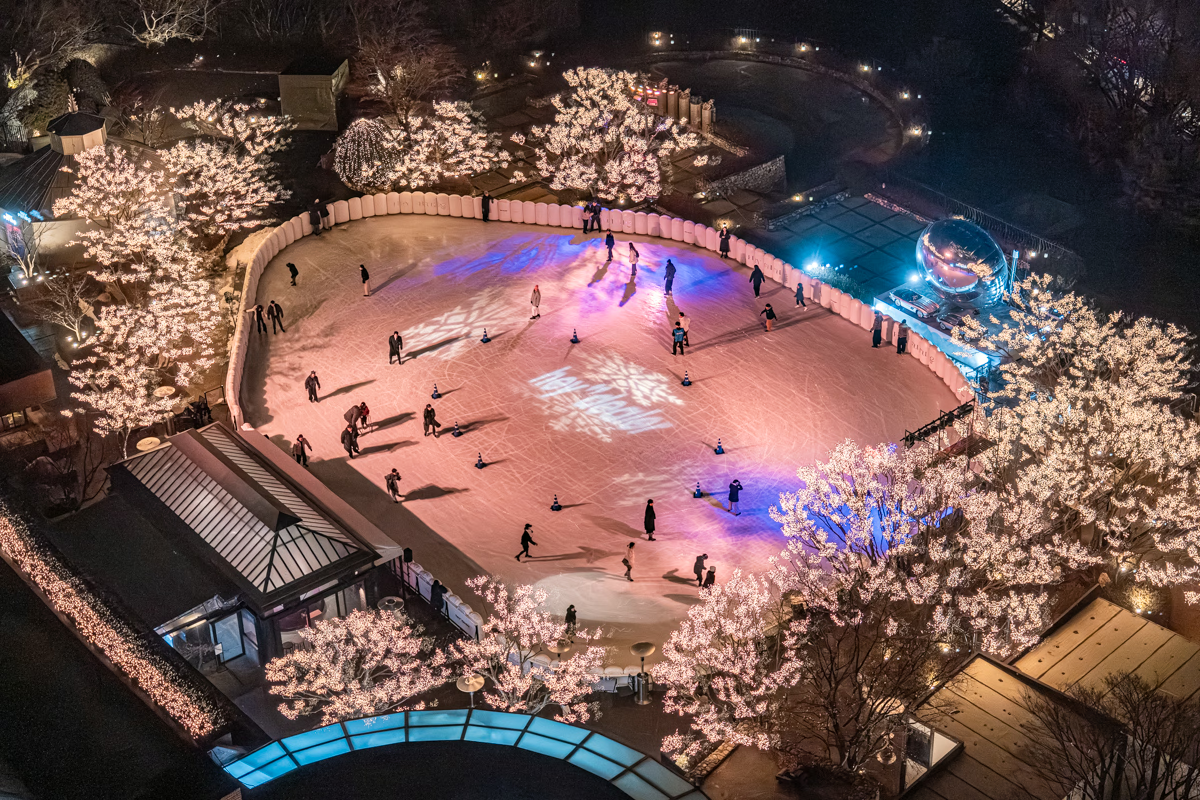
If you’re choosing a hotel, the argument for this one is elevation. It sits on Namsan rather than in the flat of Myeongdong or Gangnam, and the south-facing rooms look down the Han. In summer there’s an outdoor pool; in winter the pool and sun deck are converted into a 910-square-meter ice rink above the city, which is a genuinely rare thing to be able to book.
Two honest caveats, both of which the full review goes into: the hillside location cuts both ways when you want to walk somewhere, and pool and rink access costs extra even for guests.
Hotel rates, plus a supplement for the pool and rink — full review of Grand Hyatt Seoul
Four Ways to String Them Together
A day that costs nothing: HiKR Ground first, then follow the Cheonggyecheon stream west to Gwanghwamun, and finish at Hansik Space E:eum and Bukchon. Nothing to pay, and you’ll have crossed central Seoul on foot.
A palace day: hanbok if you want the photographs, Gyeongbokgung, then out through the western side into Seochon for tea at the pharmacy. Not on a Tuesday.
An eating day: Myeongdong Kyoja for lunch, Hansik Space E:eum in the afternoon to understand what you just ate, Balwoo Gongyang in the evening if you booked in time.
Half a day with children: Namsangol, the cable car up Namsan, then across the river to Seoul Dal in the late afternoon.
Who This Is Actually For
Second-time visitors: this list exists for you. You’ve done the palaces and Myeongdong; this is the layer underneath.
Anyone traveling on a budget: three free, one under ₩15,000, one free museum in the rain. You can fill three days here for less than one Michelin dinner.
First-timers with a week: keep the classics and thread two or three of these between them. Namsangol and Seochon in particular reward the swap.
People who want a finished itinerary: this isn’t quite that — it’s ten separate deep guides collected in one place. Each link goes through to hours, prices and the practical detail.
Writing these up one at a time and then laying them side by side, one pattern stands out: a great many of the best things here are run by the government and cost nothing. A tourism board’s K-pop studio, a ministry’s food center, a city’s climbing wall, a national film archive. Seoul spends public money on places a visitor can simply walk into, and almost no guidebook mentions it.
Practical Manual
| Stop | Area | Cost |
|---|---|---|
| HiKR Ground | Jung-gu, above a subway exit | Free |
| Hansik Space E:eum | Bukchon, Anguk station | Free to enter; sessions charged separately |
| Namsangol Hanok Village | Chungmuro, foot of Namsan | Free |
| Gyeongbokgung Palace | Jongno | ₩3,000; free in hanbok, but rental runs ₩15,000–20,000. Closed Tuesdays |
| Tongin Pharmacy tea room | Seochon | About ₩5,000–8,000 a cup |
| Balwoo Gongyang | Insadong, across from Jogyesa | ₩36,000–120,000, reserve ahead |
| Myeongdong Kyoja | Myeongdong | Under ₩15,000 |
| Seoul Dal | Yeouido Park | Ticketed, weather-dependent |
| Korean Film Museum | Sangam | Free |
| Mapo bouldering center | Mapo | About ₩8,000–9,500. Weekday walk-ins only; closed Mon–Tue |
| Grand Hyatt Seoul | Namsan | Hotel rates; pool and rink charged separately |
| Getting around | All of these are on the subway. T-money card from any convenience store; 20–40 minutes between any two points here | |
Prices and closing days are as published at the time of reporting. Each linked guide carries the full detail — hours, reservations, access — and is the place to check before you go.
Navigation Tip: Use Naver Map rather than Google Maps — Google can’t route Korean streets properly — and keep Papago handy for menus, though English signage is far more common in Seoul than anywhere else in the country.