
MONA Yongpyong: Three Condo Buildings, One Mountain, and the Ikon Pass Surprise
Transparency Note: This manual contains affiliate links. If you book through them, I earn a small commission at no extra cost to you. This keeps my EV charged and allows me to provide unfiltered, field-tested travel insights.
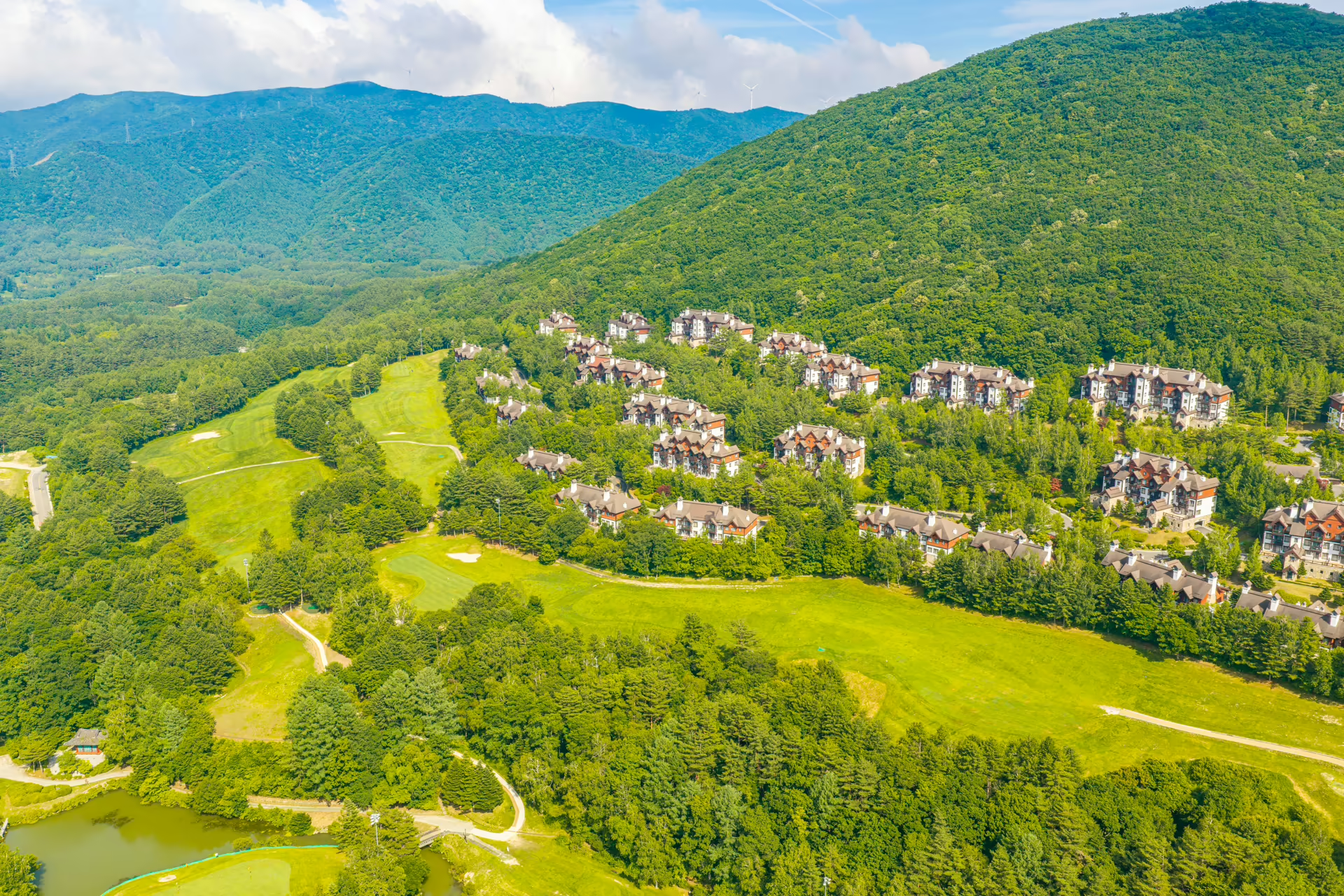
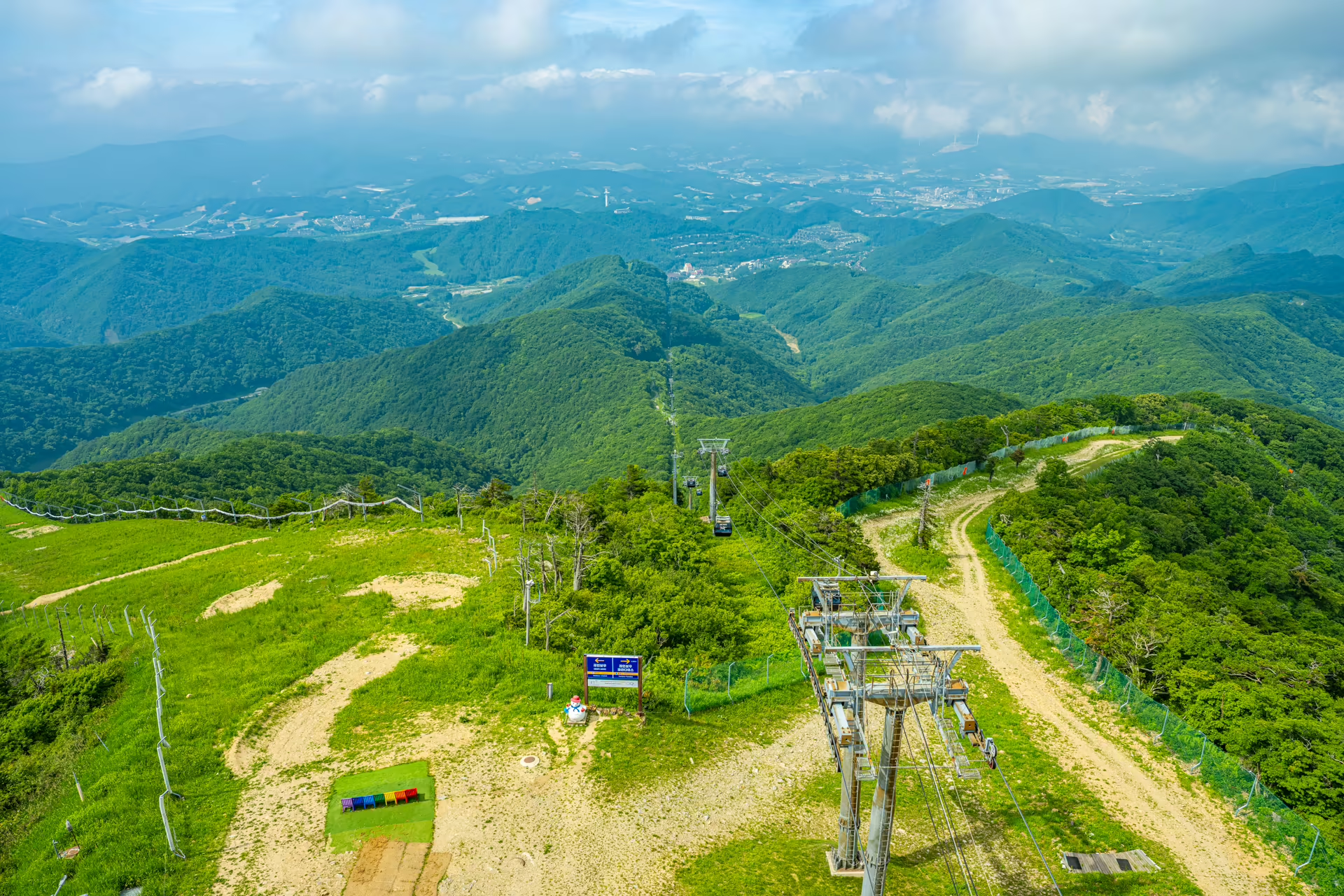
The first thing you notice driving into Yongpyong in July is that the ski runs are still there — just green. Whole mountainsides of mown grass falling away between lift pylons, condo roofs scattered along the treeline, and not a patch of snow within two hundred kilometers. Korea’s oldest ski resort spends roughly four months a year being a ski resort and the other eight being a mountain holiday village instead — and that second act is the part almost no international guide covers.
It also has a new name. The property that opened as Yongpyong Resort in December 1975 became MONA Yongpyong in May 2024 — MONA from “Mother” and “Nature,” a rebrand meant to signal a four-season wellness village rather than a winter-only mountain. Most signage, most booking sites and every taxi driver in Hoenggye still say Yongpyong. Both names point at the same place.
This manual is about the part that trips people up: there are three separate condo buildings here at three different price points, plus a premium tier above them, and the booking engine will happily let you pick the wrong one.
Orientation: Getting to Yongpyong from Seoul
Yongpyong sits in Daegwallyeong-myeon, Pyeongchang, on the shoulder of the Taebaek range about halfway between Seoul and the East Sea. By car it’s the Yeongdong Expressway to Daegwallyeong IC, then a few minutes of mountain road.
Without a car, the cleanest route is KTX from Seoul to Jinbu (Odaesan) Station, roughly an hour and forty minutes, then 16 kilometers to the resort. The resort runs a shuttle from Jinbu at 11:00 and 14:30 for guests who can show a reservation, but the published notice doesn’t state a fare and the operating dates are printed inconsistently on the resort’s own page — assume a taxi (about twenty minutes) as your fallback and treat the shuttle as a bonus. There’s also a free shuttle to and from Gangneung, which is useful if you’re pairing the mountain with the coast.
Navigation tip from the resort itself: don’t search “MONA Yongpyong.” Search “Greenpia Condo” or “Dragon Plaza”, because the campus is large enough that the entrance you want matters. And if you’re driving an EV, the charging bank in front of Greenpia is the biggest on site.
1. Tower, Greenpia, Villa: The Three-Building Decision
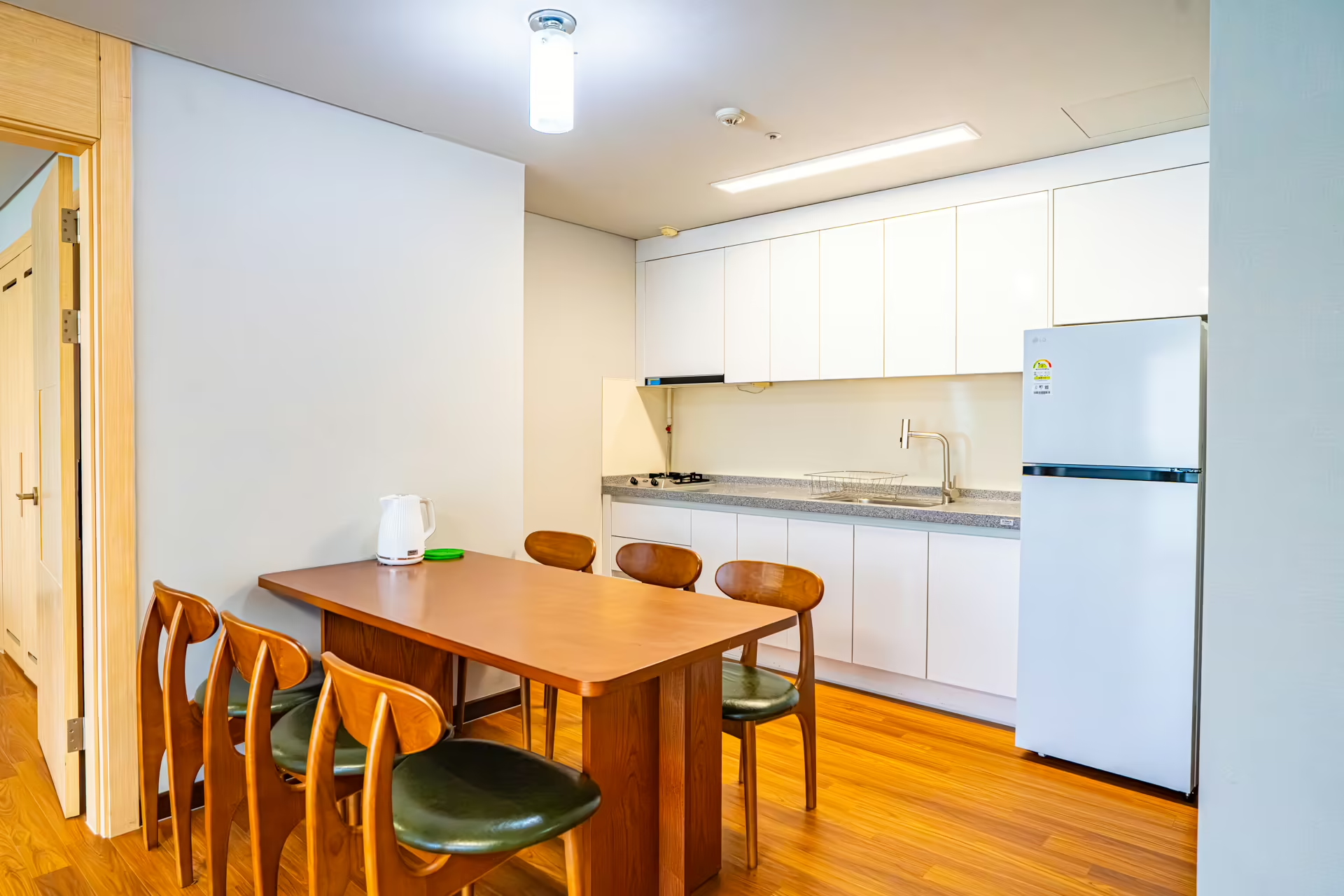
Everything else here is downstream of this choice. All three are condominiums, which in Korea means self-catering apartments with a full kitchen, not hotel rooms — you get cookware, a fridge and a rice cooker, and you do not get daily housekeeping in the way you’d expect from a hotel.
Tower Condominium is the value building: 202 units, mostly one-room layouts sleeping three or four, with a run of duplex Deluxe units and two large Tower Suites at the top of its own line-up. Standard published rates start around ₩360,000, with a small block of ground-floor Garden units at roughly half that — the cheapest bed of the three by a wide margin. Tower also carries the densest concentration of on-site distractions: bowling, arcade, karaoke, laundry, a row of restaurants downstairs. If you’re traveling with kids and expect one rainy day, this is the sensible bet.
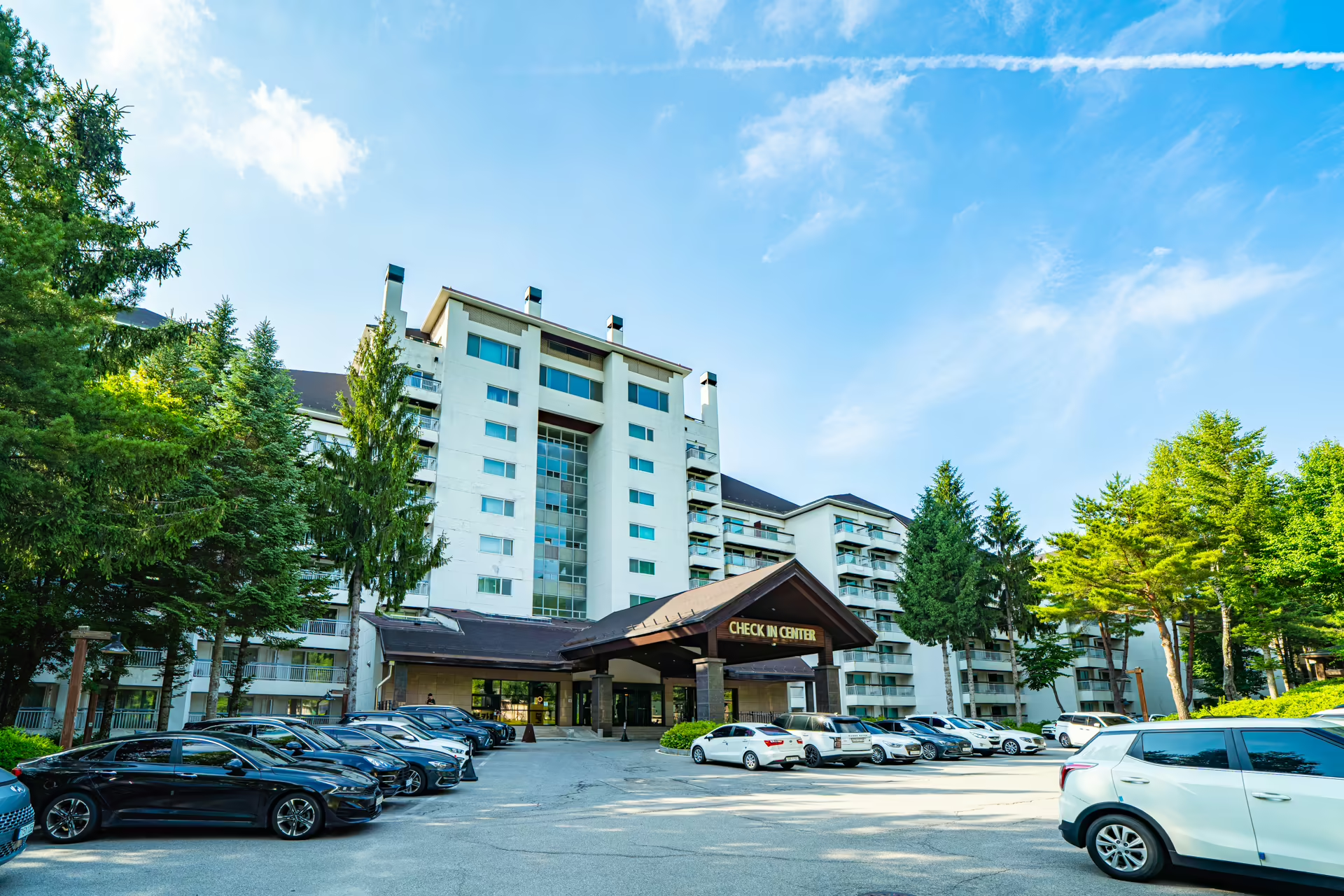
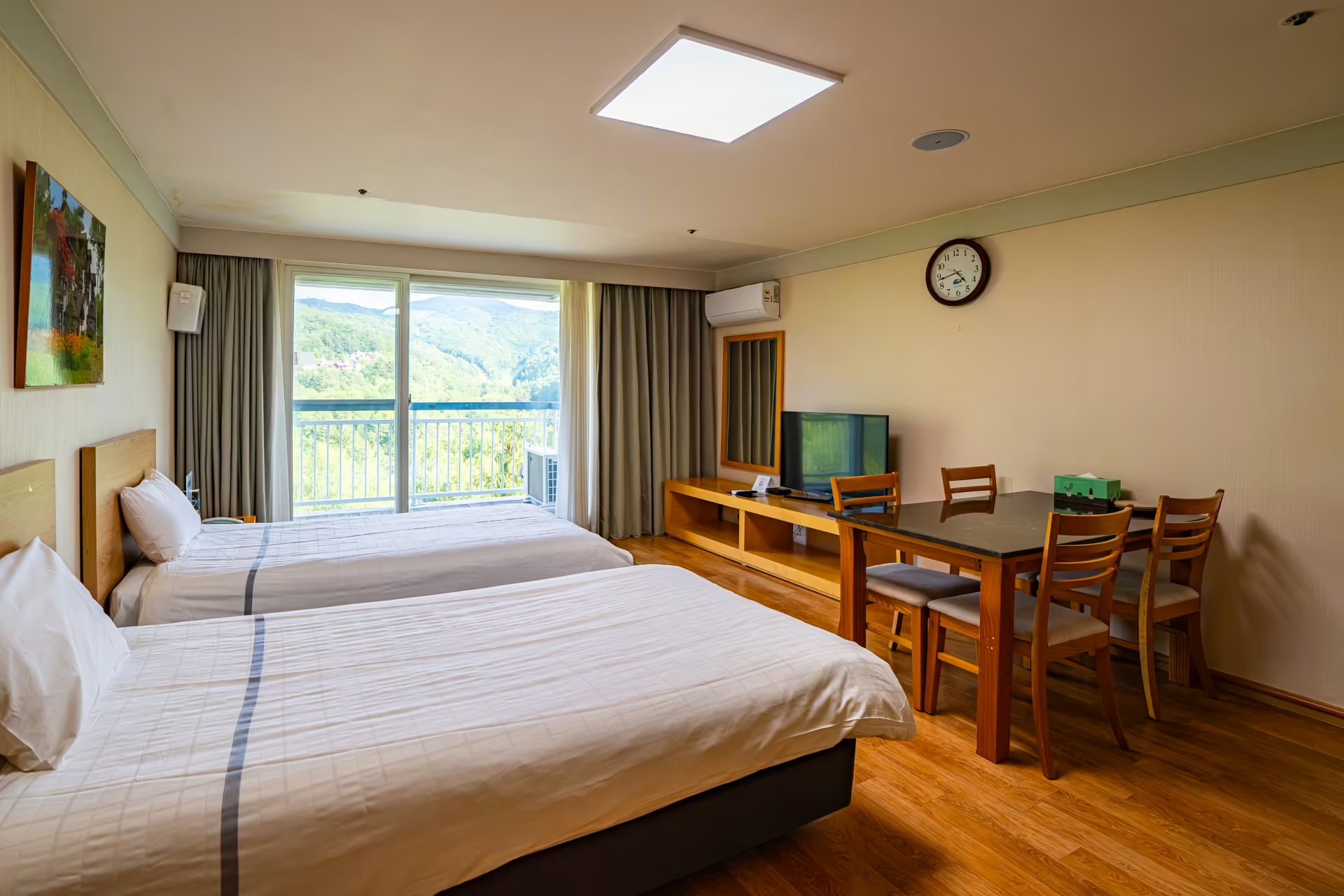
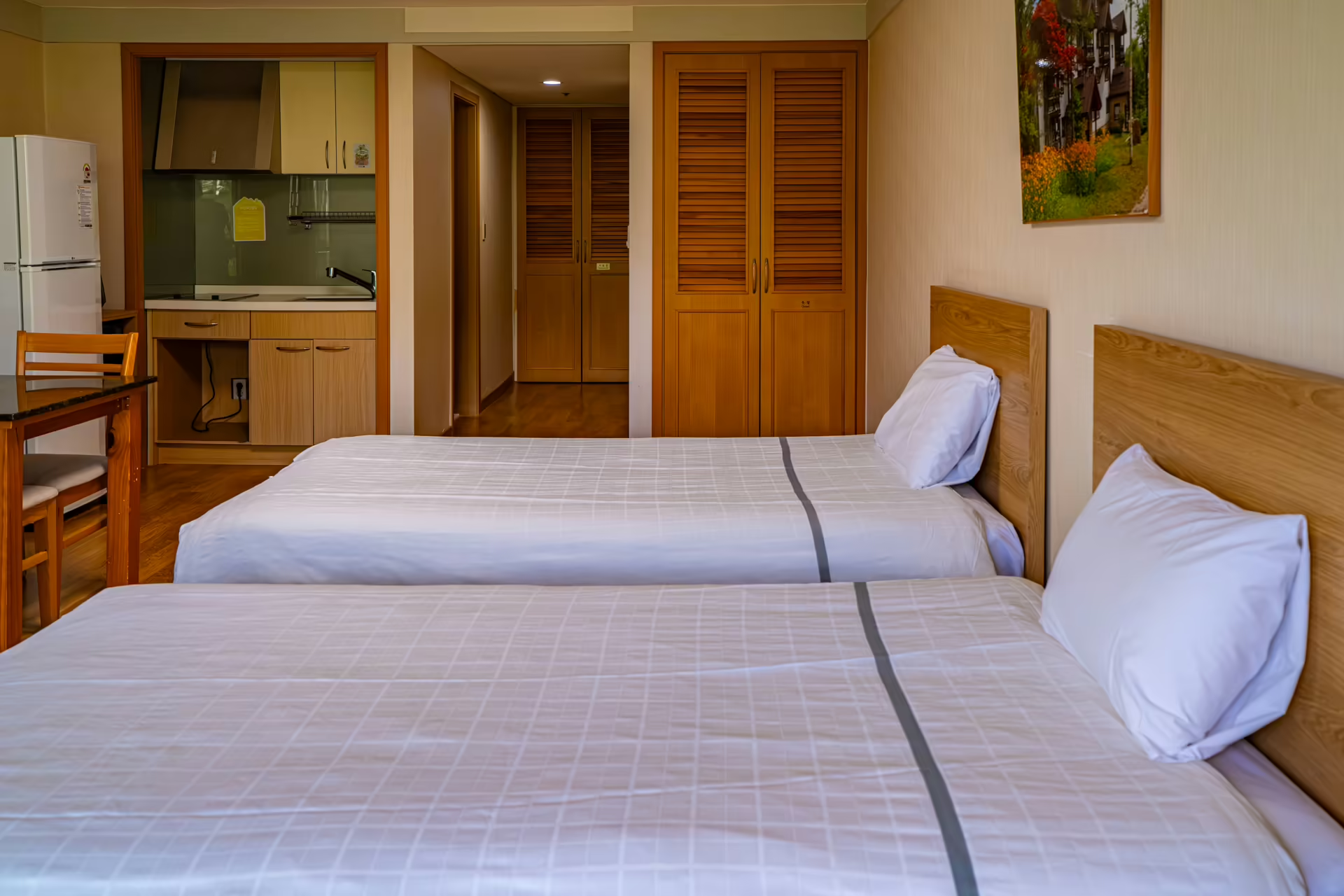
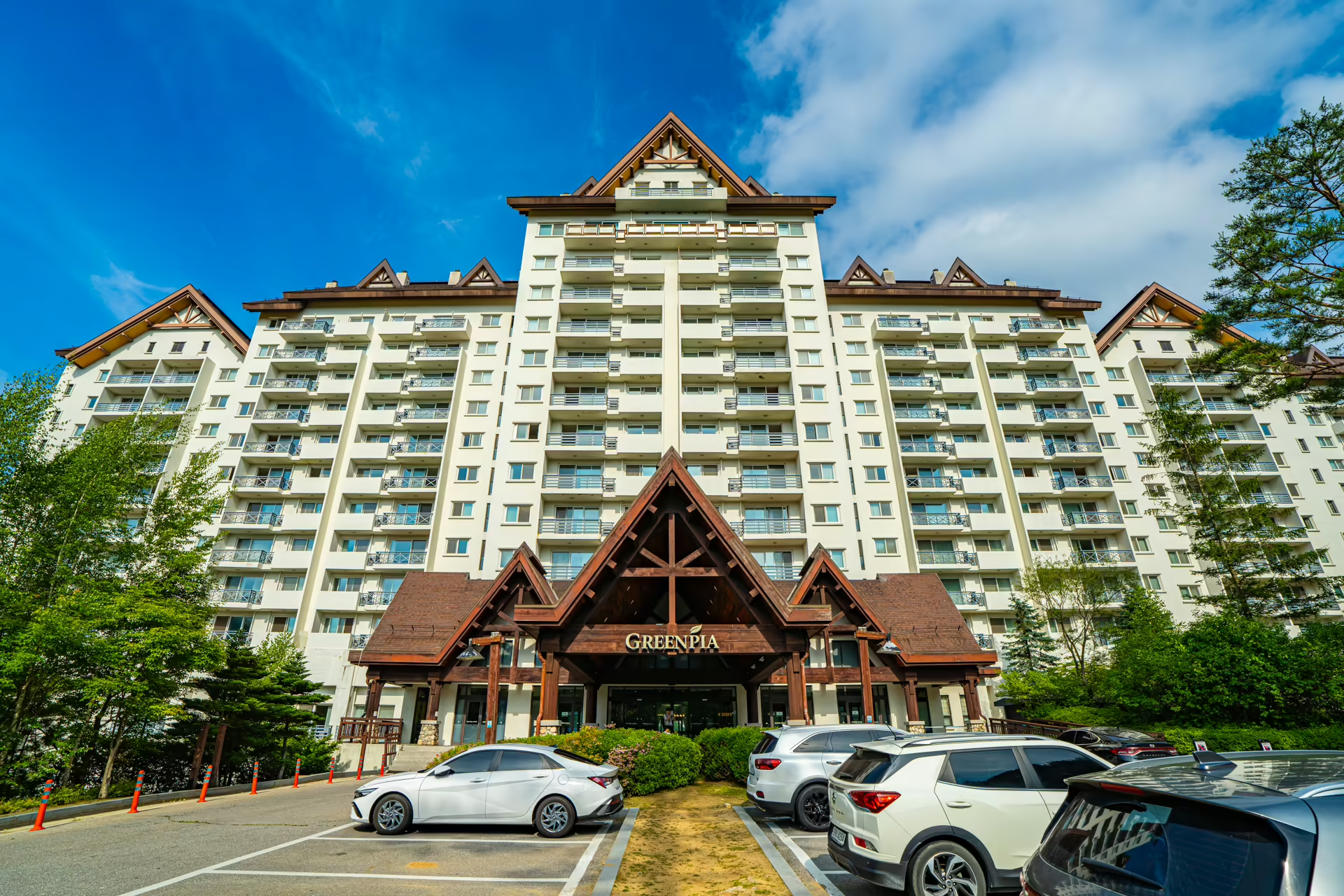
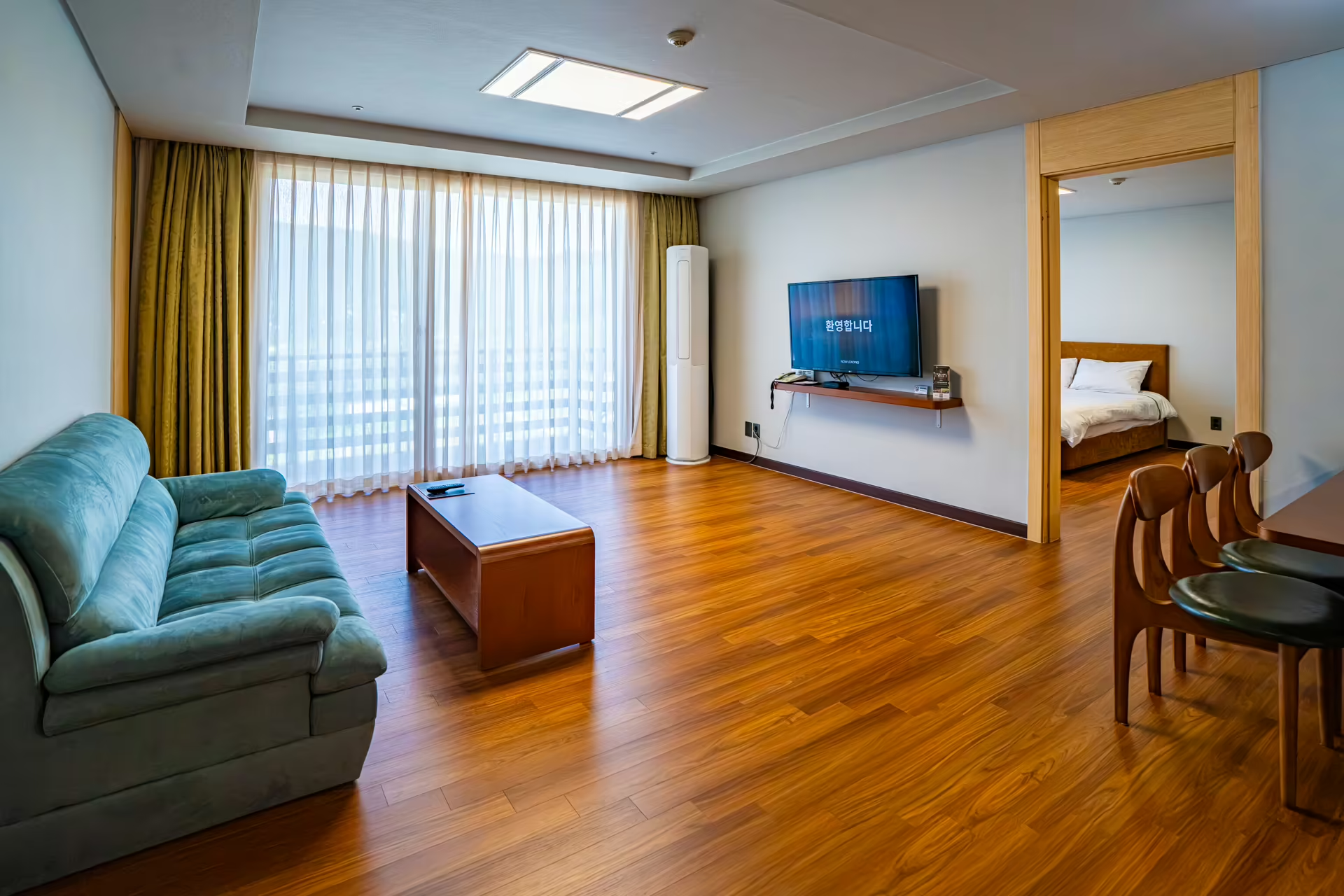
Greenpia Condominium is the one to book if you want a proper apartment. 314 units across two wings, western-hotel styling, separate bedrooms and living rooms, published rates from about ₩470,000 for the smaller layouts up to ₩700,000 for the deluxe two-bedrooms. It is also the only building where you choose your view — mountain or slope — and the slope-view units carry a modest premium. Greenpia sits near Dragon Plaza, which is the operational heart of the resort: the ticket office, the rental shop, the ski house and the cable car boarding platform are all in that one building.
Villa Condominium is the largest at 411 units and the most spread out, arranged as low blocks among the pines rather than a single tower. Rates sit between the other two — roughly ₩440,000 for the one-bedroom layouts, up to ₩650,000 for the duplexes — and it’s the quietest of the three by some margin. Two things to know: Villa holds the resort’s twelve pet-friendly units, which come with a bed, bowls and towels for the dog, and the published Villa rates rise on 1 September 2026, so a quote you screenshot in August won’t hold in October.
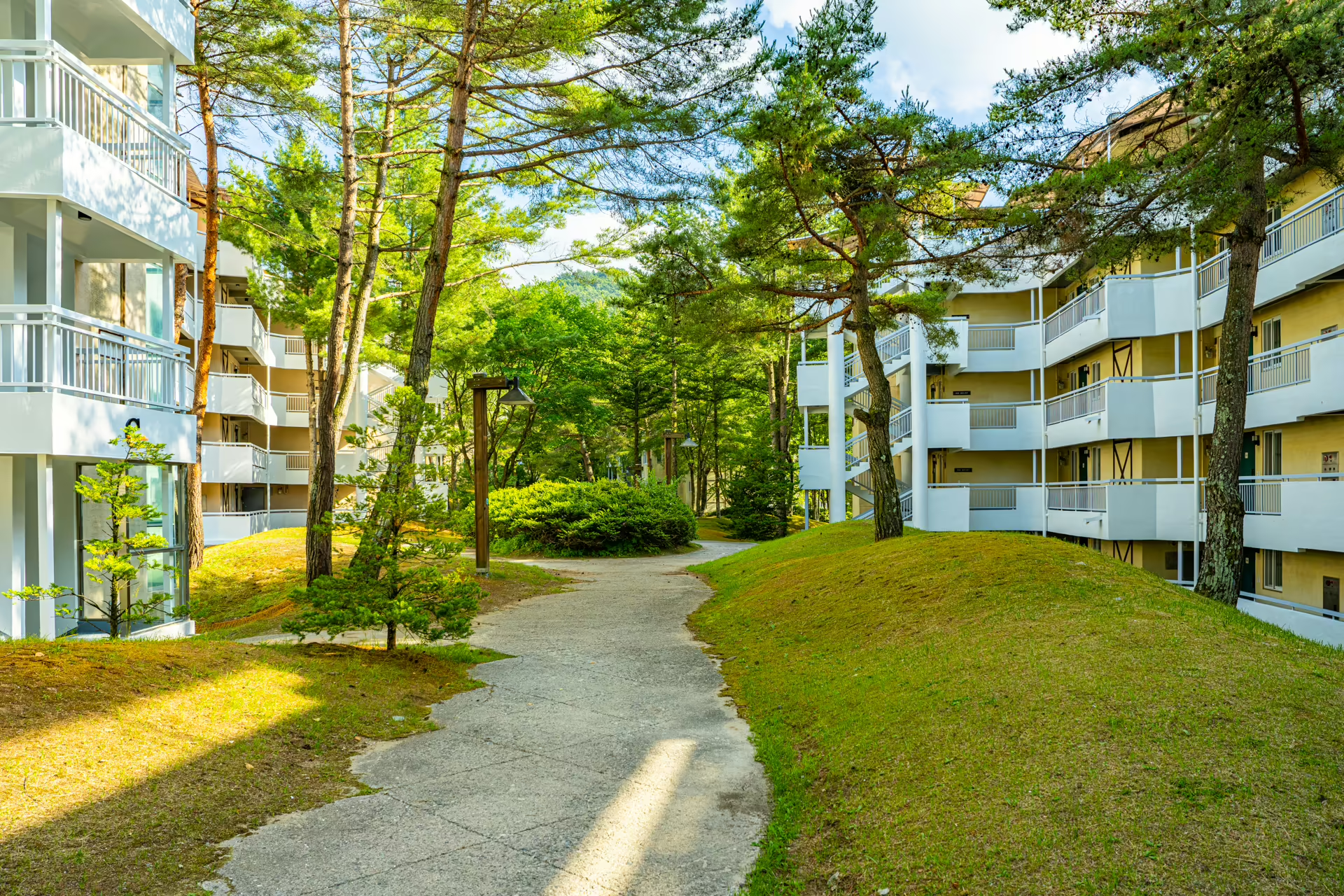
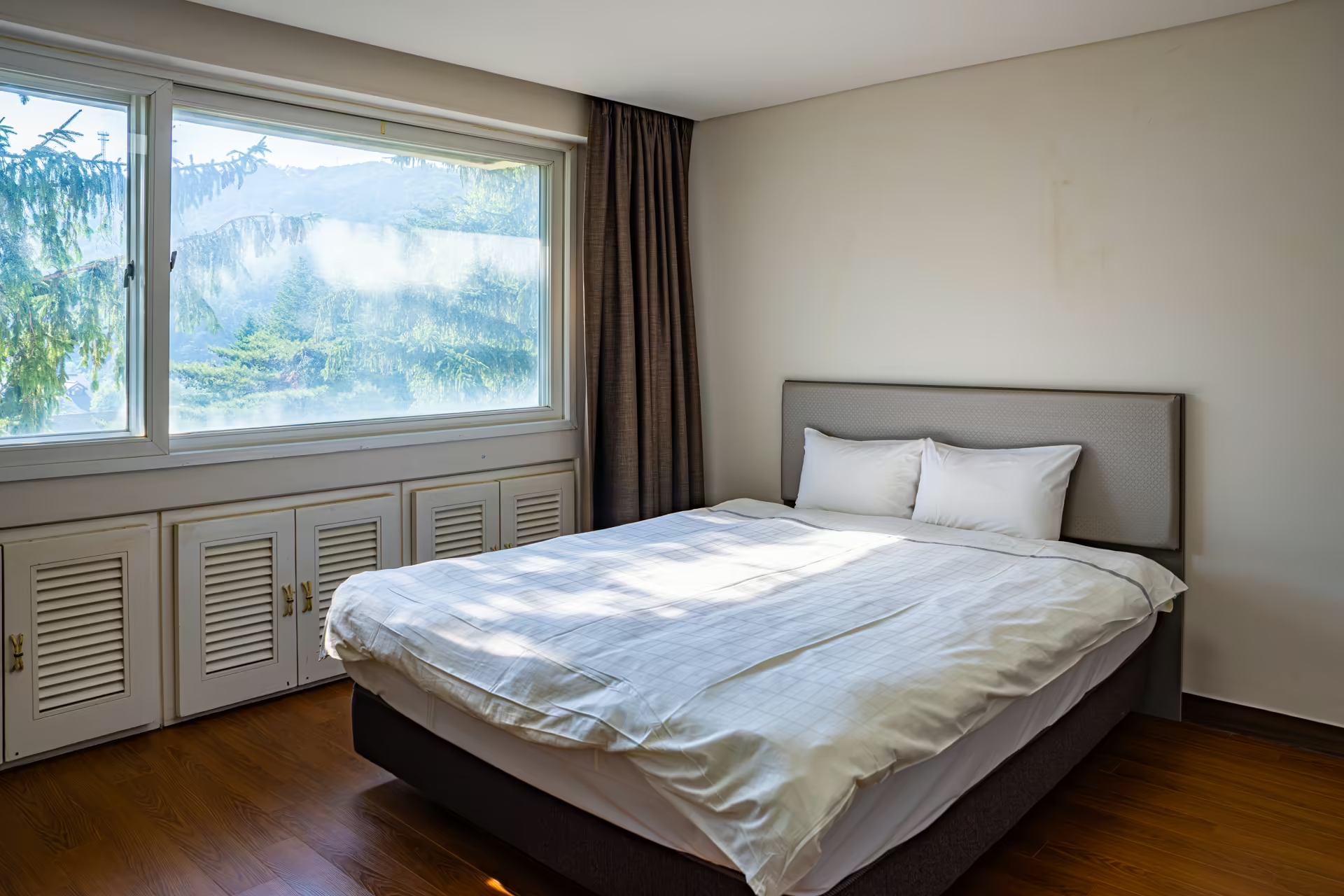
One correction to the rankings you’ll find on Korean forums: Greenpia is the most expensive of these three, but it is not the top of the resort’s range. A separate premium tier of condominiums sits above all of them, so “Greenpia is the best here” is only true within this comparison.
Compare current rates across the Yongpyong condos →
2. The Cable Car: 3.7 Kilometers to 1,458 Meters
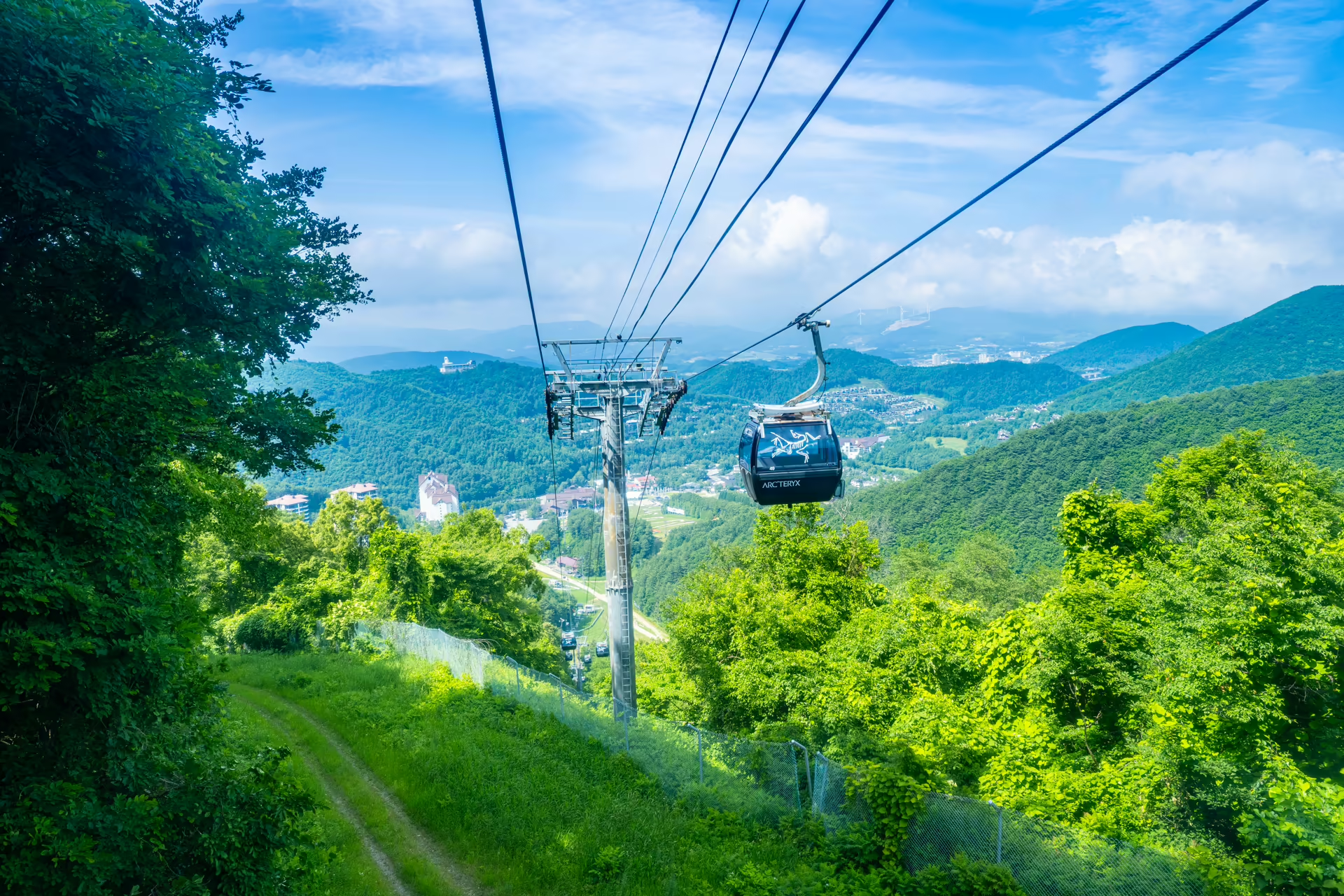
The single best thing you can do here without skis is ride the Balwangsan cable car, and it is genuinely good rather than merely convenient. At 3.7 kilometers one way it is the longest in Korea, it takes about eighteen minutes, and it climbs from Dragon Plaza’s second floor to the summit of Balwangsan at 1,458 meters, which puts it among the dozen highest peaks in the country.
Published fares at the time of reporting are ₩27,000 adult return and ₩23,000 one way, with child fares at ₩23,000 and ₩19,000. Note the mismatch you’ll hit online: a great many blogs still quote ₩25,000, which was the rate a few years ago. Operating hours run 09:00 to 17:00, extended into the evening during the summer peak. Cabins take up to eight and are filled to capacity when it’s busy, so a private ride is a quiet-day luxury. High wind or lightning closes the line without notice — there’s a number to call before you drive up, and on a marginal day you should use it.
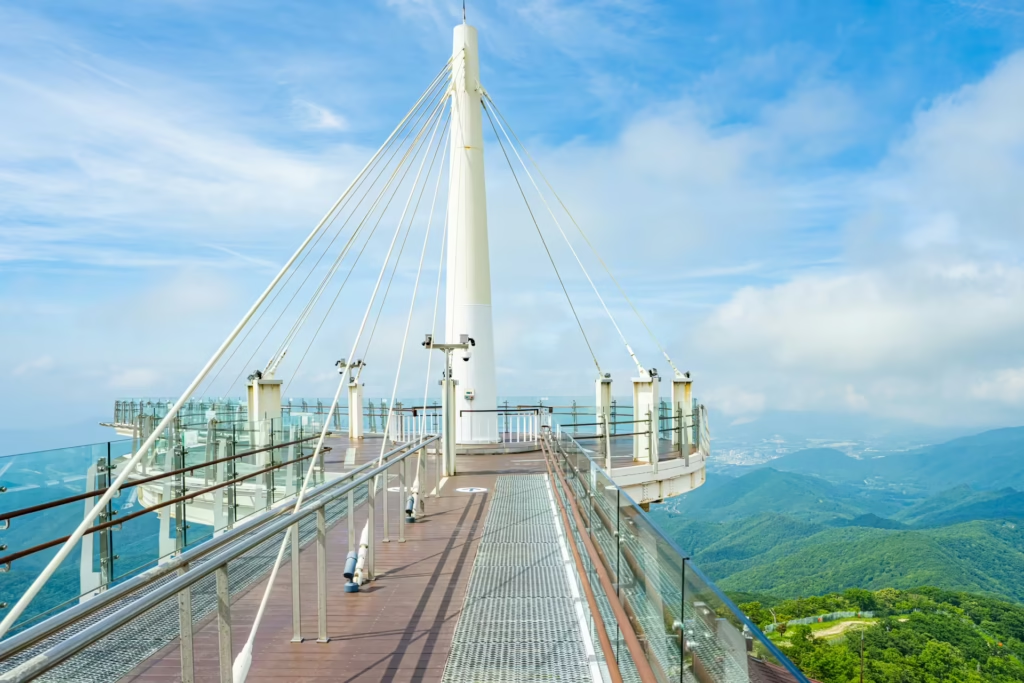
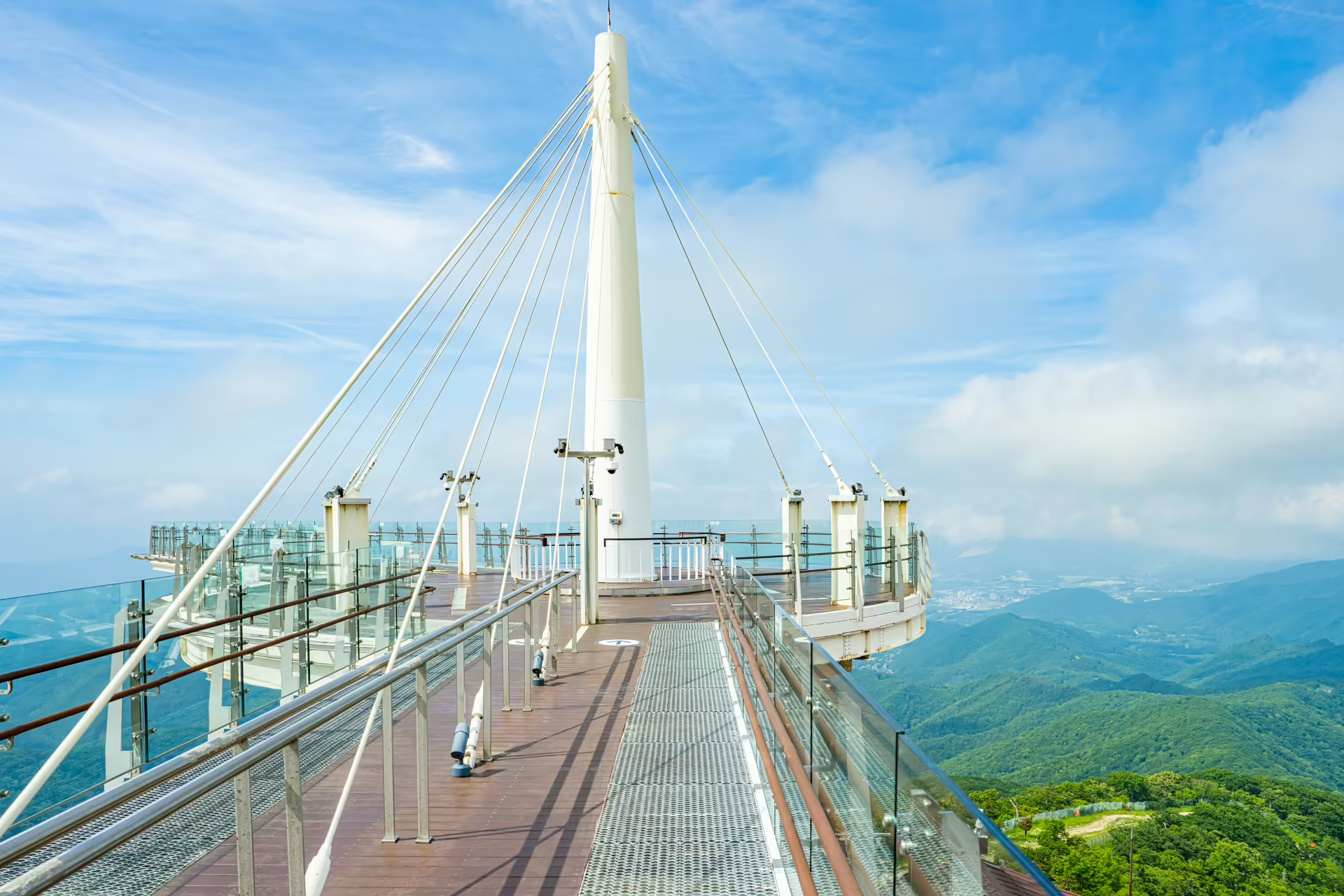
At the top, the Balwangsan Gi Skywalk is a 360-degree circular deck that the resort bills as the highest observatory in the country. Some sections are glass-floored. On a clear day the view runs across the Baekdudaegan ridgeline and, if the haze cooperates, all the way to the East Sea. Access is included with the cable car ticket.
3. The Yew Trail — The Reason to Stay Up There an Hour
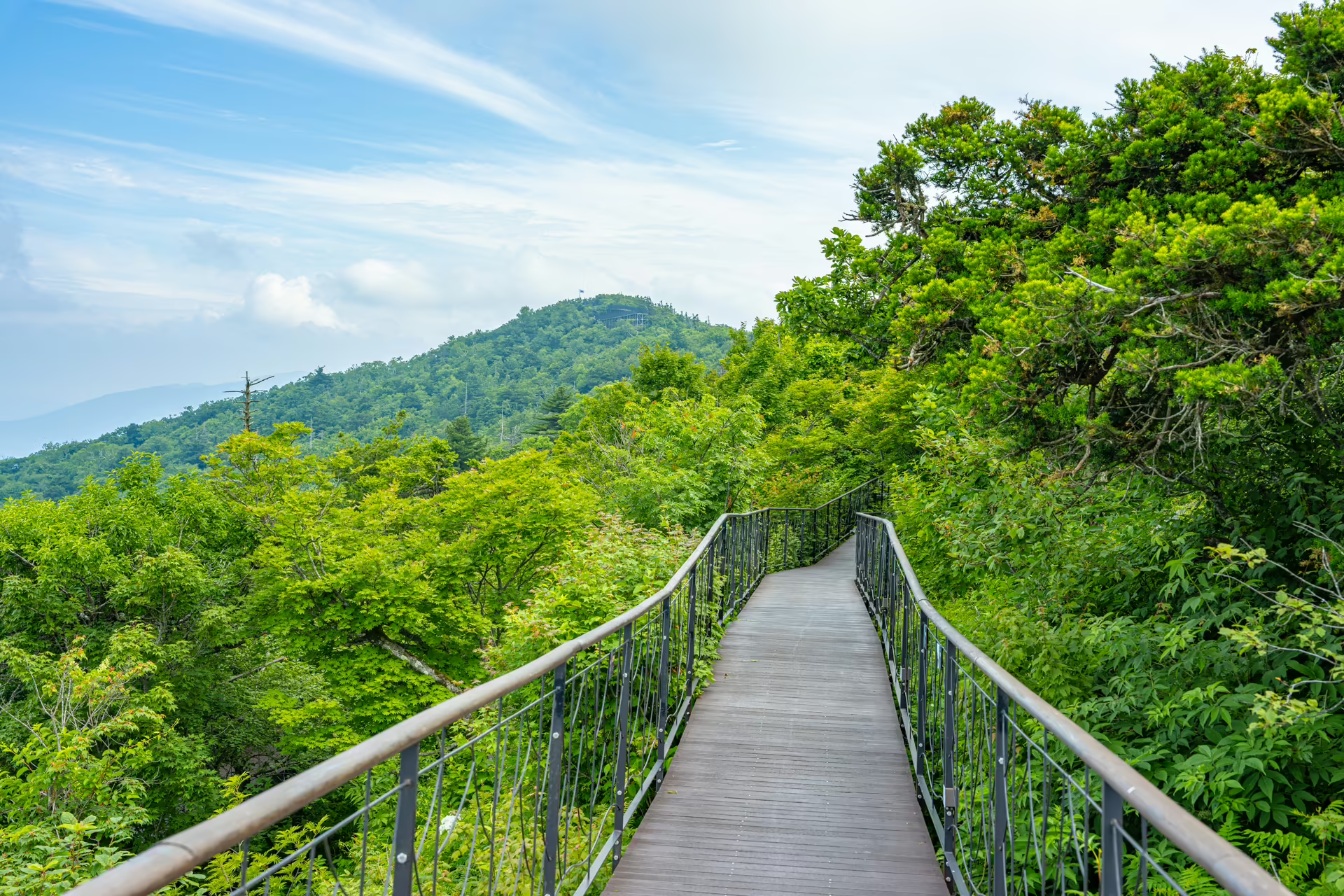
Most people ride up, photograph the skywalk and ride straight back down. Don’t. The summit plateau carries a 3.2-kilometer boardwalk called the Millennium Yew Forest Trail, laid out as a gentle barrier-free loop through ancient yews that have been bent into shape by a thousand winters at this altitude. It is the best walking on the property, and it costs nothing beyond the ticket you’ve already bought.
Halfway round sits Balwangsu Garden, a spring split into four streams, each one nominally granting a different wish — wealth, longevity, wisdom, love. Bring a bottle. The trail and the forest around it have collected a stack of national designations in recent years, and on a weekday morning you’ll have long stretches of it entirely alone.
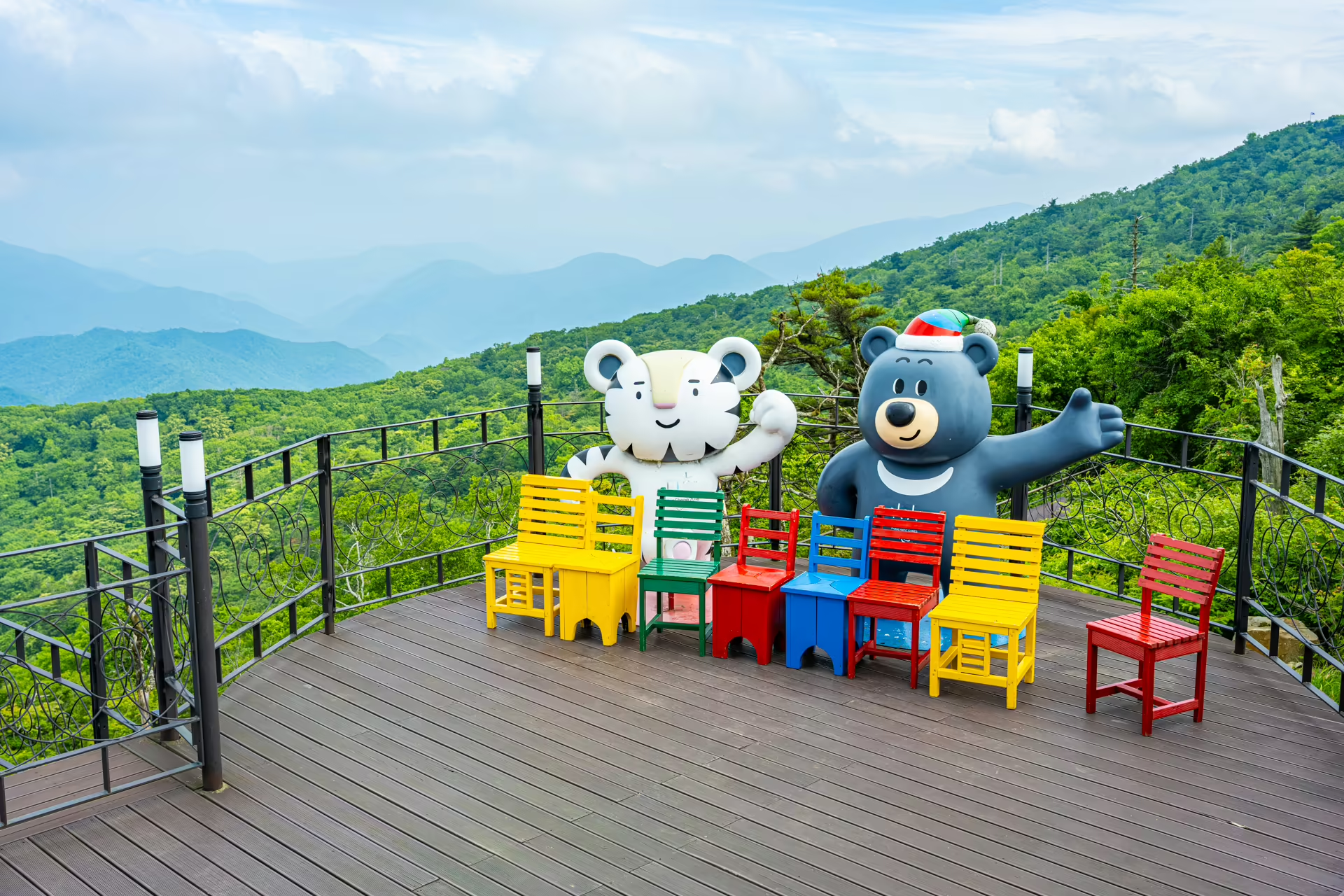
There’s a café at the summit building and, since December 2025, a proper restaurant on its upper floor, so you can make a half-day of it rather than a ride. And on the deck outside, the 2018 Winter Olympics mascots are still standing guard — a white tiger and a black bear among a scatter of primary-colored chairs, which tells you exactly how recently this mountain hosted the world.
4. Ani-Fore: Alpacas in a Spruce Forest
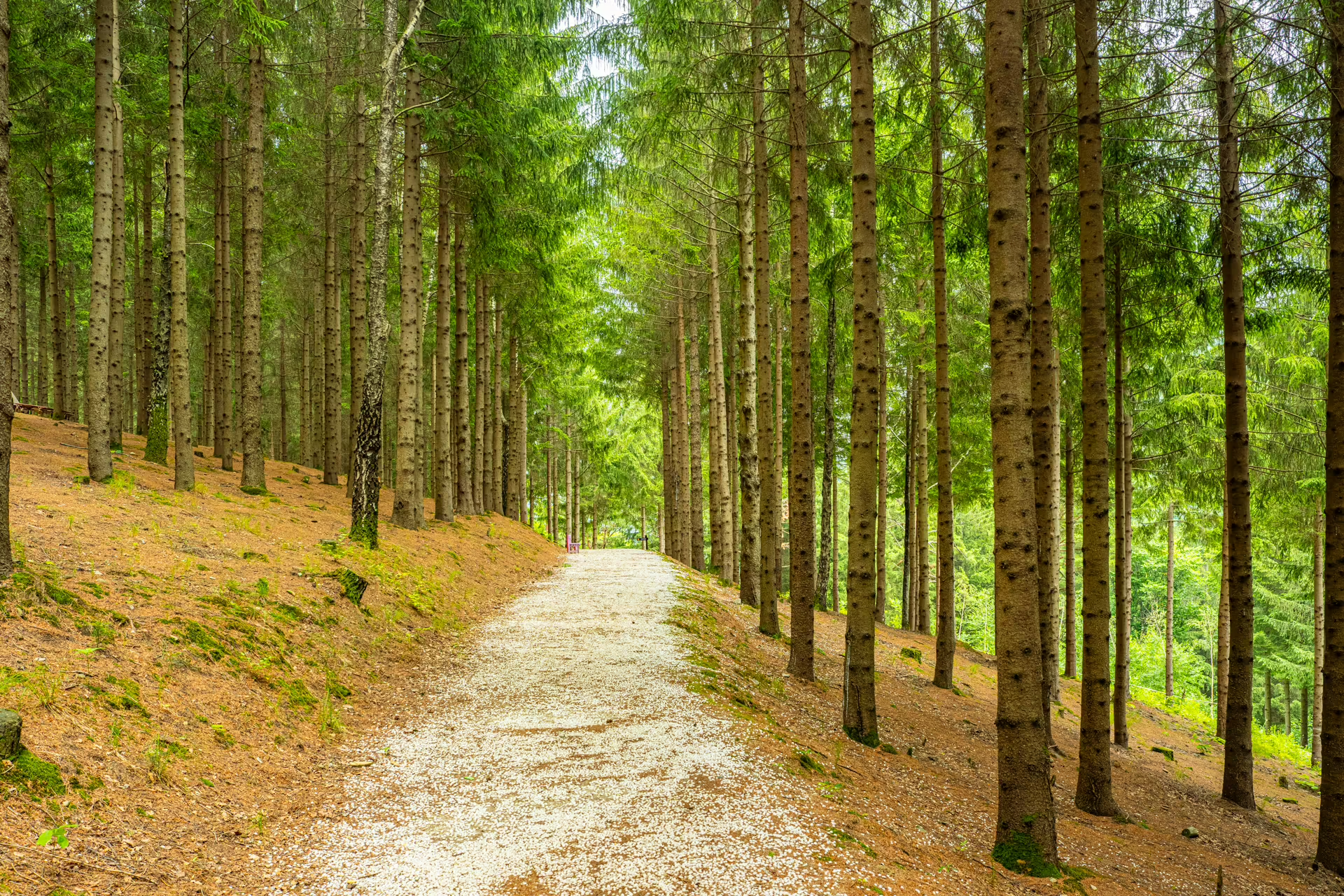
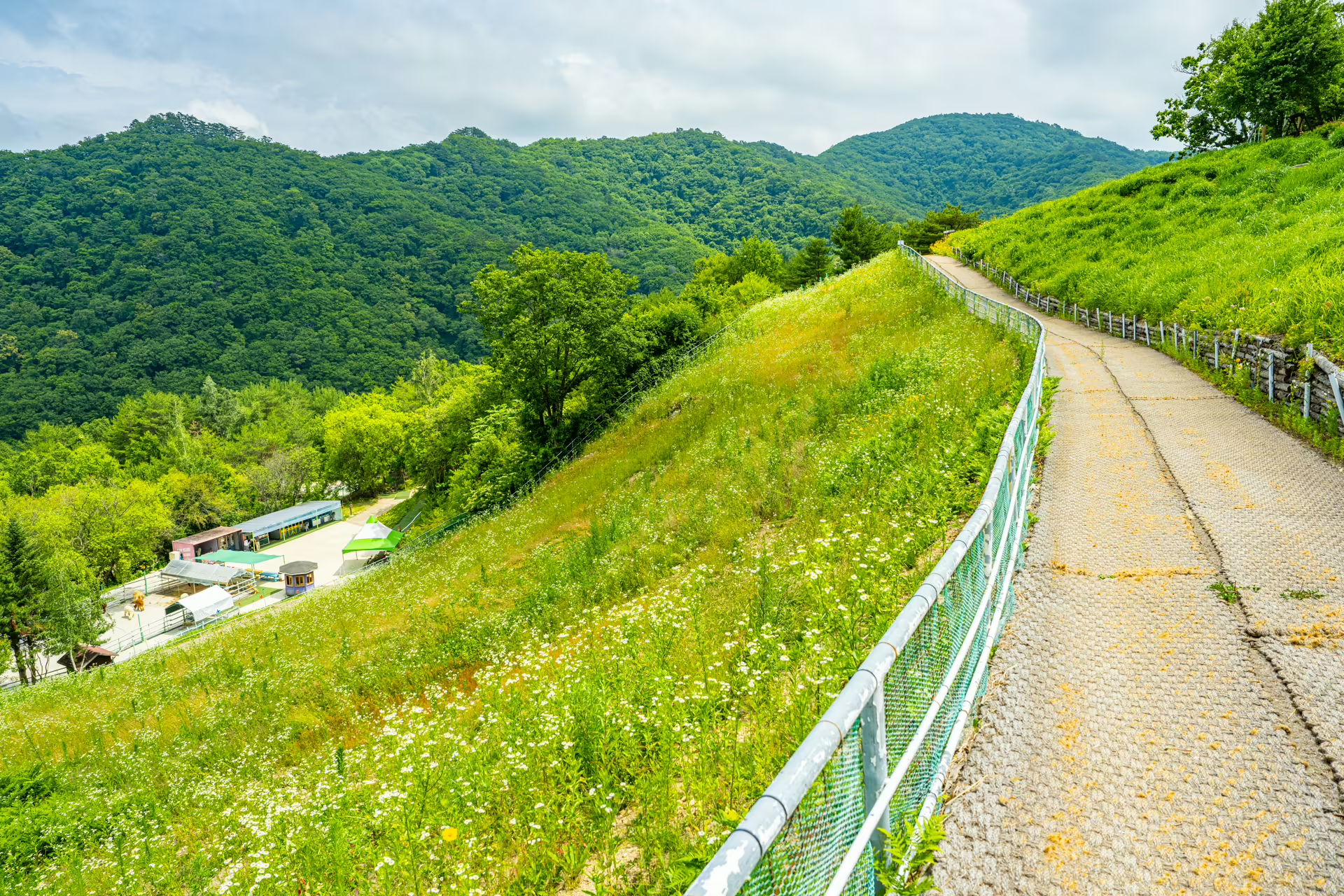
Halfway up the mountain, at around 900 meters, a stand of roughly 1,800 Norway spruce shelters a small pasture of alpacas, sheep and goats. The name is a contraction of animal and forest, and the trees have a backstory worth knowing: the slope was cleared farmland until a 1960s government resettlement program moved the last households out, after which resort staff planted the spruce that now stands over it.
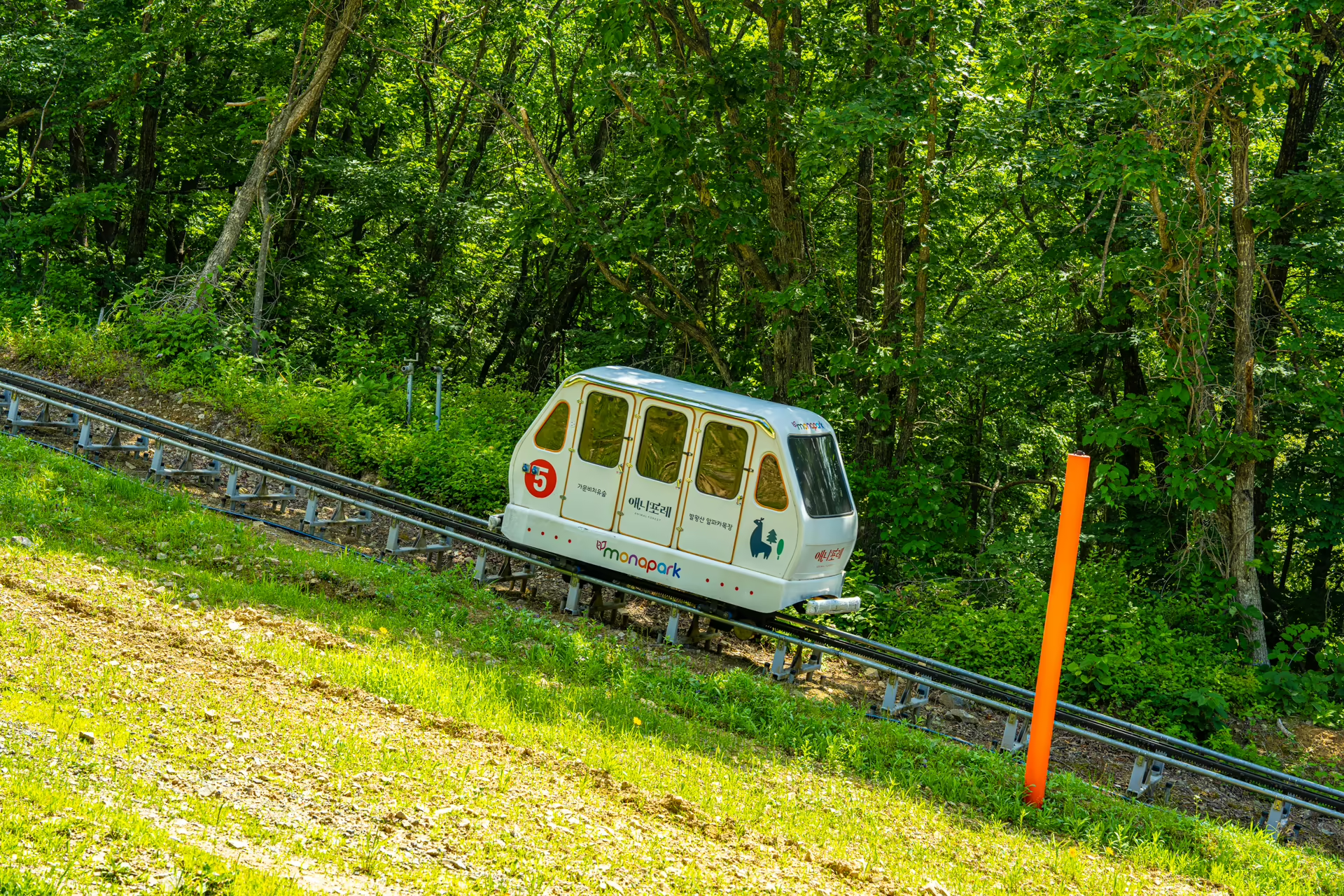
You reach it either on foot or by a monorail that grinds up the old Gold slope, and the combined monorail-and-farm ticket runs around ₩18,000 for adults at the time of reporting, with a walk-in farm ticket at roughly ₩7,000. Child tickets run about ₩15,000 and ₩6,000 respectively. Summer hours extend to 18:00; it closes in the rain. I’ve covered the place at length in a separate Ani-Fore guide with the monorail details, so the short version here is: worth an afternoon if you have children, worth an hour for the spruce grove alone if you don’t.
5. The Water Park, and What It Costs in August
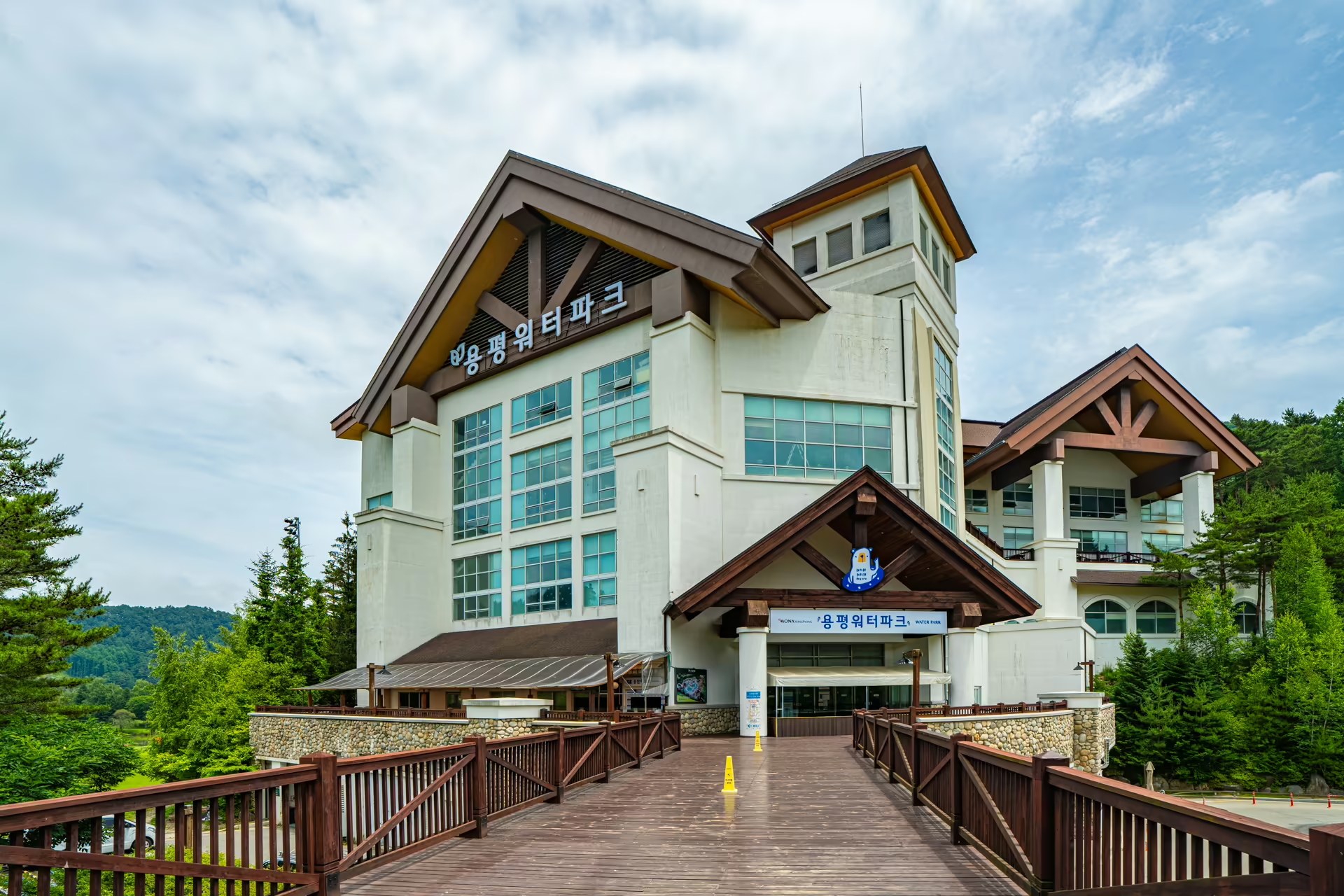
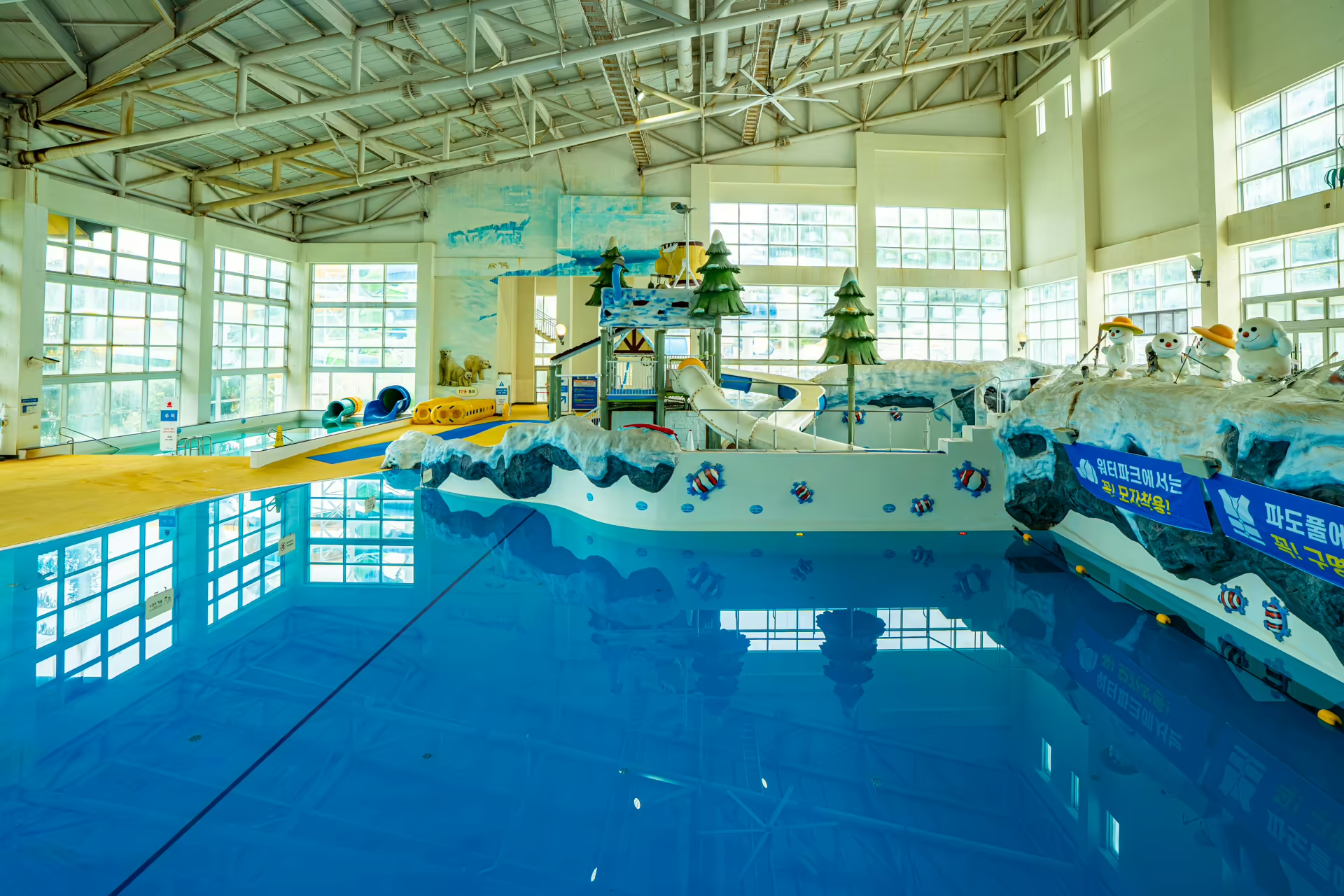
Yongpyong Waterpark sits at 700 meters and bills itself as Korea’s first alpine lodge-style water park — indoor wave pool, lazy river, slides and a bade pool downstairs, with an outdoor section and a spa deck. A full-day ticket covers 10:00 to 17:30, with an afternoon rate from 14:00. Capacity runs to around 3,200 at once, which on a peak August Saturday is not a theoretical number.
Two operational details matter more than the attraction list. First, it closes on Tuesdays and Wednesdays outside the summer peak — a fact that has ruined more than one family’s Wednesday. Second, the peak-season price is steep: a full-day adult ticket runs about ₩67,000 in the mid-July-to-mid-August window against roughly ₩50,000 to ₩53,000 either side of it. If your dates are flexible by a week, the shoulder rate is a meaningful saving, and the pools are the same pools.
6. Winter: 28 Runs, and the Ikon Pass Wildcard
For completeness, because it’s still what this mountain is for. Yongpyong runs 28 slopes served by fourteen lifts — thirteen chairs plus the cable car, which doubles as a lift in season. The headline run is Rainbow Paradise at 5,600 meters with 702 meters of vertical, the longest in the country, and the terrain skews friendly rather than fearsome.
The development worth flagging for international skiers: in October 2025 Yongpyong became the first Korean resort to join the Ikon Pass, the multi-mountain season pass run by Alterra. If you already hold one for a North American or Japanese season, Korea is now on it — which turns a Pyeongchang detour from an expensive novelty into a nearly free one. Opening dates for the 2026–27 season hadn’t been published when I checked; the previous season started in late November.
The mountain also carries a piece of television history. Winter Sonata was shot up at Dragon Peak in 2002, and the statues of its two leads have stood there ever since; Goblin used the same cable car and ridge in 2016. If you’re building a route around Korean drama locations, my Goblin filming-location guide covers the Pyeongchang stops in detail.
Who This Is Actually For
Families with young children: Tower Condominium, for the price and the wet-weather infrastructure downstairs. Add Ani-Fore and the water park and you have three days without leaving the property.
Couples and anyone who cooks: Greenpia, slope view, and use the separate living room. It’s the only building here that feels like an apartment rather than a room.
Groups and dog owners: Villa, for the space and the twelve pet units — and book before the September 2026 rate rise if your dates allow.
Skiers with an Ikon Pass: you now have a reason to fly to Korea in January that you didn’t have two years ago. Stay wherever is cheapest; you’ll be on the mountain.
Anyone visiting in green season without a car: perfectly doable via KTX and taxi, but plan your one big day around the cable car and check the wind before you commit.

Search available rooms at Yongpyong Resort →
What stayed with me was the summit boardwalk in late morning, with cloud sitting in the valley below the deck like something poured there. Two mascots from a Winter Olympics eight years gone, a thousand-year yew bent sideways by wind, and a lift pylon standing in grass. A ski resort in July is a strange, half-dressed thing, and I liked it more than I expected to.
Practical Manual
| Item | Detail |
|---|---|
| Name | MONA Yongpyong, formerly Yongpyong Resort (모나용평) |
| Address (English) | 715 Olympic-ro, Daegwallyeong-myeon, Pyeongchang-gun, Gangwon |
| Address (Korean) | 강원특별자치도 평창군 대관령면 올림픽로 715 |
| Condos | Tower 202 units (from ~₩360,000) / Villa 411 units (from ~₩440,000, rates rise 1 Sep 2026) / Greenpia 314 units (from ~₩470,000) |
| Check-in / out | 15:00 / 11:00 |
| Cable car | 3.7 km, ~18 min, boards at Dragon Plaza 2F. Adult ₩27,000 return / ₩23,000 one way; child ₩23,000 / ₩19,000. Skywalk included. Closes for high wind |
| Summit trail | Millennium Yew Forest Trail, 3.2 km barrier-free loop, no extra charge |
| Ani-Fore | Monorail + farm ~₩18,000 adult / ₩15,000 child; farm only ~₩7,000 / ₩6,000. Closed in rain |
| Water park | Full day 10:00–17:30. Closed Tue and Wed outside the summer peak. Peak adult ~₩67,000, shoulder ~₩50,000–53,000 |
| Ski area | 28 slopes, 14 lifts including the cable car. Longest run Rainbow Paradise, 5,600 m. On the Ikon Pass since the 2025–26 season |
| Getting there | KTX Seoul to Jinbu (Odaesan), ~1 hr 40 min, then ~20 min by taxi. Guest shuttle from Jinbu at 11:00 and 14:30. Free shuttle to and from Gangneung. By car, Yeongdong Expressway to Daegwallyeong IC |
| EV charging | Largest bank in front of Greenpia Condominium; further chargers at Villa and the hotels |
Prices and hours are as published at the time of reporting and change by season. The Villa rate revision on 1 September 2026 and the Tuesday–Wednesday water park closure are the two most likely to catch you out — confirm both before booking.
Navigation Tip: Use Naver Map and search for Greenpia Condo or Dragon Plaza rather than the resort name — Google Maps can’t route Korean roads properly — and keep Papago handy for menus and signage.