
Goblin Turns Ten: Revisiting 8 Filming Locations That Still Feel Enchanted
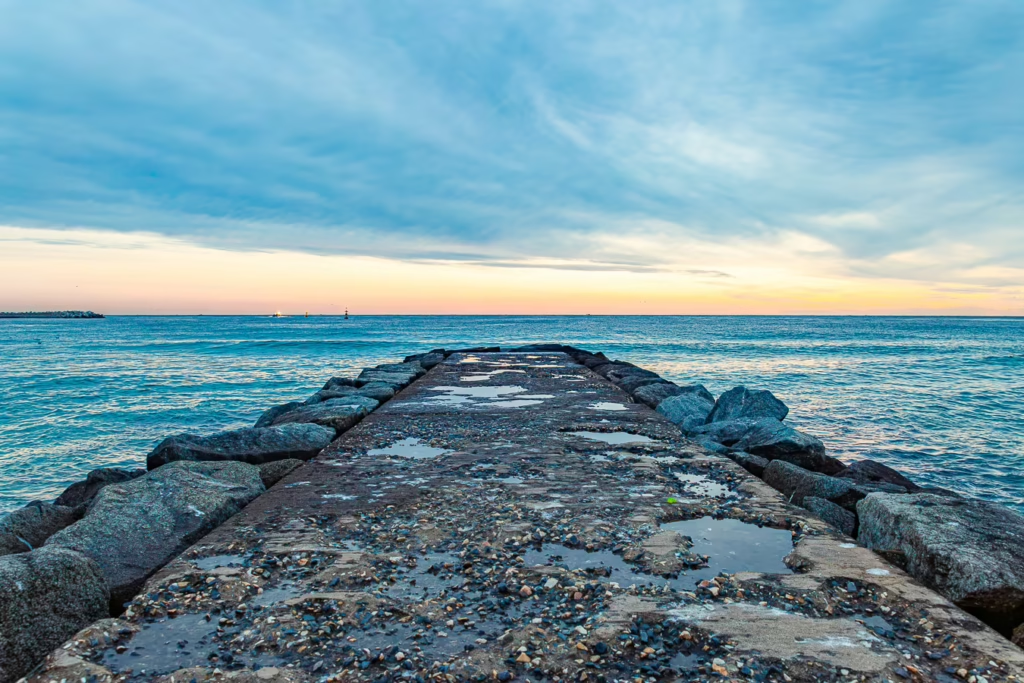
I photographed the Jumunjin breakwater for the first time in December 2016, about a week after the first episode of Goblin aired. There was exactly one other person there — a fisherman who couldn’t understand why I was pointing a camera at a concrete jetty. I went back this past winter, almost ten years later, and counted three tour buses in the parking area before breakfast. Some dramas fade. This one calcified into geography.
Goblin: The Lonely and Great God (쓸쓸하고 찬란하神 – 도깨비) ran on tvN from December 2, 2016 to January 21, 2017, which means December 2026 marks ten years since Kim Shin first appeared out of a sea wind holding buckwheat flowers. I’ve been shooting its filming locations on and off for that entire decade — first on assignment, later out of habit. This manual collects the eight locations that are actually worth your time, roughly ordered so you can string them into two trips: one along the mountains and coast of Gangwon Province, one through the port city of Incheon with two add-ons further south.
Orientation: How This Route Works
The Gangwon cluster — Jumunjin, Woljeongsa Temple, and Balwangsan Mountain — sits two and a half to three hours east of Seoul. The KTX from Seoul Station reaches Gangneung in under two hours, and Jinbu Station (for Woljeongsa and Yongpyong) in about 90 minutes, but you’ll want a rental car to link the three comfortably; local buses exist and eat entire afternoons. The Incheon cluster is the opposite: Baedari, the Jemulpo Club, and Cheongna Lake Park are all reachable on the Seoul metropolitan subway and a short taxi. Seoknamsa Temple in Anseong and Hakwon Farm in Gochang are drive-only detours — worth it if the drama meant something to you, skippable if you’re collecting highlights.
1. Jumunjin Breakwater, Gangneung — Where the Candles Were Blown Out
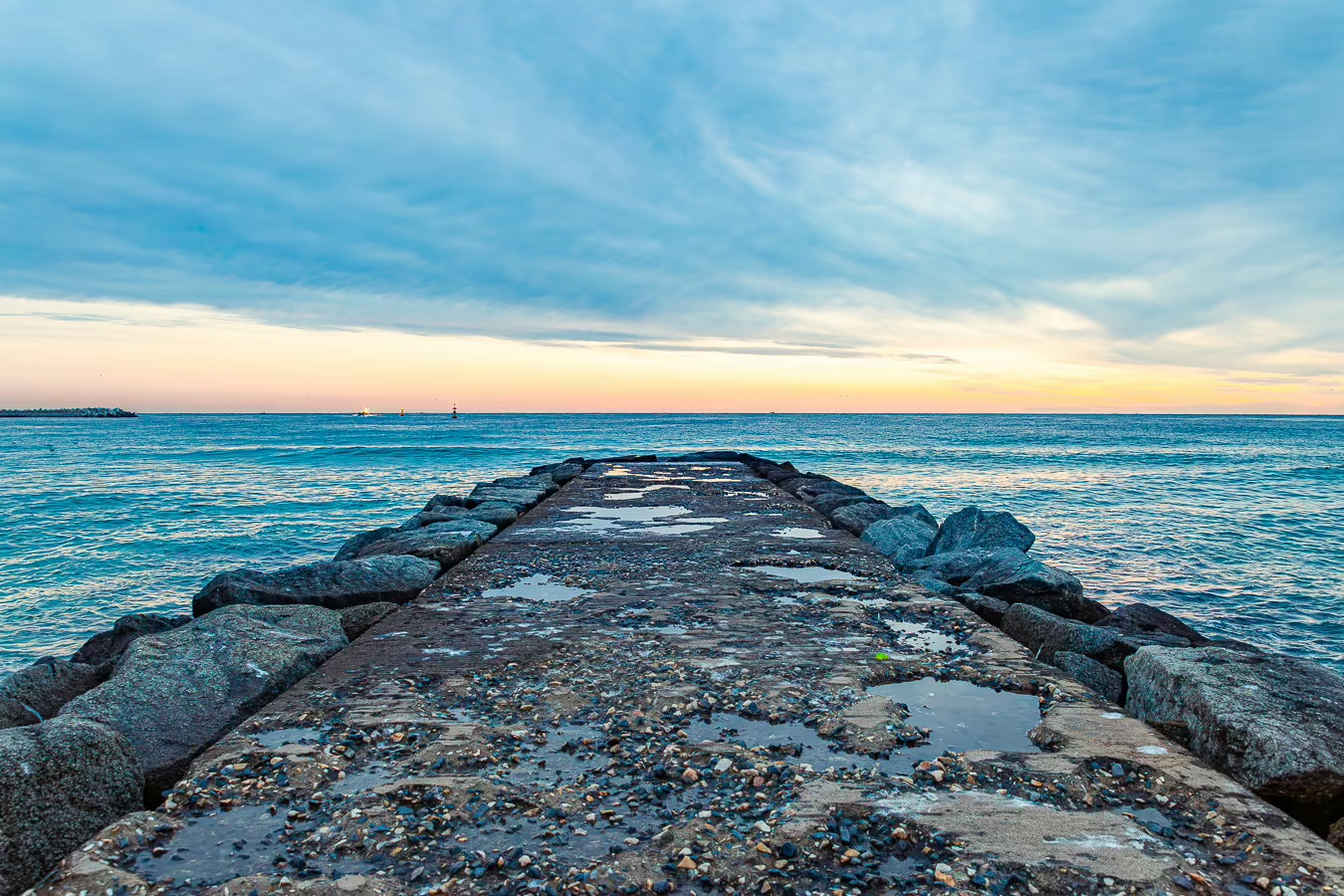
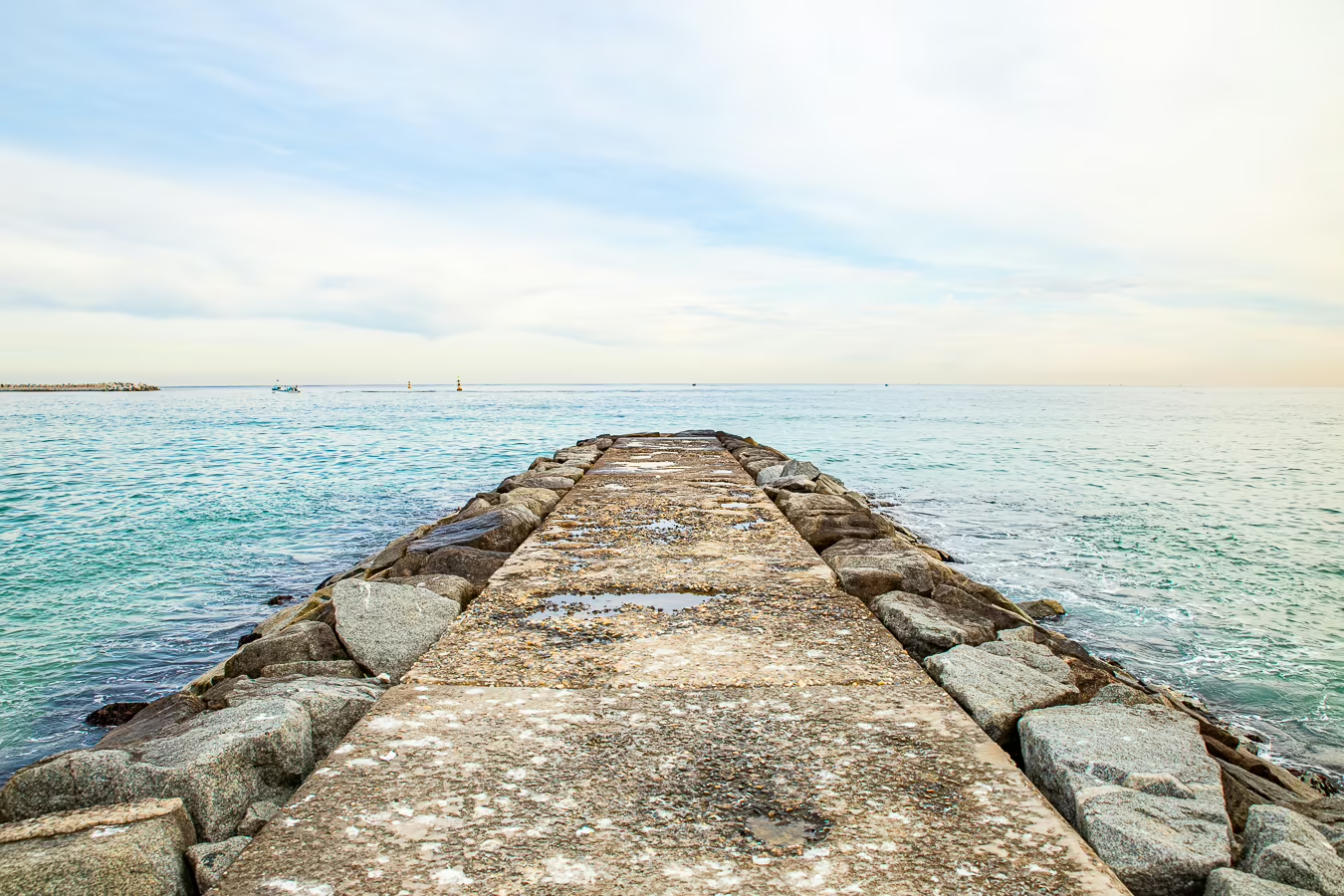
This is the scene everyone remembers: Ji Eun-tak on a bare jetty with a lit birthday cake, and Kim Shin materializing behind her against a flat grey sea. The breakwater sits about 1.5 kilometers south of Jumunjin Port, one of four nearly identical concrete jetties in a row — look for the one with a steady rotation of visitors re-creating the pose, usually with a bouquet of buckwheat flowers rented from a stall that has operated here for the better part of a decade. That stall alone tells you how durable this drama’s pull is.
Go at sunrise if you can. The jetty faces east, the light comes up over the water exactly the way it did on screen, and the tour buses don’t arrive until mid-morning. Jumunjin’s fish market is a ten-minute drive north and does a serious snow crab breakfast in winter.
2. Woljeongsa Fir Forest, Pyeongchang — The Snow Walk
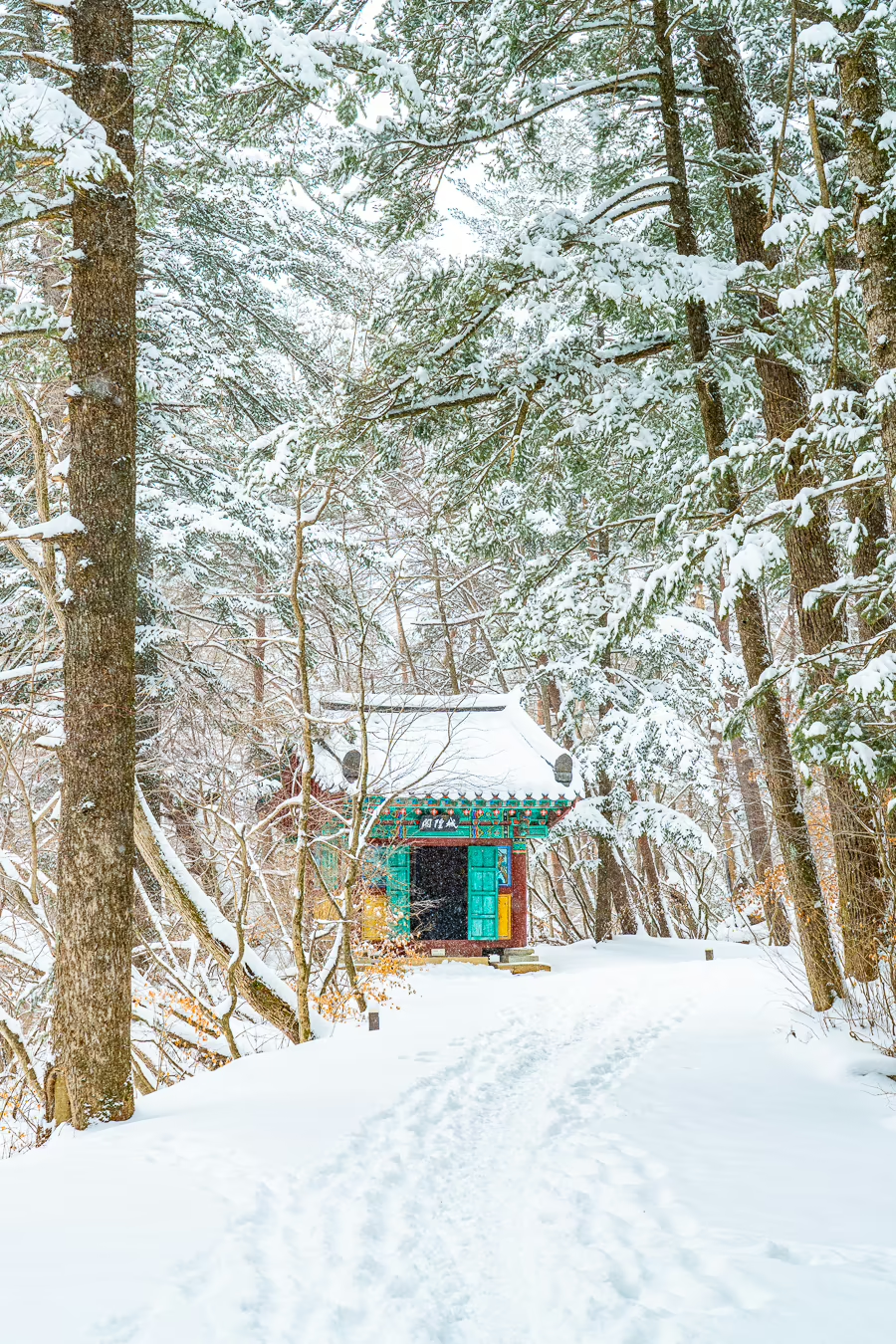
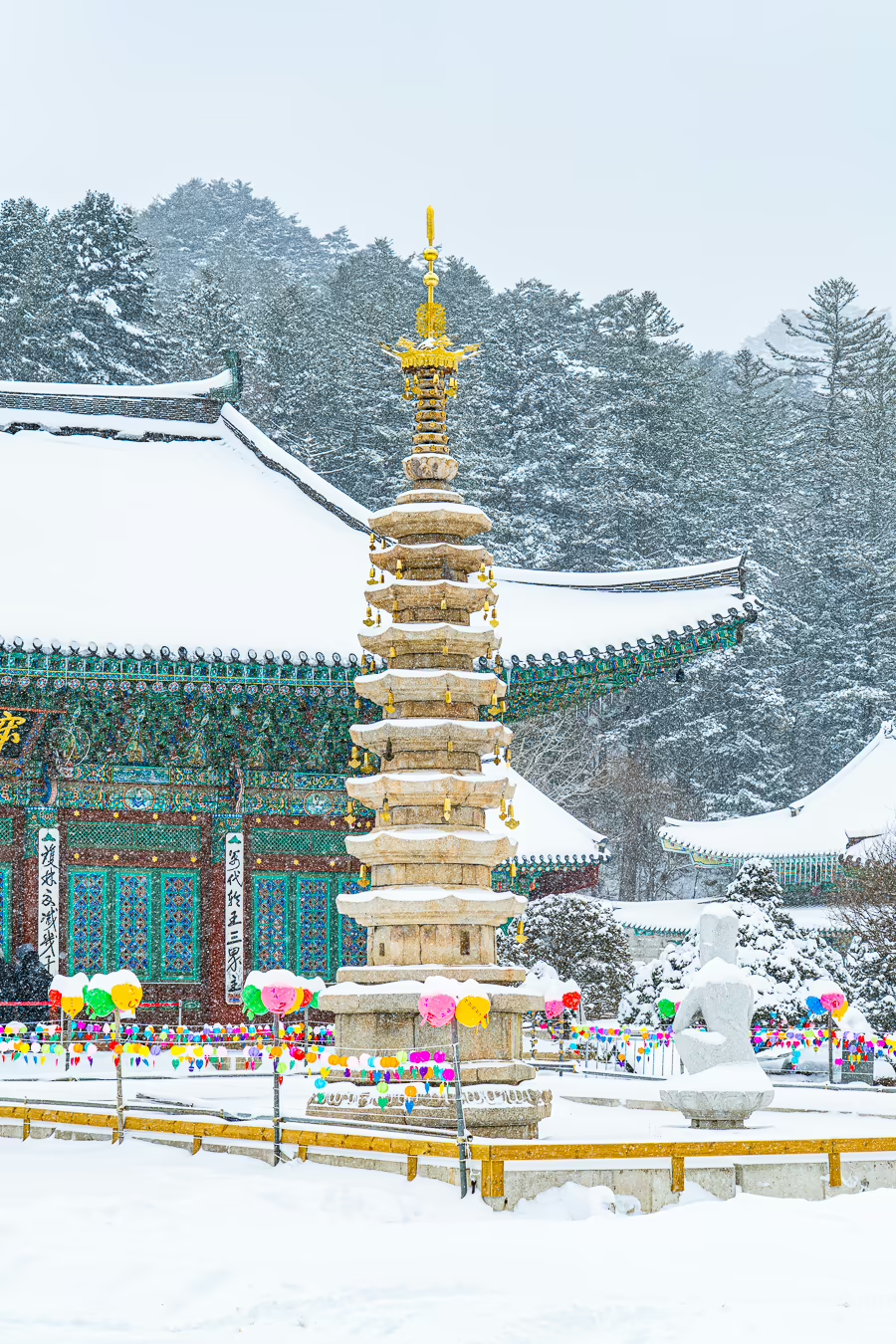
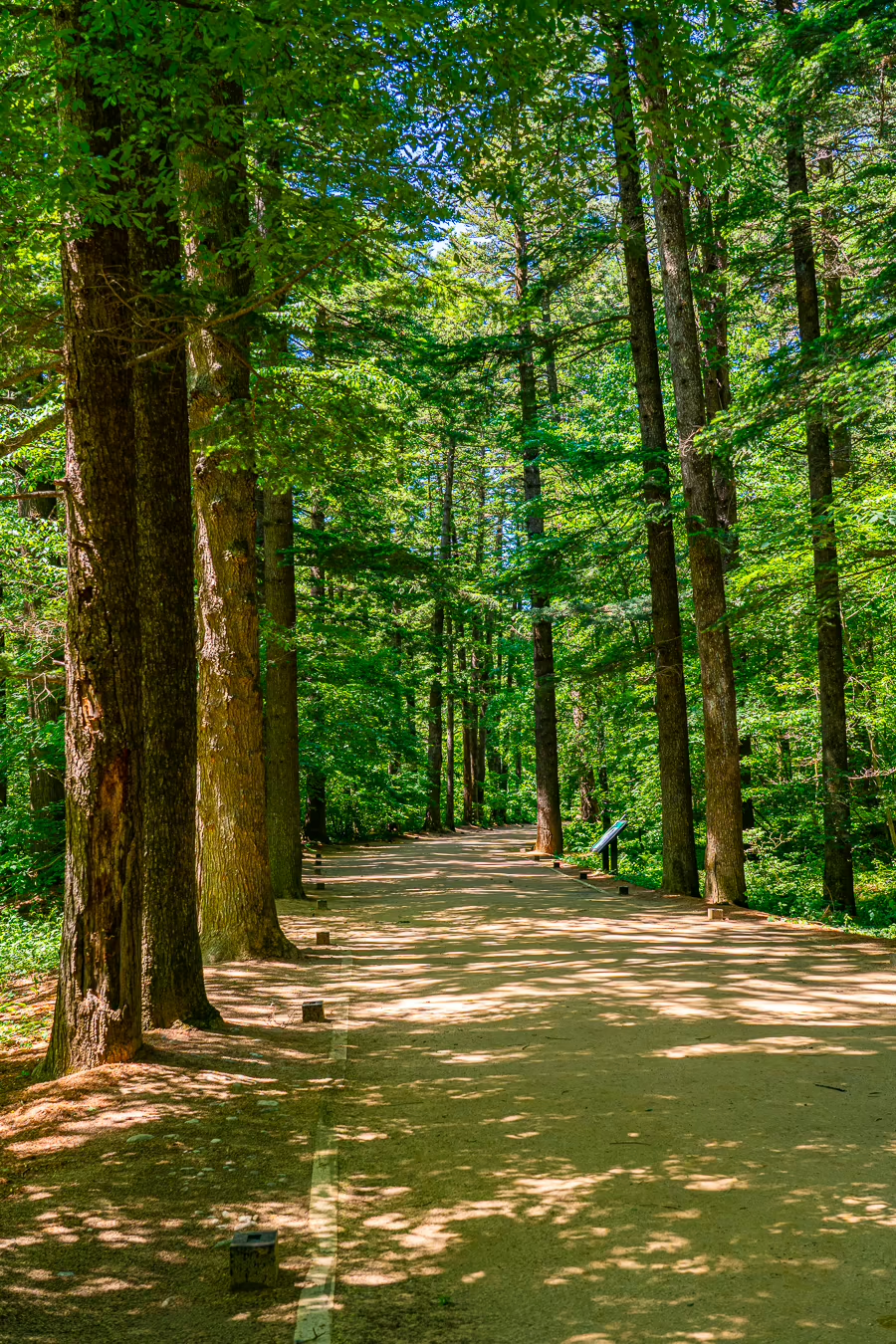
The kilometer of forest path between Woljeongsa Temple’s first gate and its Geumgang Bridge is lined with roughly 1,700 fir trees, some of them centuries old, and it is — I say this having walked most of Korea’s famous forest trails for work — the single best snow walk in the country. In the drama it’s where the goblin and his bride walk side by side in falling snow. In real life it looks exactly like that, no set dressing required, for about six weeks every winter.
Since the national temple admission fees were abolished in 2023, entry is free; you pay only 3,000 won to park. The path is flat, wide, and stroller-friendly, and the temple’s octagonal nine-story pagoda at the far end is a National Treasure worth the extra ten minutes. I’ve shot this forest in deep February snow and in late-May green, and honestly both versions deliver.
3. Balwangsan Mountain Cable Car, Pyeongchang — The Reunion Summit
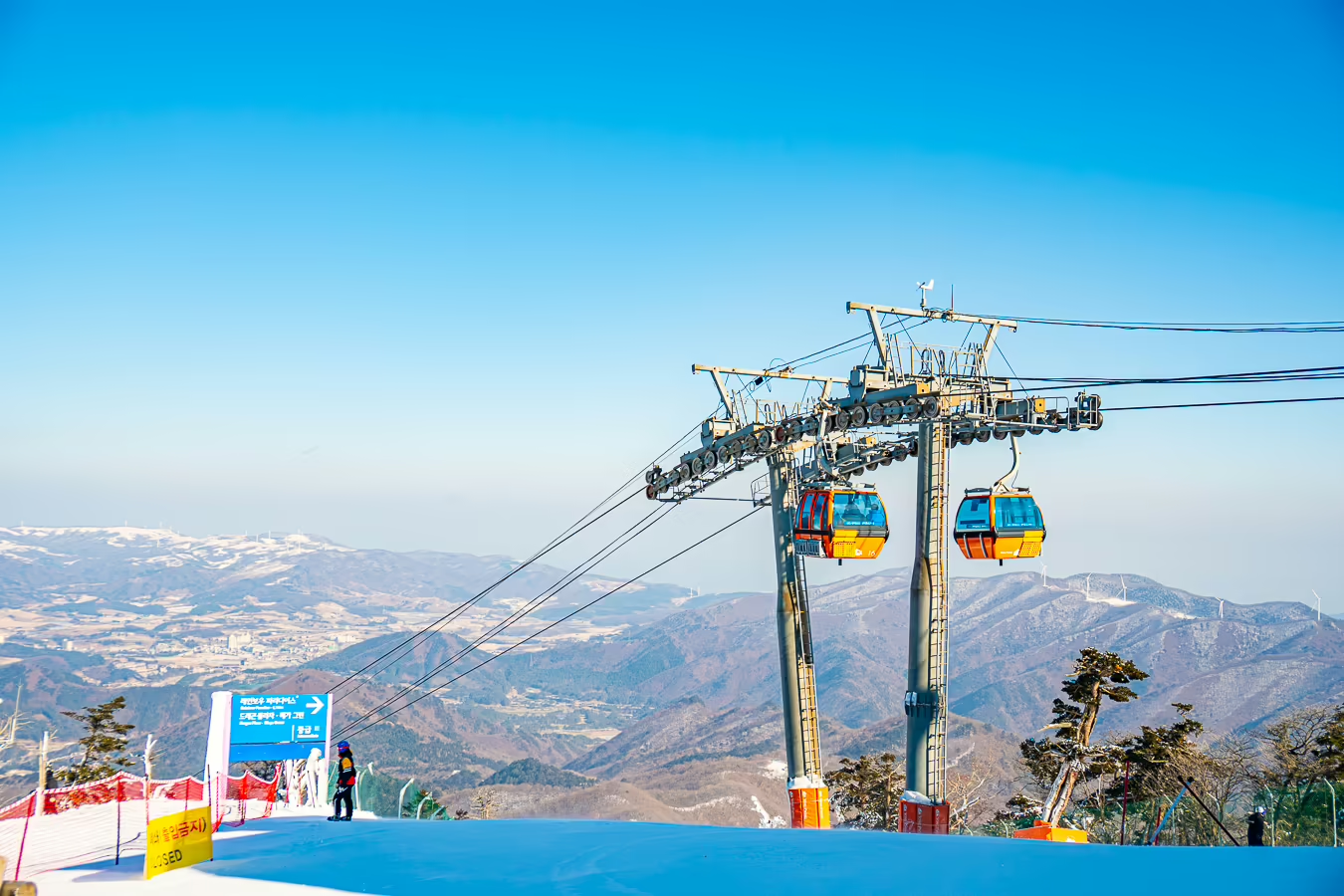
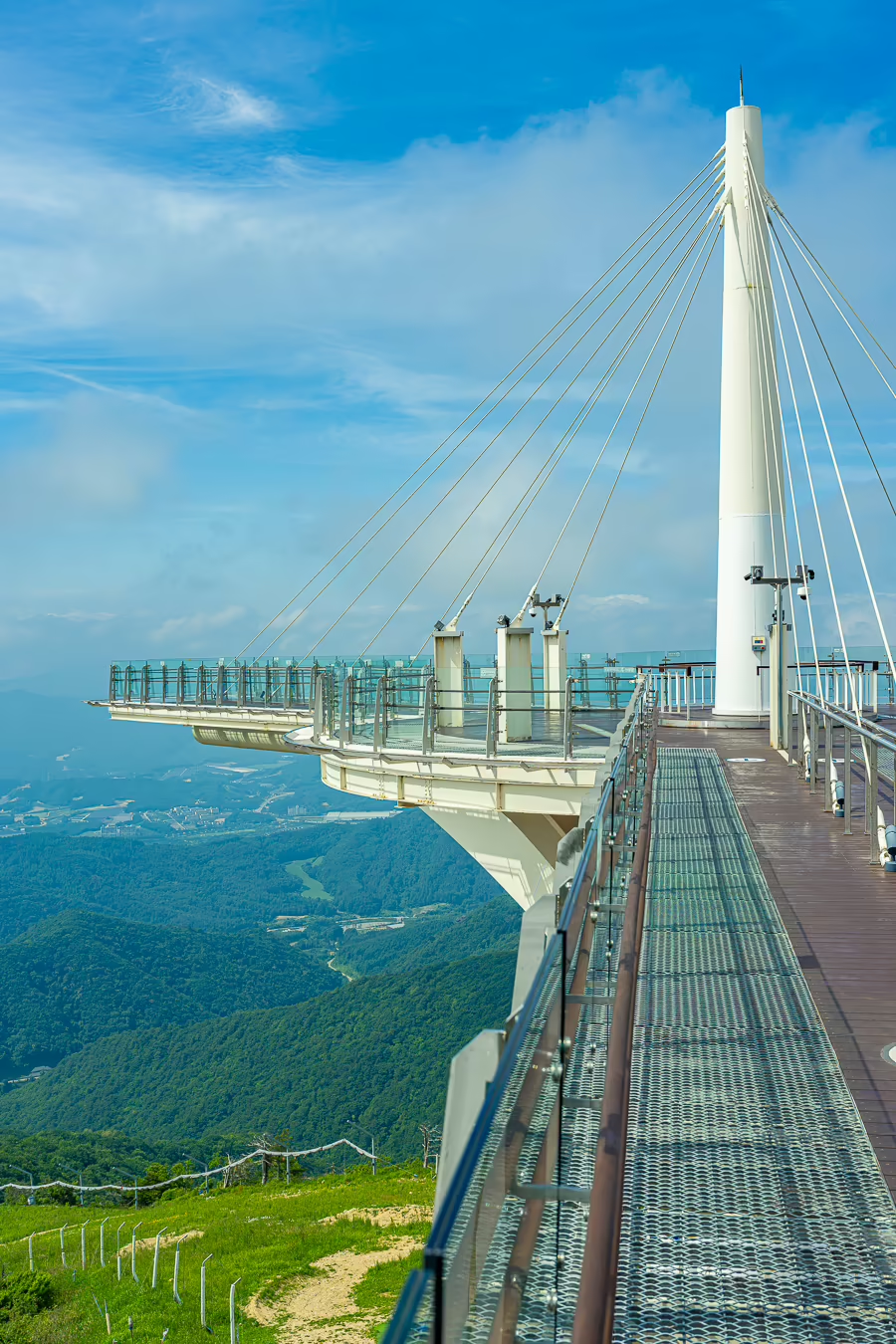
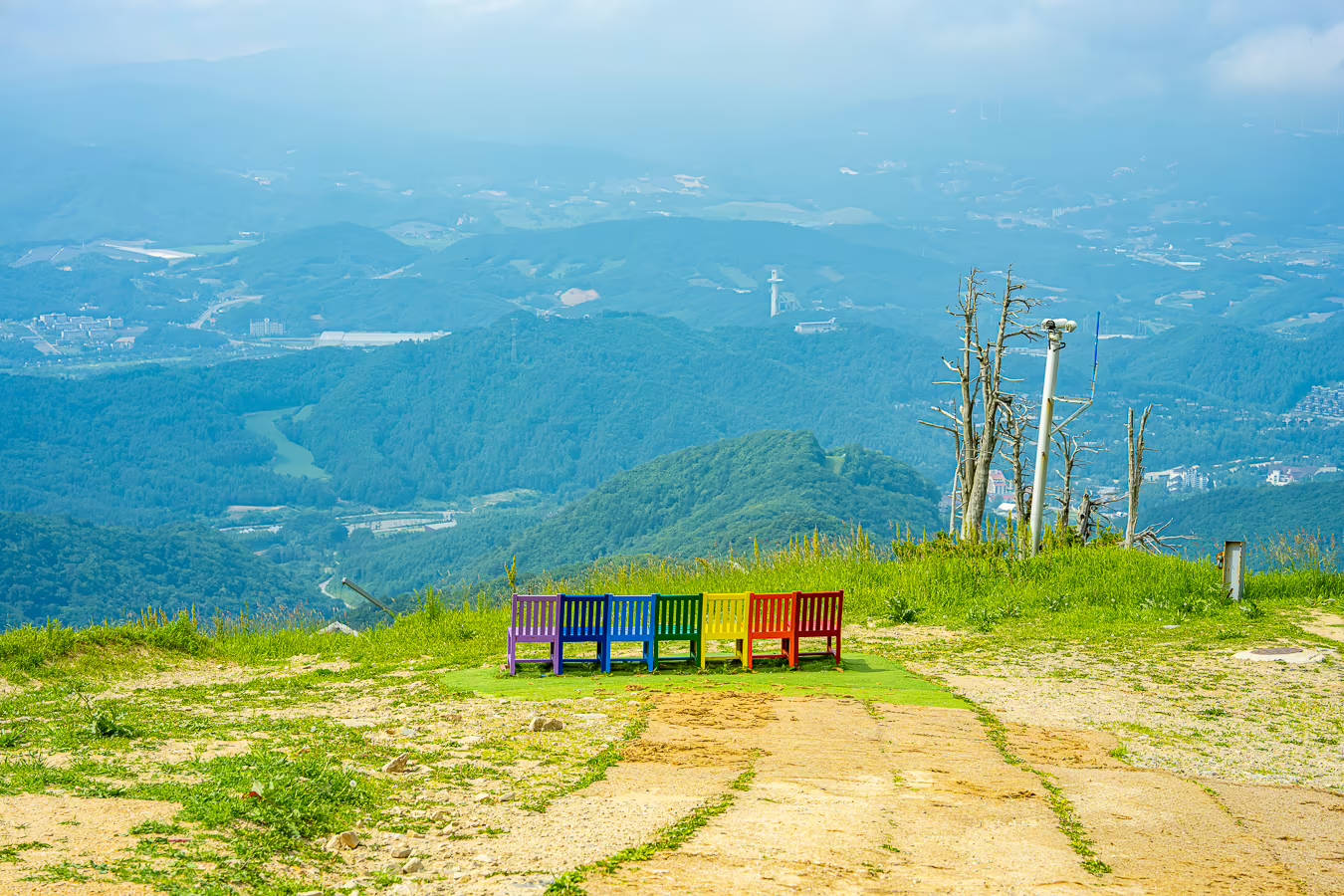
When a runaway Ji Eun-tak and Kim Shin find each other again on a snowbound mountaintop, that mountaintop is Balwangsan, the 1,458-meter peak above Mona Yongpyong resort. The tourist cable car from Dragon Plaza runs 3.7 kilometers each way — billed as the longest in Korea at 7.4 kilometers round trip — and takes about 18 minutes to reach the summit, where a skywalk now juts out over the valley.
As of this writing the round trip costs 25,000 won for adults and 15,000 won for children, running 9 a.m. to 6 p.m. with Mondays off; wind closures happen, so check the Yongpyong site before driving up. Winter gives you the drama’s exact scenery. Summer gives you an alpine garden at the top and, on clear days, a ridge line view that stretches toward the East Sea. If you’re already in Pyeongchang with kids, the alpaca forest at Anifore is a 30-minute drive away.
4. Hanmi Bookstore, Incheon — The Yellow Bookshop
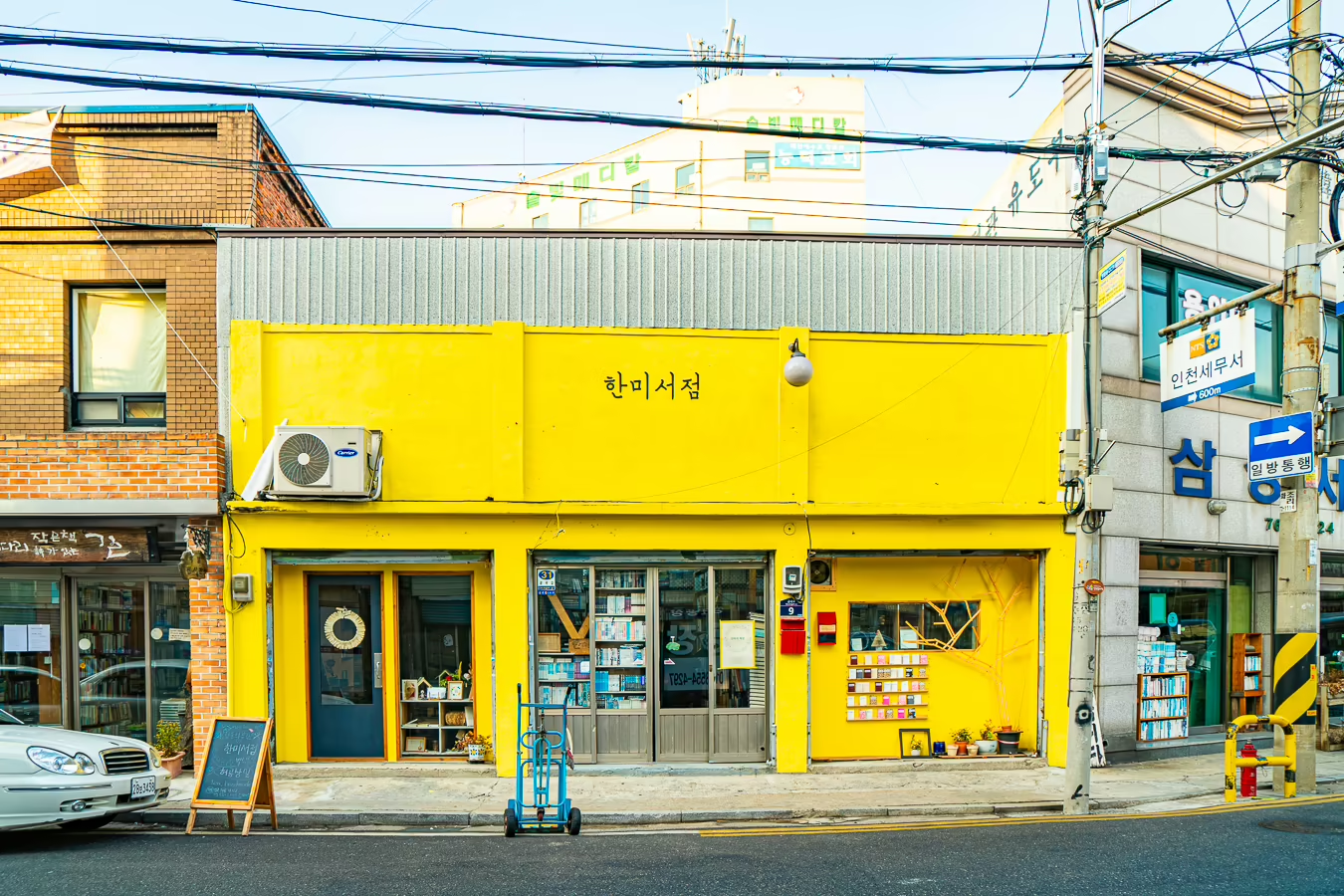
The mustard-yellow secondhand bookstore where Ji Eun-tak buried herself between shelves is a real, working shop in Incheon’s Baedari book alley, a strip of used bookstores that has survived since the postwar years. Hanmi Bookstore leans into its fame gently — the yellow paint gets refreshed, drama stills hang inside — and local lore holds that Gong Yoo reportedly came back after filming wrapped and actually bought books. The surrounding alley, with its murals and creaking shelves, deserves a slow half hour of your time.
5. Jemulpo Club, Incheon — Where Goblin and Grim Reaper Talked Swords
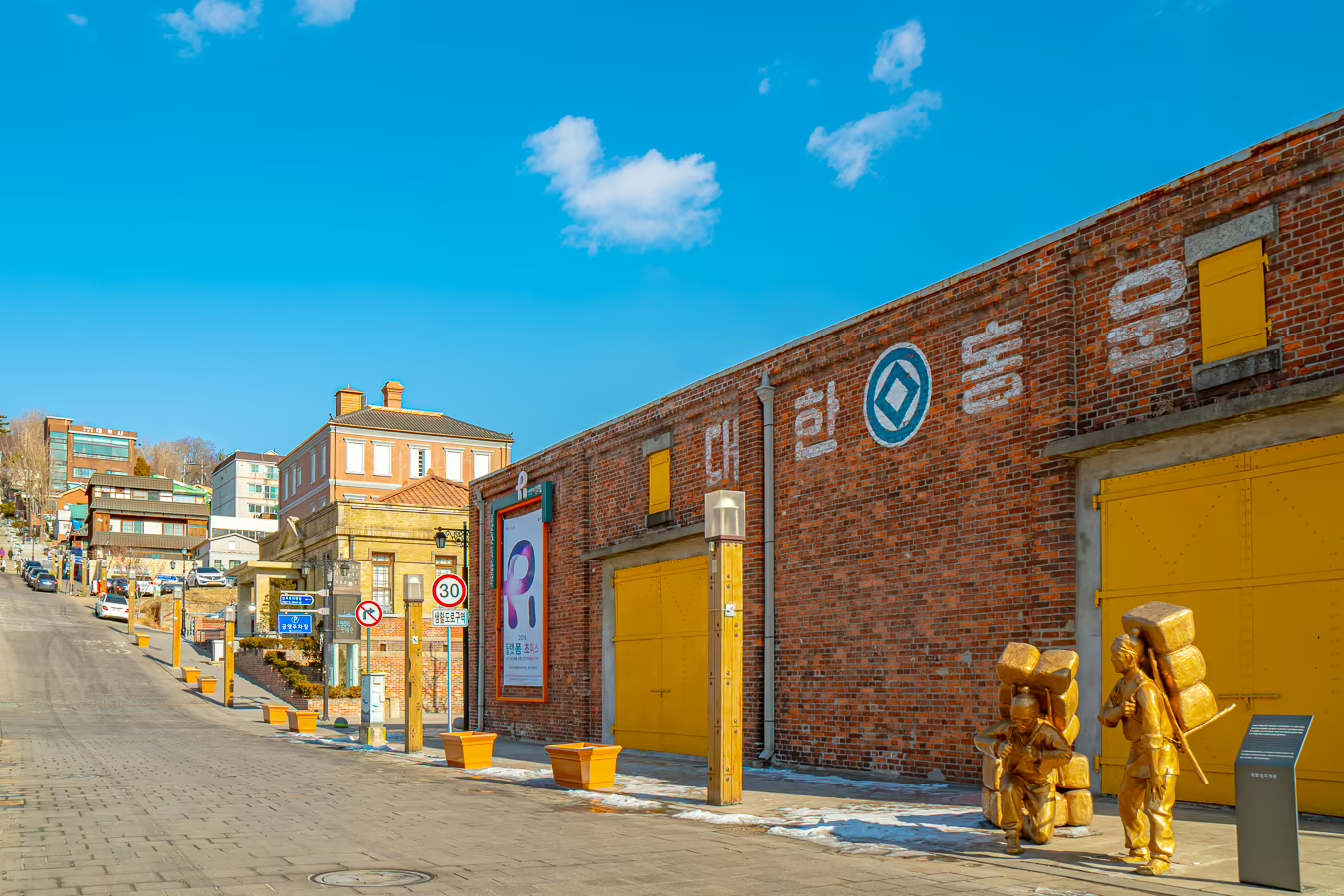
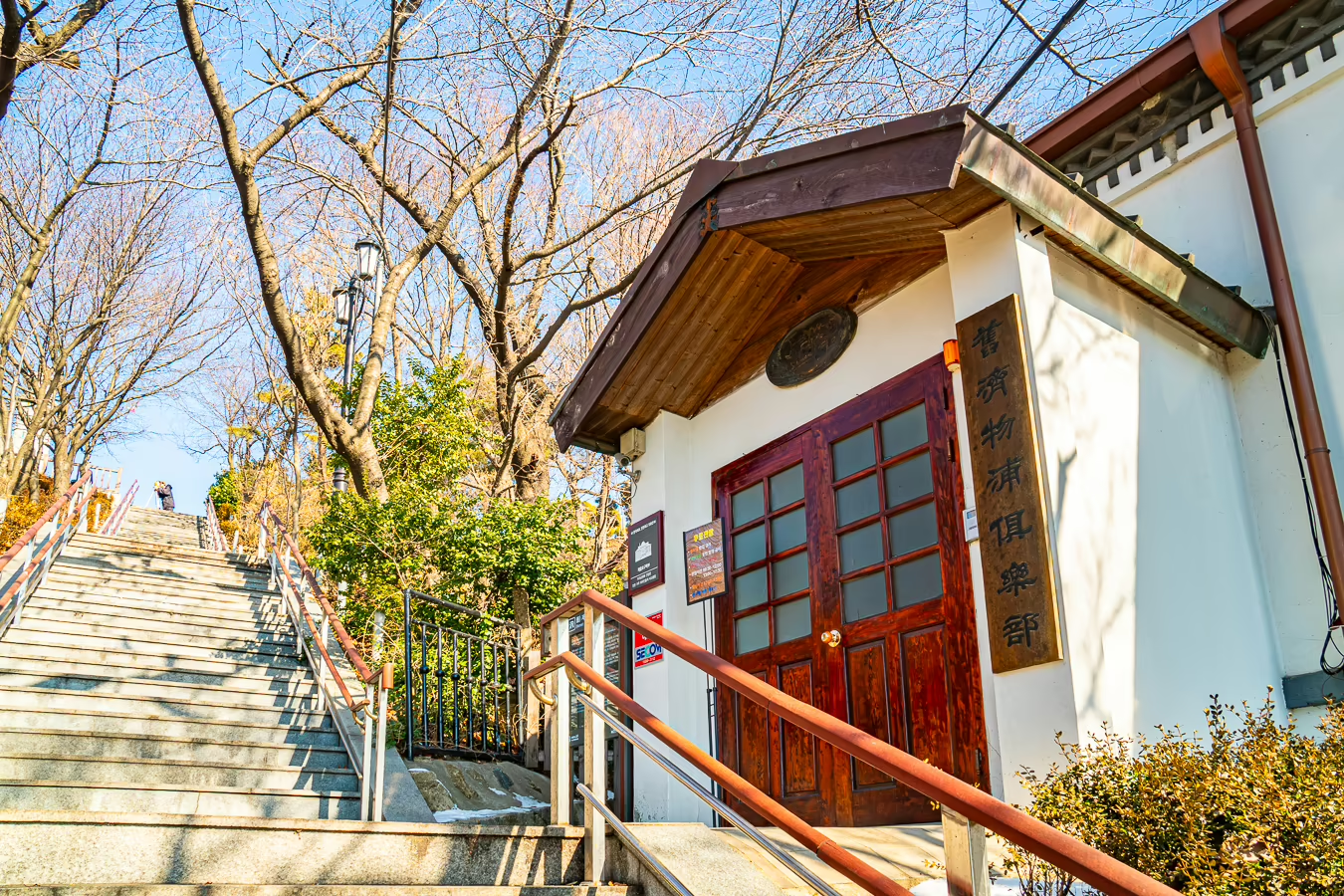
Built in 1901 as a social club for the foreign residents of Incheon’s open port, the Jemulpo Club is the handsome white building where the goblin and the grim reaper sat across from each other, weighing what the sword in Kim Shin’s chest was actually for. The building sits on the slope of Jayu Park among a dense cluster of early-modern architecture — you can walk from here through Incheon’s Chinatown and the old Japanese bank district in an afternoon, which is exactly what I’d recommend doing.
6. Cheongna Lake Park, Incheon — The Night Promenade
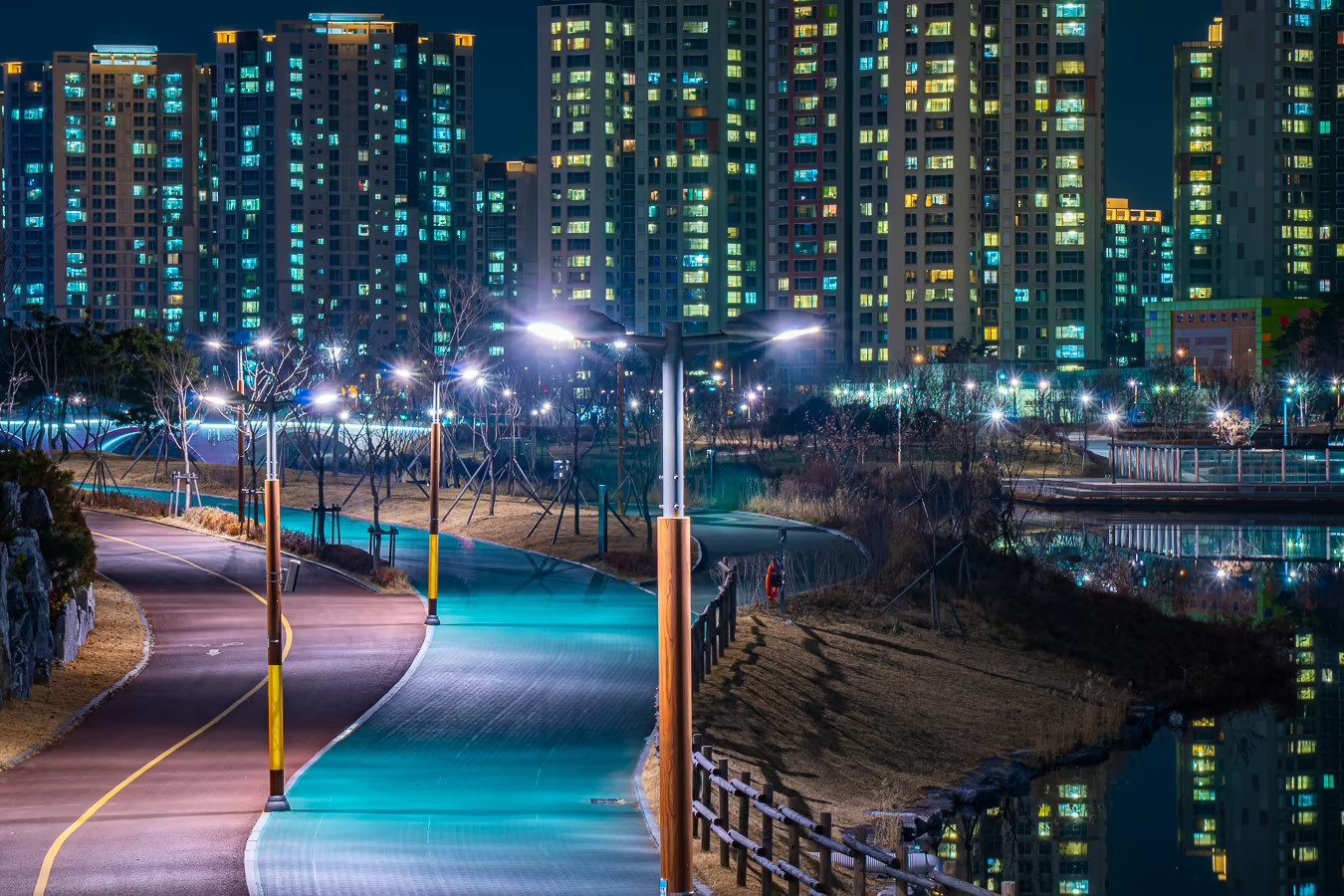
The couple’s recurring night walks were shot on the lit lakeside paths of Cheongna Lake Park, a landscaped new-town park in western Incheon. It’s at its best after dark, when the promenade lights come on and apartment towers reflect off the water — an easy, unhurried final stop for the Incheon day, and popular with local runners rather than tourists.
7. Seoknamsa Temple, Anseong — The Lone Ascent
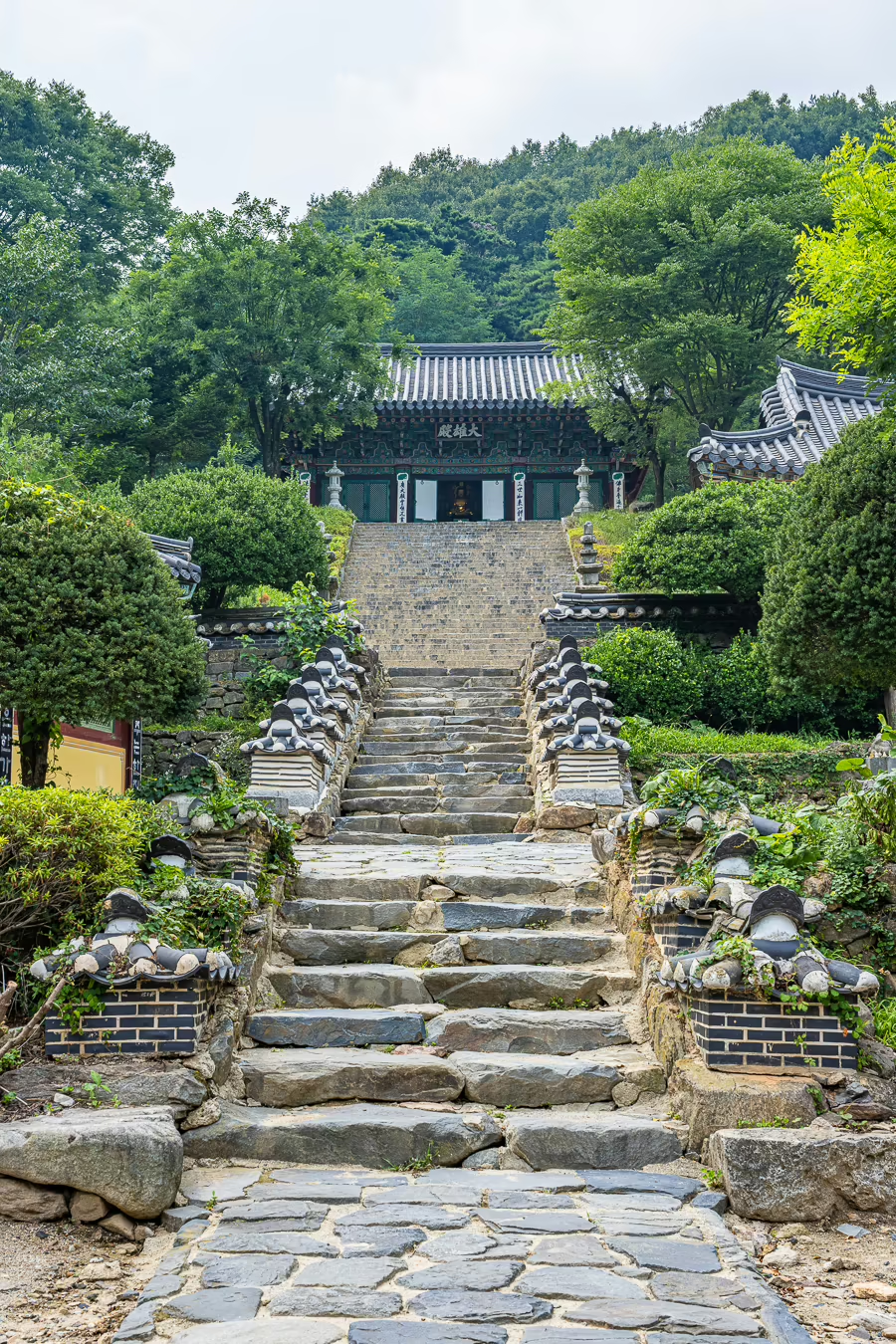
The image of Kim Shin climbing a long stone stairway alone in full armor was filmed at Seoknamsa, a small temple on Seounsan Mountain in Anseong, about 90 minutes south of Seoul. Founded in 680, during the twentieth year of Silla’s King Munmu, it predates the drama’s fictional Goryeo general by centuries — and unlike every other spot on this list, you will very likely have it to yourself. The stairway framed by squat stone walls is instantly recognizable the moment you arrive.
8. Hakwon Farm, Gochang — The Buckwheat Field
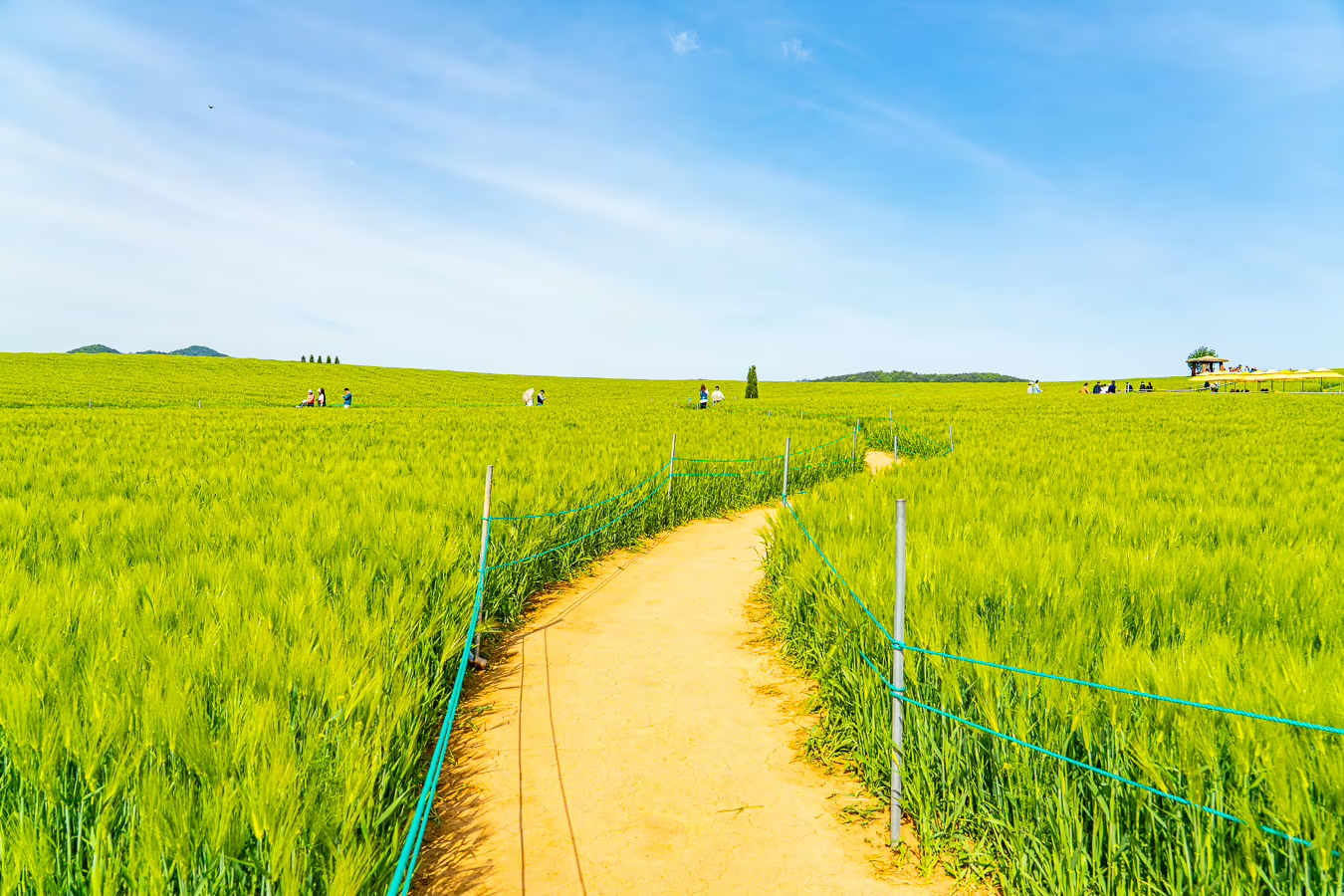
“Every moment I spent with you was dazzling.” The line lands in a field of white buckwheat flowers, and that field is Hakwon Farm in Gochang, North Jeolla Province. The catch every drama pilgrim learns the hard way: buckwheat blooms in early autumn. Visit in spring and you’ll find the same rolling fields flooded instead with green barley — my April photograph looks nothing like the drama and I’d argue it’s just as good. Time your visit to September if the white flowers are the point.
Who This Is Actually For
If you watched Goblin more than once, everything above is self-explanatory and you should simply go. If you never saw it, here’s the honest calculus: Woljeongsa’s fir forest and the Balwangsan summit are first-rate destinations with zero drama context required. Jumunjin is a five-minute photo stop you attach to a Gangneung coast trip — pair it with an ocean-view stay in Gangneung and it costs you nothing. The Incheon cluster works best for architecture and old-city walkers. Seoknamsa and Hakwon Farm are for completists and photographers. And if drama location-hunting turns out to be your thing, I’ve mapped the filming locations of The King’s Warden in Yeongwol the same way.
Ten years on, what strikes me at these places isn’t the drama tourism — it’s how well the locations were chosen in the first place. Somebody on that production team had a genuinely good eye. Stand at the end of the Jumunjin jetty on a cold morning, sea on three sides, and you’ll concede the point before your coffee goes cold.
Practical Manual
| Spot | Address (English) | Address (Korean) | Notes |
|---|---|---|---|
| Jumunjin Breakwater | 1609 Haean-ro, Jumunjin-eup, Gangneung, Gangwon | 강원 강릉시 주문진읍 해안로 1609 | Free, open 24h; sunrise best |
| Woljeongsa Fir Forest | 374-8 Odaesan-ro, Jinbu-myeon, Pyeongchang, Gangwon | 강원 평창군 진부면 오대산로 374-8 | Free entry; parking 3,000 KRW |
| Balwangsan Cable Car (Mona Yongpyong) | 715 Olympic-ro, Daegwallyeong-myeon, Pyeongchang, Gangwon | 강원 평창군 대관령면 올림픽로 715 | Round trip 25,000/15,000 KRW; 09:00–18:00, closed Mon |
| Hanmi Bookstore (Baedari) | 9 Geumgok-ro, Jemulpo-gu, Incheon | 인천 제물포구 금곡로 9 | Working bookstore — browse politely |
| Jemulpo Club | 25 Jayugongwonnam-ro, Jemulpo-gu, Incheon | 인천 제물포구 자유공원남로 25 | Below Jayu Park; combine with Chinatown |
| Cheongna Lake Park | 59 Crystal-ro, Seohae-gu, Incheon | 인천 서해구 크리스탈로 59 | Best after dark |
| Seoknamsa Temple | 3-120 Sangchonsaemal-gil, Geumgwang-myeon, Anseong, Gyeonggi | 경기 안성시 금광면 상촌새말길 3-120 | Founded 680 CE; quiet |
| Hakwon Farm | 150 Hakwonnongjang-gil, Gongeum-myeon, Gochang, North Jeolla | 전북 고창군 공음면 학원농장길 150 | Green barley Apr–May, buckwheat Sep |
Navigation Tip: Google Maps barely functions for driving directions in Korea. Download Naver Map, paste in the Korean addresses above, and use Papago for any signage that stumps you. For seasonal event schedules around these spots, the Korea Tourism Organization’s English site keeps the most current information.