
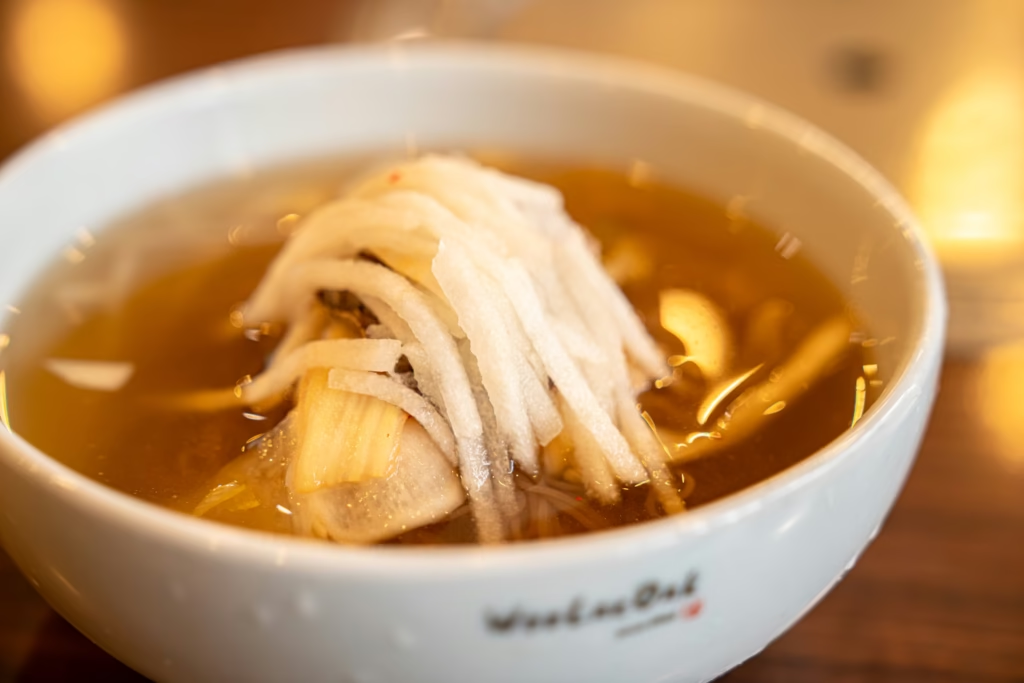
Nine Bowls of Korean Cold Noodles Worth Planning a Trip Around
My uncle ran a naengmyeon restaurant. While other kids grew up on instant ramyeon, I grew up watching broth being chilled overnight and noodles pressed to order — which is my way of admitting that I am not neutral about Korean cold noodles. On the road for The Travel Manual, I stop for naengmyeon the way other people stop for gas. Out of all those bowls, these are the nine I keep going back to.
Naengmyeon — literally “cold noodles” — started as a northern winter dish, eaten in heated rooms while ice formed on the broth. Today it is Korea’s definitive summer food, and it is not one dish but a family of them. This guide covers the three branches you are most likely to meet: Pyongyang style, a subtle, clear beef broth over buckwheat noodles; Hamheung style, chewy starch noodles under a spicy sauce with marinated raw fish; and Jinju style, a southern original built on seafood broth and topped with pan-fried beef. There are more — Haeju style from Hwanghae Province, Baengnyeong Island’s version, Busan’s milmyeon born from wartime refugees — but nine bowls is already an ambitious itinerary. The Korea Tourism Organization’s naengmyeon primer is a useful baseline before you start tasting.
Five of these restaurants are in Seoul, reachable by subway. The other four — in Sokcho, Gwangju, Busan, and Jinju — are two and a half to four hours from Seoul by KTX or express bus, and all four cities justify an overnight trip on their own. If you are building a wider food itinerary, my guides to Hansik Space E:eum in Seoul and Daegu’s Seomun Market pair well with this route.
One warning before the list: Pyongyang naengmyeon is famously an acquired taste. The broth is so restrained that first-timers sometimes taste “nothing.” Stay with it to the bottom of the bowl. Nobody I know who crossed that threshold ever came back.
1. Woo Lae Oak — Seoul’s Original Pyongyang Naengmyeon
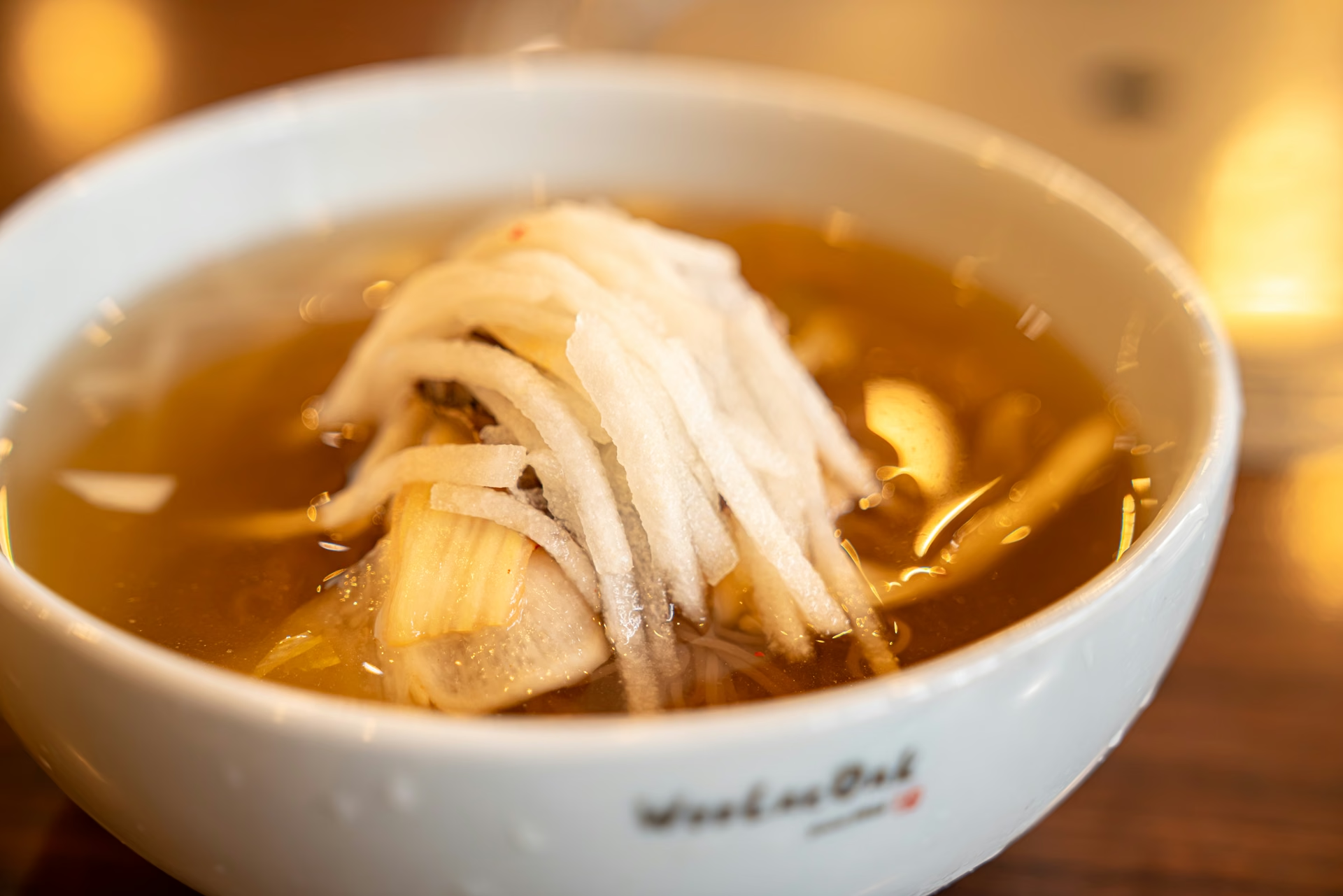
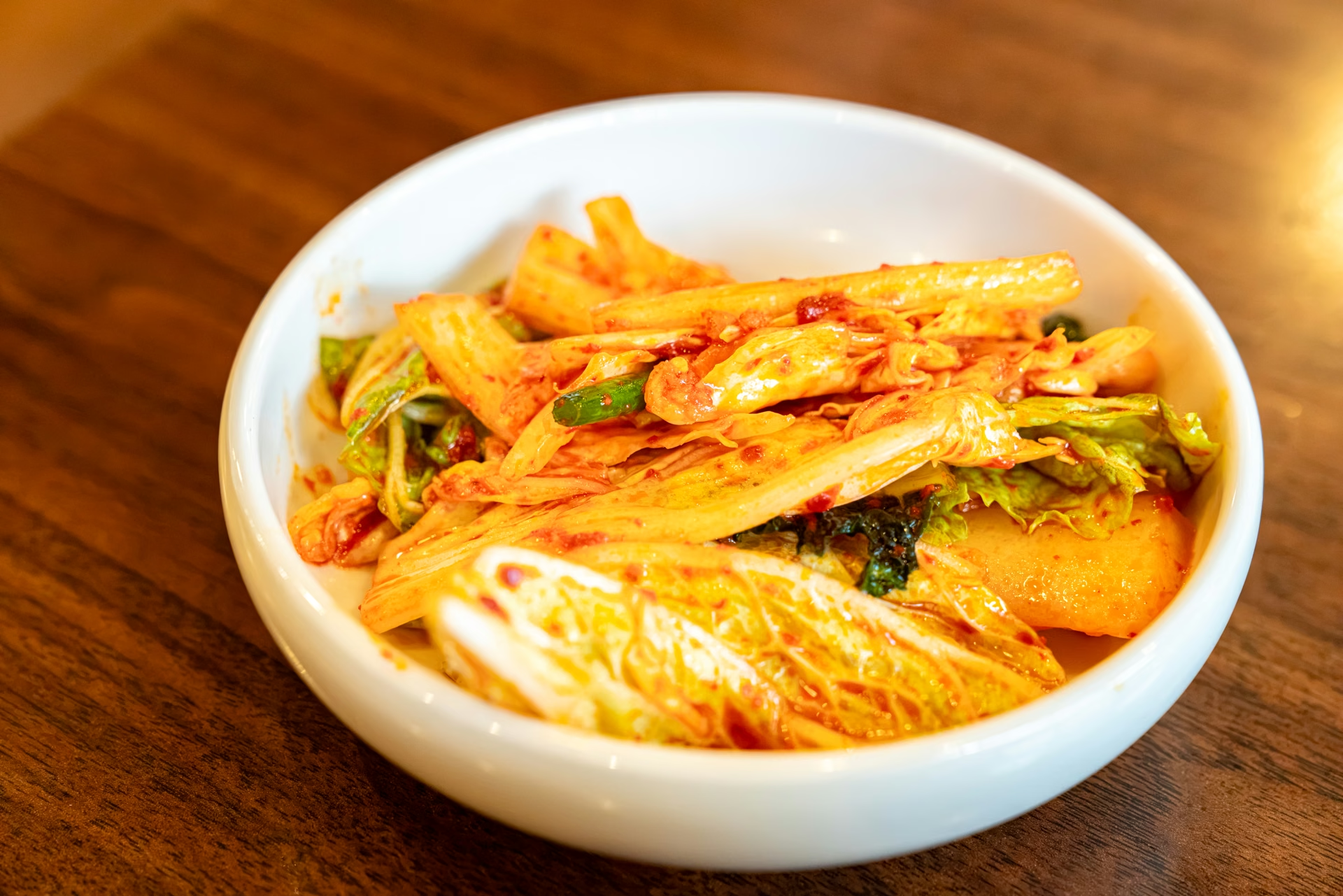
Every Pyongyang naengmyeon conversation in Seoul eventually arrives at Woo Lae Oak. Founded in 1946 by the former owner of Myeongwolgwan, a famous restaurant in Pyongyang itself, it is widely regarded as the oldest Pyongyang naengmyeon house in the capital and the standard the others get measured against. The broth is made from beef alone — clear, faintly nutty, served with a topping of baek-kimchi (white kimchi) that adds acidity without chili heat.
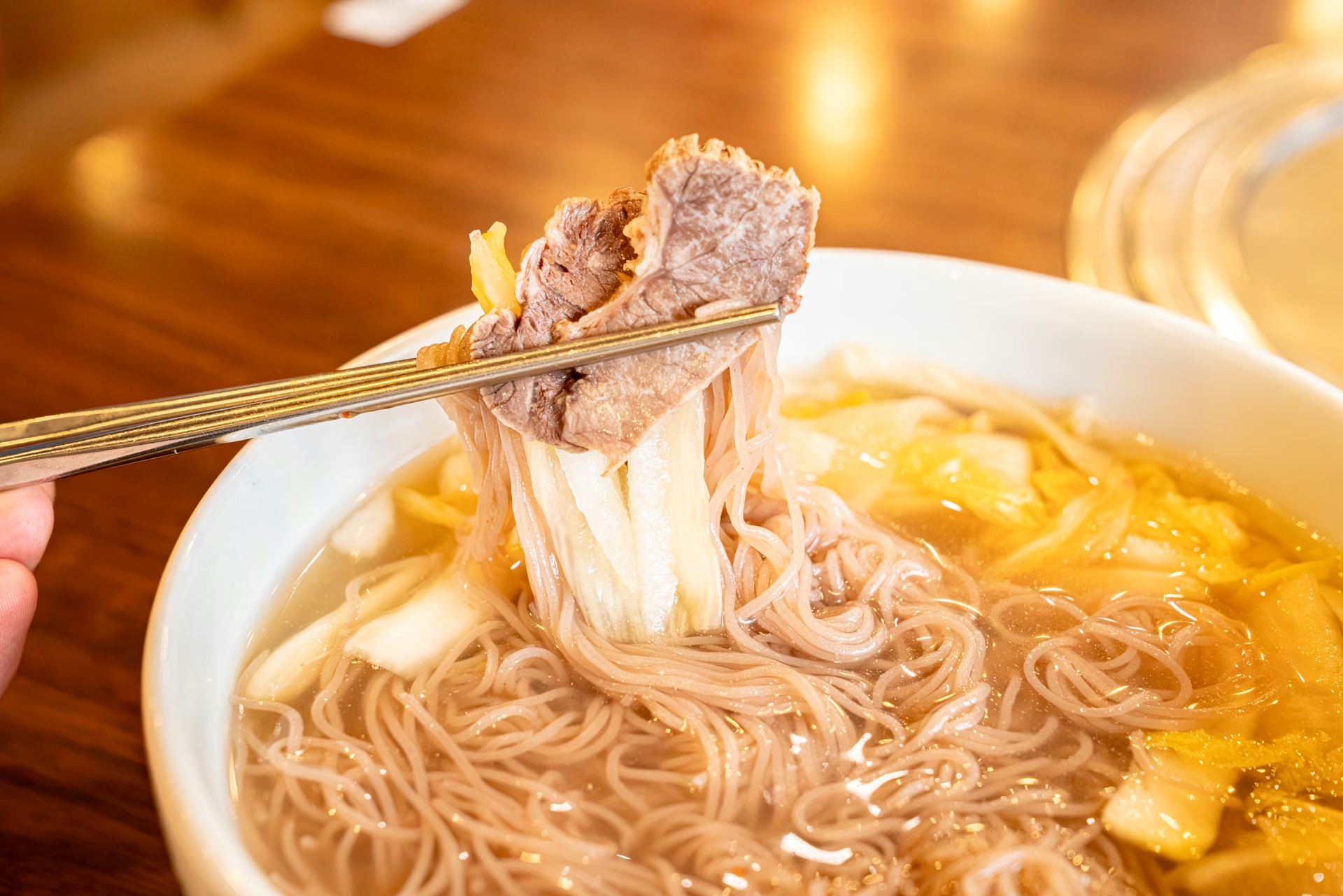
The restaurant is designated Seoul Future Heritage and has appeared in the Michelin Guide Seoul over the years. If this is your first Pyongyang naengmyeon, start here — the beef broth is the most approachable version of “subtle” on this list.
2. Euljimyeonok — The Uijeongbu-School Bowl That Came Back
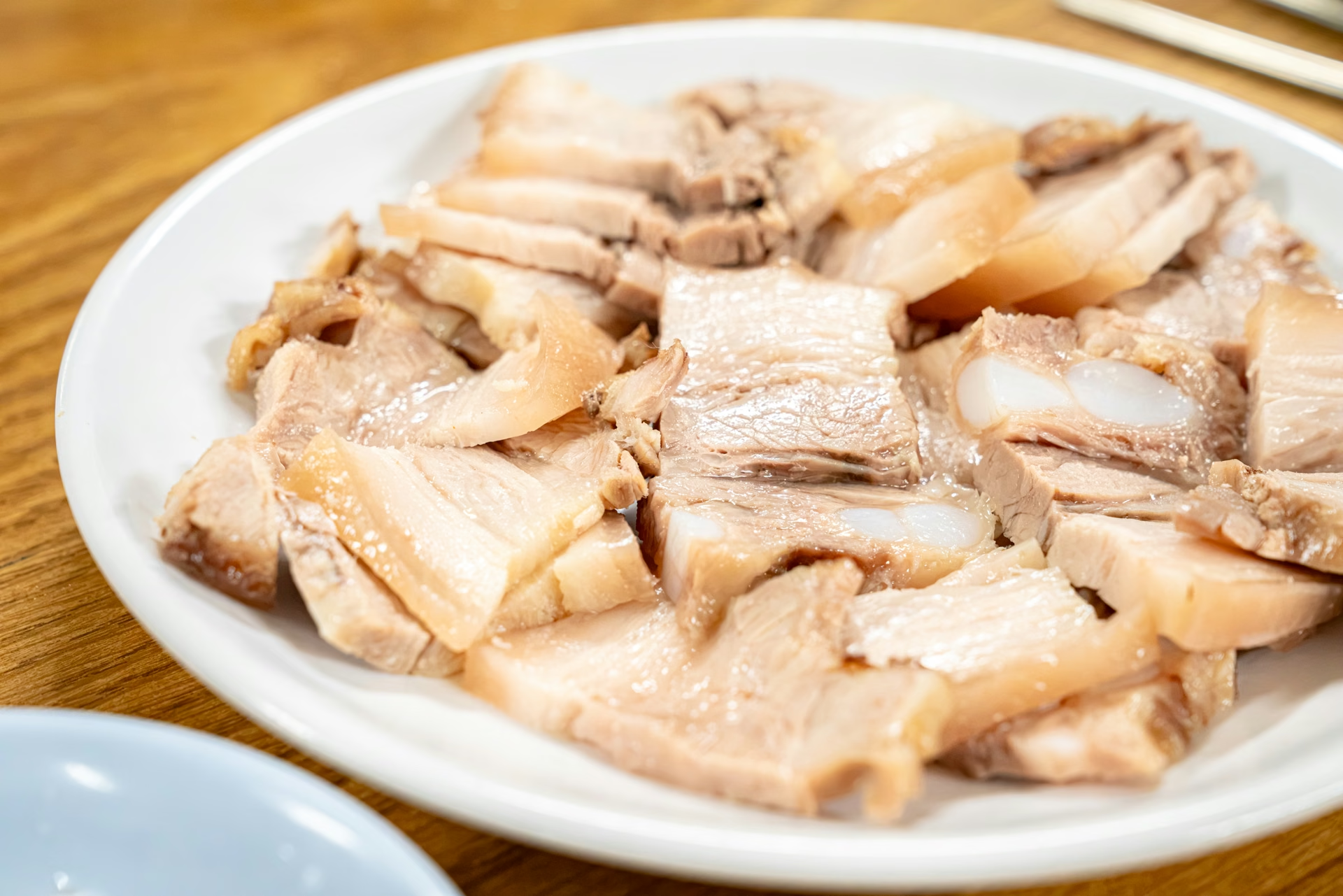
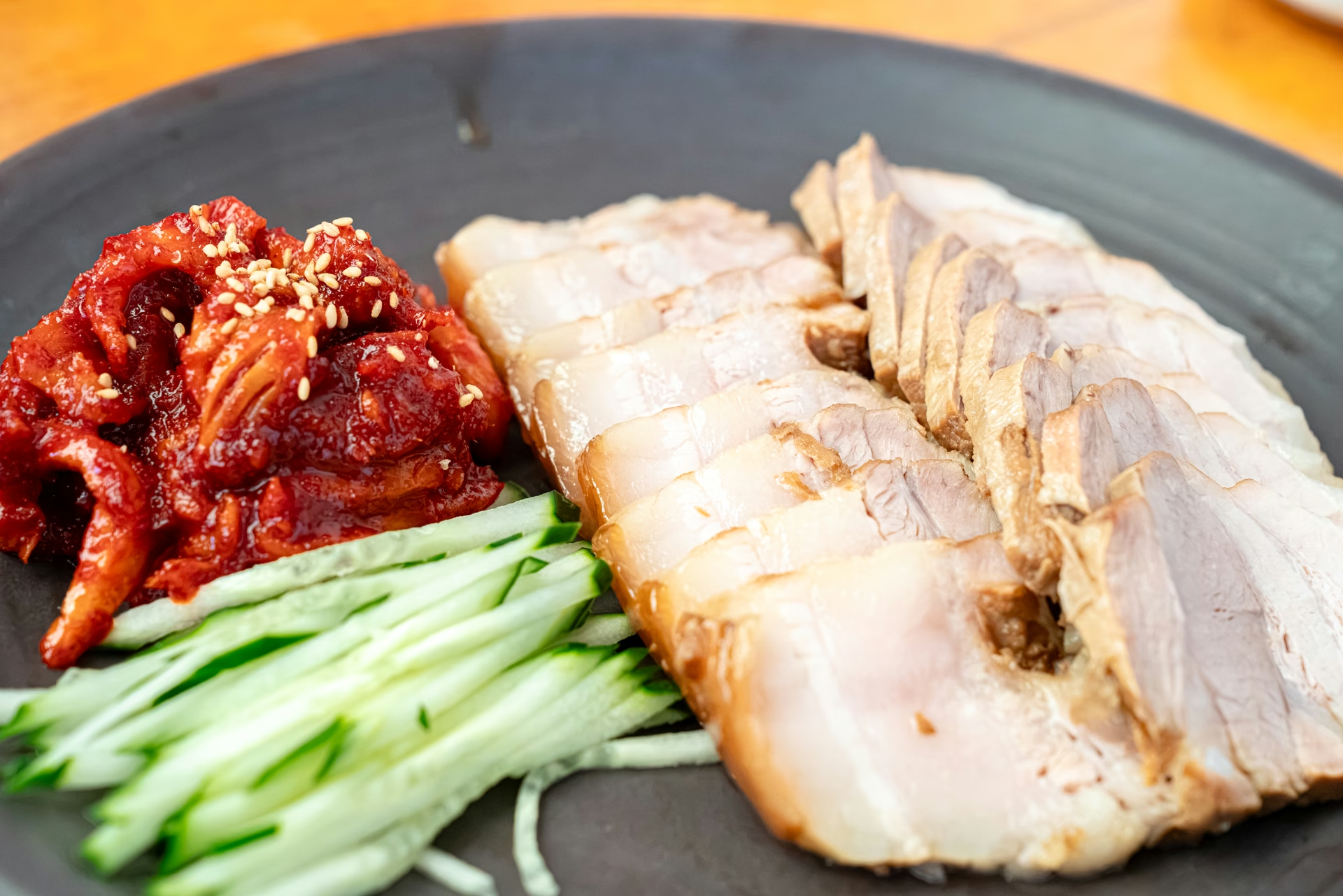
Euljimyeonok belongs to the “Uijeongbu school” of Pyongyang naengmyeon — the lineage of the Hong family of Pyeongyang Myeonok, the branch of the tradition that displaced northerners themselves vouched for. You recognize it on sight: thin, almost white noodles, a light broth that borders on austere, slices of pork pyeonyuk, and a dusting of chili powder on top that looks bolder than it tastes.
The story here is survival. For decades the restaurant sat in a hardware-tool alley off Euljiro, until the Sewoon district redevelopment forced it out in June 2022. Rather than fold, the family bought a building in Nakwon-dong, rebuilt, and reopened in April 2024. The alley atmosphere is gone — that Seoul is disappearing block by block — but the bowl made the move intact, and lines reportedly formed from the first week.
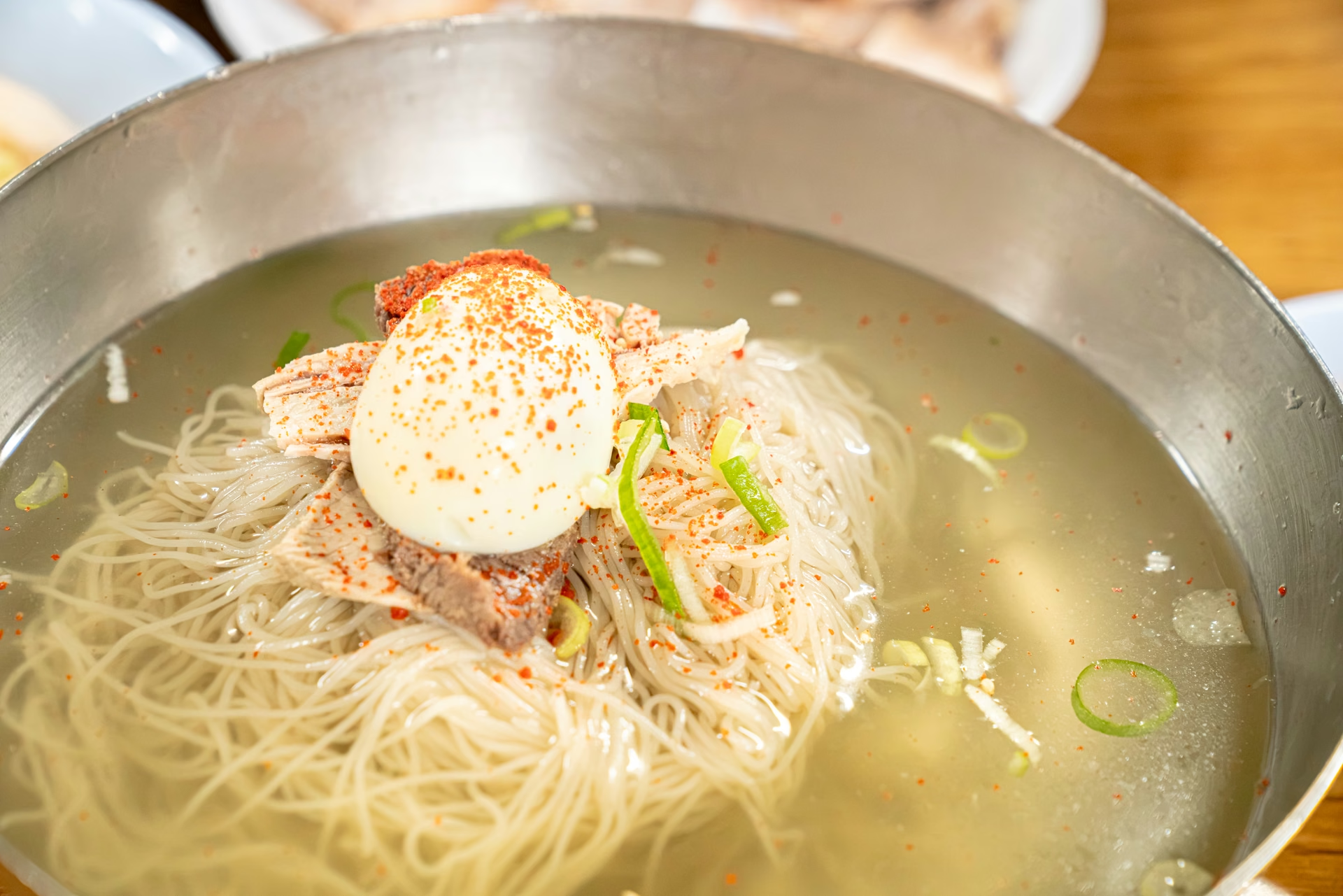
3. Bongpiyang Bangi — The Gateway Bowl
If Woo Lae Oak is the historian and Euljimyeonok the purist, Bongpiyang is the translator. Run by the Byeokje Galbi group, its naengmyeon was shaped by the late master Kim Tae-won, who began his career at Woo Lae Oak, learned the craft from a Pyongyang-born head chef, and spent some sixty years on this one dish before passing away at 82. The broth he established — beef, pork, and chicken together — is deeper and rounder than the orthodox beef-only style, and the noodles are thicker and chewier.
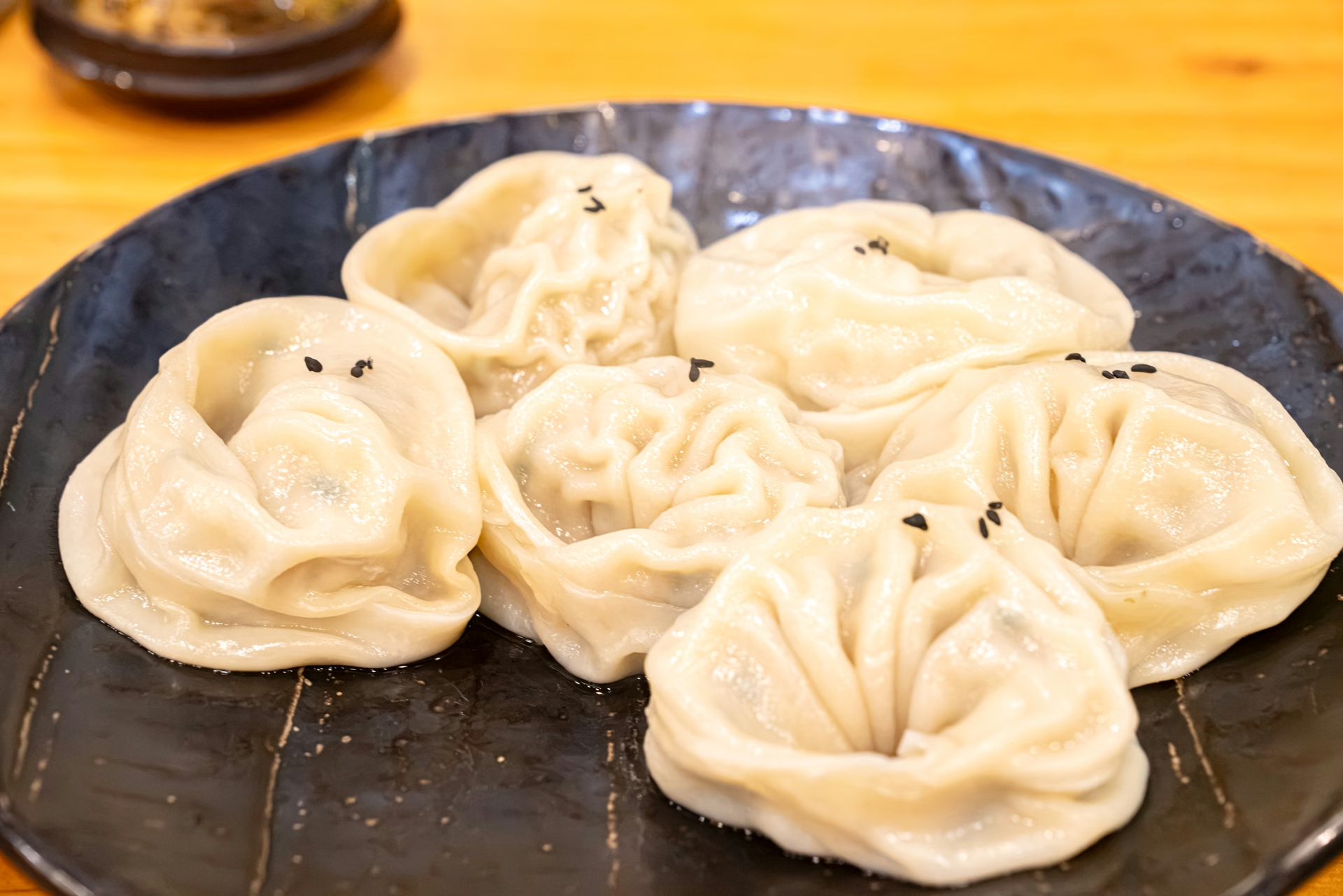
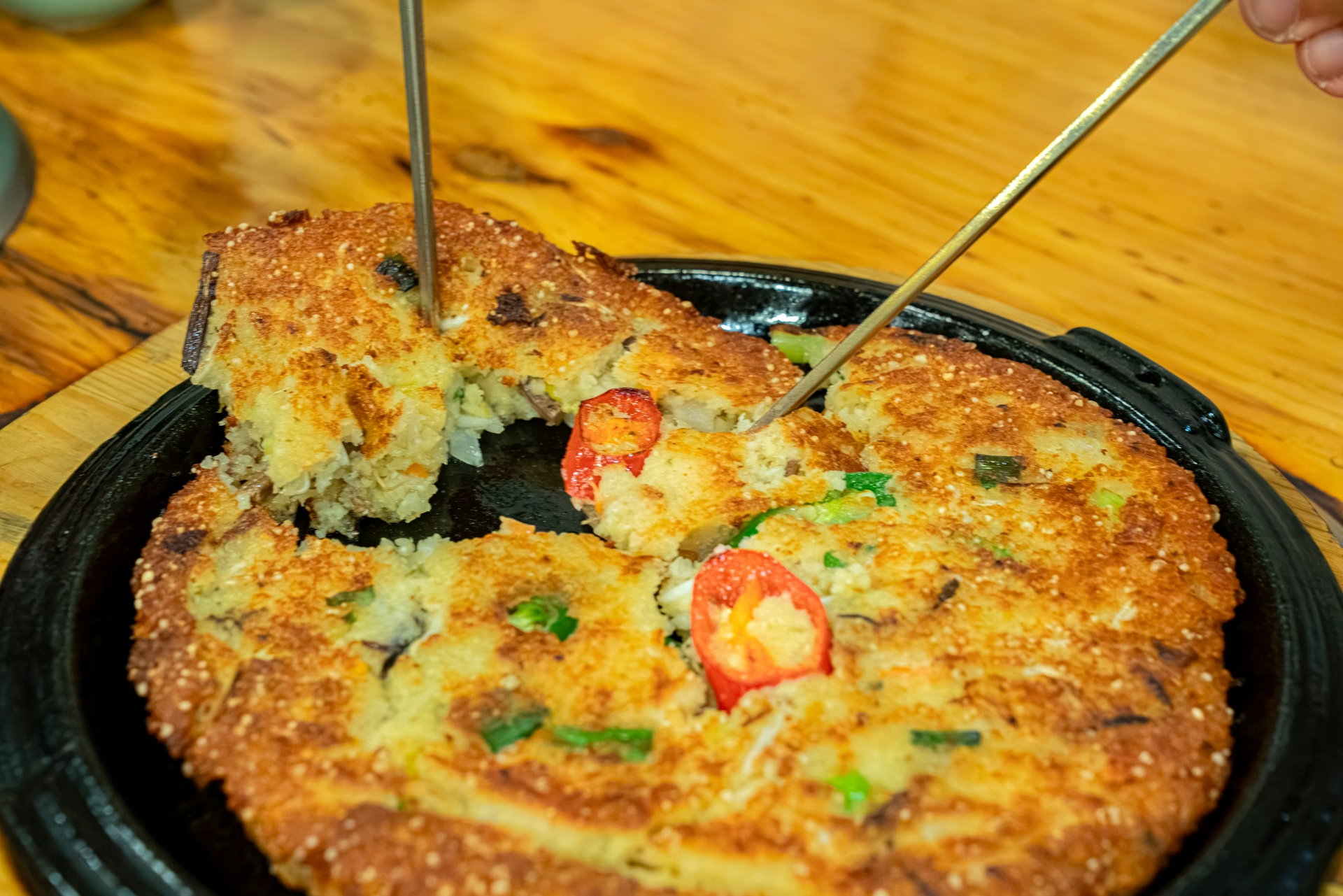
That is exactly why I send newcomers here when Woo Lae Oak feels too subtle. Order the mung-bean bindaetteok (savory pancake) — the kitchen is known for it — and if you are hungry, the Kaesong-style dumplings. The restaurant even made an appearance in the beloved food comic Sikgaek (Le Grand Chef).
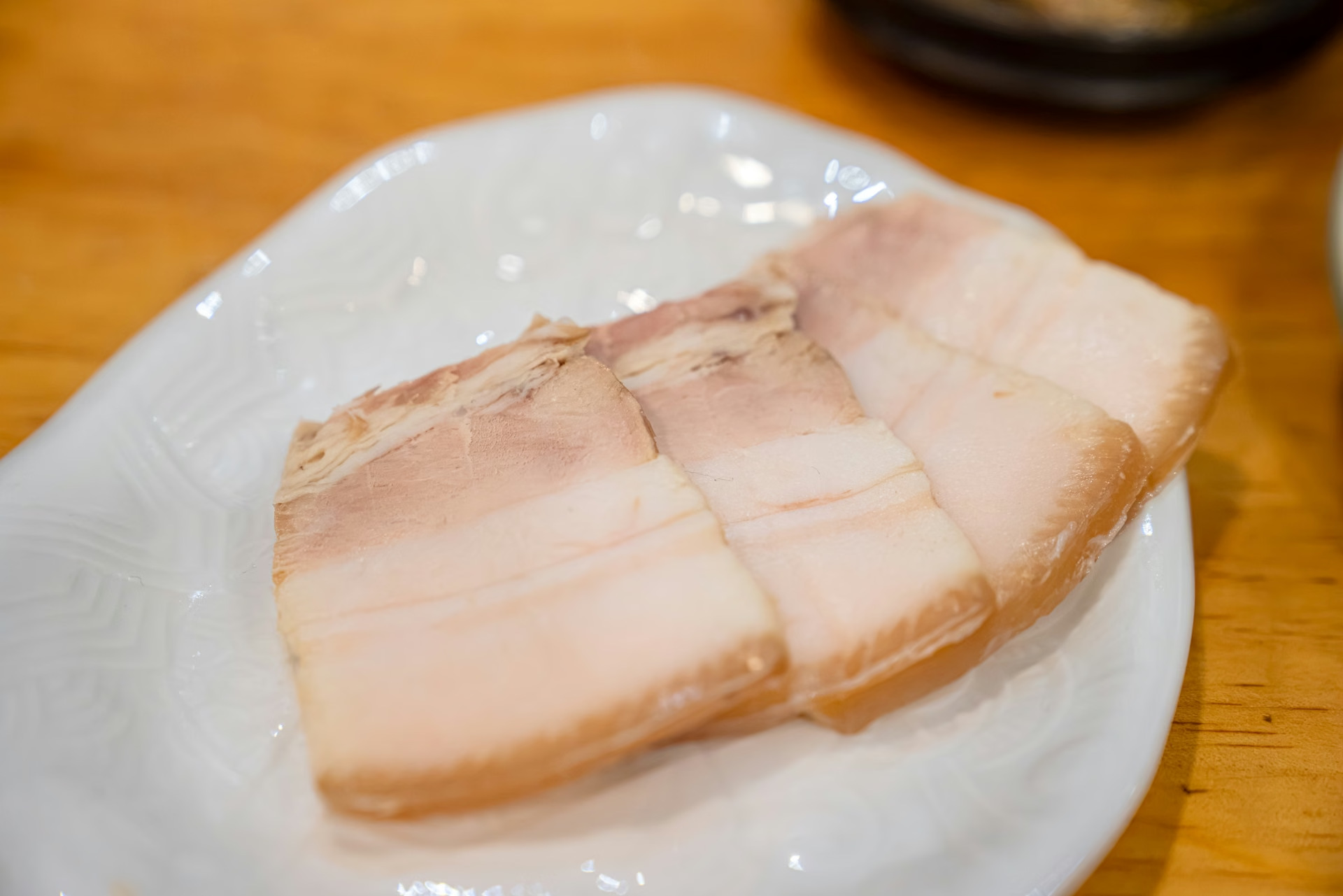
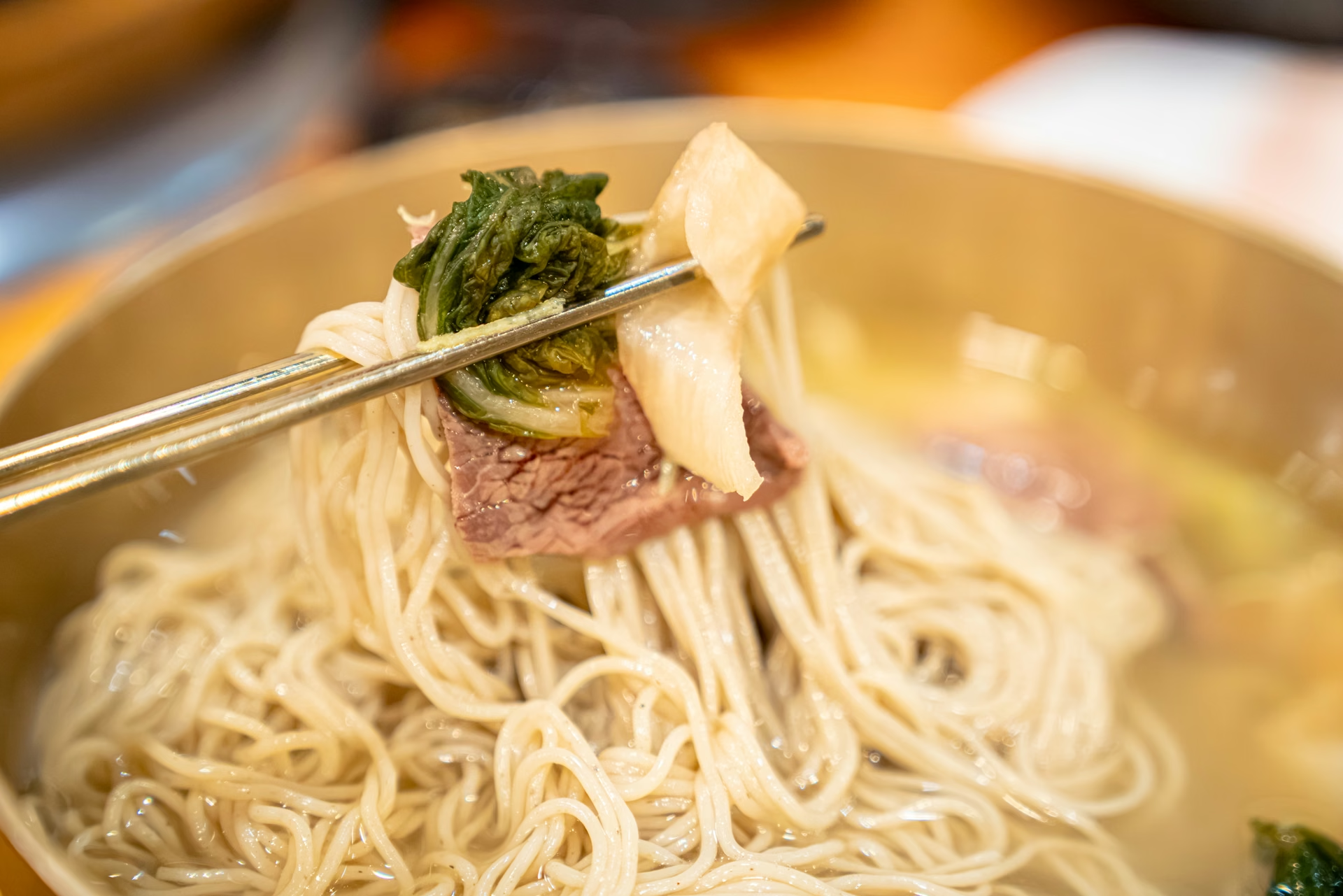
4. Gwangjuok 1947 — Pyongyang Naengmyeon, Gwangju’s Way
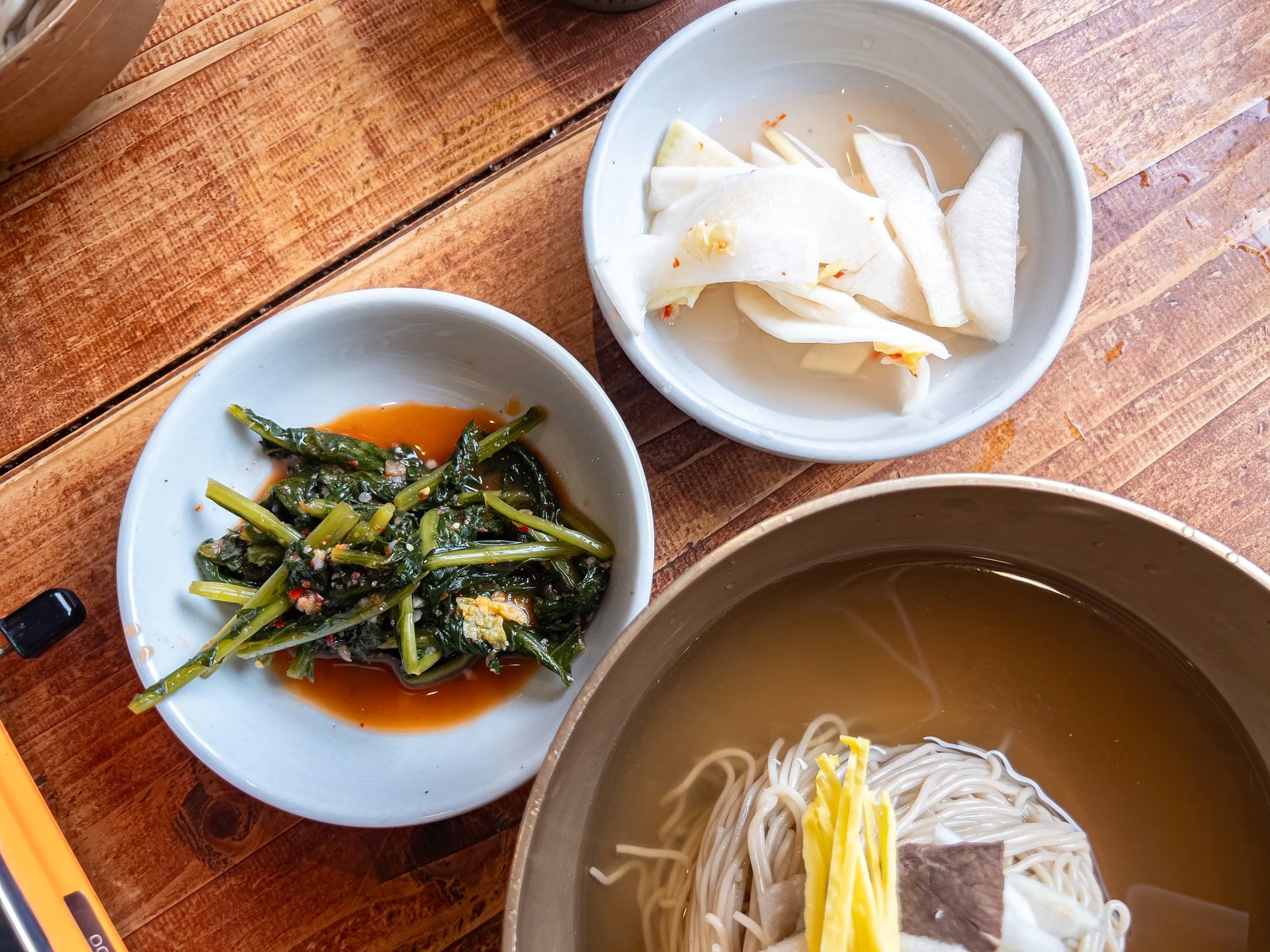
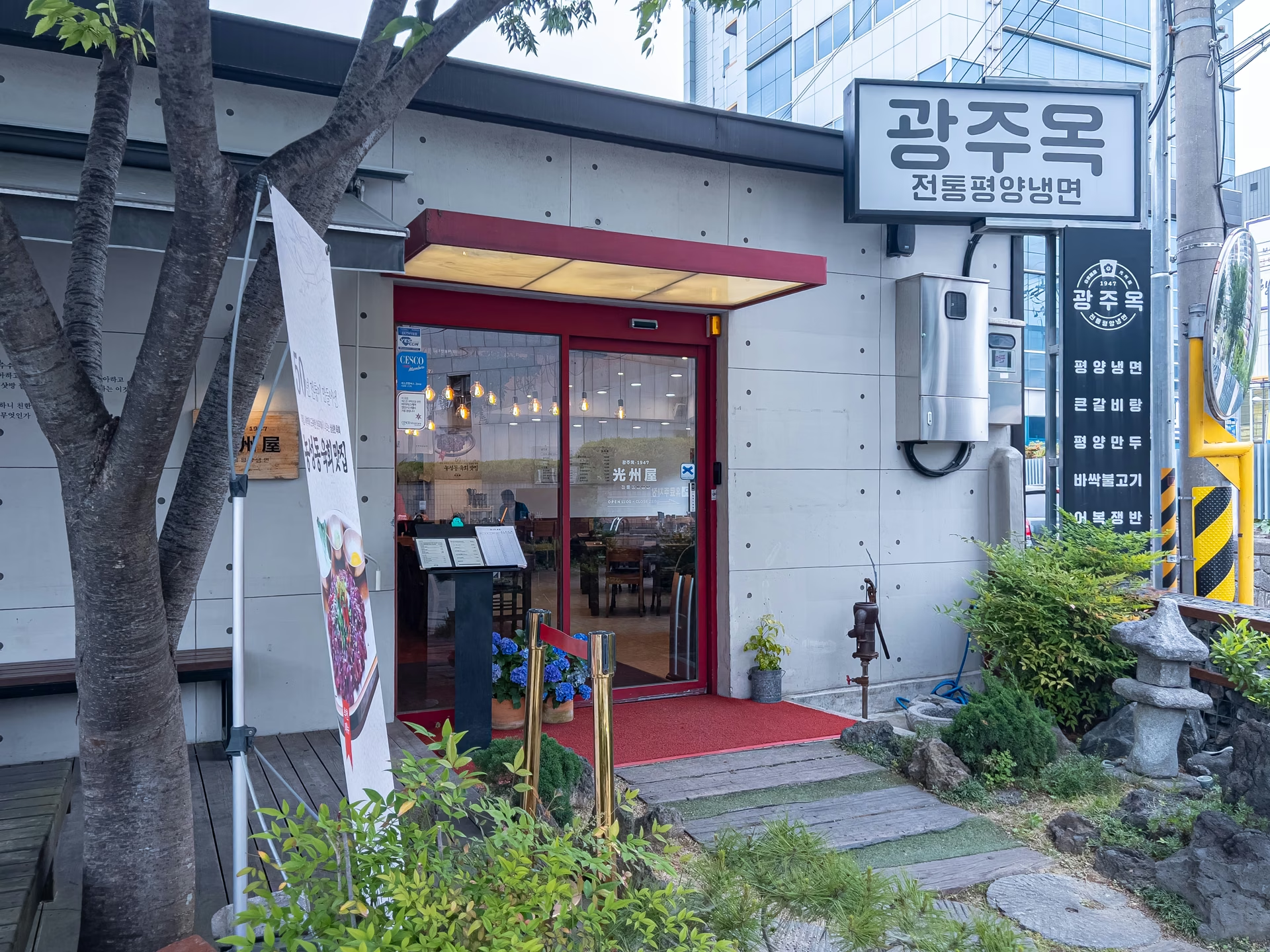
Finding serious Pyongyang naengmyeon in Gwangju — the capital of Jeolla cuisine, where flavors usually arrive at full volume — is the surprise of this list. Gwangjuok 1947 carries a name that goes back to its founding year, and today the kitchen is run by An Yu-seong, a chef with three decades of experience whom international viewers may recognize from Netflix’s Culinary Class Wars.
The house presses its own pure buckwheat noodles, and the clean broth gets its finishing touch from kelp vinegar — a small move that lifts the whole bowl. Fair warning: this is the most delicate bowl on the list, and reactions split accordingly. That divisiveness is, to me, the mark of the real thing.
5. Ojangdong Hamheung Naengmyeon — Where Seoul Learned to Eat It Spicy
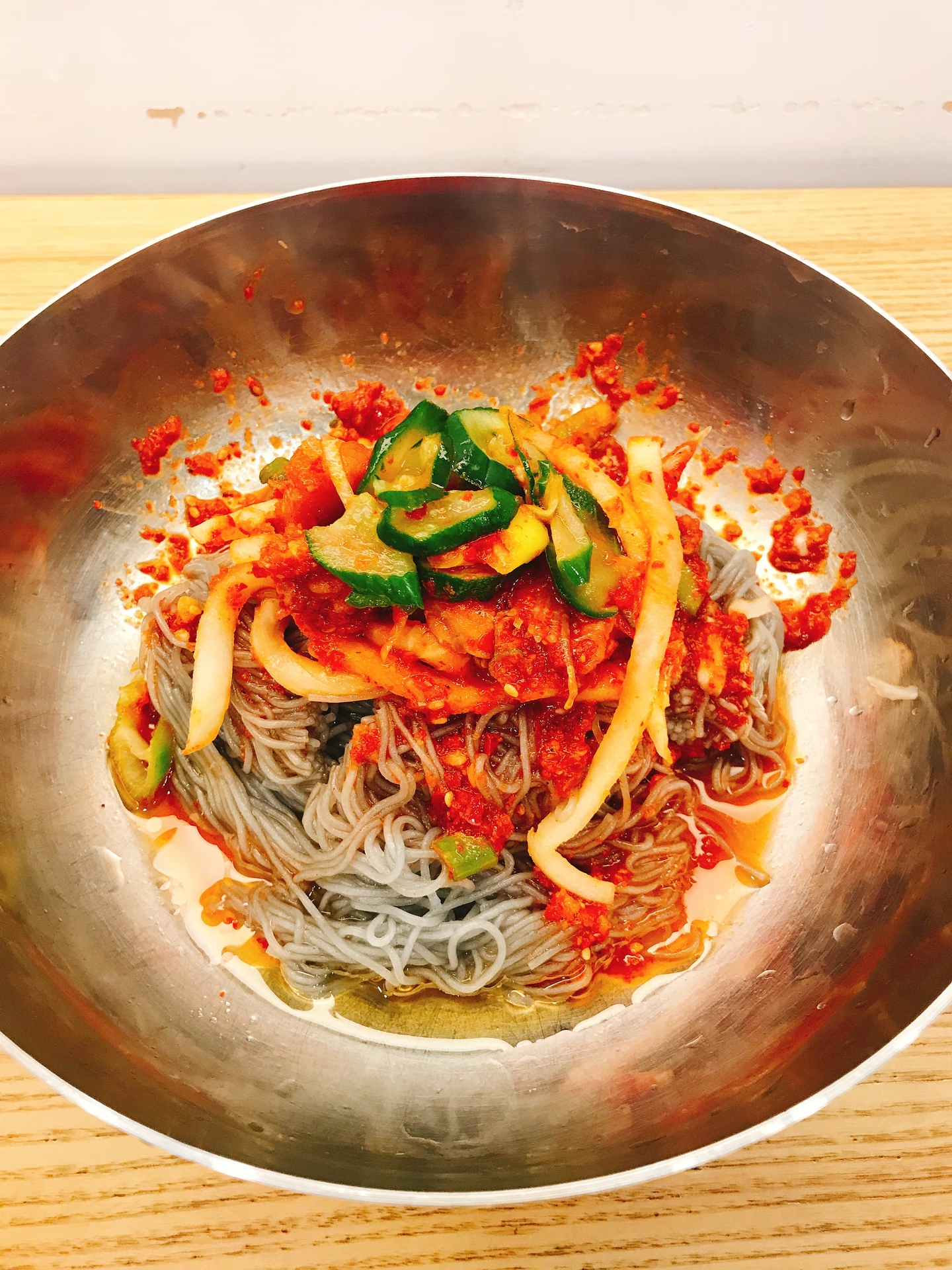
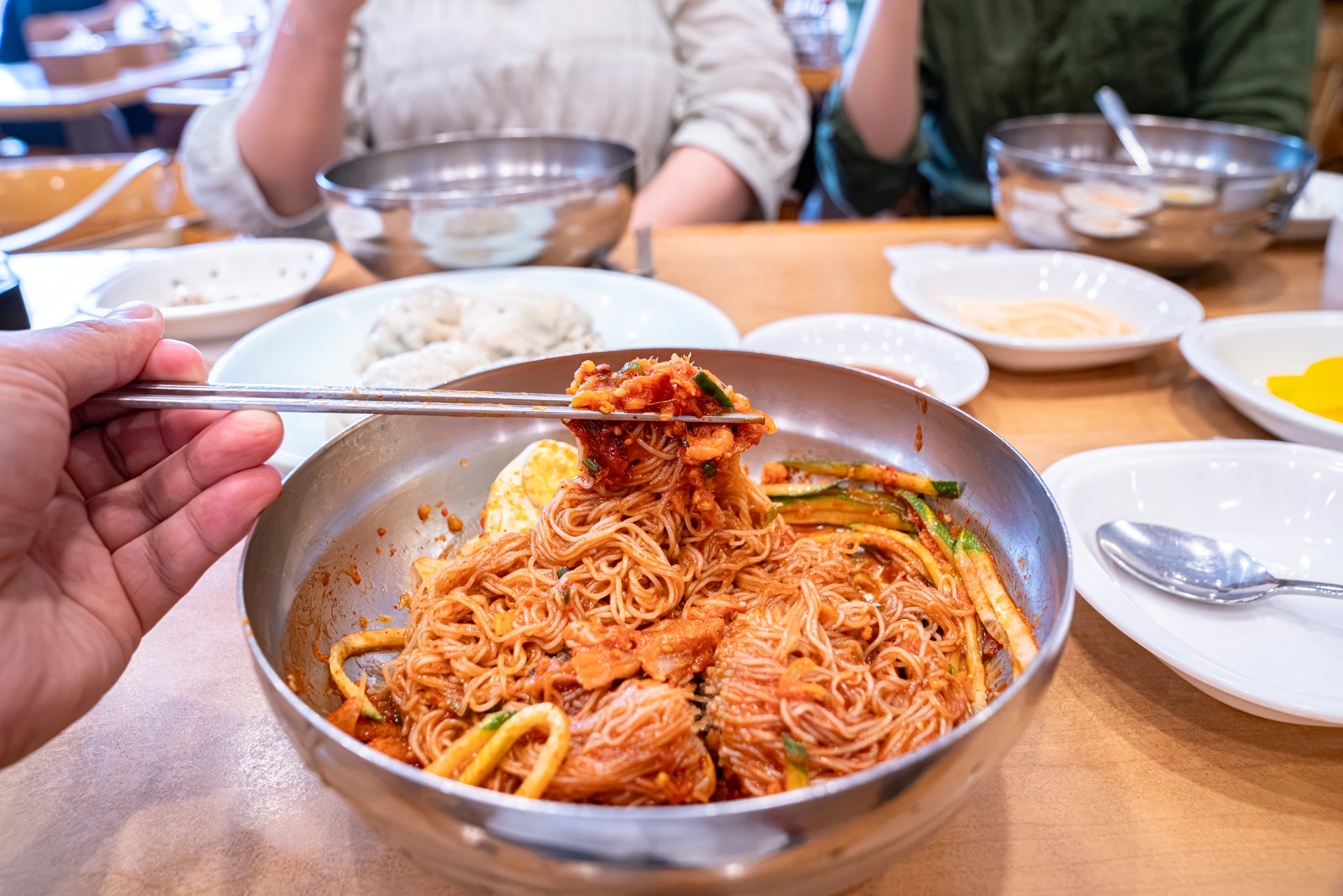
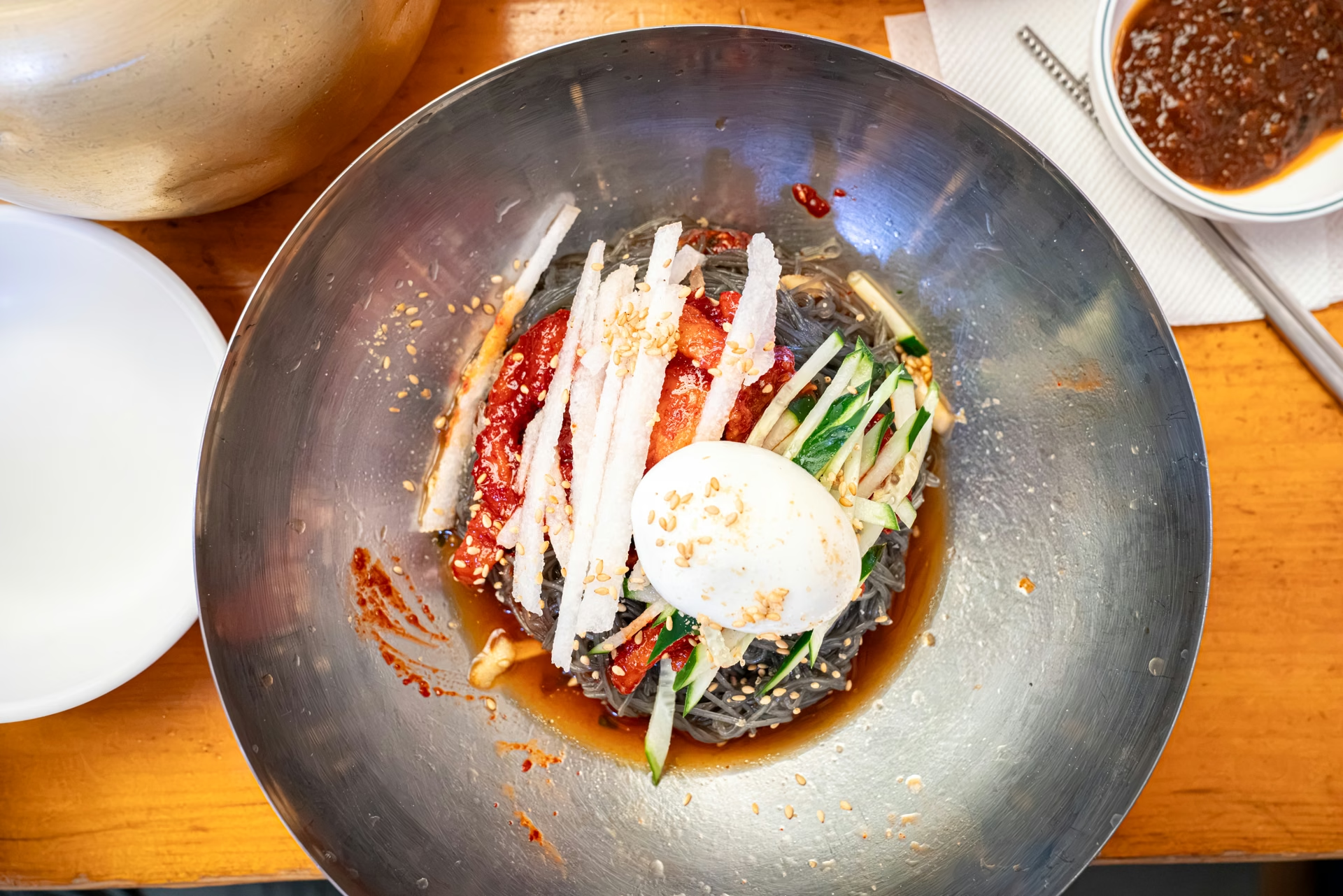
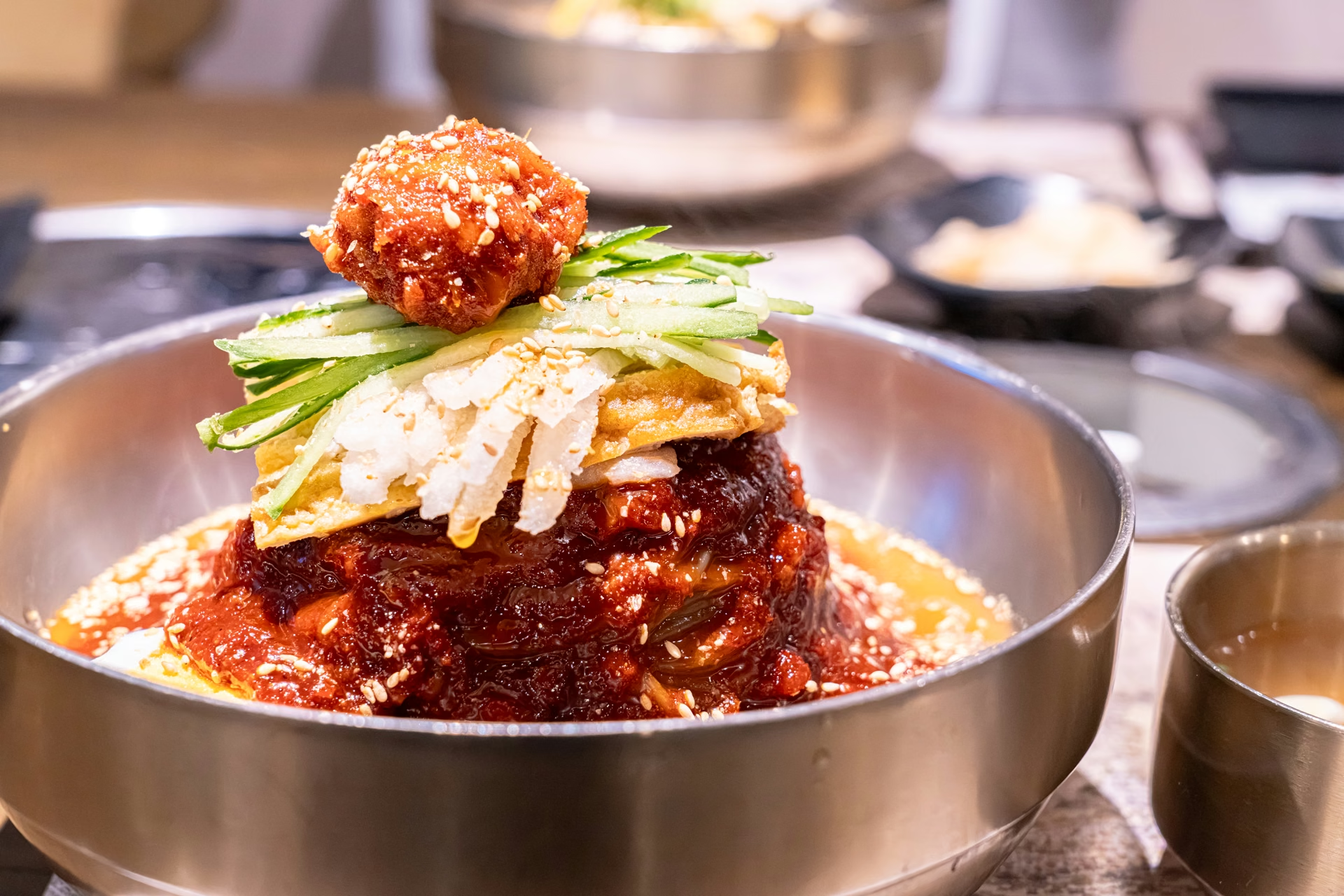
Now we switch styles completely. In the 1950s, a grandmother displaced from Hamheung began selling nongma guksu — the chewy starch-noodle dish of her hometown — in Seoul’s Ojangdong district, and three generations later her restaurant anchors what became the city’s famous naengmyeon alley. This is the spicy one: hoe naengmyeon, noodles with an elastic bite under gochujang-based sauce and slices of marinated raw fish, finished at the table with a swirl of sesame oil.
Like Woo Lae Oak, it holds Seoul Future Heritage status and has been listed in the Michelin Guide’s Bib Gourmand selection. A practical note: the same alley houses Ojangdong Heungnamjip, a separate old restaurant with a confusingly similar address — both are venerable, but this guide’s bowl is at number 108 Mareunnae-ro. They also serve a Pyongyang-style mul naengmyeon if someone in your group wants the mild option.
6. Hamheung-e Winter Naengmyeon — The Skate Heresy That Works
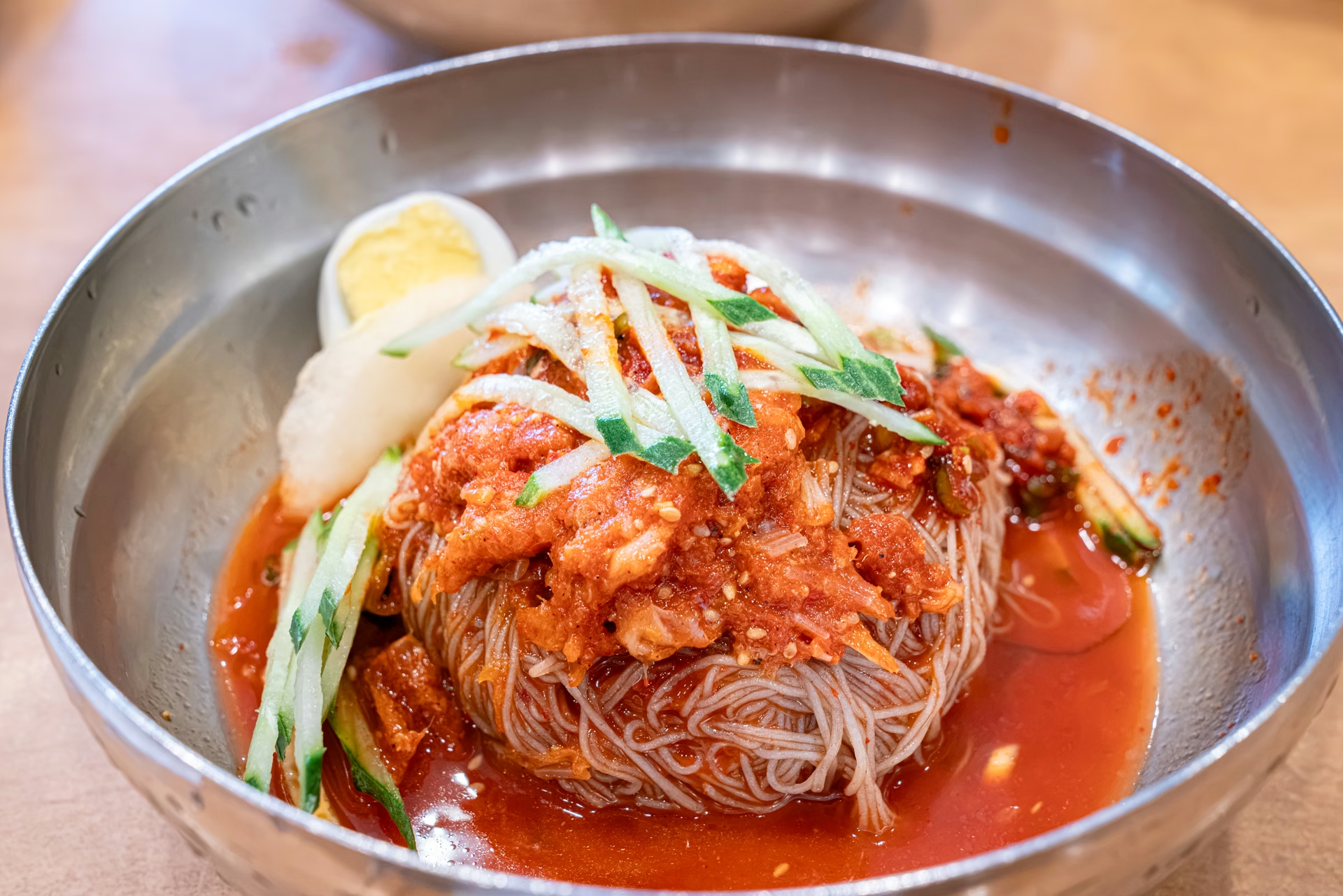
Tucked into Jangchung-dong — a neighborhood better known for jokbal (braised pork trotters) — this family-run shop has spent over twenty years doing one heretical thing: topping its hoe naengmyeon with hongeo (skate) instead of the customary pollack or flounder. If the word “skate” makes you brace for the infamous fermented punch of Jeolla-style hongeo, relax. There is none of that funk here — just a clean, springy chew that outperforms the standard toppings.
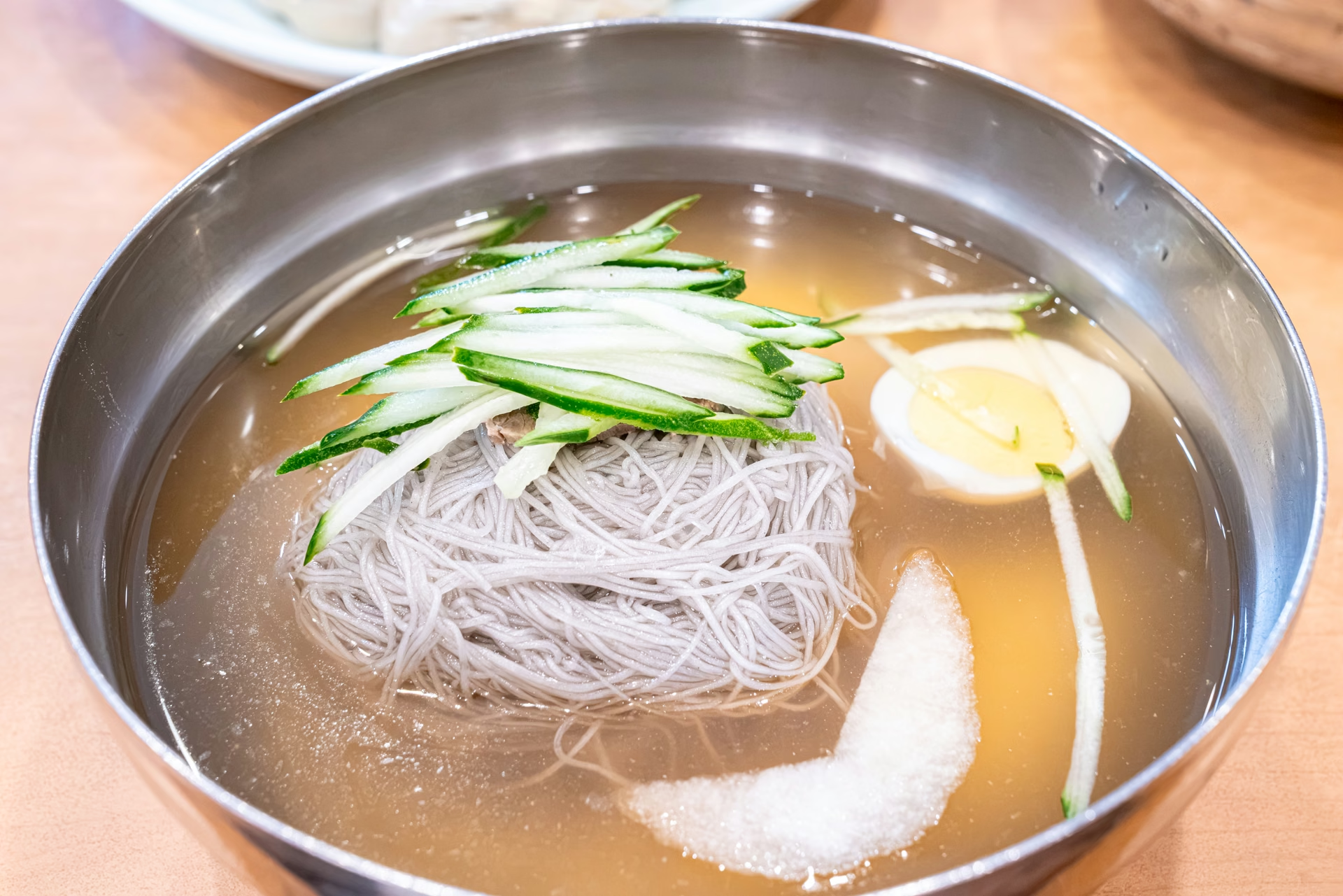
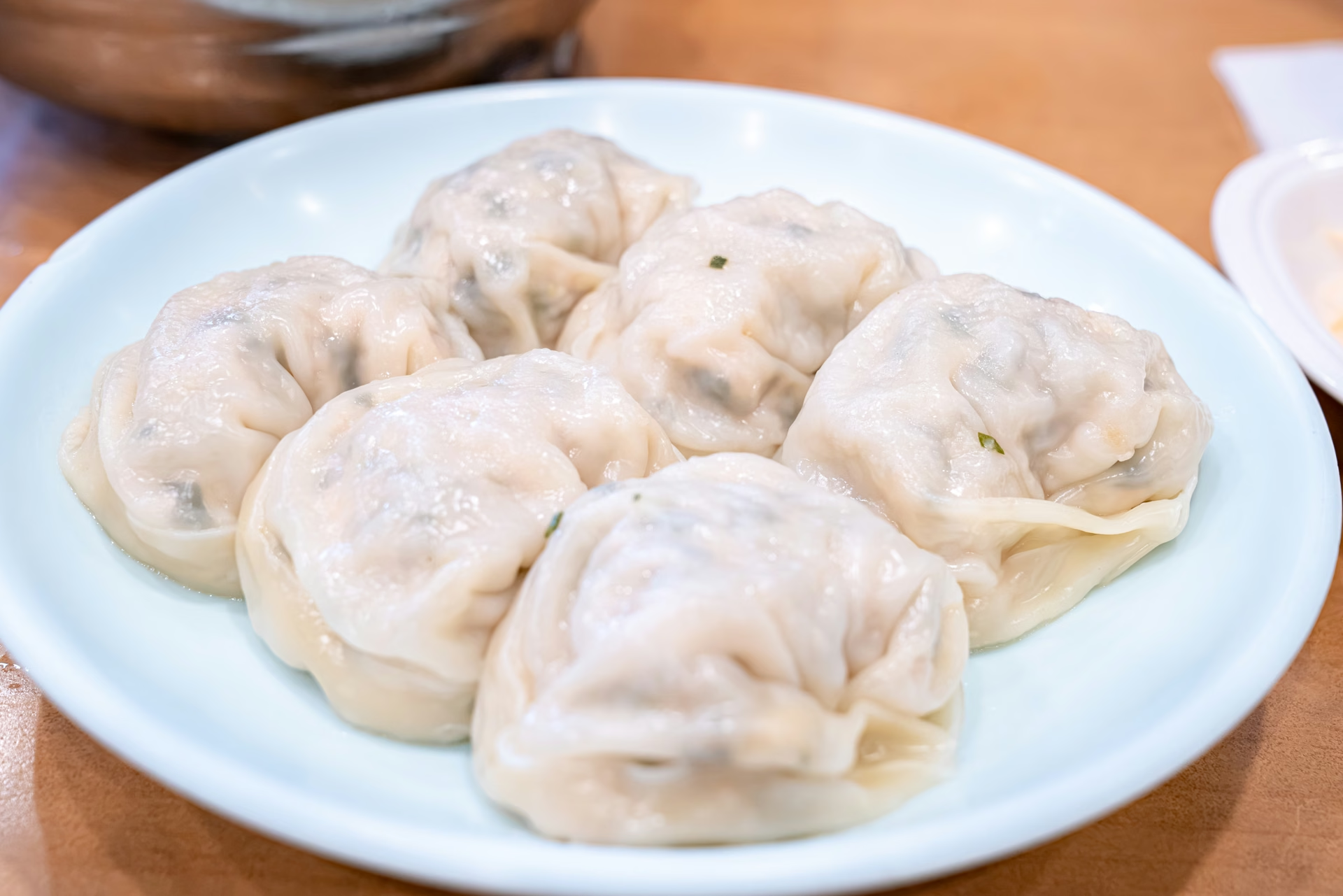
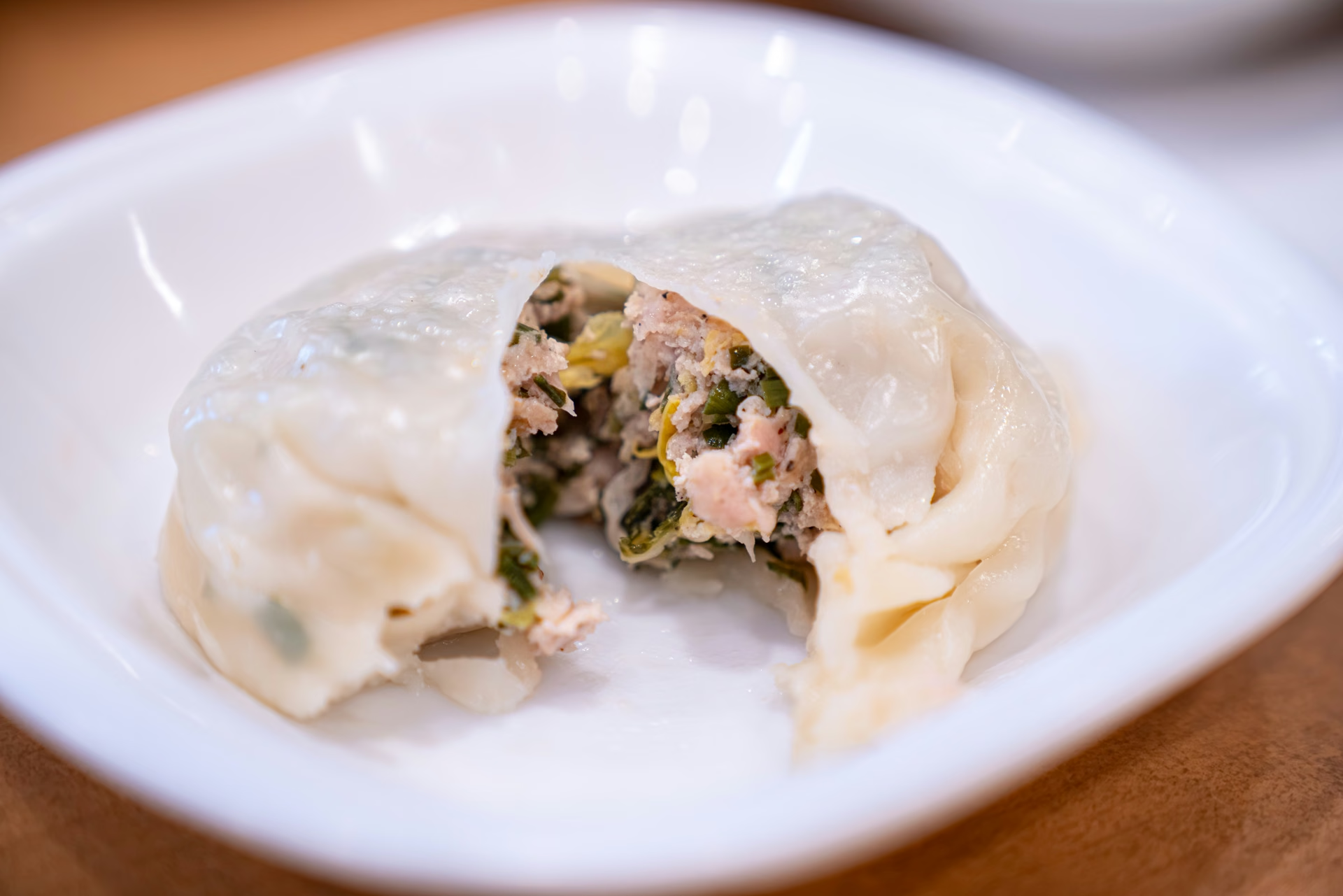
The sauce is another quiet argument: spicy, but restrained enough that you can actually taste the fish and the noodles underneath. The handmade king dumplings (wang mandu) are the sleeper hit, and Korean food-show fans may recognize the place from the hoe naengmyeon episode of Wednesday Food Talk.
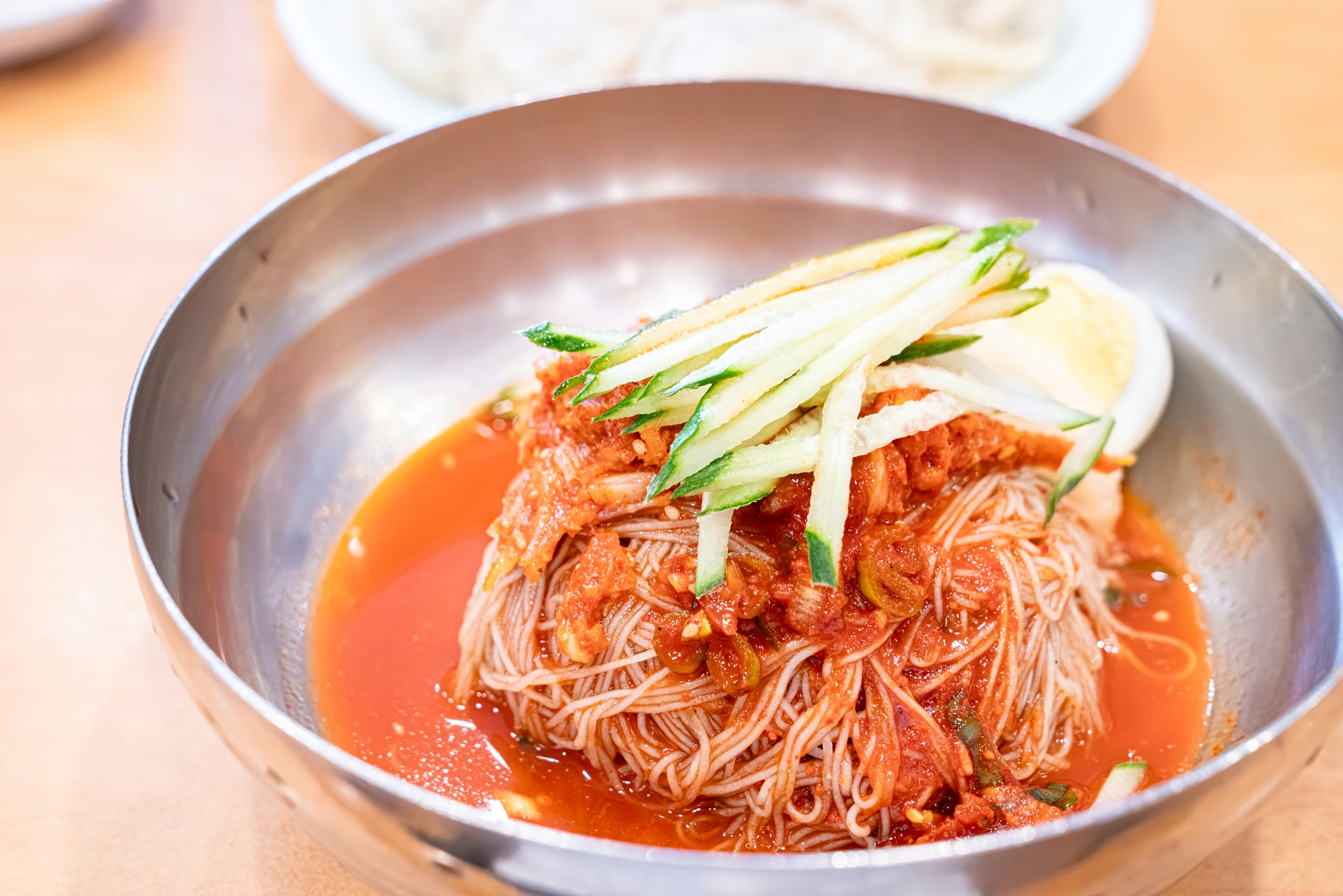
7. Hamheung Naengmyeon Ok, Sokcho — Refugee History in a Bowl
Sokcho is where Hamheung naengmyeon feels less like a menu item and more like a monument. During the Korean War, refugees from the North settled here expecting to go home within weeks; they stayed for good, building Abai Village on a sandbar and filling the town with northern food. Hamheung Naengmyeon Ok opened in 1951, in the middle of that displacement, and has now been serving for some seventy-five years.
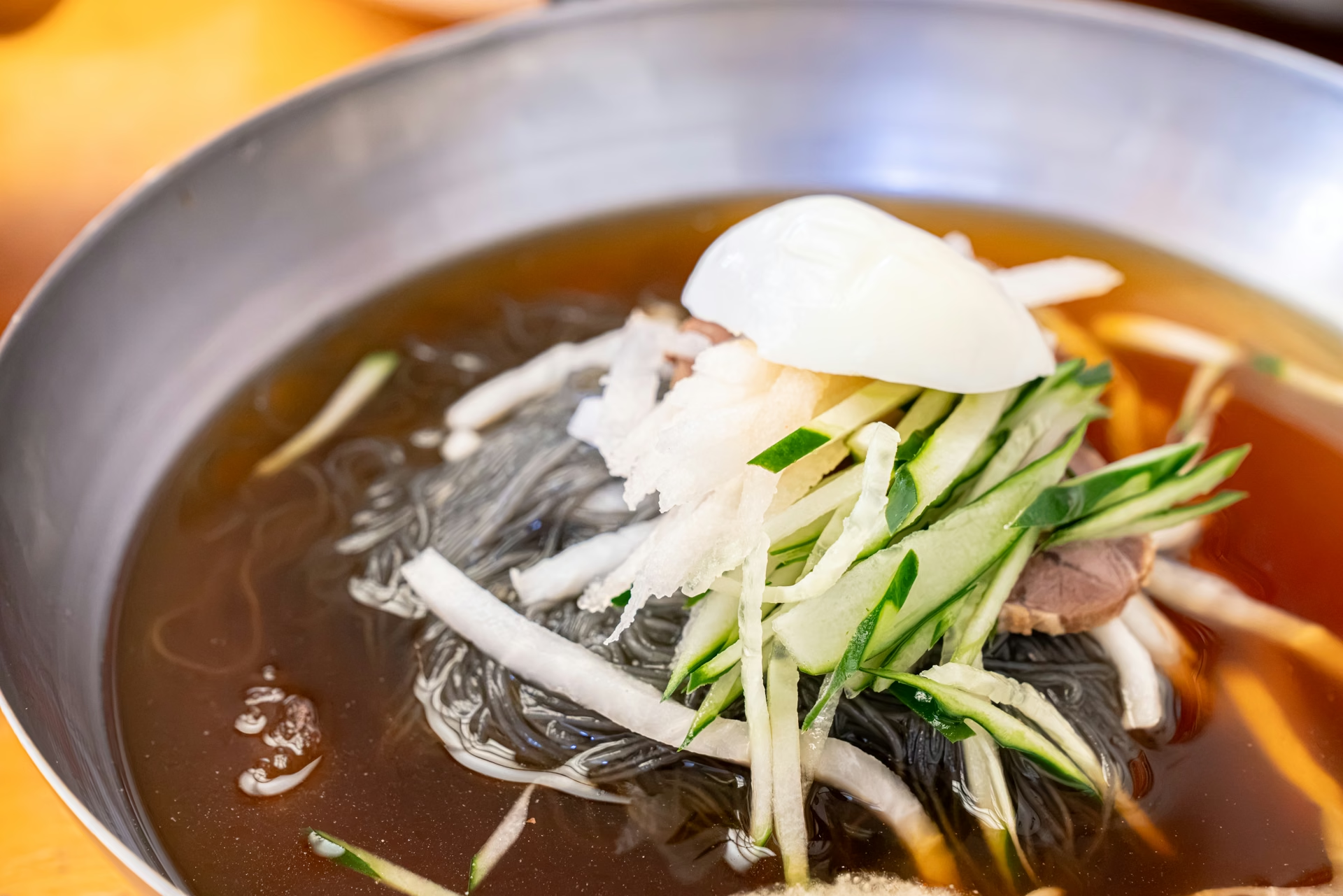
The bowl is textbook coastal Hamheung style: house-pressed noodles, a richer beef-bone broth than the Seoul shops use, and marinated East Sea pollack as the topping. Make it a half-day: eat here, then walk Abai Village and ride the hand-pulled gaetbae ferry across the channel.
8. Haeju Naengmyeon, Busan — Three Norths in One Alley
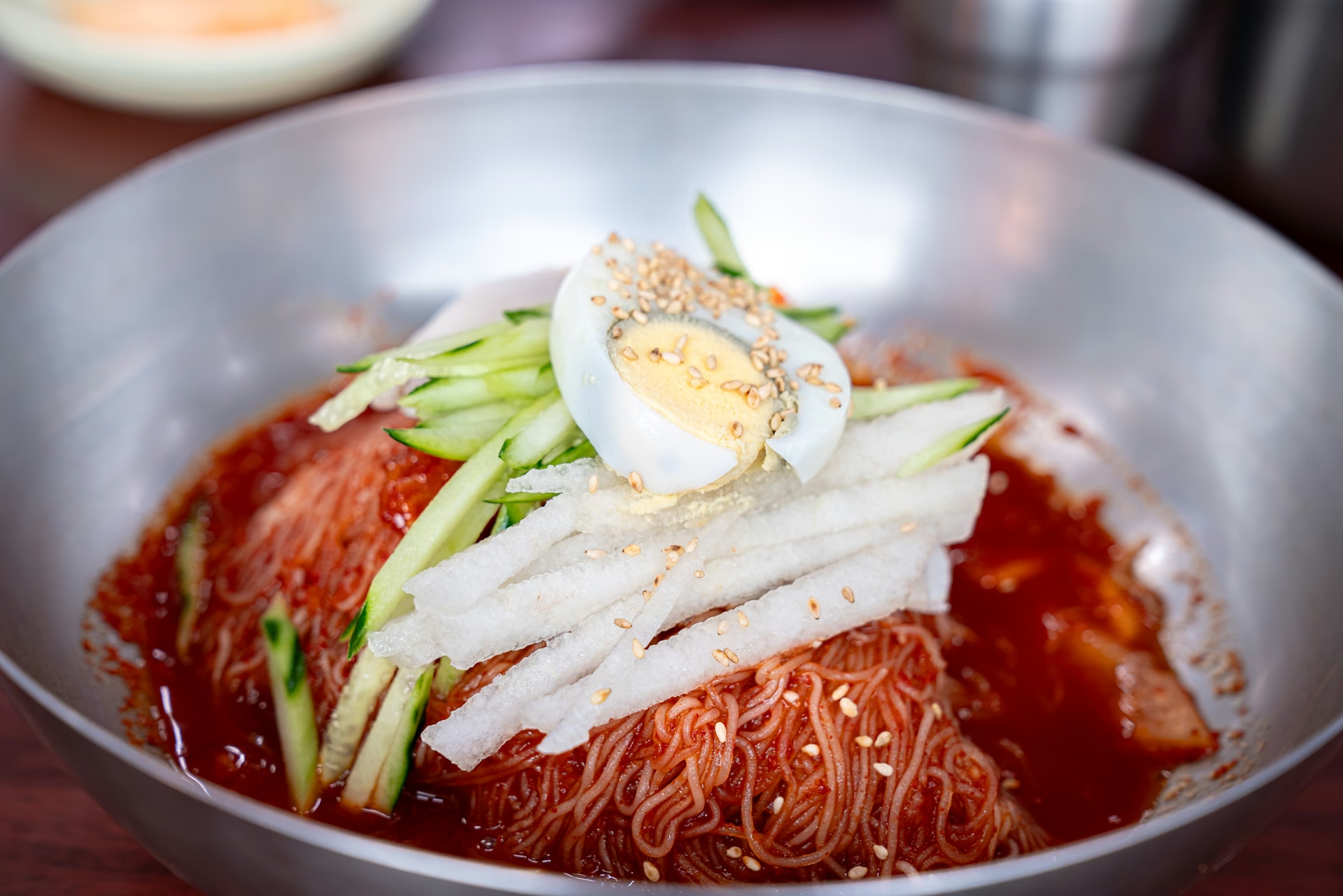
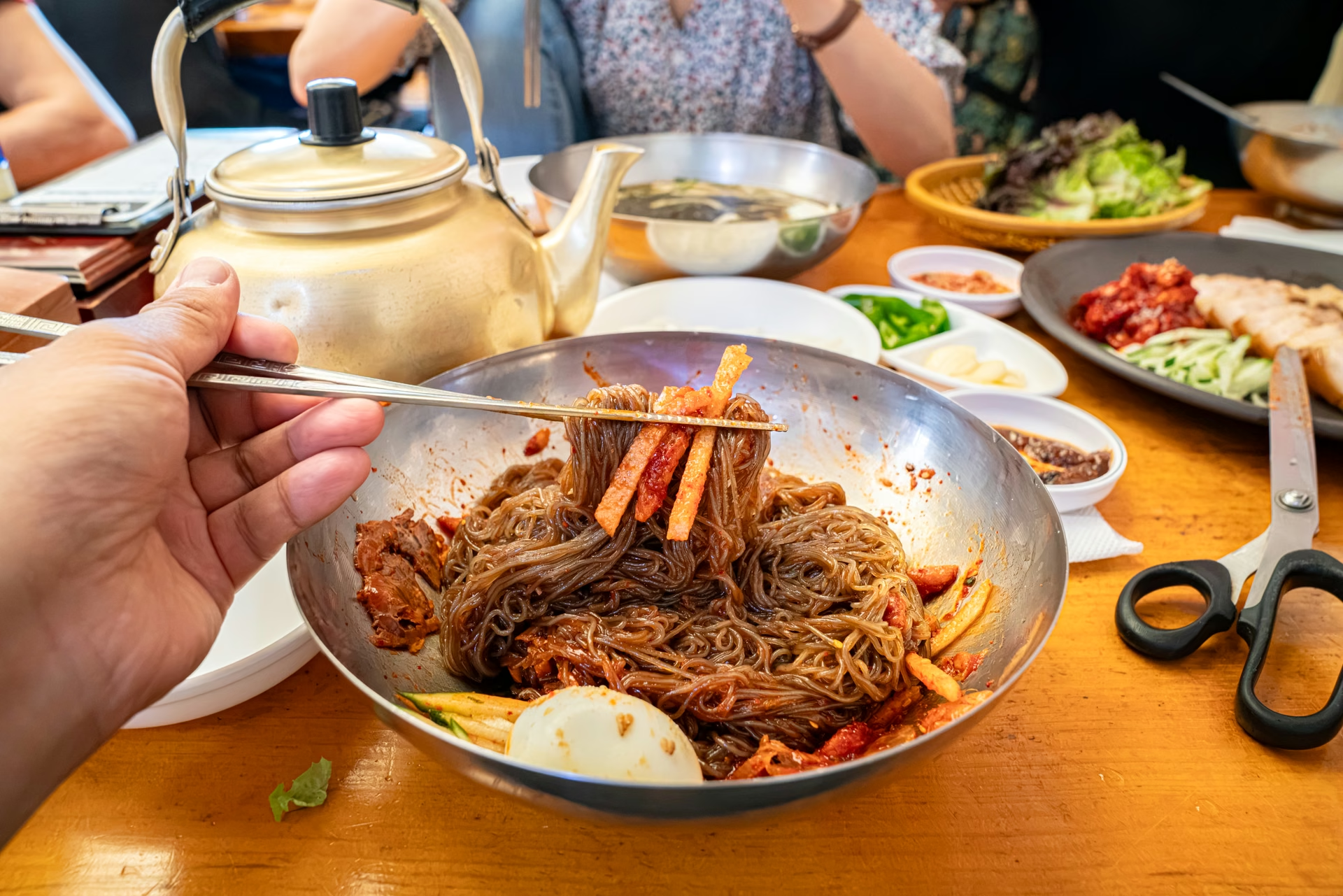
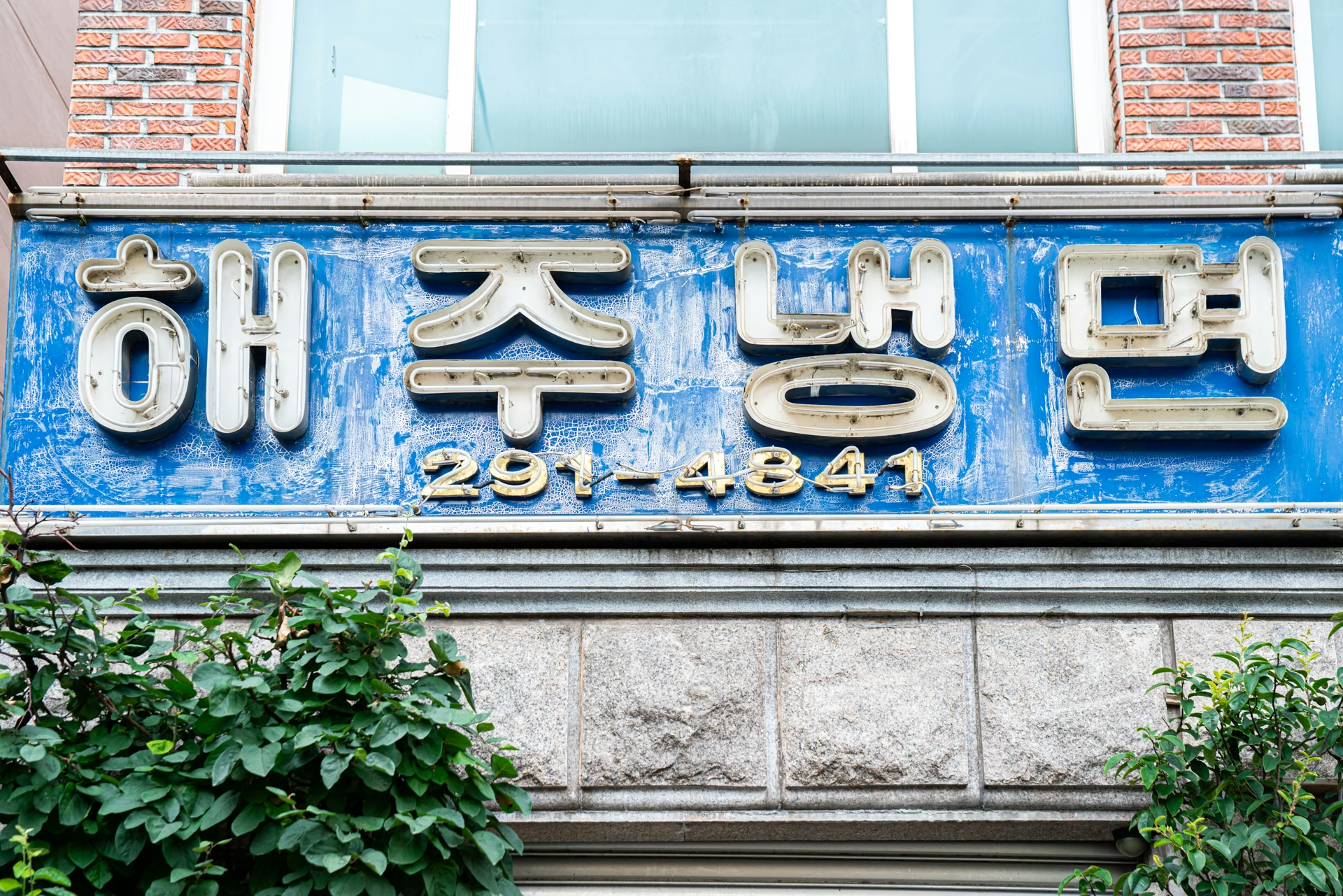
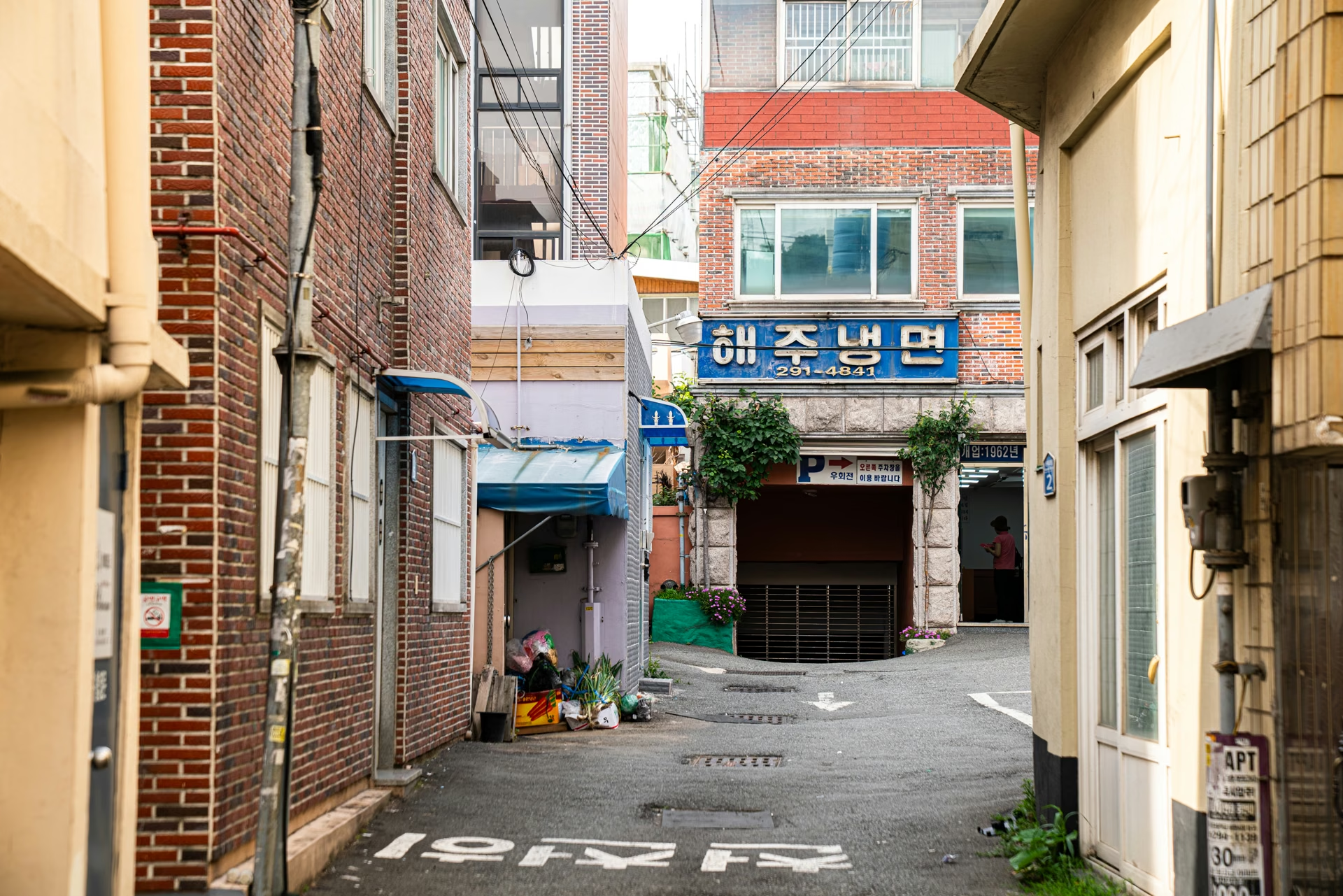
Hidden in a back alley of Goejeong-dong in Busan’s Saha district, this 1962-founded, third-generation shop is a one-room lesson in naengmyeon geography. The Hamheung bowl is built on sweet-potato starch noodles; the Pyongyang bowl on buckwheat — two different doughs, pressed separately, because the noodle is the point. The name adds a third thread: “Haeju” is the old capital of Hwanghae Province, hinting at yet another northern lineage behind the counter.
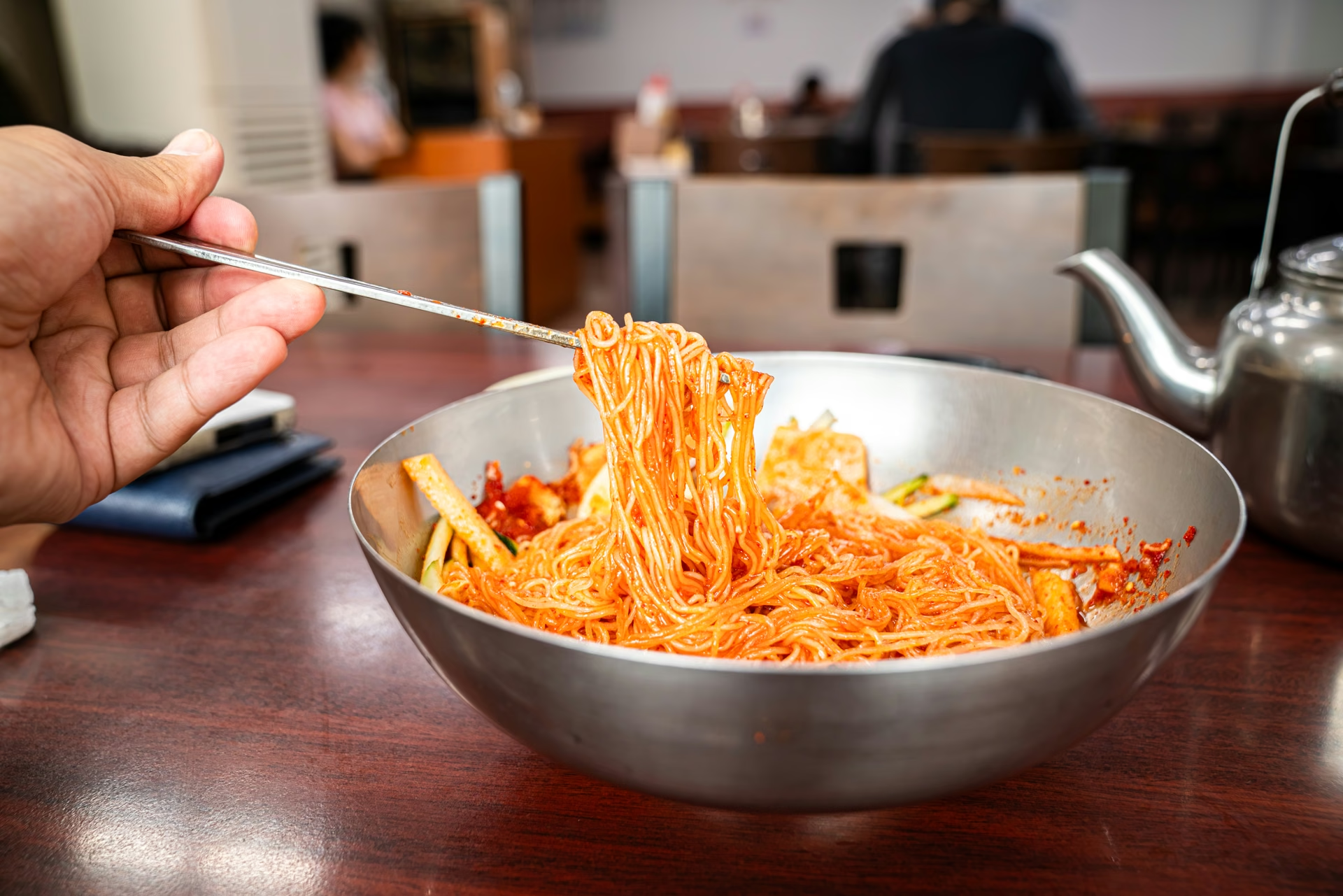
And because this is Busan, the menu also carries milmyeon — the wheat-noodle variant that wartime refugees invented here when buckwheat was scarce. Order across the menu with friends and you can taste three branches of the naengmyeon family tree at one table. If you are spending the day in the city, the Busan Museum of Modern History tells the refugee story behind this menu better than any placard in the restaurant could.
9. Jinju Naengmyeon Sanhong — The Southern Original
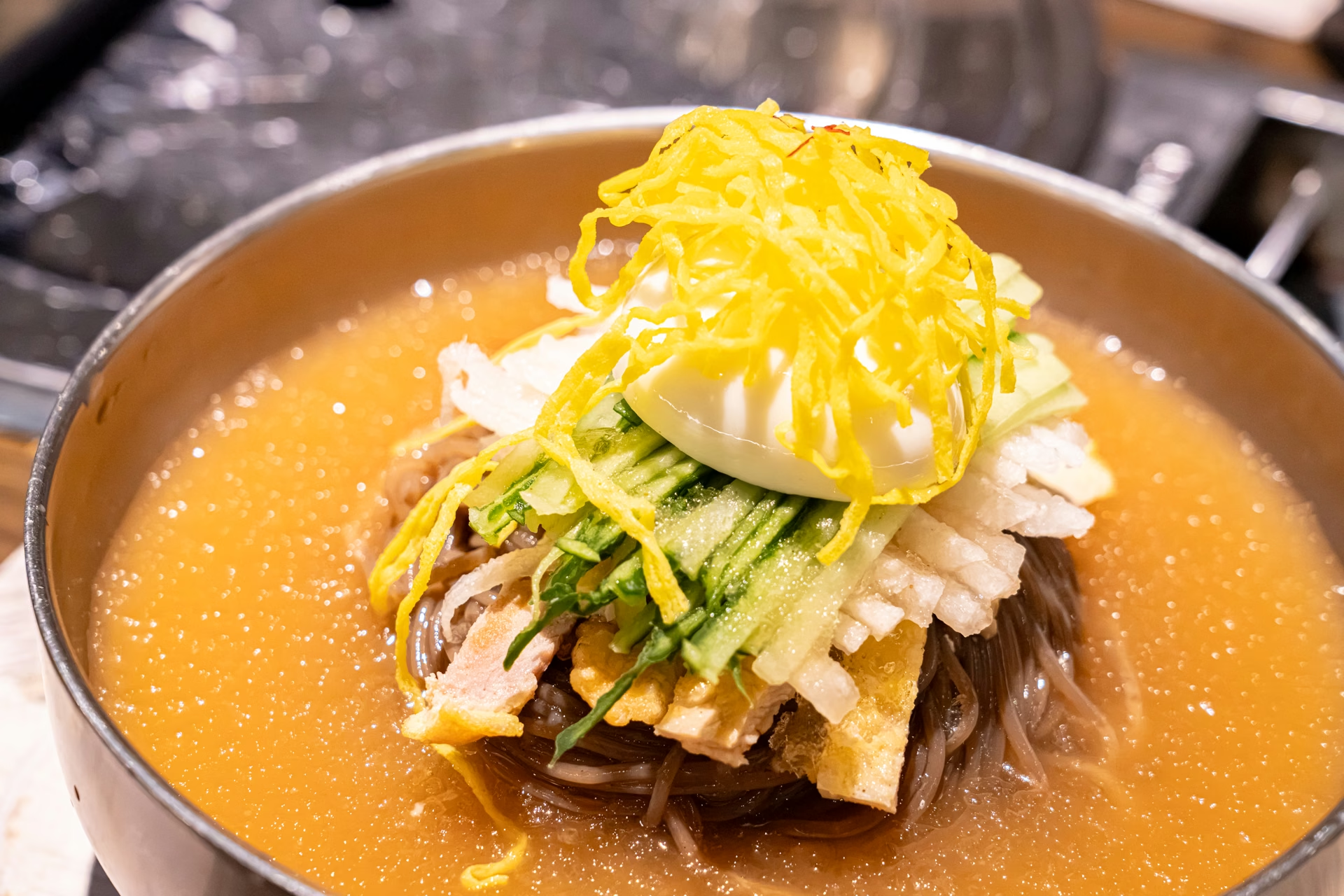
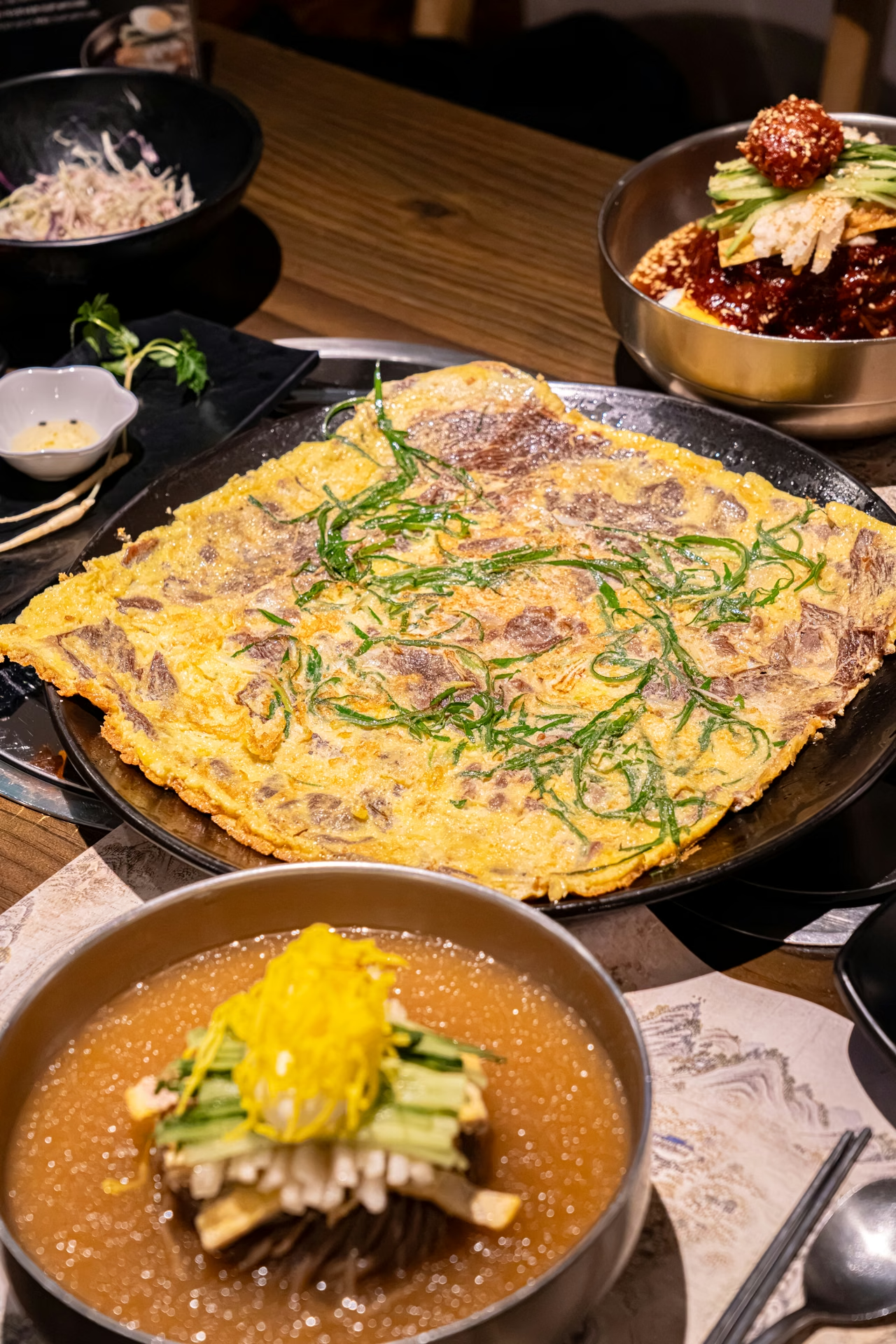
The finale breaks every rule the previous eight bowls taught you. Jinju naengmyeon, the southern branch of the family, uses no meat in its broth at all — instead, Sanhong steeps jukbang-caught anchovies, clams, mussels, dried pollack, octopus, and shiitake into a stock with real depth. On top of the buckwheat noodles goes the style’s signature: yukjeon, thin slices of beef dipped in egg batter and pan-fried, laid on still warm.
Cold seafood broth, warm beef, buckwheat underneath — it reads like a contradiction and eats like a revelation. Sanhong is billed as one of Jinju’s three essential restaurants, and the yukjeon alone, ordered as a separate plate, justifies the trip. I ate at the main branch out in Geumsan-myeon, a short taxi ride from central Jinju; there is also a direct-run branch closer to the Sangdae side of town.
Who This Is Actually For
This route is for eaters who treat a single dish as a reason to travel — the same instinct that sends people across Japan for ramen. If that is you, the nine bowls map neatly onto a summer of Korean weekends: the five Seoul shops fill two subway days, and Sokcho, Gwangju, Busan, and Jinju each anchor an overnight trip. It is also for anyone curious about how Korea’s division shows up at the table; half these restaurants exist because someone fled south with a recipe and nothing else.
Who should skip it: anyone who needs bold flavors guaranteed at every meal. Two of the nine bowls (Woo Lae Oak and Gwangjuok 1947) are deliberately subtle, and if “delicate broth” sounds like a euphemism for bland, start with the Hamheung-style shops — numbers five through eight — and work backward.
The Last Bowl
My favorite moment on this route is not in Seoul. It is in Sokcho, at a table by the window in a restaurant older than the ceasefire, watching an elderly couple split a plate of extra noodles into two bowls of broth without saying a word to each other. Somewhere behind them, the East Sea; somewhere beyond that, the city the recipe came from, unreachable. The plate empties. Nobody hurries them.
Practical Manual
| Restaurant | Style / City | Address | Hours (verified July 2026) |
|---|---|---|---|
| Woo Lae Oak (우래옥 본점) | Pyongyang / Seoul | 62-29 Changgyeonggung-ro, Jung-gu, Seoul 서울 중구 창경궁로 62-29 |
Tue–Sun 11:30–21:00 (LO 20:20); weekday break 14:00–17:00 (2nd floor only); closed Mon |
| Euljimyeonok (을지면옥) | Pyongyang / Seoul | 12 Samil-daero 30-gil, Jongno-gu, Seoul 서울 종로구 삼일대로30길 12 |
11:30–21:00, break 15:00–17:30 |
| Bongpiyang Bangi (봉피양 방이점) | Pyongyang / Seoul | 1-4 Yangjae-daero 71-gil, Songpa-gu, Seoul 서울 송파구 양재대로71길 1-4 |
Daily 11:30–22:00, no holidays |
| Gwangjuok 1947 (광주옥1947) | Pyongyang / Gwangju | 1104-20 Sangmu-daero, Seo-gu, Gwangju 광주 서구 상무대로 1104-20 |
Daily 11:00–21:00, break 15:00–17:00 |
| Ojangdong Hamheung Naengmyeon (오장동함흥냉면) | Hamheung / Seoul | 108 Mareunnae-ro, Jung-gu, Seoul 서울 중구 마른내로 108 |
11:00–22:00, break 15:30–17:00, closed Tue |
| Hamheung-e Winter Naengmyeon (함흥에 겨울냉면) | Hamheung (hoe) / Seoul | 21 Dongho-ro 24-gil, Jung-gu, Seoul 서울 중구 동호로24길 21 |
Daily 11:00–21:00 (LO 20:30) |
| Hamheung Naengmyeon Ok (함흥냉면옥) | Hamheung / Sokcho | 299 Cheongchohoban-ro, Sokcho, Gangwon 강원 속초시 청초호반로 299 |
Daily 10:30–20:30 |
| Haeju Naengmyeon (해주냉면) | Hamheung & Pyongyang / Busan | 5 Nakdong-daero 324beon-gil, Saha-gu, Busan 부산 사하구 낙동대로324번길 5 |
Apr–Sep 11:30–20:00, Oct–Mar 11:30–19:00, closed Mon |
| Jinju Naengmyeon Sanhong (진주냉면 산홍 본점) | Jinju / Jinju | 62 Geumsan-ro, Geumsan-myeon, Jinju, Gyeongnam 경남 진주시 금산면 금산로 62 |
11:00–21:30, lunch LO 14:50, break 15:20–17:00, no holidays |
Navigation Tip: Google Maps is unreliable for walking and driving directions in Korea. Download Naver Map and paste the Korean address from the table above — every restaurant here comes up instantly. For menus without English, Papago‘s camera translation handles handwritten naengmyeon menus better than you would expect. Hours were verified online in July 2026 but small restaurants change them seasonally, so re-check on Naver Map before making a long trip.