Table of Contents
This Yangpyeong hanok restaurant is a reservation-only sukiyaki house where a Japanese architect built the hanok, his wife perfected the ritual, and two cultures meet in a single iron pot
Transparency Note: This guide contains affiliate links. If you make a purchase, I may earn a commission at no extra cost to you—allowing me to keep providing expert, gear-tested travel insights.
Why This Yangpyeong Hanok Restaurant Demands Your Attention
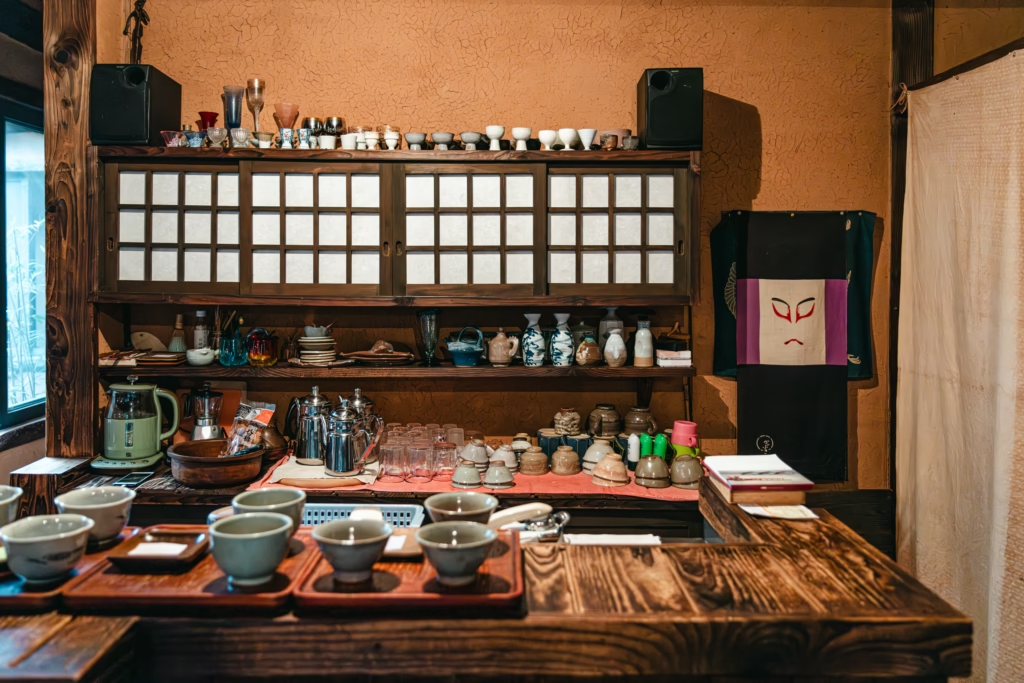
At the end of a narrow hillside lane in Seojong-myeon, Yangpyeong County, stands a building that contradicts itself. The structure is unmistakably Korean—heavy timber pillars, exposed wooden rafters, hanji paper filtering light into soft geometries. But the details inside belong to a different tradition entirely. A miniature Zen rock garden sits where you would expect a brazier. Tatami mats line a separate tea room. The only dish served is sukiyaki.
This is Sagakhaneul (사각하늘), a Yangpyeong hanok restaurant that exists because a Japanese architect fell in love with the lines and negative space of Korean traditional houses. He built the frame himself. His wife—trained in kaiseki and the Japanese tea ceremony—filled the interior with the meticulous aesthetic sensibility of Kyoto. The result is not fusion. It is two distinct cultural vocabularies speaking simultaneously without ever interrupting each other.
The name translates to “Square Sky”—a reference to the rectangular patch of sky visible when you look up from the central courtyard. It is also an accurate description of the dining philosophy here: constrained, precise, and deliberately framed.
1. Architecture That Refuses to Choose a Side
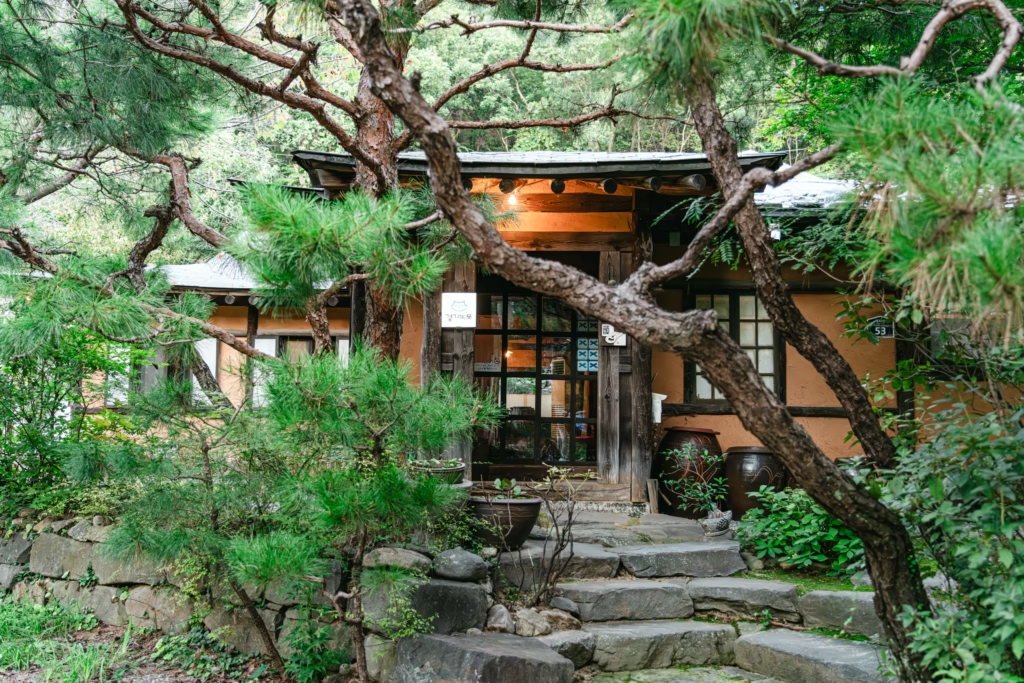
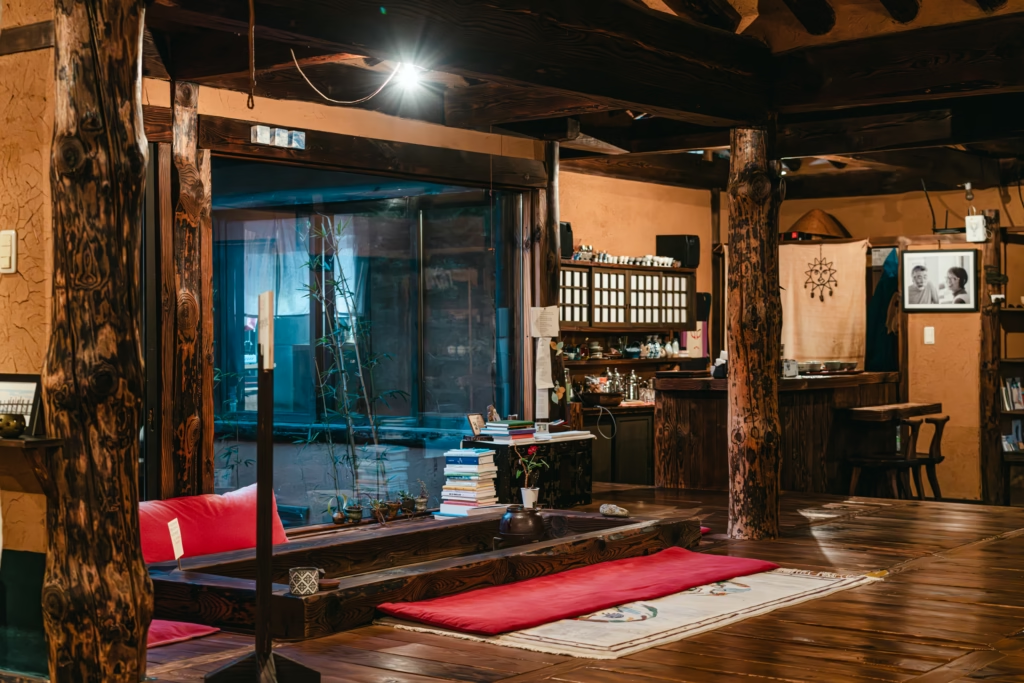
The first thing you notice entering this Yangpyeong hanok restaurant is the structural honesty. The massive wooden columns and crossbeams follow hanok construction principles—load-bearing timber joints, no steel reinforcement, proportions calibrated to human scale. The hanji-papered windows diffuse natural light exactly the way they would in any well-maintained Korean traditional house.
Then the details start registering differently.
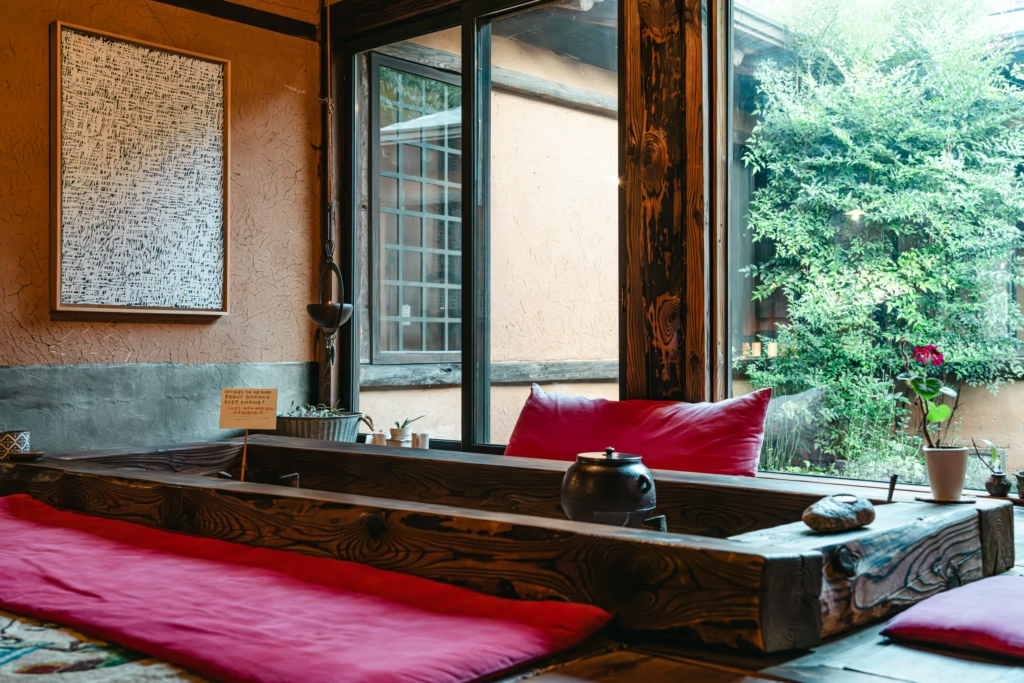
A rectangular hearth sits near the window. In a Korean hanok, this would function as a simple fireplace. Here, it has been reimagined as a miniature karesansui—a dry landscape garden inspired by Ryoan-ji Temple in Kyoto. White ash has been raked into gentle wave patterns with the same precision that Zen monks apply to gravel. It serves no practical heating purpose. Its function is psychological: to quiet the mind before the meal begins.
This approach extends throughout the space. Korean architectural bones carry Japanese interior refinement without either tradition dominating the other. The effect is not novelty but coherence—two approaches to wood, light, and negative space finding their natural overlap.
Photography Note: The hanji-filtered light creates exceptionally soft, directional illumination during midday. Shoot wide at 24mm to capture the full hearth composition, or isolate the raked ash patterns at 85mm for abstract detail work. Sony a7R4 settings: f/4, 1/60s, ISO 800 for indoor ambient light without flash.
2. The Tatami Tea Room: Where Shadows Become the Design
After the sukiyaki course, guests move to a separate building—a tatami-floored tea room that operates under a single design principle: remove everything artificial.
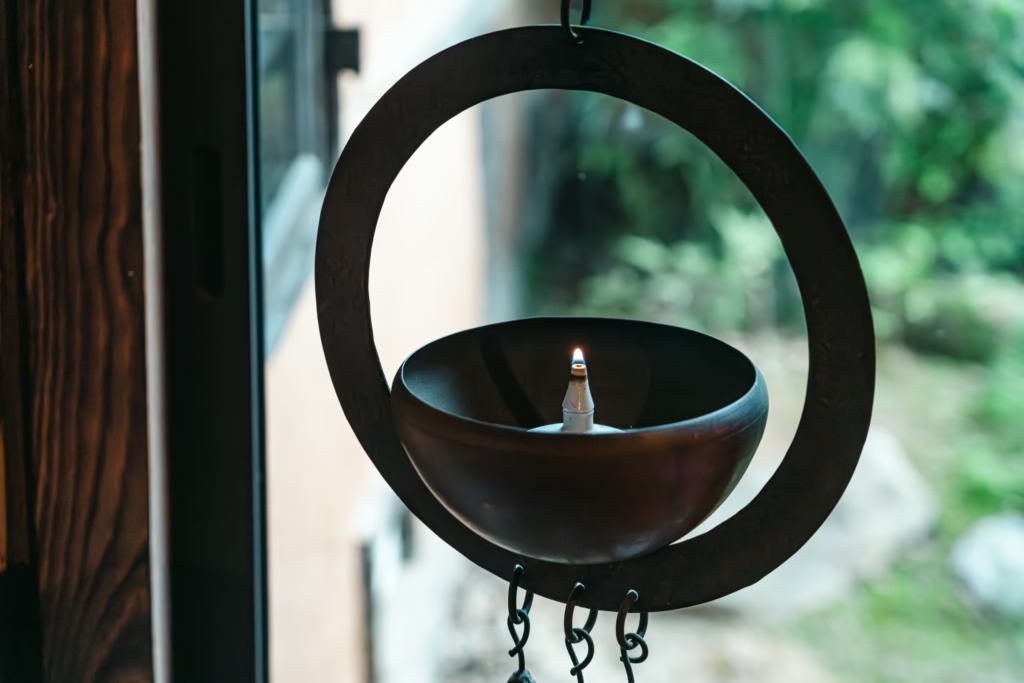
There are no overhead lights. No table lamps. No ambient LEDs. The only illumination comes from two sources: natural light bleeding through the hanji screens and a single candle. These two light sources interact with the wooden surfaces and tatami mats to create shifting pools of shadow that change as the sun moves.
The Japanese literary tradition has a word for this approach—in’ei raisan (陰翳礼讃), roughly translated as “In Praise of Shadows,” after Jun’ichiro Tanizaki’s 1933 essay on the aesthetic value of darkness and shadow in Japanese architecture. Sagakhaneul’s tea room applies this philosophy literally. The room is not dark. It is shadow-rich—a distinction that matters when you are holding a warm matcha bowl between your palms and watching the steam catch a sliver of light from the hanji screen.
The matcha experience at this Yangpyeong hanok restaurant costs ₩40,000 per person and requires advance reservation. It runs approximately 40–60 minutes and includes the full preparation ritual with traditional Japanese tea implements.
Travel Manual Tip: The tea room is best experienced in the afternoon when the angle of natural light through the western-facing hanji screens creates the most dramatic shadow play. If you book a weekend lunch seating (12:00–15:00), you can transition directly from the sukiyaki meal to the tea ceremony as the light shifts.
3. One Dish, No Compromise: The Sukiyaki Philosophy
This Yangpyeong hanok restaurant serves exactly one thing: sukiyaki. Not a menu of options narrowed to a specialty—literally a single dish, prepared the same way every time.
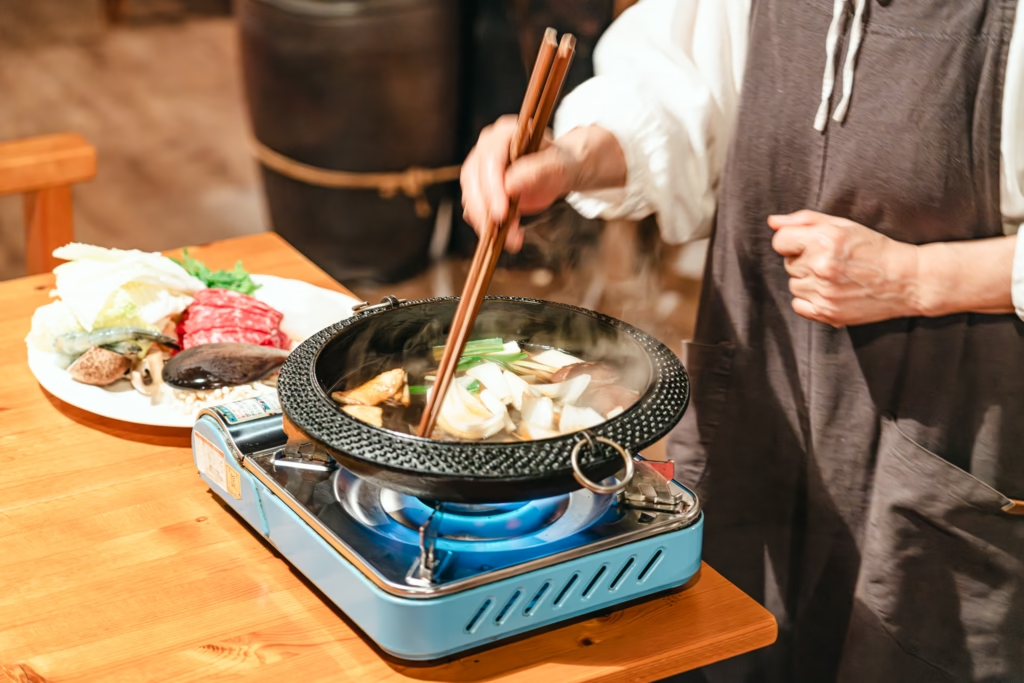
The method is traditional Kanto-style. Fresh seasonal vegetables are sautéed on an iron plate. Broth is added. Thinly sliced beef goes in last, cooked just until the pink fades, then dipped into raw beaten egg. The sweetness stays restrained—deliberately less sugary than what you would encounter at most sukiyaki restaurants in Tokyo or Seoul. The focus is on the ingredients declaring their own character rather than being masked by sauce.
What elevates the experience beyond the food itself is the service model. A dedicated staff member sits beside your table and manages the entire cooking process from start to finish. They control the heat, the timing, the sequence of ingredients entering the pot. You eat. They cook. The division is total.
Five house-made side dishes—including a notable dorajinamul (bellflower root) preparation—arrive before the main course. The meal concludes with udon noodles cooked in the remaining broth, followed by a cinnamon-based dessert. The progression from appetizer through sukiyaki to the noodle finish takes approximately 90 minutes at a deliberately unhurried pace.
Pricing: Lunch (Wed–Thu, Sat–Sun): ₩48,000 per person Dinner (Sat–Sun only): ₩60,000 per person Minimum 2 persons required
4. Three Tables, One Hour: The Reservation Reality
This Yangpyeong hanok restaurant accepts a maximum of three tables per time slot. Combined with the dedicated tableside cooking service, this means the restaurant operates more like a private dining appointment than a walk-in establishment.
Everything runs on 100% advance reservation—both the sukiyaki meal and the matcha tea experience. There is no walk-in option, no waitlist system, and no flexibility on this point. Call ahead or do not go.
The limited capacity has a practical consequence that matters for travelers: weekend lunch slots fill quickly, particularly during autumn foliage season when Yangpyeong draws Seoul residents to its riverside roads and mountain trails. Book at least one week in advance for Saturday or Sunday lunch. Wednesday and Thursday lunch slots are significantly easier to secure, and the midweek quiet enhances the contemplative quality of the space.
For international visitors, the reservation process is phone-based and conducted in Korean. Use Naver Papago or Google Translate to prepare a simple reservation request including your preferred date, time, number of guests, and whether you also want the matcha tea experience. Alternatively, ask your hotel concierge in Seoul to call on your behalf—this is common practice for reservation-only restaurants outside the capital.
Travel Manual Tip: If you are visiting during the Yangpyeong Ice Fishing Festival season (January–February), a weekday visit to Sagakhaneul pairs naturally with a weekend festival day, creating a two-day Yangpyeong itinerary that balances stillness and activity. Winter amplifies the contemplative quality of the tatami tea room—the cold air outside sharpens your awareness of the warmth within. For another winter experience that channels the same quiet intensity, our N Seoul Tower Winter Hike guide captures how sub-zero stillness transforms a familiar Seoul landmark.
5. Two Cultures in One Courtyard: What the Architecture Teaches
The philosophical interest of this Yangpyeong hanok restaurant is not that it blends Korean and Japanese aesthetics—plenty of contemporary spaces attempt that. It is that the two traditions remain distinct and legible. You can point to the hanok structure and say “Korean.” You can point to the karesansui hearth and say “Japanese.” Neither absorbs the other.
This matters because it reflects an honest relationship between the people who built it. A Japanese architect who studied hanok construction seriously enough to build one by hand. A Japanese wife who trained in kaiseki and tea ceremony and brought that discipline to the interior. The building is not a costume or a theme. It is the physical expression of two people’s actual cultural knowledge, applied with care to a single piece of land in Gyeonggi Province.
For travelers interested in how Korean and Japanese architectural philosophies intersect—the shared respect for natural materials, negative space, and seasonal awareness—Sagakhaneul functions as a quiet case study. Those who have explored Korea’s traditional tea culture at places like Hoesudaok in Jeju or the herbal tea tradition at Tongin Pharmacy in Seochon will recognize the same underlying principle: space shapes the experience of what you consume.
Getting There: Yangpyeong Hanok Restaurant from Seoul
This Yangpyeong hanok restaurant sits in Seojong-myeon, a rural district of Yangpyeong County approximately 50 minutes east of Seoul by car.
By Car: This Yangpyeong hanok restaurant is best reached via the Jungang Expressway (Route 55) or Gyeongchun Expressway from Seoul. Exit at Yangpyeong IC or Seojong IC. The restaurant is located on a residential hillside lane—GPS navigation to the address works reliably, but the final 200 meters involve narrow village roads. Free parking is available on the premises.
By Public Transit: Take the Gyeongui-Jungang Line or ITX-Cheongchun to Yangpyeong Station, then taxi approximately 20 minutes to Seojong-myeon. Budget ₩15,000–20,000 for the taxi. There is no convenient bus connection to the restaurant’s specific location.
Combining Your Visit: Yangpyeong’s Bukhangang (North Han River) cycling path and Dumulmeori scenic point are within 15–20 minutes by car. A morning cycling session along the river followed by a Sagakhaneul lunch reservation creates a satisfying day trip structure. For those drawn to Gyeonggi Province’s deeper architectural and historical layers, our Hwaseong Independence Movement Memorial guide covers another contemplative space where structure and meaning intersect—a site dedicated to the region’s resistance history, approximately 60 minutes south.
Klook.comThe Travel Manual: Sagakhaneul Practical Guide
| Category | Details |
|---|---|
| Korean Name | 사각하늘 |
| Address | 53 Gilgok 2-gil, Seojong-myeon, Yangpyeong-gun, Gyeonggi-do (경기도 양평군 서종면 길곡2길 53) |
| Hours | Wed–Thu: 12:00–15:00 / Sat–Sun: 12:00–20:00 (Break: 15:00–17:00) |
| Closed | Every Monday and Tuesday |
| Reservation | 100% advance reservation required (phone, in Korean) |
| Sukiyaki Lunch | ₩48,000 per person (minimum 2 persons) |
| Sukiyaki Dinner | ₩60,000 per person (weekends only, minimum 2 persons) |
| Matcha Experience | ₩40,000 per person (reservation required) |
| Capacity | Maximum 3 tables per time slot |
| Parking | Free on-site parking |
| Language | Korean only; Papago translation app recommended |
| Recommended Stay & Activity | [Book Yangpyeong Hanok Stay on Agoda] / [Book Yangpyeong Nature Day Trip on Klook] |
For official tourism information about Yangpyeong County, visit the Gyeonggi Tourism Organization.
Summary: Is Yangpyeong Hanok Restaurant Worth the Drive?
This Yangpyeong hanok restaurant is not for everyone. If you want variety, fast service, or Instagram-ready interiors, the experience will frustrate you. The space is understated. The menu is singular. The pace is deliberately slow.
But if you respond to craft—the structural logic of a hand-built hanok, the discipline of a single dish perfected over years, the psychological calibration of a shadow-lit tea room—Sagakhaneul delivers something that few restaurants in Korea attempt. It asks you to sit still, eat what is given, and pay attention to the space between things.
That space between things is where the two cultures meet. And it is worth the drive.