
Wanju: The County Everyone Drives Through on the Way to Jeonju
This manual contains affiliate links. If you book through them, I earn a small commission at no extra cost to you. This keeps my EV charged and allows me to provide unfiltered, field-tested travel insights.
Wanju has a geography problem: it wraps entirely around Jeonju, Korea’s food-and-hanok tourism heavyweight, the way a doughnut wraps its hole. Millions of travelers cross Wanju every year without registering its name, eyes fixed on Jeonju’s bibimbap and rented hanbok. I spent years doing exactly that. Then I started stopping — and found, scattered along one mountain valley northeast of the city, a cluster of places that quietly outclass much of what the crowds queue for in Jeonju proper: a village of rescued antique houses, the art compound BTS rented for a photo shoot, a temple hoarding five state Treasures on flat ground, and a sixty-meter waterfall that trained a pansori master’s voice.
This guide strings six stops into one Wanju day trip with a car — Jeonju to Jeonju, roughly 60 kilometers of driving in total. Most of these stops have full write-ups on this site if you want depth; this is the map and the logic. Foreign license holders (bring an International Driving Permit) can rent in Jeonju, and honestly should: the valley bus appears a handful of times a day, and taxis dry up past the village, leaving no way back that doesn’t involve a phone call and a wait. The driving itself is easy by Korean-mountain standards — one two-lane road up the valley, one pass with honest hairpins, nothing a nervous driver can’t manage slowly. (Seoul-based readers: KTX Yongsan–Jeonju runs about 1 hour 45 minutes, which makes even this a feasible, if long, day from the capital.)
1. Songgwangsa Temple — Go Early, Stay Level
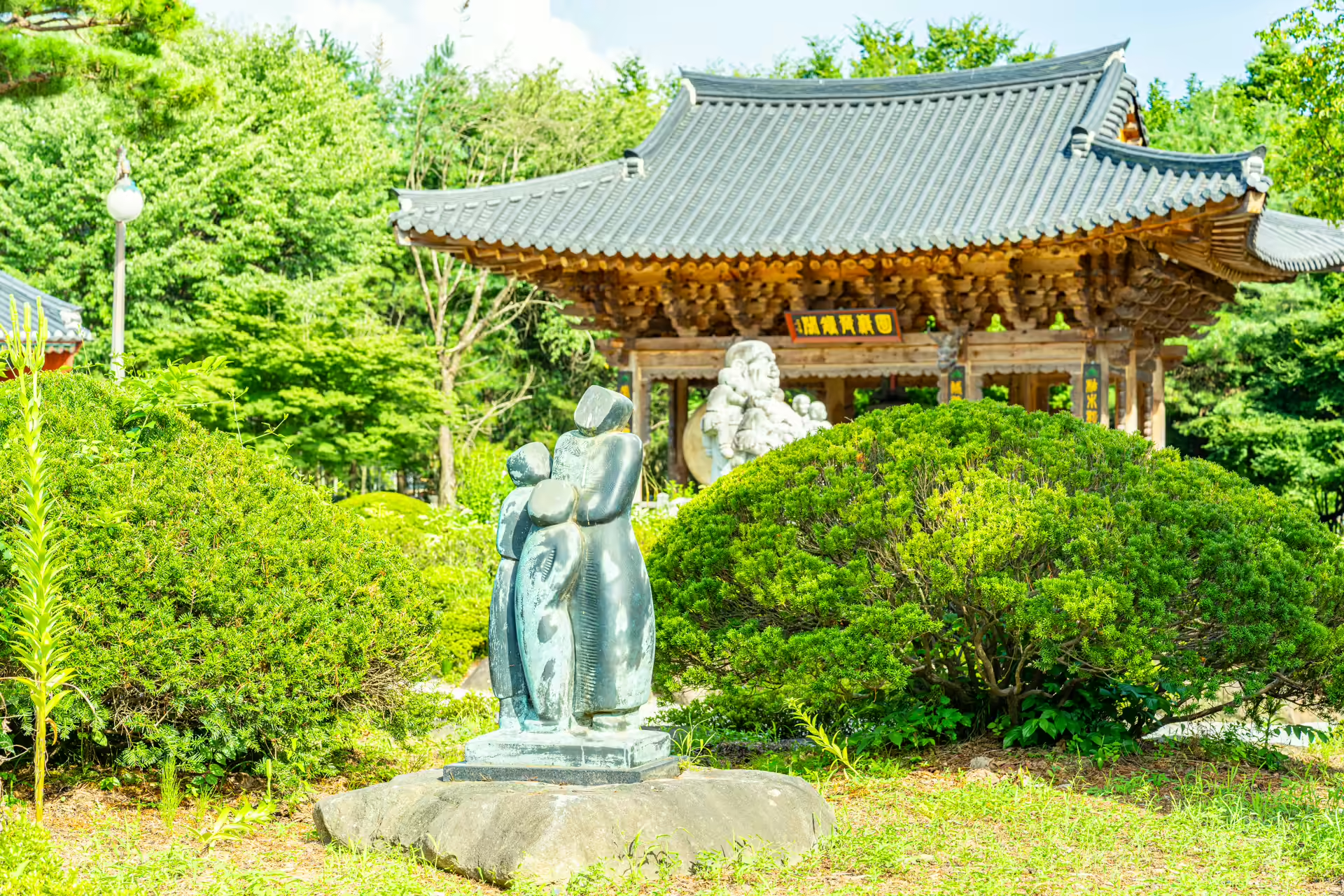
Open the day at Songgwangsa, the valley’s flatland temple, when the courtyards still belong to the monks and the light comes in low across the fields. The headline acts: four clay Guardian Kings big enough to walk among, a trio of five-meter Buddhas built in 1641 as a prayer for two princes held hostage in Manchuria, and the only cross-shaped bell pavilion left from the Joseon dynasty. Admission is free, the ground is stair-free — a rarity among major Korean temples — and thirty unhurried minutes covers it. Do not confuse it with the famous Songgwangsa in Suncheon; this one keeps its treasures with less ceremony and far fewer buses.
2. Oseong Hanok Village — The Second-Chance Settlement
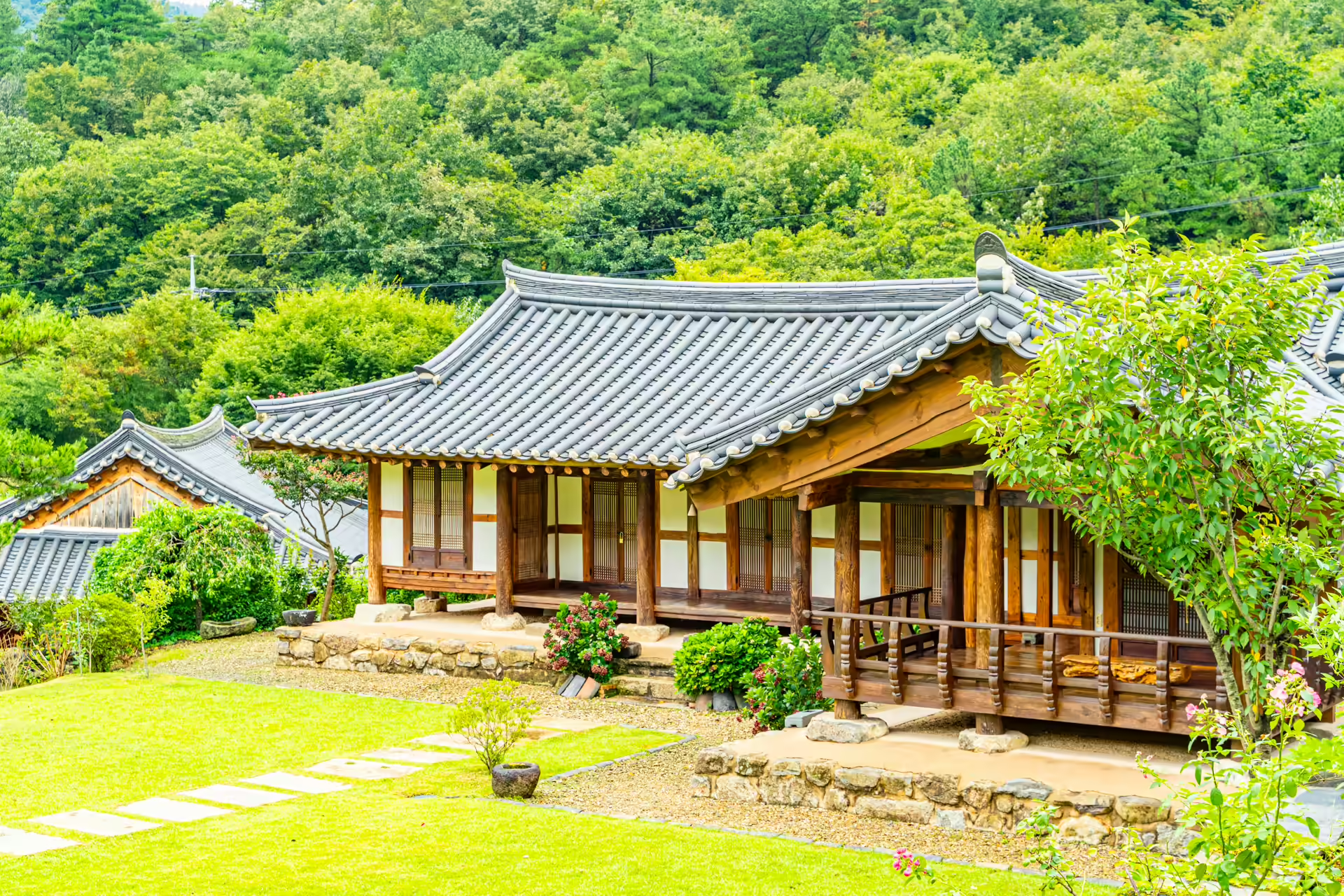
Five minutes up the road, Oseong Hanok Village is a village assembled from elsewhere: condemned hanok from Gochang, Muan, Jinju, and Jeongeup, dismantled and rebuilt in this valley from 2012 onward by residents who bet their community on old timber. The bet paid — it made the national top-100 destinations list for 2025–2026, and a lone pine by the reservoir became K-pop scripture after BTS’s 2019 Summer Package shoot. Walk the stone lanes, read the house nameplates, and claim a window seat at Dube Cafe for the valley’s best mountain view over a misut-penner, the roasted-grain cream drink the village runs on. Book-lovers: the county’s first independent bookshop here admits visitors by advance reservation only, a policy that sounds insufferable and works beautifully.
3. Awon — Lunch-Hour Art, Afternoon-Only Houses
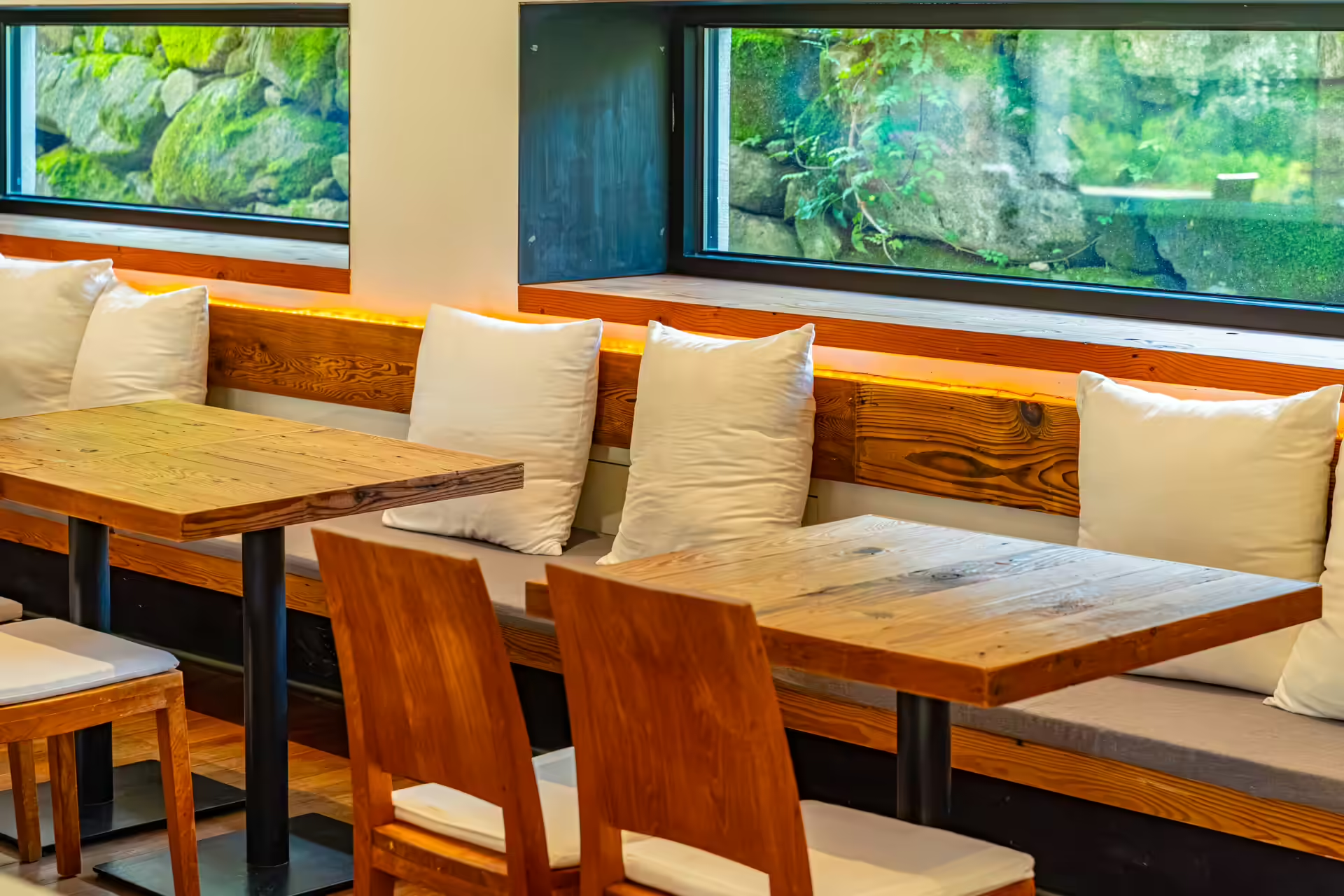
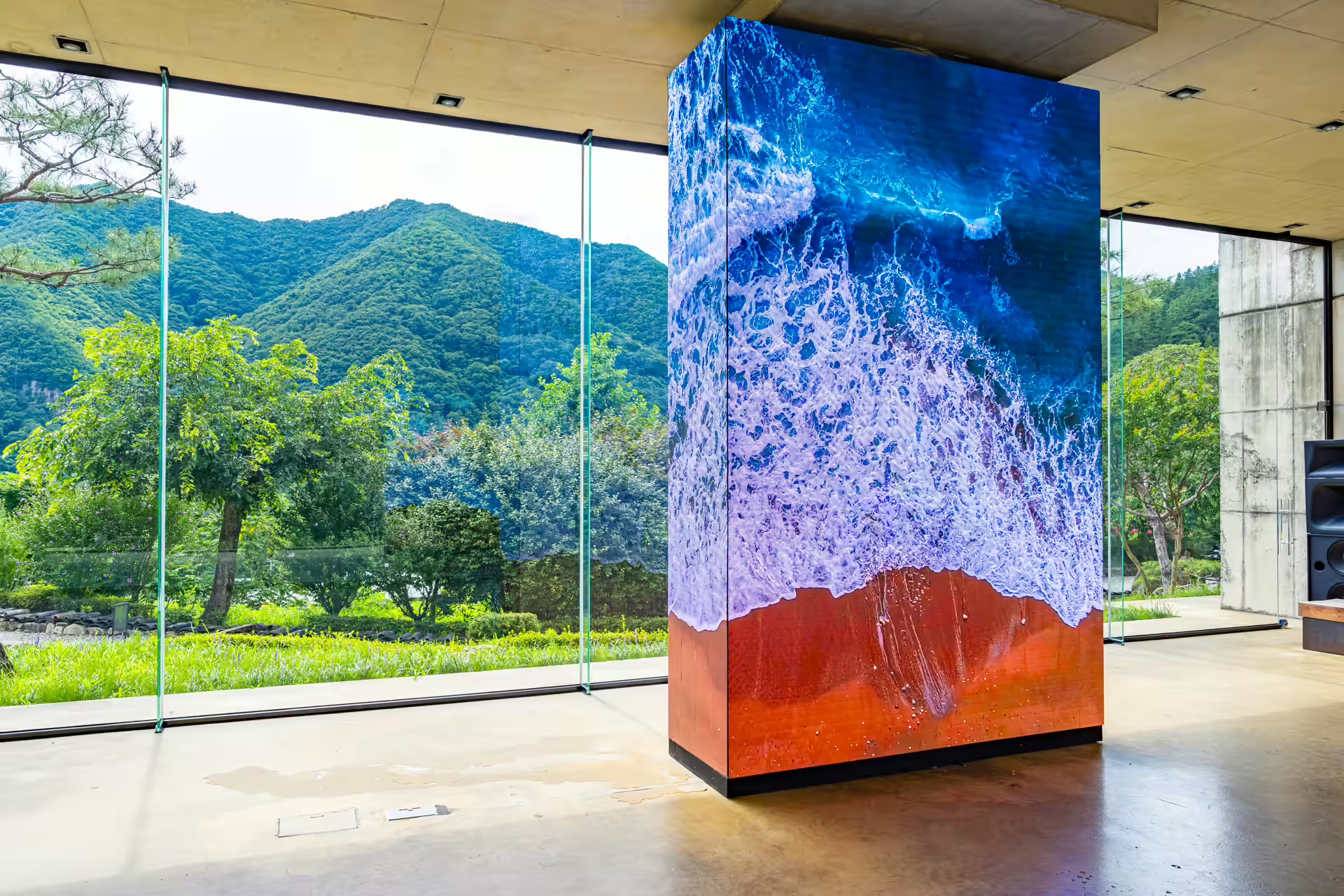
At the top of the village, Awon runs on a split clock — gallery from 11:00, the historic houses from noon to 16:00 — which is why it lands mid-itinerary. Pay the 10,000 won, thread the concrete corridor, and come out among four antique hanok from three hometowns, arranged around reflecting pools that borrow the mountain ridgeline as decor. This is where BTS actually lodged during the shoot, and where a 2026 MBC drama filmed its most-screenshotted scenes. It is also a no-under-8s, no-TV kind of place: art rules, quiet enforced. If the day trip converts you, the houses take overnight guests — at boutique-hotel prices.
4. Wibongsanseong Fortress — The Wall That Guarded a Portrait
Drive ten minutes uphill and you crest the pass through Wibongsanseong — a 17th-century fortress built for the strangest of missions: evacuating a painting. The portrait of the dynasty’s founder hung in Jeonju, and these 8.5 kilometers of ridge wall existed so it would have somewhere to flee, which it did exactly once, during the 1894 peasant revolution. Park at the arched West Gate, walk a half hour of wall, and note the BTS marker — the group shot here too, and the county has signposted the spot. A hamlet still farms inside the fortress ring, and a small nuns’ temple with a Treasure-listed hall sits inside the walls a short drive on.
5. Wibong Falls — Check the Weather, Then Commit
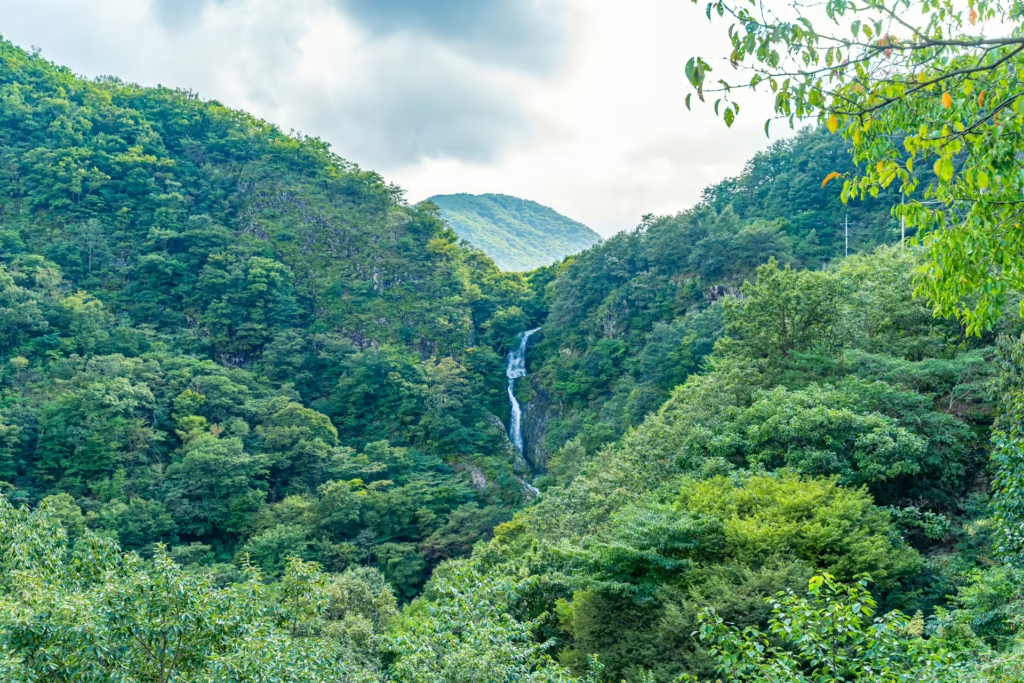
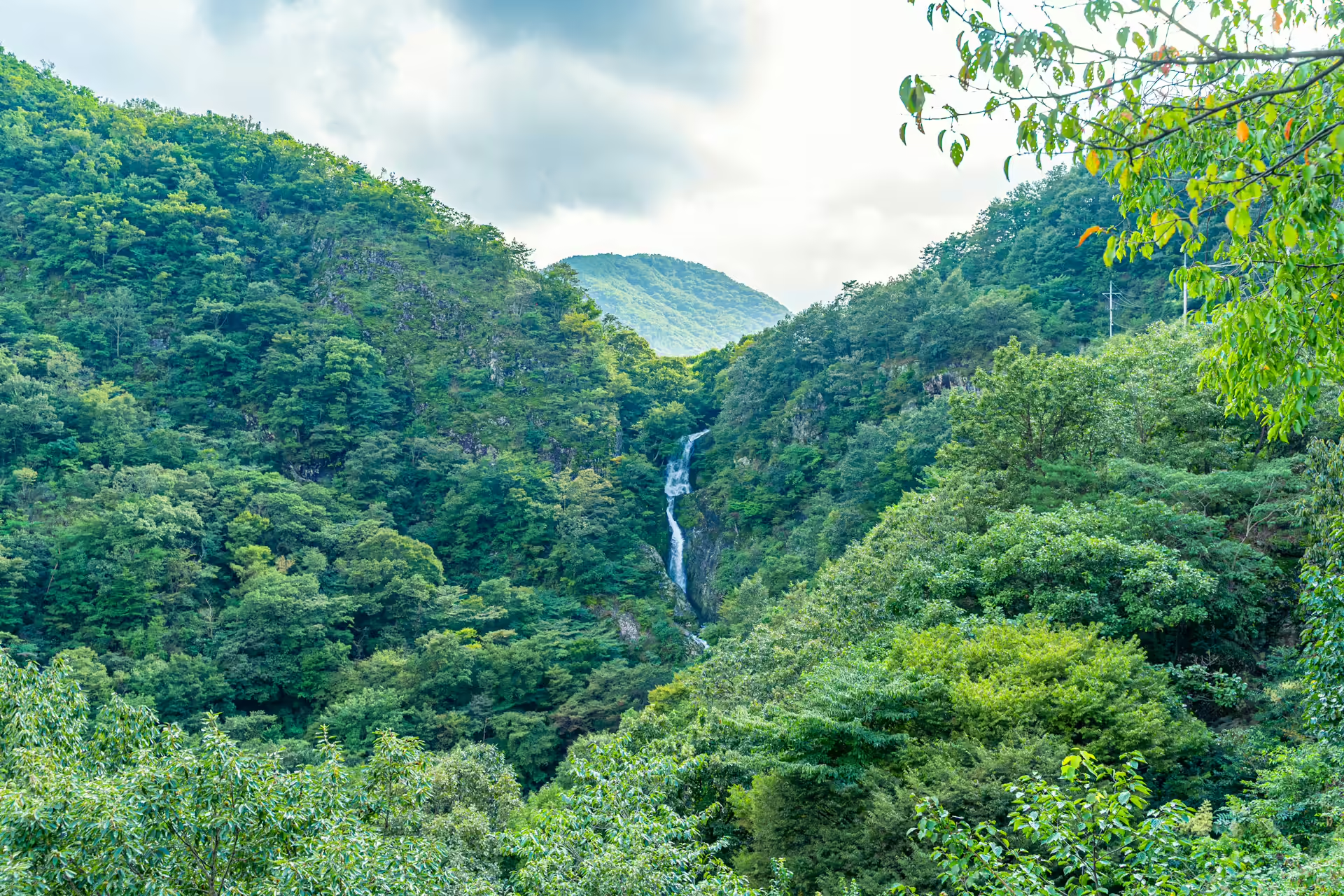
Over the pass, the road bends and drops you at the valley’s grand finale: sixty meters of water in two linked tiers, an official national Scenic Site since 2021, a member of the old Eight Views of the Jeonju region, and a fixture of regional painting long before either designation existed. A roadside pavilion gives the postcard composition; a wooden stair deck descends to a close viewpoint where the spray reaches you and the falls stop being scenery. The catch is hydrological — in a dry week the spectacle thins considerably, so if rain fell in the last day or two, consider running this itinerary backward and coming here first, spray-soaked and smug, while the water is loudest. Legend says a pansori master trained his voice against this noise. On a full-flow day, you will believe it.
6. Dueok Village — End in a Clan Hall, Cross-Legged
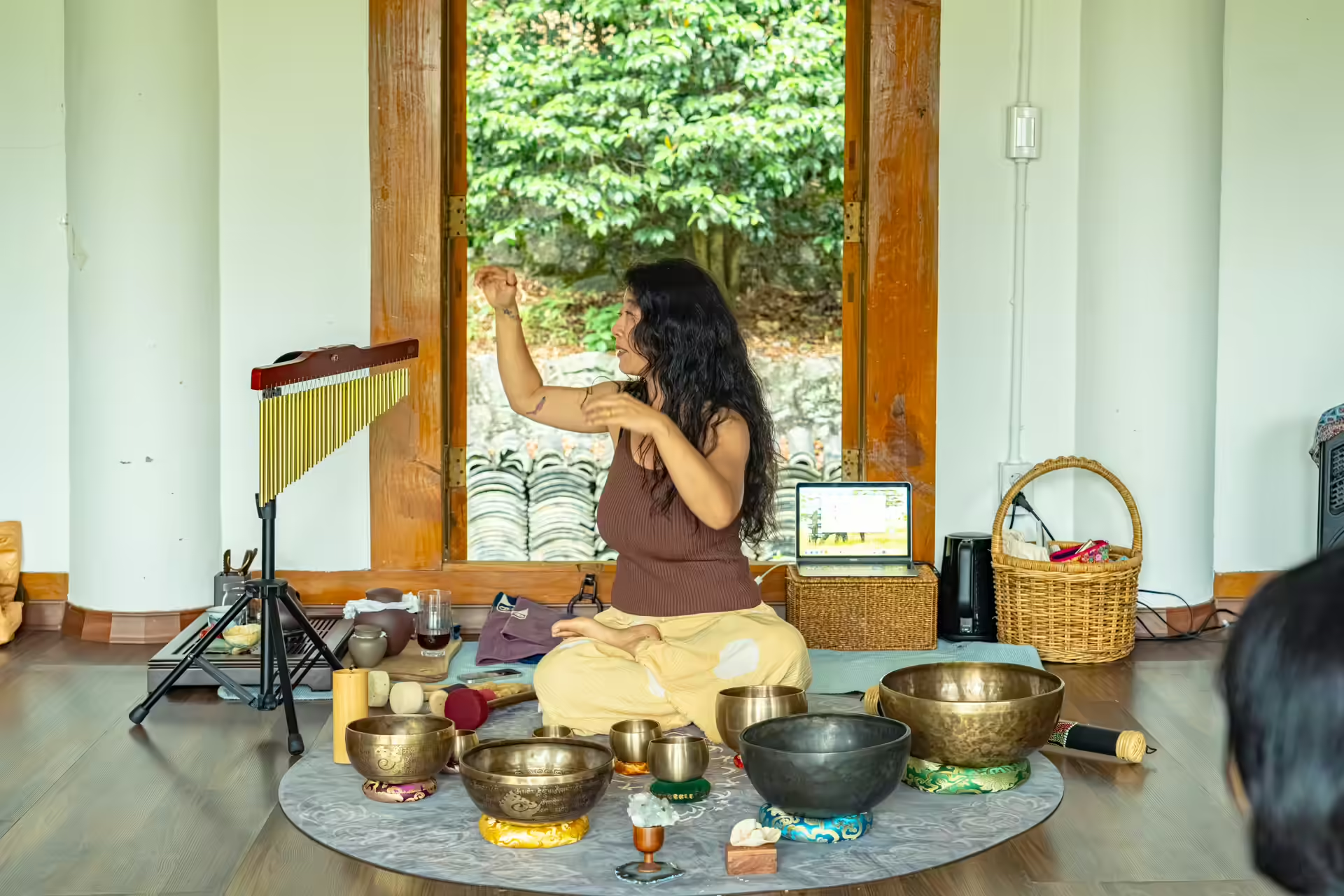
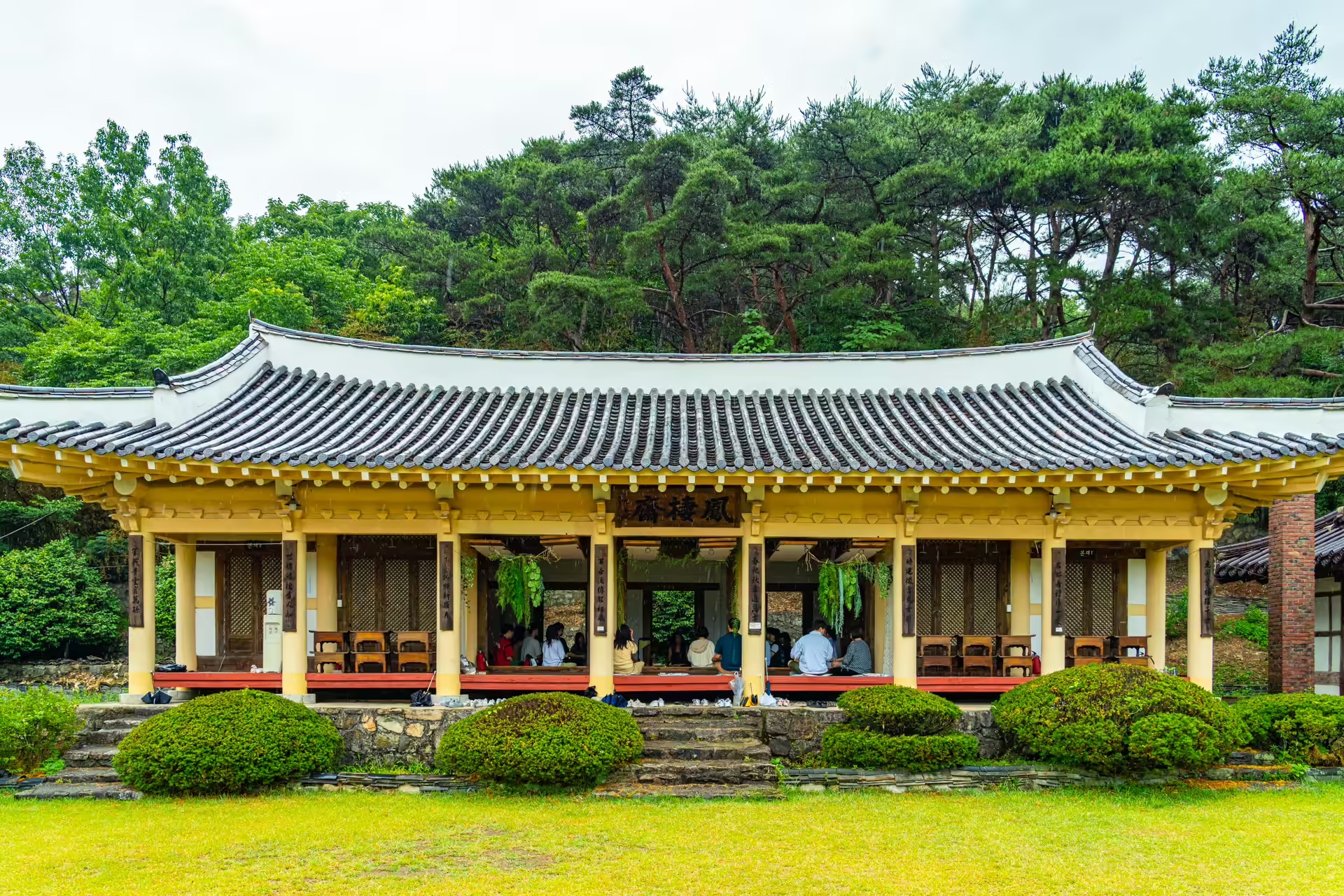
The day’s last stop breaks the valley pattern: Dueok Happy Village sits over the mountains in Yongjin-eup, a 20-odd-minute drive back toward Jeonju, and it trades scenery for stillness. This Miryang Park clan village — its ancestral gravesite is locally billed as one of Korea’s most auspicious spots, a claim best enjoyed rather than audited — opens its clan memorial hanok for meditation sessions. Mine ran two hours: a worry written on paper and dropped in a jar at the gate, guided breathwork on the wooden hall, then a singing-bowl session, ten bronze bowls throwing slow ripples of sound across the floor while evening settled on the courtyard. It ended with tea and a room of strangers talking like neighbors — and, before that, with a meal of Wanju-grown ingredients served on individual soban trays, everyone facing the courtyard like scholars at some very relaxed academy. Sessions are small-group and booking is essential — reserve through the rural-tourism platform Chamcham or by phone, a day or more ahead; programs and prices shift seasonally, so confirm what is running before you build the evening around it. After a day of stone and water, an hour of nothing but sound is exactly the dismount the day needs.
Timing, Money, and the Overnight Upgrade
Season matters less here than weather: the falls want recent rain, the village wants morning fog, and both are most reliably delivered in summer, which is also when Dube’s hydrangeas and the lotus pond at Songgwangsa’s gate are performing. Autumn foliage (late October into November) is the valley’s other peak, and early April adds a cherry tunnel on the temple road. Budget-wise the day is almost embarrassingly cheap — the fortress, falls, and temple cost nothing, and the only fixed tickets are Awon’s 10,000 won and whatever you drink at Dube — so the real spending decision is the overnight upgrade. Sleeping in the village converts this from a good day trip into a great small trip: the crowds evaporate at dusk, and the village’s two-tier lodging market (communal hanok from about 100,000 won, restored gotaek several times that) means the upgrade scales to your wallet. Prefer to keep a city base and day-trip the valley? Search Jeonju hotels on Agoda → — or browse stays within Wanju itself →
Who This Is Actually For
Jeonju visitors with a spare day and access to a car — this valley is the single best answer to “what’s actually near Jeonju?” K-culture travelers can hit three certified BTS sites — the reservoir pine, the art compound BTS rented and lodged in for the shoot, and the fortress gate — without manufacturing a pilgrimage. Temple and history people get Treasures without crowds; couples get Dube’s window seats and, budget permitting, a night in a rescued house. It is a poor fit for the car-less (transit is genuinely thin), for travelers under time pressure who should just enjoy Jeonju proper, and for anyone whose itinerary already leans temple-heavy — in that case swap stops one and four for lunch and a long afternoon at the village. Traveling on to Seoul? My review of the temple-food institution Balwoo Gongyang continues the monastic thread at the other end of the KTX line.
Six stops in, the pattern is hard to unsee. The county wrapped around Korea’s most-visited hanok town holds the quieter, older, and mostly free version of everything the crowds line up for in the middle: real antique houses instead of rebuilt ones, a Treasure-filled temple without a ticket line, and a waterfall no one in the Jeonju queues has heard of. The doughnut, it turns out, is the good part.
Practical Manual
| Stop | Key info |
|---|---|
| Songgwangsa Temple | 송광수만로 255-16 (Songgwangsuman-ro 255-16) · free · flat grounds · from Jeonju 25–30 min |
| Oseong Hanok Village | 오도길 73 (Odo-gil 73) · village office 063-243-1022 · stays from ~100,000 won |
| Awon Museum & Hotel | 송광수만로 516-7 · houses 12:00–16:00, gallery 11:00–17:00 · 10,000 won · no under-8s |
| Wibongsanseong Fortress | 소양면 대흥리 (Daeheung-ri, Soyang-myeon) · free · park at West Gate |
| Wibong Falls | 동상면 수만리 (Suman-ri, Dongsang-myeon) · free · best 1–2 days after rain |
| Dueok Happy Village | 용진읍 두억길 13-12 (Dueok-gil 13-12, Yongjin-eup) · meditation by reservation · 063-247-0050 |
| Logistics | Rental car from Jeonju strongly advised · total loop ~60 km · KTX Yongsan–Jeonju ~1 h 45 min |
Navigation Tip: Load all six Korean names into Naver Map or Kakao Map as favorites before setting out — mountain-road rerouting on the fly is where Google Maps gives up in Korea. Papago handles the temple signboards and cafe menus.