
The Hadong Cable Car and the Coastline Nobody Associates with Hadong
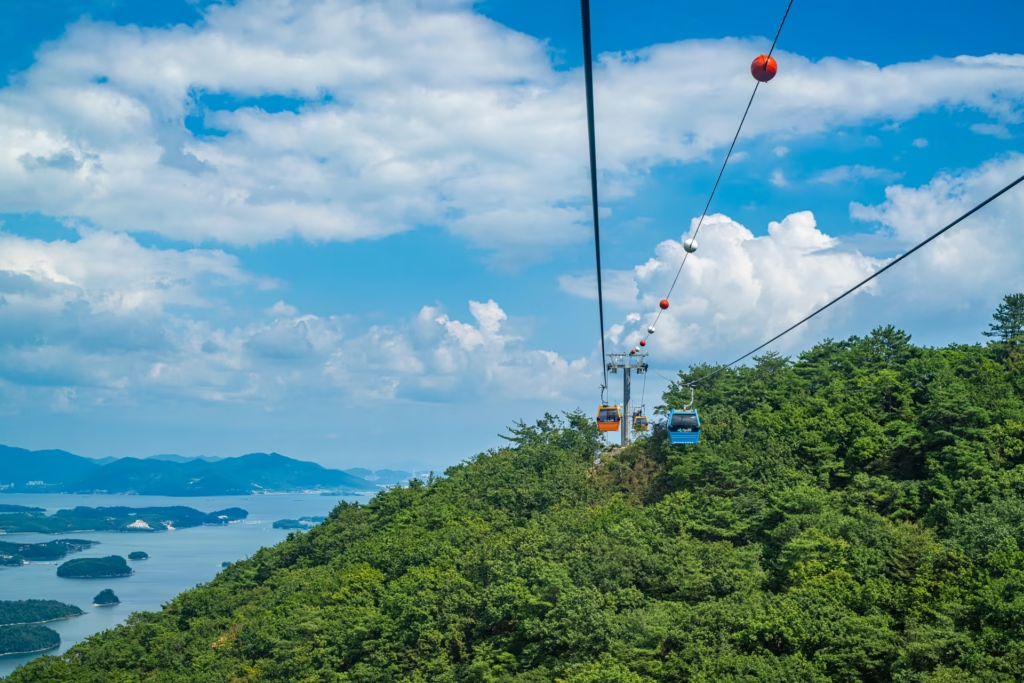
Say “Hadong” to anyone who knows Korea and you will get tea fields, the Seomjin River, and the wide rice plain from the novel Toji. All inland images. What almost nobody mentions is that this county also touches the sea — and not just any stretch of it, but the western end of Hallyeosudo, the island-studded waterway that Koreans consider the most beautiful sailing country in the nation. Geumo Mountain, at 849 meters, is the highest peak on the entire south coast shoreline, and from its summit the islands scatter toward Namhae and Sacheon like spilled change.
For most of history you earned that view with your legs. Since 2022, the Hadong cable car — officially Hadong Flyway — has run 2.5 kilometers from a station near the coast to just below the summit, and the climb takes about 15 minutes. I rode it on a clear summer day, and I want to make the case that this, not the tea valley, is where a first-time Hadong itinerary should start.
Getting There from Seoul
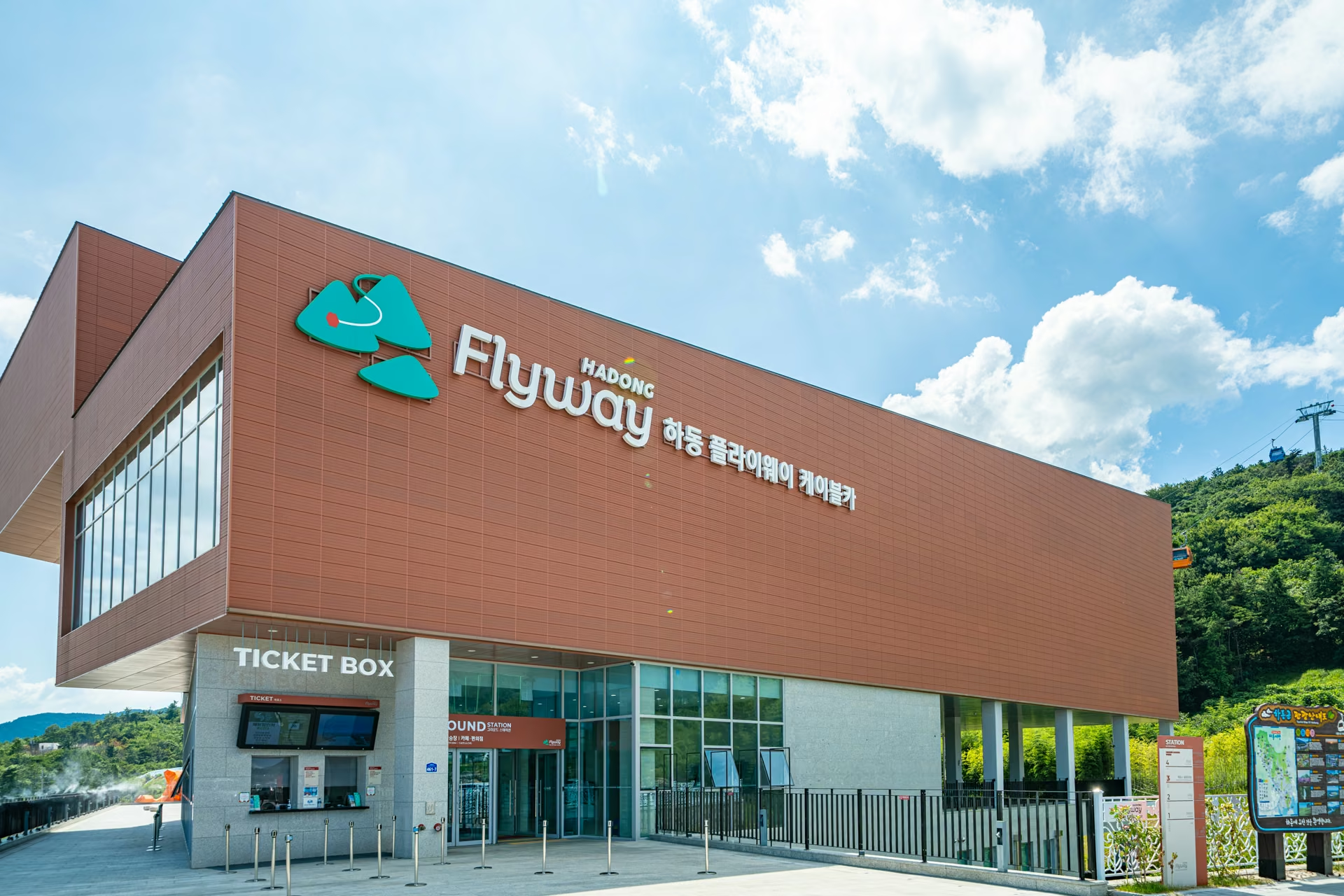
The station sits in Geumnam-myeon, on Hadong’s short coastal edge. By car from Seoul it is roughly four hours down the Tongyeong–Daejeon Expressway; from Busan, about two. Parking at the main station is free and plentiful.
Transit is workable, which is not something I can say for every rural cable car in Korea. Intercity buses run from Seoul Nambu Terminal to Jingyo Terminal — around seven departures a day, four and a half hours or so — and from Jingyo a taxi covers the last stretch to the station in about ten minutes. Buses to Hadong Terminal in the county seat are slightly more frequent, but Hadong-eup is a 30-minute drive from the station, so Jingyo is the smarter drop-off. Either way, save the return timetable to your phone before you leave the terminal; these are country routes, and the last Seoul-bound bus leaves earlier than you would like.
The Ride: 15 Minutes, One Direction of Looking
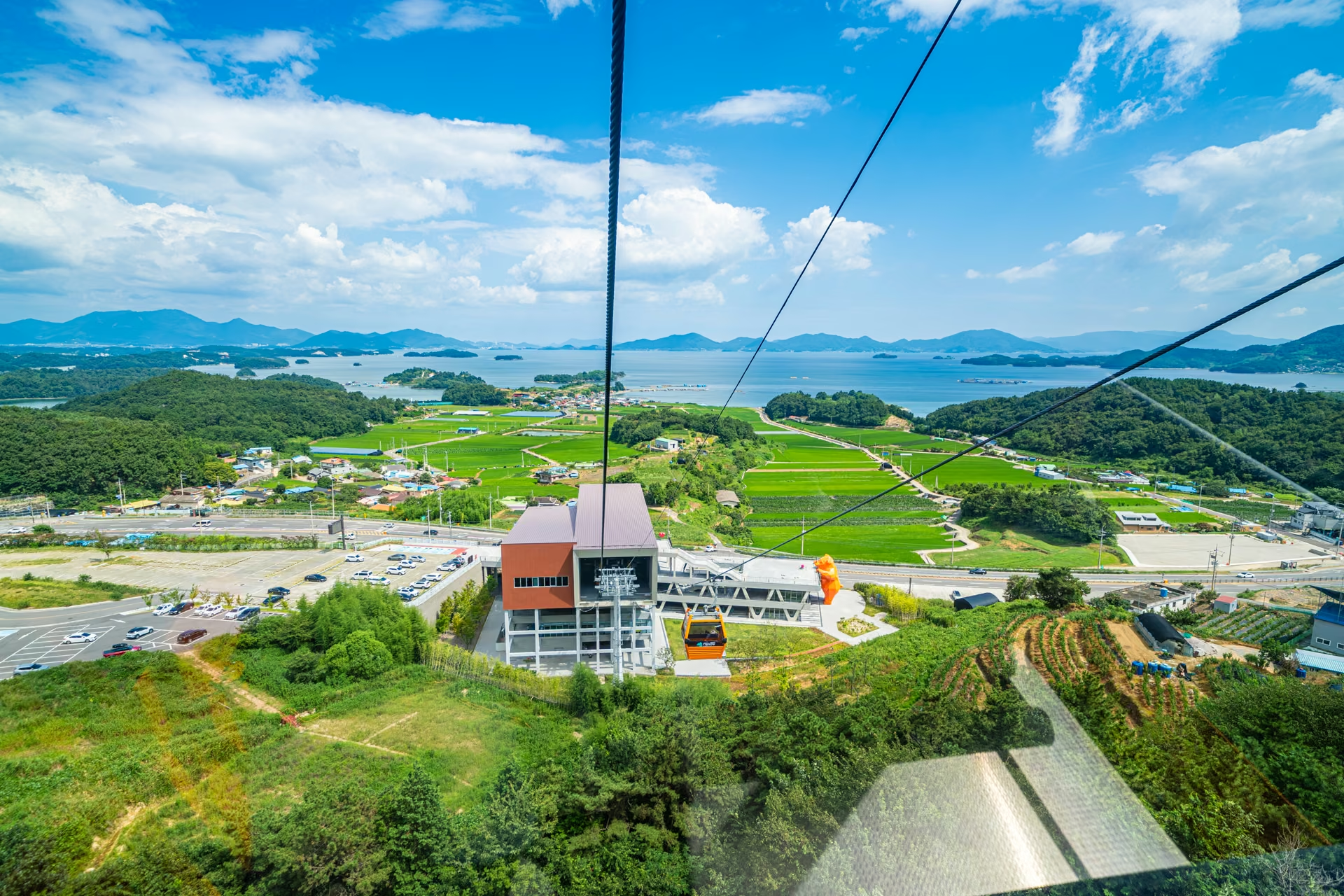
The cabins hold ten people. If your group is small on a busy day you may share; if you visit on a weekday morning, as I did, you will likely have one to yourselves. Each cabin has bench seating along both sides and glass all around, and the correct move is to sit facing backward, downhill — because the entire show is behind you.
The line climbs steeply over forest for the first stretch, and then the South Sea opens up. First the near coast: Sulsang Port and its breakwater directly below, a fishing village I will write about separately. Then the middle distance: the bridges and inlets toward Namhae. Then, by the top third of the ride, the full spread of Hallyeosudo — dozens of islands, some inhabited, most not, arranged with no apparent logic across a sheet of blue. On the day I rode, cumulus clouds were stacked over the islands and their shadows drifted across the water like a second archipelago.
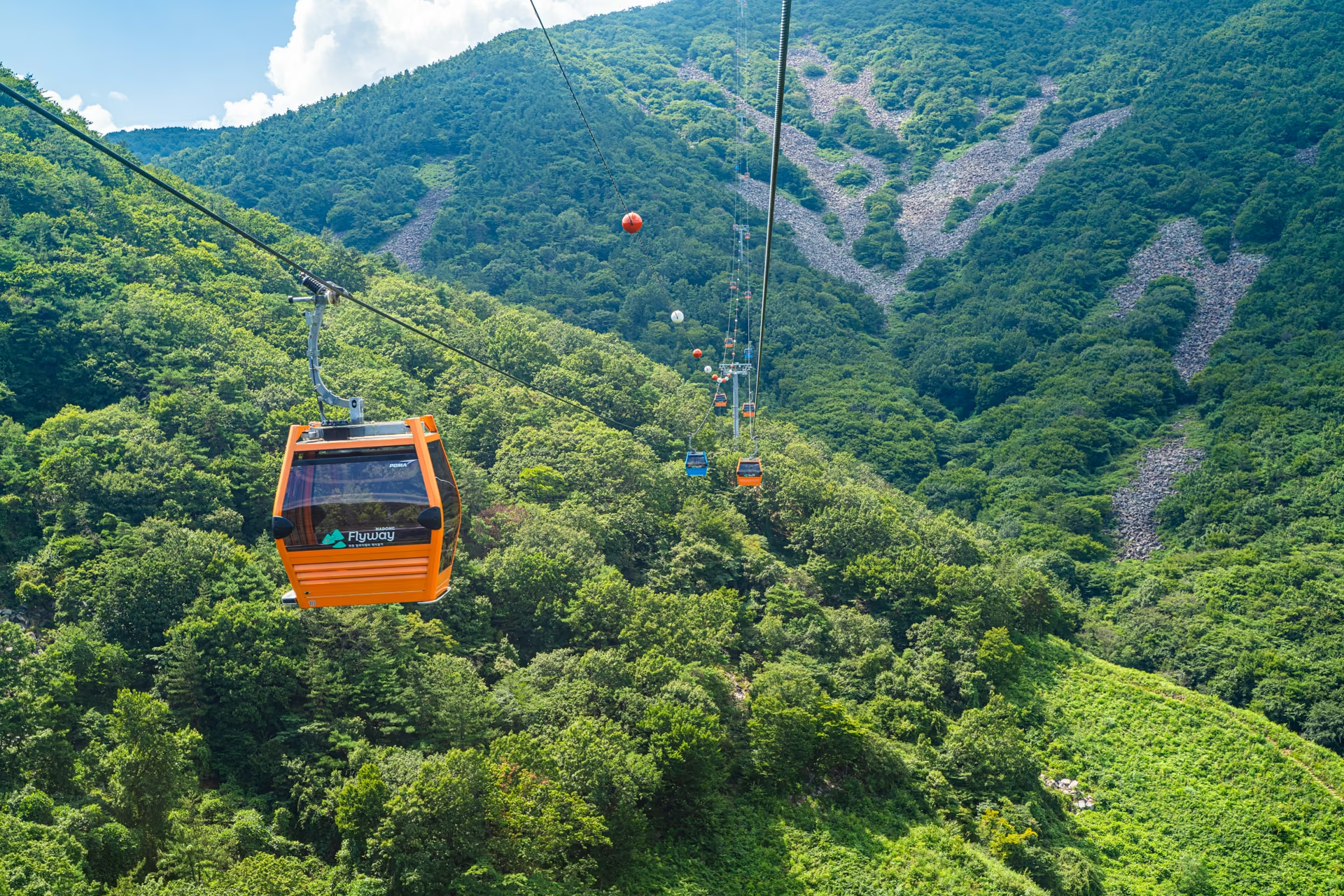
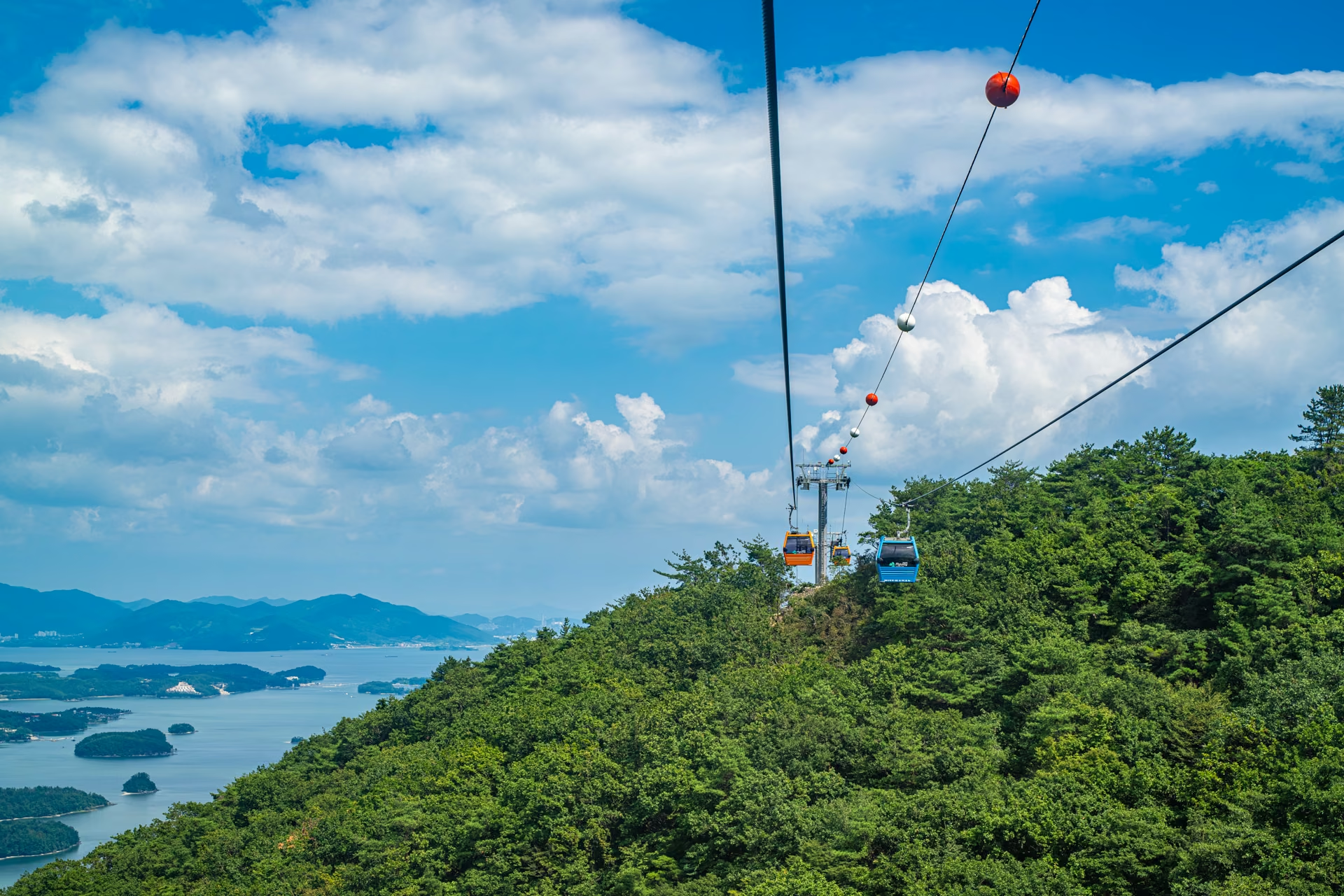
Standard cabins have a solid floor. Crystal cabins have a glass panel underfoot, cost ₩7,000 more per adult, and are worth it on this line specifically, because the terrain drops away fast and the forest canopy scrolling under your feet is half the fun. Queues for crystal cabins run shorter, too — most families default to standard.
For context, the south coast now has three cable cars competing for the same wallet. Tongyeong’s, running up Mireuksan since 2008, invented the genre and owns the eastern panorama of Hallyeosudo; Sacheon’s 2018 line does the party trick of crossing open water on its way up Gaksan. Hadong’s is the youngest of the three and climbs to much the highest summit — and because Geumo Mountain stands alone on the shoreline rather than shoulder to shoulder with rivals, the spread from the top is the least obstructed. If you are only riding one, ride this one. If you are riding all three, you have my respect and about four hours of coastal driving ahead of you.
One planning note that outranks every tip in this article: everything here is hostage to weather. Sea fog can sit on this coast through a summer morning and burn off by eleven; wind pauses the line now and then; a hazy afternoon flattens the islands into gray cutouts. If you are driving far specifically for the ride, call ahead or check the operator’s social feeds that morning, and within a multi-day trip, hold the ticket for the clearest half day you get. The mountain is patient.
What Is Actually at the Top
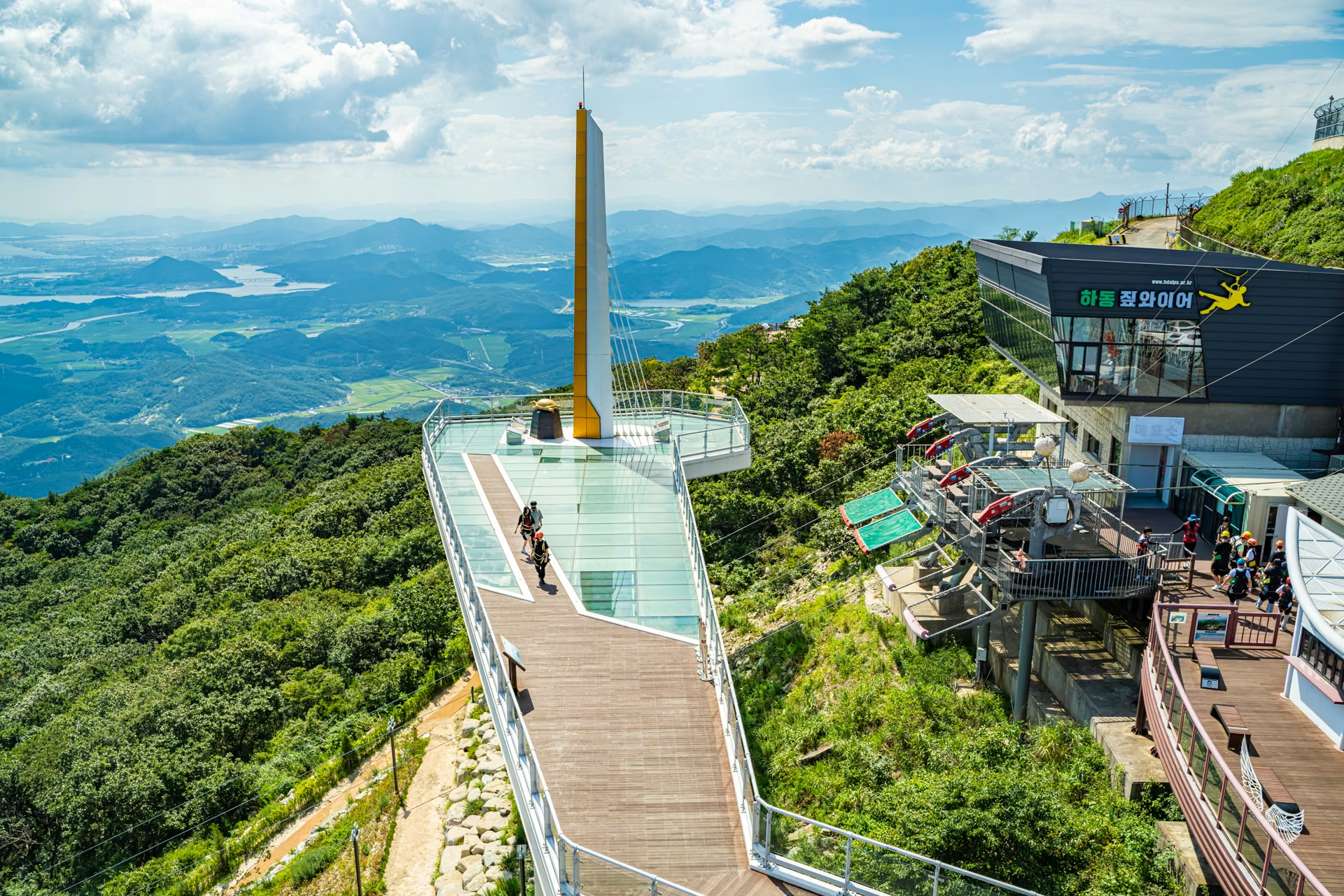
The upper station is a proper building, not a shed — a rust-red block cantilevered over the slope with a rooftop observation deck, a bakery cafe, a convenience store, and a restaurant. From the roof deck the view resolves into four distinct directions, and the summit signage encourages you to work through them like courses: east across the cable car line toward Sacheon’s islands, south to Namhae, west to the cranes and stacks of Gwangyang’s steelworks — industry as scenery, and oddly compelling — and north, on a clear day, to the ridgeline of Jirisan itself, with Cheonwangbong visible above the haze.
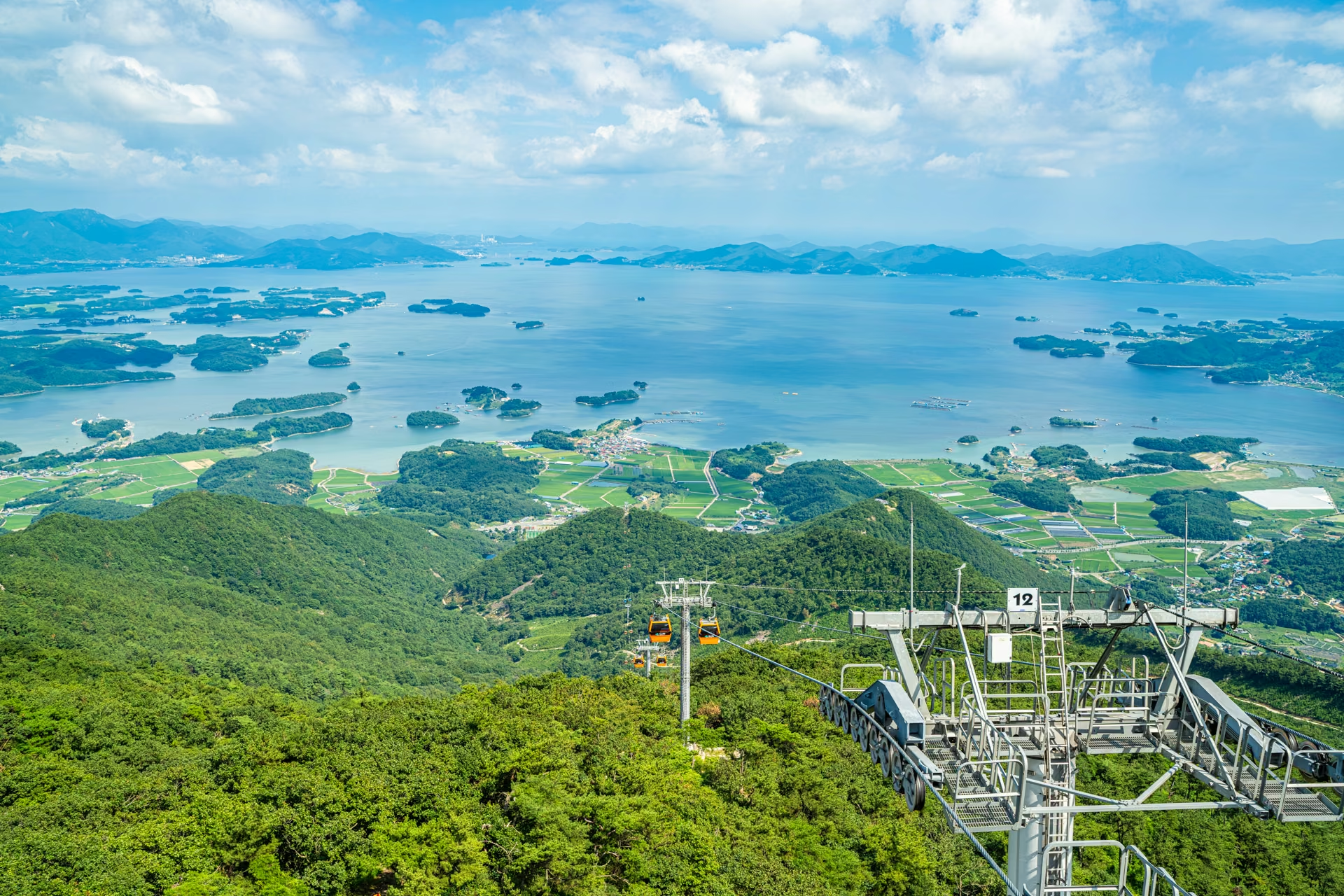
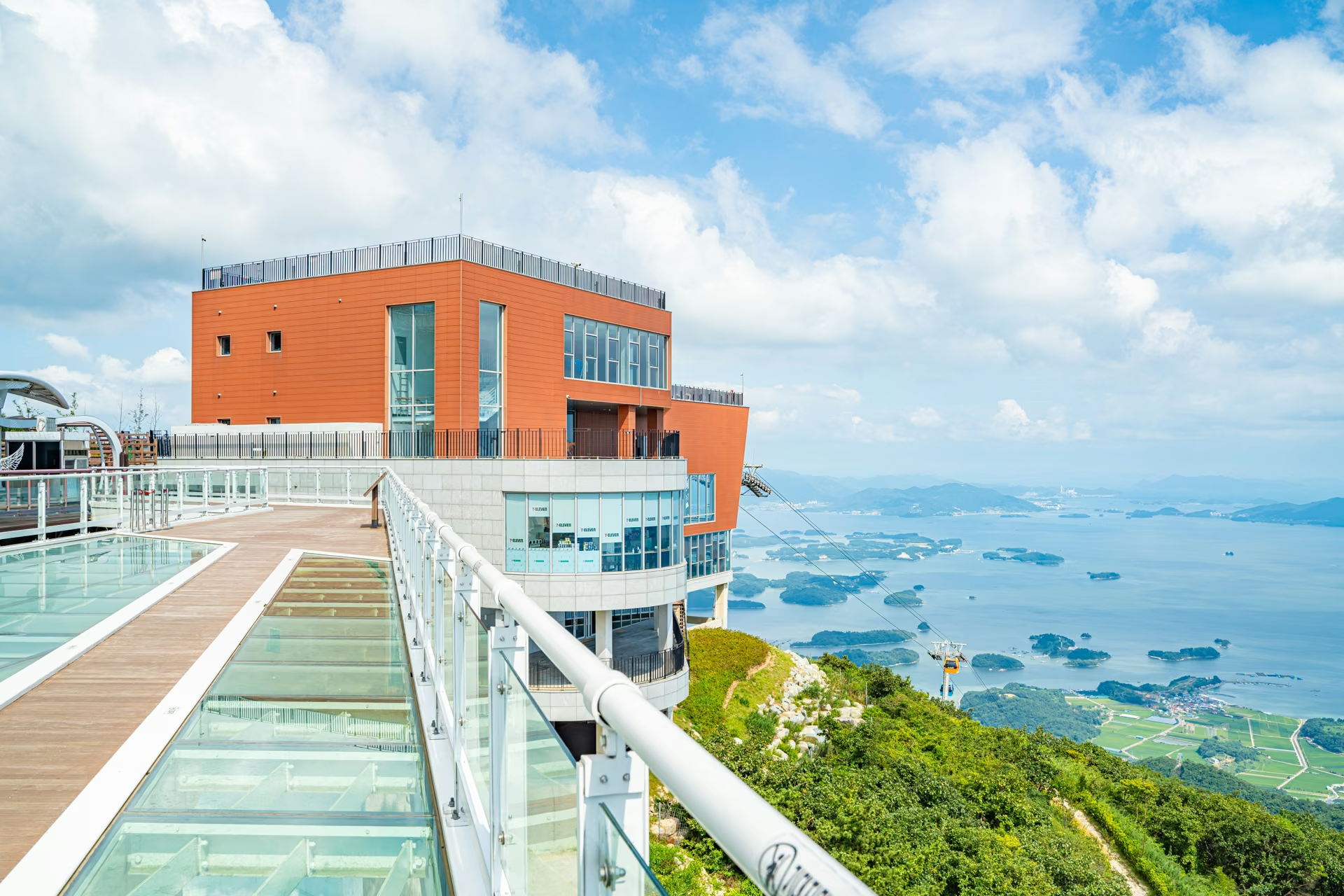
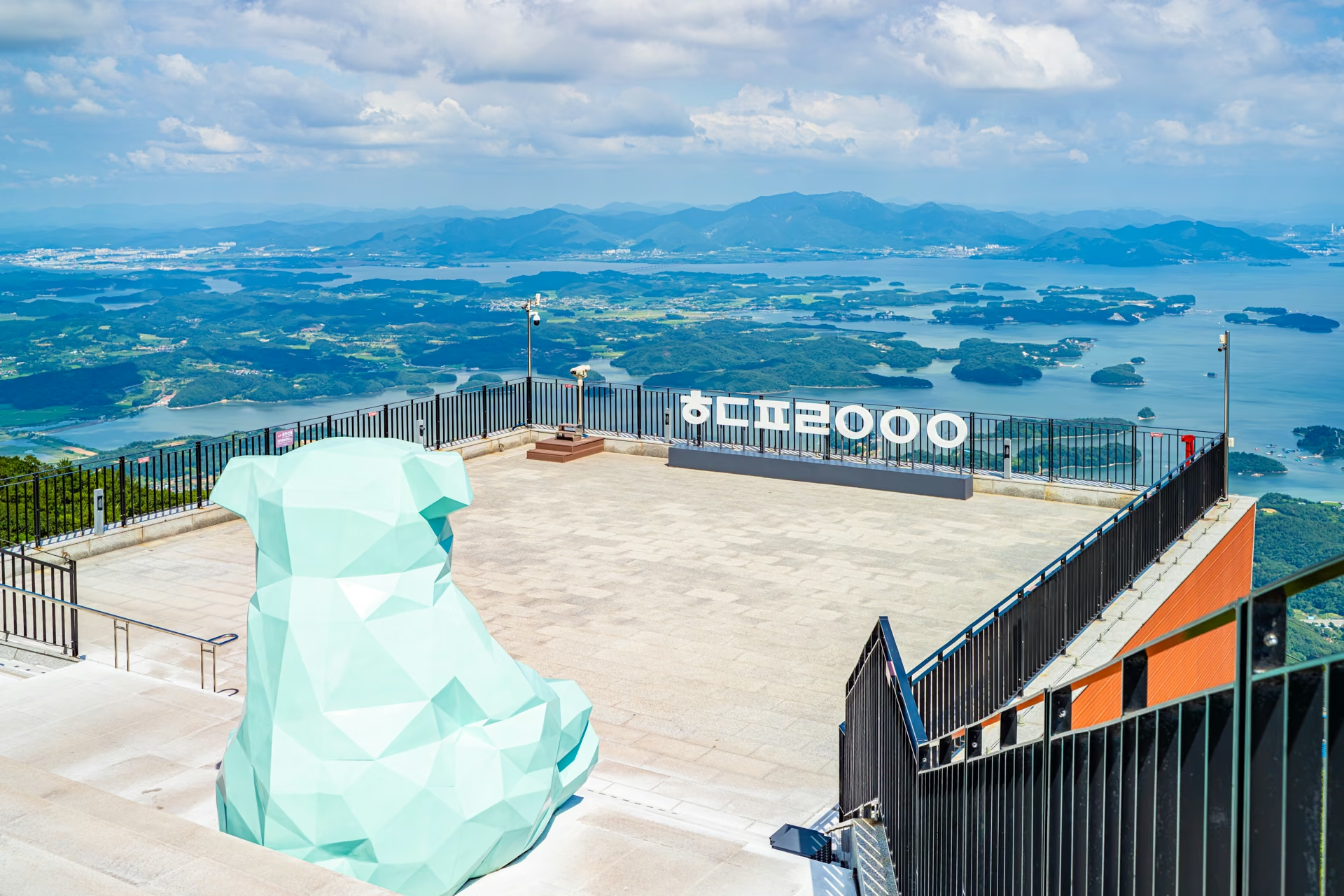
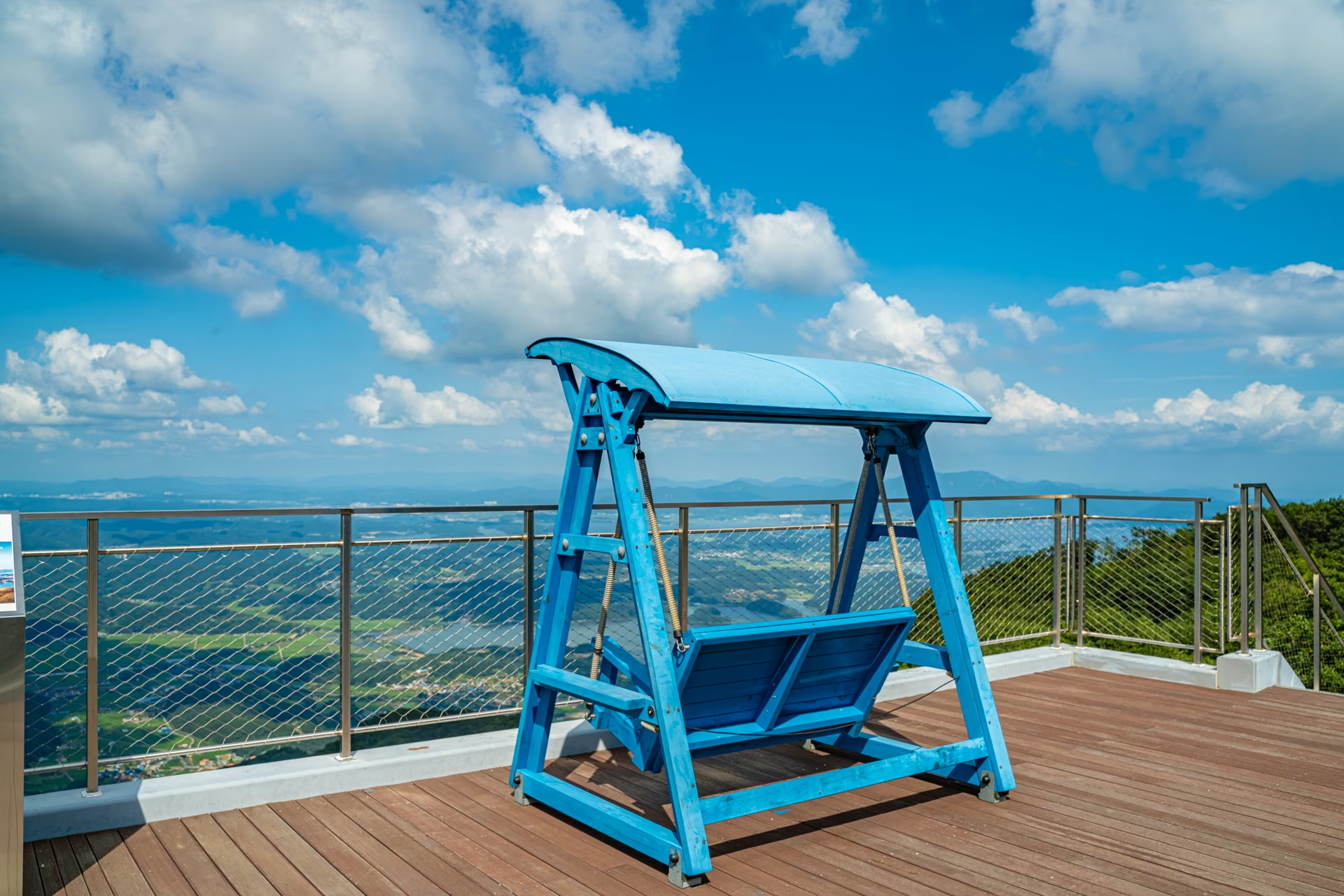
Photo infrastructure is abundant in the way of all Korean mountain-top attractions: a mint-colored bear mascot, an empty picture frame positioned over the islands, a blue swing bench facing the water. I am past the age of queuing for a swing bench photo, but I watched three separate couples do it and every one of them walked away checking their phones and smiling, so the system works.
Logistics at the top are better than they need to be. The bakery cafe holds the prime window seats and sells the coffee you will want after the wind on the deck; the restaurant handles proper meals; the convenience store covers everyone who promised themselves they would not buy overpriced summit snacks and then got hungry anyway. There is no rule that says you must hurry down — cabins run continuously, your ticket is a round trip without a time slot, and the difference between a rushed hour and a slow two is the difference between a viewing and a visit.
The Summit Loop: The Part Most Visitors Skip
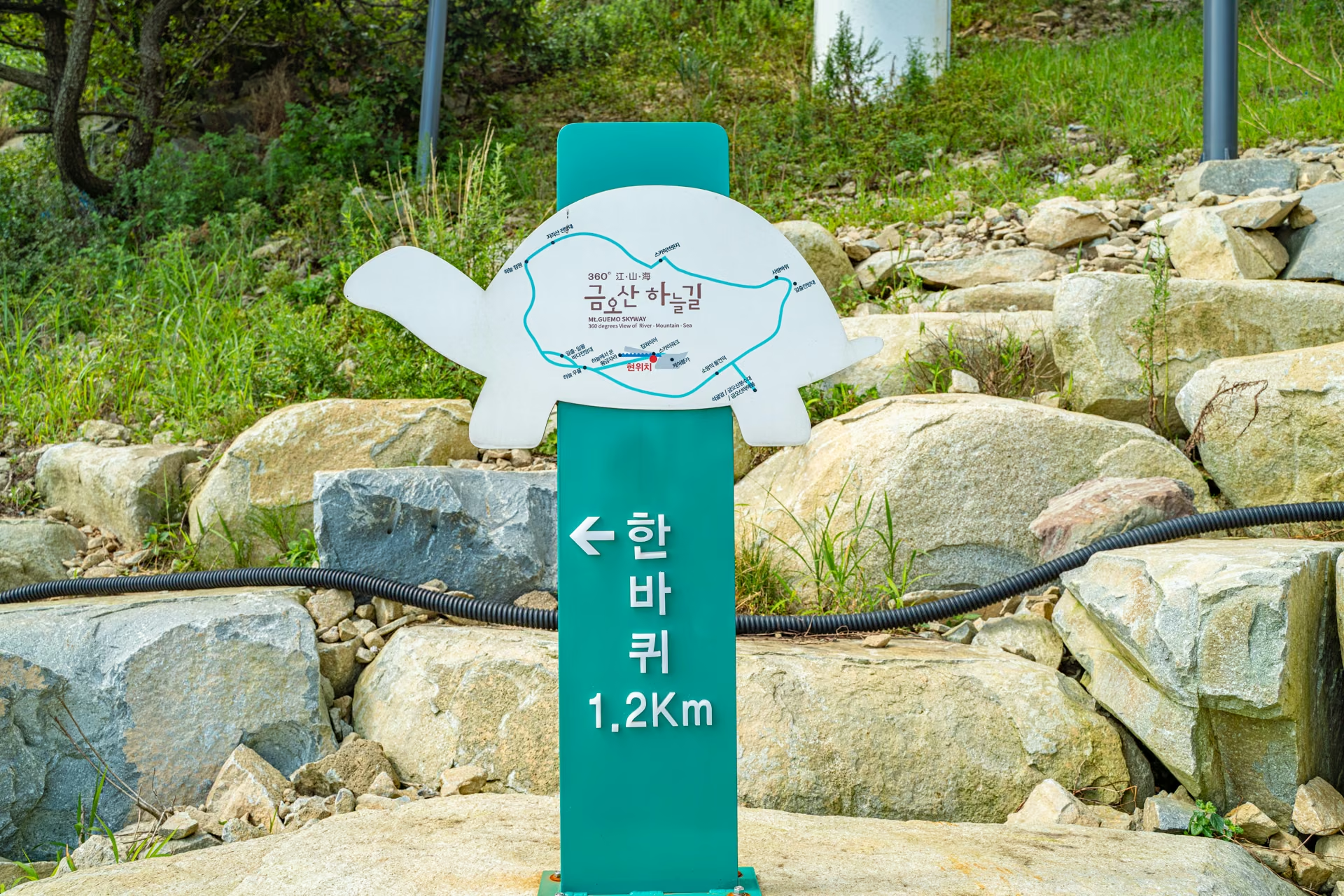
Here is the tip that separates a 90-minute visit from a half-day one. The summit area is Hadong Haemaji Park, and a 1.2-kilometer loop trail circles the peak — mostly flat, mostly shaded, with lookout decks at the compass points. A turtle-shaped sign near the upper station marks the start. Most cable car passengers ride up, photograph the main deck, eat a pastry and ride down; the loop was close to empty when I walked it, and it is where the mountain actually becomes a mountain — pine shade, birdsong, and a new arrangement of islands every hundred meters.
For the record, you can also reach Haemaji Park by car up a forest road — steep, winding, and not something I would recommend in a rental you have promised to return unscratched.
The Zipline, for Those Who Cannot Sit Still
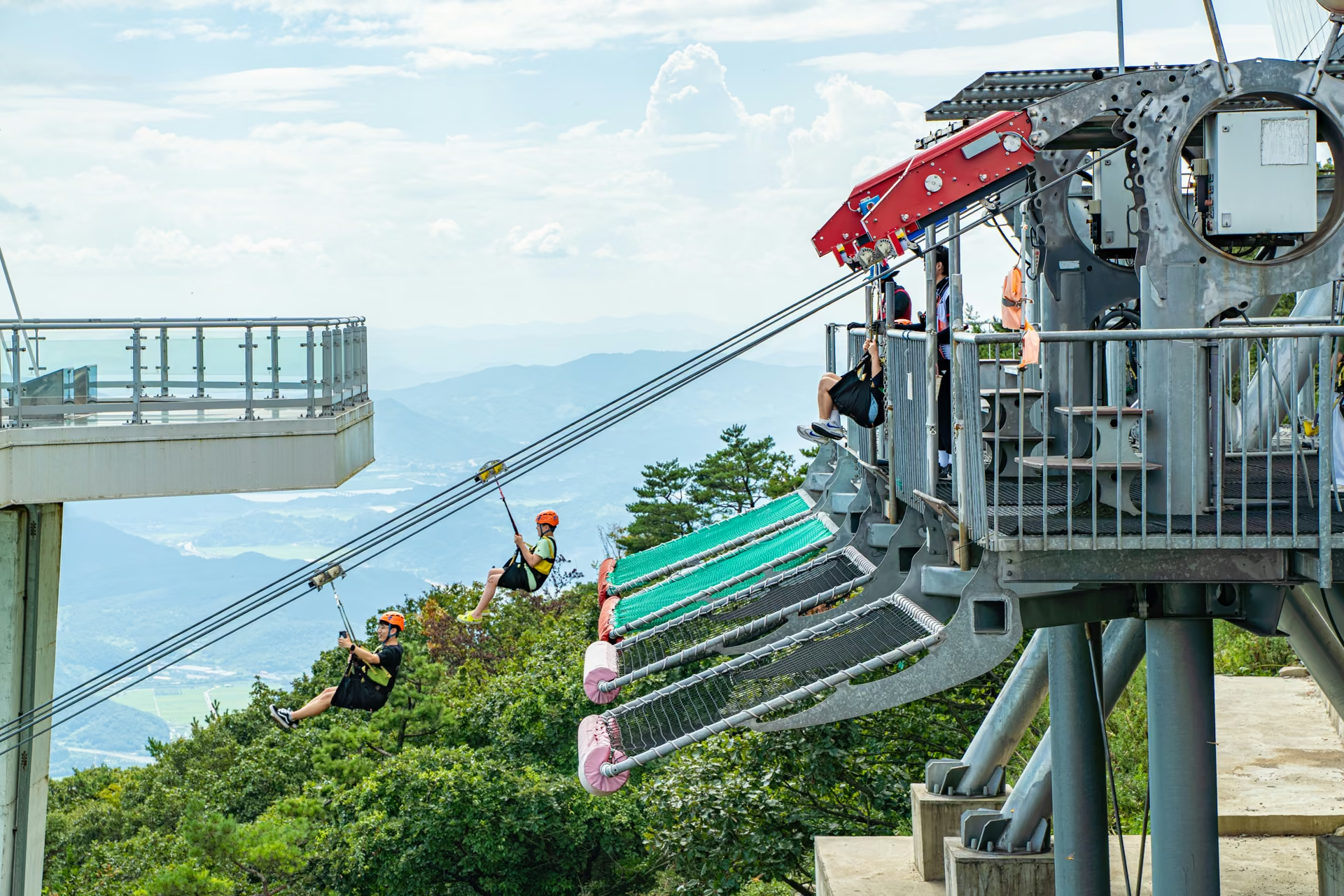
Sharing the summit is Korea Zipwire, a separate operation with a launch platform beside the upper station: 3.42 kilometers of cable in three stages, with speeds billed as reaching 120km/h. I stayed on my feet and watched riders drop off the platform and shrink to dots against the islands, which was entertainment enough. Pricing at the time of reporting ran around ₩40,000–45,000 depending on the day, weather permitting — wind shuts it down readily, so treat it as a bonus rather than a plan.
Fares and Hours
At the time of reporting, a standard round trip runs ₩20,000 for adults and ₩15,000 for children, with crystal-floor cabins at ₩27,000 and ₩20,000. A “nonstop” ticket — priority boarding, no queue — costs ₩40,000, and chartering an entire cabin runs ₩300,000 for up to eight people, which only makes sense for a proposal or a phobia. Discounts apply for seniors, veterans and visitors with disabilities (ID required), and for Hadong residents. Operating hours at the time of reporting: 09:30 to 17:30 on weekdays with ticketing closing at 17:00, and 09:00 starts on weekends and holidays with last tickets between 17:00 and 17:30 depending on the day. The schedule shifts seasonally, so check the official site before making the drive.
Who This Is Actually For
This is for travelers who want the payoff of a serious Korean mountain without the four-hour climb — the demographic for which cable cars were invented, and there is no shame in it. It is for anyone doing the southern coast between Yeosu and Tongyeong who wants the single best elevated view of Hallyeosudo’s western half. It pairs naturally with the tea-country side of Hadong — ride in the morning, then drive 40 minutes north into the Seomjin valley where the Simni road runs and the tea fields climb the hills. And in high summer it slots neatly into a South Gyeongsang loop alongside the lotus ponds of Haman, an hour east.
It is a poor fit if you demand solitude at major viewpoints on weekends — this is a popular regional attraction and behaves like one — or if fog is sitting on the coast, because the entire product is the view. On a socked-in day, spend your ₩20,000 on tea and wait for tomorrow.
Before riding down I put a coin in one of the deck binoculars and swept it slowly across the water, counting islands until the timer cut me off. I got to nineteen. The horizon had more waiting.
Practical Manual: Hadong Cable Car
| Address (EN) | 461-7 Gyeongchung-ro, Geumnam-myeon, Hadong-gun, Gyeongsangnam-do |
| Address (KR) | 경남 하동군 금남면 경충로 461-7 |
| Phone | 055-883-2000 |
| Hours | Weekdays 09:30–17:30 (ticketing to 17:00); weekends/holidays from 09:00, last tickets 17:00–17:30 (seasonal — check the official site) |
| Fares | Round trip ₩20,000 adult / ₩15,000 child · Crystal cabin ₩27,000 / ₩20,000 (at time of reporting) |
| Ride | 2.5km, about 15 minutes each way; 10-person cabins |
| At the summit | Haemaji Park 1.2km loop trail, rooftop deck, bakery cafe, restaurant, Korea Zipwire (separate fee) |
| From Seoul | ~4 hrs by car; or intercity bus Seoul Nambu → Jingyo (~4.5 hrs), then 10-min taxi |
| Official site | hadongcablecar.com (Korean) |
| Navigation Tip | Google Maps does not give driving directions in Korea. Use Naver Map and search 하동케이블카. For signs and menus, Papago translates Korean better than Google Translate. |
Fares and hours reflect the time of reporting and change seasonally. Confirm on the official site before traveling.