
Goha Burger and the Question of What a Burger Is Doing Here
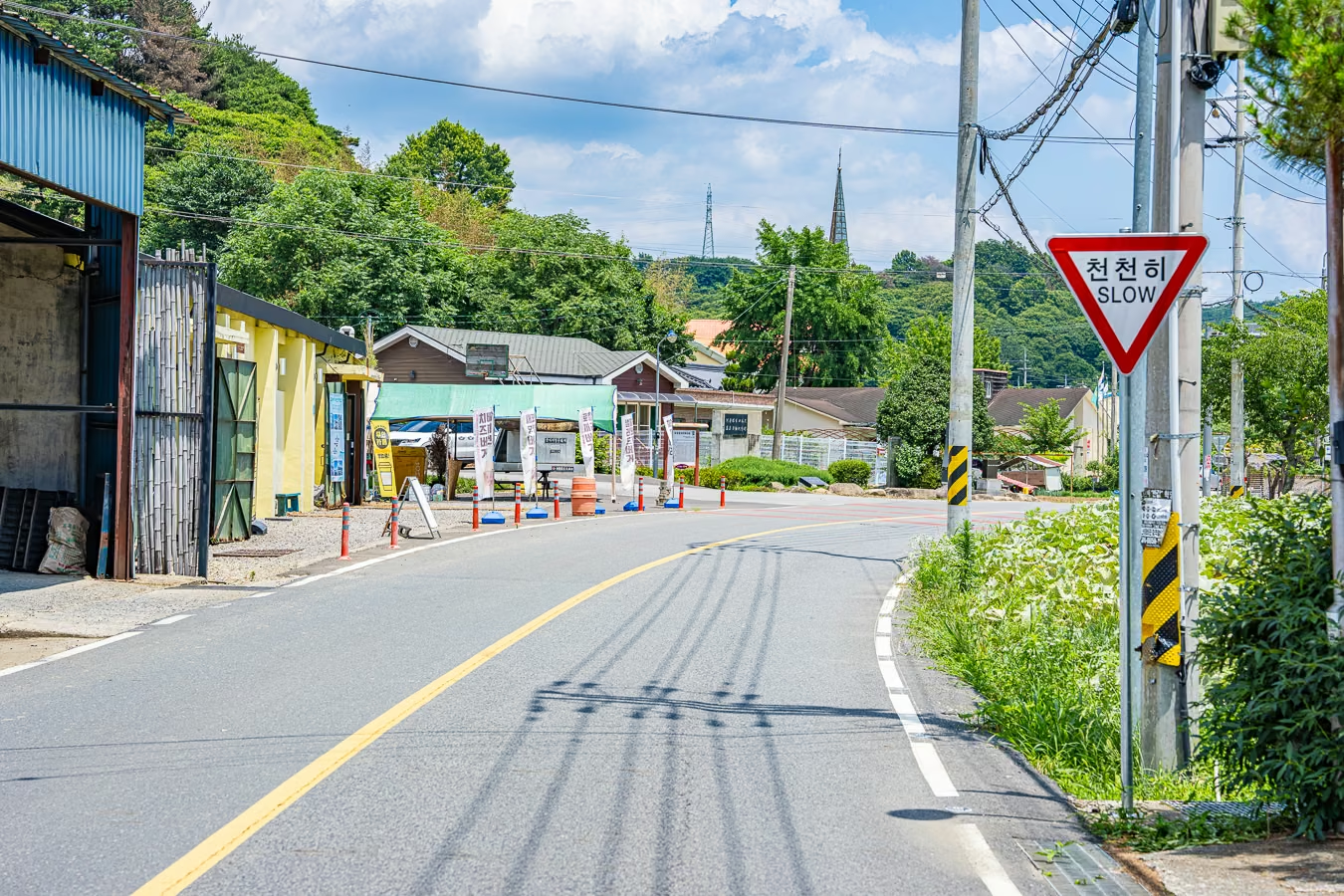
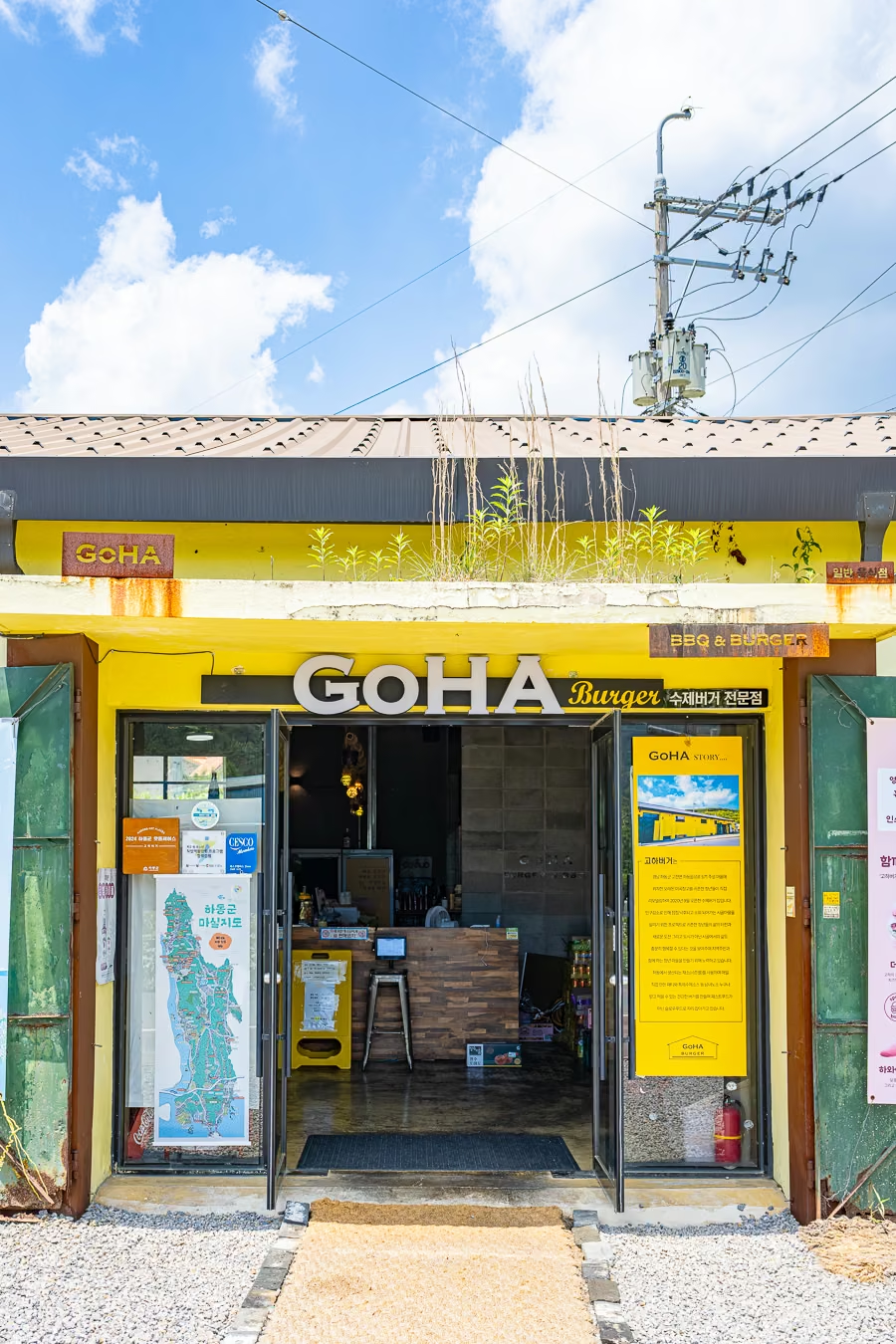
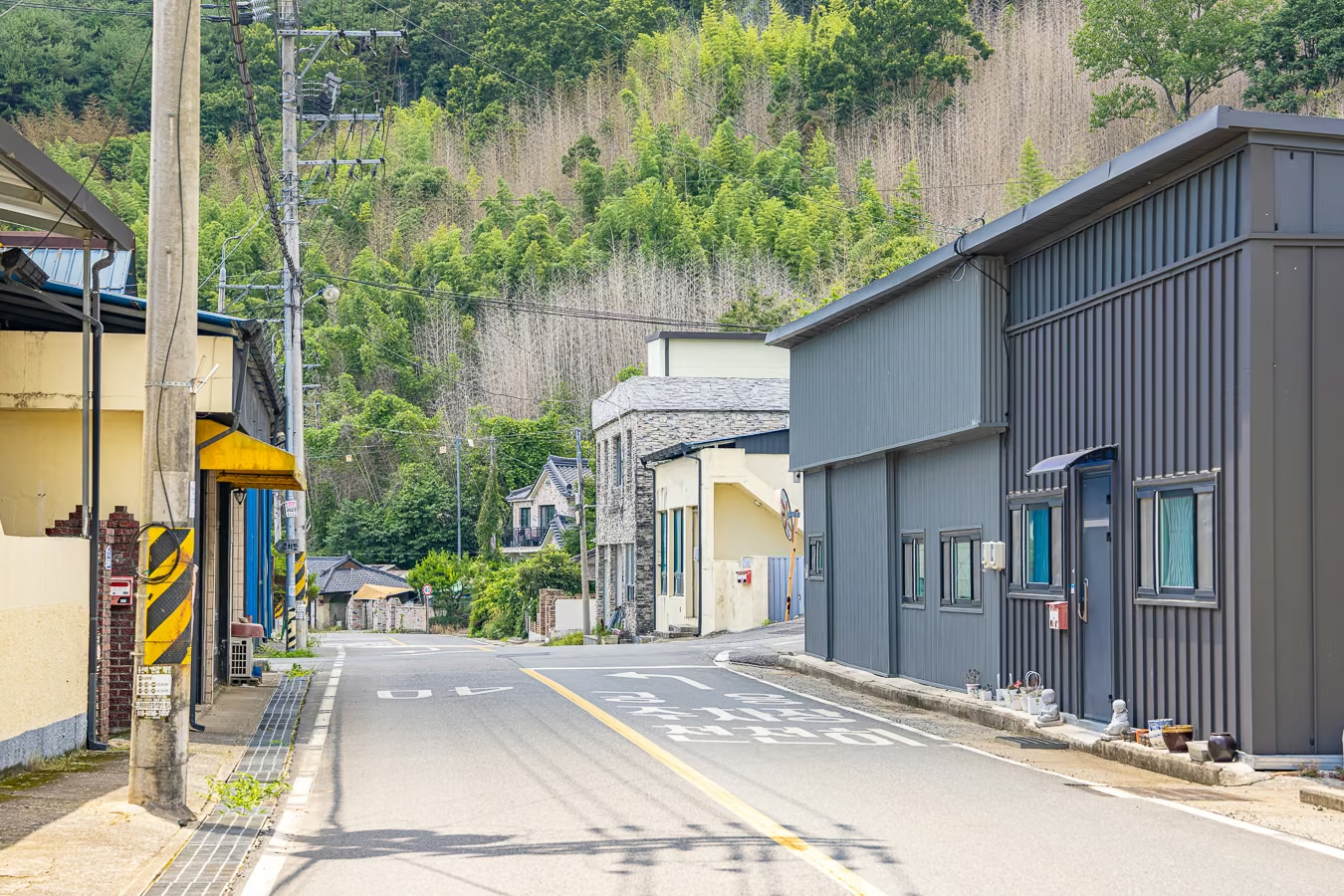
Goha-ri is not on the way to anywhere. It is a farming village in Gojeon-myeon, inland Hadong, at the foot of the hill that carries the county’s old fortress — a place of rice paddies, corrugated warehouses and roads that a bus visits out of politeness. Which is what makes the bright yellow storefront such an ambush. GOHA, say the block letters on what is unmistakably an old grain warehouse, and inside, under the original timber trusses, someone is hand-forming a beef patty for a queue that has driven in from three counties.
This is Goha Burger, and its backstory earns the detour as much as the food. In 2020, seven young people from cities across Korea — Busan, Seoul, elsewhere — moved to this village together, betting that a shrinking rural town could support new work if somebody built it. They renovated the disused rice warehouse themselves and opened a burger house and cafe, alongside a homestay in the village. The name is a pun their marketing deserves credit for: Goha is the village, and “go-hari” reads in Korean like a resolution — we shall go. They went.
Getting There
Goha Burger sits on Hadongeupseong-ro, the road climbing toward the fortress, about ten minutes by car from Jingyo and comfortably inside a southern Hadong day that includes the cable car up Geumo Mountain and the fishing village of Sulsang Port, each roughly fifteen to twenty minutes away. From Seoul, the practical route is the intercity bus to Jingyo Terminal and a taxi; from Busan, around two hours by car.
The Room
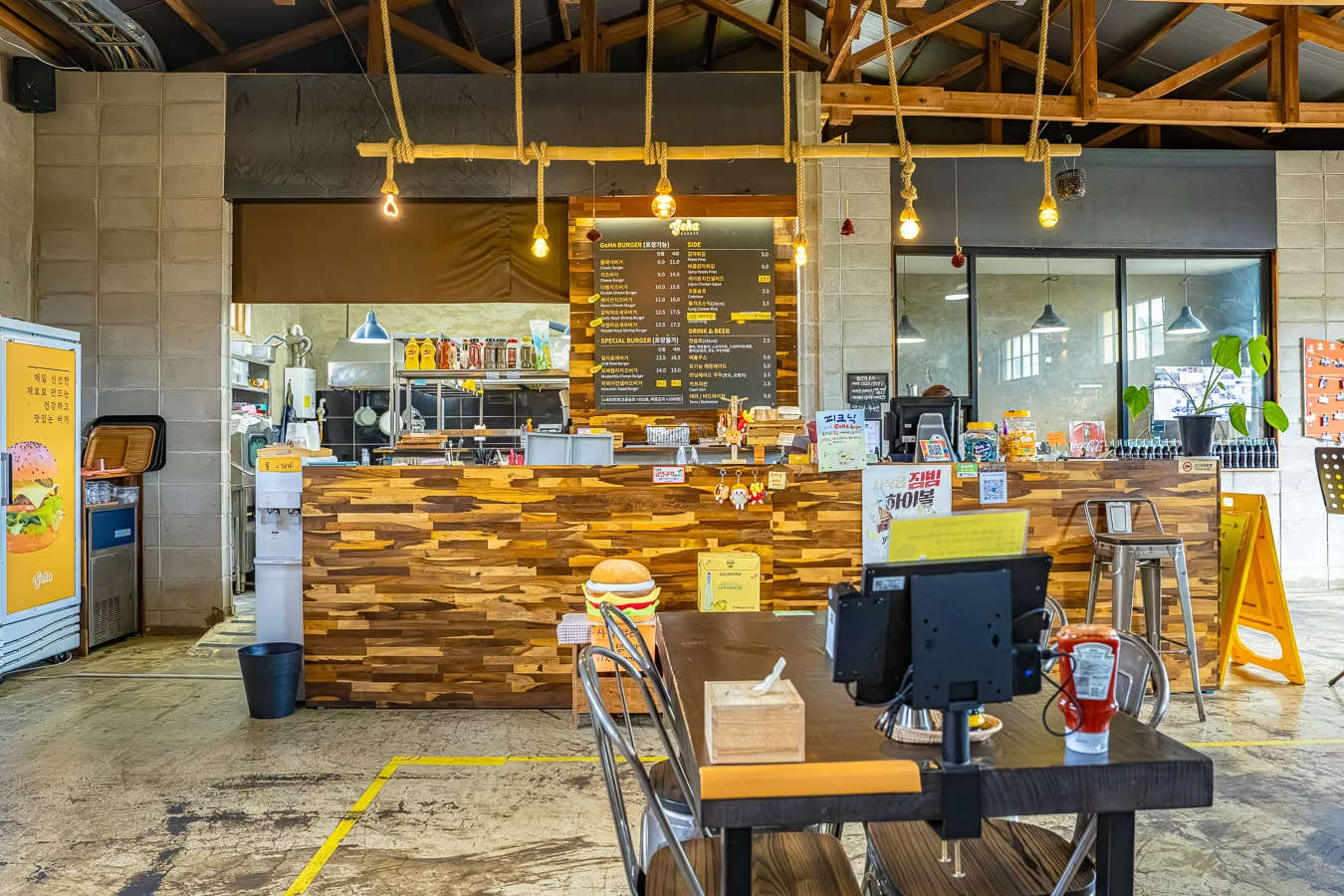
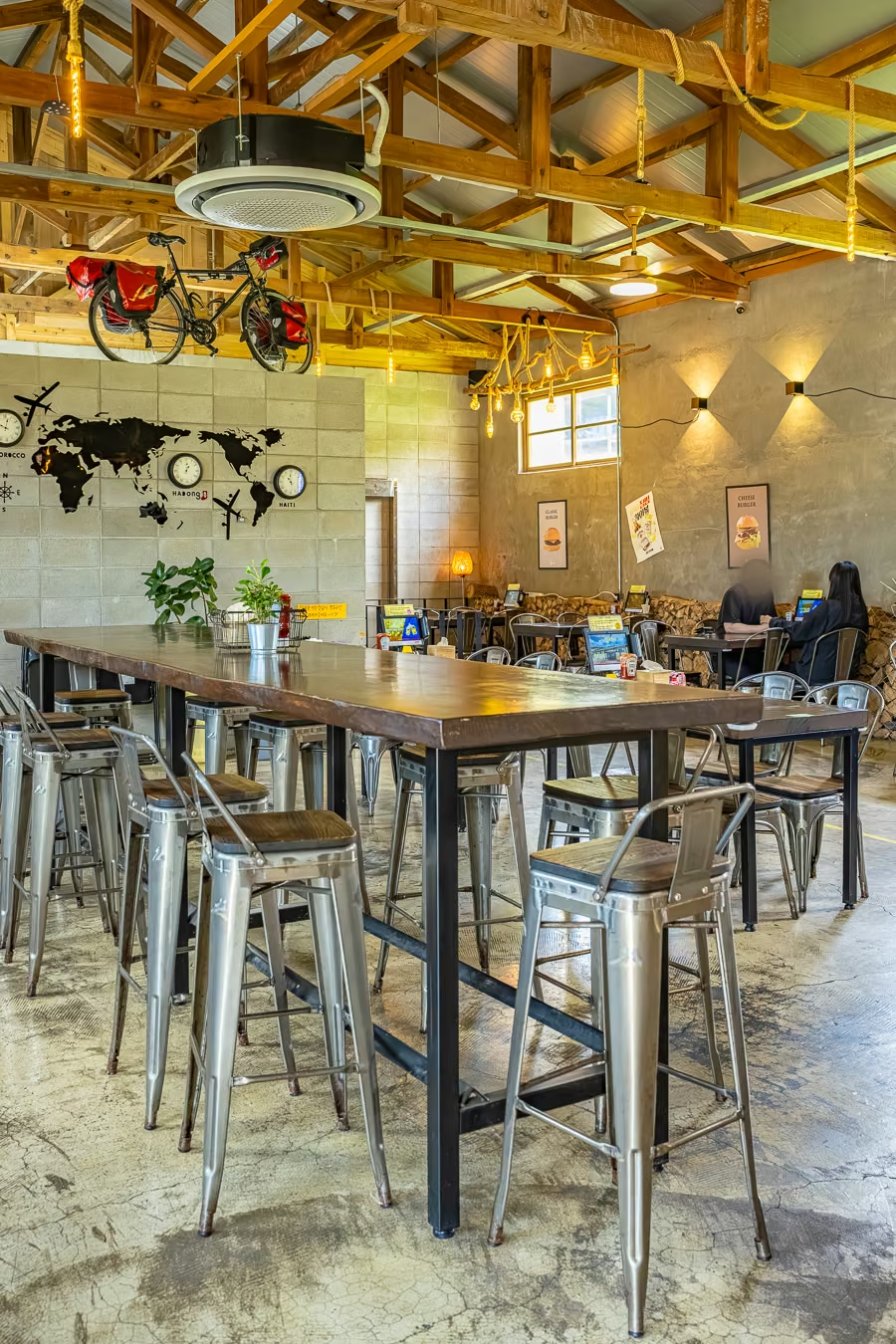
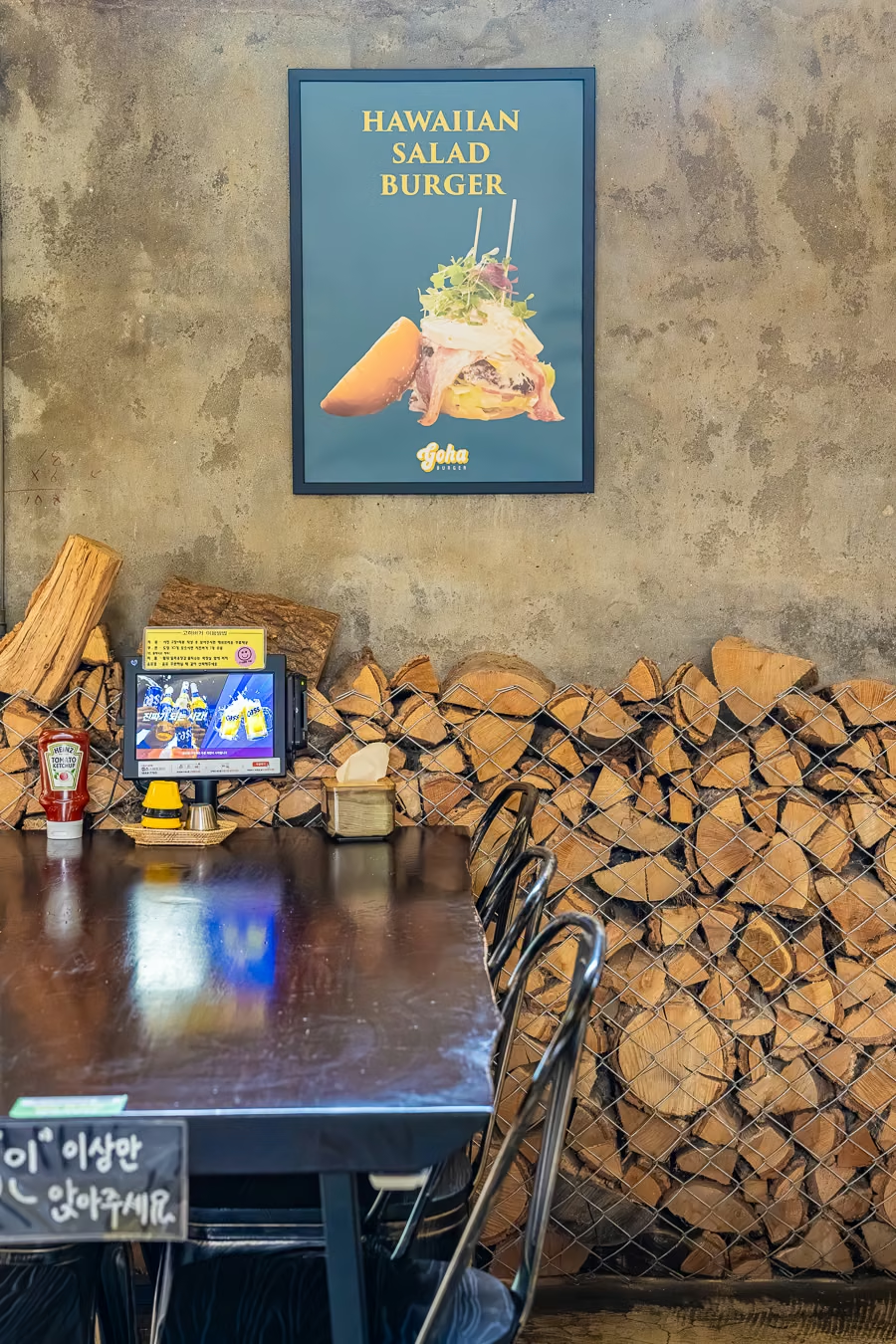
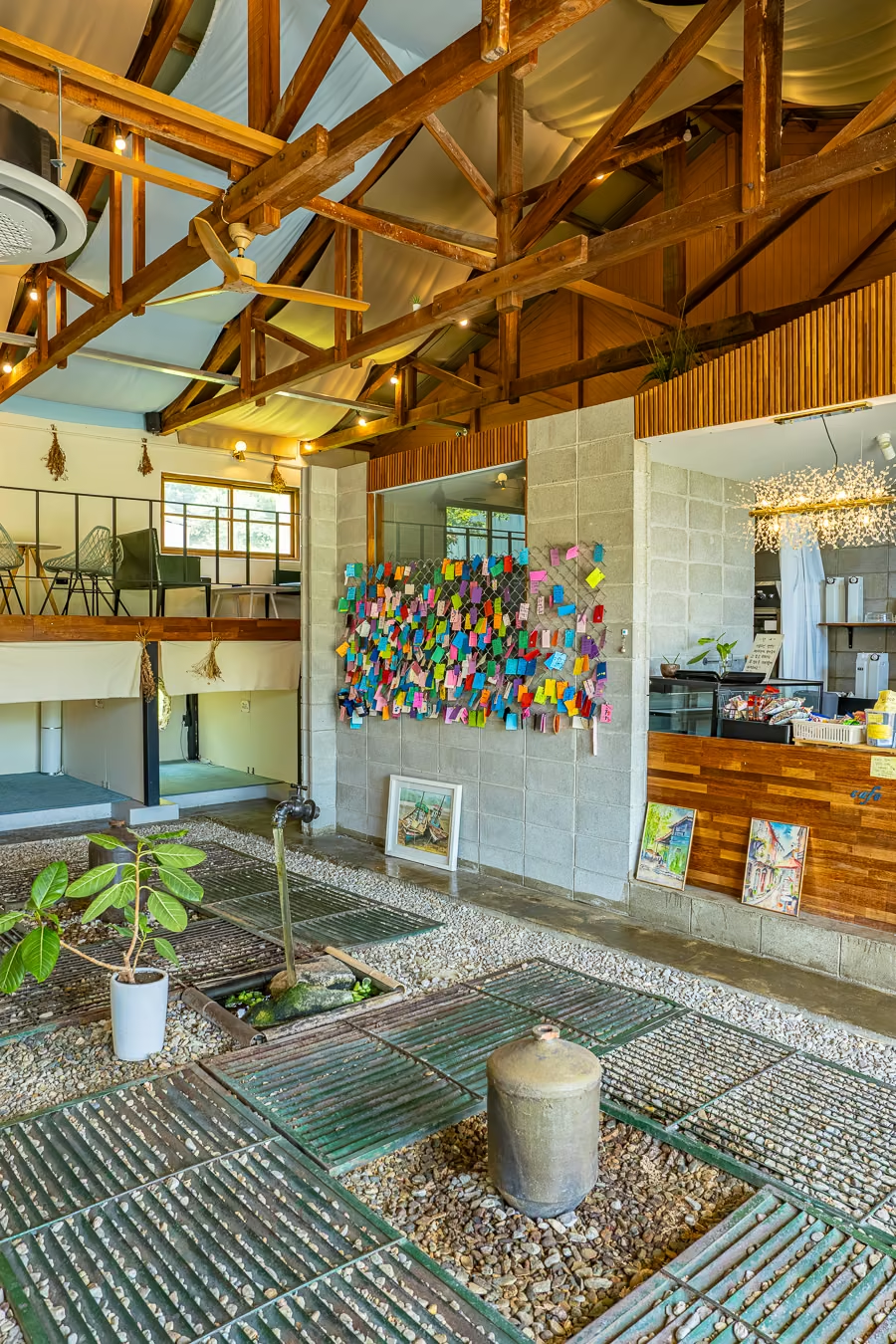
Rural Korea is full of renovated warehouses by now — the formula of bare trusses, concrete floor and espresso machine has become its own vernacular, and I have reviewed enough of them to be hard to impress. This one works because it kept the building’s working posture. The roof structure is original and unpainted. The counter is faced in rough timber offcuts. Firewood is stacked against a raw cement wall under a framed menu poster, and the side courtyard holds a mosaic of colorful tiles that the team assembled themselves. It reads as a place that was repaired by its occupants rather than staged by a contractor, because that is what happened.
The burger house is also only the visible half of the project. The same team runs a homestay in the village, and the plan they described to the regional press when they arrived was bigger than lunch: an economic community — proof that a handful of livelihoods could be built from scratch in a town the demographic charts had quietly written off. Rural Korea is full of government-funded revival schemes that evaporate when the subsidy does; this one is a group of people who moved their actual lives here and staked them on ground beef. Five years on, a full dining room on a weekday says the bet is holding.
The Burger
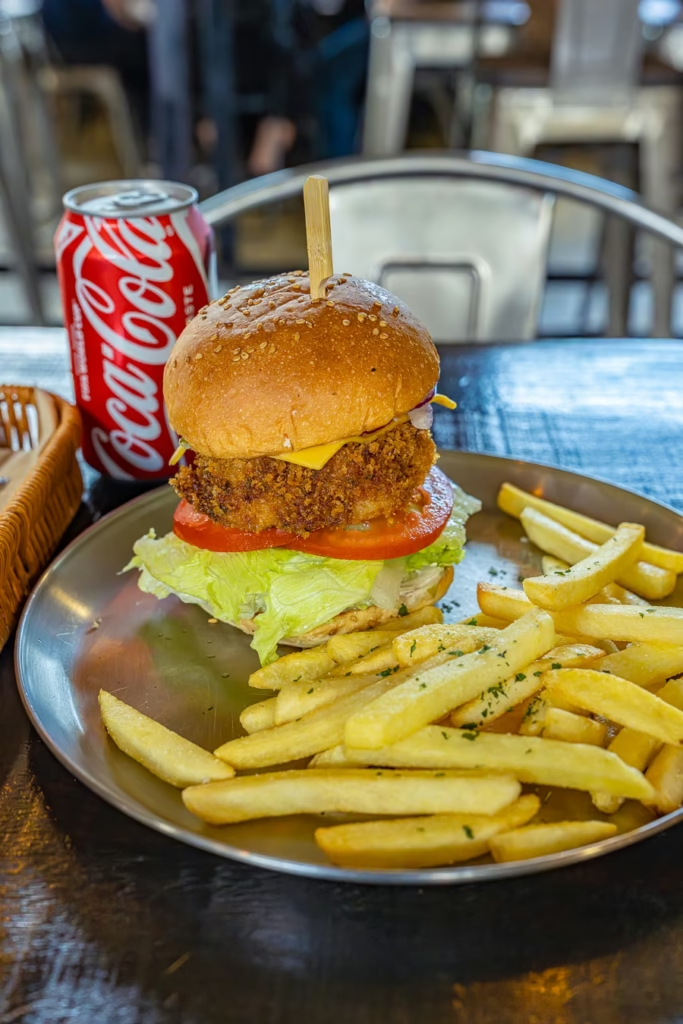
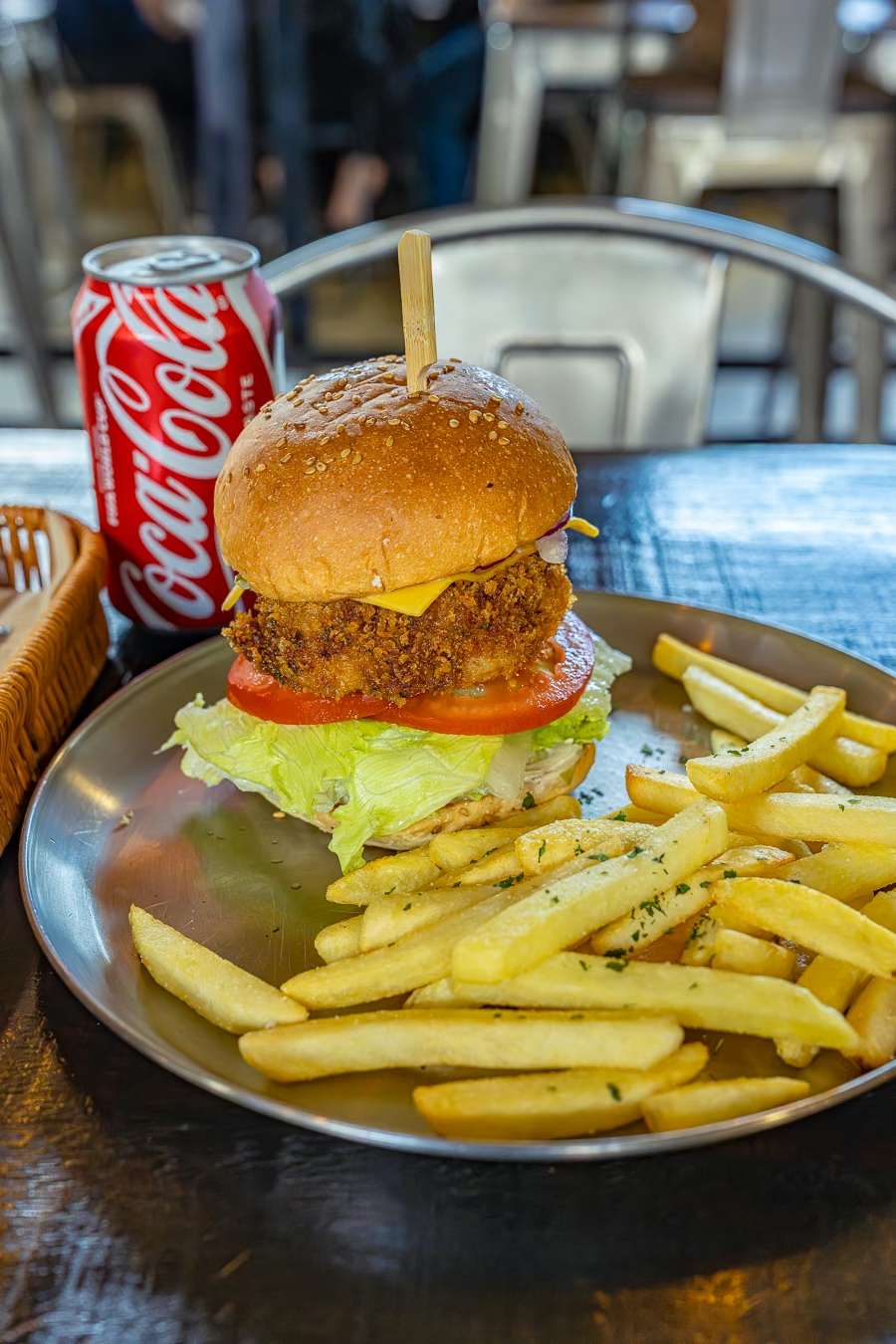
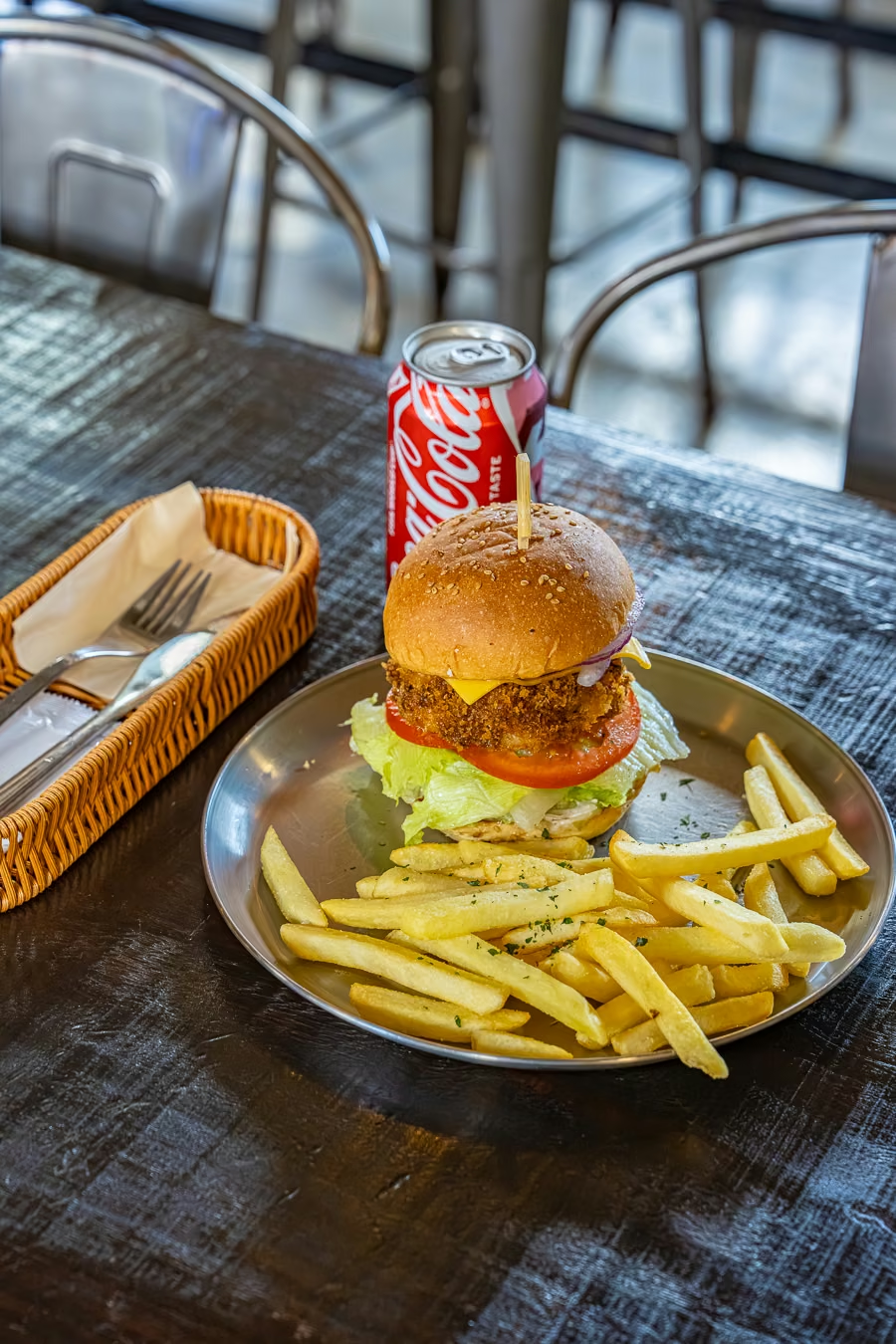
The kitchen’s pitch is simple: patties ground and shaped daily on-site, vegetables grown in Hadong, sauces made in-house. The result is a burger from the juicy-and-sincere school rather than the smash-crust school — a thick patty with proper seasoning, structural lettuce, and a bun that holds its composure to the last bite. Fries arrive hot and stay crisp, and the set with fries and a soda keeps the whole meal under the price of a city food-court burger.
At the time of reporting the board ran from a cheeseburger at ₩8,500 through a double at ₩9,500 to the specialty end — a wasabi-mayo shrimp burger at ₩12,000, and a Hawaiian salad burger that the poster on the wall promotes with justified confidence. Prices in owner-run rural spots drift, so treat those numbers as a sketch rather than a contract.
Service runs counter-style: order at the register, take your buzzer, claim a table under the trusses or out by the courtyard mosaic. The “and cafe” half of the shop’s name is not decoration — coffee and cold drinks are poured with the same seriousness as the patties, which converts lunch into a longer sit than you planned. If the tables are full, take the bag up the hill; the grass below the fortress wall is the best-appointed overflow seating in the county.
A word on the specialty end of the board, because the poster art is doing real promotional work. The wasabi-mayo shrimp burger has its own following among regulars, and the Hawaiian salad burger — fresh greens, a tropical angle — reads like the wise August order. I stayed with the cheeseburger on the theory that a kitchen reveals itself in its baseline, and this baseline is confident: next visit, the shrimp.
Hours, and a Warning About Midweek
Two things to plan around. First, hours are short: 11:30 to 18:00, with a mid-afternoon break around 15:00 in some listings — this is a lunch place, not a dinner place. Second, the midweek closing day is a moving target: sources disagree between Tuesday and Wednesday, and at least one lists a takeout-only day. Rather than adjudicate, I will give you the rule that actually works in rural Korea: if your visit hinges on it, call or message ahead — 010-7348-0555 — or check the shop’s Naver listing the same morning. A two-minute check beats a forty-minute detour to a dark warehouse.
Make It a Stop, Not a Pilgrimage: The Fortress Above
The burger pairs with a walk. Up the road stands Hadongeupseong, the early-Joseon walled town site built in 1417 on Yangkyeongsan hill — earth-and-stone ramparts tracing the ridgeline, designated a national historic site, and almost always deserted. The loop along the restored wall sections earns you views over the very fields that grew your lunch, and descending back into the village you pass the warehouses and stone lanes that make Goha-ri feel like Korea with its makeup off. Twenty minutes up, twenty around, downhill to coffee.
The fortress deserves more than a throwaway line. Eupseong were the walled administrative towns of Joseon — most were dismantled or swallowed by modern cities, which makes a quiet, largely intact hilltop example like this one rarer than it looks. Hadongeupseong served as the county’s seat behind earth-and-stone ramparts, and archaeologists rate it highly enough that the site carries national historic designation. What you experience on the ground is simpler: a grassy ridgeline path tracing the old wall, long views over rice country, and a silence broken mainly by magpies. On my walk I met one other visitor, a local out with her dog, who seemed mildly surprised the fortress had made it into anyone’s travel plans. Its day is coming; eat the burger before the tour buses find both.
If the village works its quiet charm on you, note that the team’s homestay makes an overnight possible — a farmhouse bed, a village morning, and the fortress to yourself before the day-trippers arrive. Ask at the counter; arrangements are informal in the way of everything here.
Who This Is Actually For
Come hungry if you are road-tripping southern Hadong — cable car, port, fortress — and want a lunch with a point of view instead of a highway rest stop. It is for anyone tracking Korea’s rural-revival movement, because this is the phenomenon in its most edible form: young outsiders, an empty building, and a product good enough that the story becomes a bonus rather than the excuse. And it is for burger completists, a demographic I respect, who will find the hand-made patty in a granary a worthy entry in the logbook.
Plan around two limits: dinner does not exist here — remember the 18:00 close — and a no-car itinerary with tight timing will struggle, since taxis out here need summoning. If the closing-day roulette lands against you, Jingyo’s eateries are ten minutes away, but they are a consolation, not a substitute.
I finished my coffee at the courtyard table, watching a delivery truck negotiate a lane built for oxcarts. Seven people looked at this village and decided it had a future worth moving for. On the evidence of one lunch service — every table full, half the plates licked clean — the village is holding up its end.
Practical Manual: Goha Burger
| Address (EN) | 571 Hadongeupseong-ro, Gojeon-myeon, Hadong-gun, Gyeongsangnam-do |
| Address (KR) | 경남 하동군 고전면 하동읍성로 571 |
| Phone | 010-7348-0555 |
| Hours | 11:30–18:00; midweek closing day varies by source (Tue or Wed) — confirm before visiting |
| Menu | Cheeseburger ₩8,500 · double ₩9,500 · wasabi-mayo shrimp ₩12,000 · fries + soda set ₩4,000 (at time of reporting) |
| The story | Opened 2020 by seven urban transplants in a renovated rice warehouse; village homestay run alongside |
| Pair with | Hadongeupseong fortress walk uphill; Sulsang Port and the cable car 15–20 min by car |
| From Seoul | Bus to Jingyo Terminal (~4.5 hrs) then taxi ~10 min; ~4 hrs by car |
| Navigation Tip | Google Maps does not give driving directions in Korea. Use Naver Map and search 고하버거. Confirm the closing day on the Naver listing or by a Papago-composed text. |
Prices and hours reflect the time of reporting. Small owner-run kitchens change both without ceremony.