
Eunpa Lake Park: The Silver Waves on Gunsan’s Old Map
Eunpa means “silver waves,” and the name is a review written centuries ago: late-afternoon sun hitting this water and shattering into glitter impressed someone enough to stick. The lake itself is far older than the park. It began as the Mije Reservoir, an agricultural pond recorded in a 15th-century geography of the region and drawn onto the Daedongyeojido — the great 1861 map of Korea — a full century before anyone thought of paddleboats or espresso. Today Eunpa Lake Park wraps that old rice-farming reservoir in Gunsan’s living room: an 8.5-kilometer waterside loop, a cherry-tree tunnel with a national reputation, and a 370-meter pedestrian bridge that glows to life after dark. It is free, it never closes, and it is the counterweight to everything else people visit Gunsan for.
That last point matters. Gunsan’s fame runs on colonial-era streetscapes — the old customs house, Japanese-style temples, the country’s oldest bakery with its eternal queue. It is a city visited for its past. Eunpa is where the city itself goes in the present tense: retirees power-walking the boardwalk at dawn, families on the water decks at sunset, couples doing the bridge circuit after dinner. Spend a night here and you meet the Gunsan that does not appear on heritage tours.
Orientation
The park wraps a lake on the southern edge of Gunsan’s newer downtown, beside the Naun-dong district — 10 to 15 minutes by taxi from either Gunsan Station or the express bus terminal. From Seoul, express buses run from Central City to Gunsan in about 2.5 hours; trains from Yongsan are the slower, scenic option at around three hours to Gunsan Station. Entry and parking are free, the grounds never close, and the full lakeside loop runs roughly 8.5 kilometers of mostly flat boardwalk and path — a comfortable two hours on foot, faster by bike. There is no single “correct” gate; most visitors start from the main entrance off Eunpasunhwan-gil, where the cherry avenue begins.
The Loop: Two Hours of Waterline
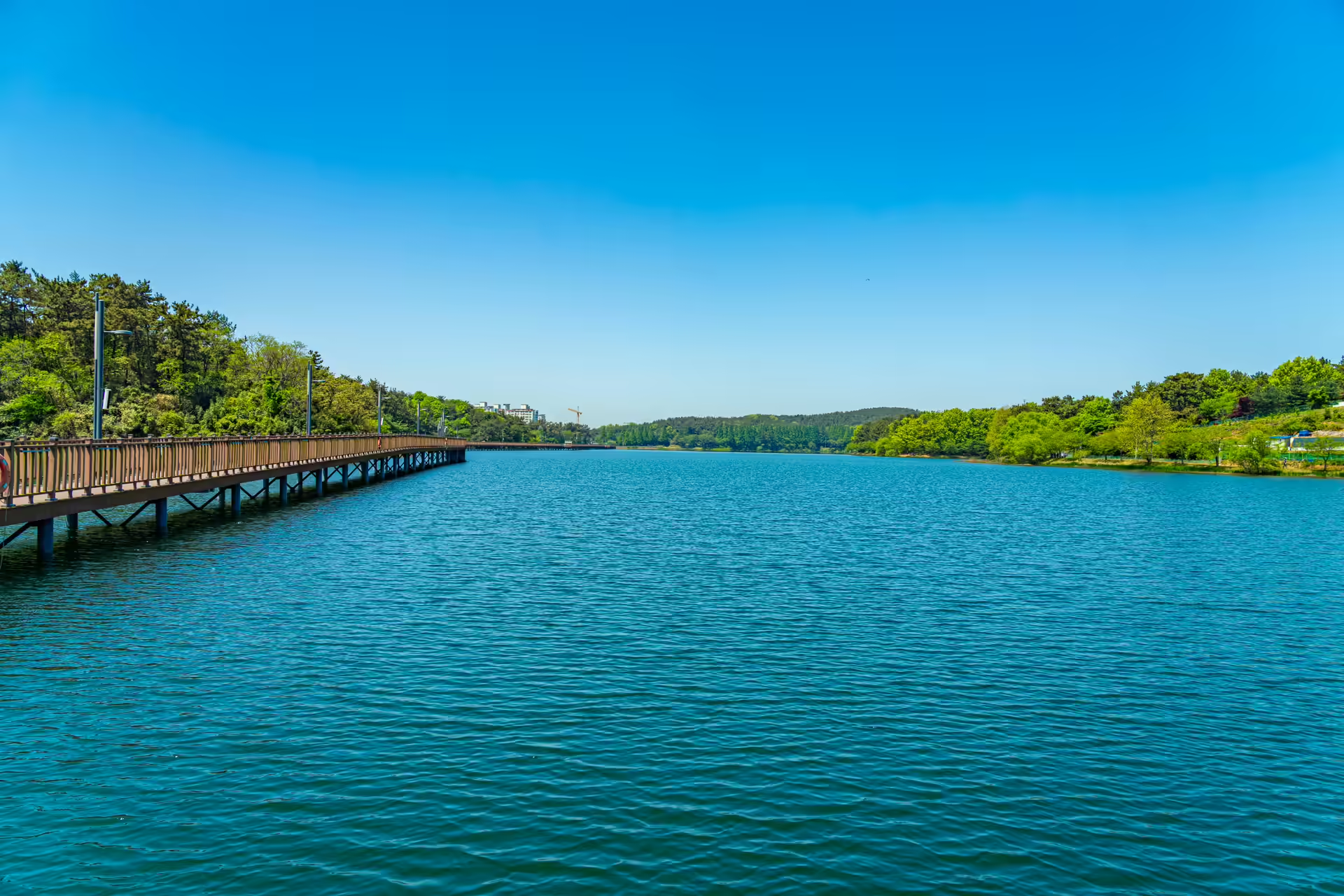
The park’s basic pleasure is the oldest one in landscaping: a long path that keeps the water on one side. Wooden boardwalks run straight out over the lake in places, then duck back under willows and pines; azalea banks take over the shoreline in late April; a lotus colony claims one arm of the lake in high summer. The engineering star is the network of over-water deck walks — long, railing-lined runs that put you a meter above the lake with fish traffic visible below.
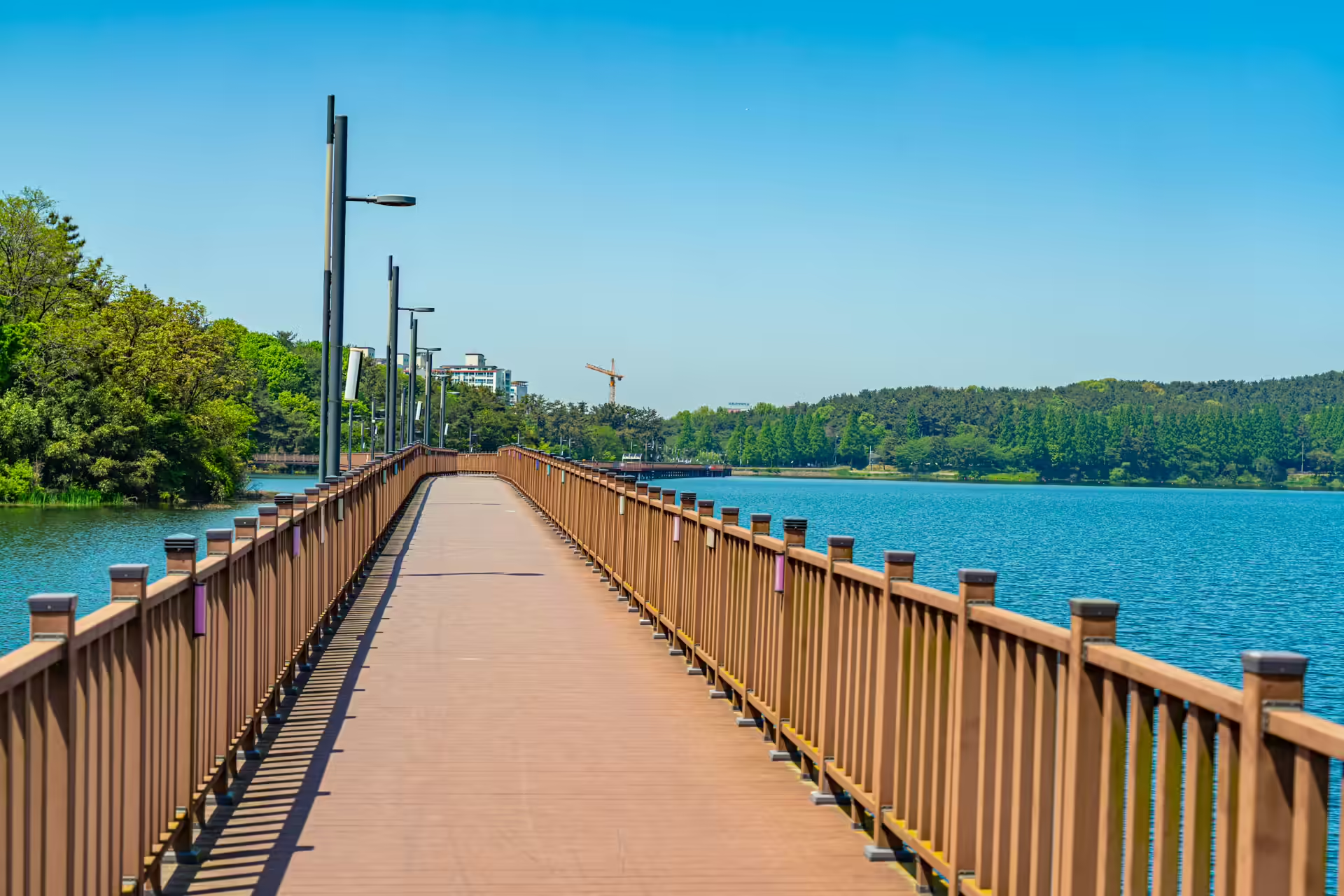
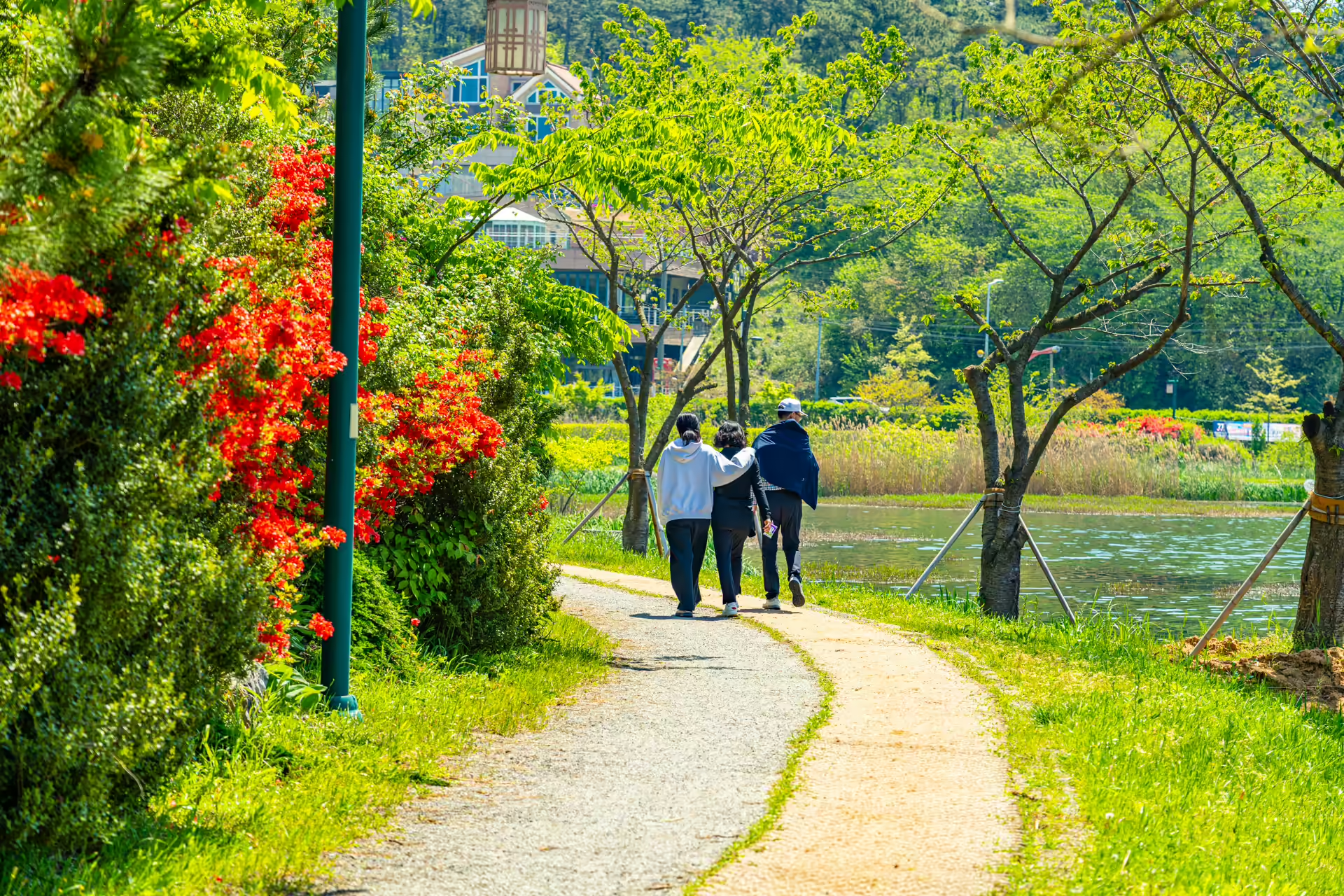
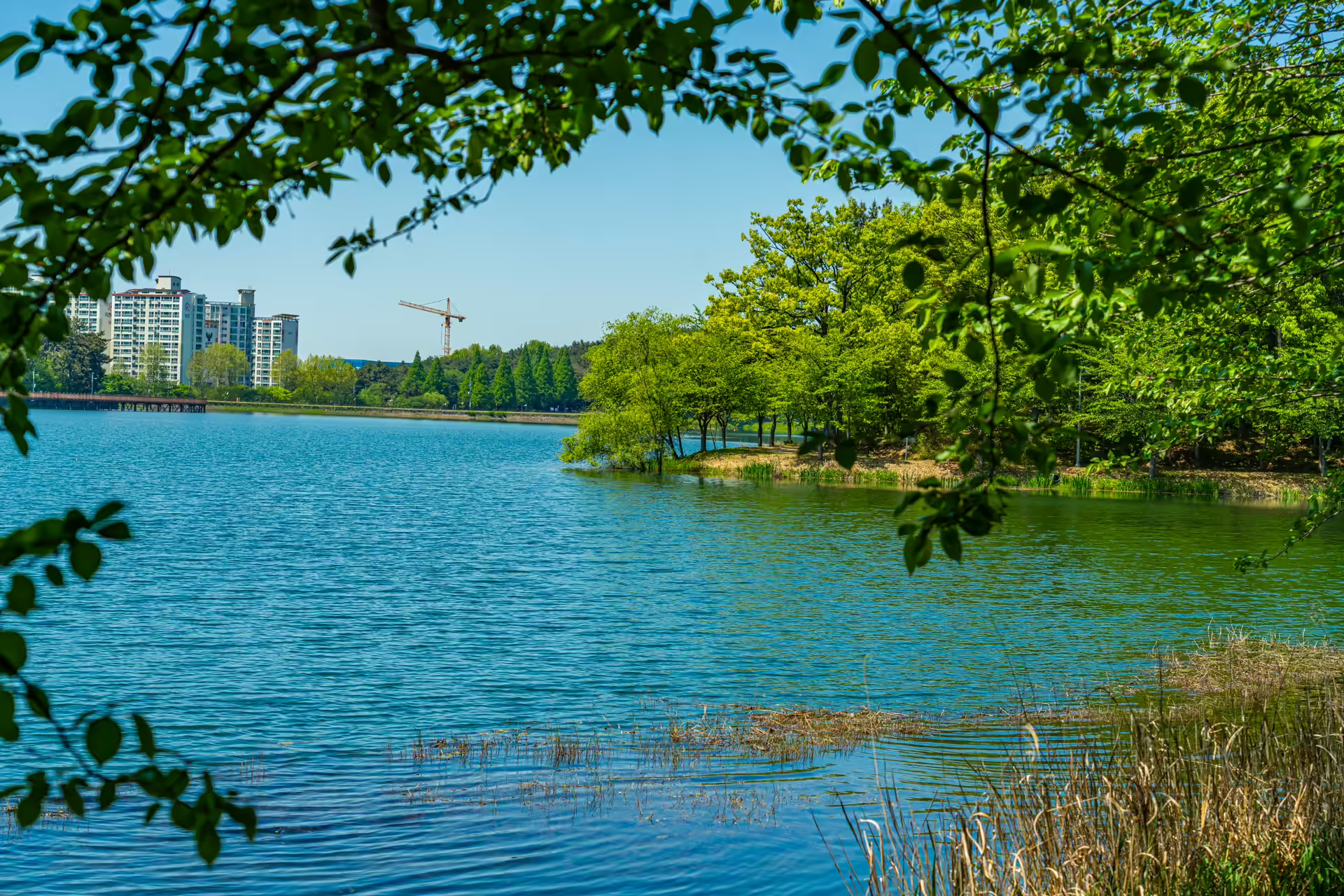
Pick your hours deliberately. The loop runs east–west enough that both ends of the day reward it: sunrise silvers the water from the eastern boardwalks — the name earning its keep — while the western shore takes the sunset with the bridge in silhouette. Midsummer afternoons are the only dead zone; the shade sections help, but this is a walk built for mornings and evenings, like most good Korean lakes.
Serious walkers can treat Eunpa as a junction rather than a destination: the Seohaerang Trail’s section 54 — the west-coast leg of the Korea Dulle-gil network — enters the park on its way through Gunsan, and the city’s own Gubul-gil route 5, the “Mulbit-gil,” shares the shoreline. Follow either onward and you connect to Wolmyeong Park’s forested hills and, eventually, the old downtown. My write-up of Seosan’s day-trip circuit covers the tidal-flat country further up this same coast.
The lake keeps its folklore close. Local legend tells of a monk turned away rudely from a rich man’s door; a flood swallowed the miser’s estate, the story goes, and the waters that remained became the lake — with three rocks, named for a baby, the monk, and a dog, said to mark where the household fled. Civic lore reads the park’s name a second way — the “eun” as a light of love and hope, the “pa” as waters of plenty — and the bridge’s night lighting leans into that reading. Koreans have been telling morality tales about this reservoir for as long as they have been farming under it, which is to say: this is not a park built on empty land, but a landscape with several centuries of opinions about itself.
Logistics for the loop are simple. Distance markers pace the circuit; benches and pavilions appear at conversational intervals; and the western shore concentrates the services — paddleboat pier, snack kiosks, and the cafe strip of Naun-dong a short walk inland, where the lake-facing coffee shops fill on weekend afternoons. Gunsan runs a public bike-share scheme with stations around the city, though counting on a rental right at the park gate is optimistic — walkers lose nothing, since the boardwalk sections do not allow speed anyway. Early morning belongs to the locals: come at 7 a.m. and the loop is a silent procession of tracksuits and thermoses, which is its own kind of sightseeing.
The Mulbit Bridge, Best Consumed After Dark
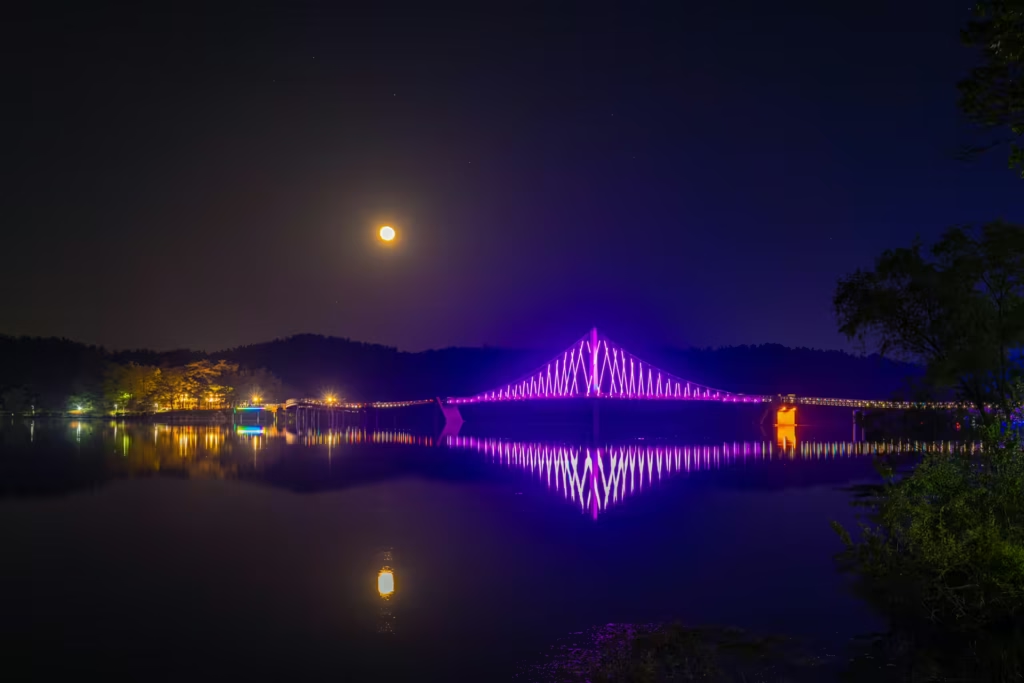
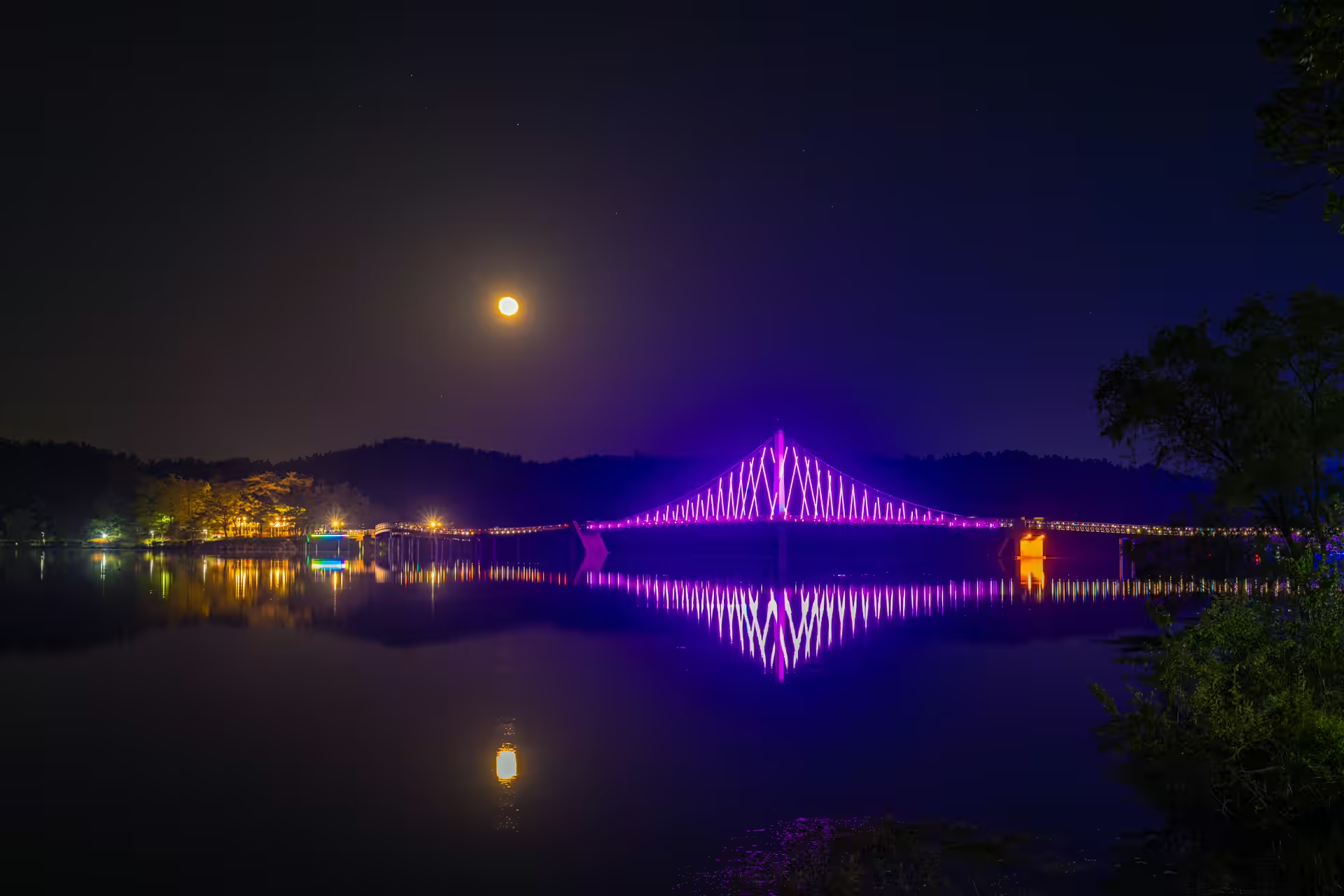
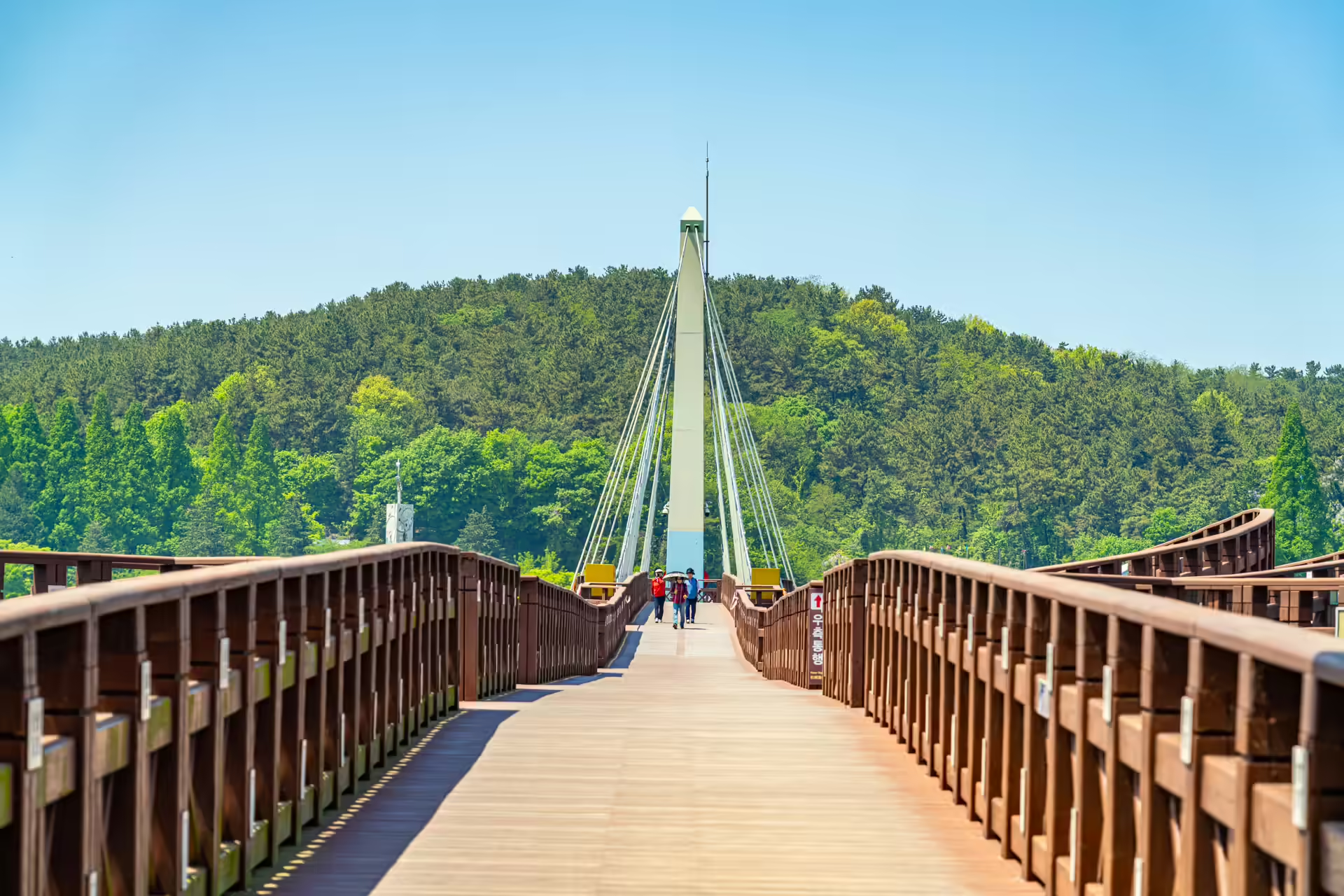
The park’s landmark is the Eunpa Mulbit Bridge — “the water-light bridge” — a 370-meter pedestrian suspension bridge, billed as the country’s only footbridge of its kind, that has crossed the lake’s waist since 2006 (its walking deck was fully replaced in 2021, so the boards underfoot are newer than the span). By day it is a handsome white-pylon crossing that collapses the loop for anyone short on time. At night it becomes the reason half of Gunsan shows up: LED arrays wash the cables and deck in slow color cycles — violet, green, blue — and the lake obligingly doubles everything. The far shore’s pavilion and waterside decks light up in sympathy.
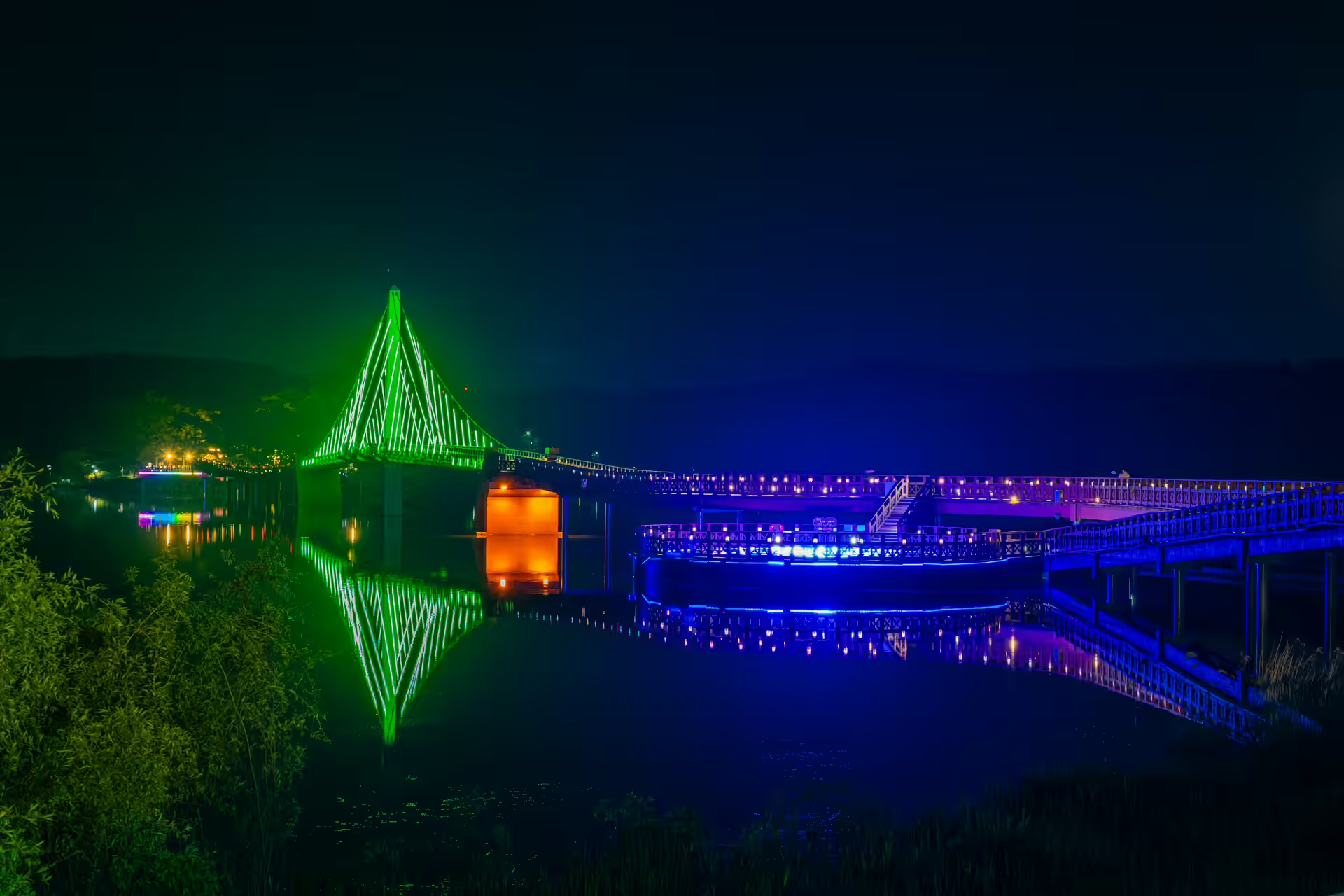
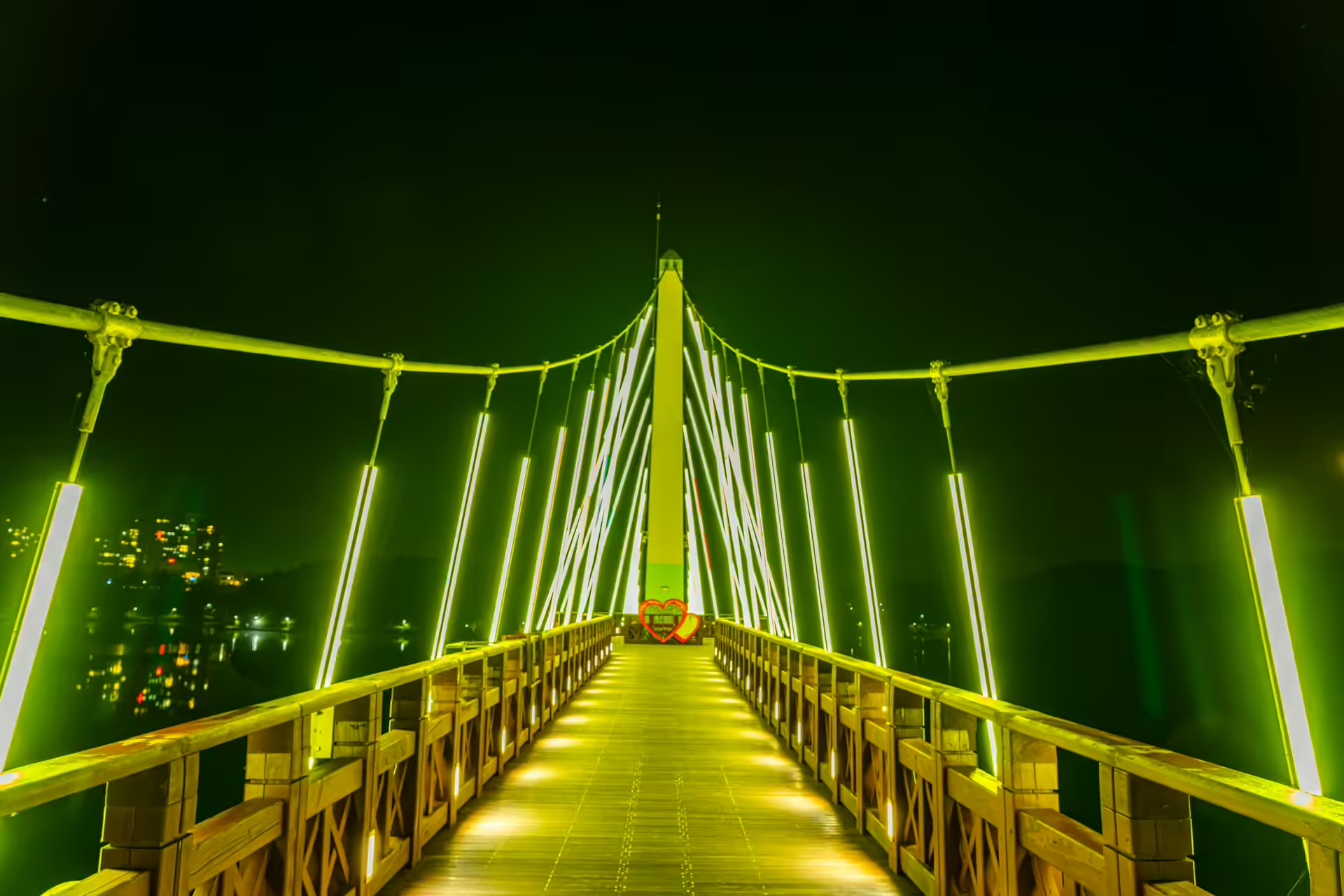
A note of honest expectation-setting: the bridge area was built with a musical fountain, and older articles still advertise it, but the fountain has had long out-of-service stretches in recent years. Treat any water-and-music show as a bonus if it happens to be running, not a reason to schedule an evening. The bridge lights themselves are the dependable act. Photographers should walk the shoreline east of the bridge for the reflection shot with the pylon centered — and on a clear night, the moon rises over the far ridge right on cue.
Timing: The April Problem and the Rest of the Year
Eunpa’s headline season is a two-week event. In early-to-mid April, the cherry trees lining the entrance road and much of the shoreline bloom into genuine tunnels, and the park joins Wolmyeong Park on the shortlist of the west coast’s best blossom sites — complete, in recent springs, with a night market of food stalls running through the bloom. It is spectacular and it is mobbed; parking effectively stops working on peak weekends, so come by taxi or come at dawn.
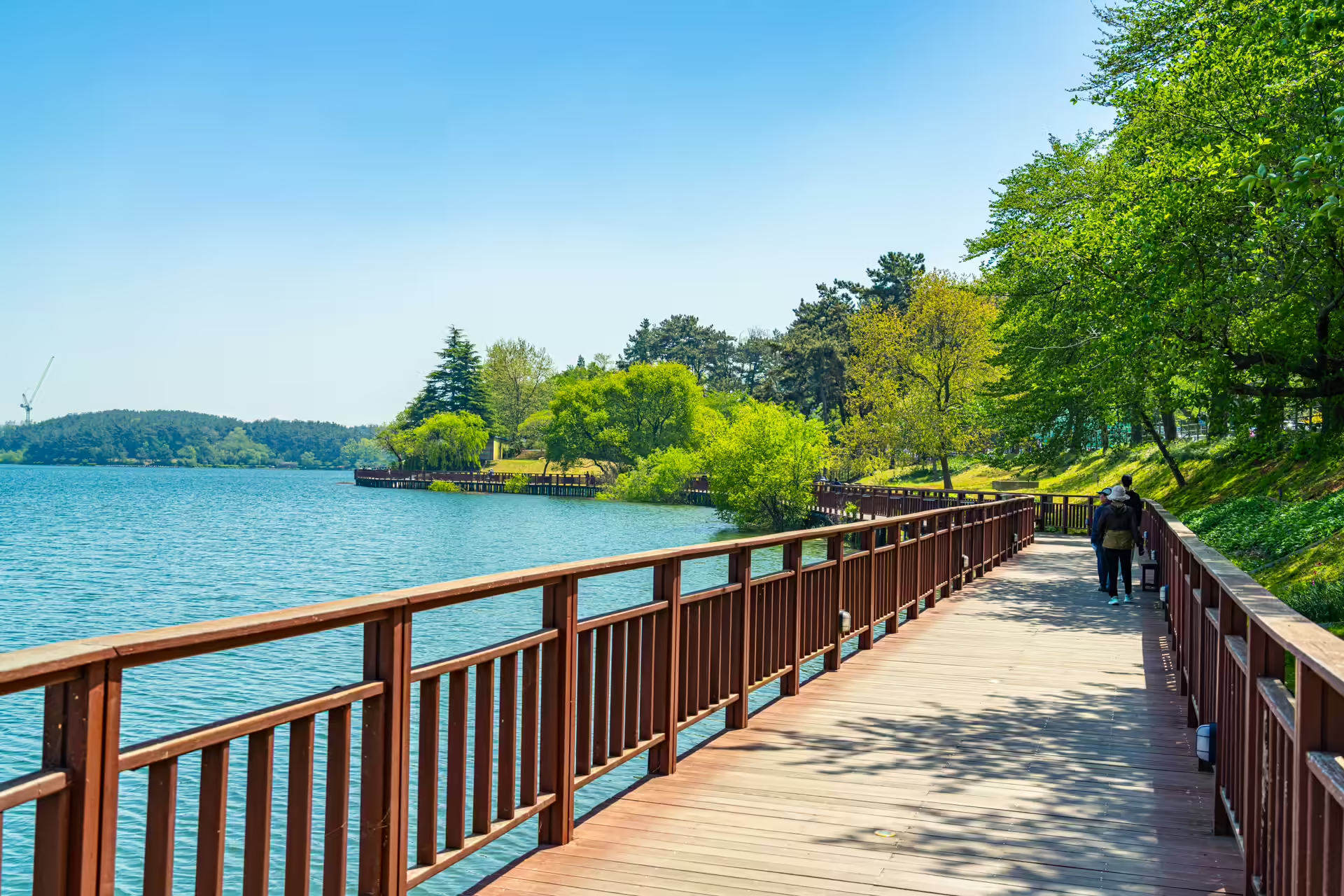
The park’s secret is that second place is barely a downgrade. May brings new-leaf green and empty paths; summer trades blossoms for lotus flowers and long bright evenings on the lit bridge; autumn does foliage along the pine sections. Winter is the connoisseur’s season — bare trees, metallic water, and the light show playing to audiences of three. If your Gunsan itinerary is built around the colonial-era downtown and the famous bakery, the sensible use of Eunpa is the evening: heritage streets until the shops shut — the century-old Lee Sung Dang bakery’s red-bean bread queue, the railroad village at Gyeongam-dong, the film-set alleys of Wolmyeong-dong — then a five-minute taxi from the old downtown (or a twenty-minute walk if you are staying in Naun-dong) to the lake for the bridge’s evening show. For another west-coast water project with an engineering backstory, my piece on Sihwa Tidal Power Park in Ansan — the tidal lake that came back from the dead — makes a natural pairing on the drive north.
Who This Is Actually For
Anyone spending a night in Gunsan rather than day-tripping — the bridge lights are the city’s best free evening. Walkers and runners get the west coast’s most civilized 8.5 kilometers; families get flat paths, decks, and space to burn energy; photographers get reflections in every season and a blossom jackpot in April. Skip it only if your Gunsan visit is a tight half-day aimed at the heritage district and bakery queue — in that case the lake will cost you time you do not have, and it deserves better than a drive-by.
I left the bridge close to ten on my last visit, when the LEDs had cycled back to violet and the boardwalk crowd had thinned to a few couples and one determined night jogger. Out on the dark water, the reflection ran the bridge’s full 370 meters without a wrinkle. The rice farmers who dug this reservoir centuries ago would recognize nothing about the light show — but silver waves at Eunpa, they would tell you, are simply the lake doing what it has always done.
Practical Manual
| Item | Details |
|---|---|
| Name | Eunpa Lake Park (은파호수공원) · Eunpa Mulbit Bridge (은파물빛다리) |
| Address | Eunpasunhwan-gil, Naun-dong, Gunsan-si, Jeonbuk (전북특별자치도 군산시 은파순환길 9 일대) |
| Hours / fees | Open 24 hours, year-round · free entry · free parking |
| Loop | ~8.5 km lakeside circuit, mostly flat · allow ~2 hours on foot |
| Bridge | 370 m pedestrian suspension bridge (2006; deck renewed 2021) · LED lighting after dark · fountain intermittent |
| Seasons | Cherry tunnels early–mid April (night market in recent years) · lotus in summer · azaleas late April |
| Trails | Seohaerang Trail 54 and Gunsan Gubul-gil 5 (Mulbit-gil) pass through |
| Getting there | Express bus Seoul (Central City)–Gunsan ~2.5 h, or train Yongsan–Gunsan Station · taxi 10–15 min from station/terminal |
| More info | VisitKorea English page |
Navigation Tip: Search “은파호수공원” in Naver Map or Kakao Map — the main lot fills during blossom season, so check the smaller lots around the loop. Papago will decode the food-stall menus in April.