
Table of Contents
Introduction: Where Korean History Comes Alive Through Stone and Steel
Seodaemun Prison History Hall stands as one of Seoul’s most historically significant sites—a place where the Korean independence movement’s darkest chapters unfolded within cold concrete walls. Originally opened in 1908 as “Gyeongseong Prison” by Japanese colonial authorities, this facility became infamous as the primary detention and torture site for Korean independence activists throughout the occupation period (1910-1945).
Unlike the comprehensive Independence Hall of Korea in Cheonan, which covers the entire scope of the independence movement, Seodaemun Prison History Hall offers something more immediate: you walk the same corridors where figures like Yu Gwan-sun endured imprisonment. The preserved cells, interrogation rooms, and execution grounds create an experience that no museum reproduction can match.
Today, this former prison serves as both memorial and educational institution, drawing visitors who seek to understand the human cost of Korea’s fight for sovereignty.
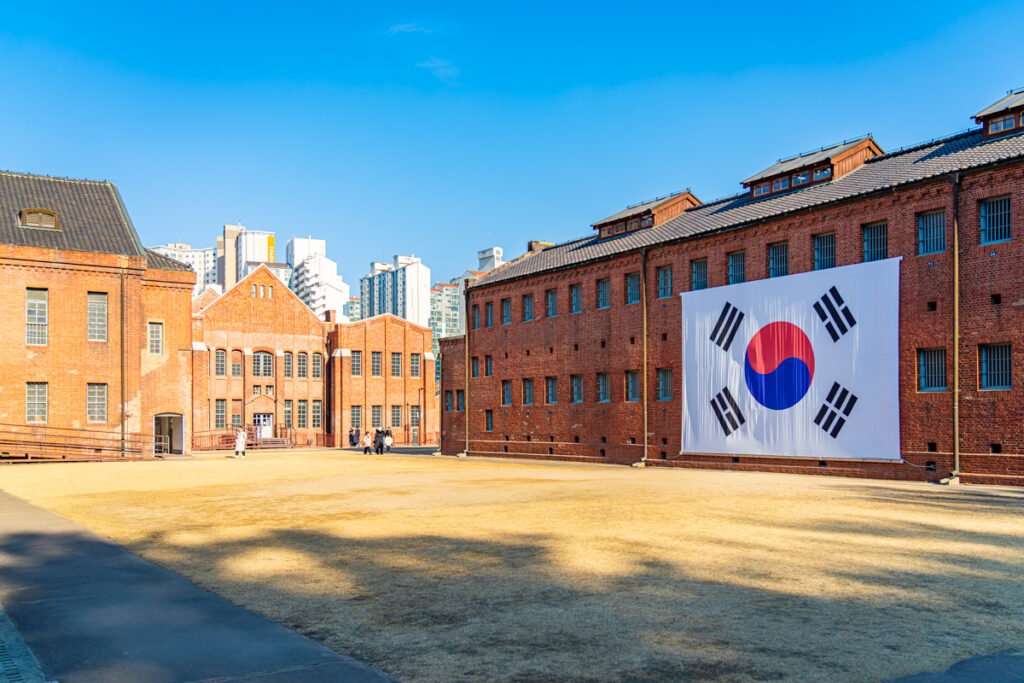
1. The Main Exhibition Hall: A Chronological Journey Through Occupation
The central building of Seodaemun Prison History Hall houses permanent exhibitions organized by historical period. Starting from the early resistance movements of the 1900s, the displays trace the evolution of Korean independence efforts through photographs, documents, and personal artifacts.
Key exhibitions include:
- The March 1st Movement (1919): Original materials from the nationwide protests that led to mass arrests
- The Provisional Government: Documents and photographs detailing Korea’s government-in-exile in Shanghai
- Profiles of the Imprisoned: Personal stories of activists who were held within these walls
The exhibition design avoids sensationalism, presenting facts through primary sources. Expect to spend 60-90 minutes in the main hall alone.
2. The Underground Detention Facilities: Confronting Historical Reality
Descending into the basement level of Seodaemun Prison History Hall, visitors encounter reconstructed detention spaces that reveal the systematic brutality of colonial imprisonment.
Solitary Confinement Cells
The recreated isolation cells measure roughly 1.5 meters in width—barely enough space to sit with legs extended. Independence activists spent weeks or months in these conditions, often following interrogation sessions.
Interrogation and Torture Chambers
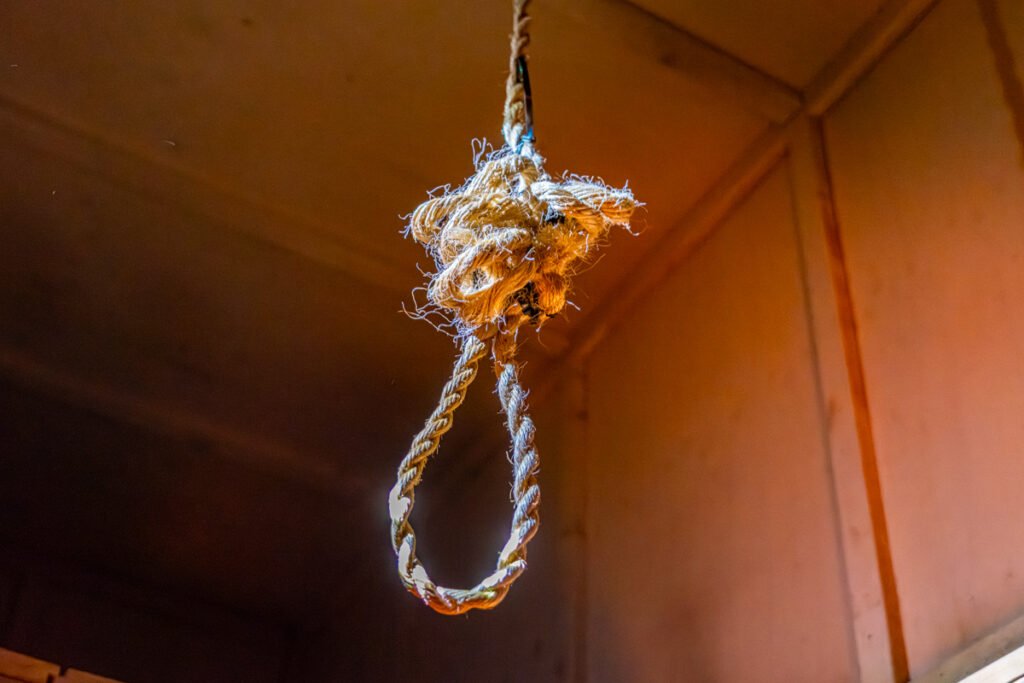
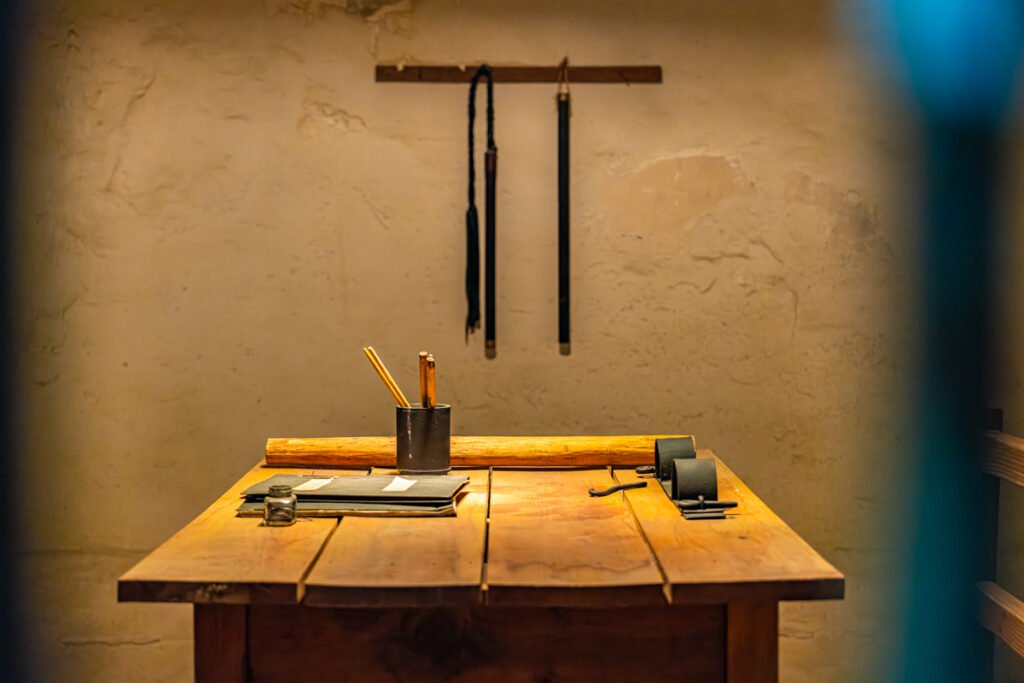
These rooms have been preserved with period-accurate equipment. The displays document specific torture methods used to extract confessions and break resistance. While difficult to witness, these spaces serve as essential historical evidence.
The Execution Ground
Located at the rear of the complex, the execution site includes the original death row cells and the path prisoners walked to their final moments. A memorial now marks this location.
Photography Note: Interior lighting is deliberately dim. A camera with good high-ISO performance (ISO 3200+) or a smartphone with night mode is recommended. Tripods are not permitted in most areas.
Suggested Alt Text: "Reconstructed solitary cell at Seodaemun Prison History Hall basement level, low-light shot on Sony a7R4 at f/2.8"
3. The Prison Yard and Exterior Structures
The outdoor areas of Seodaemun Prison History Hall provide important context that interior exhibits cannot convey.
The Watchtower and Walls
The original brick walls and guard towers remain intact, offering a sense of the facility’s imposing scale. These structures date to the 1908 construction and represent some of Seoul’s oldest surviving colonial-era architecture.
The Poplar Tree
A large poplar tree in the courtyard has become a symbol of resilience. According to historical accounts, prisoners could see this tree from their cells—one of their only connections to the natural world.
Memorial Sculptures
Several sculptural installations commemorate specific individuals and events. The most prominent depicts Yu Gwan-sun, the teenage activist who died here in 1920 following her arrest during the March 1st Movement.
Best Time for Exterior Photography: Late afternoon light (around 4-5 PM in spring/autumn) creates dramatic shadows across the brick facades.
Suggested Alt Text: "Red brick facade and watchtower of Seodaemun Prison History Hall at golden hour, captured on Sony a7R4 at f/8"
4. Understanding the Historical Context
Why This Prison Existed
Japanese colonial authorities constructed Seodaemun Prison (then called Gyeongseong Prison) as the largest modern prison facility in Korea. Its primary purpose was controlling political resistance. The location—near the center of Seoul—was deliberately chosen to project authority.
The Numbers
- Construction Year: 1908
- Peak Capacity: Over 3,000 prisoners (designed for 500)
- Notable Prisoners: Approximately 40,000 independence activists passed through these walls
- Period of Operation: 1908-1987 (later used as Seoul Detention Center)
Post-Liberation History
After Korea’s independence in 1945, the facility continued operating as a civilian prison. It wasn’t until 1987 that the site was decommissioned and preservation efforts began. The transformation into Seodaemun Prison History Hall was completed in 1998.
For additional historical context on Korea’s independence movement, the Independence Hall of Korea provides comprehensive documentation.
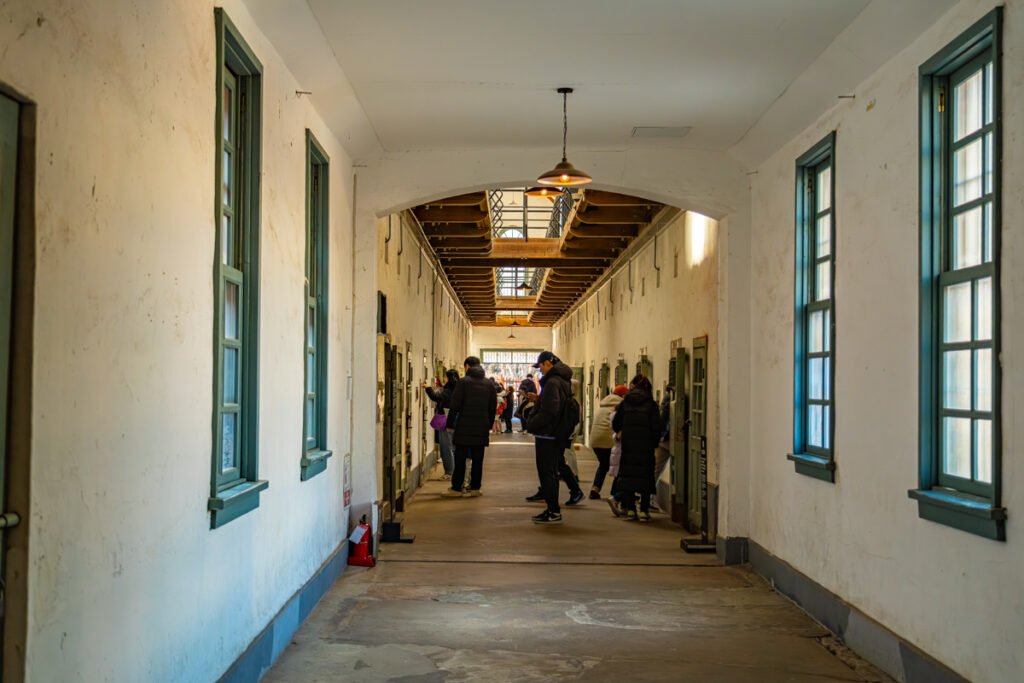
5. Visitor Experience: What to Know Before You Go
Emotional Preparation
Seodaemun Prison History Hall presents historical trauma without sanitization. The torture chamber reconstructions and execution ground are confronting. Visitors with sensitivity to graphic historical content should prepare accordingly.
Audio Guide and Tours
English audio guides are available at the main entrance (₩1,000 deposit). Guided tours in English run on weekends—check the official website for current schedules.
Accessibility
The main exhibition hall is wheelchair accessible. However, the underground detention areas involve stairs and narrow passages that may present challenges.
Combined Itineraries: A Full Day of Seoul History
Seodaemun Prison History Hall pairs naturally with other Seoul historical sites. A recommended full-day itinerary:
| Time | Activity |
|---|---|
| 9:30 AM | Seodaemun Prison History Hall (2-3 hours) |
| 12:30 PM | Lunch in Seodaemun area |
| 2:00 PM | Gyeongbokgung Palace (1.5 hours) |
| 4:30 PM | N Seoul Tower for sunset views |
The morning-to-evening progression from somber historical reflection to panoramic city views creates a balanced Seoul experience. For winter visitors, our [N Seoul Tower Winter Guide] covers the best times to catch the sunset and avoid crowds at the observation deck. (내부 링크 삽입 위치)
Other nearby options include:
- The War Memorial of Korea (30 minutes by subway)
- Bukchon Hanok Village (20 minutes by subway)
The Travel Manual: Practical Information
| Category | Details |
|---|---|
| Address | 251 Tongil-ro, Seodaemun-gu, Seoul |
| Nearest Station | Dongnimmun Station (Line 3), Exit 5 (3-minute walk) |
| Opening Hours | 9:30 AM – 6:00 PM (Mar-Oct) / 9:30 AM – 5:00 PM (Nov-Feb) |
| Closed | Mondays, January 1, Lunar New Year, Chuseok |
| Admission | Adults ₩3,000 / Youth ₩1,500 / Children ₩1,000 |
| Time Required | 2-3 hours recommended |
| Official Website | sphh.sscmc.or.kr |
| Photography | Allowed (no flash in interior exhibitions) |
Getting There
From central Seoul, take Subway Line 3 to Dongnimmun Station. The prison entrance is visible immediately upon exiting. Alternatively, buses 702, 708, and 770 stop at Independence Park.
Budget Estimate
- Admission: ₩3,000
- Audio Guide: Free (₩1,000 refundable deposit)
- Nearby lunch options: ₩8,000-15,000
- Total: Approximately ₩15,000-20,000 per person
Conclusion: Why Seodaemun Prison History Hall Matters
Seodaemun Prison History Hall offers more than historical education—it provides direct connection to the individuals who sacrificed their freedom and lives for Korean independence. The preserved cells, the worn stone floors, the execution ground: these are not reproductions but the actual spaces where history occurred.
For travelers seeking to understand Korea beyond its contemporary prosperity, few sites communicate as powerfully as this former prison. The experience is sobering, but the historical significance makes Seodaemun Prison History Hall an essential stop for any visitor interested in East Asian history and the human capacity for both cruelty and resistance.
Pingback: Hwaseong Independence Movement Memorial: 5 Essential Reasons to Visit Korea's Most Solemn Historic Site - THE Travel Manual
Pingback: Independence Hall of Korea: 6 Powerful Exhibitions That Define a Nation's Fight for Freedom - THE Travel Manual