
This manual contains affiliate links. If you book through them, I earn a small commission at no extra cost to you. This keeps my EV charged and allows me to provide unfiltered, field-tested travel insights.
A Hotel Named After the Sound of the Sea
Some hotels are named after founders, some after views. Hotel Uldolsori is named after a noise. “Uldolmok” means the crying channel: the strait out front is the narrowest squeeze on Korea’s southwest coast, and when the tide forces through it, the water moans against the rock. The Chinese characters for Myeongnyang — the naval battle fought here in 1597 — mean the same thing. Four centuries later, someone built a hotel on the shore and named it “the sound of Uldol” — an unusually literal piece of branding. At full tide, the current out front is audible before it is visible.
I came through this summer while reporting across the far southwest of the Jeonnam-Gwangju Special Metropolitan City — the region created in July 2026 when Jeollanam-do and Gwangju merged. Here is what the hotel gets right, what it does not, and why it has quietly become the most sensible base in the land’s-end corner of the country.
Getting There
The hotel sits inside the Usuyeong Tourist Site in Munnae-myeon, Haenam, directly across the strait from Jindo island. There is no rail option: drive from Mokpo (about 50 minutes after a KTX or SRT ride from Seoul) or take the express bus to Haenam Terminal and drive or taxi the last half hour. This is rental-car country, and the hotel’s free parking makes that painless.
From Youth Hostel to the Area’s First Real Hotel
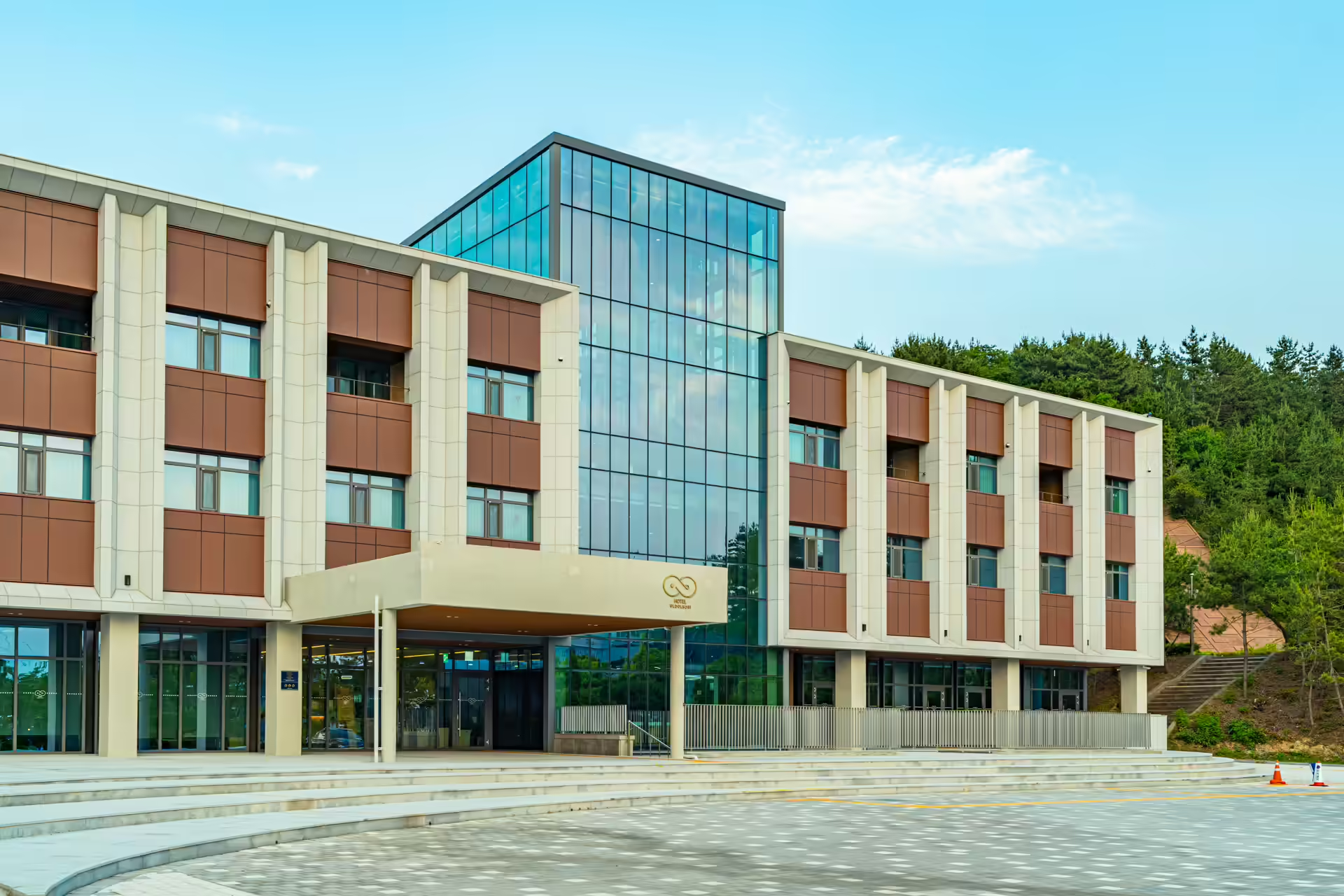
Full disclosure on the building’s past: this used to be the Usuyeong Youth Hostel. It was gutted and rebuilt under a Ministry of Culture, Sports and Tourism program for region-specialized, eco-friendly lodging, and reopened in October 2025 as a 32-room hotel. The bones are older than the paint, and up close a sharp eye catches it, but the interiors are convincingly new: pale wood, floor lighting, proper blackout curtains, bathrooms that smell of fresh grout rather than three decades of school trips.
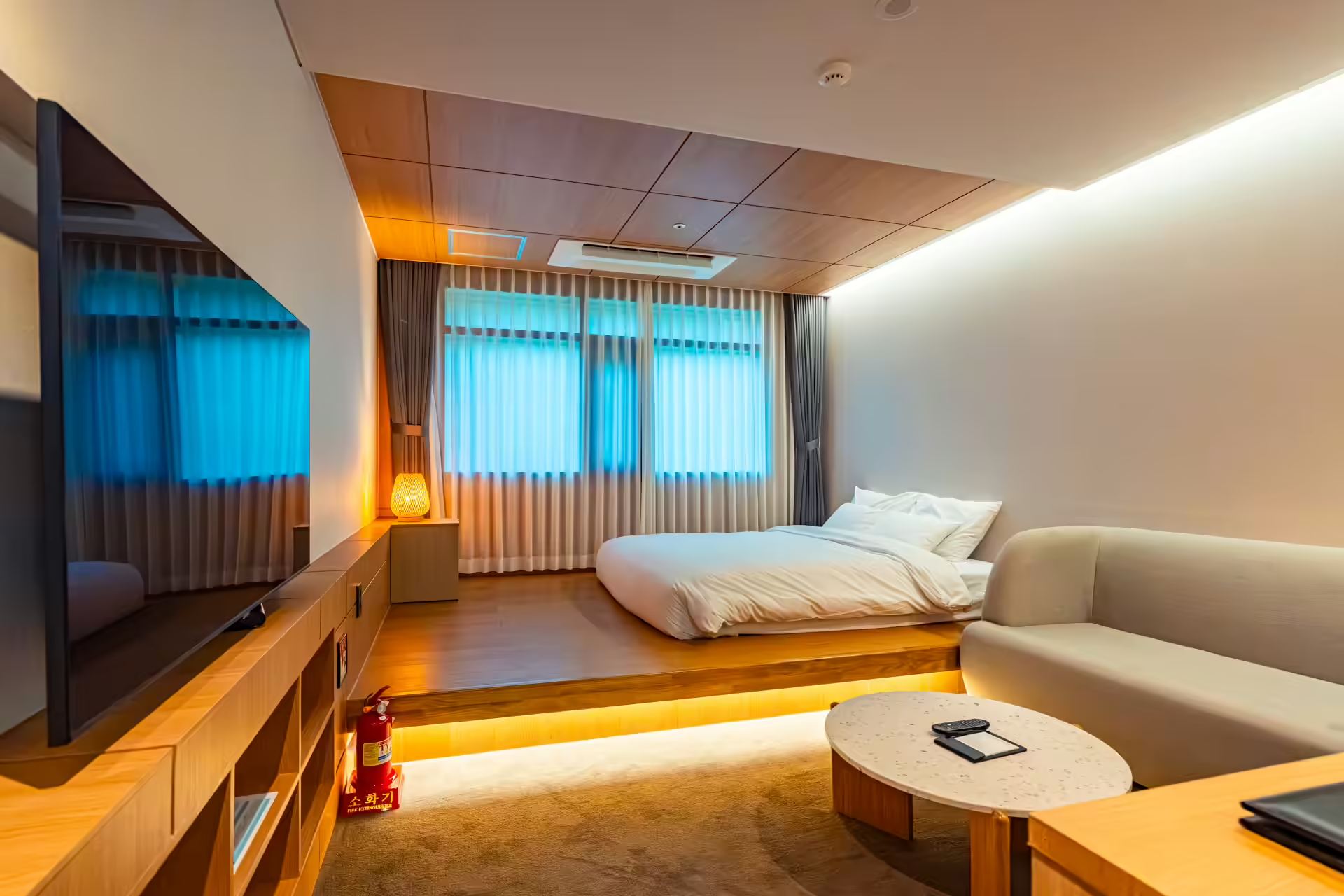
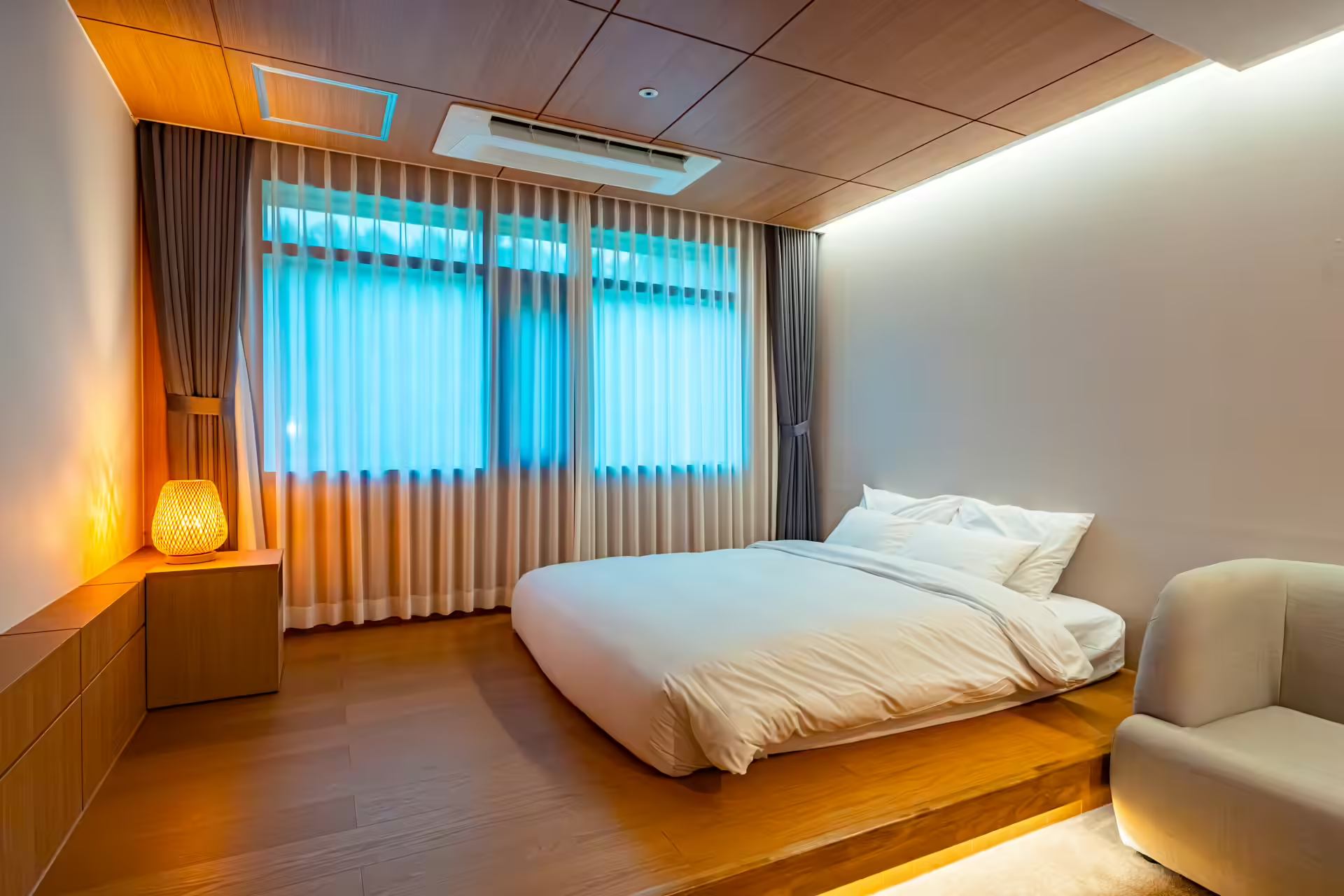
What the rooms deliver, concretely: a low platform bed, a proper sitting corner, and finishes that read boutique rather than government-project. What they do not deliver is size at the entry level; thirty square meters is honest mid-scale, not a suite in disguise. Rates float with the season, and the value case writes itself once you survey the alternatives — within half an hour, the competition is mostly motels and pensions from an earlier era of Korean road travel.
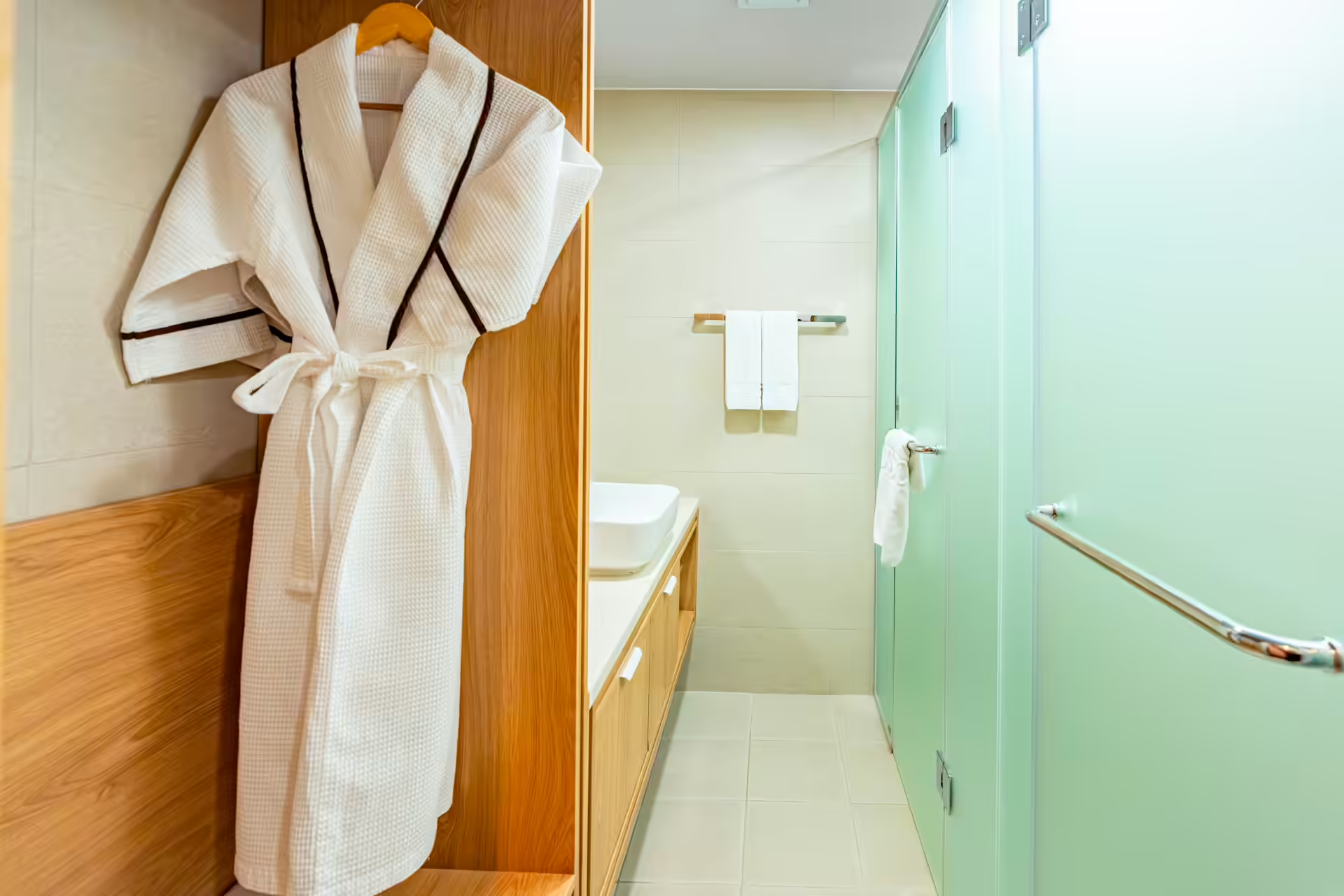
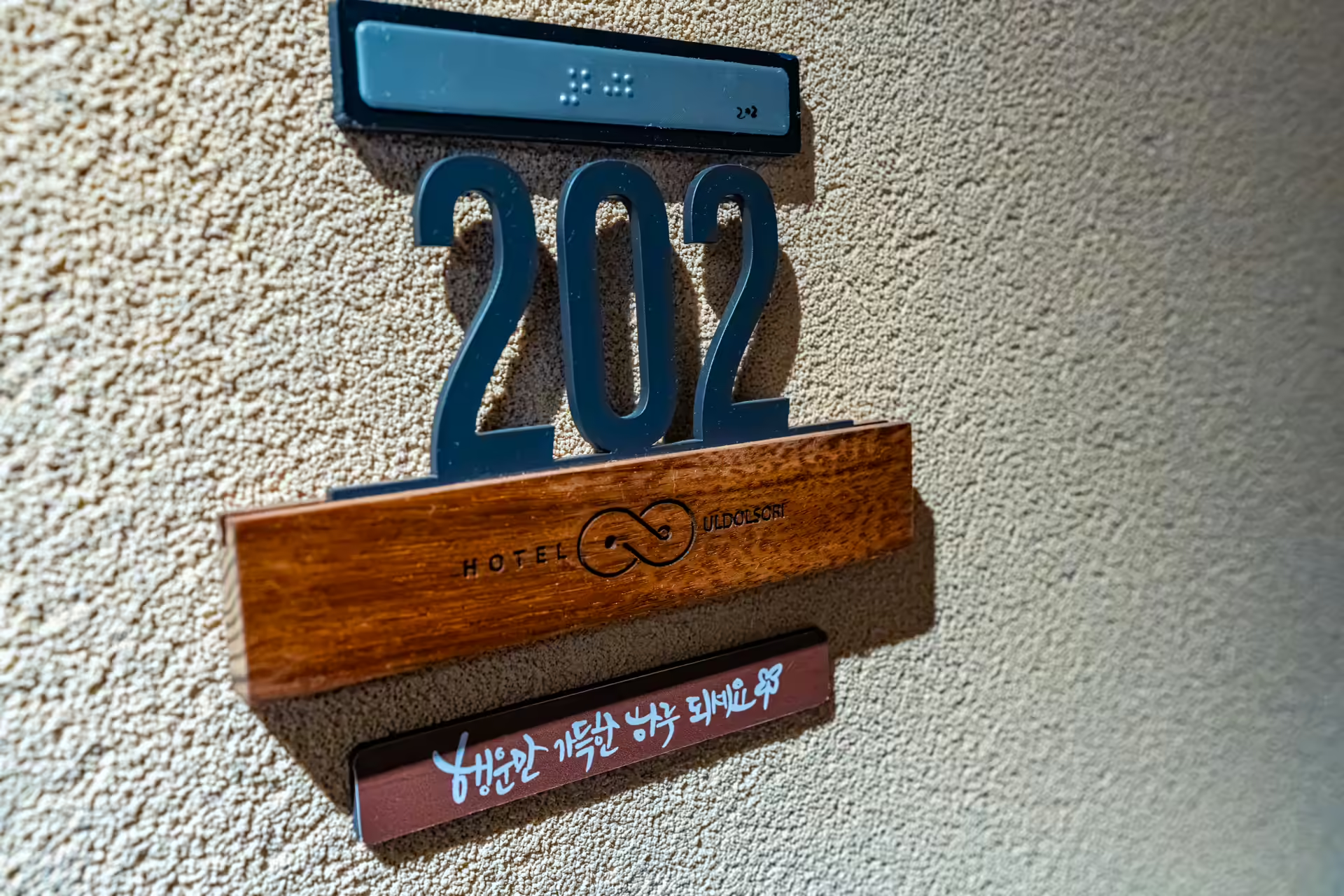
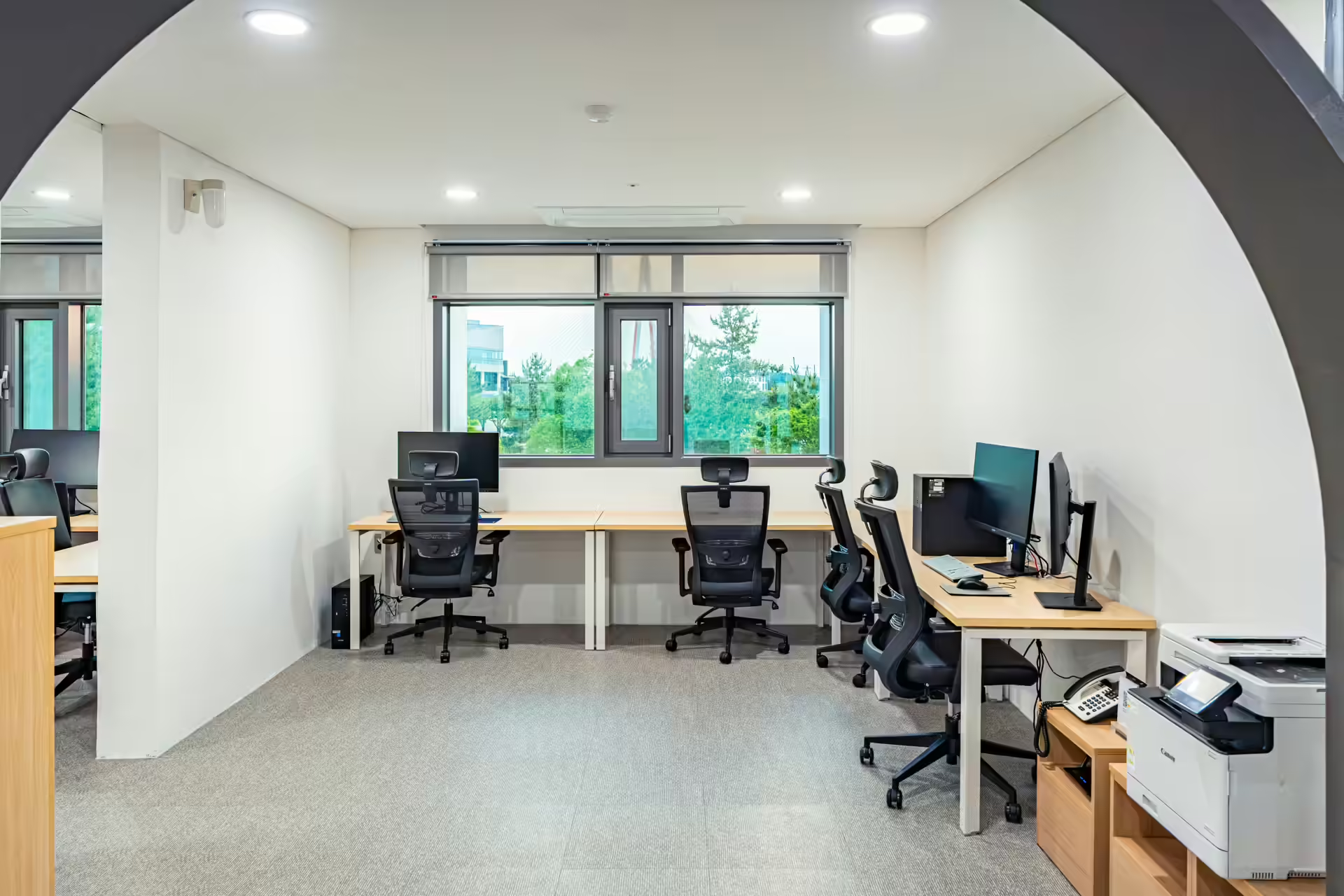
The room ladder runs from a 30-square-meter Superior Double up through twins to a 72-square-meter Family Suite and a 122-square-meter Royal Suite with its own terrace; the Premier Twin adds a private stone spa bath, and there is a properly equipped accessible double — rarer in rural Korea than it should be. The numbers the county likes to quote: within four months of opening, occupancy had cleared the 70% line that the industry treats as break-even, and the province tapped the hotel as a “Blue Workation” site, which explains the business center with actual working monitors down the hall.
Lounge 1597, and Breakfast Worth Waking For
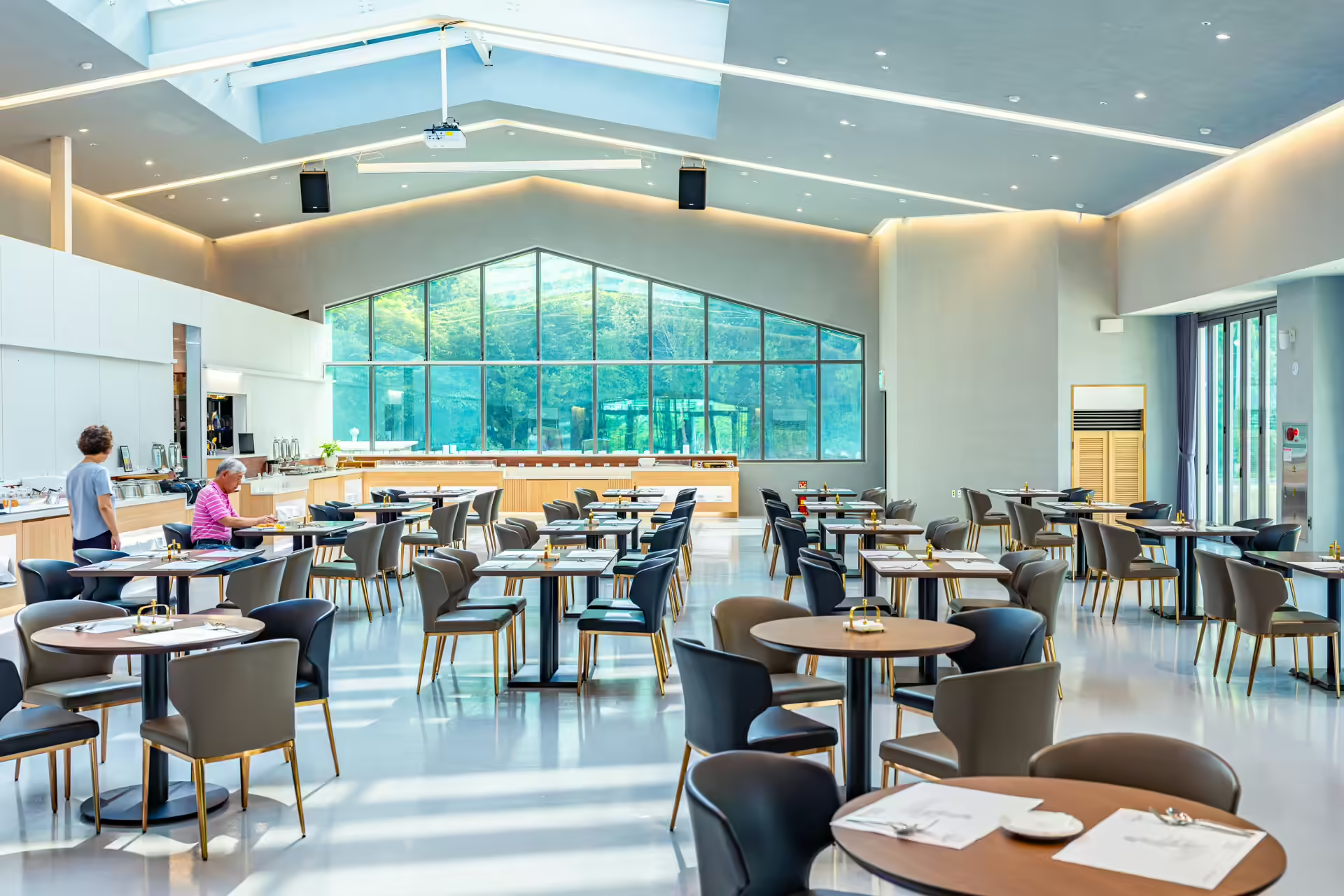
The restaurant is called Lounge 1597, after the year Admiral Yi Sun-sin took thirteen ships into the strait outside and beat a fleet of over a hundred. The naming commitment continues through the banquet rooms (Myeongnyang Hall, Daecheop — “great victory” — Hall). It could easily tip into theme-park territory; it stays just on the right side.
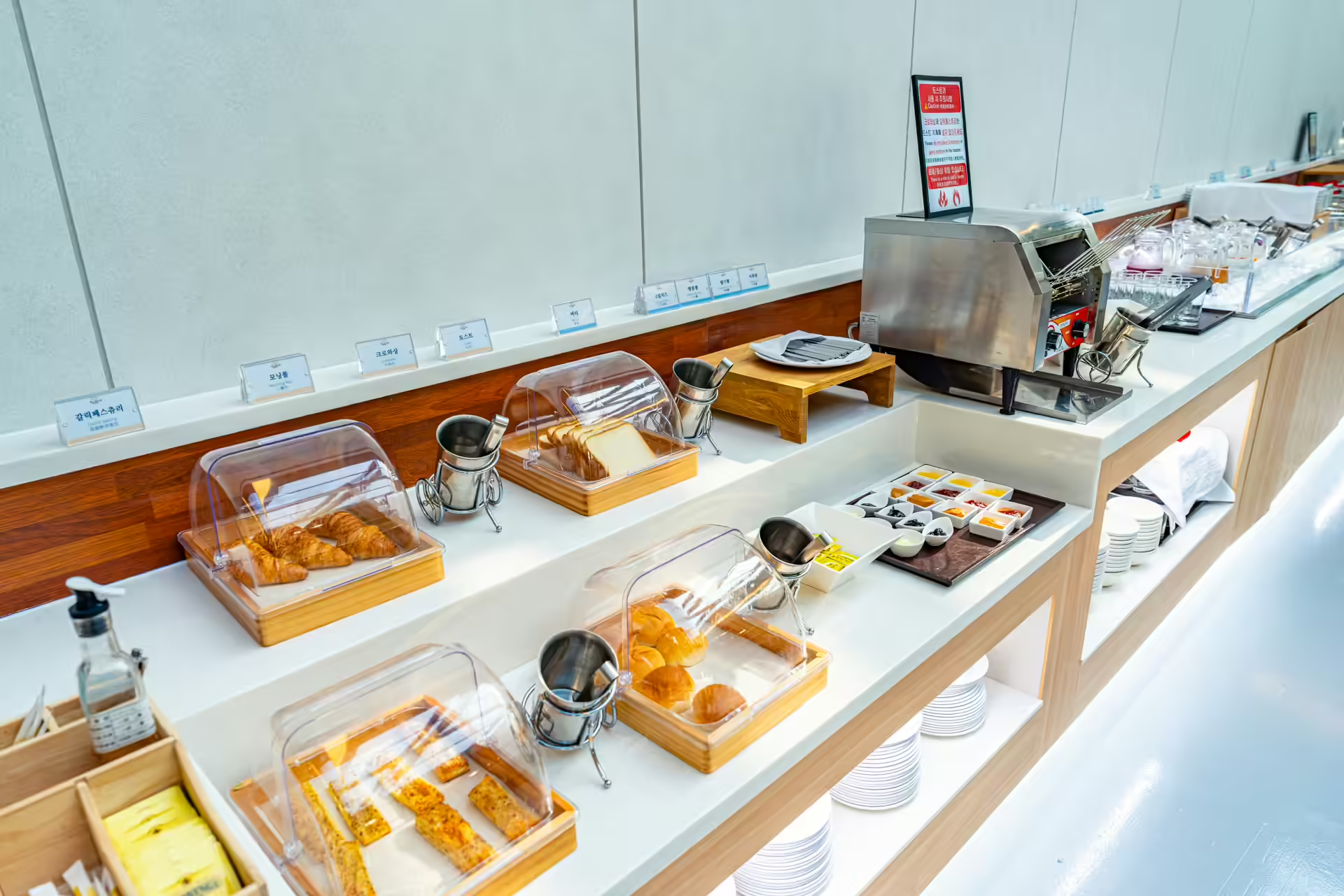
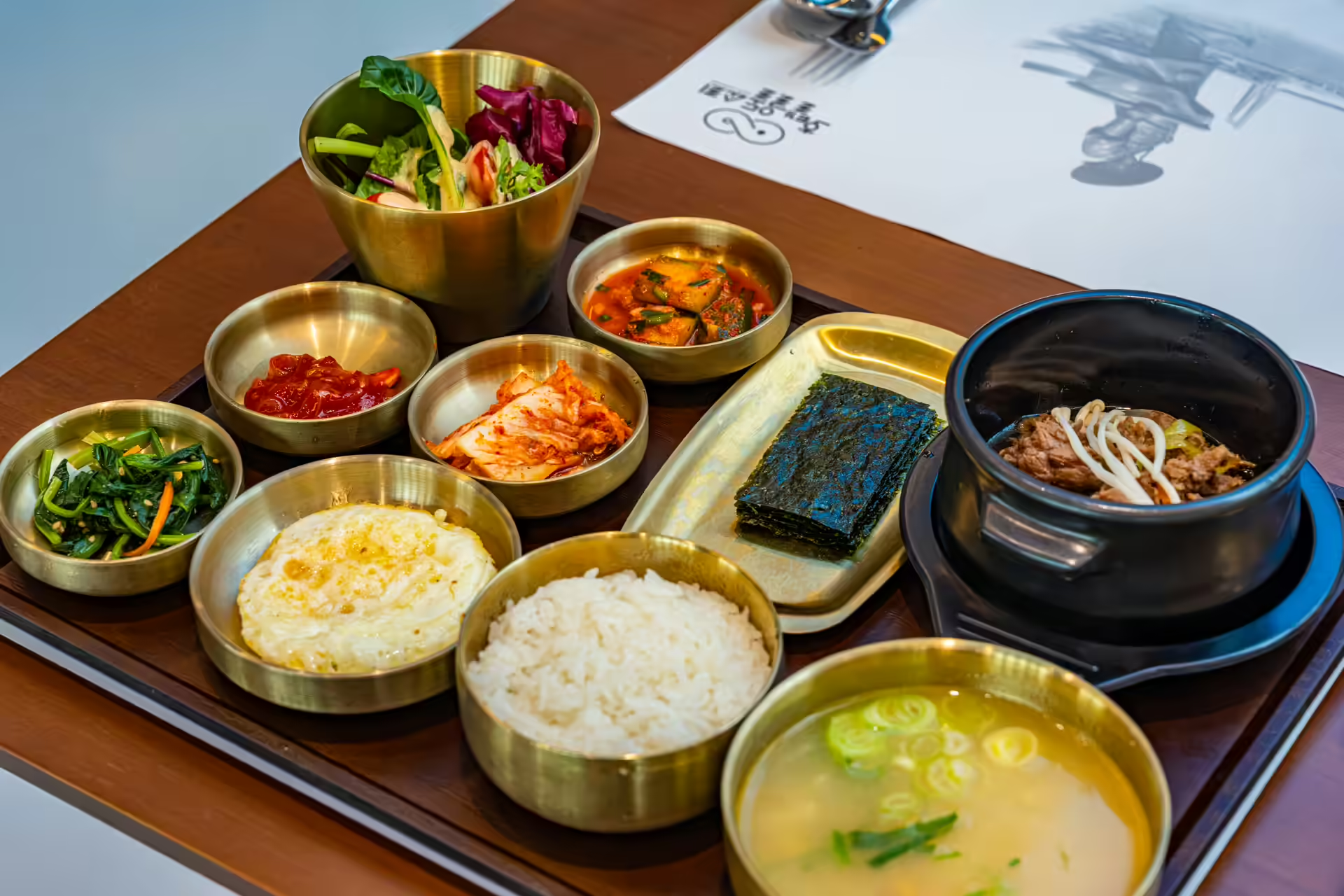
Breakfast is the meal to plan around: a compact buffet line alongside a properly composed Korean set — brass bowls, a stew, banchan laid out with more care than a 32-room hotel owes anyone. Guest reviews repeatedly single out the abalone porridge. In a corner of the country where breakfast otherwise means a convenience store or a 6 a.m. gukbap house, this counts as a real amenity.
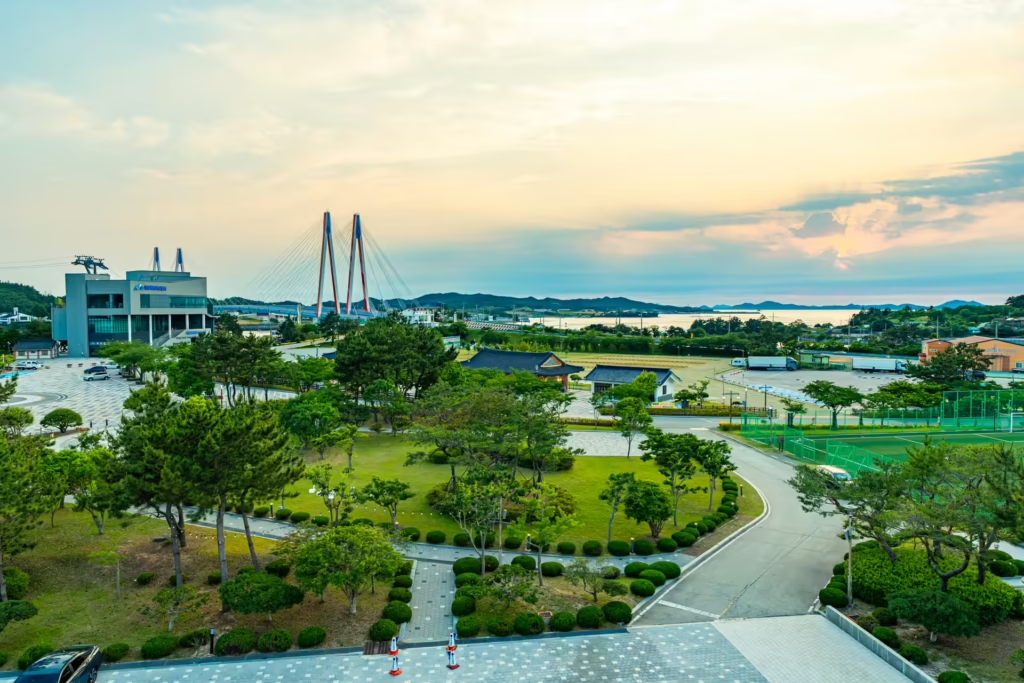
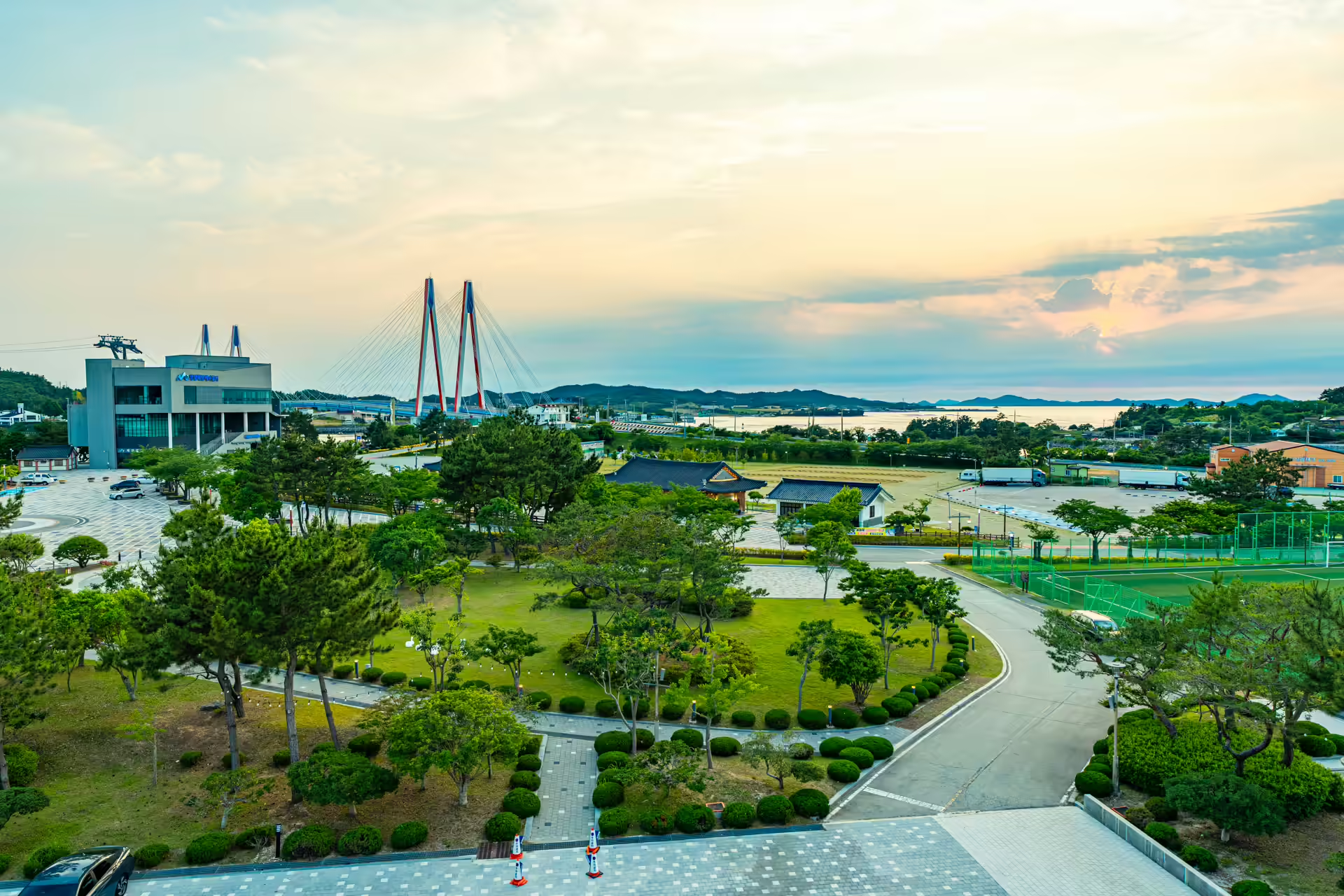
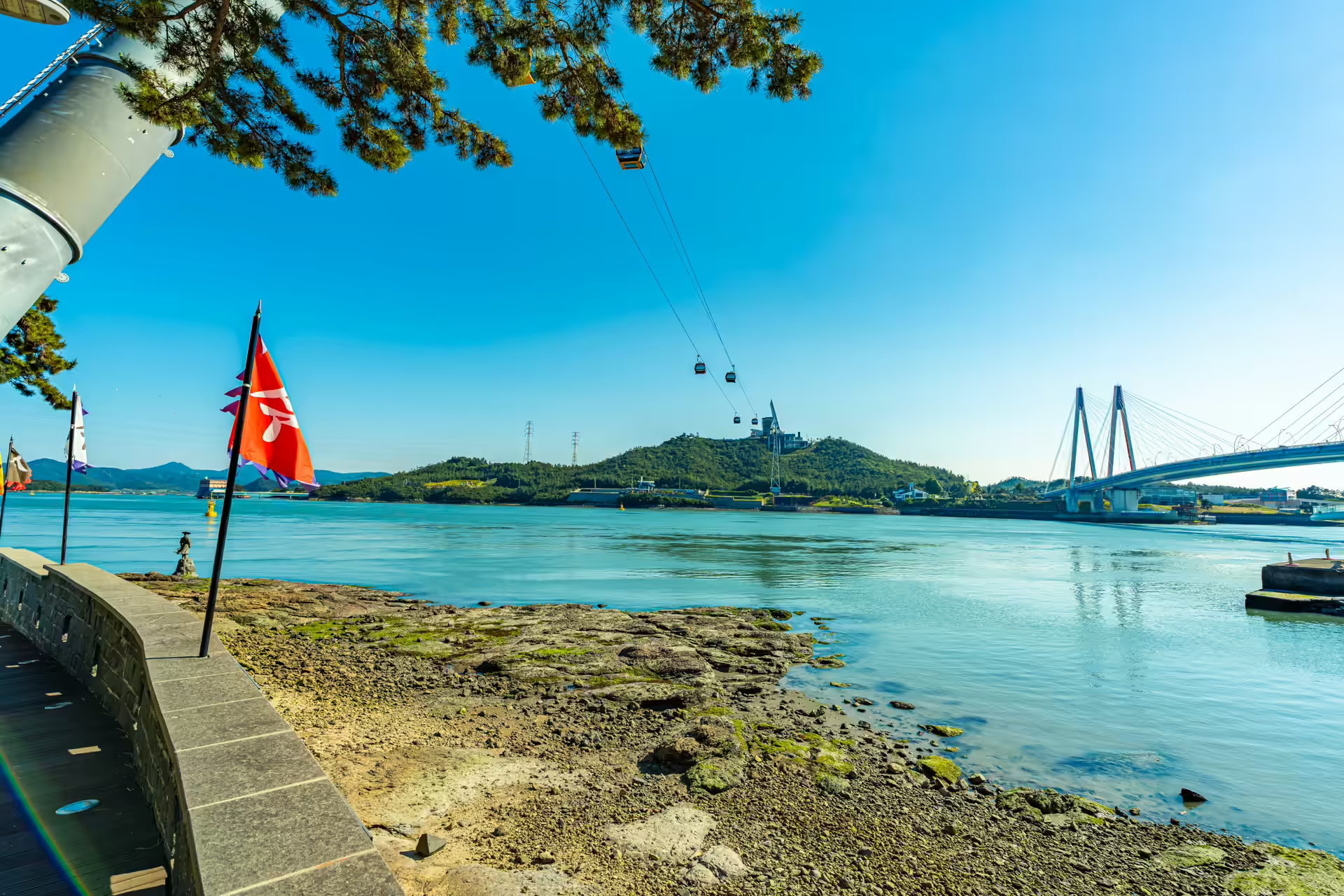
Elsewhere in the building: Cafe Sori off the lobby, a fitness room, a modest indoor pool, a spa, and the rooftop — the hotel’s best square meters. From up there the strait, the Jindo Bridge, and the cable car line up in one frame, and at dusk the whole channel goes copper. Dinner is the one logistical footnote. Options within easy walking distance of the tourist site are thin, so plan on the hotel restaurant or a short drive — and if you care about a specific meal, check hours before you assume anything out here is open late.
The Strait Out Front: Skywalk, Cable Car, and 11 Knots of History
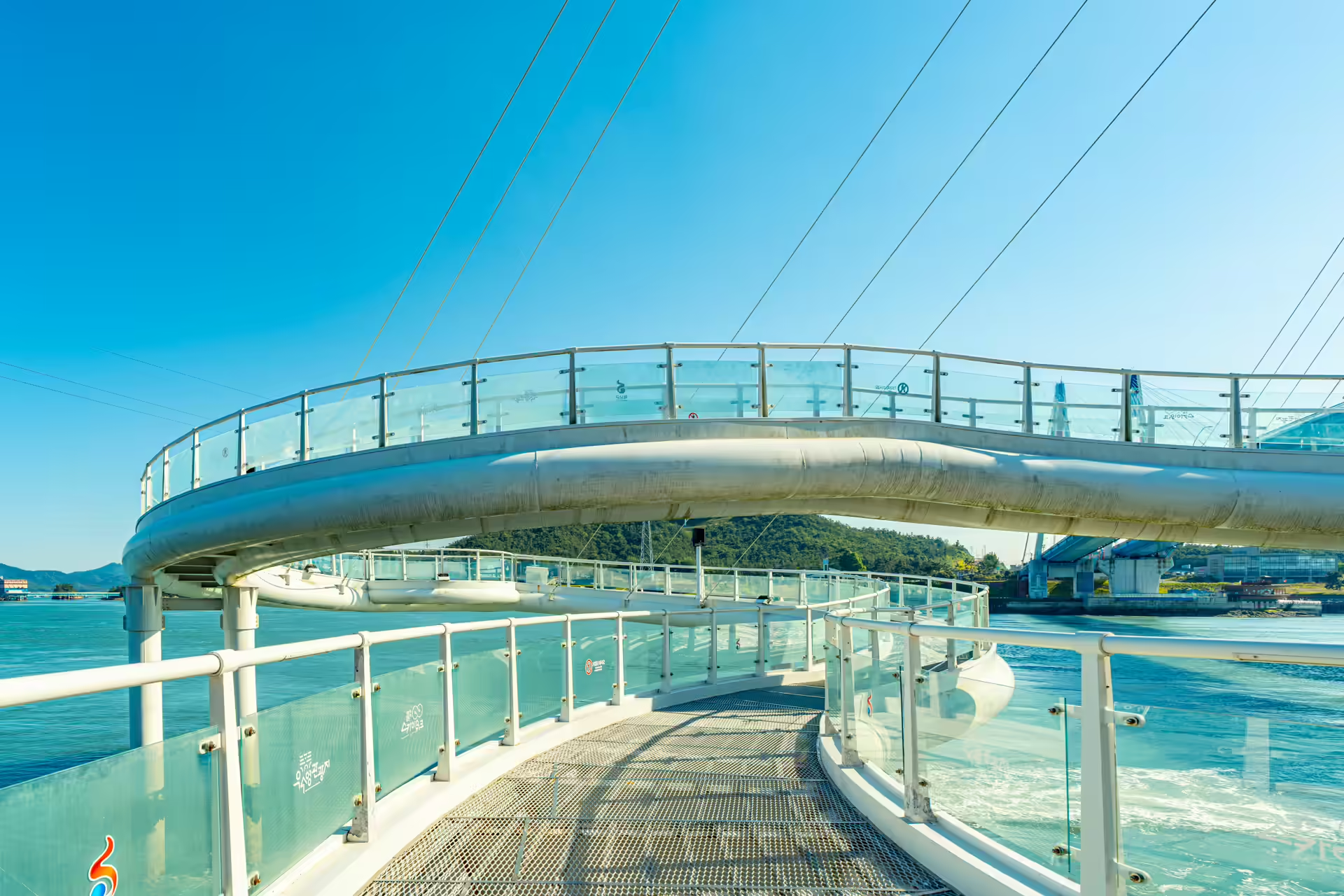
The reason to sleep here rather than in Mokpo is the front yard. The Usuyeong Tourist Site starts at the hotel door, and its centerpiece is the strait itself: at peak flow the tide rips through at up to 11 knots, the fastest current in Korean waters, spinning off whirlpools you can watch from dry land. The free Uldolmok Skywalk (111 meters, open 9:00 to 5:30) puts you directly above the water — stand still and you feel the vibration of it through the deck. This is the current that Admiral Yi used as a weapon, and no diorama explains his tactics as well as two minutes of looking straight down at the water doing its work.
For the aerial version, the Myeongnyang Cable Car crosses the strait to Jindo — 920 meters across, 28 meters up, 14 minutes round trip, with round-trip fares at 15,000 won for a standard cabin and 18,000 for a crystal-floor cabin at the time of reporting (weekdays from 10 a.m., weekends from 9:30). The crystal floor earns its surcharge here if it does anywhere: the whirlpools pass directly underneath. Riding across also buys you the Jindo side — the station tower on Manggeumsan hill looks back over the whole channel, so the same stretch of water reads three different ways in an afternoon: from the skywalk at deck level, from the cabin at 28 meters, and from the far hill.
Back on the Haenam side, the Myeongnyang Battle Memorial Exhibition Hall covers the naval history for 2,000 won, closed Mondays, and the wider Usuyeong grounds fill in the rest — a memorial tower, replica warships, and in autumn a festival that restages the battle on the actual water it happened on. That festival weekend is the one crowded moment of the Usuyeong year — book well ahead if your dates land on it, or aim a week to either side for the same water without the company. A word of planning honesty: the strait performs on the tide’s schedule, not yours, so ask the front desk when the current peaks and build your walk around it. Korea’s hydrographic service publishes daily current predictions for Uldolmok, so the show times are knowable before you even arrive — the front desk is simply faster. At slack tide the channel is just handsome scenery; at full flow it is a spectacle.
And the perk that ties this stay to the previous day’s story: at the time of writing, hotel guests get free admission to the Haenam Dinosaur Museum, twenty minutes east — a museum built directly on a fossil footprint field, and easily half a day well spent. For a family, that perk alone claws back a meaningful chunk of the room rate.
Who This Is Actually For
Book Hotel Uldolsori if you are doing the deep southwest properly: the dinosaur museum, the land’s end, Jindo across the bridge, the slow coastal roads that make this region worth the drive — Naju’s railway relics and river-town food street fit the same loop on the way down (my Naju railway heritage guide). It suits road-trippers who want one comfortable, well-fed night rather than a resort stay; remote workers cashing in the workation setup; and families leveraging the museum perk. Skip it if you need nightlife, a swim-up bar, or a town outside the door — Usuyeong after dark offers the sound of moving water and very little else, and I mean that as a recommendation.
Two facilities deserve an honest frame before you book around them. The pool is a small indoor affair, fine for children and cooling off, not for laps; and the spa is a quiet add-on rather than a destination in itself. The hotel’s real luxuries are the rooftop, the breakfast, and the location — rank those honestly against what you want from a night, and you will know within a minute whether this is your place.

Search available rooms at Hotel Uldolsori →
Checkout is at 11, and by then the tide will have turned at least once — the current out front reverses on its own schedule, ran this channel for Joseon admirals, and will keep running it long after the hotel’s paint fades. What the hotel sells is the chance to sleep unusually close to that indifference for a night, with abalone porridge in the morning.
Practical Manual: Hotel Uldolsori
| Name | Hotel Uldolsori (호텔 울돌소리) |
| Address | 12-36 Gwangwangrejeo-ro, Munnae-myeon, Haenam-gun, Jeonnam-Gwangju Special Metropolitan City (전남 해남군 문내면 관광레저로 12-36, 우수영관광지 내) |
| Rooms | 32 rooms, Superior Double (30㎡) to Royal Suite (122㎡); accessible room available; Premier Twin has a private stone spa |
| Check-in / out | 3:00 p.m. (until 9:30 p.m.) / 11:00 a.m. |
| Facilities | Lounge 1597 restaurant (breakfast), Cafe Sori, rooftop, fitness room, small pool, spa, business center; free parking and Wi-Fi |
| Guest perk | Free admission to the Haenam Dinosaur Museum (at the time of writing — confirm at the front desk) |
| On the doorstep | Uldolmok Skywalk (free, 9:00–17:30), Myeongnyang Cable Car (round trip 15,000–18,000 won), Myeongnyang Battle Memorial Exhibition Hall (2,000 won, closed Mon) |
| Getting there | KTX/SRT to Mokpo then approx. 50 min by car; express bus Seoul–Haenam then approx. 30 min |
| Contact | uldolsori-hotel.com / +82-61-532-7900 |
Navigation Tip: Google Maps will not route you reliably here. Use Naver Map and search “호텔 울돌소리” or “우수영관광지.” Papago handles Korean menus better than Google Translate.