
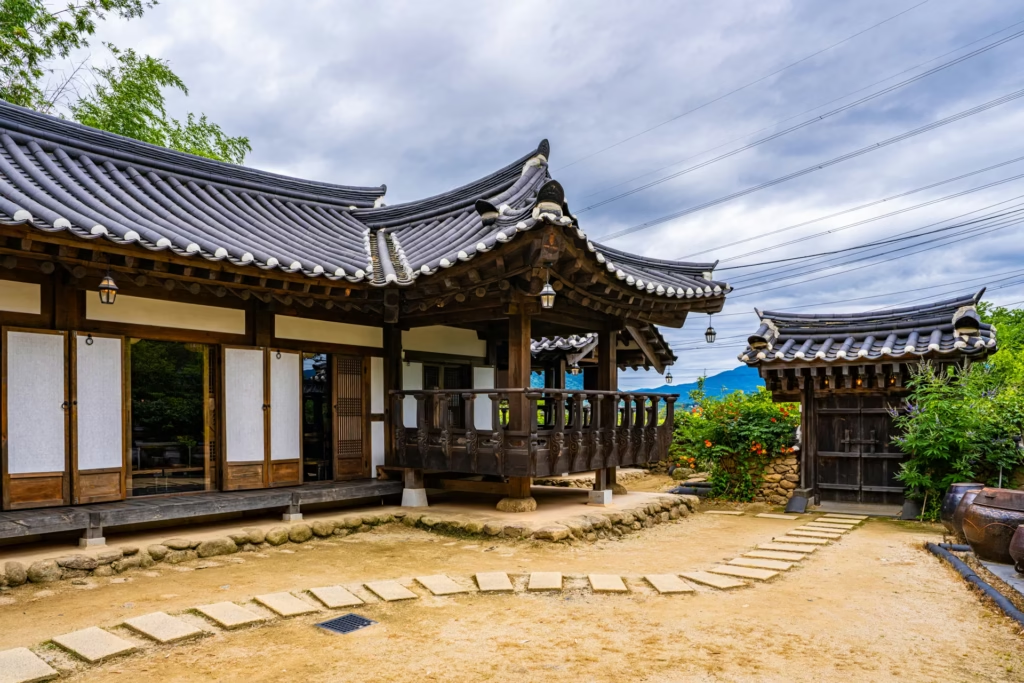
Ssangsanjae: The Hanok Garden That a TV Show Couldn’t Spoil
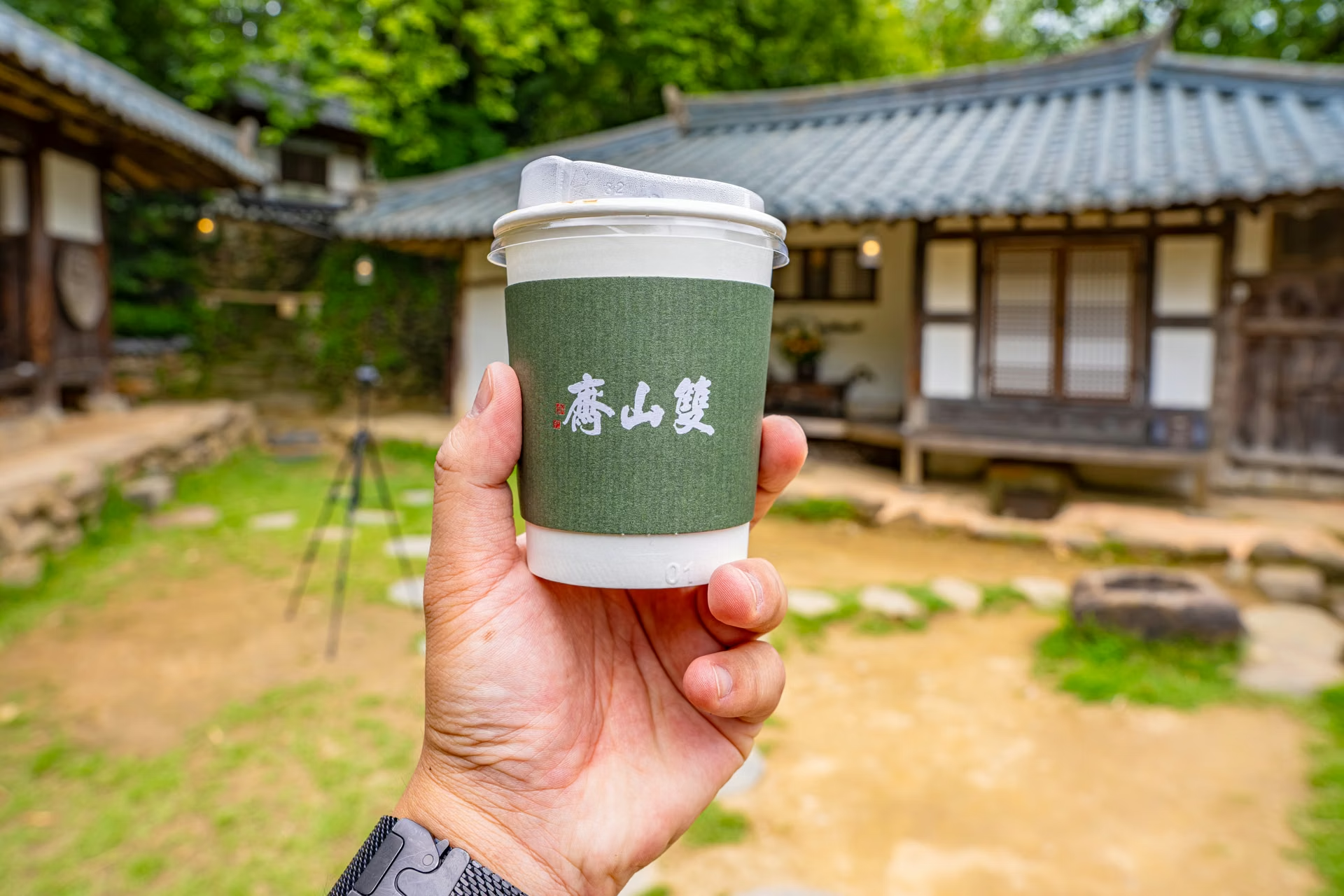
I’ve handed over ₩10,000 for plenty of things in Korea that were finished in five minutes. At Ssangsanjae (쌍산재), the same bill bought me a cup of coffee, the run of a centuries-old scholar’s estate, and the better part of an afternoon on a wooden porch with nobody telling me to move along. That last part is the point. Most heritage houses in Korea are places you look at from behind a rope. This one hands you a drink at the gate and lets you live in it for a few hours.
You may already know the place without knowing its name. Ssangsanjae was the filming location for tvN’s Youn’s Stay, the 2021 reality show in which actress Youn Yuh-jung ran a hanok guesthouse for foreign visitors. The show made the house famous; what it didn’t do, thankfully, is change how the house works.
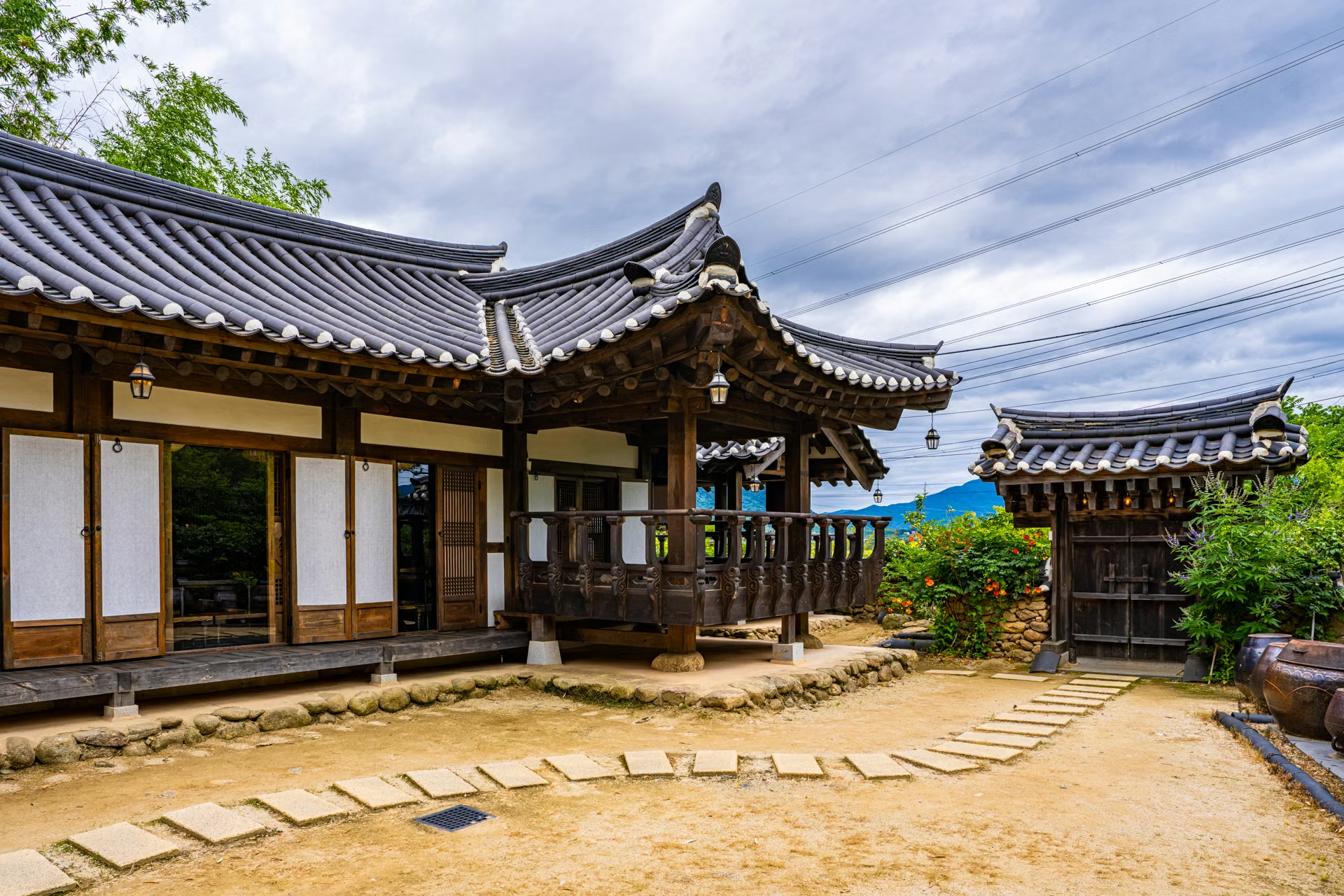
Where You Are: Gurye, the Quiet Corner of the Seomjin River
Ssangsanjae sits in Sangsa Village in Gurye County, South Jeolla Province, on the southern flank of Jirisan — the mainland’s highest mountain range. From Seoul, the KTX on the Jeolla Line runs from Yongsan to Gurye-gu Station in roughly two hours and forty minutes. One local quirk worth knowing: despite the name, Gurye-gu Station technically stands across the Seomjin River in neighboring Suncheon. From the station it’s a 10–15 minute taxi ride to the village.
A rental car is the more realistic play if you want Gurye to be more than a single stop. The county packs Hwaeomsa — one of Korea’s great mountain temples — plus riverside bamboo paths and private gardens into a compact area, and this is the same Seomjin River valley that turns pink at the Gwangyang Maehwa Festival every March and white along Hadong’s ten-ri cherry blossom road a few weeks later. Public transit exists, but the buses keep countryside schedules.
Getting In: One Ticket, One Cup, No Clock
The gate opens at 11:00 a.m., which already tells you something about the pace of the place. Admission is ₩10,000 per person, and the ticket comes with a welcome drink — coffee or a traditional tea such as maesil, the Korean green plum. You carry it with you. Porches, pavilions, tables set under trees: sit wherever you like, for as long as you like, until the grounds close at 4:30 p.m. (last entry 4:00 p.m.).
A few house rules are enforced without apology. Visitors need to be middle-school age or older — the estate’s stone steps and open ponds aren’t built for small children. No pets, no outside food, and the entire property is a no-smoking zone. The house closes every Tuesday.
The Front Courtyards: A House, Not a Museum
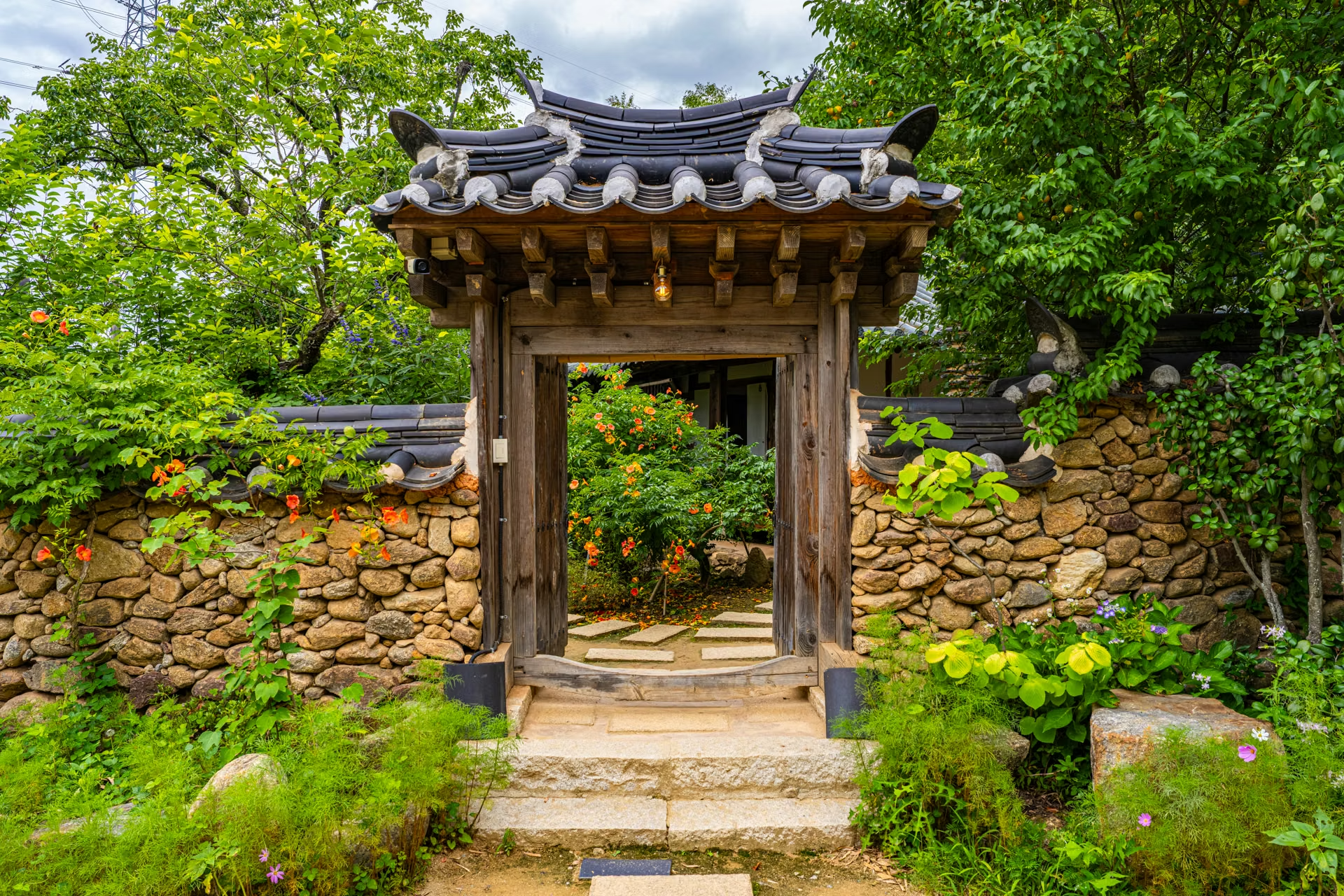
Ssangsanjae has been the seat of a branch of the Haeju O clan for generations; the Korea Tourism Organization describes the estate as around 300 years old, with over a dozen hanok structures scattered across roughly 16,500 square meters of grounds. The family story has a detail I keep thinking about: during the Japanese occupation, the household reportedly refused to adopt a Japanese name, and the master of the house withdrew into books and his garden instead. The estate you walk through today is essentially the physical shape of that decision.
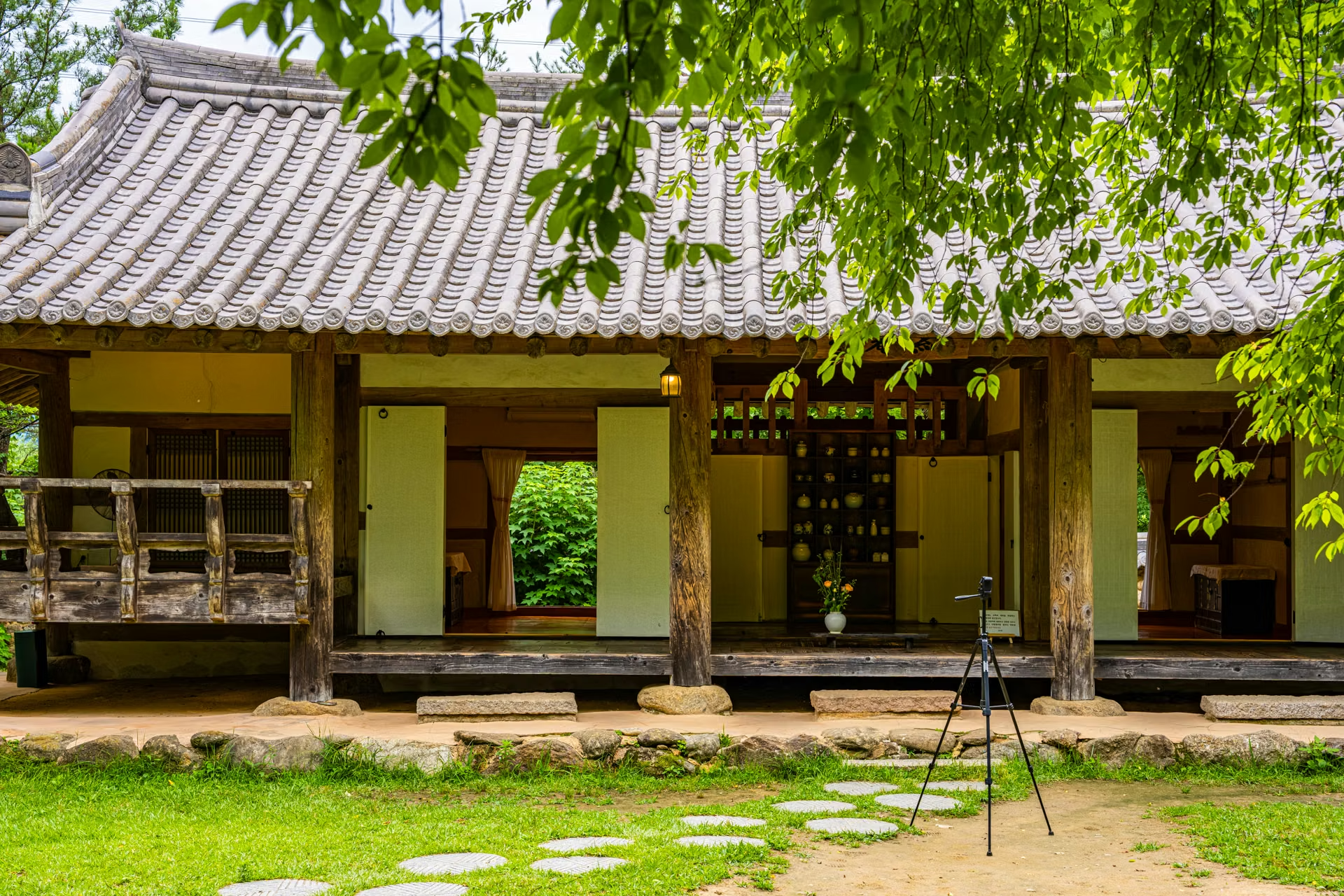
The first courtyards feel domestic rather than curated. The anchae (women’s quarters), sarangchae (men’s reception hall), and geonneochae (the daughters’ wing) stand around packed-earth yards linked by stepping stones. Doors stand open, and the rooms behind them are furnished and swept — this is still a functioning home and guesthouse, not a set.
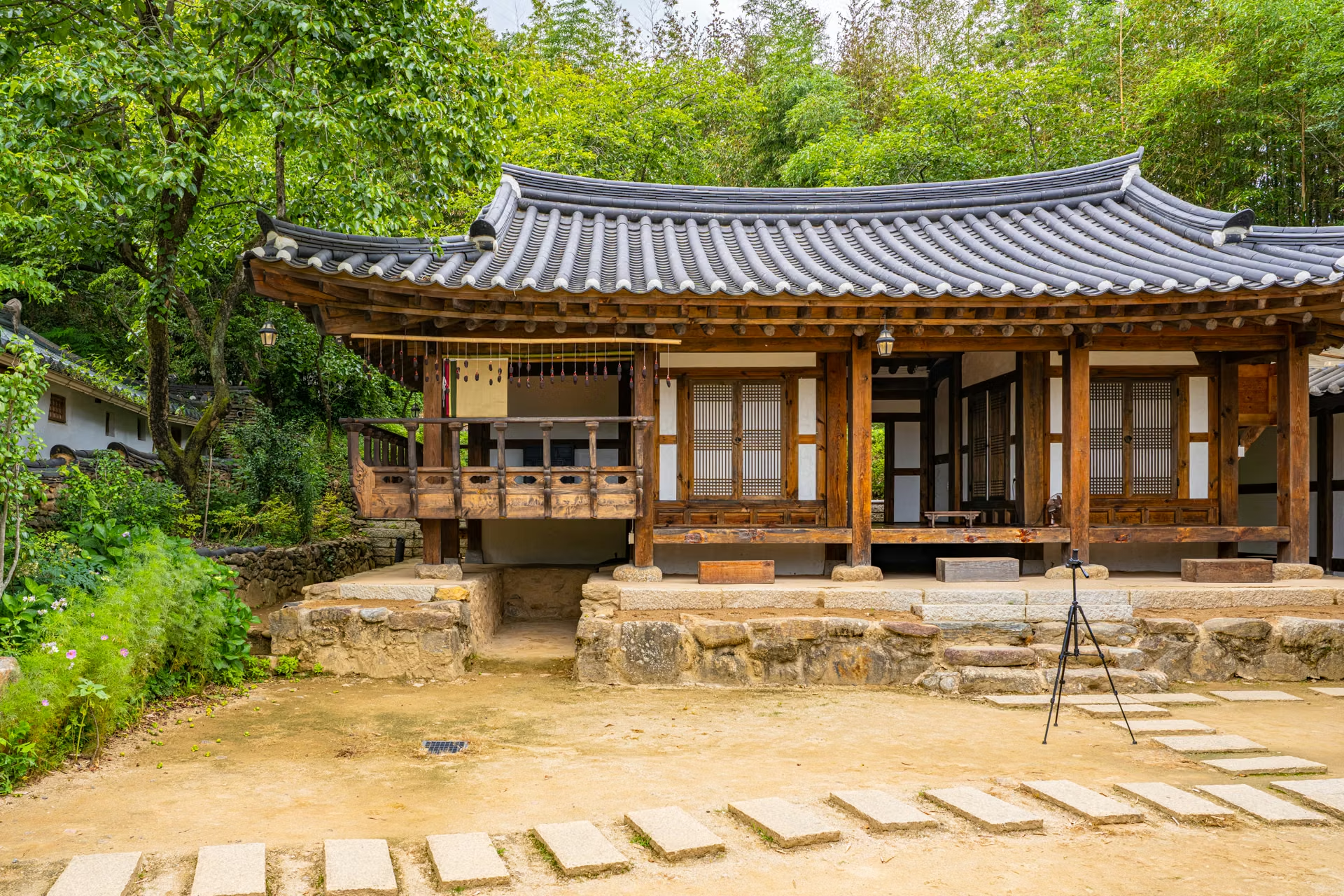
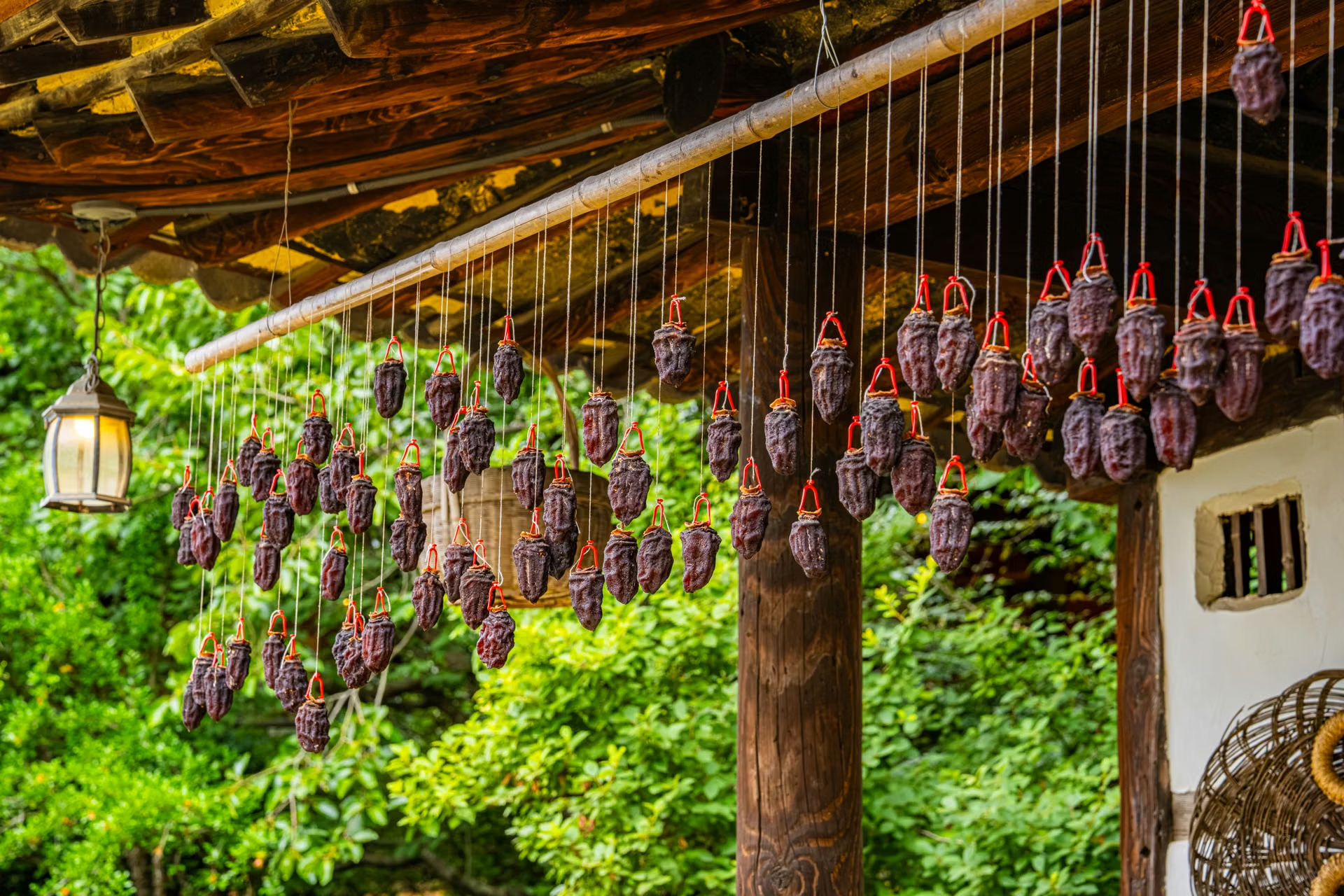
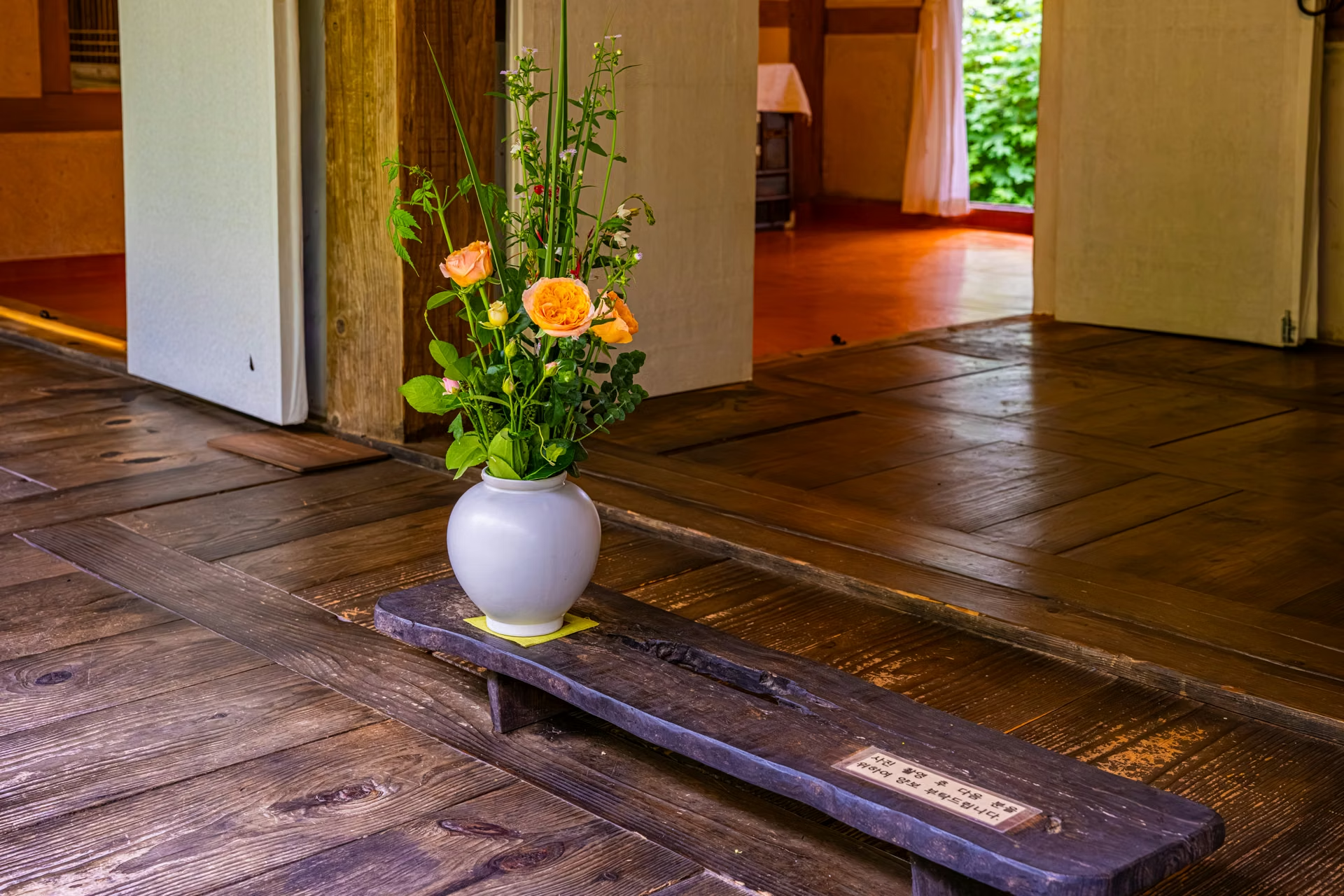
The details reward slow walking. Strings of dried persimmons hang under one set of eaves like a beaded curtain. A single vase of fresh flowers sits on a wooden maru floor polished by decades of socks and bare feet. Through the open doors of the largest hall, the frame of the doorway turns the garden beyond into a hanging painting — a trick traditional Korean architecture pulls off constantly and never by accident.
The Stone Path Up: Where the House Becomes a Garden
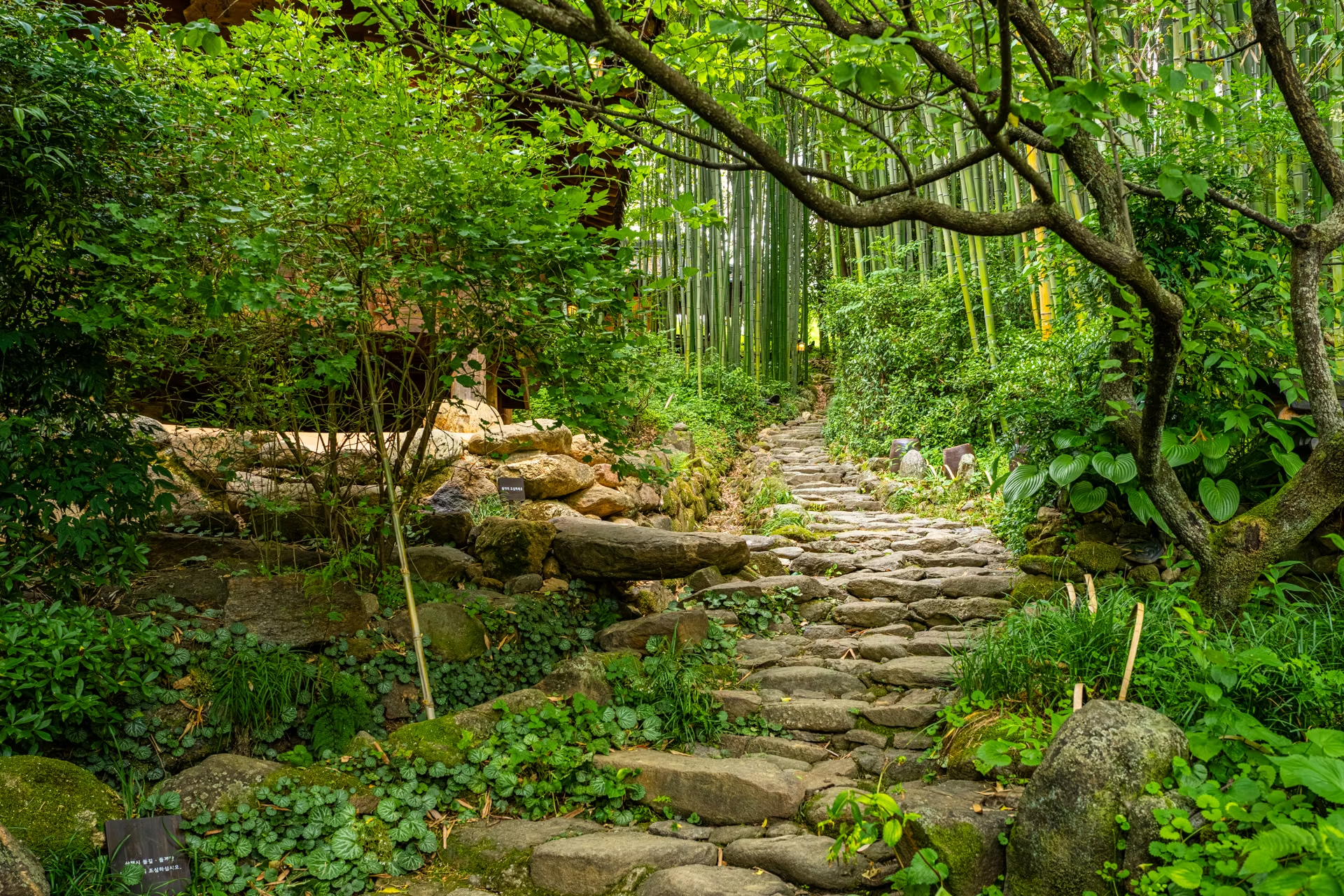
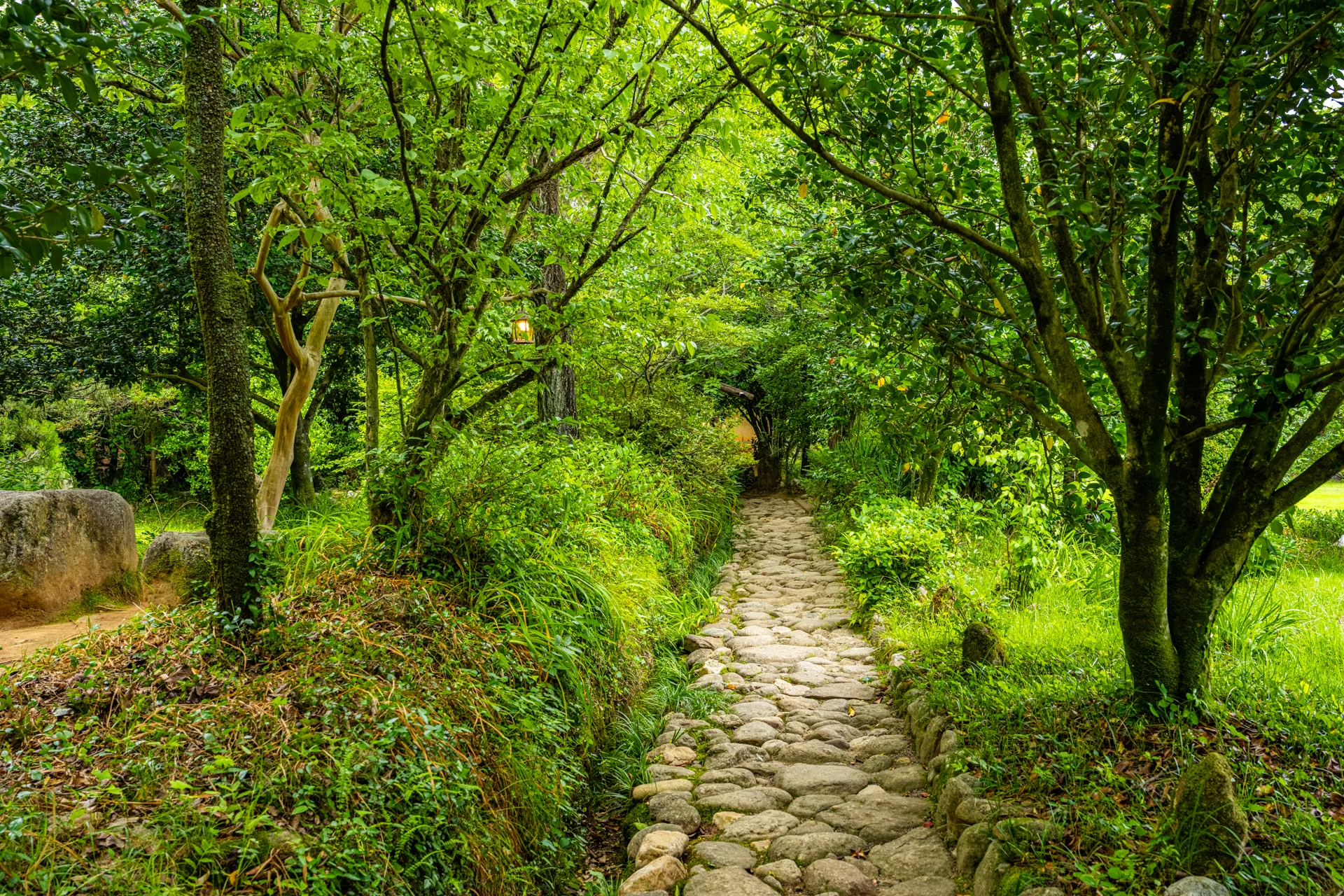
Behind the residential courtyards, the estate does something most Korean historic houses can’t: it keeps going. A stone path climbs the hill through a garden that was registered as Jeollanam-do’s private garden No. 5 — the grounds first opened to the public in 2004, well before television found them. This is the stretch that separates Ssangsanjae from a quick photo stop.
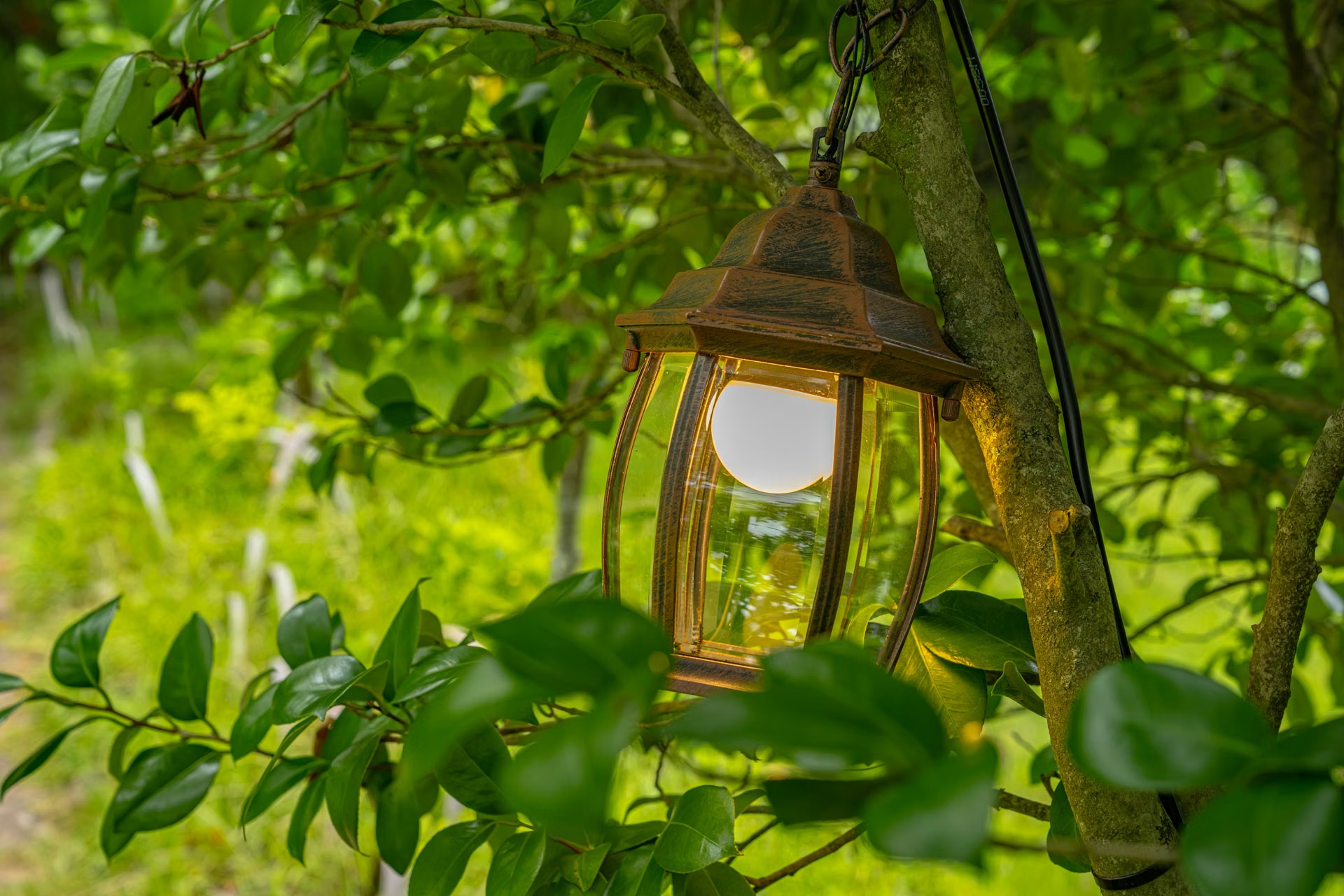
The path is mossy stone steps under a canopy of old trees, with lanterns hung at intervals from the branches. In midsummer the whole hillside reads as one saturated green, the kind that makes your phone camera look like it’s exaggerating. It isn’t. Walk it slowly; the steps are uneven in places, and that’s part of why the house sets an age minimum.
Seodangchae: The Study Hall That Named the Estate
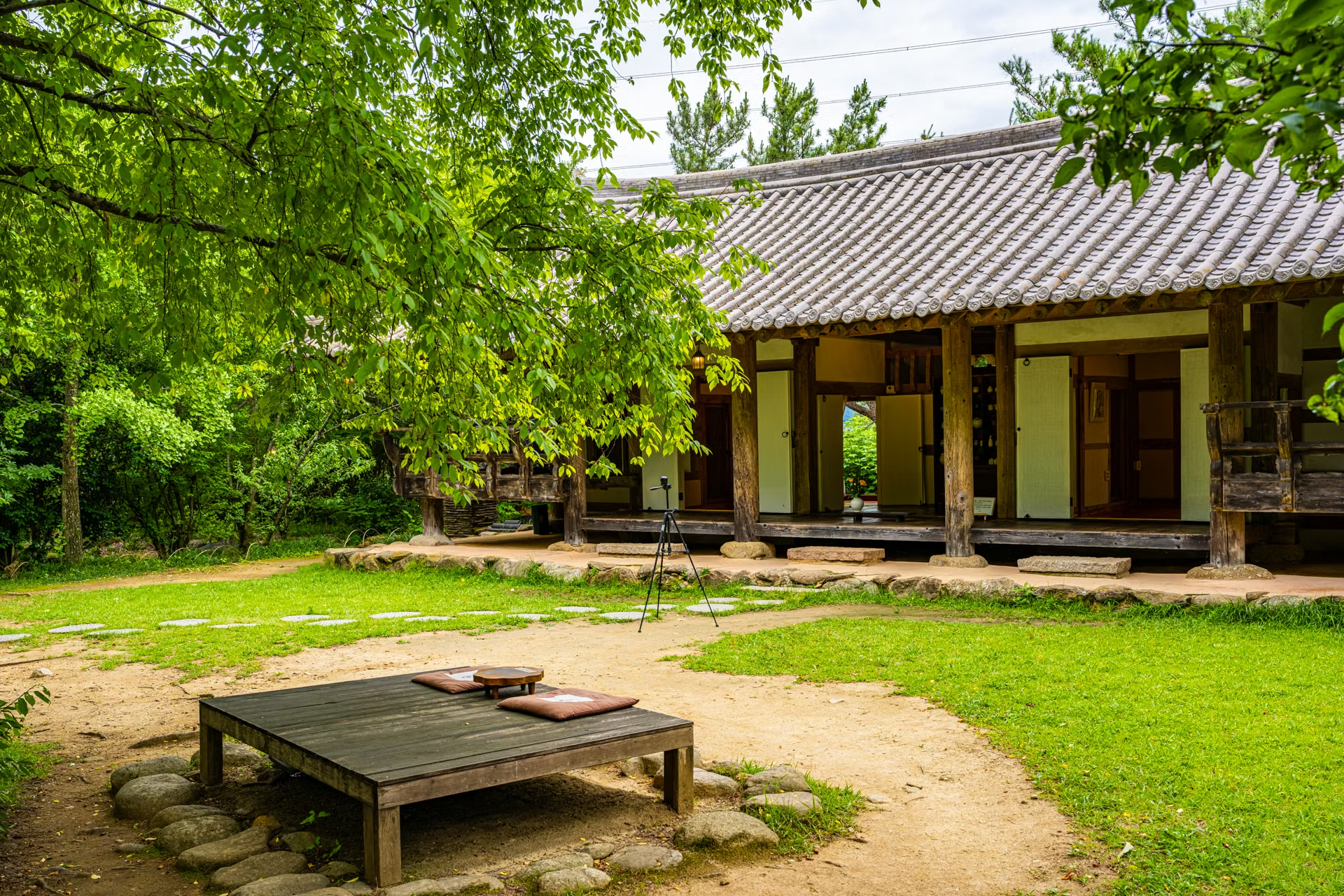
At the top of the garden the trees open onto a lawn, and a long, low hall called the seodangchae — the study hall — sits across it. This building is the reason the whole estate is called Ssangsanjae: “Ssangsan” was the pen name of O Hyeong-sun, the family scholar whose study this was, and generations of the clan’s children were taught here. In Youn’s Stay, this lawn is where guests ate breakfast; in person, it’s where most visitors finally stop taking photos and just sit down on the wooden deck.
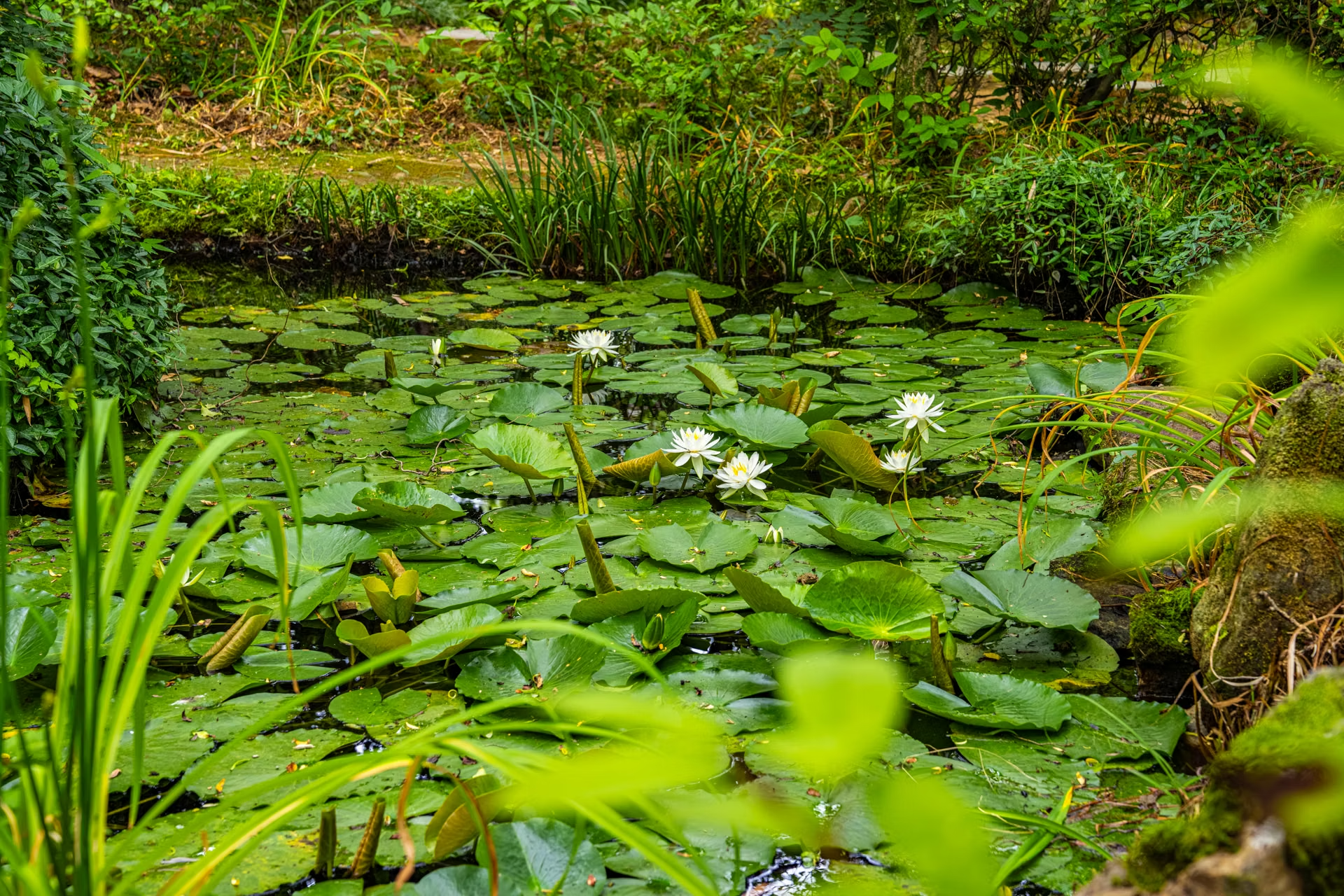
Nearby, a pond holds water lilies that bloom white through the summer. And at the far edge of the wall there’s a small gate called Yeongbyeokmun. Step through it and the garden pulls its best trick: the frame of the gate opens directly onto Sado Reservoir, a wide sheet of water originally dug during the Japanese occupation for farm irrigation. The family didn’t build the view — they borrowed it, and the borrowed lake now works as the estate’s back pond. It’s the single best moment on the property, and it’s easy to miss if you turn around at the lawn.
Staying Overnight, and the Heirloom Tea Table
Day visits are only half the operation. Ssangsanjae rents several of its hanok rooms as guest accommodation, booked through the official website — this is the actual “Youn’s Stay” experience, minus the camera crew. The family also runs a reserved-in-advance dagwa service: a traditional table of house sweets and tea served in the old halls. Both fill up ahead of weekends, so plan before you travel rather than at the gate. If slow tea rituals are the part of Korea you’re here for, pair this with the seventh-generation tea house we covered at Baegun Chasil in Gangjin, about 90 minutes southwest.
Who This Is Actually For
Ssangsanjae is for travelers who treat sitting still as an activity: couples, photographers, hanok-architecture people, and anyone routing through the Jirisan–Seomjin River corridor with half a day to spend well. It pairs naturally with Hwaeomsa temple, fifteen minutes away by car, for a full Gurye day. It is not for families with young children — the middle-school age minimum is firm — and the stone steps and uneven paths will frustrate anyone with limited mobility. If your travel style is checklist-and-move-on, the ₩10,000 will feel steep for what is, on paper, one house and one garden. It isn’t priced for that style. It’s priced for the hours.
My last image of the place: an empty paper cup on the edge of the maru, bamboo moving at the top of the garden, and no reason to check the time. That’s what the ticket buys.
The Travel Manual: Ssangsanjae Practical Information
| Name | Ssangsanjae (쌍산재) |
|---|---|
| Address | 3-2 Jangsu-gil, Masan-myeon, Gurye-gun, Jeollanam-do 전남 구례군 마산면 장수길 3-2 |
| Hours | 11:00–16:30 (last entry 16:00) |
| Closed | Every Tuesday |
| Admission | ₩10,000 per person, welcome drink included |
| Age policy | Middle-school age and older only |
| House rules | No pets, no outside food, entire grounds non-smoking |
| Stay & tea table | Hanok rooms and heirloom dagwa course by advance reservation via the official site (ssangsanje.com) |
| Phone | 010-3635-7115 |
| Parking | Free, at the village entrance |
| Getting there | KTX Yongsan → Gurye-gu Station (approx. 2 hr 40 min), then 10–15 min by taxi |
| Navigation tip | Search “쌍산재” in Naver Map — Google Maps is unreliable in rural Korea. Papago handles menu and signage translation well. |