
The most informative Korean food experience Seoul offers to international visitors is also one of the least crowded—and it’s free to enter. Hansik Space E:eum (한식문화공간 이음), operated by the Ministry of Agriculture, Food and Rural Affairs and the Korea Hansik Promotion Institute, sits at the entrance of Bukchon Hanok Village, two minutes on foot from Anguk Station. Most tourists walk straight past it.
That’s a mistake worth correcting. Across three floors, this government-funded cultural complex delivers a Korean food experience Seoul travelers rarely encounter elsewhere: hands-on cooking classes with designated National Food Masters, a monthly rotating traditional liquor tasting program, and a specialist food library with over 3,000 titles. The name “E:eum” (이음) means “connection”—the stated mission is to link Korea’s food past, present, and future.
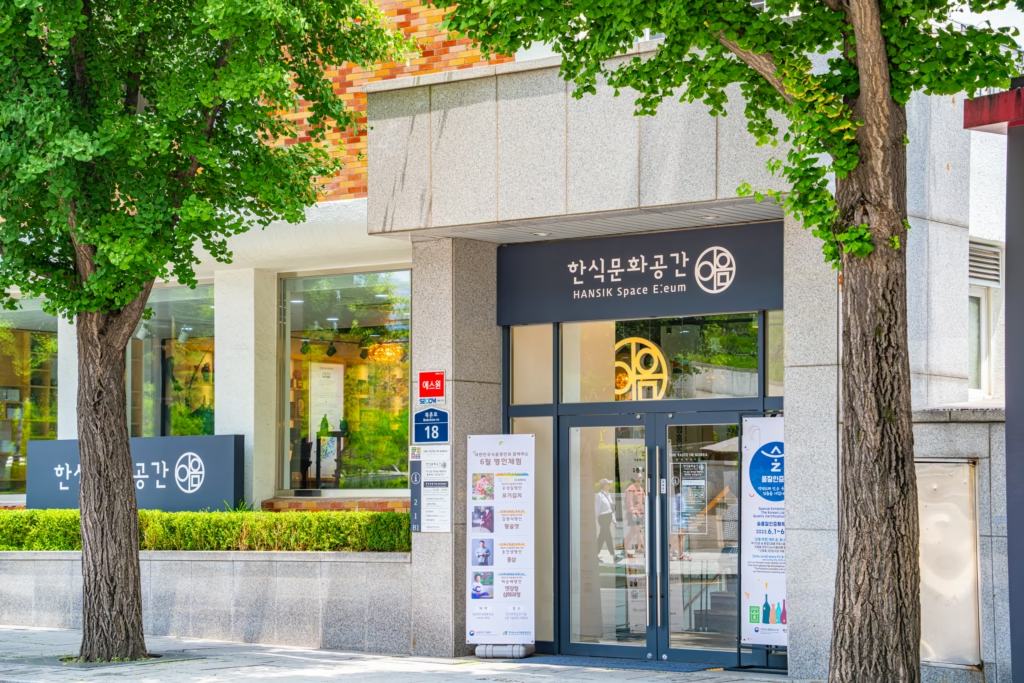
What the brochures don’t prepare you for: the experience works differently depending on which floor you visit and whether you’ve booked in advance. This guide breaks down exactly what each floor delivers and where foreign visitors tend to hit friction. For travelers wanting a Korean food experience Seoul cultural day combined with history, pair this stop with the Seodaemun Prison History Hall—30 minutes west by subway—for a single day that covers both Korea’s culinary heritage and the colonial-era history behind it.
Where to Find This Korean Food Experience Seoul: Getting There from Major Landmarks
The address is 18 Bukchon-ro, Jongno-gu, Seoul (종로구 북촌로 18, 재동). Search “한식문화공간 이음” on Naver Map or Kakao Map for precise navigation—Google Maps coverage in this part of central Seoul is functional but less reliable for walking directions.
The most direct access point is Anguk Station (안국역), Line 3, Exit 2. From the exit, walk straight north along Bukchon-ro for approximately 200 meters. The building sits on the right side before you reach the main Bukchon Hanok Village cluster. Total walking time: 2–3 minutes.
- From Gyeongbokgung Palace: 12-minute walk northeast via Hyoja-ro — ideal starting point for a Korean food experience Seoul cultural half-day
- From Changdeokgung Palace: 8-minute walk west along Yulgok-ro
- From Insadong (Tapgol Park area): 10-minute walk north — pairs well with a Korean food experience Seoul afternoon itinerary through Jongno
- Parking: None on-site. The closest paid options are near Heonbeop-jaepanso (Constitutional Court) — roughly a 5-minute walk. Arriving by subway is strongly recommended.
→ Check hotels near Bukchon and Anguk Station on Agoda
Floor-by-Floor Guide: What Each Level of This Korean Food Experience Seoul Offers
The building runs from basement level to the second floor, with each floor managed by a different subunit. Knowing what’s where before you arrive saves time.
B1: Hansik Library & E:eum Hall
For anyone planning a Korean food experience Seoul that goes beyond restaurants, the basement is the most unusual component of the entire complex: a specialist food library with approximately 3,000 titles. The collection covers Korean cuisine history, regional recipe books, fermentation science, and food anthropology in both Korean and a selection of foreign-language editions. The format is a reading cafe—you can sit, browse, and request items at the desk.
For food writers, culinary students, or anyone who wants to understand the intellectual depth behind Korean cooking, this is the single best Korean food experience Seoul offers at zero cost. No other public venue in the city dedicates this kind of dedicated archival space to food culture.
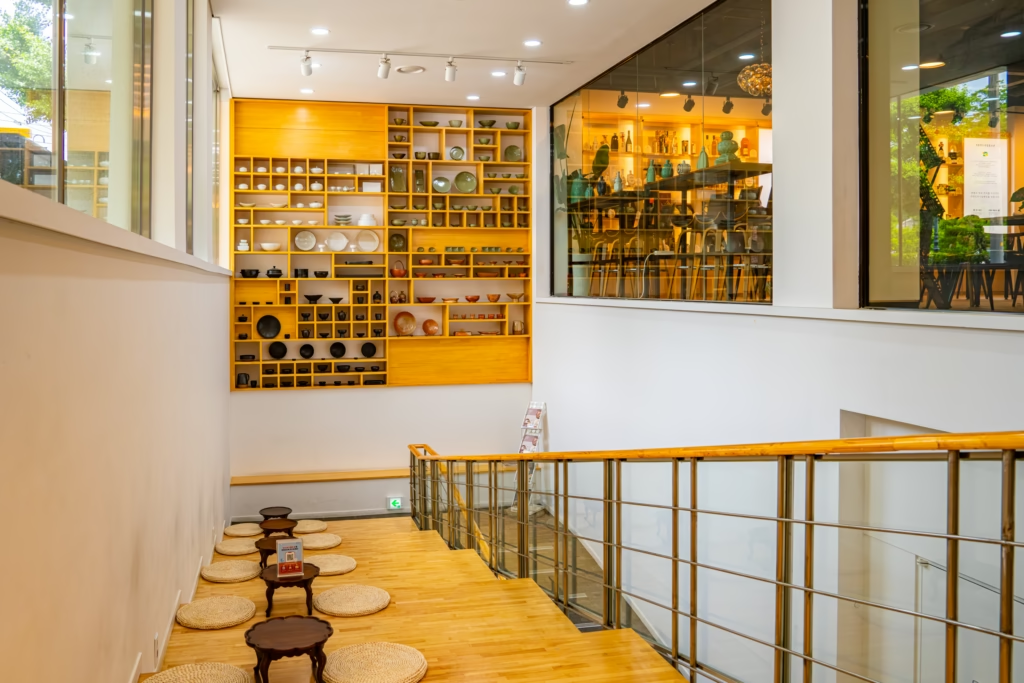
The E:eum Hall, also on this level, is a seminar and lecture space used for small food culture events, demonstrations, and evening programs. If you’re visiting on a weekday, check the monthly schedule—talks and demonstrations here are occasionally open to the public.
1F: Hansik Gallery & Traditional Liquor Gallery
The first floor splits into two distinct areas and represents the most accessible layer of the Korean food experience Seoul cultural complex for walk-in visitors. The Hansik Gallery runs rotating seasonal exhibitions on Korean food culture themes—past exhibitions have covered regional banchan (side dish) traditions, the history of fermentation vessels, and contemporary Korean chef culture. Multilingual docent tours are available by appointment.
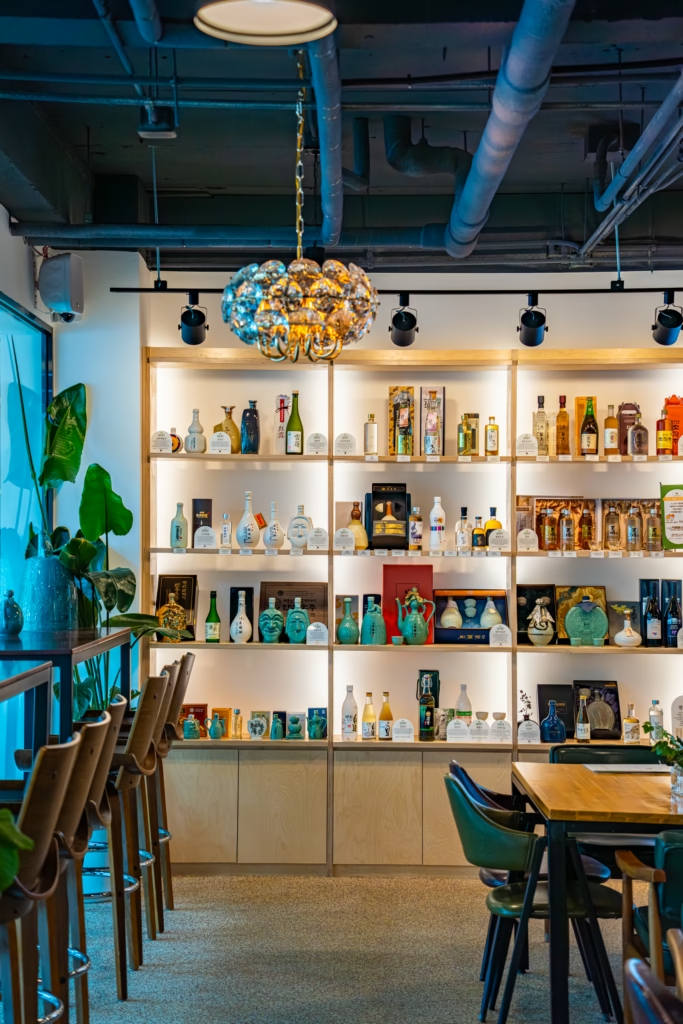
The Traditional Liquor Gallery (전통주갤러리) is the floor’s main draw for most international visitors seeking a hands-on Korean food experience Seoul can provide without a reservation. The program works as follows: every month, a new lineup of traditional Korean alcohols is selected as the “drink of the month.” These are available for free tasting, alongside bottles available for purchase—including small-batch products from regional producers that rarely appear in convenience stores or duty-free shops.
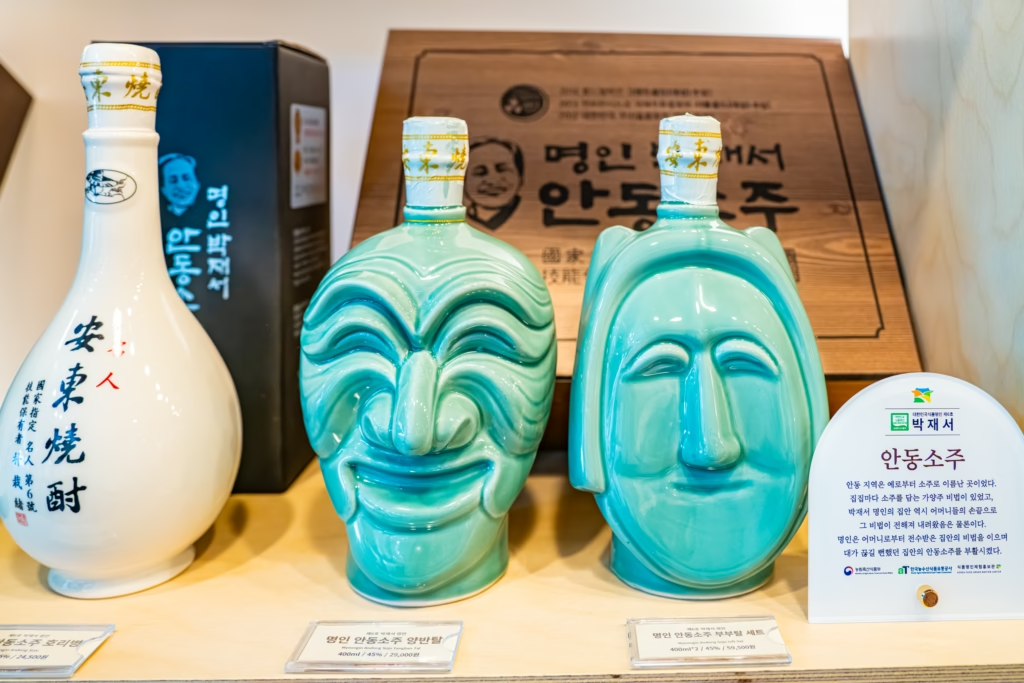
The lineup rotates completely on the first of each month. This variability is one honest limitation of the Korean food experience Seoul cultural circuit — a specific regional spirit you read about may not be the current month’s tasting theme. If you’re arriving in late October hoping to taste a specific makgeolli from Gyeonggi Province and the month’s theme turns out to be Andong distilled spirits, you’ll be tasting something different. This is one aspect of the Korean food experience Seoul that no amount of planning fully eliminates—check the gallery’s social media or official site for the current month’s tasting program before planning around it.
For travelers who’ve already developed a taste for Korean craft spirits, this gallery offers a useful survey of what’s produced across the country. If you’ve read our guide to the Menge Village Andong Jinmaek Soju distillery—where you encounter wheat soju in its production context—the liquor gallery at E:eum covers a broader landscape of traditional Korean alcohol culture in a single afternoon: exactly what a curated Korean food experience Seoul institution does best.
2F: Korean Cooking Classes & National Food Master Experience
The second floor is where hands-on programming happens and where the Korean food experience Seoul cultural complex delivers its most structured offerings. The Hansik Baeumteo (한식배움터) runs structured cooking classes in a dedicated kitchen classroom, with some sessions led by—or at least incorporating content from—Sikpum Myeongin (식품명인), the government-designated National Food Masters. These are producers and practitioners certified for mastery of a specific Korean food tradition: gochujang (fermented red pepper paste), kimchi, hangwa (traditional confectionery), traditional soy sauce, and others.
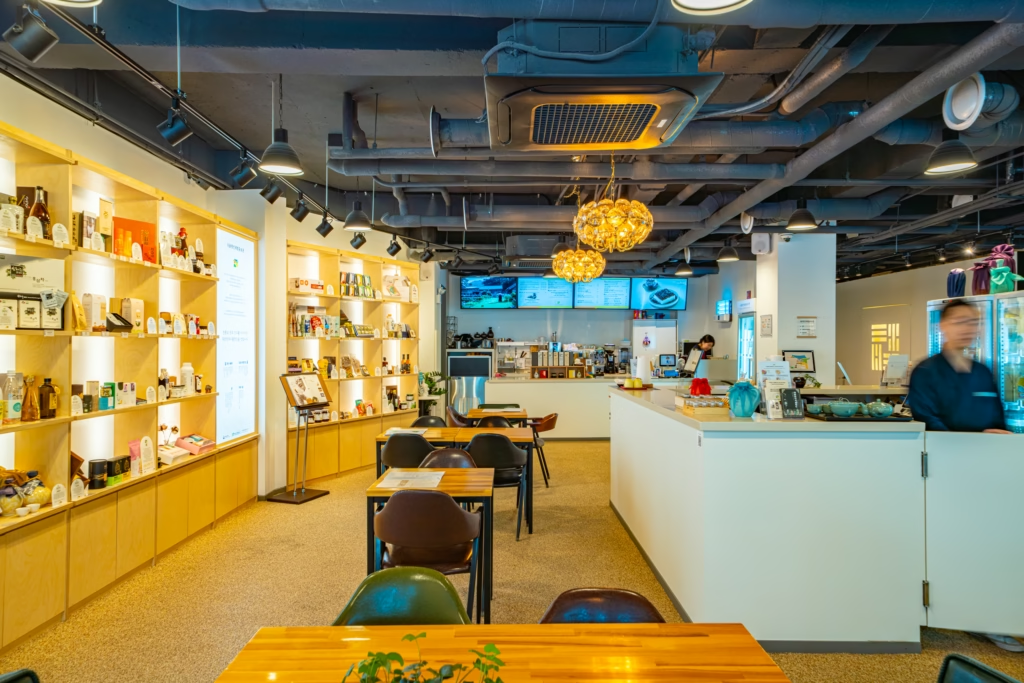
The second floor also operates the Myeongin Cafe (명인 카페 / E:eum Cafe), which serves drinks and light items made from ingredients supplied by these certified producers. This is the most accessible on-demand option for visitors who haven’t booked a class—walk in, order, and you’re consuming ingredients with documented provenance.
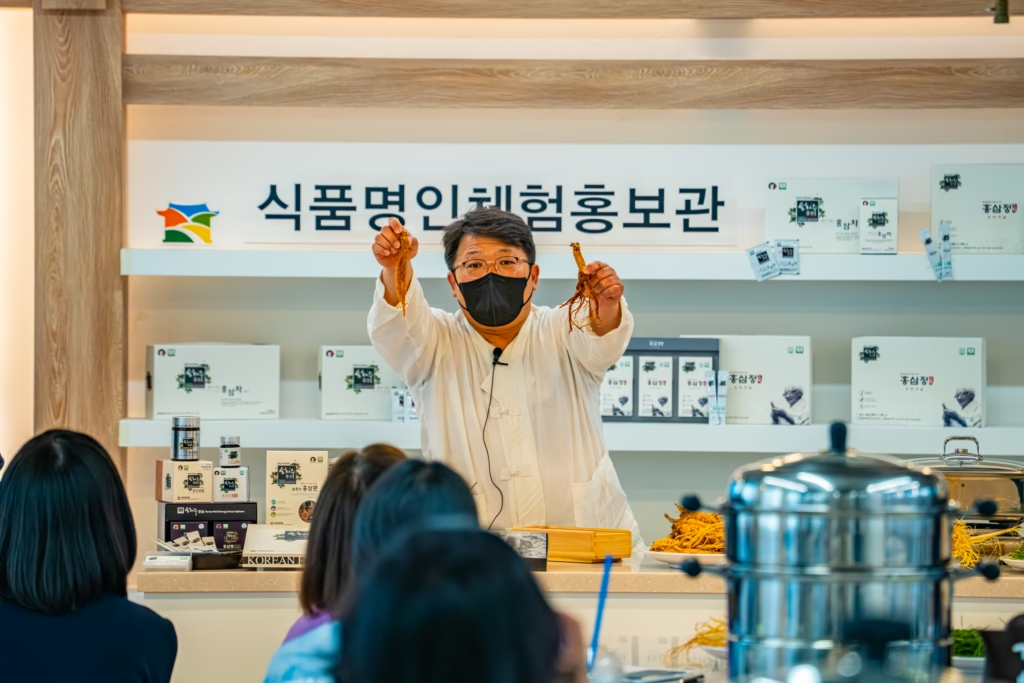
Exhibition space on this floor also features food ingredients and finished products from designated masters, available for direct purchase—the most reliable place in Seoul to buy certified-provenance Korean food products at standard retail pricing. For visitors whose Korean food experience Seoul itinerary includes sourcing authentic ingredients to bring home, this floor is worth more time than the 20-minute browse most visitors allocate.→ Browse Korean cooking class options in Seoul on Klook
The Booking Problem: Why Foreign Visitors Hit a Wall
This is the friction point the official website doesn’t explain clearly. The deeper barrier to this Korean food experience Seoul cultural facility is a digital one: most paid programs at Hansik Space E:eum—including 2F cooking classes and some tasting programs—are booked through Naver Booking (네이버 예약). The platform requires a Korean phone number for SMS verification, and short-stay international visitors without a local SIM or Alien Registration Card (ARC) frequently encounter payment errors.
- Naver account required — foreign visitors without Korean phone verification cannot complete payment; this is the main barrier to the paid Korean food experience Seoul visitors come for
- ARC (Alien Registration Card) dependency — short-stay tourists on standard visas are most affected
- Walk-in option exists — remaining spots for daily classes open at 10:00; arrive at opening for best chance
- Direct contact workaround — email or call the facility before your trip to request alternative booking
- Group tours bypass this entirely — operators book through institutional channels; confirm logistics before arrival
🗒 Travel Manual Tip
The most friction-free Korean food experience Seoul E:eum offers requires zero booking: show up Tuesday–Sunday between 10:00–19:00, head to 1F for the free tasting, and use the basement library. For paid cooking classes, contact the facility directly before your trip—Naver Booking creates a real barrier for foreign visitors without a Korean SIM, but the staff are accustomed to handling direct international inquiries.
Group tour operators and travel agencies can arrange block bookings through separate institutional channels, bypassing the Naver system. If you’re traveling with an organized food tour, confirm that your operator has handled the reservation logistics before you arrive.
How to Build a Full Day Around This Bukchon Cultural Stop
The most logical itinerary connects E:eum with the surrounding cultural cluster rather than treating it as an isolated stop. The building sits between two of Korea’s most historically significant palace districts and one of Seoul’s most walked traditional neighborhoods.
After exploring Bukchon, consider a day trip to Suwon’s Haenggung-dong — 30 minutes south of Seoul by train — for a traditional neighborhood where UNESCO-protected fortress walls frame independent cafes. It extends your Korean food experience Seoul day trip into a region with its own distinct culinary character, covering both food culture and architectural history in a single afternoon.
A practical half-day route from Anguk Station:
- 09:00–10:00 — Gyeongbokgung Palace opening hour (crowds are lighter)
- 10:00–12:00 — Hansik Space E:eum (all three floors, including tasting and library)
- 12:00–13:30 — Lunch in Samcheong-dong or Bukchon’s side streets
- 13:30–16:00 — Bukchon Hanok Village walking route (peak photography light is early afternoon in autumn and spring)
During summer (July–August) or the coldest weeks of winter, E:eum’s air-conditioned interior and the basement library serve as a practical rest stop mid-route. For budget travelers, this is also the only Korean food experience Seoul‘s Bukchon area offers that’s genuinely free—the facilities, including restrooms, are public and require no entry fee. The walk between Gyeongbokgung and Changdeokgung through this area is heavily exposed, and a 30-minute break inside this building is genuinely useful.
For visitors building a broader Seoul food itinerary: E:eum’s strength is breadth — it is the educational layer of the Korean food experience Seoul cultural landscape, not the dining layer. For a sit-down meal at the fine dining level, the nearby Balwoo Gongyang Seoul in Jongno (10 minutes on foot toward Jogyesa Temple) offers Michelin-recognized Buddhist temple cuisine in private rooms—a structural contrast to E:eum’s cafeteria-and-classroom format that helps frame the full range of Seoul’s food culture landscape.
For a broader understanding of Korean Buddhist and plant-based food traditions outside Seoul, our guide to Dujingak near Haeinsa Temple covers a monastic food experience in South Gyeongsang Province that sits at the other end of the production chain—rural, deeply local, and built around a single dish rather than a curated institution. Together, these three stops define a spectrum: the curated Korean food experience Seoul provides institutionally, a Michelin-dining expression, and a living rural practice.
What to Buy at the Liquor Gallery: A Practical Note on Bottles
The Traditional Liquor Gallery stocks bottles that aren’t widely available at duty-free shops or mainstream retail. This is the most tangible take-home aspect of the Korean food experience Seoul‘s E:eum offers—small-batch producers from across Korea’s provinces send products here at standard manufacturer pricing. If you’re buying bottles to take home, the key practical constraint is airline carry-on and checked baggage alcohol limits, which vary by country of departure and airline.
- Most international airlines allow up to 5 liters of alcohol (under 70% ABV) in checked baggage, properly sealed — a practical ceiling for souvenir shopping during a Korean food experience Seoul trip
- Carry-on liquid restrictions (100ml per container) apply to hand luggage through Incheon Airport security
- Checked baggage must be securely packed to prevent breakage—the gallery staff can advise on bottle wrapping
- Customs declaration requirements at your destination country apply regardless of where you purchased
Practical Information: Hansik Space E:eum at a Glance
| Category | Details |
|---|---|
| Address | 18 Bukchon-ro, Jongno-gu, Seoul (종로구 북촌로 18, 재동) — Search: 한식문화공간 이음 on Naver/Kakao Map |
| Hours | Tue–Sun: 10:00–19:00 |
| Closed | Every Monday, January 1, Chuseok & Seollal (Lunar New Year) day |
| Entry Cost | Free (exhibitions and traditional liquor tasting); cooking classes and master craft programs: paid (variable by session) |
| Transport | Line 3 Anguk Station (안국역), Exit 2 — 2–3 min walk north on Bukchon-ro |
| Parking | No on-site parking. Nearest paid lot: near Constitutional Court (도보 약 5분) |
| Reservations | Naver Booking (네이버 예약) for paid programs — foreign visitors without Korean SIM may experience verification issues; contact facility directly for alternatives |
| Recommended Stay | 1.5–2.5 hours (free exploration); 3–4 hours (including paid cooking class) |
| Nearby Accommodation | Check hotels near Jongno / Anguk on Agoda |
| Cooking Activities | Browse Seoul Korean cooking experiences on Klook |
Hansik Space E:eum doesn’t compete for attention the way Bukchon’s photo spots and hanbok rental shops do. As a Korean food experience Seoul delivers in institutional form, it runs on government funding, charges nothing for most of what it offers, and presents Korean food culture in a format that rewards slower, more deliberate visitors. The free monthly tasting program alone justifies a 20-minute visit. For travelers who arrived in Korea thinking Korean cuisine begins and ends with bulgogi and bibimbap, three floors here will significantly revise that picture. If you are looking for the most accessible Korean food experience Seoul offers without booking weeks in advance, start here—and work outward.