
Table of Contents
Inside the abandoned house turned premium tea estate where UNEP leaders sip organic Jeju leaf tea from volcanic clay cups—and why the water here tastes different
Transparency Note: This guide contains affiliate links. If you make a purchase, I may earn a commission at no extra cost to you—allowing me to keep providing expert, gear-tested travel insights.
What Makes Hoesudaok Jeju Different from Every Other Tea House on the Island
Jeju has no shortage of cafes. The island reportedly has more coffee shops per capita than anywhere else in South Korea. But Hoesudaok Jeju is not a cafe. It is a tea house in the original sense—a place where a trained tea master brews organic leaf tea in handmade volcanic clay vessels, course by course, while the forest presses against floor-to-ceiling windows and birdsong replaces background music.
Located in the Hoesu-dong neighborhood of Seogwipo, Hoesudaok (回水茶屋) translates literally as “the tea house in Hoesu-dong.” The name itself tells a story. This village was historically called “Doraemul,” meaning “the place where water flows in circles.” A seasonal stream called Hoesucheon wraps around the settlement in a looping arc, and the area has been known for centuries for its exceptionally clean spring water. When founder Seo Gyeong-ae chose this location for a premium tea house, the reasoning was practical: good water makes good tea, and Hoesudaok Jeju sits on some of the cleanest water sources on the island.
Opened in May 2024, Hoesudaok Jeju has already earned recognition as a Jeju Wellness Tourism Site and was selected as a MICE Tourism Product by the Jeju Tourism Organization in 2025—under the official program title “Capturing Every Season of Jeju.” Delegates from the 2025 APEC Jeju Conference experienced the signature tea course here, and in June 2025, UNEP Executive Director Inger Andersen visited Hoesudaok Jeju for environmental policy discussions with Jeju Governor Oh Young-hoon.
That is a remarkable trajectory for a building that sat abandoned and overgrown with vines for eight years.
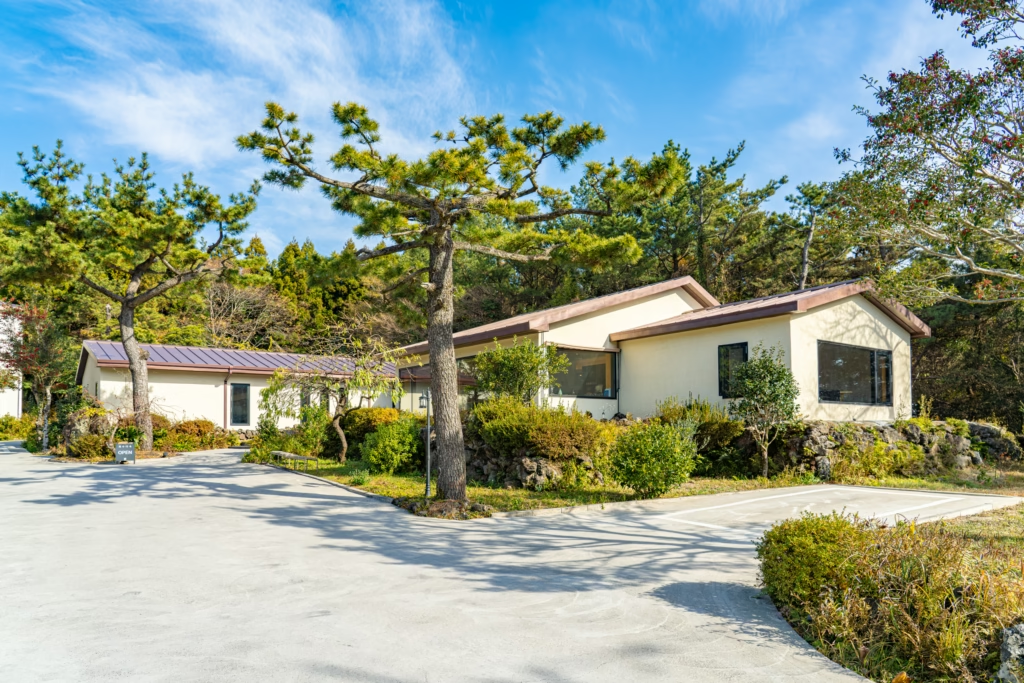

WE HOTEL JEJU is located nearby.
1. The Building: An 8-Year Resurrection of a Forgotten Jeju Home
The structure that houses Hoesudaok Jeju was never designed to be a tea house. It was a residential home—roughly 230 square meters—that belonged to founder Seo Gyeong-ae’s parents, who once operated a boarding house on the site. After they moved out, the building sat vacant for over eight years, slowly consumed by creeping vines and subtropical decay.
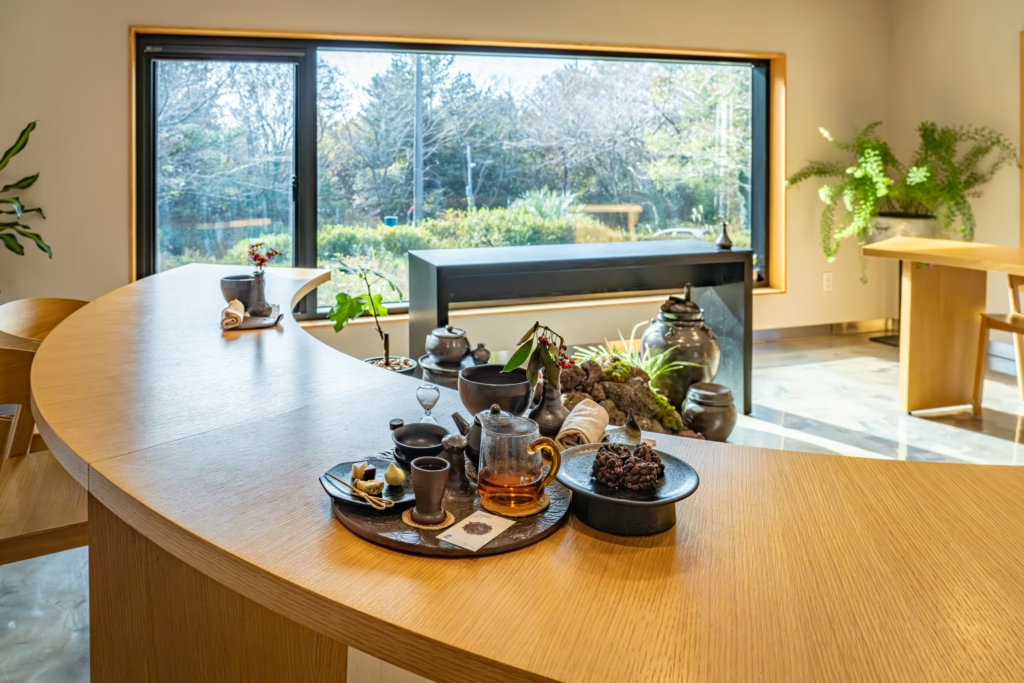
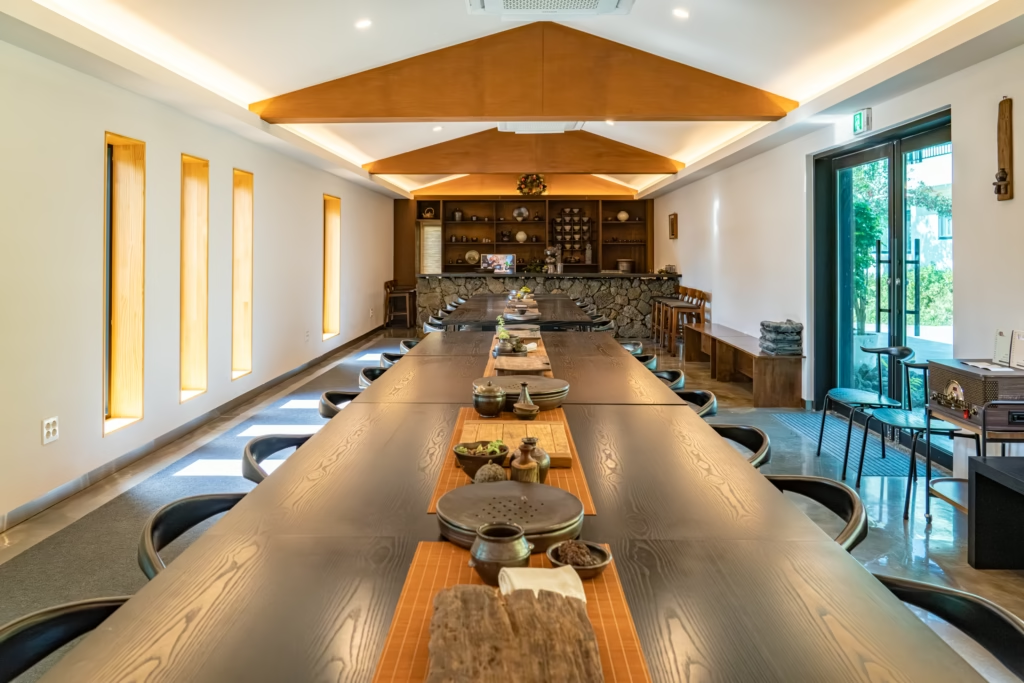
When Seo rediscovered the property, it was essentially derelict. Rather than demolishing and rebuilding, she chose the harder path: preserving the original bones of the 30-plus-year-old structure while carefully opening it to the surrounding forest. Walls were cut to install large windows. The interior was stripped back and rebuilt with restraint—minimal furniture, natural materials, generous negative space.
The philosophy behind this renovation is what the Japanese call ma (間)—the conscious use of emptiness to create meaning. At Hoesudaok Jeju, you are meant to notice what is absent: no loud music, no neon signs, no Instagram-bait installations. The aesthetic is deliberately quiet, and the surrounding forest is treated as the primary design element.
The result seats up to 40 guests and can host private group events—one reason it attracted the attention of MICE planners. Its proximity to the ICC Jeju (Jeju International Convention Center) and the Gangjeong Cruise Port makes it logistically practical for international delegations as well.
If this approach to architectural preservation resonates with you, our Geoje Island Spring Travel Guide features Cafe Yujabat—a similarly compelling space where the original structure was repurposed and a working yuzu orchard in the backyard became part of the experience, rather than the other way around.
2. The Water Story: Why “Doraemul” Matters for Every Cup at Hoesudaok Jeju
Understanding why the tea at Hoesudaok Jeju tastes the way it does starts with understanding the water. The village name “Doraemul” (도래물) refers to water that circles back on itself—a poetic description of the local hydrology where underground streams filter through Jeju’s porous volcanic basalt before surfacing as springs.
Jeju’s volcanic geology acts as a natural filtration system. Rainwater percolates through layers of basalt over decades, emerging mineral-rich but remarkably soft. At Hoesudaok Jeju, the tea master uses this local water to brew every cup, and it is one reason the same leaf tea can taste noticeably different here than it would brewed with municipal tap water in Seoul.
This is not marketing language—it is basic chemistry. Water with lower mineral hardness extracts tea compounds more gently, producing a cleaner flavor profile with less bitterness. Hoesudaok Jeju’s location in a neighborhood literally named for its water quality is not coincidental. It is the foundation of the entire operation. If you have ever wondered why the same tea leaf can produce wildly different results depending on where you brew it, one visit to Hoesudaok Jeju will answer that question definitively.
3. Jeju Onggi: The “Breathing Pottery” That Changes the Tea
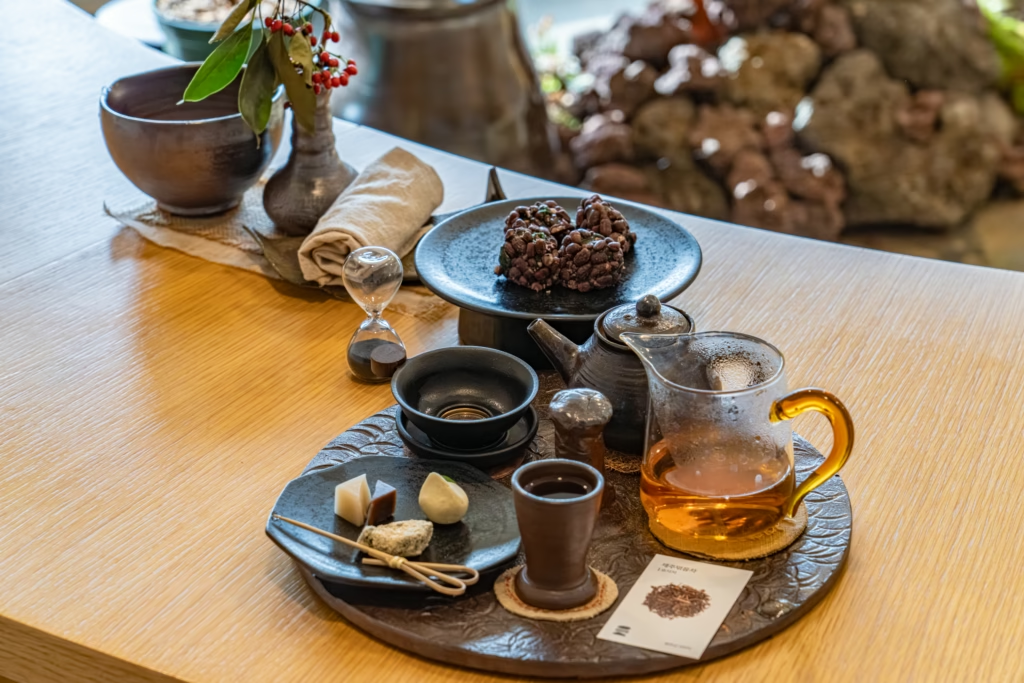
Every tea vessel at Hoesudaok Jeju is made from Jeju onggi—traditional Korean earthenware crafted from the island’s volcanic clay. This is not decorative. Onggi is a functional choice with measurable impact on fermentation and temperature retention.
The pottery comes from two Jeju-based artisans: Kim Seong-sil from Jeju Onggi Village and Kim Su-hyeon from Arado Pottery Studio. Their work uses volcanic soil that contains microscopic pores—the reason onggi is called “breathing pottery.” These pores allow minimal air circulation through the vessel walls, which subtly affects how tea cools and how volatile aromatic compounds interact with the clay surface.
The texture is deliberately rough. Hold one of these cups and you immediately understand the difference between onggi and factory-produced ceramics. The irregular surface retains heat more effectively and adds a tactile quality to the drinking experience that smooth porcelain cannot replicate. The slightly grainy feel under your fingertips is the volcanic soil itself—Jeju Island in your hands, quite literally.
For international visitors, Hoesudaok Jeju offers foreign participants a traditional onggi teacup as a souvenir when booked through their MICE program. This detail alone signals how central the pottery is to the overall experience.
4. The Premium Tea Omakase: What ₩45,000 Actually Gets You
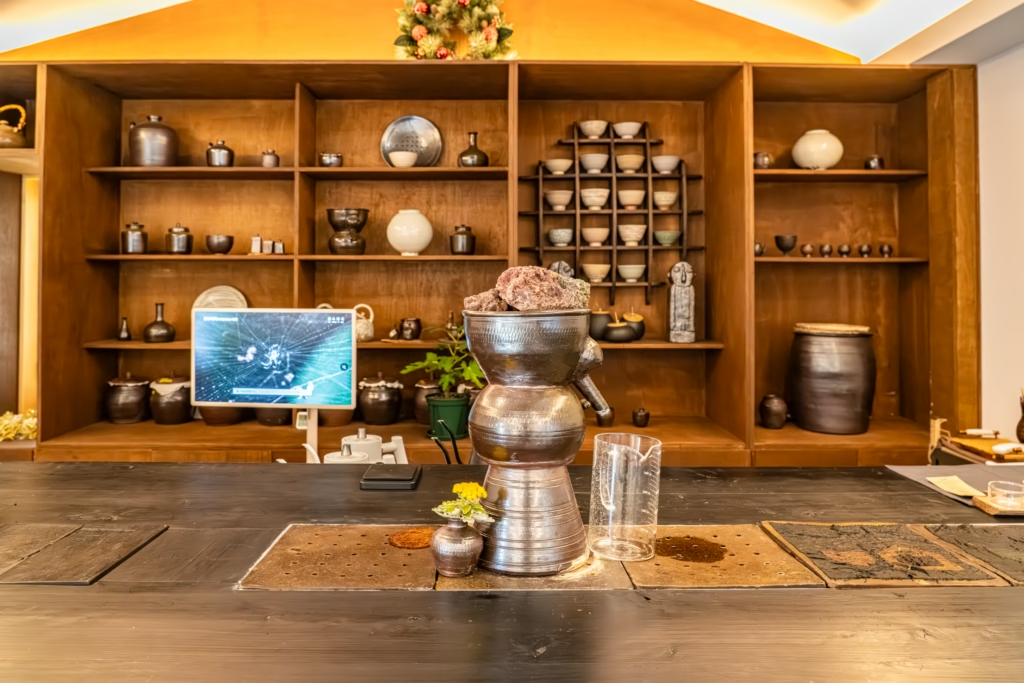
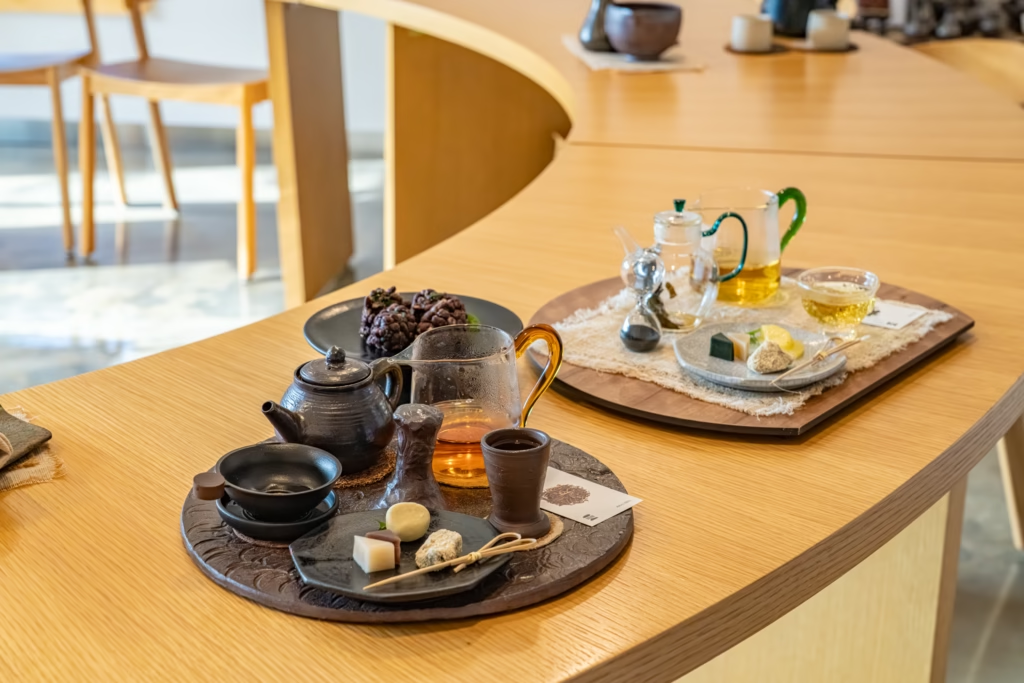
The signature experience at Hoesudaok Jeju is the “Matgim Charim” (맡김차림)—best described as a tea omakase, where the tea master (called a paengju) selects and brews a multi-course progression of teas paired with seasonal Korean confections. Priced at ₩45,000 per person, it runs approximately 60–90 minutes.
The Tea Progression
The course follows a deliberate flavor arc, moving from light to deep:
Welcome Tea — A gentle introductory green tea, served to cleanse the palate and set the pace. This is your cue to slow down.
Main Course (3–5 teas) — The paengju selects from the house collection, typically progressing through green tea → yellow tea (hwangcha) or black tea → flower tea. Each tea is brewed tableside with explanation of origin, processing method, and ideal steeping time. The green tea and fermented teas come from Cha-am Forest (차암숲) in Seongup-ri, Pyoseon-myeon—an organic farm in Seogwipo where leaves grow under sea breeze and coastal fog, producing a distinctive umami-rich character.
Flower Tea Finale — The session typically concludes with a floral infusion using blooms from Ara Flower Farm (아라꽃밭), a pesticide-free farm in Jeju City. Seasonal options rotate among magnolia, marigold, and chrysanthemum blends. The magnolia flower tea, made from freshly budding blooms through a traditional beopje processing method, produces a surprising golden liquor despite the flower’s white petals. One visitor described the exclusive “Oreum Moonlight” (오름달빛) tea—a charcoal-scented fermented blend available only at Hoesudaok Jeju—as unlike anything they had tasted elsewhere.
K-Dessert Pairing (Dasik)
The tea course is accompanied by approximately 8–10 seasonal Korean confections, each designed to counterbalance the natural bitterness of the tea:
- Geumgyul Jeonggwa — Kumquat simmered whole in sugar syrup, rind and all
- Doraji Jeonggwa — Candied bellflower root with a mild medicinal sweetness
- Jeju Green Tea Yanggaeng — Firm, clean-flavored yokan-style confection
- Omegi-tteok — Jeju’s signature chewy rice cake made from local millet
- Hodu Gangjeong — Crispy walnut brittle with a honey glaze
- Yuja Danji — Hollowed citron filled with chestnuts and jujubes, marinated in lemon juice—a confection historically served at royal banquets
Every ingredient is sourced from Jeju. This is not a detail the menu mentions in passing; it is the operational philosophy. The seasonal rotation means no two visits will feature the exact same dessert lineup.
5. The Budget-Friendly Morning Option Most Visitors Miss
Here is a practical tip that could save you ₩12,000. Hoesudaok Jeju operates a “Good Morning Matgim Charim” (좋은 아침 맡김차림) priced at ₩33,000—a 27% discount over the standard premium course.
The catch: it is only available on Wednesday, Friday, and Sunday mornings at 10:00 AM. The content is similar to the full premium course, but served in a slightly condensed format during the quieter morning hours when the forest light is arguably at its best.
For photographers, this is the superior option. Morning side-light filtering through the floor-to-ceiling windows creates the kind of soft, diffused illumination that makes food and pottery practically photograph themselves. With a Sony a7R4 and a 35mm lens at f/2.8, the interplay of steam rising from the volcanic clay teapots against the backlit forest produces images that require almost no post-processing.
If you are visiting Jeju on a budget but still want the full Hoesudaok Jeju experience, schedule your visit around these three mornings. Reservations are strongly recommended—call 064-739-2794. This Good Morning course is, in our assessment, the single best value-for-money tea experience at Hoesudaok Jeju.
6. Global Recognition: From Abandoned House to Diplomatic Venue
Hoesudaok Jeju’s rise from derelict property to internationally recognized venue has been remarkably fast. Here is the timeline:
May 2024 — Opens in Seogwipo’s Hoesu-dong neighborhood.
2024 — Selected as a Jeju Wellness Tourism Site by the Jeju Tourism Organization, recognizing its contribution to mindful, health-oriented travel experiences.
May 2025 — Hosts delegates from the 2025 APEC Jeju Conference for a cultural tour featuring the Matgim Charim tea course.
June 2025 — UNEP Executive Director Inger Andersen and Jeju Governor Oh Young-hoon visit Hoesudaok Jeju for environmental policy discussions on World Environment Day.
October 2025 — Selected as a MICE Tourism Product under the Jeju Unique Venue program, with the official program title “Capturing Every Season of Jeju” (제주의 계절을 오롯이 담아내다).
This is not a boutique cafe riding an Instagram wave. When United Nations leadership and APEC delegations choose your venue for diplomatic engagements, you have crossed a threshold from trendy to credibly world-class. For corporate groups, Hoesudaok Jeju now offers tailored MICE programs including limited-edition tea bag sets for domestic participants and handmade onggi teacups for international guests.
For travelers interested in how the Jeju Tourism Organization certifies its wellness destinations, Hoesudaok Jeju represents the quieter, more contemplative end of the island’s tourism spectrum—a deliberate counterpoint to the theme parks and resort complexes. If this kind of reflective travel appeals to you, our guide to the Hwaseong Independence Movement Memorial explores a different form of contemplation entirely—where history, rather than nature, demands your undivided attention.
7. The Photography Angle: Shooting Hoesudaok Jeju Right
A few technical notes for those who bring a camera.
Best light window: 9:30–11:00 AM. The east-facing windows catch soft morning light that wraps around the pottery without harsh shadows. This is also when the Good Morning course operates, so you can photograph while you drink.
Lens recommendation: A 35mm or 50mm prime. The interior spaces are not large enough for wide-angle compositions without distortion, and the pottery details reward a slightly tighter field of view. For the exterior courtyard and forest, a 24-70mm zoom covers everything.
Subject focus: The steam. Volcanic clay retains heat longer than porcelain, meaning the tea produces visible steam for an extended period. Backlight this against the forest windows for the kind of atmospheric layering that separates documentation from storytelling.
Exposure note: The high-contrast interior (bright windows against darker wood) will challenge metering. Expose for the highlights and recover shadows in post, or use a mild HDR approach. The Sony a7R4’s 61MP sensor gives you substantial latitude to pull detail from shadows without noise.
To see how we approach similar high-contrast interior-to-exterior photography challenges—including using bare winter branches for natural framing and shooting environmental portraits with a 35mm lens—check out our N Seoul Tower Winter Hike Guide, which applies the same exposure principles from a dramatically different vantage point.
[이미지 삽입 — File Name: hoesudaok-jeju-steam-backlight-photography.avif / Alt Text: Backlit tea steam rising from Jeju onggi pottery at Hoesudaok Jeju during morning session]
The Travel Manual’s Practical Guide to Hoesudaok Jeju
| Category | Details |
|---|---|
| Full Name | 회수다옥 (Hoesudaok / 回水茶屋) |
| Address | 453-38, 1100-ro, Seogwipo-si, Jeju-do (제주특별자치도 서귀포시 1100로 453-38) |
| Phone | 064-739-2794 |
| Hours | 9:30 AM – 5:30 PM (Closed Monday & Tuesday) |
| Menu Highlights | Premium Tea Omakase (₩45,000) · Good Morning Course (₩33,000, Wed/Fri/Sun 10 AM) · Single Tea Set (from ₩10,000) |
| Group Capacity | Up to 40 guests for private/MICE events (minimum 6 for omakase) |
| Parking | Free on-site courtyard parking |
| Getting There | 15 min drive from Jeju ICC · 10 min from Gangjeong Cruise Port · 40 min from Jeju International Airport via Route 1100 |
| Reservations | Strongly recommended for all omakase courses. Walk-ins accepted for single tea sets based on availability. |
| Pet Policy | Service animals only |
| Languages | Korean primary; basic English accommodated. Tea master explanations are in Korean. |
| Recommended Stay & Activity | [Check Seogwipo Hotels on Agoda](affiliate link) · [Book Jeju Cultural Tours on Klook](affiliate link) |
Travel Manual Tip
Hoesudaok Jeju does not have an English menu or English-speaking tea masters as standard. If you are visiting without Korean language ability, consider booking through Klook’s Jeju cultural experience packages, which occasionally include Hoesudaok Jeju with translation support. Alternatively, the staff is accustomed to international visitors from APEC and UNEP events and can communicate basic ordering through gesture and visual menus. The tea itself, of course, needs no translation.
For a well-rounded Seogwipo day trip, pair Hoesudaok Jeju with a morning visit to the nearby Seogwipo Natural Recreation Forest for forest bathing, then end the afternoon with a coastal walk. If you are spending multiple days in Jeju and want to explore the island’s food culture beyond tea, our Myeongdong Kyoja guide offers a useful contrast—showing how Korea’s dining philosophy ranges from the meditative silence of a Jeju tea house to the cheerful chaos of a 60-year-old Seoul noodle institution.