Transparency Note: This guide contains affiliate links. If you make a purchase, I may earn a commission at no extra cost to you—allowing me to keep providing expert, gear-tested travel insights.
Most people don’t associate South Korea with wine. Grand Coteau Winery on Daebudo Island is quietly rewriting that assumption—one bottle of award-winning Cheongsu white at a time. Located barely 90 minutes from central Seoul, this full-cycle winery takes you from vineyard to glass in a single visit, making it one of the most compelling day trips for anyone craving something beyond the usual temple-and-palace circuit.
I first stumbled onto Grand Coteau Winery Daebudo during a photography trip along the west coast. What I expected was a sleepy rural wine shop. What I found was a serious operation: Italian stainless steel tanks, a national-team sommelier on staff, and a signature white wine that’s poured at APEC state dinners. Here’s everything you need to plan your visit.
1. The Name Tells You Everything About the Terroir
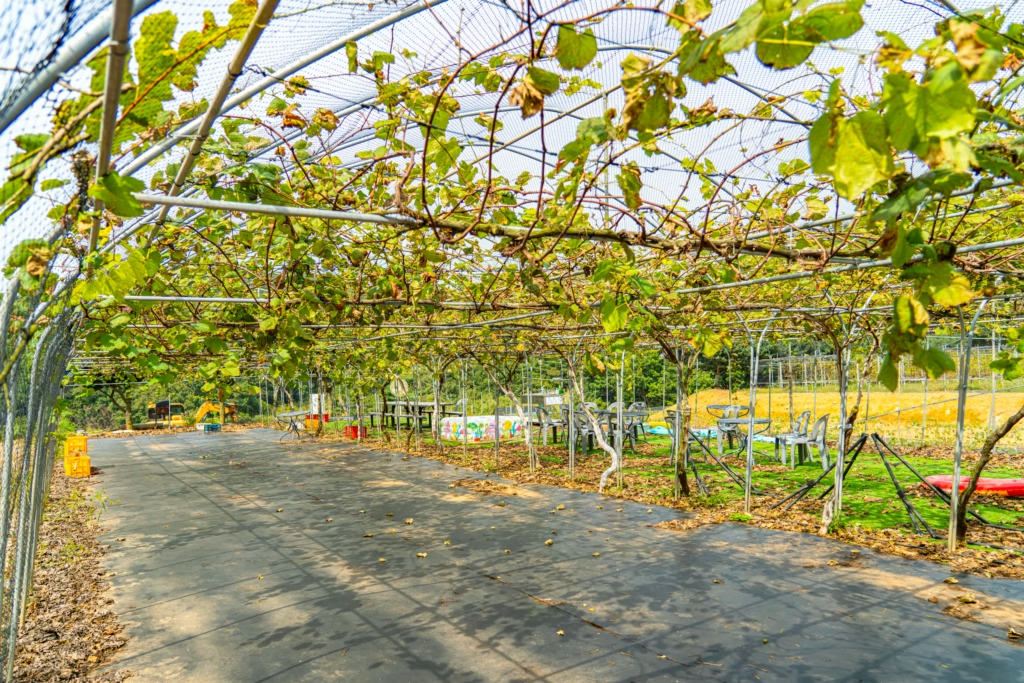
“Grand Coteau” isn’t random French branding. It’s a direct translation of Daebudo’s Chinese characters: 大 (Grand) + 阜 (Coteau, meaning hill). The wit runs deeper than wordplay—Daebudo Island genuinely delivers exceptional terroir for Korean viticulture. Sea breezes from all directions infuse the grapes with mineral complexity, while sharp day-to-night temperature swings push sugar levels higher than mainland vineyards can typically achieve. For a Korean winery, this is about as close to a geographic advantage as it gets.
2. From Surplus Grapes to Single Vineyard: A Quality Revolution
Grand Coteau Winery Daebudo wasn’t always a premium operation. When 35 local grape farms formed the Green Farming Cooperative in 1996, the winery existed to process leftover Campbell Early table grapes—fruit too blemished or abundant for the fresh market. The first wines hit shelves in 2003.
Under CEO Kim Ji-won’s leadership, the philosophy flipped entirely. The core principle became blunt: good wine starts with good grapes, period. Today, Grand Coteau Winery sources exclusively through strict contract farming with local growers, selecting only top-grade fruit designated for winemaking. No surplus. No compromises.
3. Cheongsu: Korea’s Answer to Riesling
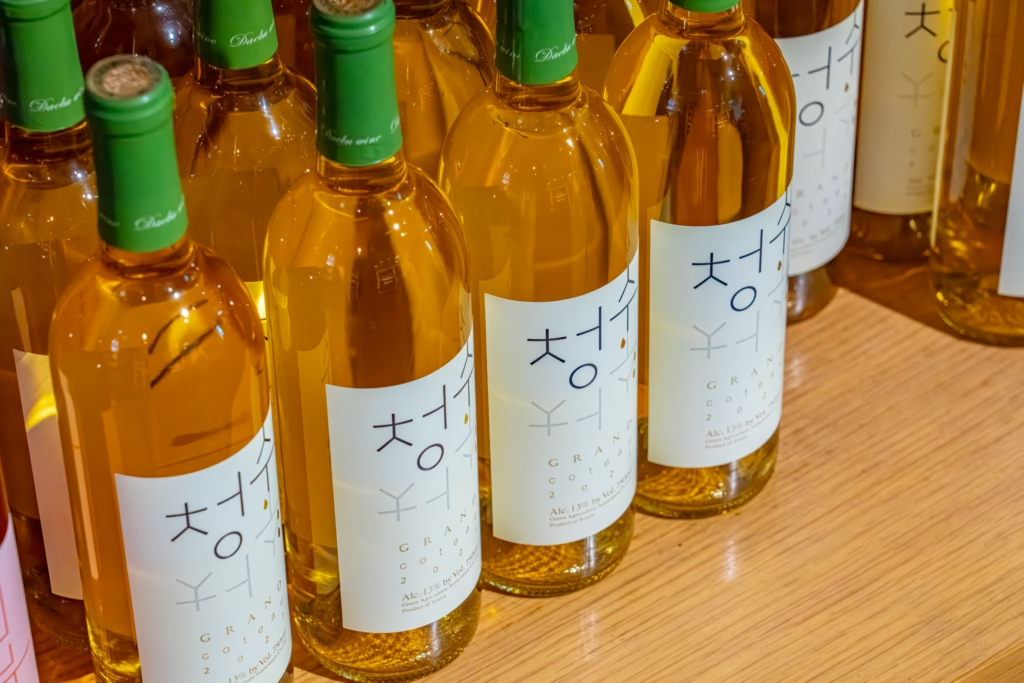
The star of the lineup is Cheongsu (청수), a white wine grape variety developed by Korea’s Rural Development Administration specifically for winemaking. Grand Coteau cultivates Cheongsu in their own vineyards using single vineyard methodology—meaning certain bottles come from one dedicated plot, with no blending from outside farms.
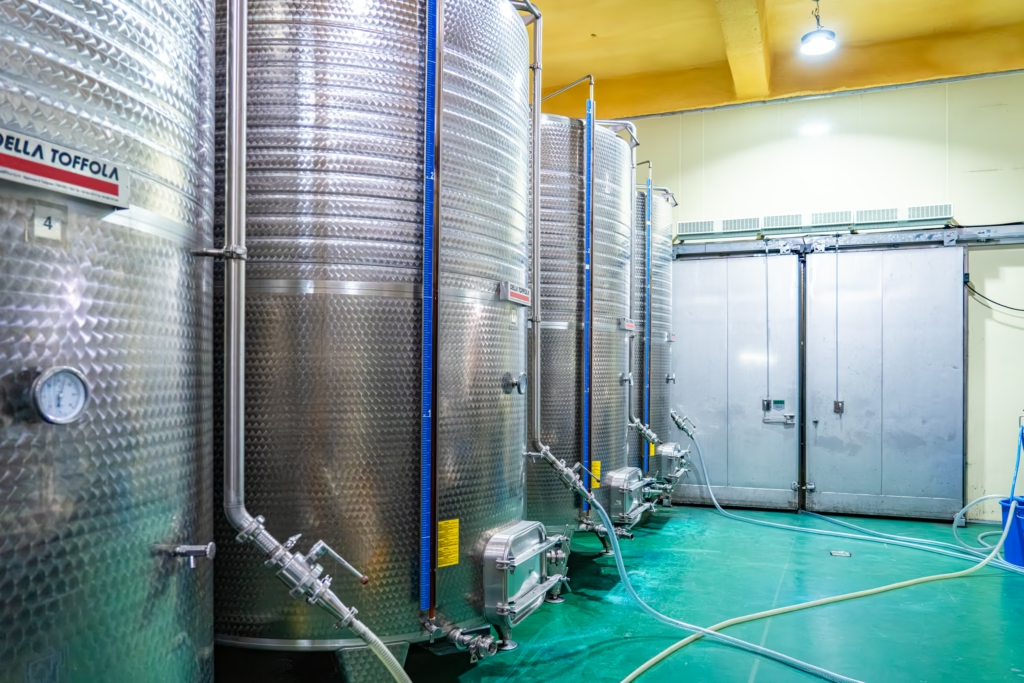
The winemaking approach is deliberately modern. Rather than oak barrels, Grand Coteau ferments Cheongsu at low temperatures in Italian stainless steel tanks for six to eight weeks, followed by roughly a year of tank aging. They even use Riesling yeast strains imported from Germany to maximize the grape’s aromatic potential. The result is a crisp, fruit-forward white with enough character to win multiple Gold medals at the Asia Wine Trophy—and secure a spot as the official banquet wine at the Gyeongju APEC summit.
4. Why Stainless Steel Over Oak? A Deliberate Choice
Walk into most wineries and you’ll find dim underground cellars lined with oak barrels. Grand Coteau Winery Daebudo looks nothing like that. The production floor is bright, clean, and dominated by towering stainless steel tanks.
This isn’t a budget decision—it’s a philosophical one. Korean grape varieties like Campbell Early and Cheongsu produce delicate, fresh fruit aromas that would be buried under the vanilla and toast notes of oak aging. By staying with stainless steel and controlled low-temperature fermentation, the winemakers preserve exactly what makes these grapes distinct. Think of it as the winemaking equivalent of shooting in natural light: you let the subject speak for itself.
5. The Full Wine Lineup Beyond Cheongsu
Grand Coteau’s production facility handles roughly 100,000 bottles annually. Beyond the flagship Cheongsu white, the portfolio includes:
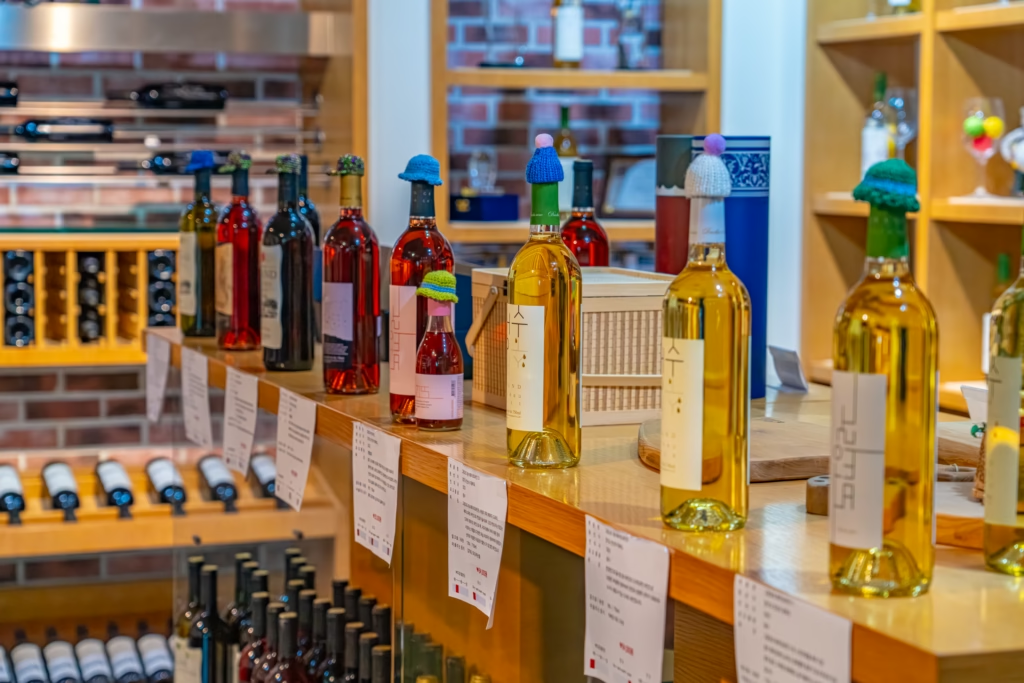
- M56 / M5610 — A refreshing rosé and rosé sparkling line. Clean, dry, and perfect for warm-weather drinking on the island.
- Campbell Early Red — A lighter-bodied red made from the same table grape that started it all, now grown to winemaking standards.
- Ice Wine — A sweet dessert wine for those who prefer something on the richer end.
The breadth means there’s something for every palate during the tasting session, whether you lean dry or sweet.
6. The Experience: Winery Tour, Tasting, and Unexpected Activities
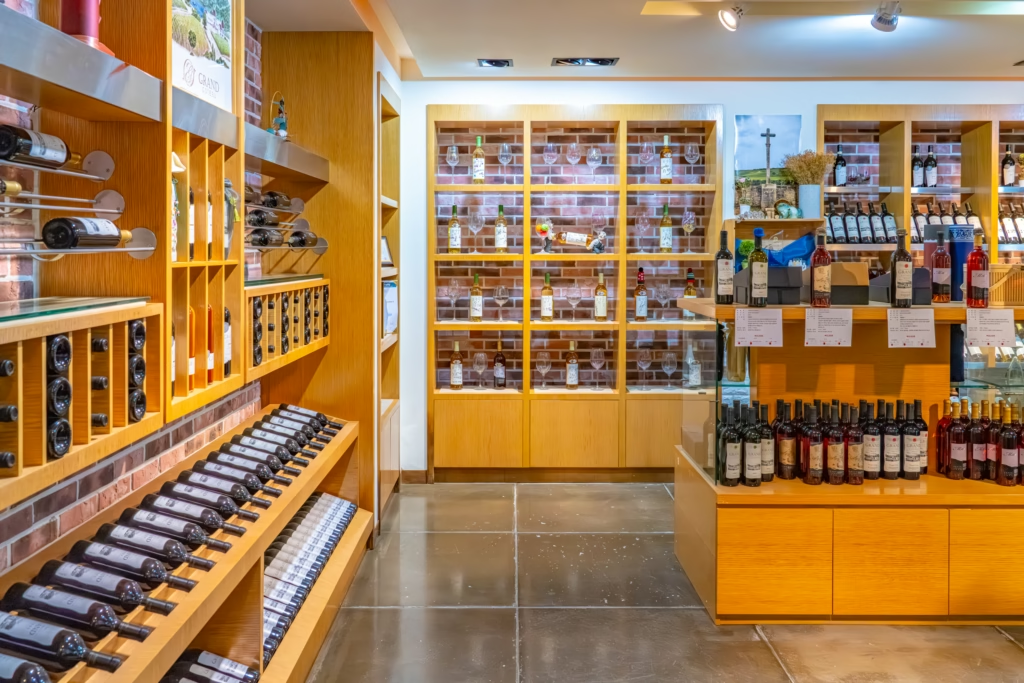
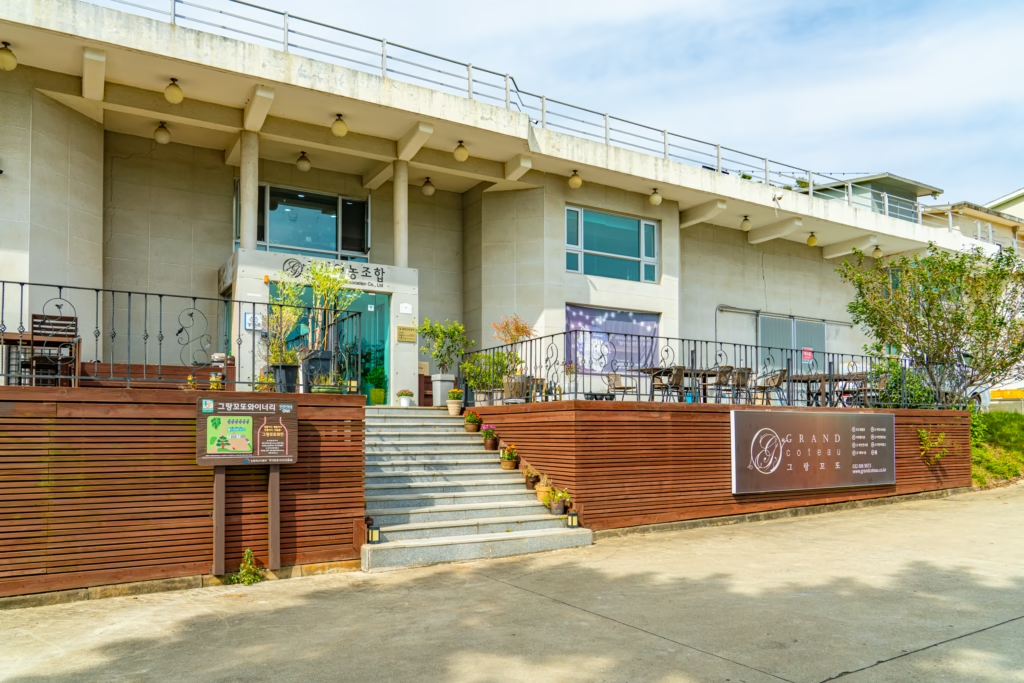
Here’s where Grand Coteau Winery Daebudo genuinely surprises. From the outside, the building looks like an unremarkable commercial structure—clean lines, no vineyard-draped romance. Step inside, and the left wing opens into an inviting tasting room and exhibition space, while the right wing reveals a full-scale production line packed with fermentation tanks and bottling equipment.
Winery Tour & Tasting (약 30 minutes)
A guided walkthrough covers the entire journey from grape to glass—harvesting, fermentation, aging, and bottling. At the end, you’ll sample three wines (rotating seasonally between Cheongsu, rosé, and others). It’s concise, well-paced, and genuinely informative.
7. Why Photographers Should Pay Attention
I shot Grand Coteau Winery Daebudo with a Sony a7R4 and found more visual material than expected. The contrast between the industrial tank room and the warm tasting lounge creates strong compositional tension. Late afternoon light through the tasting room windows hits the wine bottles at an angle that practically begs for a backlit close-up (try 85mm, f/2.0, ISO 200). The vineyard rows outside, if you visit during growing season, offer clean leading lines against the coastal sky.
The Travel Manual Tip
Language barrier heads-up: The winery tour is conducted primarily in Korean. If you’re visiting as a non-Korean speaker, consider booking through a tour platform that offers English-guided day trips from Seoul, or bring a Korean-speaking friend. The tasting itself is straightforward regardless of language.
Designated driver note: Daebudo is car-friendly, but if you plan to taste seriously, arrange return transportation in advance. There’s no convenient rail connection directly to the winery.
Practical Information: Grand Coteau Winery Daebudo
| Category | Details |
|---|---|
| Address | Daebudo, Danwon-gu, Ansan-si, Gyeonggi-do |
| Getting There | Car: ~90 min from Seoul via Sihwa Narae Tidal Power Station road. Bus: Limited local routes from Ansan Station (Line 4) |
| Tour Duration | Approx. 30 minutes (winery tour + tasting) |
| Tasting | 3 wines per session (seasonal rotation) |
| Special Experiences | Wine foot bath (reservation required), craft workshops, sommelier masterclass |
| Best Season | Sept–Oct (harvest season) for vineyard visits; year-round for tours |
| Budget Estimate | Tasting: ~₩10,000–15,000 / Wine Foot Bath: varies (inquire directly) |
| Official Website | [Grand Coteau Winery (그랑꼬또 와이너리, Korean)] |
| Recommended Stay & Activity | [Search Daebudo hotels on Agoda] |
Final Thoughts on Grand Coteau Winery Daebudo
Grand Coteau Winery Daebudo is a case study in what happens when a Korean producer stops apologizing for local grapes and starts engineering around their strengths. The Cheongsu white alone—crisp, mineral-driven, internationally awarded—is reason enough to make the trip. Add a hands-on tour of the full production cycle, wine-soaked foot baths, and the quiet satisfaction of discovering a genuinely world-class operation hiding on a tidal island near Seoul, and you have one of the most underrated day trips in the capital region.
If you’re building a broader Gyeonggi-do itinerary, pair this with our [Suwon Hwaseong Fortress Walking Guide] for a full weekend that balances history with gastronomy.