
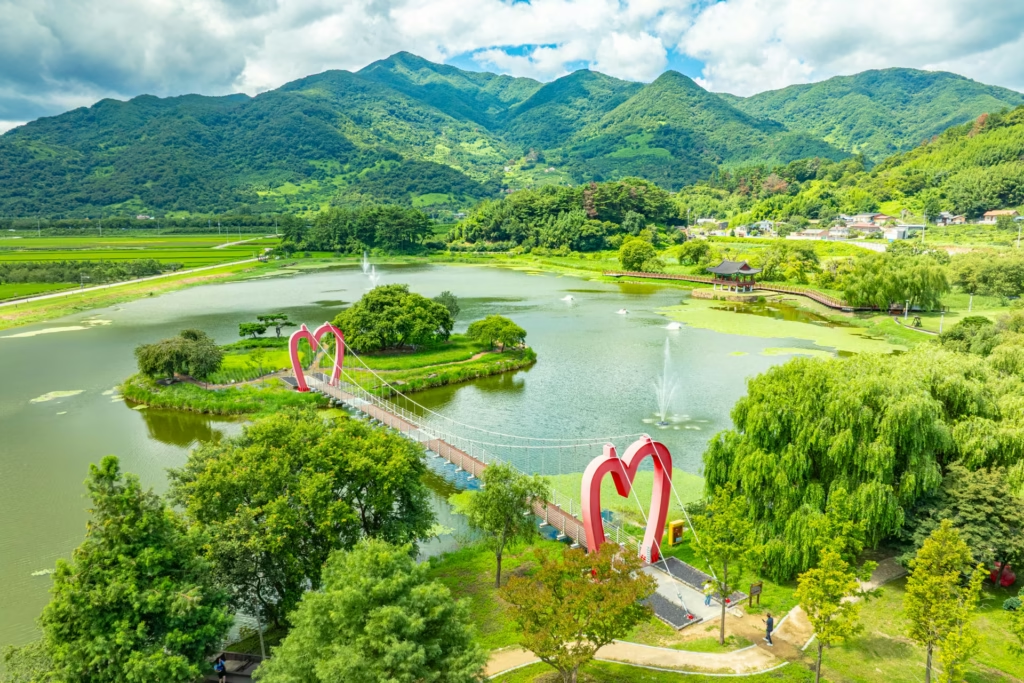
Dongjeong Lake, the Best Free Half Hour in Hadong
In May 2026, a reedy lake in the middle of Hadong’s Pyeongsari plain was registered as South Gyeongsang Province’s third official provincial garden. The news will not have reached many people outside Korean gardening circles, but it formalized something visitors have known for years: Dongjeong Lake is the prettiest thing you can do for free in this county, and one of the prettiest things you can do for free in the entire southern countryside.
The setting does most of the work. Pyeongsari is the wide, ruler-flat expanse of rice fields made famous by Park Kyong-ni’s Toji, the twenty-five-year epic that Koreans regard roughly the way the Irish regard Ulysses, and the lake sits in the middle of it like a green eye — a crescent of wetland left behind by the wanderings of the Akyang stream, backed by the ridges of Jirisan on three sides. Around it, the county has built a garden that has the good sense to stay out of the landscape’s way.
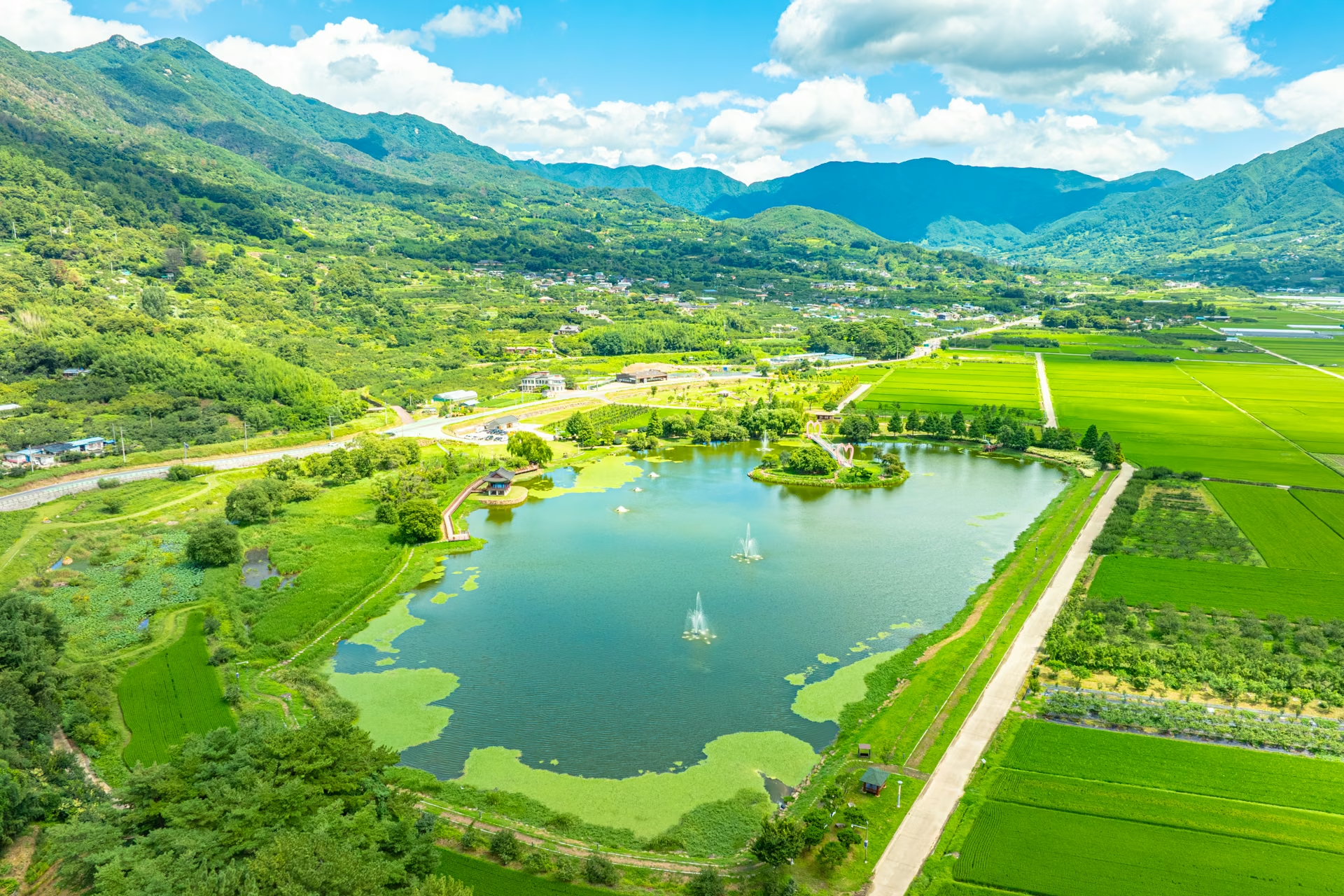
Getting There
Dongjeong Lake sits in Akyang-myeon, just off the road that runs up the Seomjin River valley — about 15 minutes from Hwagae and the tea country around Dosim Dawon, and four hours from Seoul by car. Parking beside the lake is free. Entry is free. It never closes. This paragraph is the entire logistics section, and I wish more destinations allowed me to write it.
Transit users: intercity bus to Hadong Terminal, then the Akyang-bound county bus and a short walk. The famous Choi Champan House film set from Toji sits on the hillside above the same plain, so the two combine naturally.
A Garden Built Around Toads
Before the photo spots, the reason this lake matters: it is Korea’s largest breeding habitat for the Asian toad, and home to the endangered gold-spotted pond frog. The geography explains it — a shallow backwater wetland, warm paddies on every side, and forested hills within hopping distance make ideal amphibian country. When the county expanded the wetland and built the garden, it added toad-crossing eco-corridors under the paths, and every spring the migration of toads down from the hills to the water is treated as local news.
This is worth knowing as you walk, because it reframes the place. The reeds, the willows, the deliberately soggy margins — none of it is neglect. The wetland is the point, and the garden is arranged as a series of rooms around it: a willow-forest garden, a tea garden nodding to the county’s crop, a wetland garden of boardwalks and reeds, and a Toji-themed flower garden for the literary pilgrims.
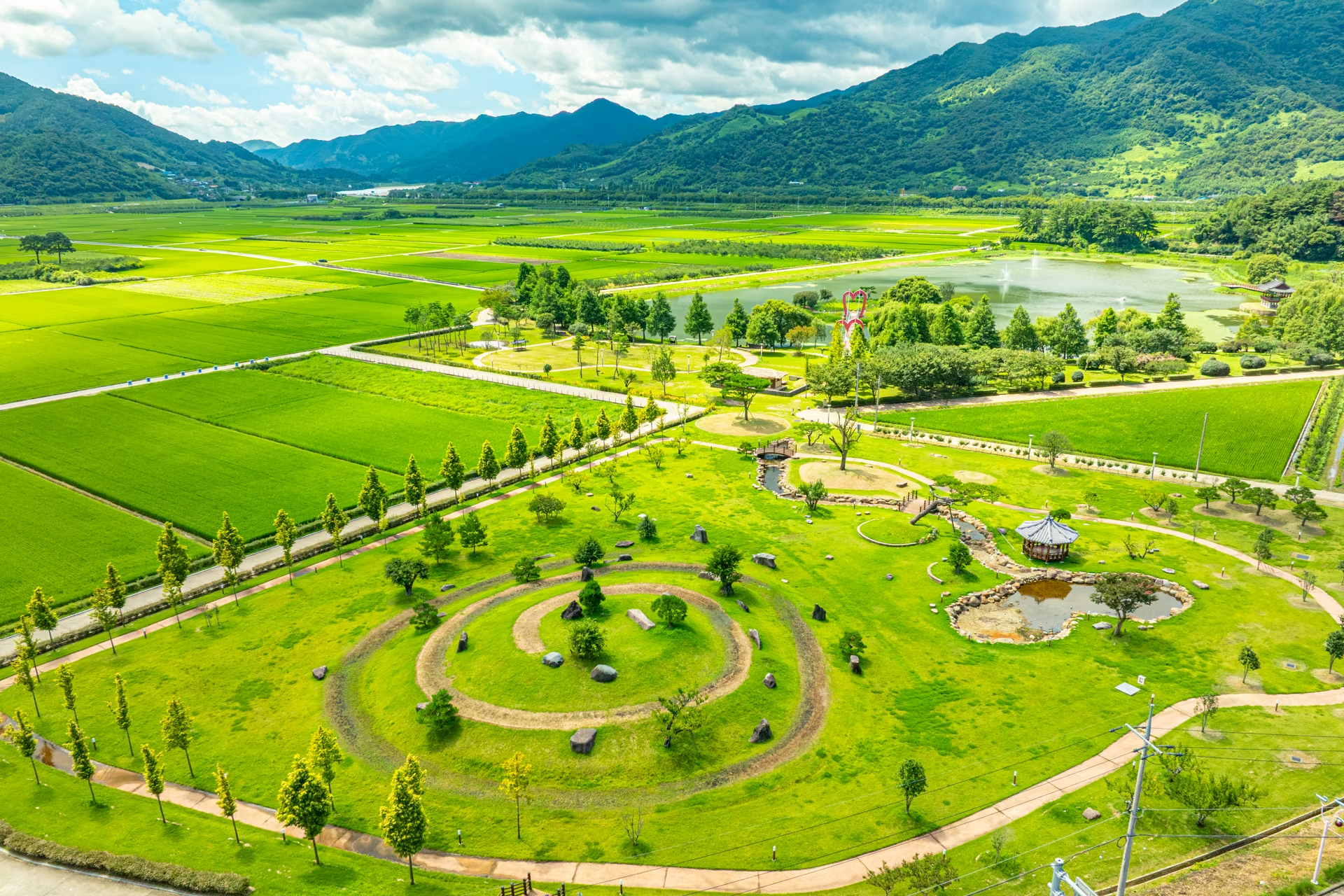
The Loop: 1.2km of Engineered Charm
The full circuit of the lake runs about 1.2 kilometers — half an hour at a stroll, longer if you photograph everything, and you will. The county has been unapologetic about building photo spots, and they land more often than they miss.
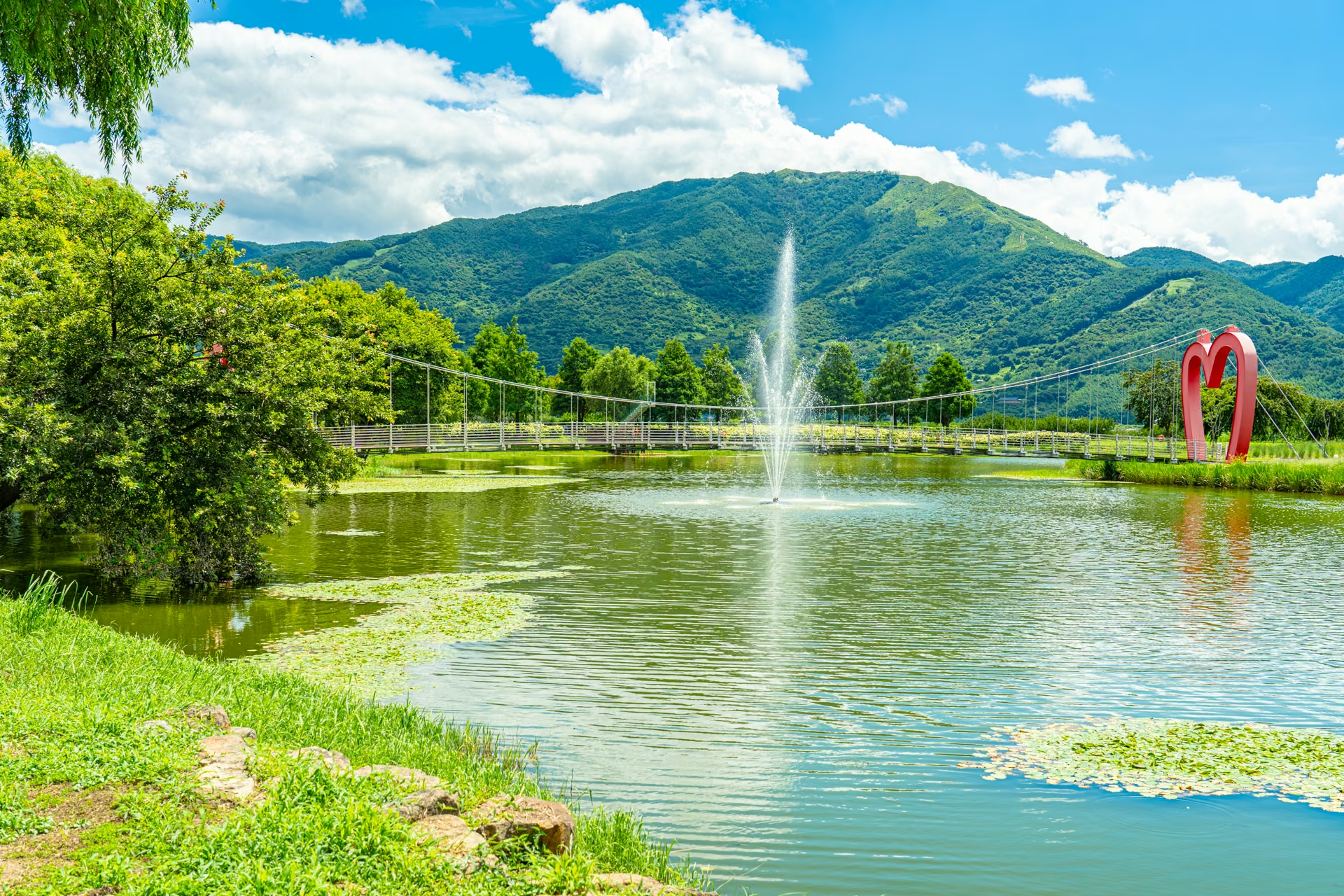
The signature piece is the heart-shaped suspension bridge that loops out over the water — a red arch that shakes agreeably underfoot and frames the lake, the fields and the mountains in one sweep. Near it, a fountain fires intermittently from the lake surface, which cools the air downwind in a way you will appreciate in August.
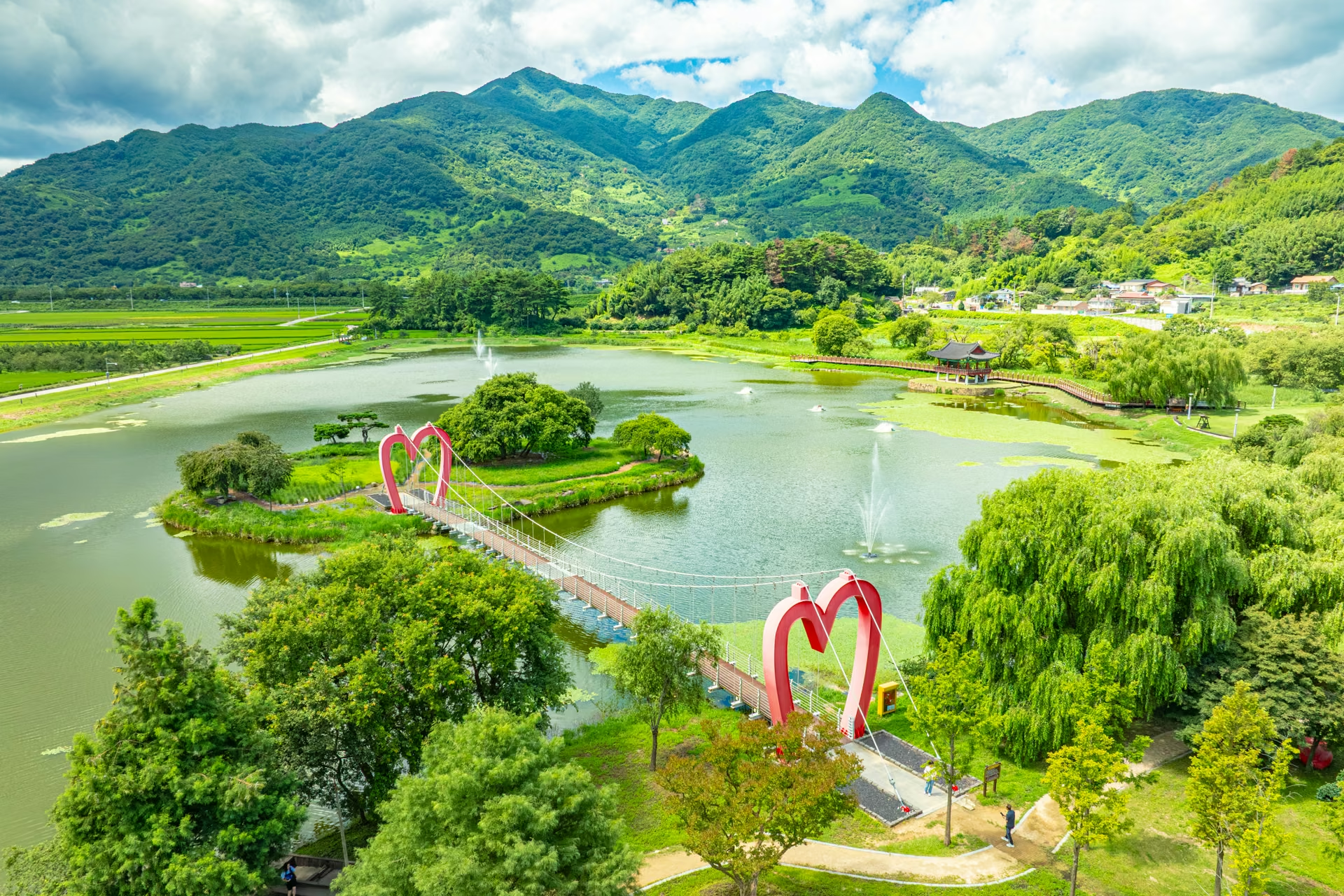
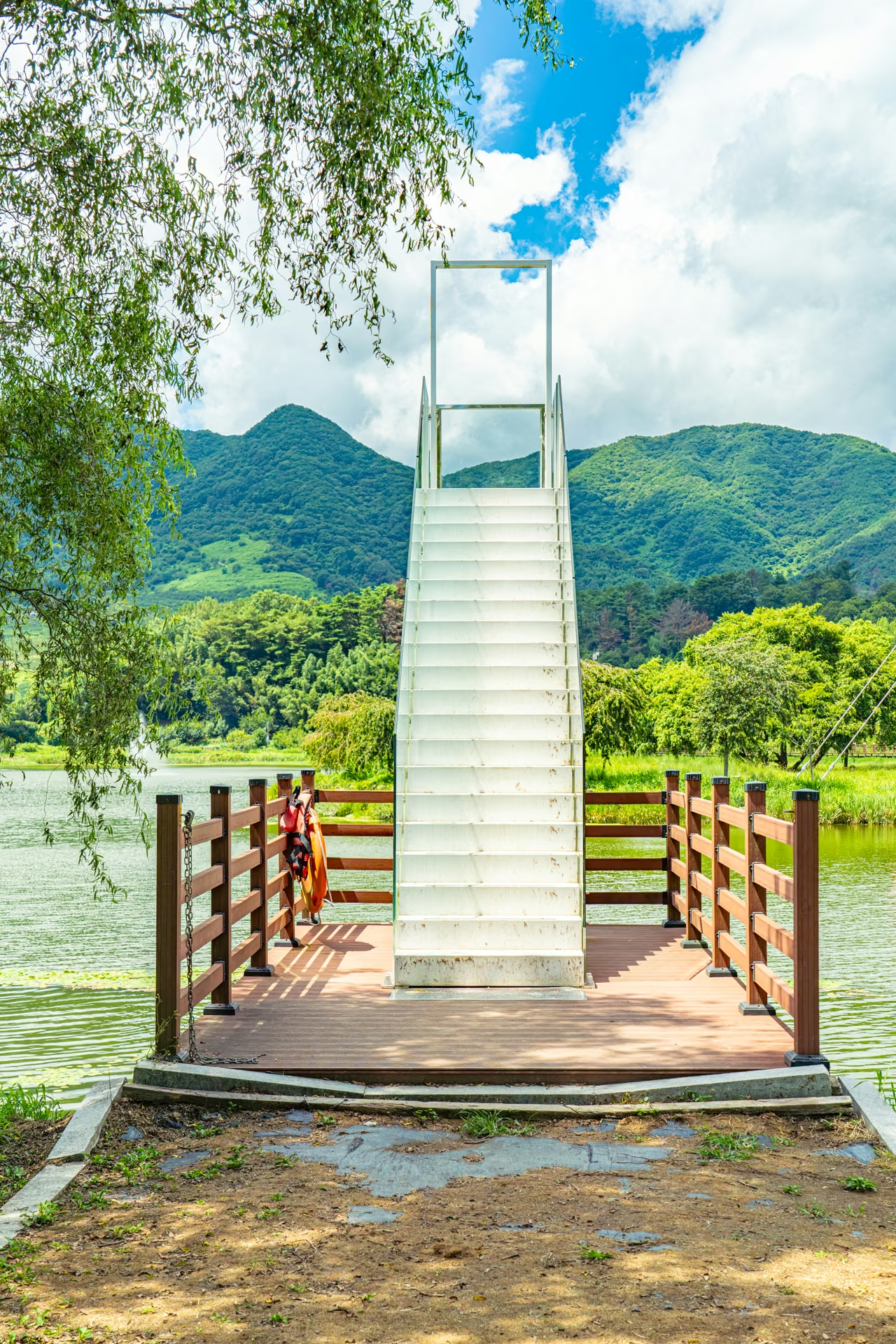
Further around the shore stands the Stairway to Heaven — a white staircase climbing to a mirror-topped platform, angled so that a person at the top appears to be stepping into open sky. It is shameless. It also produces, on a blue-sky day, the single most shared photo from this lake, so put your cynicism in your pocket and take the picture.
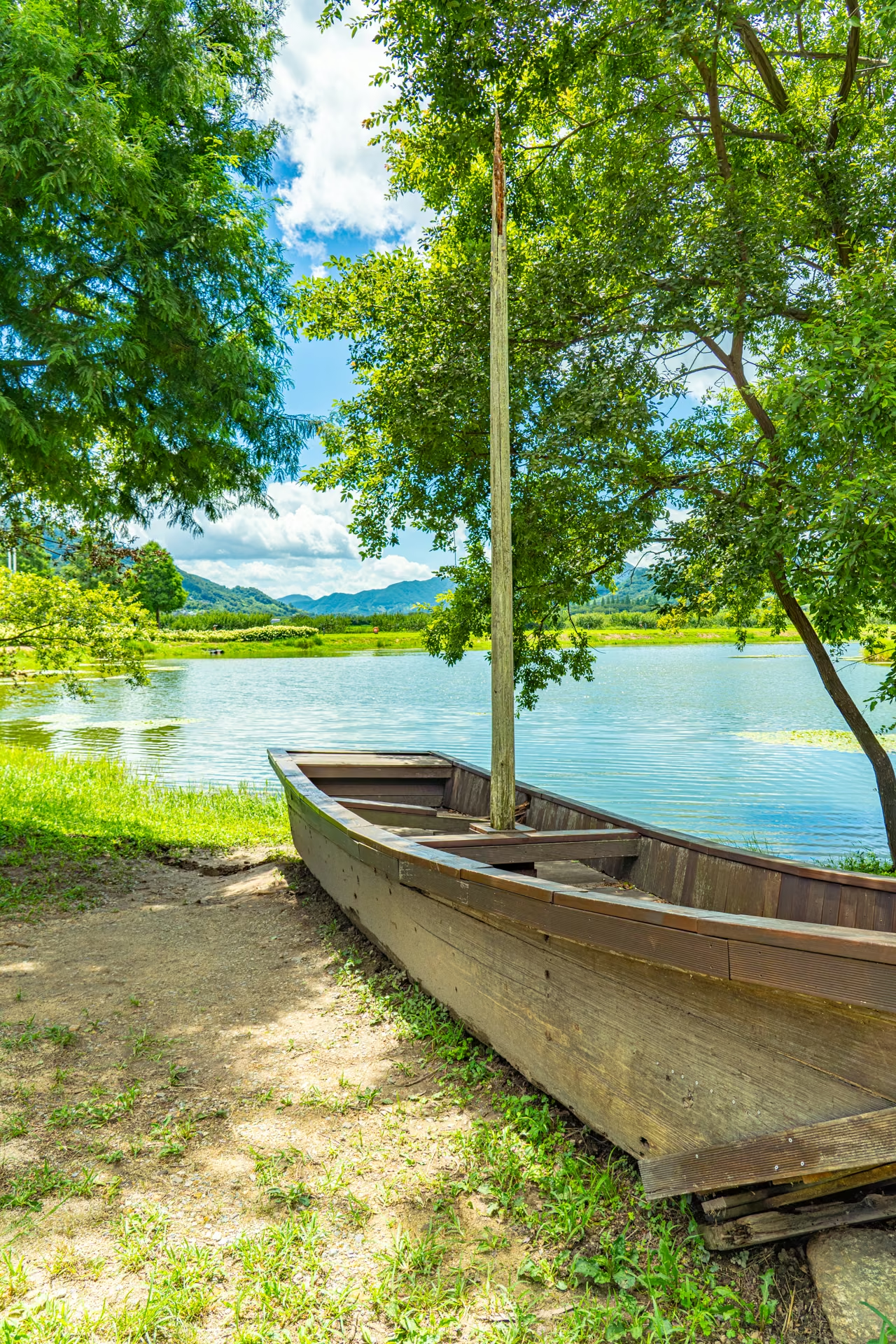
My own favorite prop is quieter: a weathered wooden ferry boat beached under the willows, prow to the water, as if its owner had stepped away for lunch sometime around 1930. It photographs like a still from a period film, and unlike the stairway, nobody queues for it.
Two add-ons stretch the stop into a half day. On the ridge above the plain hangs Starway Hadong, a star-shaped skywalk cantilevered off the hillside by the old Goso fortress — the aerial version of everything you have just walked through, with the Seomjin’s silver curve added to the composition. Entry ran ₩3,000 at last report, and the gelato in its cafe has a reputation entirely out of proportion to its location. And out in the paddies between lake and river stand the couple pines — bubusong, two solitary trees leaning toward each other above the rice, a scene every drone in the province has filmed and which is still better met at eye level, from the farm road, with insects making the only noise.
The Hydrangea Question, Answered Honestly
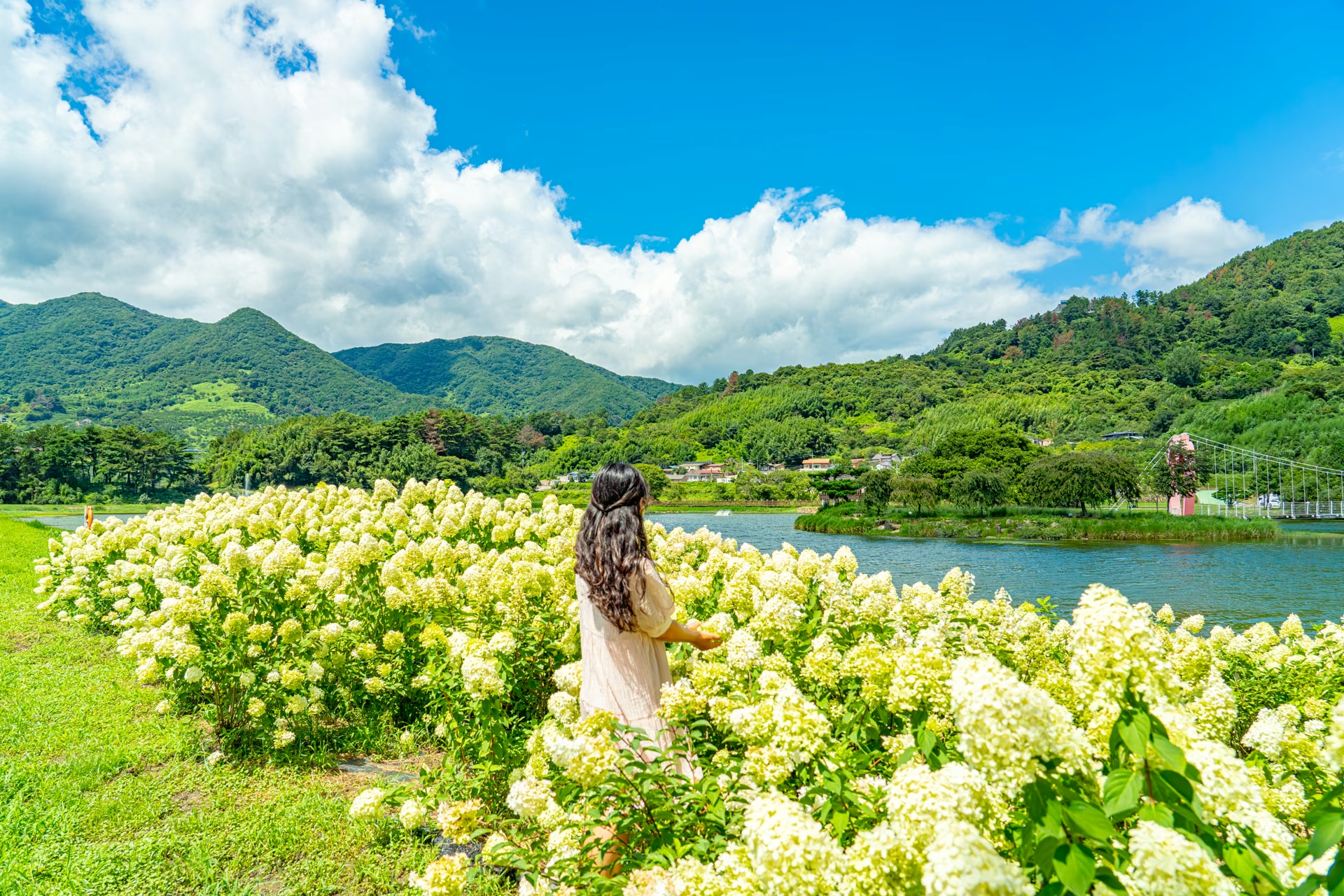
Search this lake in Korean and you will drown in hydrangea photos. They are real: in June and July the lakeside path runs between banks of European hydrangeas in white and cream, and that is when domestic visitor numbers peak. By August, when I walked it, the show is past its best — most heads gone papery, a few late panicles holding on. The photographs in this article show the tail of the season, and I would rather tell you that than let a June photo sell you an August flowerbed. Visit in high summer for the green of the rice and the mountains, not the flowers; visit in early July if the hydrangeas are the mission.
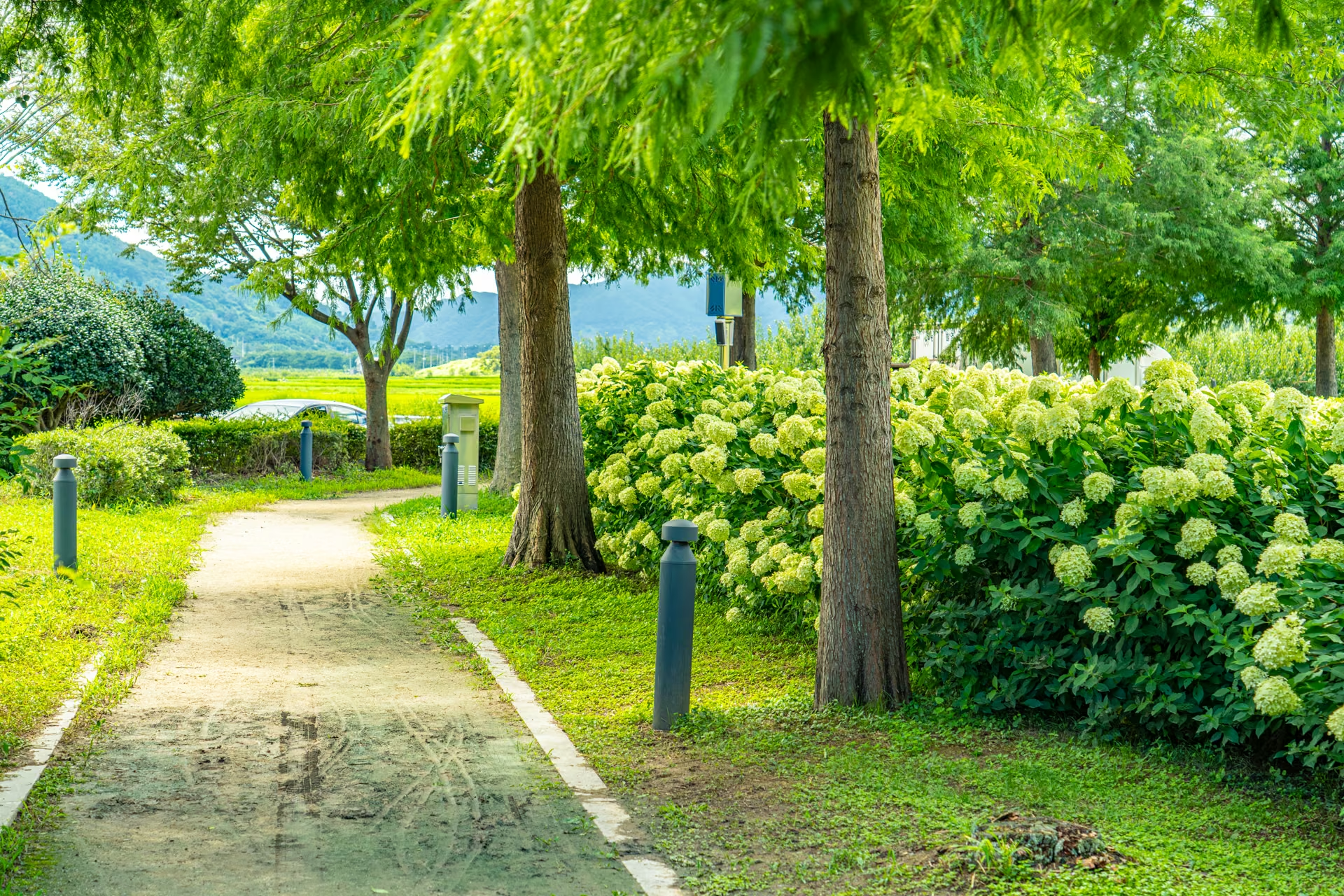
The larger truth is that this lake has a different lead actor every season, and the flowers are only one of them. Spring brings the cherry roads and the toad migration; high summer is about the saturated green of the paddies and the deep shade of the willow garden; October turns the entire plain the color of brass as the rice comes in, which many locals consider the lake’s best month; and winter strips the scene to reeds, water and mountains — the novelist’s version of the landscape, if not the influencer’s. There are worse arguments for a second visit.
Who This Is Actually For
This is for anyone driving the Seomjin valley who wants a leg-stretch with actual substance — it slots into any Hadong itinerary without costing a won or an hour. It is for Toji readers making the Pyeongsari pilgrimage, for whom the lake supplies the landscape the novel describes better than the film set above it does. It is for families, since the loop is flat, stroller-friendly and dotted with things children want to climb. And it is for photographers at golden hour, when the light comes low across the plain and the mountains stack up in blue layers behind the water.
Skip it as a standalone destination from Seoul — nobody should drive four hours for a 1.2km walk — and know that midday in August is punishing out on the open sections, so aim for morning or late afternoon. There is no cafe inside the garden; the nearest coffee is in Akyang town or up at Starway Hadong on the ridge, and bringing a bottle of water is not optional in summer.
One last detail for the name-curious. Akyang, this township, was named centuries ago after Yueyang in China, the city on the shore of Dongting Lake that Chinese poets could not stop writing about — and this lake was named Dongjeong after Dongting in the same borrowed breath. A rice-farming village on the Seomjin, dressing its pond in the name of one of Asia’s great lakes: it should feel like overreach. Then you stand on the heart bridge at sunset with Jirisan going violet behind the reeds, and the ambition seems entirely reasonable.
Practical Manual: Dongjeong Lake
| Address (EN) | Pyeongsa-ri 305-2 area, Akyang-myeon, Hadong-gun, Gyeongsangnam-do |
| Address (KR) | 경남 하동군 악양면 평사리 305-2 일원 (동정호) |
| Hours / entry | Open year-round, 24 hours; free entry, free parking |
| Status | Registered as Gyeongsangnam-do Provincial Garden No. 3 (May 2026); ~56,000㎡ wetland garden |
| The loop | ~1.2km around the lake, about 30 minutes; flat and stroller-friendly |
| Seasons | Hydrangeas late June–mid July · green fields and toad country in summer · golden rice in October |
| Nearby | Choi Champan House / Toji film set and Pyeongsari fields on the hillside above; Hwagae tea valley 15 min |
| From Seoul | ~4 hrs by car; or bus to Hadong Terminal, then Akyang-bound county bus |
| Navigation Tip | Google Maps does not give driving directions in Korea. Use Naver Map and search 동정호 or 하동 동정호생태공원. Papago handles the interpretive signs. |
Details reflect the time of reporting. The garden is new to provincial status and facilities may continue to expand.