
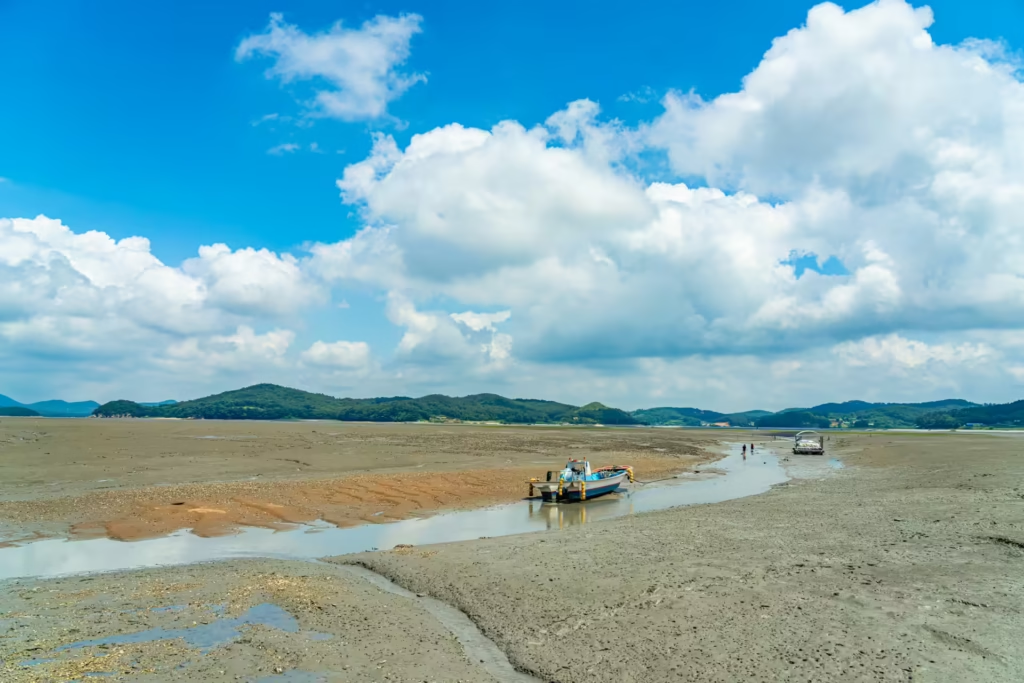
The Mud Flat That Runs on a Timetable
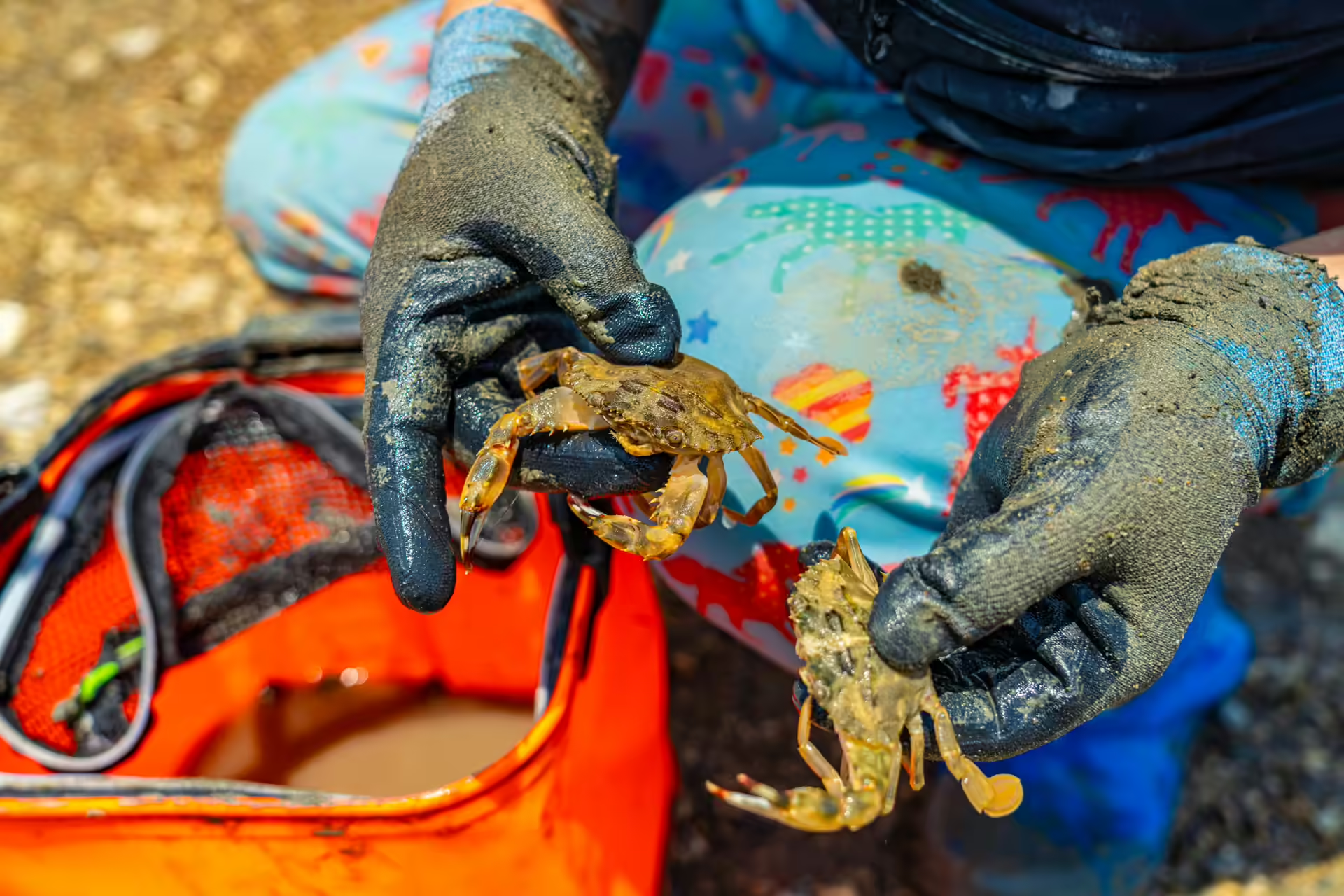
Somewhere in my camera roll is a photo of a crab the size of a walnut, held up in a mud-caked glove like a trophy. I went to Jungni for clams. The crab was a bycatch, and so, in a sense, was the realization that clam digging in Korea is one of the country’s most underrated half-days out: cheap, absurdly photogenic, run by the people who actually live there, and governed entirely by the moon.
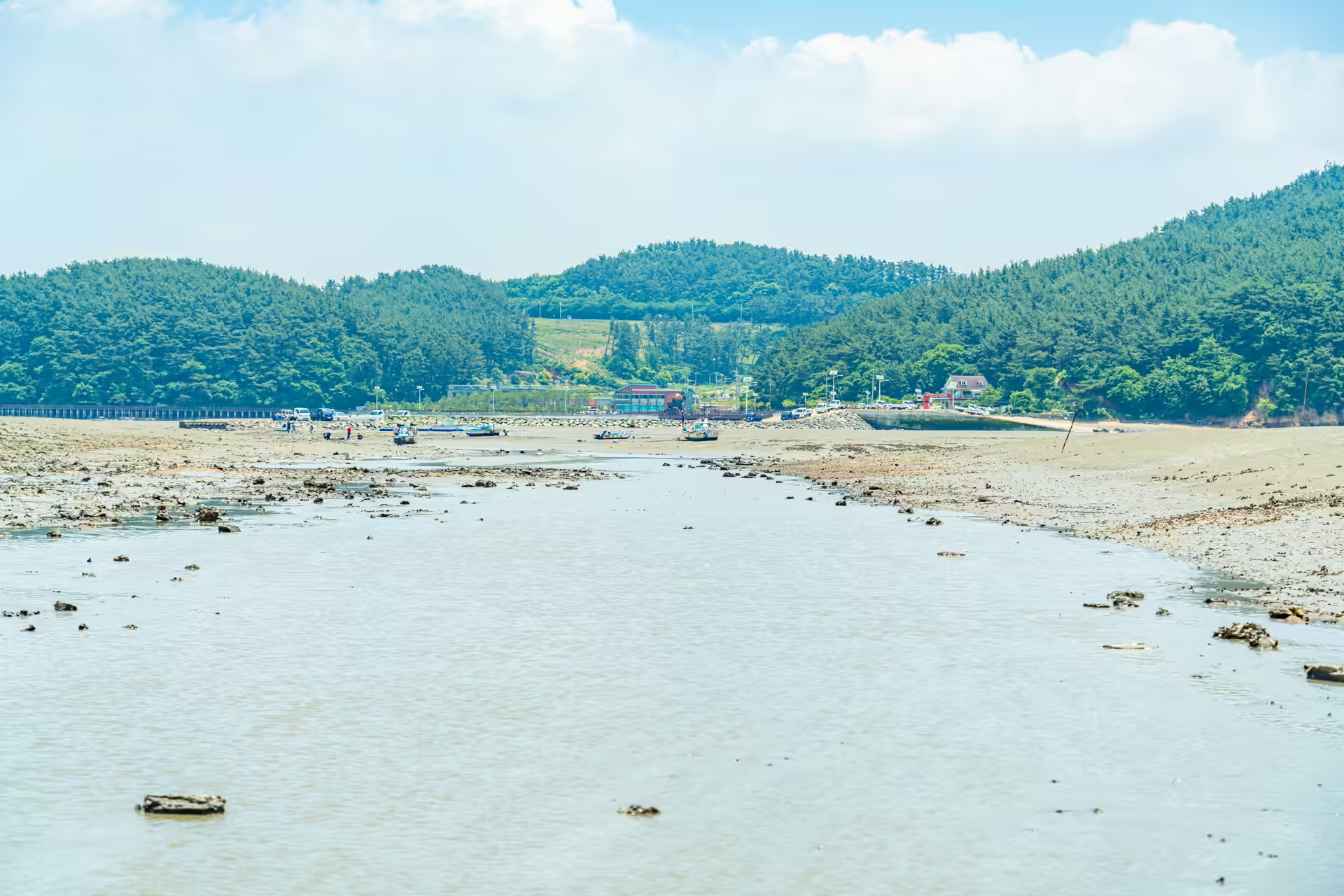
Jungni Eochon Cheheom Maeul — literally “Jungni fishing experience village” — sits on Garorim Bay, the jar-shaped inlet pinched between Seosan and Taean on Korea’s west coast. The land wraps almost all the way around the water, sheltering one of the largest tidal flats in the country, and the bay’s credentials are serious: it was designated a marine protected area in 2016, and its clams have the kind of reputation among Korean cooks that makes restaurant owners name the bay on the menu. Twice a day the sea walks out, kilometers of mud surface, and the village of Jungwang-ri opens for business.
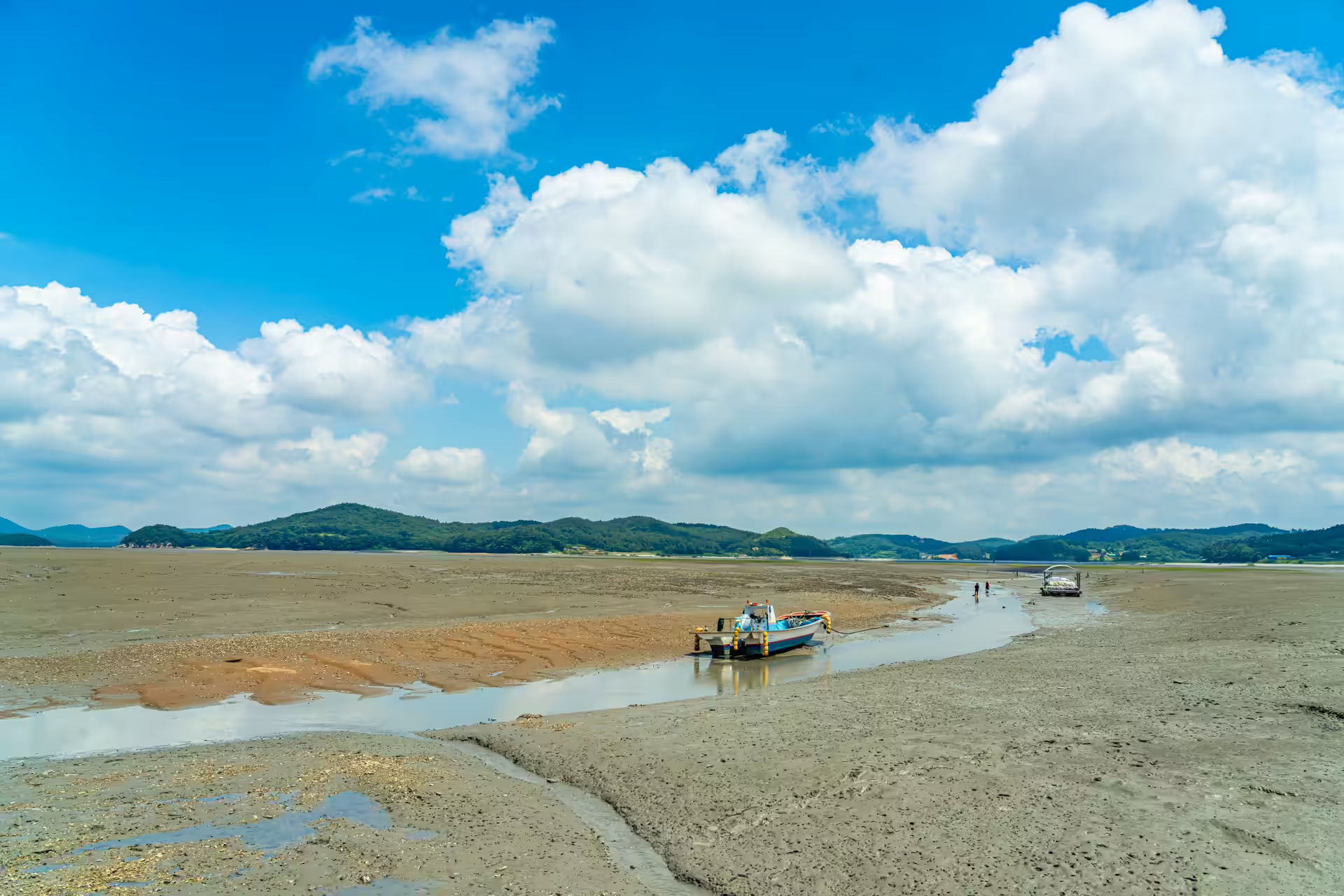
Getting There
Jungni is in Jigok-myeon, on the northern edge of Seosan. By car from Seoul it is about two hours: Seohaean Expressway to Seosan IC, then country roads north toward Jungwang-ri. Without a car, take the express bus from Seoul’s Central City Terminal to Seosan (about 1 hour 50 minutes), then local bus 260, 261 or 262 to the Keuneoreumdeul stop and walk the last 700 meters. Drivers get their own small mercy: the village has its own parking lot, though on summer weekends it fills around the good low tides, so arriving half an hour before the posted opening time buys you both a space and first pick of the mud. The village is also a waypoint on route 77 of the Seohaerang-gil, the west-coast leg of the Korea Dulle-gil walking trail, if you prefer to arrive on foot with a hoe as your reward.
Clam Digging in Korea, the Village-Run Way
Plenty of Korean beaches tolerate freelance clam digging. What Jungni offers is the organized version, and the organization is the product: the residents of Jungwang-ri run the program themselves, from the ticket desk to the mud.
The system, as of my reporting and confirmed against the village’s current notices: the season runs March through November. The flat opens around low tide, and the schedule therefore changes every single day — the village posts a monthly tide chart on its website, and you plan around it, not the other way round. The fee is 10,000 won from elementary age up, 5,000 won for younger children, and a rental set of hoe, boots and a collection tub runs 2,000 won. Cards are accepted, which is not something I say about every fishing village.
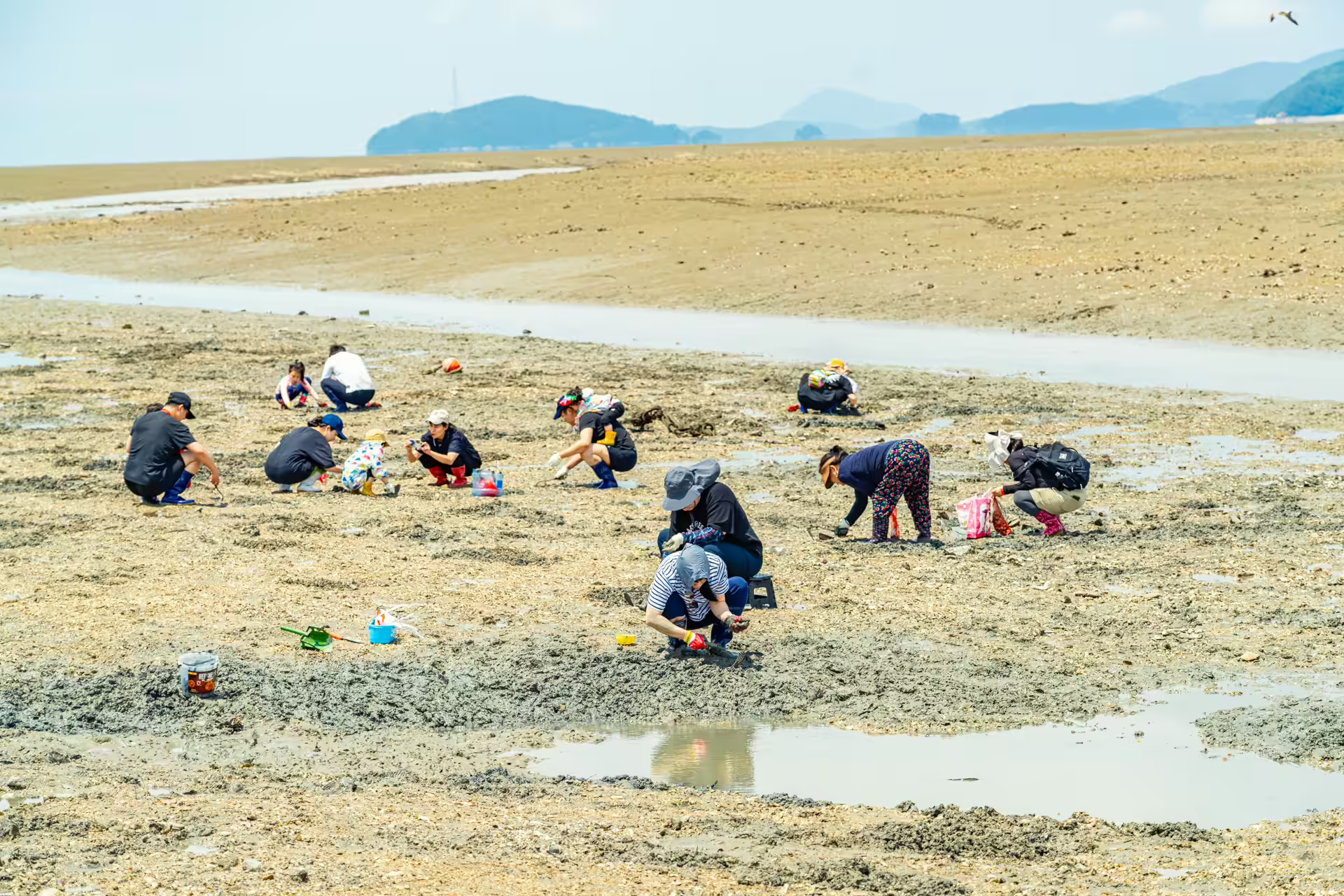
The rules are two. You may take home up to two kilograms per person, measured in the tub they hand you — a cap that keeps the flat alive for the next tide’s customers. And you dig where the staff point you, which is less a restriction than a service: the people on duty are mostly villagers who have worked this mud their whole lives, and they will show a first-timer where the clams actually are, which spots to leave alone, and how to read the little holes in the surface. When my technique produced more holes than clams, a woman old enough to be my grandmother corrected my hoe angle without breaking conversation.
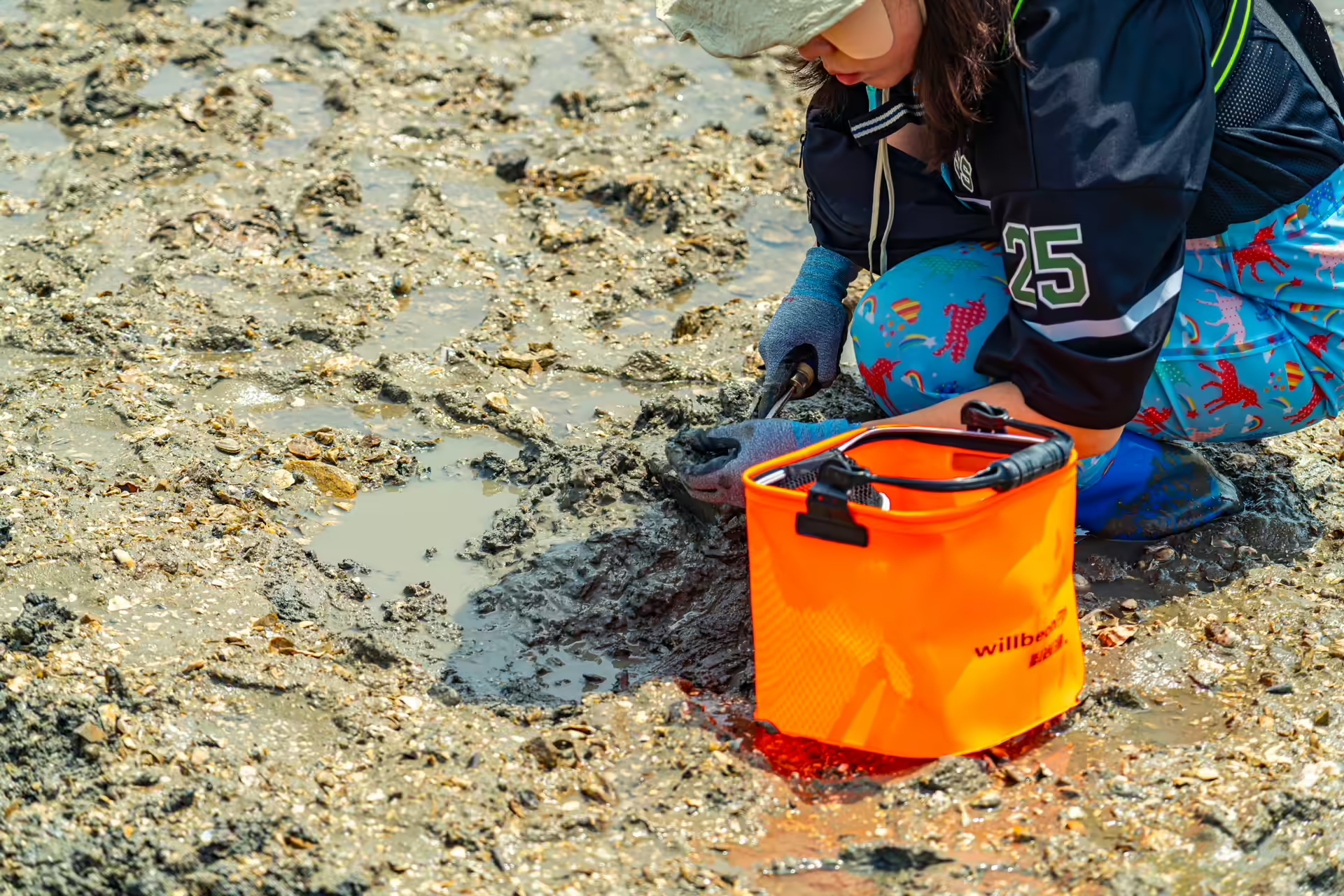
And the mud is generous beyond its headline act. Manila clams are the main harvest, but the flat is busy with cockles, razor clams spitting from their holes, crabs conducting their sideways errands, and — this being the bay’s other celebrity — the occasional octopus. Finding one is luck; the crab in my glove was as far as my luck ran.
The Tin-Can Train and the Boardwalk
The mud flat sits about 500 meters from the village information center, and the journey there is its own attraction. A tractor-pulled “tin-can train” — a chain of barrel-shaped carriages painted in colors no barrel chose for itself — rattles between the two for 5,000 won a person, seven to ten minutes of clattering that small children rank well above the clams themselves. It runs on demand rather than on a schedule; flag it down or ask at the desk.
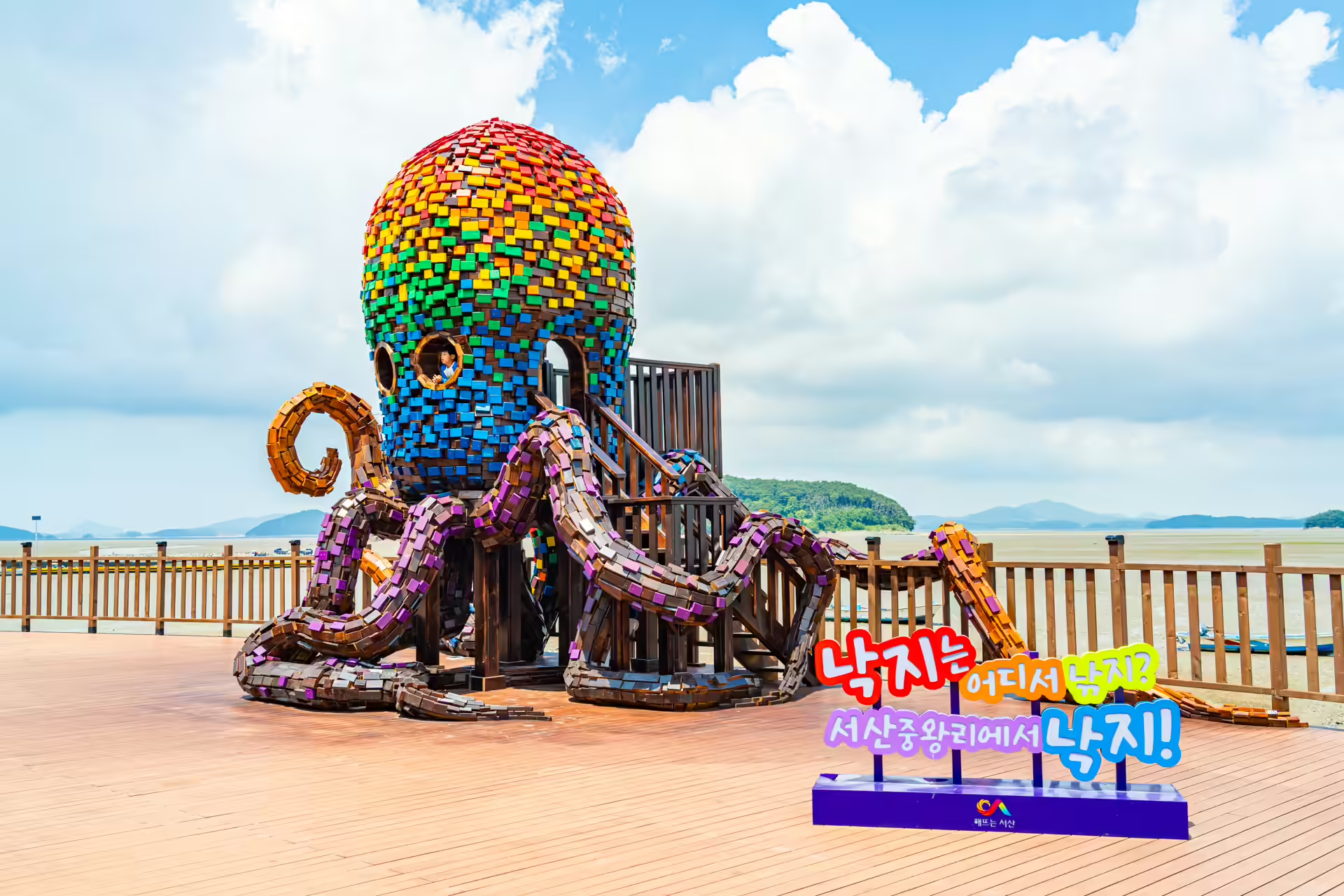
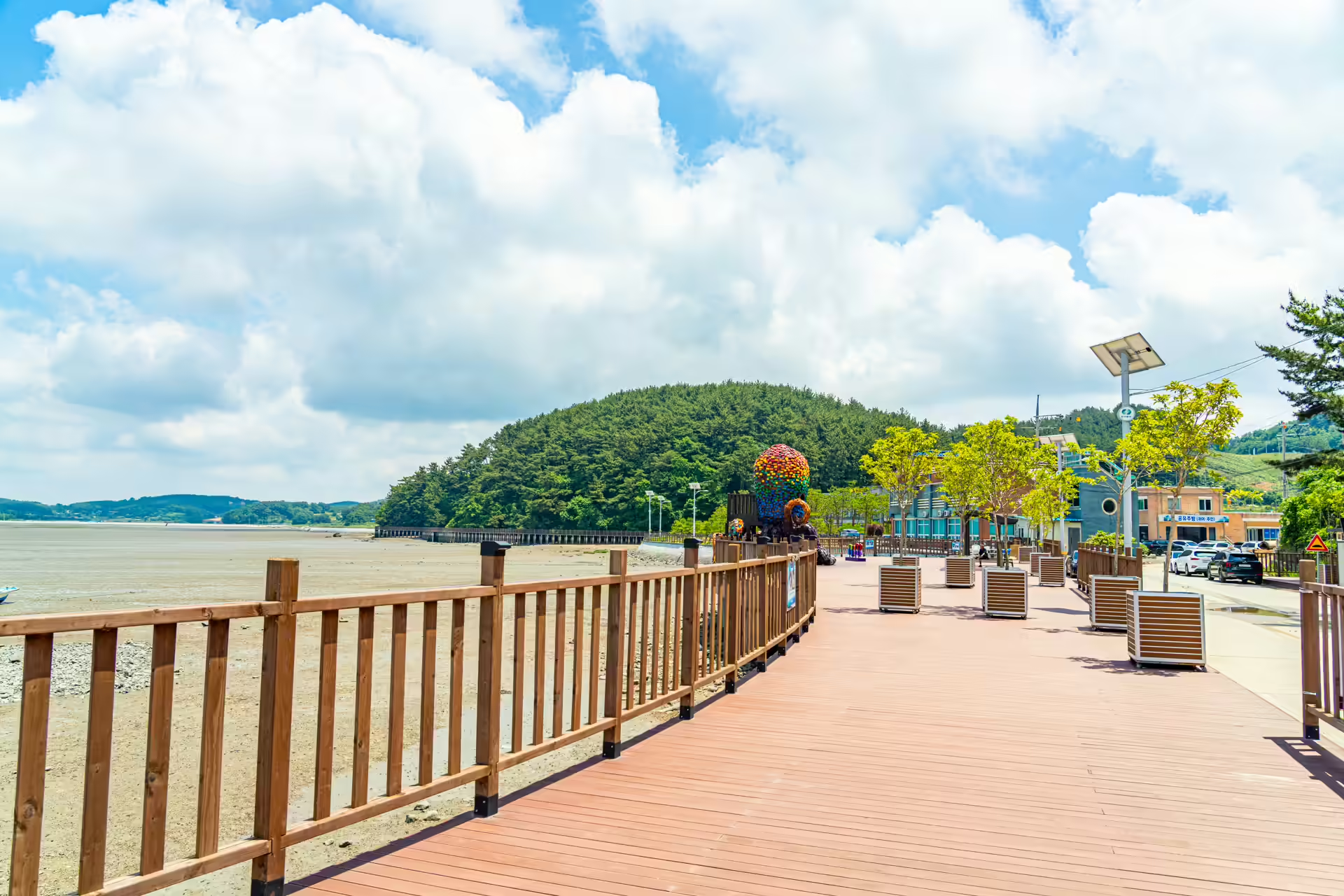
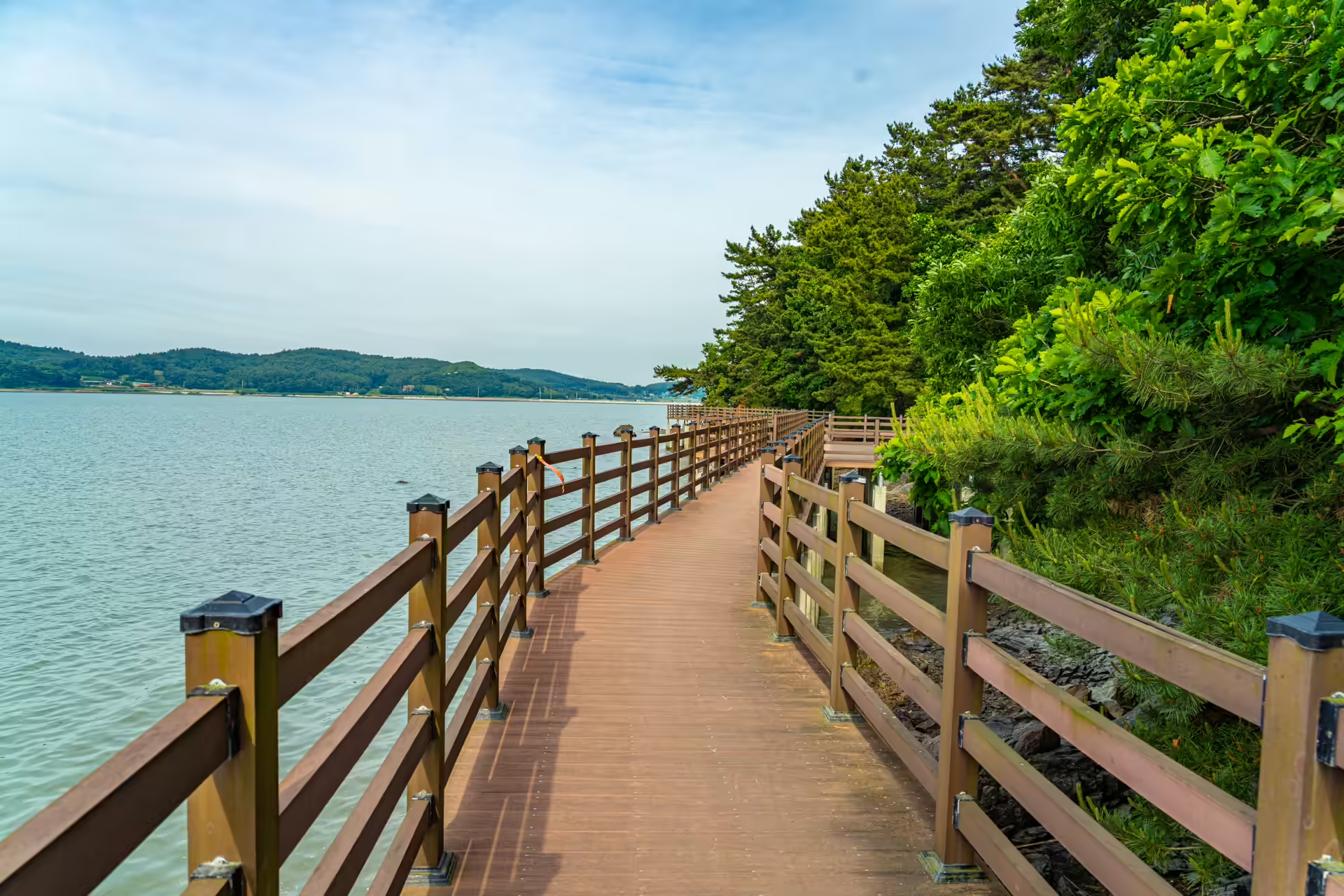
Walkers do fine too. A wooden boardwalk runs along the shoreline, and partway along it stands the structure I promised to explain in my Seosan day trip guide: a viewing deck crowned by a rainbow-mosaic octopus, celebrating the bay’s most prized catch. Signs at its feet announce, in Korean, that the octopus you want comes from Jungwang-ri. Climb the deck and the bay opens up — the near island of Jeodo, Gopado and Ungdo behind it, and on a clear day the Taean shore closing the horizon, with the whole silver sweep of mud in between.
After the Dig: Wash Stations and Seawater To Go
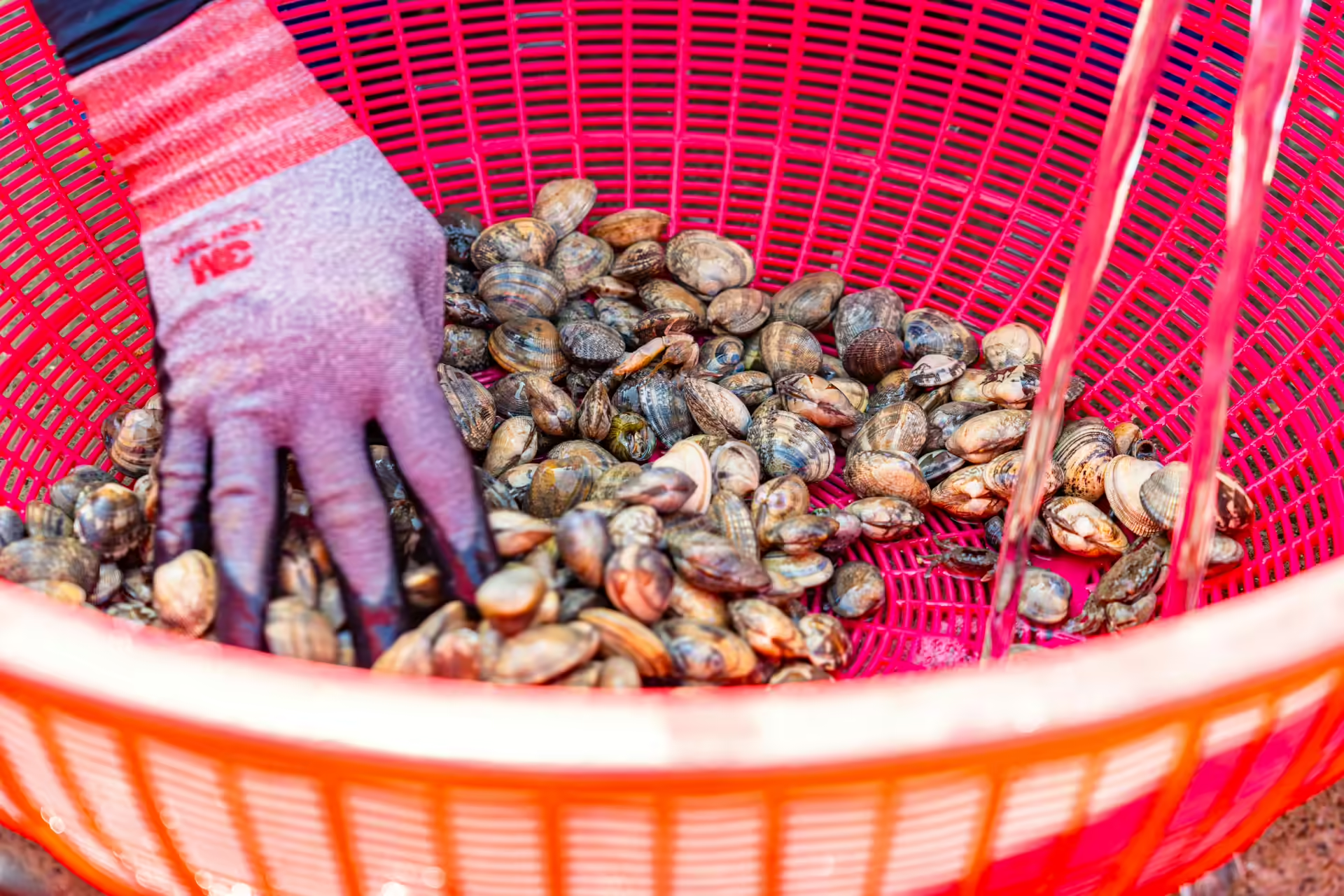
Back at the information center, the village has thought through the part most attractions forget: the aftermath. Wash stations stand ready for muddy boots, muddy tools and muddy children, and a separate basin lets you rinse your clams properly. Beside it sits a tank of clean seawater, free to take away — because Manila clams purge their sand best in the water they grew up in, and the village would rather you take a bottle of bay water than serve your family gritty soup tonight. It is the single most quietly considerate piece of infrastructure I have met at a Korean tourist site.
Gamtae: The Seaweed That Runs the Kitchen
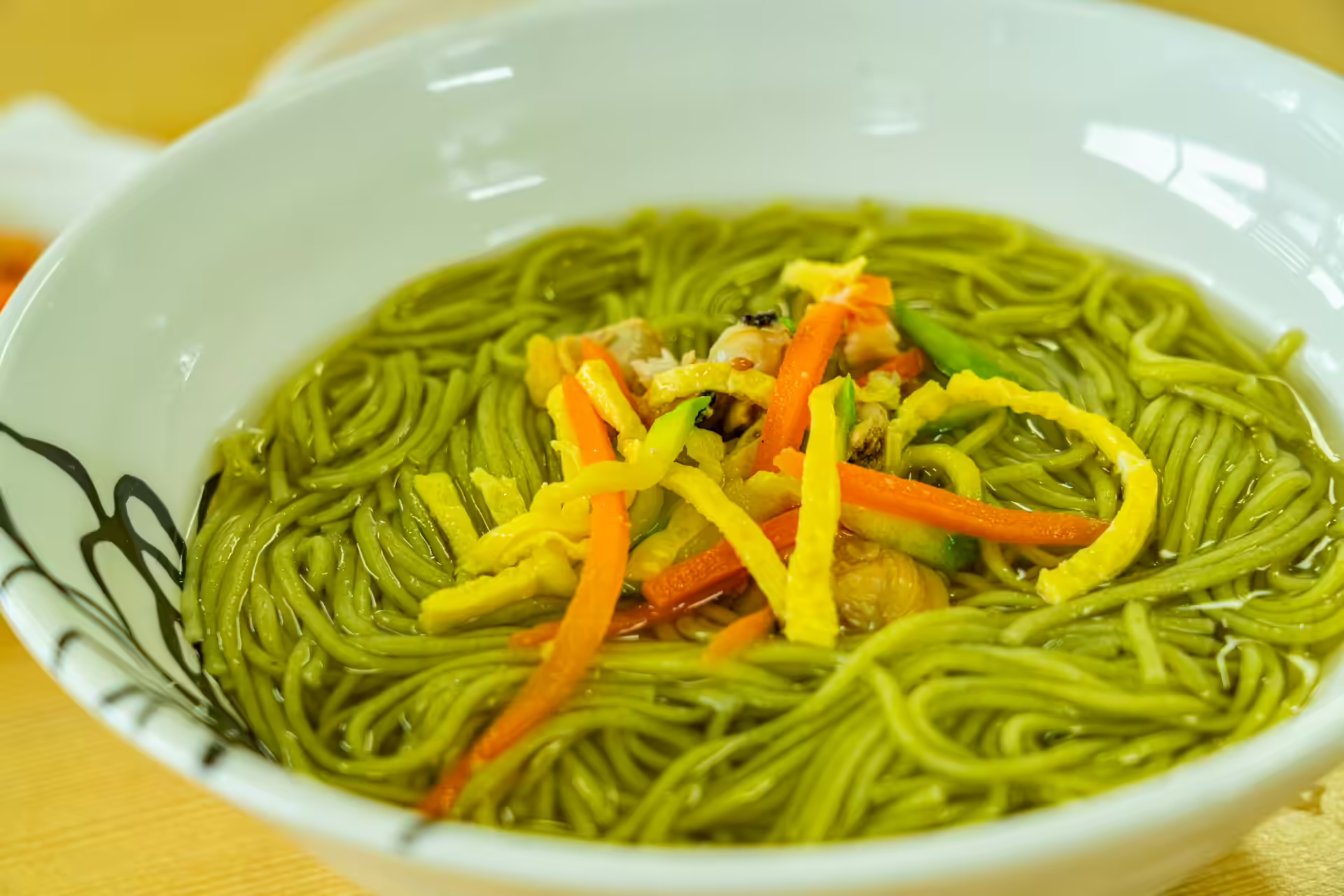
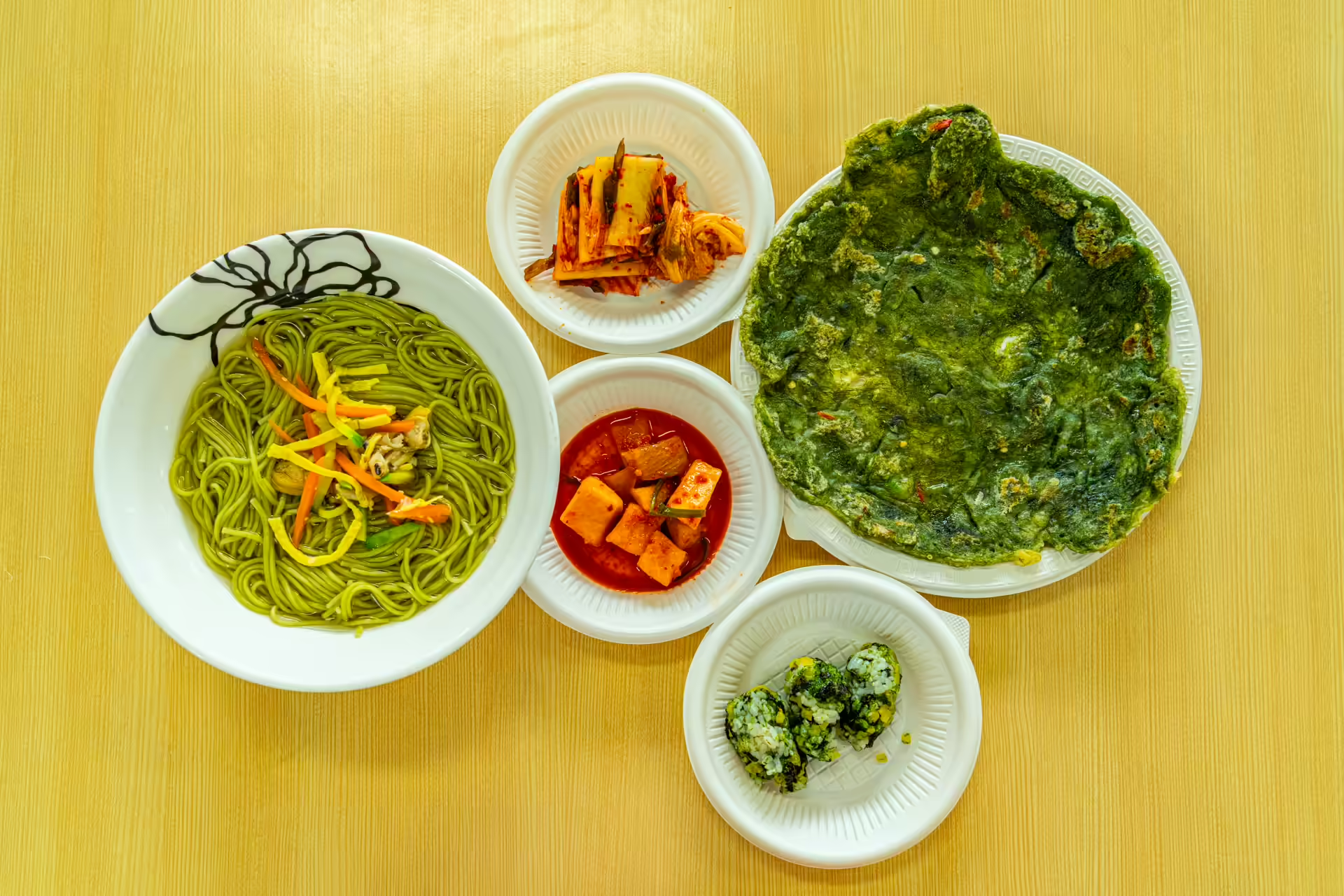
Garorim Bay’s other export is gamtae — a fine, silky green seaweed (properly gasiparae, though nobody outside a textbook calls it that) that thrives on clean western-coast flats. The village has built a small industry on it. In the Susan School building, a repurposed schoolhouse by the water, you can join a chocolate-making session where white chocolate is tinted green with gamtae powder and set with nuts — a souvenir that tastes faintly and pleasantly of the sea. The restaurant next door folds the same seaweed into noodles, and a bowl of gamtae noodles after three hours bent over a mud flat is the meal the whole morning was quietly building toward. The village’s reservation board has also added gamtae-harvesting and gamtae sujebi (hand-torn dough soup) sessions in 2026, so the seaweed side of the menu is growing; check the site or phone ahead for what is running when you visit.
Staying Over, and the Elephant Up the Coast
The tide table creates a scheduling problem that the village has monetized gracefully: if the good low tide falls at 7 a.m., you want to wake up here. The village runs caravans at the water’s edge — the four-berth kind, with the bay filling the window — plus rooms for two to ten people on the second floor of the Susan School, and a group house for parties of twenty. Book through the village site or by phone.
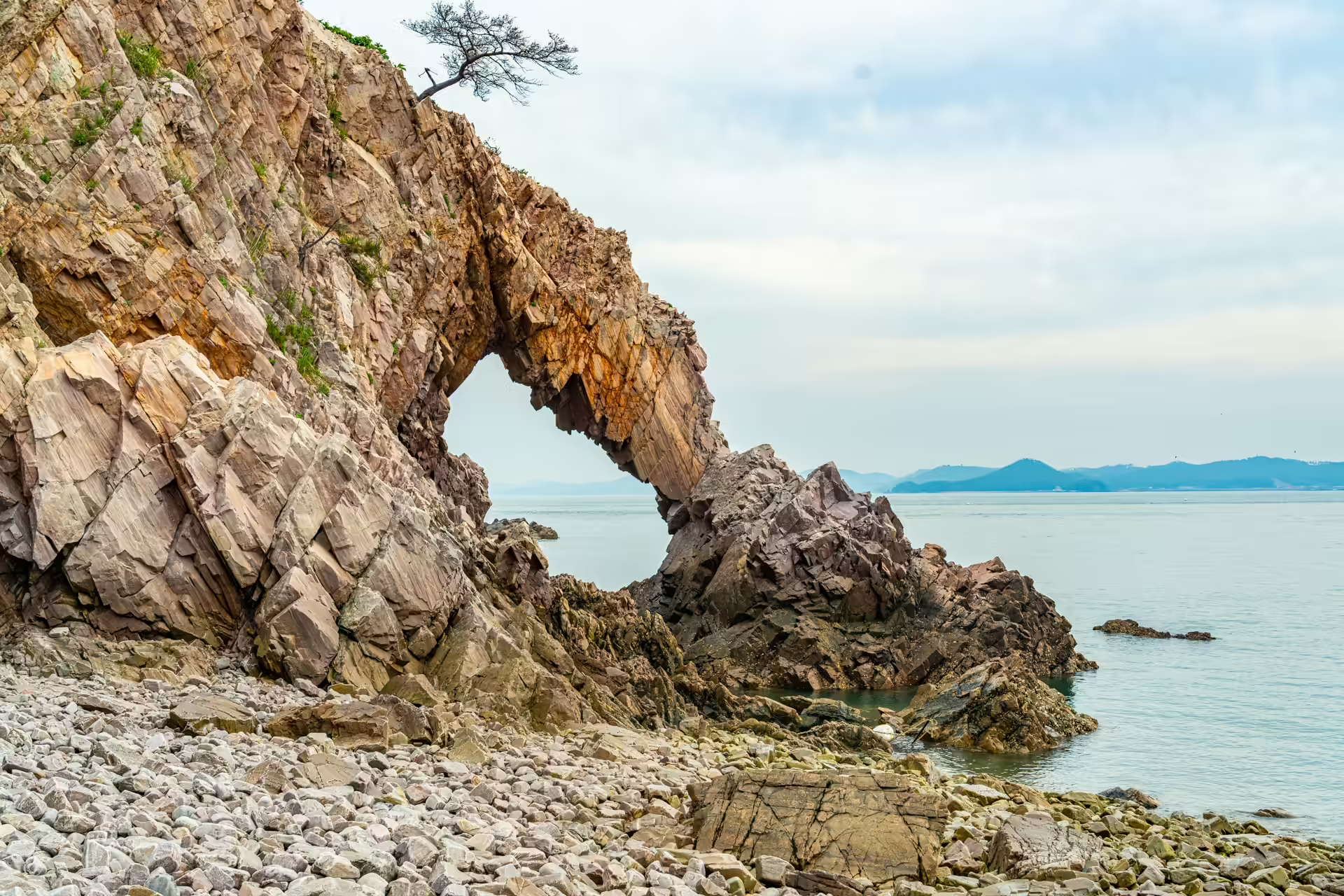
Staying over also unlocks the bay’s two best side trips. Thirty minutes north by car, the island of Ungdo connects to a neighboring islet by a 1.5-kilometer stone causeway that surfaces only at low tide — arrive at sunset on a good day and the golden light, the parted sea and the mud all line up. And at the bay’s mouth in Daesan-eup rises Hwangeumsan, a modest 156-meter mountain that hides a pebble beach on its seaward side, where waves have carved the coast’s most famous resident: Elephant Rock, a stone arch that dips its trunk into the sea. The round-trip walk over the hill takes about an hour and a half, and the pebbles applaud every retreating wave.
Who This Is Actually For
Families first: this is one of the best-engineered kids’ half-days on the west coast, with the train, the mud, the crabs and the chocolate forming a closed loop of childhood satisfaction. It works equally for travelers who measure a place by what they get to do rather than look at, and for anyone building a west-coast food itinerary around ingredients at their source — the clams here do not travel to you; you travel to them.
Skip it if your Korea wardrobe has no expendable layer, because the mud is total, and it does not care what your jacket cost. Wheelchair and stroller users can enjoy the boardwalk, the viewpoint and the restaurant, but the flat itself is soft going. And between December and February the digging stops entirely — check the season, then the village website for that month’s tide chart, before you commit to the drive. For the rest of Seosan’s temples, fortress and hanok estates, my six-spot Seosan guide covers the inland half of the day.
On my way out, I watched a family load their cooler: two kilos of clams, one bottle of borrowed seawater, and a child asleep before the parking lot ended. The bay sends everyone home with homework — mine was learning to hold the hoe properly before I come back.
Practical Manual: Jungni Fishing Village
| Address (EN) | 66 Eoreumdeul 2-gil, Jigok-myeon, Seosan-si, Chungcheongnam-do |
| Address (KR) | 충남 서산시 지곡면 어름들2길 66 (중리어촌체험마을) |
| Clam digging | Mar–Nov, timed to low tide (daily times on the village site) · ₩10,000 elementary age and up, ₩5,000 under elementary · tool/boot rental ₩2,000 · 2kg per person limit · cards accepted |
| Tin-can train | ₩5,000 per person, 7–10 min, runs on demand (roughly Mar–Dec) |
| Other programs | Gamtae chocolate making; gamtae harvesting and sujebi sessions added in 2026 — confirm by phone |
| Stay | Waterfront caravans (sleep ~4), Susan School rooms (2–10), group house (20) — book via village |
| Contact | +82-41-665-9498 · cms.seantour.com/CN011 |
| From Seoul | ~2 hrs by car (Seohaean Expwy, Seosan IC); or express bus to Seosan (~1 hr 50 min), then bus 260/261/262 to Keuneoreumdeul + 700m walk |
| Navigation Tip | Google Maps does not give driving directions in Korea. Use Naver Map and search 중리어촌체험마을. Papago helps at the ticket desk — the tide chart, usefully, needs no translation. |
Fees, programs and season dates reflect the village’s published information as of August 2026 and shift with the tides — literally. Check the monthly chart before you drive.