
The Forest a Family Opened Because Someone Was Stealing the Plants
There is a specific number that explains Hwansangsup Gotjawal Park better than any brochure. Six hundred and fifty meters. That is roughly how much path Lee Hyeong-cheol cleared through this forest after a stroke at 47 took the feeling out of his right hand and part of his speech with it. He started shifting the lava rock himself, using the hand that had stopped working, for no reason he could have articulated at the time. Lifting stone every day kept stimulating the nerve, and the feeling came back. A therapist later told him there is a name for that: occupational therapy. By 2021 he was well enough to place in the fifties division at Jeju badminton tournaments, which is his own measure of the recovery rather than anyone else’s.
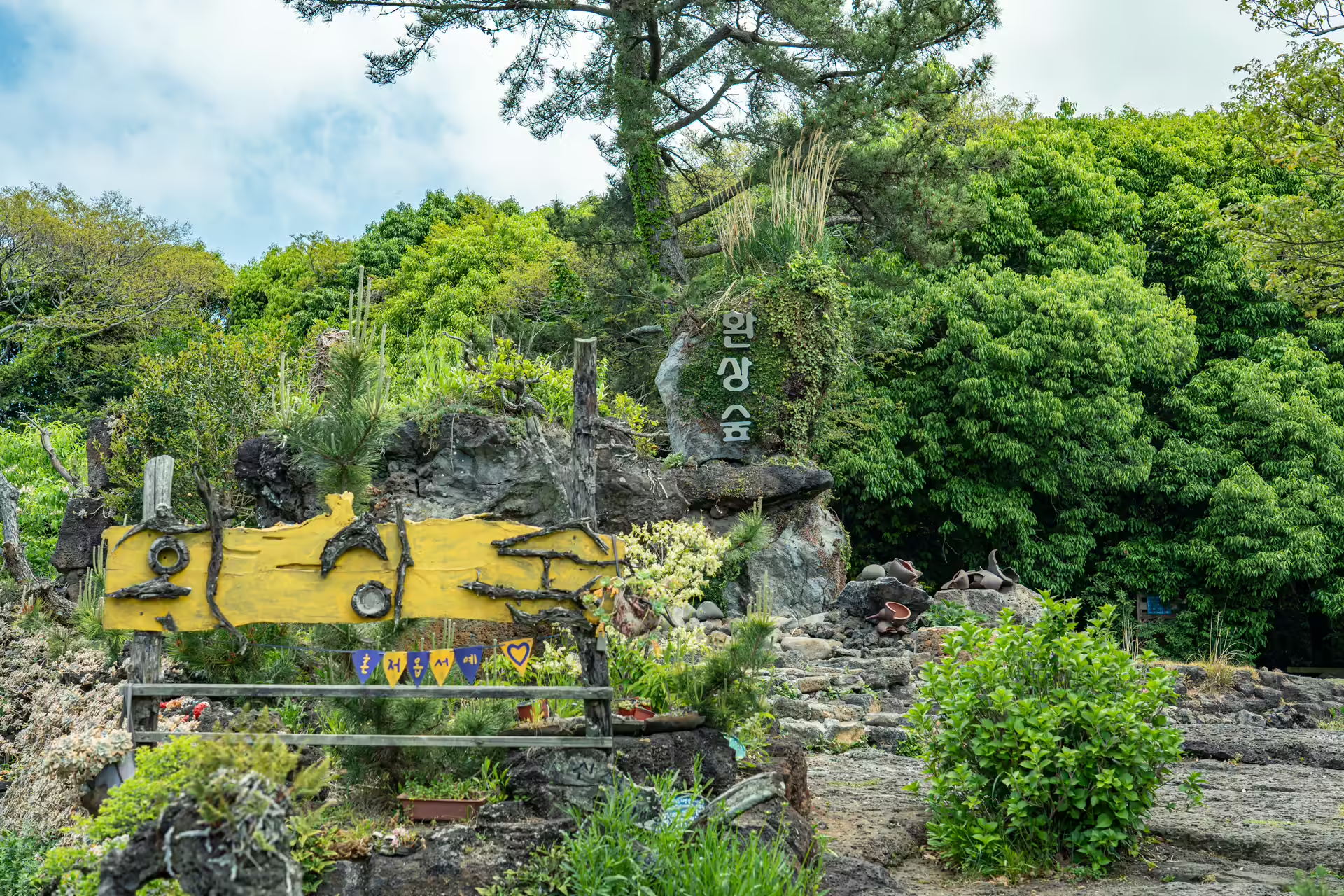
He had bought the land decades earlier. It was not a park, it was a piece of tangled lava scrub that nobody wanted, and that was the point. What turned it into a ticketed attraction was theft — people were digging up the rare plants. Charging admission meant someone was always watching. The family opened in April 2011, with his 83-year-old mother selling tickets through a hole cut in the window of the family’s thirty-year-old house, the front room converted into a booth. Their take that first winter came to about 200,000 won in a month.
Fifteen years on it takes roughly 150,000 visitors a year, keeps a team of guides on staff, and his daughter — who left a research job in Seoul for less than a tenth of the salary — runs the programs. Her wedding was held in the forest.
Getting to Hwansangsup Gotjawal Park
This is the island’s far west, in Hangyeong-myeon, up on the Nokchabunjae-ro road that also carries the O’sulloc tea museum and the aviation museum. If you have a rental car — and on Jeju you probably should — it is a straightforward run from the airport across the middle of the island, roughly an hour, and parking is free.
Without a car it takes a transfer. Express bus 151 from Jeju International Airport runs down to the O’sulloc stop, and from there the 784-1 or 820-2 local service brings you to a stop named for the park itself. Two buses, no drama, but check times on the day.
Two things to settle before you leave. The park is closed on Sundays. That changed in January 2026, and the tourism board’s English page still carries the old Sunday-afternoon hours — ignore it. The other six days it runs 09:00 to 17:30. And booking has been required since 2022, through Naver reservation or by phone on 064-772-2488. Walk-ins are taken only when a slot has room. The park’s old web address, jejupark.co.kr, is a dead frame pointing at a Naver service that shut down in June 2025 — do not judge the place by it.
What Makes This Gotjawal Different from the Provincial Park
If you have already walked the gotjawal at the provincial park in Daejeong, you have seen the public-sector version: 1.55 square kilometers, five trails, a tower. Hwansangsup is about 33,000 square meters — you could walk the whole thing in the time it takes to reach the tower down there. The two sit on the same lava, the long pahoehoe flow that came out of Doneori Oreum on the Hallim–Andeok boundary and ran all the way to the southwest coast. This end of it is called Jeoji-got.
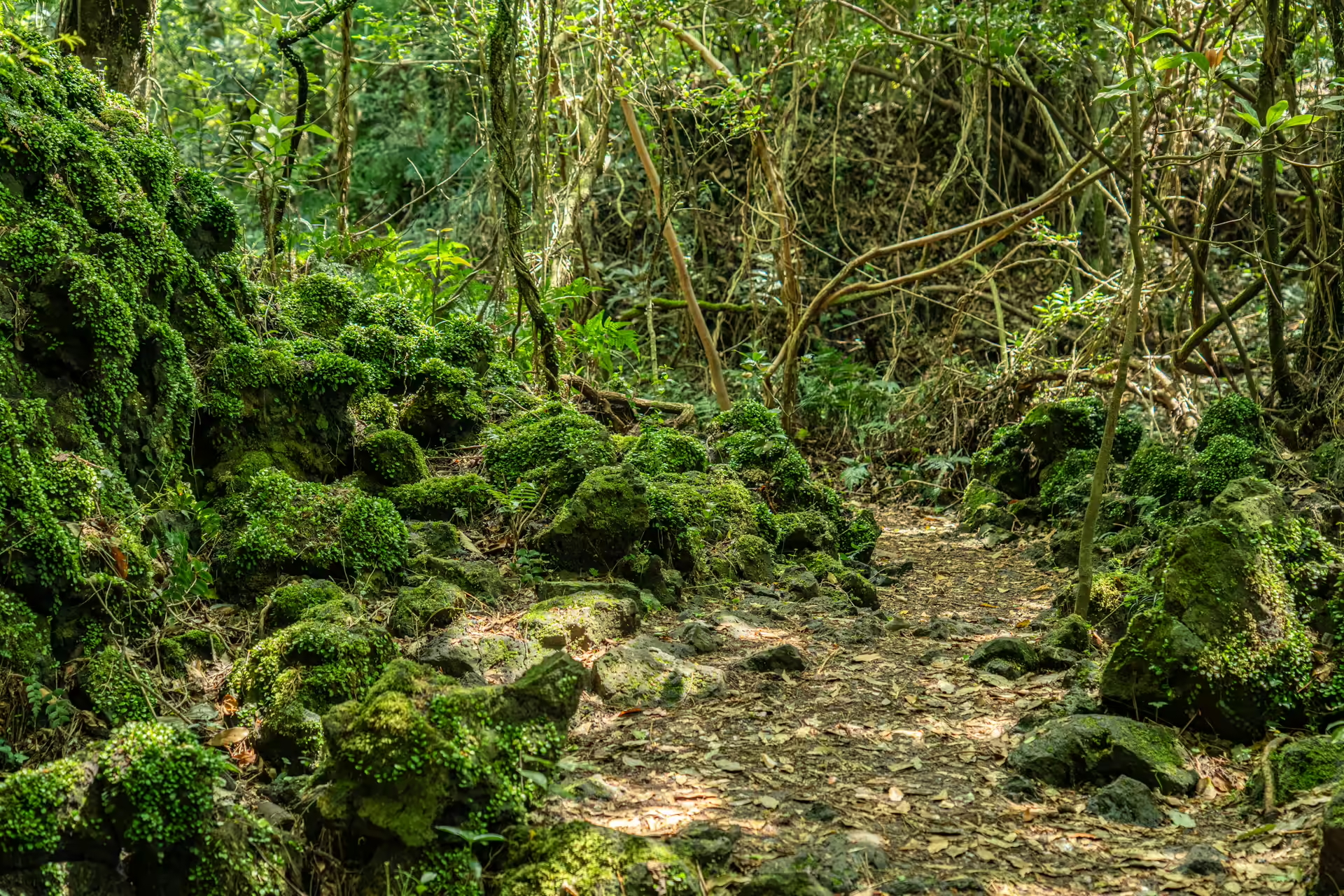
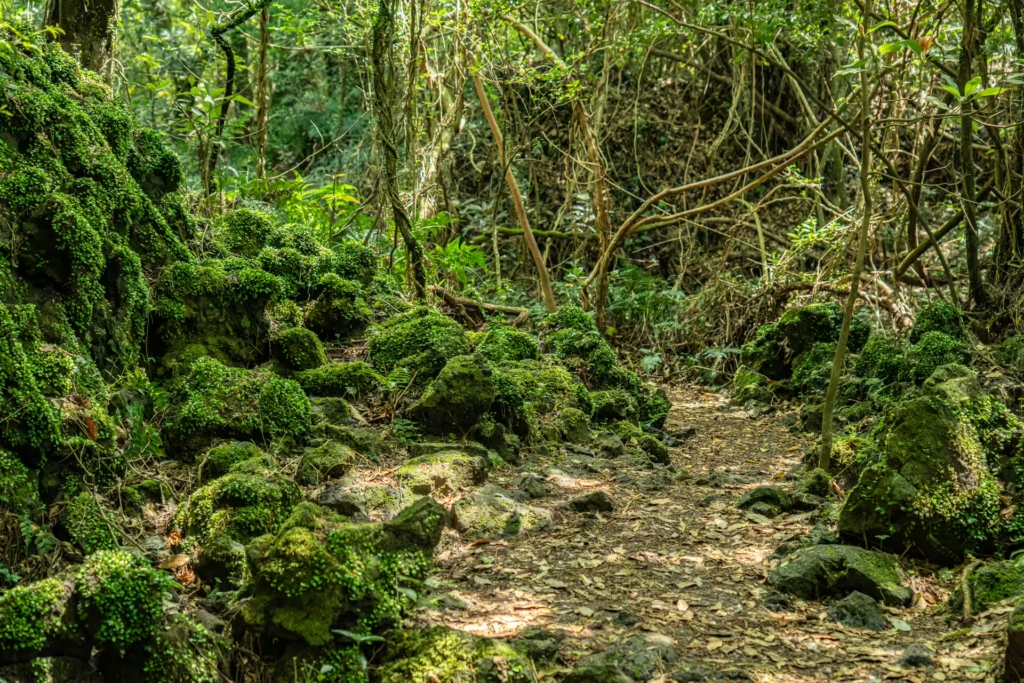
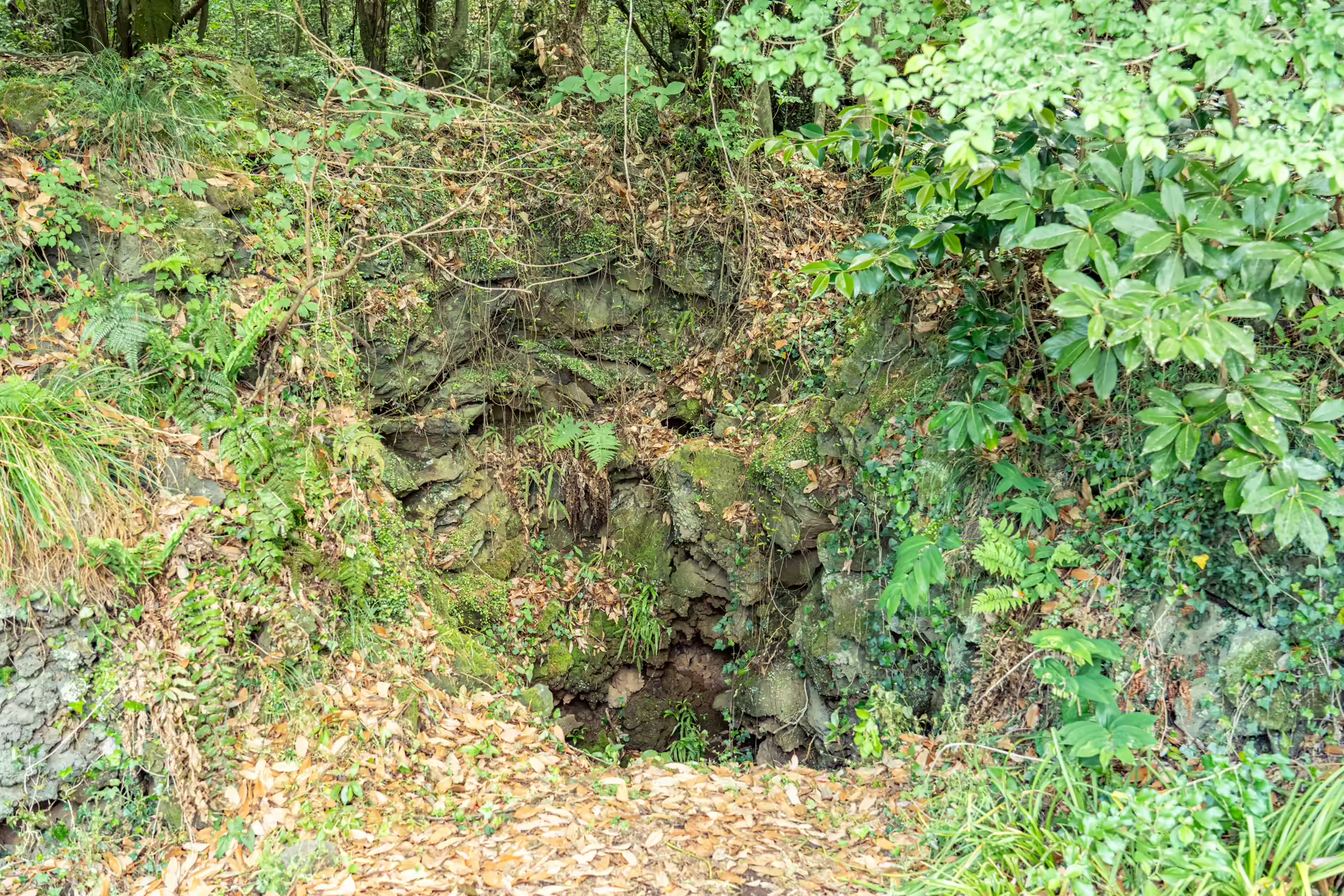
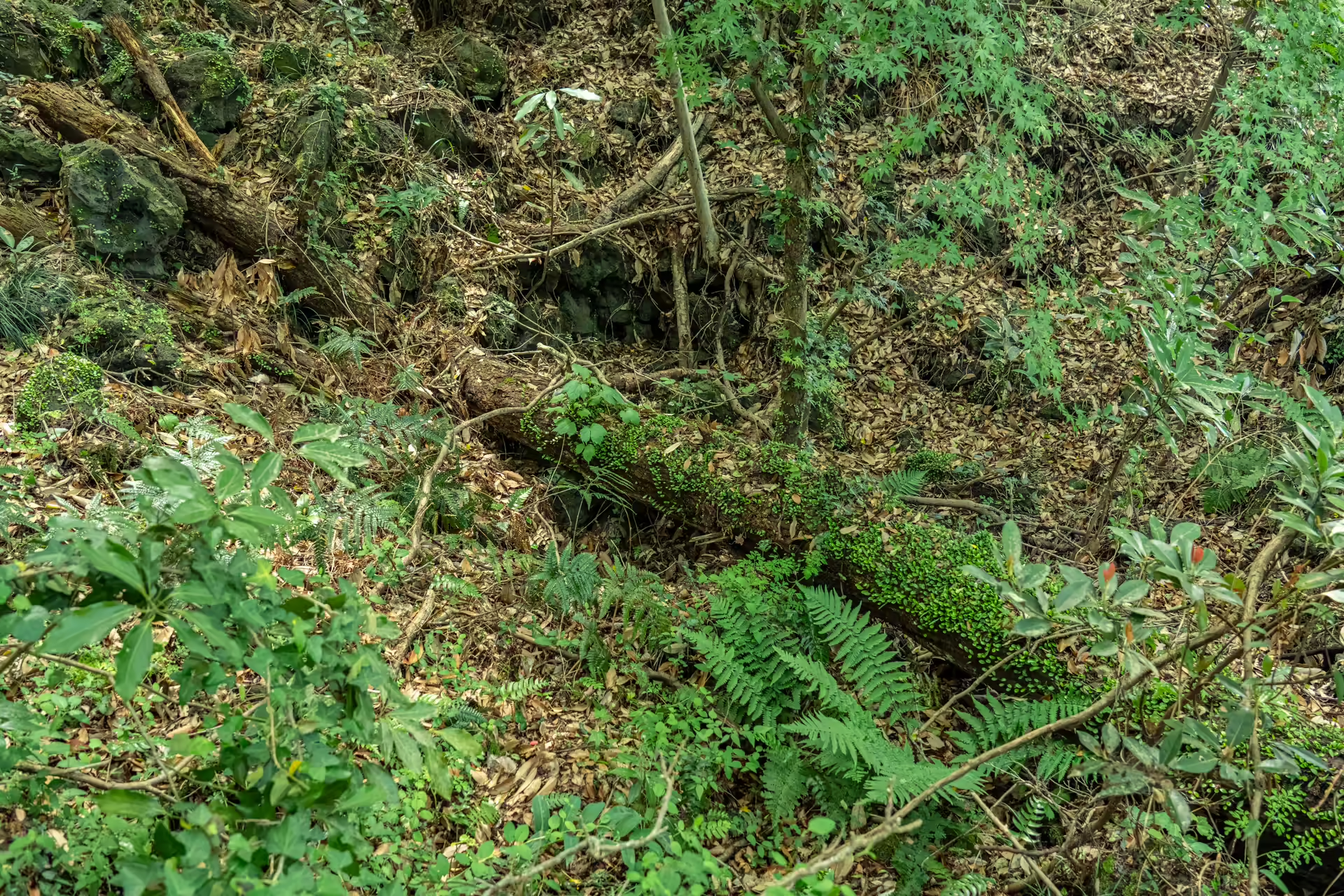
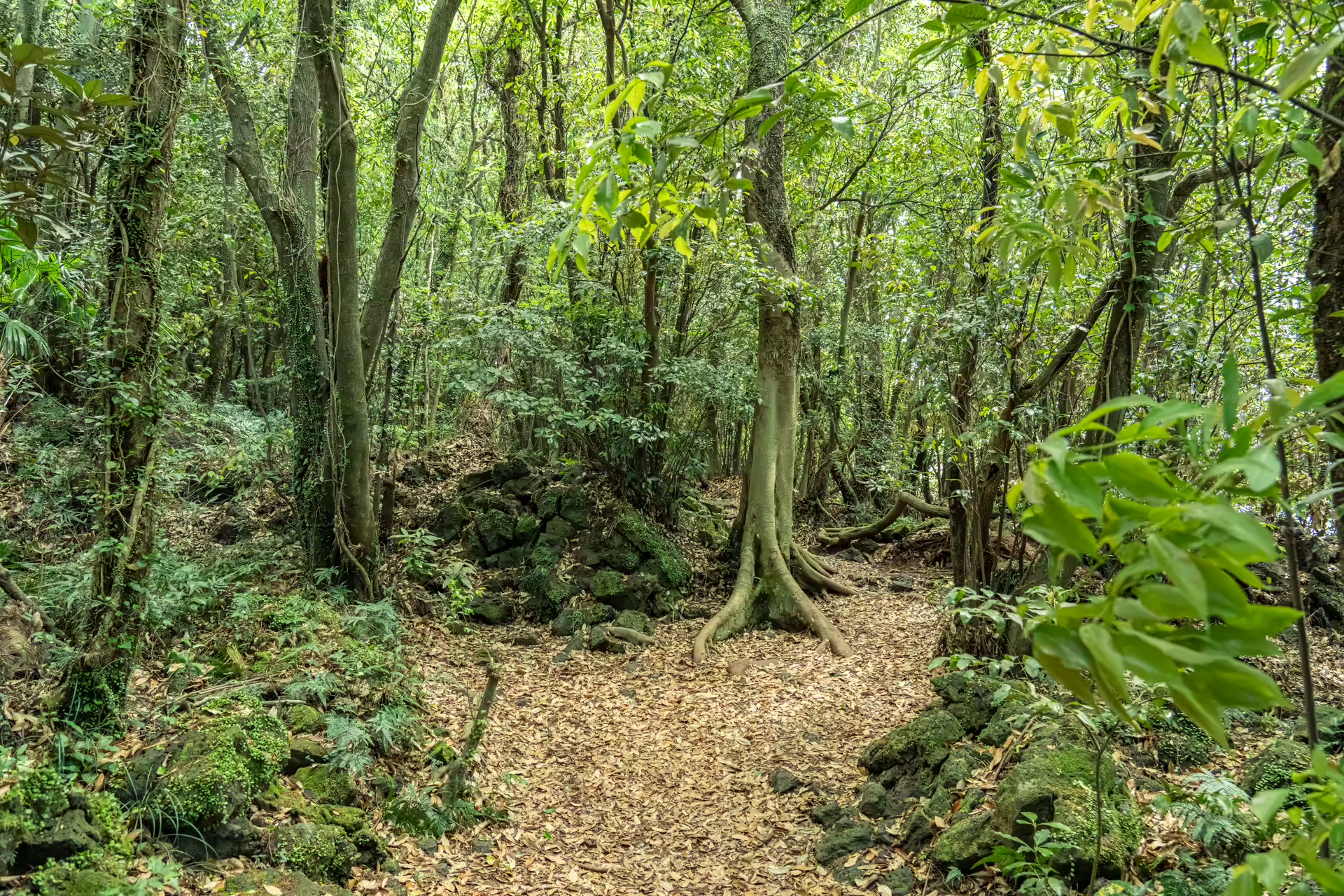
What the small scale buys you is density. The path never gets more than a few meters from a lava wall, a collapse, or a cave mouth — the family’s own description of the site notes that the folding and buckling of the flow is unusually strong here, which is why there are so many gwe, the Jeju word for the hollows and caves left in cooling lava.
The Sumgol: Why It Is Cool in August
The word to learn here is sumgol — literally a breathing hole. Air travels through the fractured rock under the forest and comes back out through gaps between the boulders, and it arrives at somewhere around 15°C whatever the season. In August that reads as air conditioning. In January it reads as a warm draft coming out of the ground, which is considerably stranger.
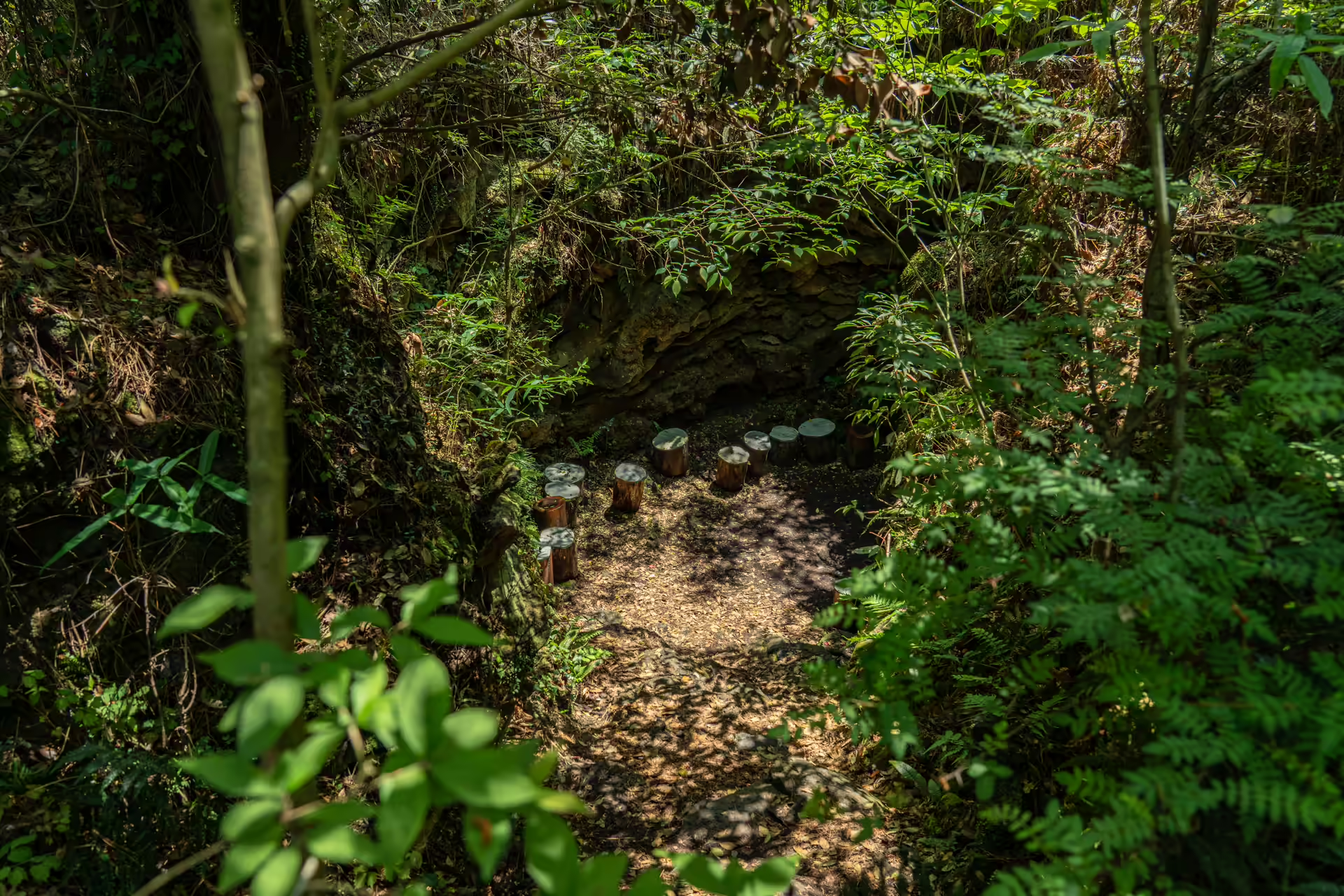
This is the mechanism behind the claim you will see everywhere on Jeju, that gotjawal lets northern and southern plants grow side by side. It is not poetry. A plant at the northern edge of its tropical range and a plant at the southern edge of its temperate range can both survive in a place that never quite freezes and never quite bakes, and a few meters of lava is enough to make that microclimate.
There is a spot on the loop where the family have opened up the rock face as a small geology station, and it is worth slowing down for. You can see the layering of an aa flow — the rubbly, clinkered kind — stacked in bands, with a lava dome and accretionary lava balls in the same few square meters. It is a useful corrective to the tidy explanation, because the flow that made this forest was mostly the smooth pahoehoe type and yet here is the blocky evidence sitting in the middle of it. Jeju’s lava did not behave consistently, and gotjawal is the record of that inconsistency rather than of any single eruption.
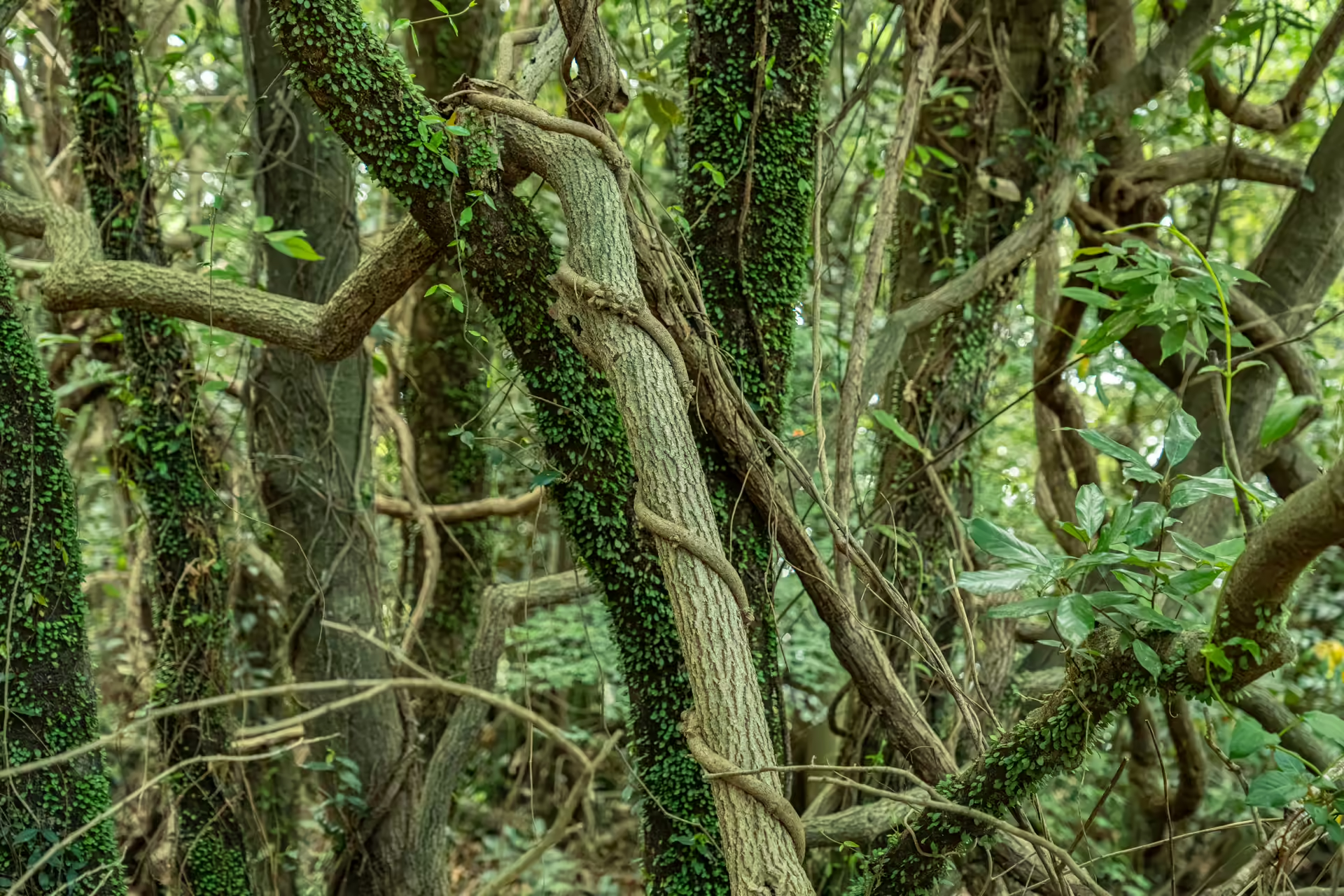
The guides point at green penny fern — a coin-leaved climber that stays green through winter and clusters around the vents, which makes it a readable indicator of where the humid air is coming out. Elsewhere on the loop: winter daphne, ring-cupped oak, Asian jasmine, and the endangered Quercus gilva. The park is also one of the island’s better firefly sites.
The Hourly Walk, and the Fact That They Will Take One Person
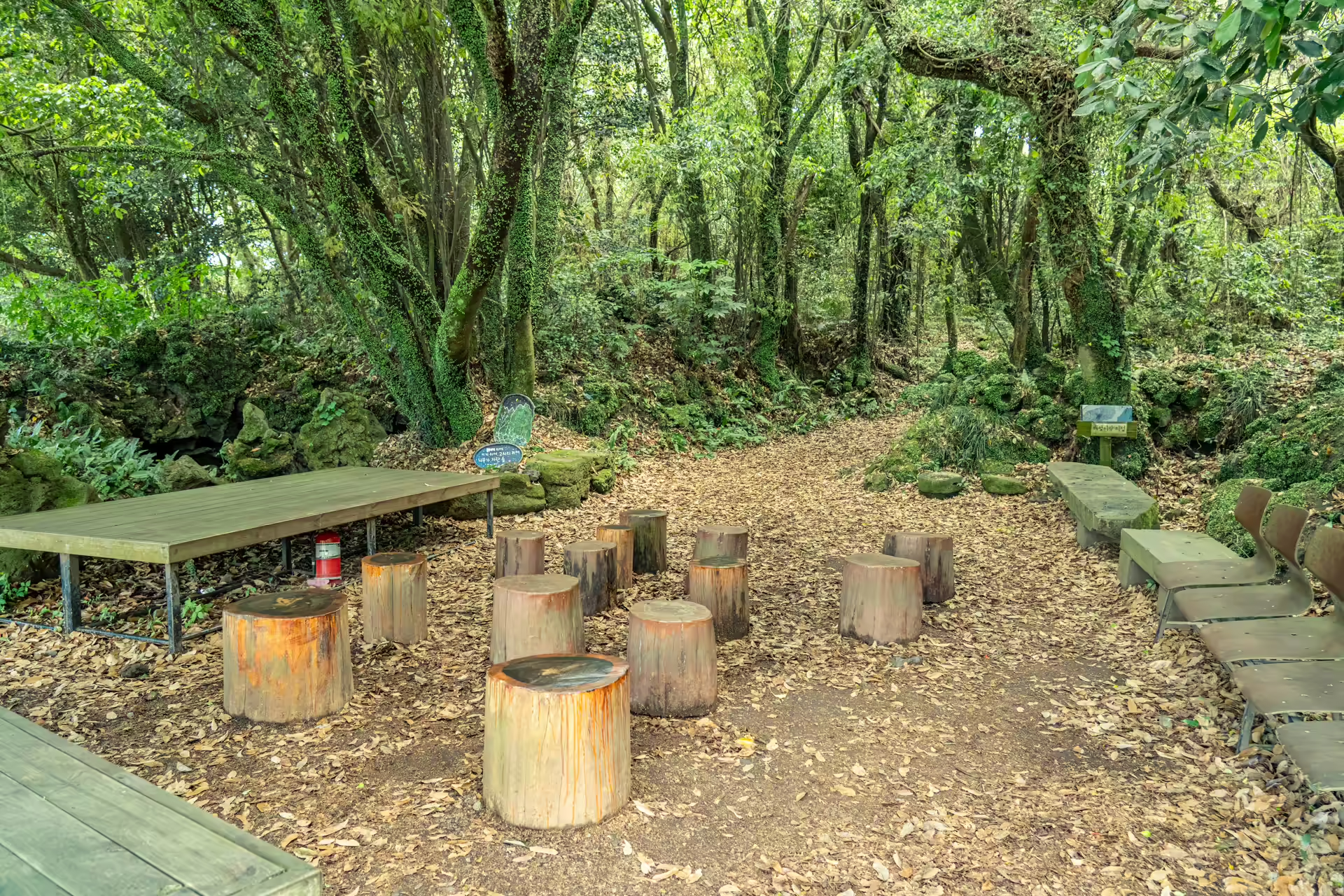
A guide leaves on the hour, every hour, from nine in the morning until the last slot that finishes before the 5:30 closing. The walk runs about fifty minutes and covers roughly 600 meters of the trail — near enough the same distance the owner originally cleared. It is included in the ticket; there is no upsell.
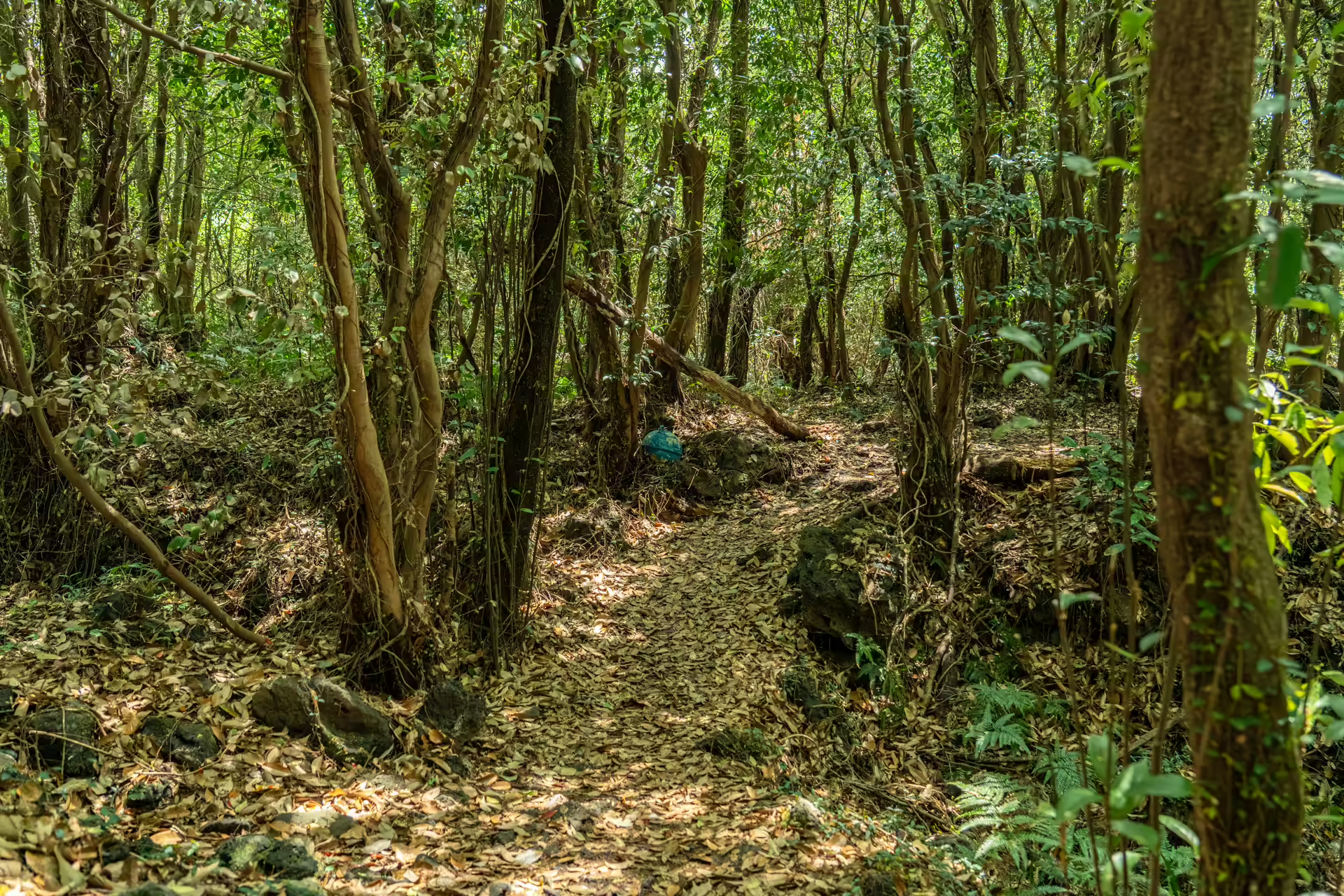
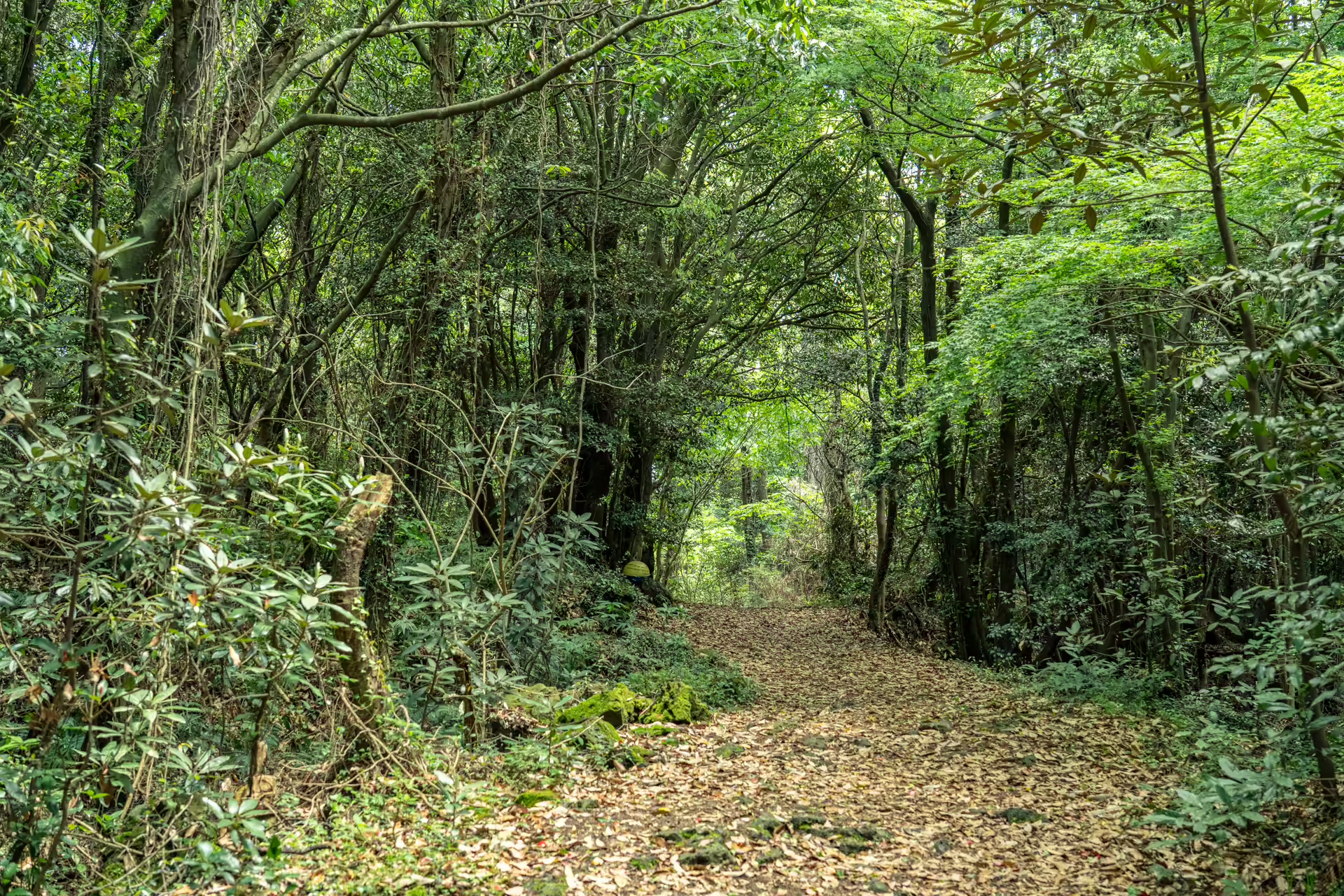
Fifty minutes for 600 meters works out at a pace of roughly twelve meters a minute, which tells you what kind of walk it is. The group stops constantly: at a vent, at a cave mouth, at a stump throwing up five trunks, at a climber that has wrapped a tree so completely that the tree is structurally dependent on it. The material is botanical and geological in roughly equal measure, and a good deal of it is about how people used this ground — the charcoal cycle, the stone walls, what was worth cutting and what was left. That last part is the reason the forest looks the way it does, and it is almost never in the English signage anywhere on Jeju.
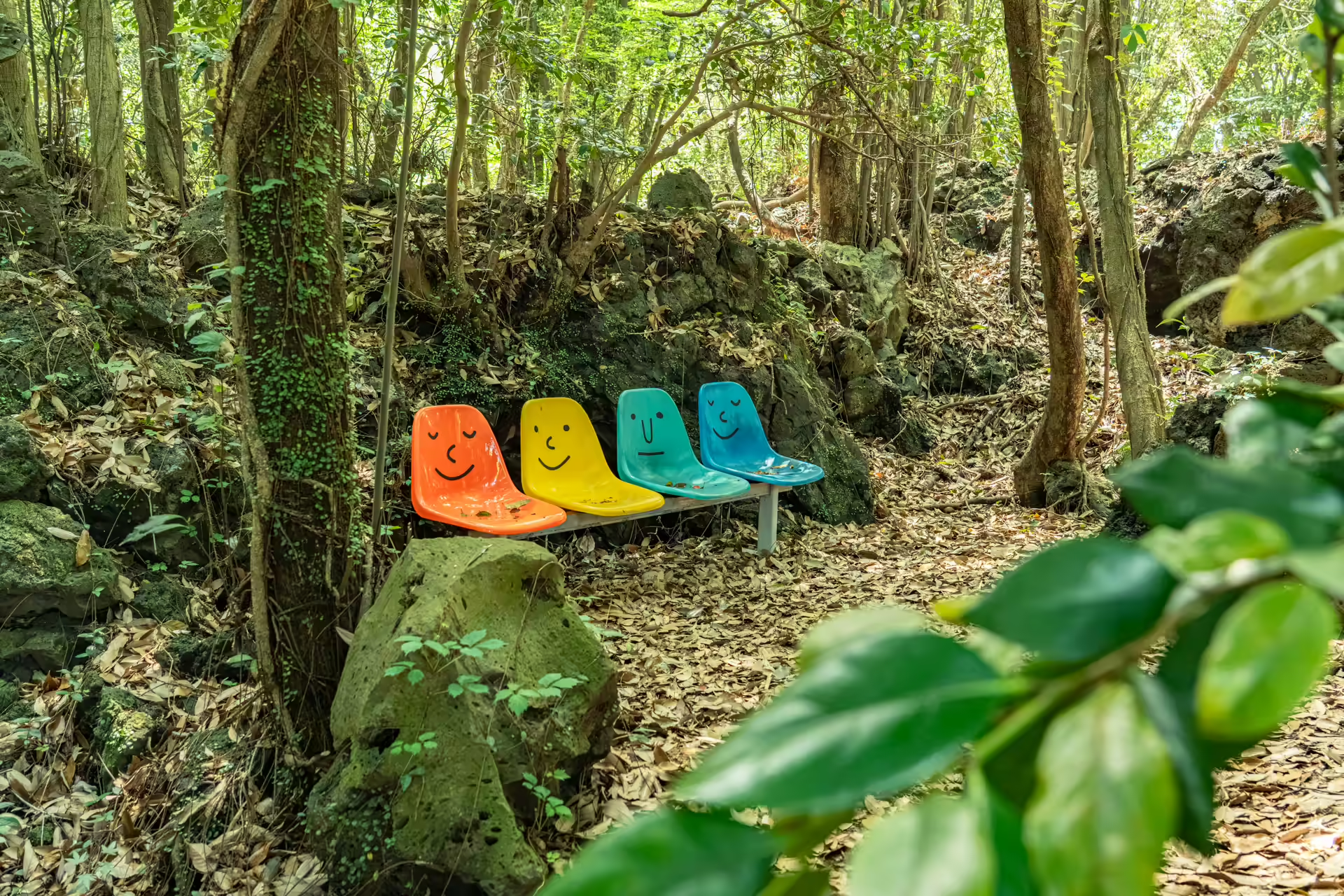
They will run it for one visitor. If you are the only person booked at eleven, a guide walks the 600 meters with you anyway. On an island where most attractions are optimized around bus groups, that is rare enough to be worth planning a morning around.
The commentary is in Korean. There is no regular English walk, and asking in advance is the only way to find out whether anyone available that day can manage an English version — the honest answer is usually no. If you do not read Korean, the good news is that the forest is legible without narration and the signposted self-guided loop is well marked; the bad news is that the sumgol are the kind of thing you walk past unless someone points at them.
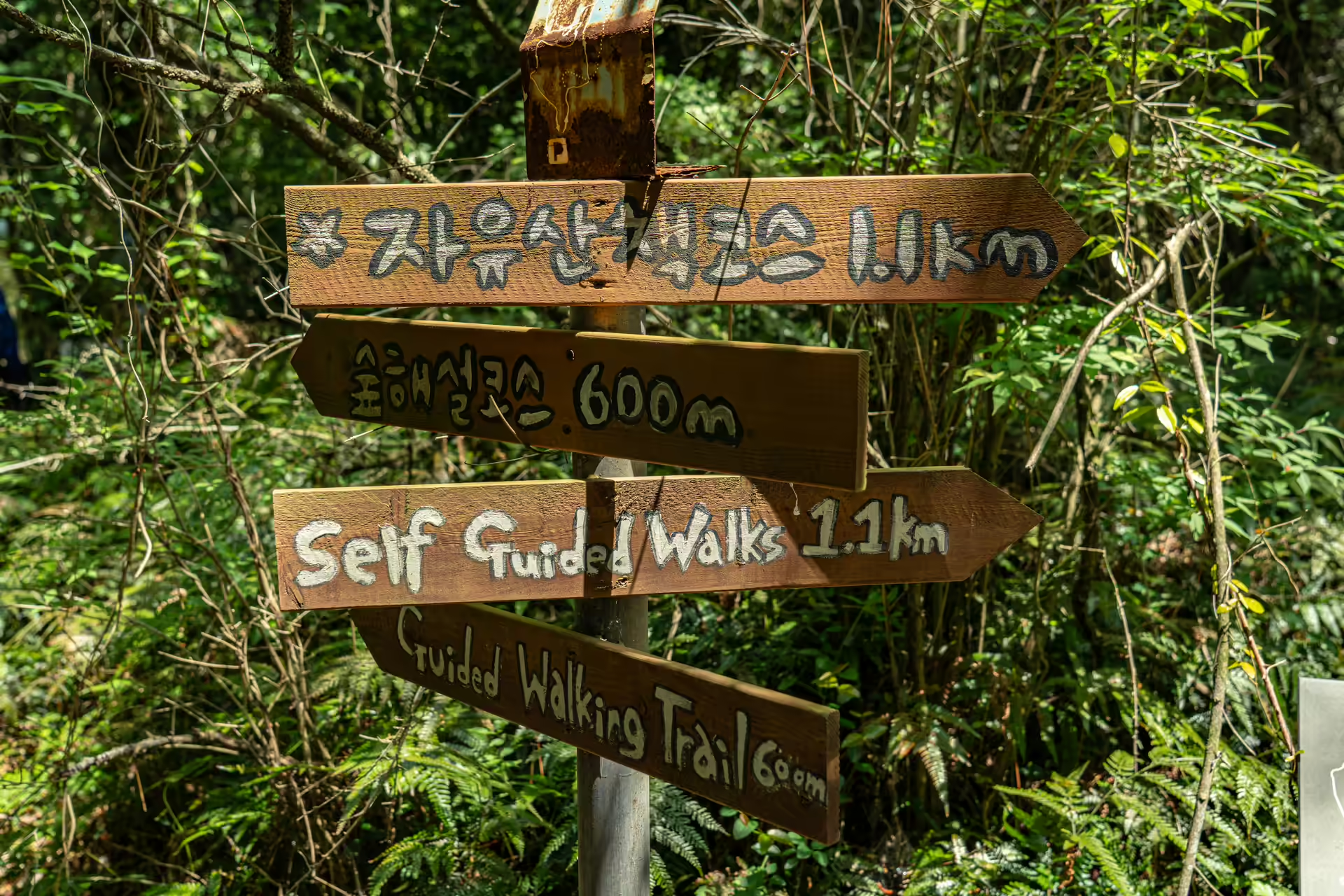
The paths carry Jeju-dialect names, and they are worth knowing because they tell you what the family thinks each stretch is for: Osirokhan-gil, the snug path; Saengisori-gil, the path of bird sound; Galdeung-gil, the path of conflict, named for two trees fighting for the same light; Avatar-gil, which is exactly what it sounds like; and Billetmot-gil, after a pool that forms on the lava plateau.
Dam-ang: The Foot Bath With Windows on the Forest
Behind the trail is a room I did not expect — a foot bath café called Dam-ang, from a Jeju word meaning roughly “to gather and give”. Rows of individual basins face floor-to-ceiling windows that look straight into the gotjawal, so you sit with your feet in hot water and your eyes on the forest you have just walked through.
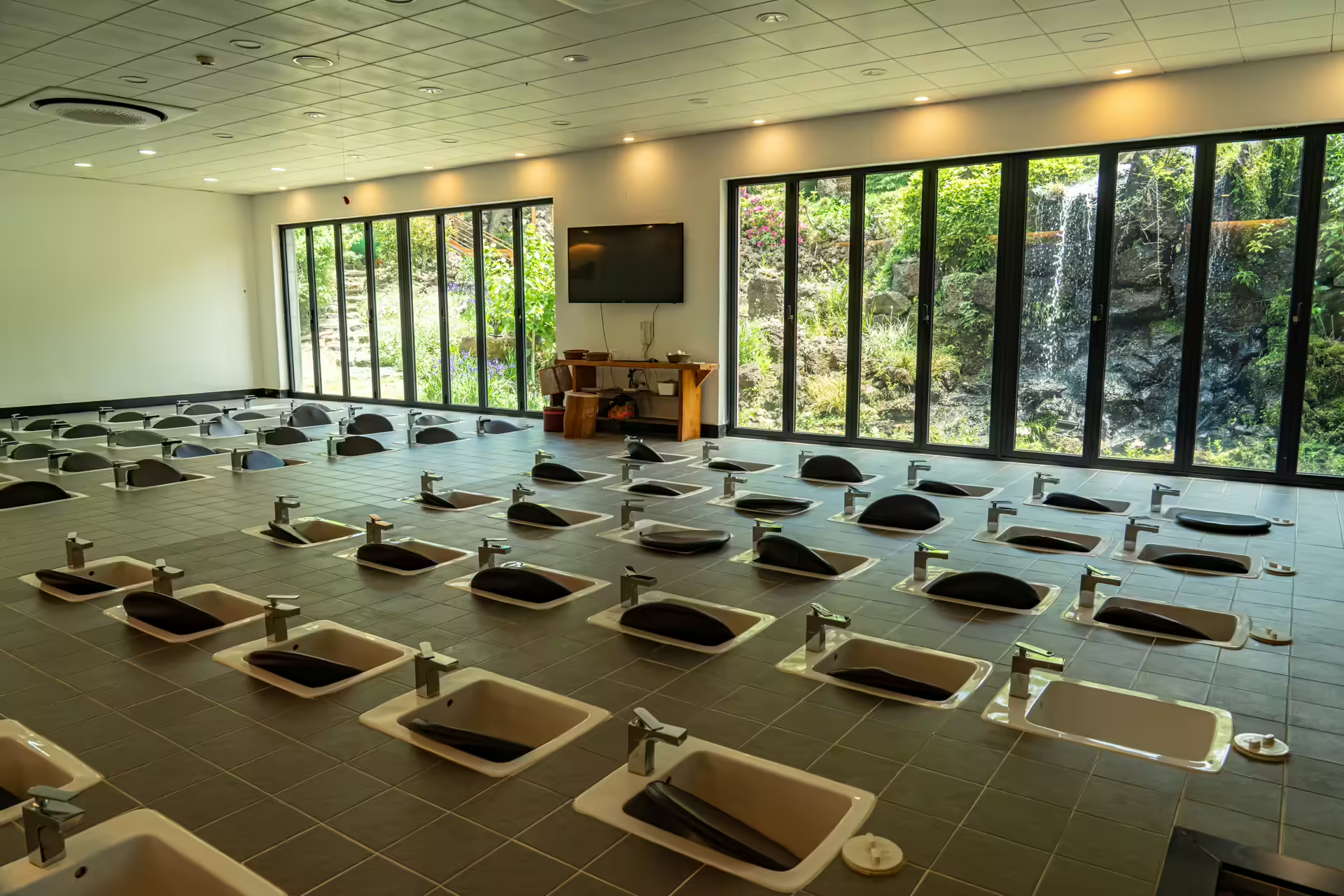
It runs 30 minutes, 12,000 won on its own or 9,000 won with a booked forest program, on the hour and the half hour from 9 a.m. to 5 p.m., closed Sundays with the rest of the site, and it needs booking. The water is groundwater, steeped with Korean medicinal plants — sweet flag among them — and a hot herbal tea comes with it. There is a ground-floor room for groups and an upper floor that pairs a small café with self-service basins.
Judged as a spa it is modest. Judged as thirty minutes of not walking, in a building with the forest on the other side of the glass, it is exactly the right idea in exactly the right place.
Who This Is Actually For
Come if you want the gotjawal explained rather than merely visited, and you are traveling with someone who reads Korean. Come if a kilometer is the right length of walk for your knees, your children or your afternoon — this is a gentle, mostly level loop, not a hike. Come if you are already heading to O’sulloc, because the tea museum, the aviation museum and this forest sit within a few minutes of each other on the same road, and this is the one that will still be in your head next month.
Think twice if you want distance. A kilometer is a kilometer. Think twice if you are on Jeju for two days and have to choose one gotjawal — the provincial park down in Daejeong gives you more ground and a tower for a fifth of the price, and it is open every day. And do not turn up on a Sunday.
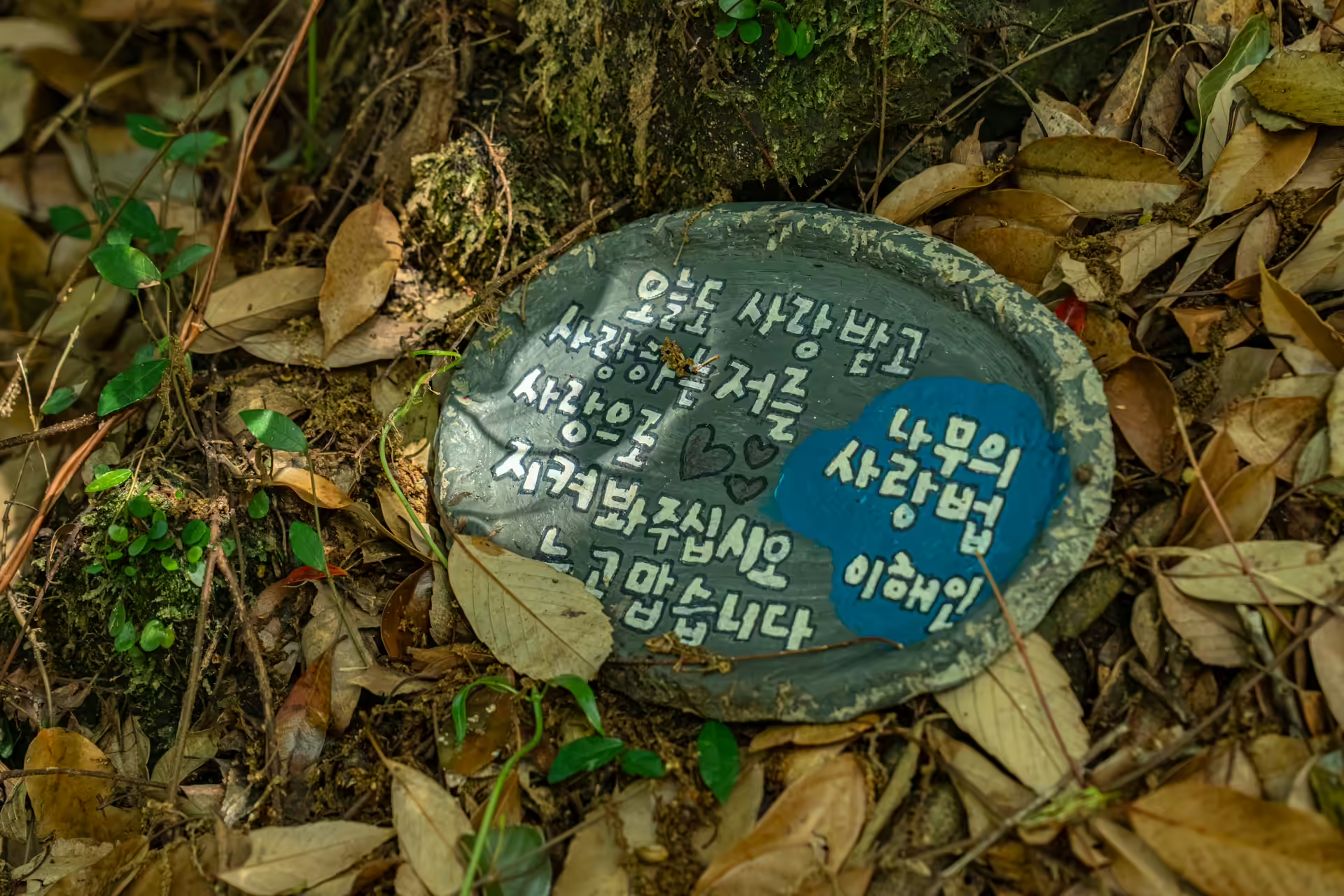
A flat stone lies in the leaf litter near the end of the loop, hand-lettered in three colors, thanking visitors for looking at things the way the trees do. The paint will be gone by next summer, and one of them will be out here with a brush again. That is the arrangement at Hwansangsup: a forest kept open by the people who live next to it, one hand-sized job at a time.
The Travel Manual: Hwansangsup Gotjawal Park
| Address | 594-1 Nokchabunjae-ro, Hangyeong-myeon, Jeju-si, Jeju 제주특별자치도 제주시 한경면 녹차분재로 594-1 |
| Phone | 064-772-2488 |
| Admission | 5,000 won for adults · 4,000 won for children and students, visitors with disabilities, veterans, Jeju residents with ID, and anyone arriving on foot or by bus. The 1,000-won difference is what the “green travel” rate means — it is not a further discount stacked on top. |
| Hours | 09:00–17:30, Monday to Saturday · closed Sundays since January 2026. Some English listings still show Sunday 13:00–18:00; they are out of date. |
| Booking | Required since 2022, by Naver reservation or phone. Walk-ins accepted only if a slot has space. |
| Guided walk | Every hour on the hour, about 50 minutes, roughly 600 m of trail, included in admission. Korean only; no regular English commentary. |
| Trail | About 1 km in total; the junction signpost gives the self-guided loop as 1.1 km. Mostly level, natural surface, sturdy shoes advised. |
| Dam-ang foot bath | 12,000 won, or 9,000 won with a booked forest program · 30 minutes · 09:00–17:00, on the hour and half hour · booking required |
| Other programs | Wooden necklace making, terrarium building, indigo dyeing and similar, from around 8,000 won, all by advance booking |
| Getting there | Express bus 151 from Jeju International Airport to the O’sulloc stop, then local 784-1 or 820-2 to the park stop. By car, about an hour from the airport across the island. Free parking. |
| Nearby | O’sulloc Tea Museum, Jeju Aerospace Museum (same road), Jeju Museum of Contemporary Art and the Jeoji artist village |
| Time needed | 1 hour for the guided walk; 1 hour 40 minutes with the foot bath |
The park’s old website is no longer functioning. The most reliable current listing is the tourism board’s page for Hwansang Forest Gotjawal Park on Visit Jeju; prices and hours above are as published at the time of reporting and worth confirming when you book.
Navigation Tip: Google Maps will not route you around Jeju. Use Naver Map or KakaoMap and paste the Korean address above rather than typing it. Papago is the translation app to have open for the booking call and the trail signage.
If you are basing yourself in this corner of the island, the resort campus at Jeju Shinhwa World is about fifteen minutes away, and Hoesudaok’s tea omakase makes a good pairing for the same afternoon.