
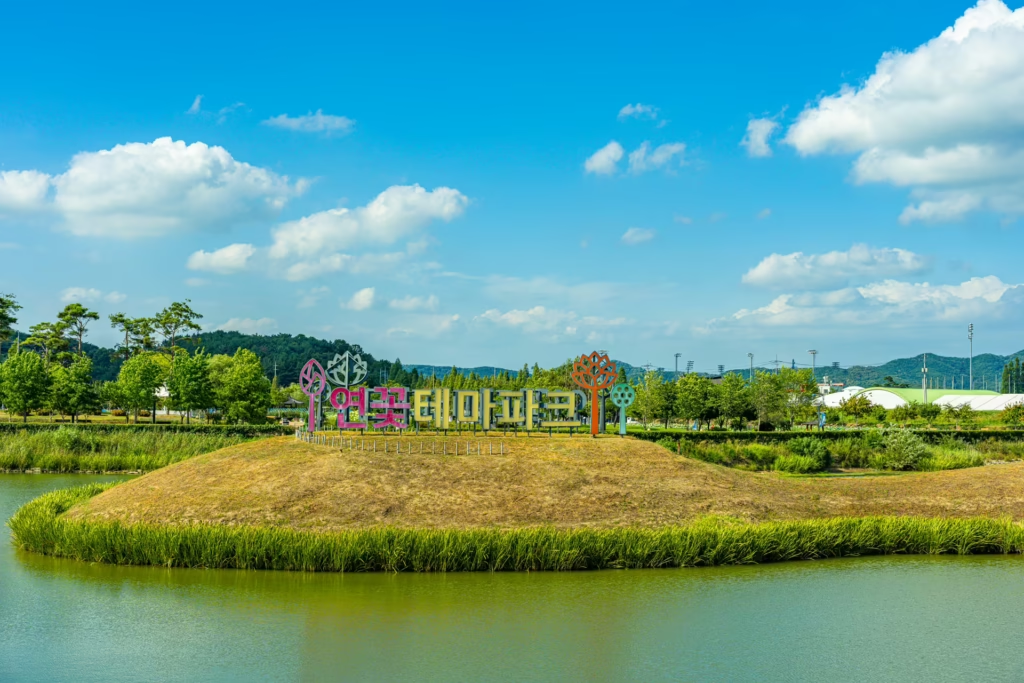
Haman Lotus Theme Park — Where a 700-Year-Old Seed Decides When Summer Peaks
I have learned to respect one rule about flower destinations: the flowers do not care about your schedule. I reached Haman Lotus Theme Park in late July, at midday, in heat that made the asphalt shimmer — and found ponds covered mostly in buds. Tight green fists everywhere, a scattering of open blooms between them. A lesser trip would call that bad luck. I’d call it useful intelligence, because what I was looking at was a countdown clock. Lotus bloom rates here climb with the heat, and the show runs deep into August. This guide is about reading that clock correctly — and about the handful of practical details, starting with parking, that nobody puts in the brochure.
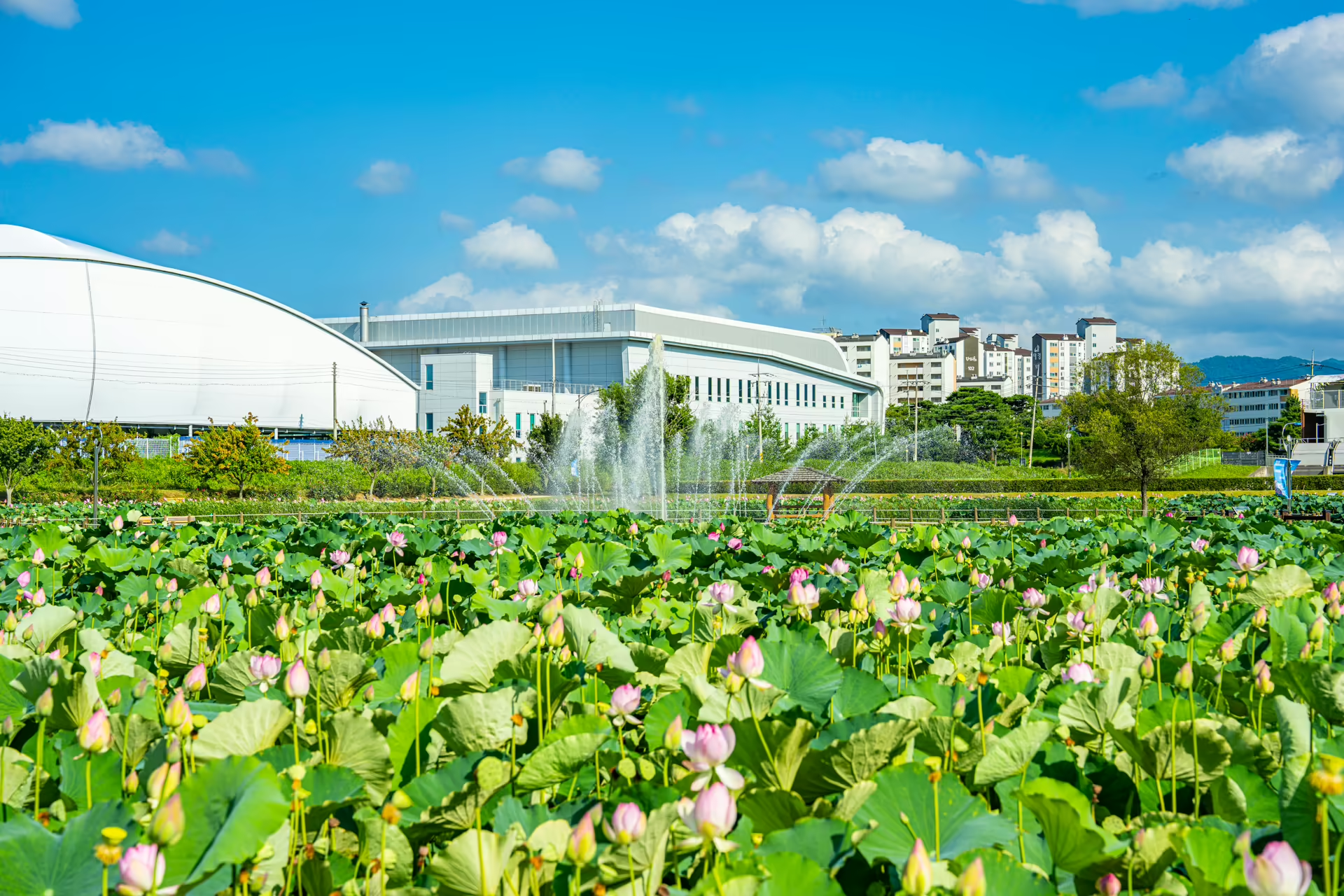
First, the essentials: admission is free, the park never closes, the bloom runs July through August, and the flowers only perform in the morning. Now, orientation. Haman-gun sits in South Gyeongsang Province, Korea’s southeast — about four hours by car from Seoul, so treat it as a stop on a southern loop, not a day trip. From Busan or Gimhae it is an easy hour, and a rental car is the honest answer: trains do stop in Haman, but they run thin and you would still need a taxi onward. The park itself sits five minutes from the Haman IC exit, beside Hamju Park in Gaya-eup. If you are basing near the airport, my Gimhae airport hotel guide covers a river-view base an hour east of here.
1. The 700-Year Backstory: Why This Park Exists at All
Most flower parks are landscaping projects. This one is an archaeology story. In 2009, excavators working on a water-storage feature at Haman’s Seongsan Fortress — a designated Historic Site — pulled lotus seeds out of the mud. The seeds were smaller than modern ones, shaped a little like acorns. Radiocarbon dating placed them at roughly 700 years old, which puts their harvest in the Goryeo dynasty, when this region’s medieval farmers were working the same floodplain.
Haman County decided to try germinating them. It was not a safe bet — but lotus seeds have famously hard, dense coats, and these had spent centuries sealed in wet clay, which is about the best preservation a seed can ask for. In July 2010, one opened. The county named the revived flower the Ara lotus (아라홍련), after Aragaya, the ancient confederacy that once ruled this land. The entire park — 109,800 square meters of ponds, roughly fifteen soccer fields — was built to celebrate that single germination.
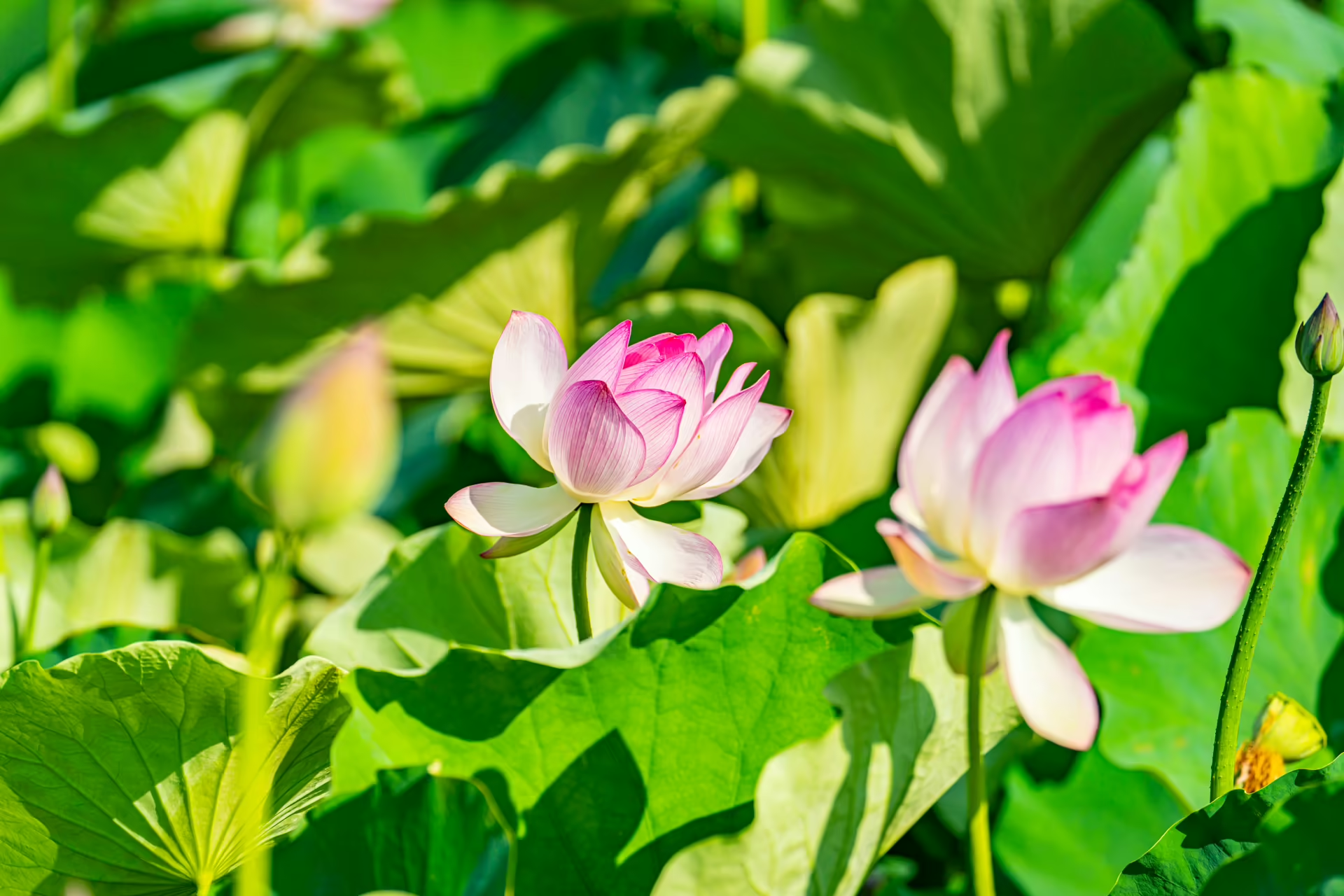
You can tell an Ara lotus from its modern cousins once you know what to look for. The flower is larger but carries fewer petals, each one a long oval with a rounded tip, and the color is a pale, washed coral-pink rather than saturated magenta. Koreans often compare it to the lotuses painted in old Buddhist temple murals — and standing over a pond of them, the comparison lands.
2. Timing the Bloom: Late July Is Buds, August Is the Show
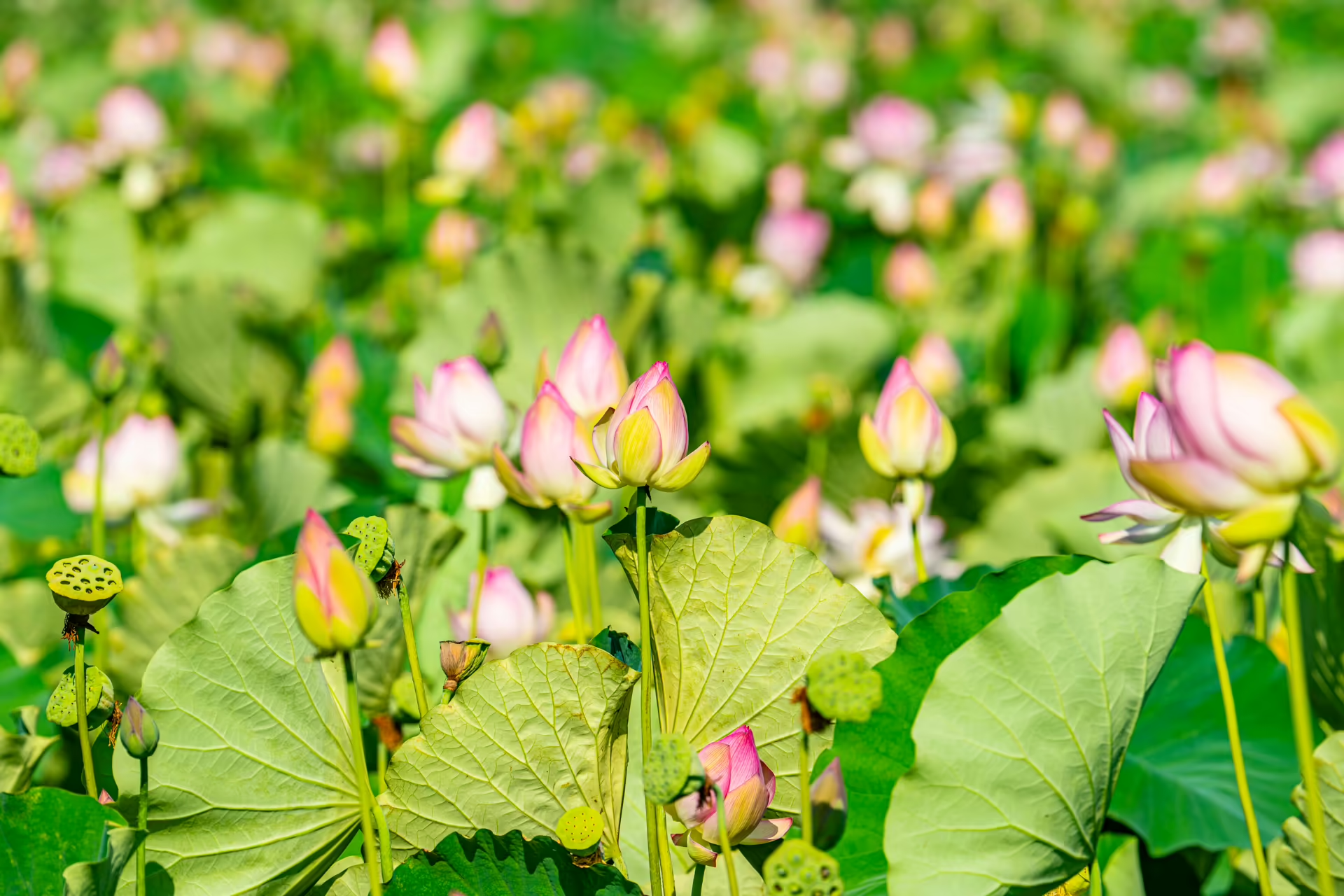
Lotus season in Haman runs July through August, and the bloom builds with the heat rather than in spite of it. When I visited in late July 2026, the ponds were in the early phase: a minority of open flowers, a majority of buds standing above the leaves. That ratio flips fast. Within any given week the picture can change noticeably, so if a full-bloom photograph is your goal, check recent visitor posts or Haman County’s channels before committing to the drive, and aim for late July into early August as your window.
3. Go Before 11 a.m. — The Flowers Literally Close
Here is the mistake I made so you don’t have to: I arrived at midday. Lotus flowers open in the morning and fold themselves shut as the afternoon comes on, so the local guidance — 6 a.m. to 11 a.m. for viewing — is not a suggestion, it is botany. I walked ponds where the flowers that had opened that morning were already closing against the heat.
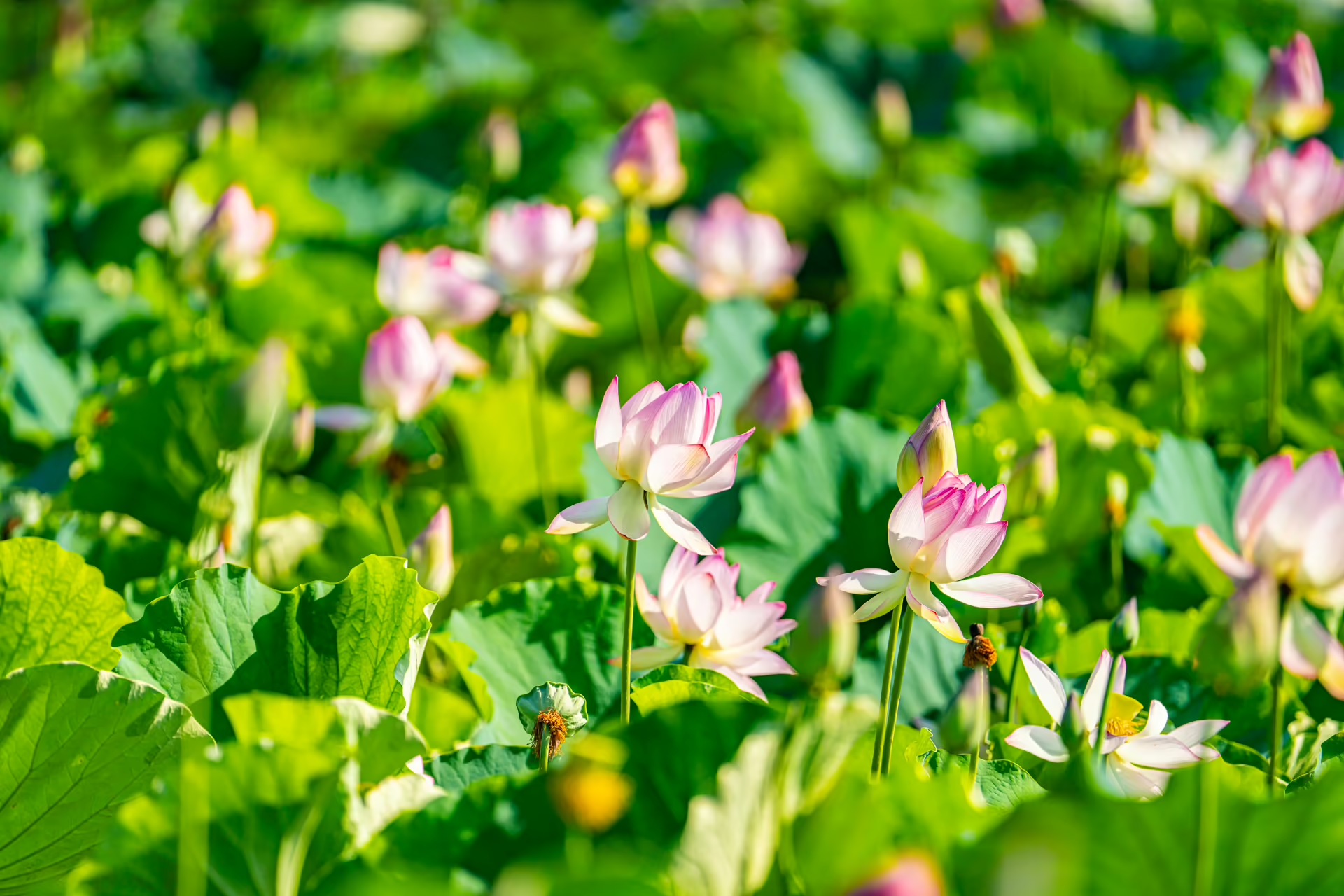
The second half of that mistake was the heat itself. This is an open floodplain park with very little shade, and a South Gyeongsang July does not negotiate. Bring a parasol or sun umbrella — I mean this as equipment, not accessory — plus water and a hat. The park never closes and there is no admission gate, so nothing stops you from arriving at sunrise. The photographers’ logic holds too: morning dew still on the petals, cooler air, softer light. Everything about this place is engineered for the early riser.
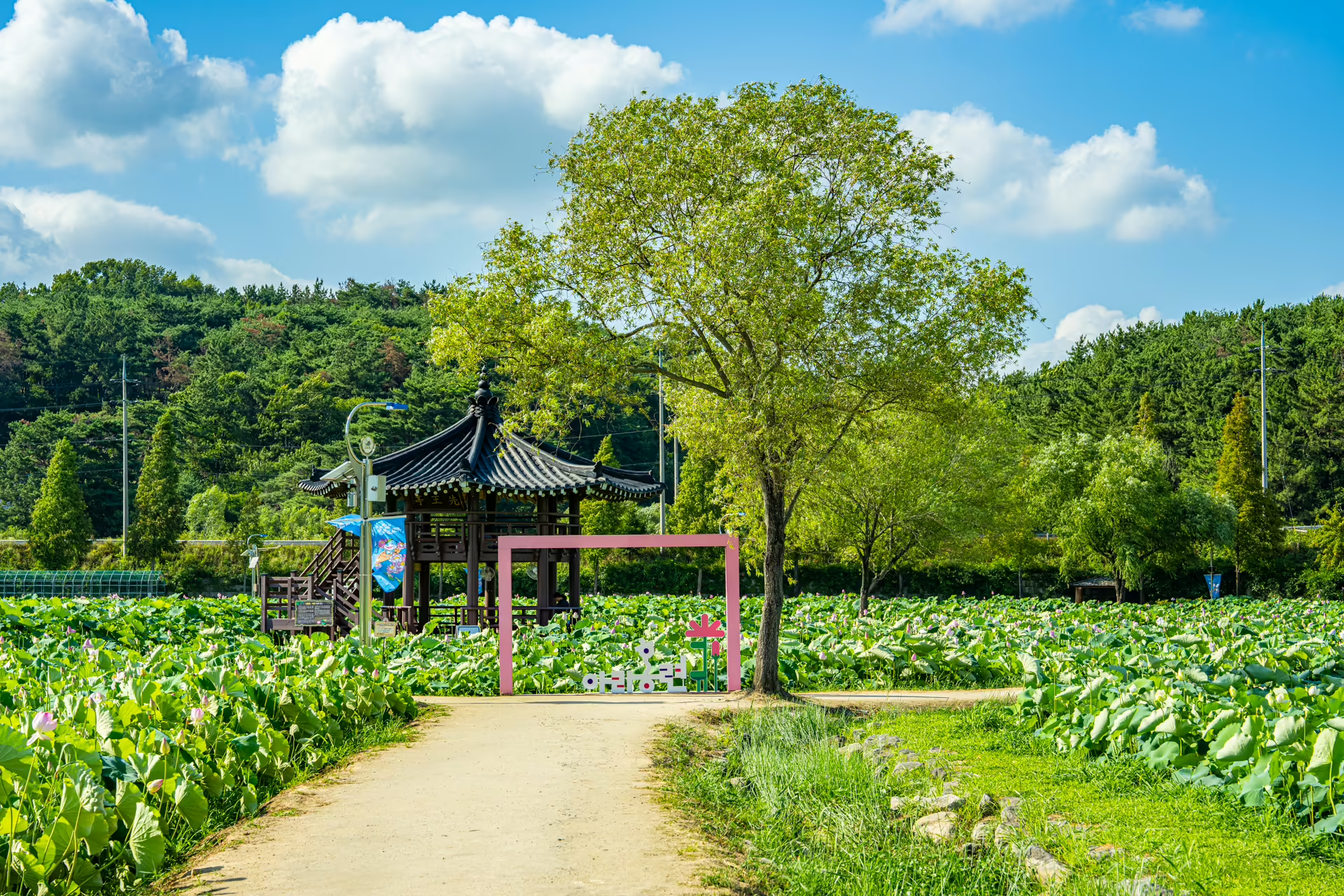
4. Parking: Free, Scattered, and a Walk You Should Plan For
Parking is free, which fits the park’s whole ethos — no admission, no gate, no fees anywhere. But the spaces are scattered rather than centralized: roadside parking lanes along the park, a visitor-center lot, and the Haman Public Stadium lot next door as overflow. On weekdays the roadside and visitor-center spots are the play; on weekends you will likely end up at the stadium, which adds distance.
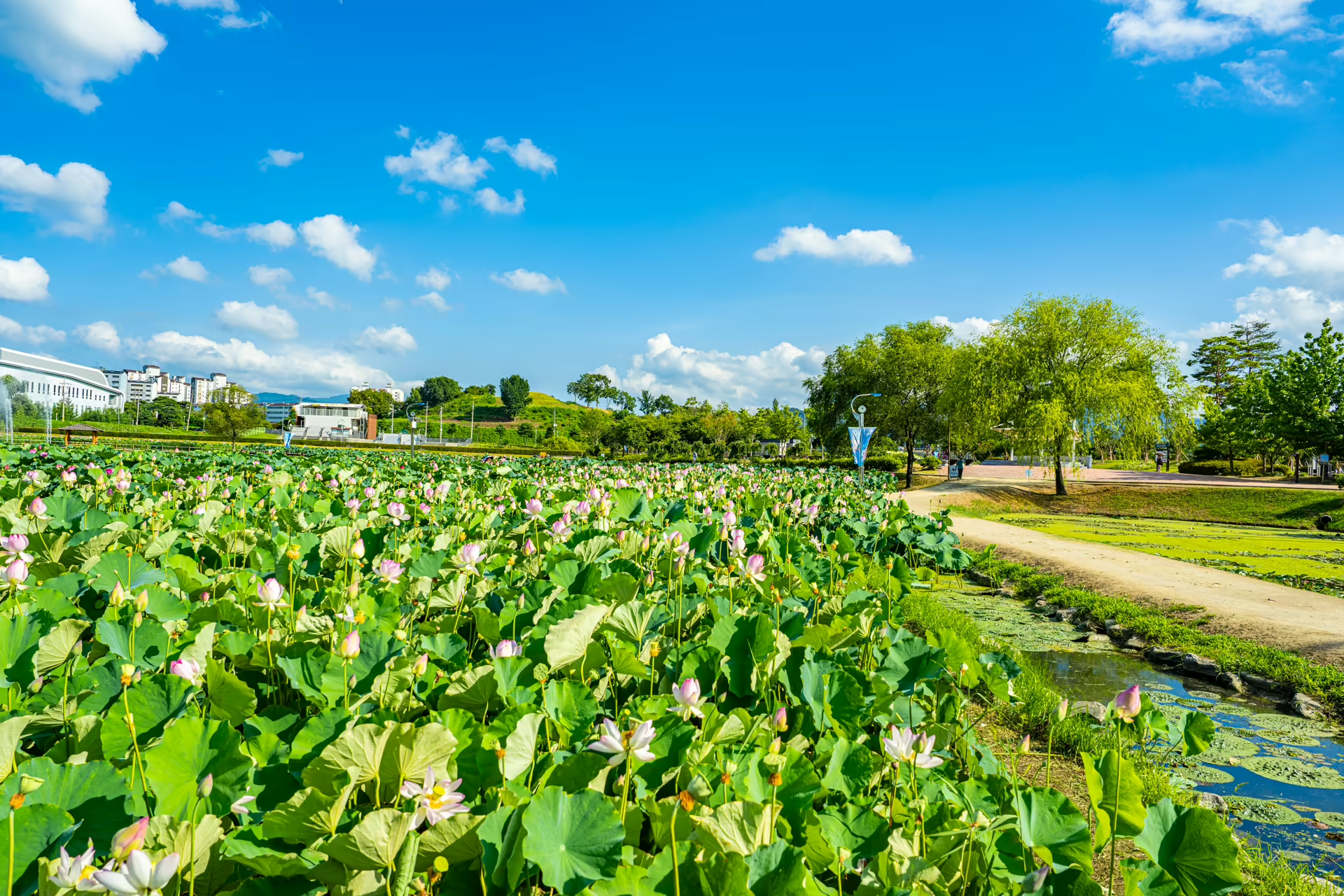
The detail that surprised me: parking the car does not mean you have arrived. From any of the lots it is a three-to-five-minute walk to the ponds, including a road crossing. That sounds trivial until you are doing it under a July sun with a camera bag — so travel light from the car, and have that parasol up from the first step. Set your navigation app to “함안 연꽃테마파크” (Haman Lotus Theme Park) and it will route you to the right cluster of lots.
5. Beyond the Ara Lotus: Four More Species Across the Ponds
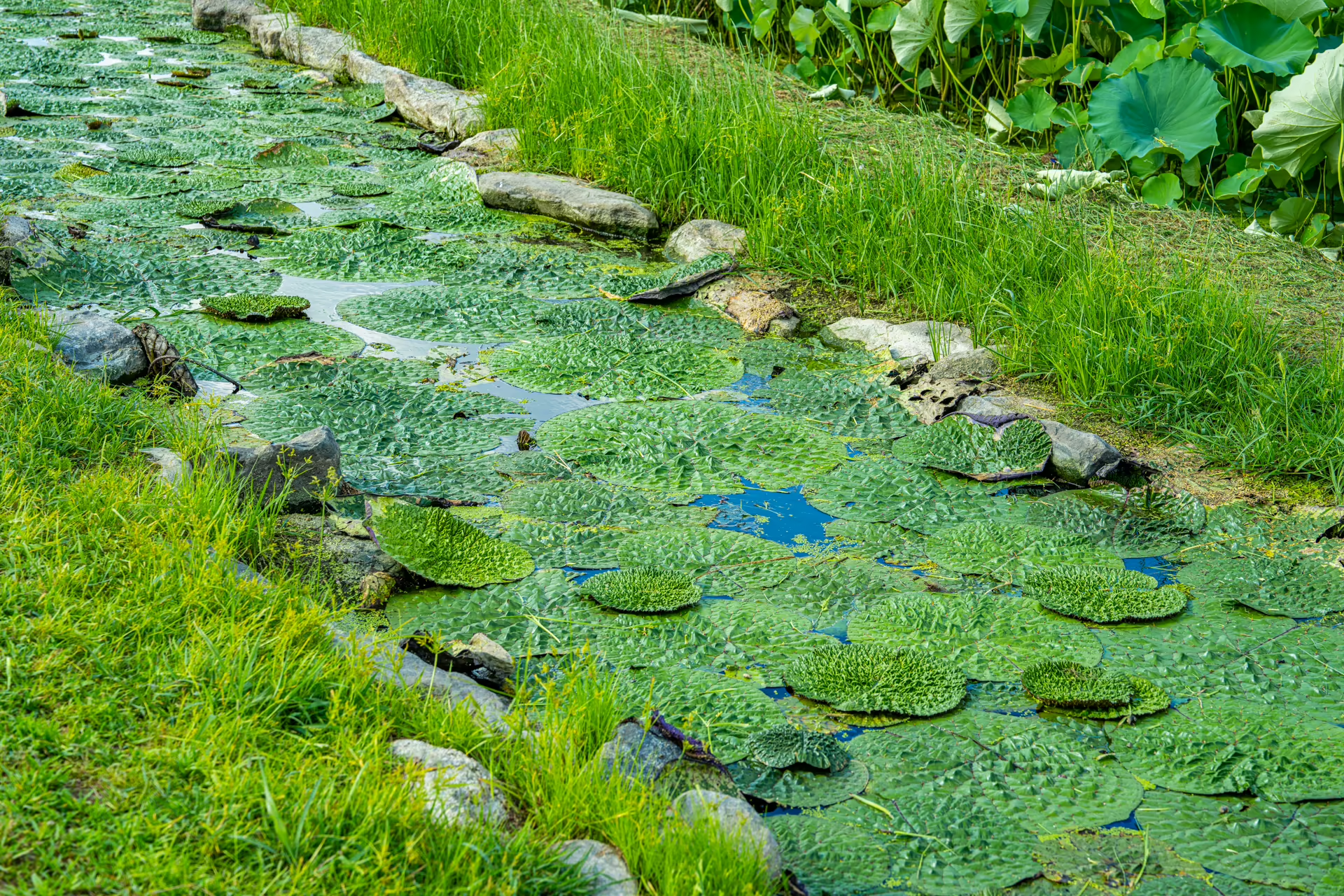
The Ara lotus is the headliner, but the park plants its ponds with a supporting cast, and walking the circuit means the scenery changes pond by pond. The Beopsu red lotus brings the saturated pink that the Ara lotus deliberately lacks — you will spot it from across the water. The Garam white lotus reads clean and cool against the green. Water lilies fill the lower registers, and in late summer the gasiyeon — prickly water lily, a rare species with a purplish bloom — takes its turn. Sections of stepping-stone paths and walkways bring you close enough to study individual flowers rather than admiring them from a distance.
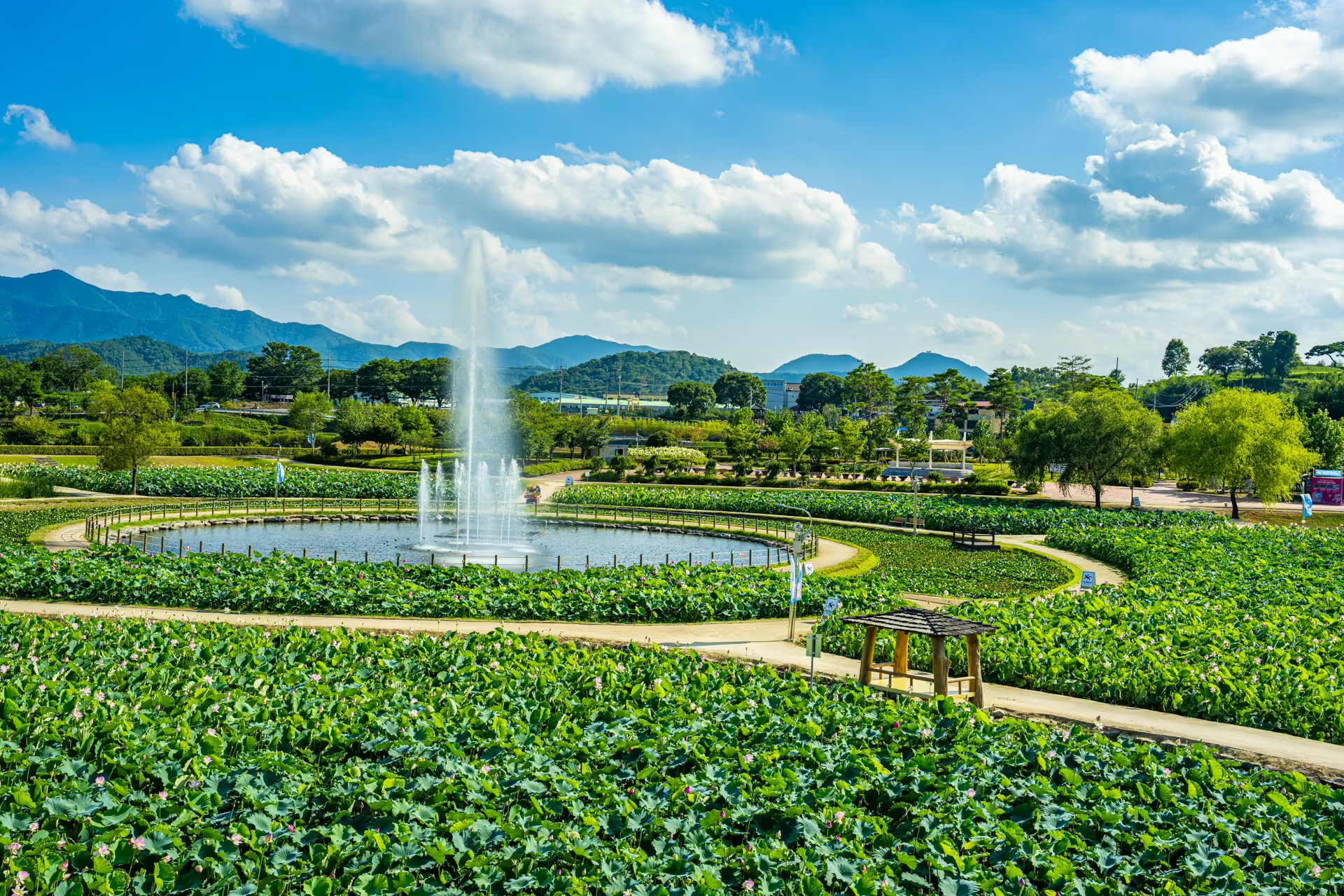
Budget an hour to walk the full circuit at photography pace, more if the gasiyeon is out. If you have children along, Hamju Park sits directly adjacent, which stretches this into an easy half-day of green space.
Who This Is Actually For
Go if you are road-tripping Gyeongsangnam-do in July or August and want a flower stop that costs nothing, never closes, and carries a genuinely unusual story — a bloom you can trace to a specific medieval seed pulled from a specific fortress ditch. It suits photographers willing to be on site by 7 a.m., families pairing it with Hamju Park next door, and anyone building a southern route that already includes Busan, Daegu, or the coast. If your Korea flower calendar leans spring, my Hadong cherry blossom tunnel guide covers this same province’s April headliner.
Skip it, or at least reschedule it, if your only free window is a midday slot in high summer — you will see closed flowers through heat haze, which is the one version of this park I cannot recommend. And manage expectations in early July or September: this is a strictly seasonal spectacle.
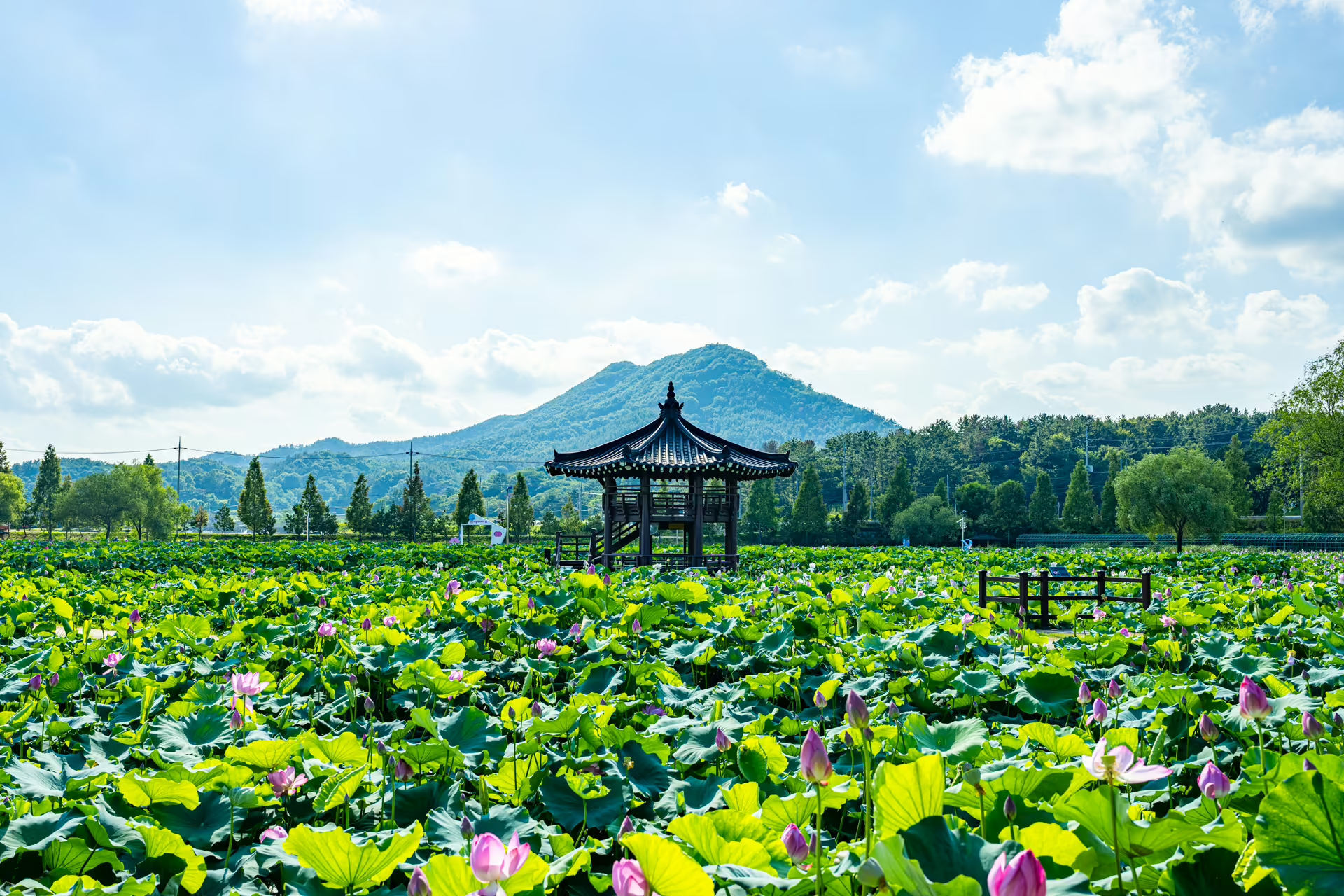
My lasting image is from the walk back to the car: acres of green leaves studded with thousands of closed buds, each one due to open on some morning in the next month. Time your arrival for one of those mornings.
Practical Manual
| Name | Haman Lotus Theme Park (함안 연꽃테마파크) |
| Address | 38-20 Wanggung 1-gil, Gaya-eup, Haman-gun, Gyeongsangnam-do 경남 함안군 가야읍 왕궁1길 38-20 |
| Hours | Open 24/7, year round — no closing days |
| Admission | Free |
| Parking | Free — roadside lanes and visitor-center lot; Haman Public Stadium lot on busy weekends. 3–5 min walk to the ponds incl. one road crossing |
| Season | Lotus bloom July–August; best viewing 6–11 a.m. (flowers close in the afternoon); prickly water lily in late summer |
| Getting there | 5 min by car from Haman IC; approx. 1 hr from Busan/Gimhae, approx. 4 hrs from Seoul. Rental car strongly recommended |
| Contact | Haman-gun Parks Management Office +82-55-580-3431 |
| Navigation Tip | Use Naver Map (not Google Maps) and search 함안 연꽃테마파크. Keep Papago handy — English signage is minimal |