
Table of Contents
A century-old wooden brewery on Ganghwa Island where eco-friendly rice becomes premium makgeolli—and over 200 international visitors arrive every month to taste it
Transparency Note: This guide contains affiliate links. If you make a purchase, I may earn a commission at no extra cost to you—allowing me to keep providing expert, gear-tested travel insights.
Why This 1931 Ganghwa Brewery Belongs on Your Korea Itinerary
Some destinations earn their reputation through marketing. Geumpung Brewery Ganghwa earned its through fermentation—nearly a century of it. Built in 1931, this two-story wooden structure in Onsu-ri village on Ganghwa Island has been producing traditional Korean rice wine (makgeolli) for three generations. The building itself is registered as an Incheon cultural heritage site, making it one of the few places in Korea where the architecture is as historically significant as what is brewed inside.
The international recognition is accelerating. In November 2024, Michelin-starred chef Akira Back hosted a six-course makgeolli pairing dinner at his Singapore restaurant featuring Geumpung’s rice wine—an event that positioned this Ganghwa brewery firmly on the global culinary radar. Over 200 foreign visitors now arrive monthly, drawn by the combination of a living heritage site, hands-on brewing workshops, and a product philosophy that prioritizes purity over mass production.
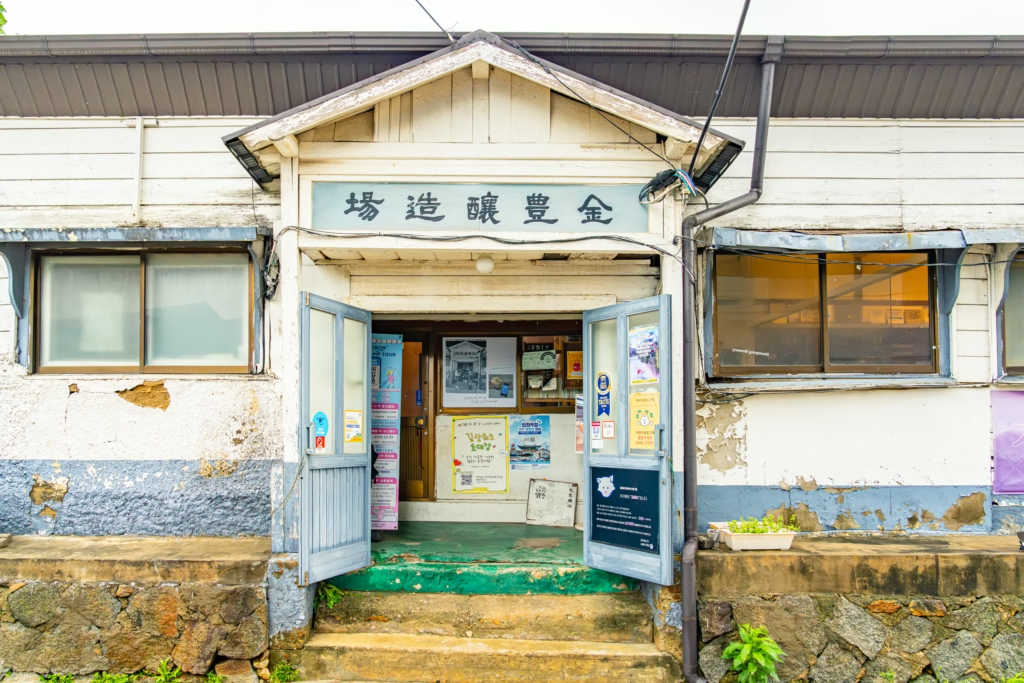
For travelers who have explored Korea’s temple stays and palace tours, Geumpung Brewery Ganghwa offers something different: an active, century-old production facility where tradition is not preserved behind glass but practiced daily. This is not a museum. It is a working brewery that happens to be almost 100 years old.
The “Free From Three” Philosophy: What Makes Geumpung Brewery Ganghwa Special
Understanding what you are drinking matters as much as tasting it. The heritage makgeolli house operates on a strict “3-Free” principle (3無 원칙) that distinguishes its makgeolli from the mass-produced versions found in convenience stores across Korea.
No pesticides. All rice used in production comes from eco-friendly Ganghwa Island farms. The island’s reclaimed tidal flat soil produces rice with a distinctive mineral character—a terroir effect similar to what wine producers discuss when describing vineyard-specific flavors.
No artificial sweeteners. While many commercial makgeolli brands rely on aspartame or other additives to achieve a sweet profile, Geumpung’s Geumhak Takju derives its gentle sweetness entirely from natural fermentation. The result is a softer, rounder flavor that finishes clean rather than cloying.
No waste. The brewery follows zero-waste principles, including packaging made from upcycled rice sacks—a detail that resonates with environmentally conscious travelers. In 2021, Geumpung Brewery Ganghwa became the first on the island to receive a local specialty liquor license, a government recognition that acknowledges both quality and regional authenticity.
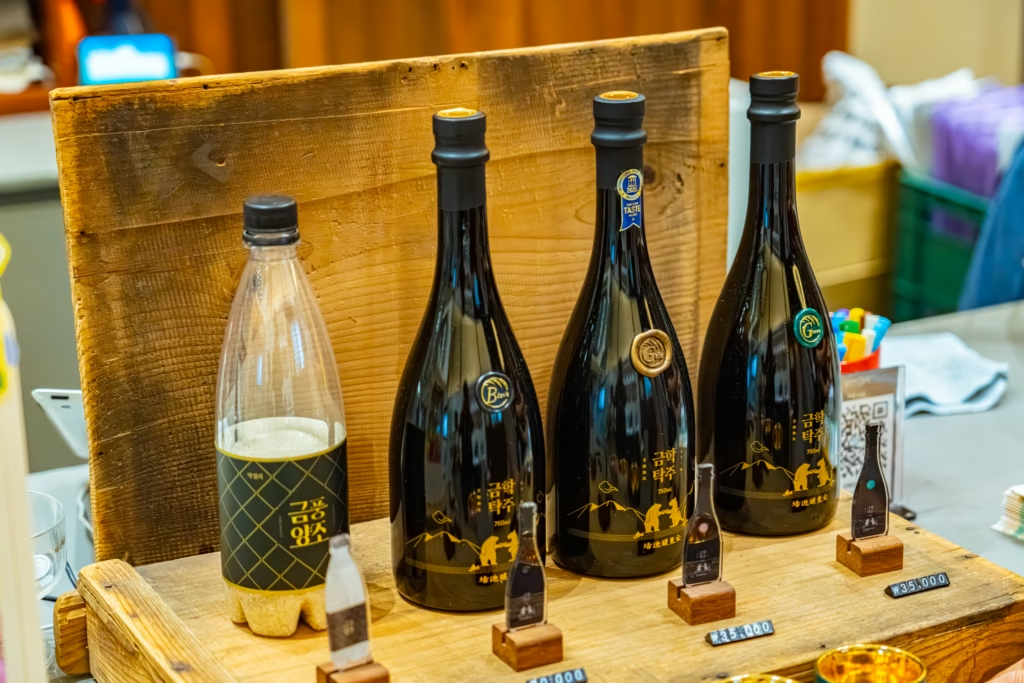
For first-time visitors unfamiliar with Korean rice wine, the approachability of Geumpung Brewery Ganghwa’s product is significant. The smooth, naturally sweet profile with minimal carbonation makes this an ideal entry point into traditional Korean alcohol—far less intimidating than raw makgeolli served at rural markets.
If you have explored Korean craft spirits through our Menge Village Andong Jinmaek Soju guide, this century-old wooden brewery provides a compelling counterpoint: where Jinmaek represents the pinnacle of distilled wheat soju, Geumhak Takju showcases the artistry of unfiltered rice fermentation.
Inside the Brewery: What to Experience at Geumpung Brewery Ganghwa
This is not simply a retail point for purchasing bottles. The historic Incheon facility operates as a cultural experience space where visitors engage directly with Korea’s brewing heritage. All programs require advance reservation.
Brewery Tour and Tasting Session
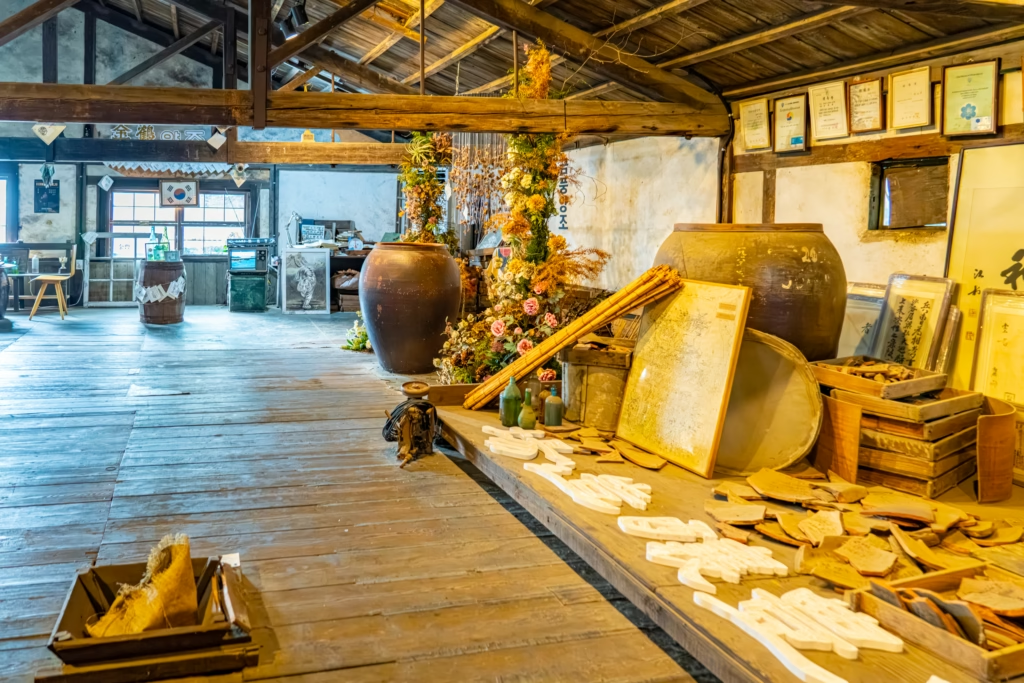
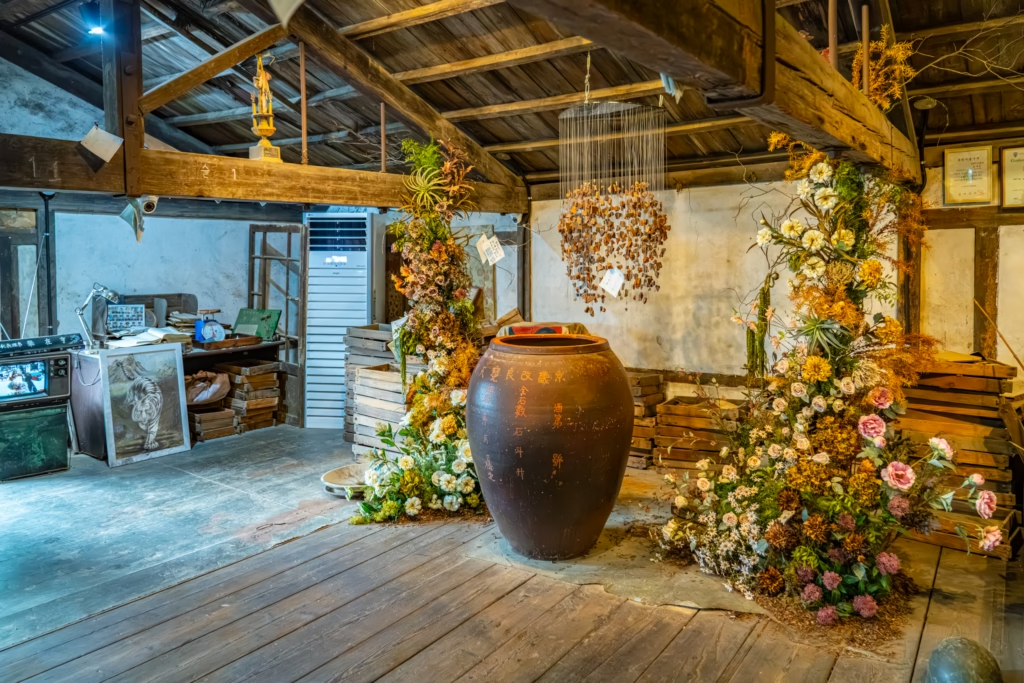
The second-floor exhibition space preserves the original architectural character of the 1931 building, including wooden pillars inscribed with good-luck characters by brewery workers decades ago. Visitors are told that pressing your palm against these inscriptions brings fortune—a small superstition that adds warmth to the historical context.
The tour covers the fermentation process from rice washing through nuruk (traditional yeast cake) preparation to final pressing. What makes this tour distinctive is proximity: you are standing in the actual production space, not a visitor center built beside it. The well and nuruk storage area used a century ago remain functional.
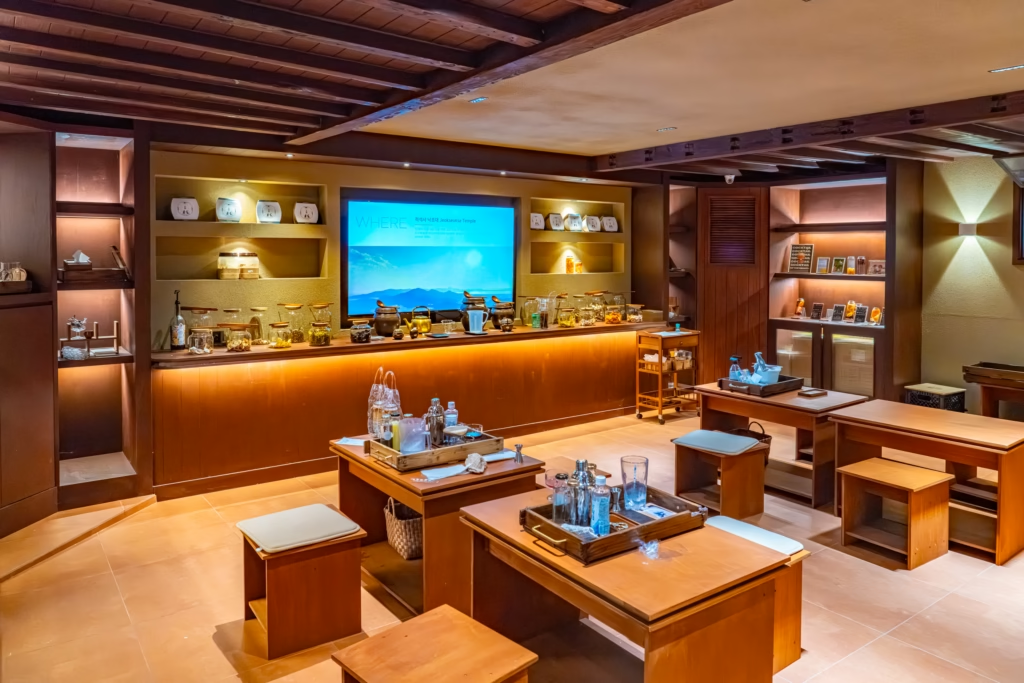
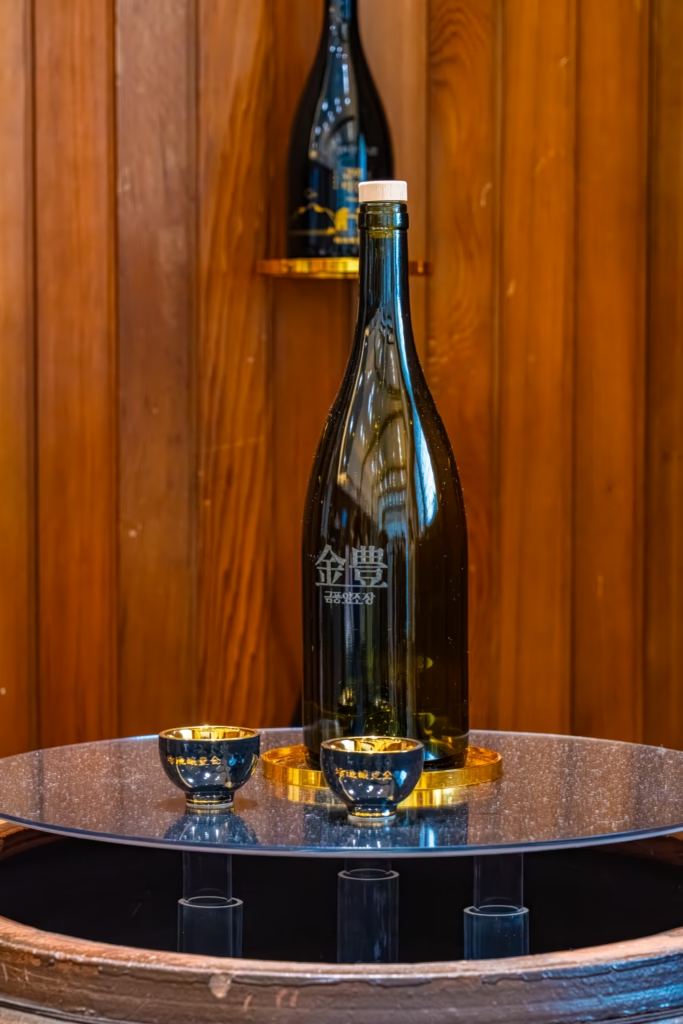
Following the tour, a guided tasting session introduces the Geumpung Brewery Ganghwa product range—Geumhak Takju. The lineup typically includes Black, Green, and Gold expressions—each varying in rice polishing ratio, fermentation duration, and flavor intensity. The progression from lighter to fuller-bodied allows visitors to understand how subtle adjustments in traditional brewing create meaningfully different drinking experiences.
Makgeolli Making Workshop
The hands-on brewing class at Geumpung Brewery Ganghwa runs approximately one to two hours, depending on the session type. Participants work with Ganghwa Island specialty ingredients to create their own personal batch of makgeolli (damgeumju). The process covers rice preparation, nuruk mixing, and initial fermentation setup.
The finished product goes home with you—but patience is required. Natural fermentation needs approximately two weeks before the makgeolli reaches drinkable maturity. For international travelers, this creates an interesting souvenir dilemma: you carry home a living product that continues to develop after you leave Korea.
Workshop pricing at the heritage makgeolli house: One-hour session approximately ₩20,000; two-hour extended session approximately ₩50,000. Confirm current rates when booking through Instagram DM.
The Heritage Building & Resident Mascot
Two elements consistently appear in visitor accounts of this historic Incheon facility: the building and the dog.
The brewery structure itself—a two-story wooden building approaching its centennial—is the kind of architectural artifact that Korea’s rapid modernization has largely erased from urban landscapes. The exterior retains its original character while the interior balances preservation with functional brewery requirements. Walking through Geumpung Brewery Ganghwa feels less like touring an attraction and more like visiting a home that happens to produce exceptional rice wine.
Then there is Geumpungi, the resident dog and unofficial mascot of Geumpung Brewery Ganghwa. The welcoming canine has become a fixture of the visitor experience, greeting arriving guests with the kind of enthusiastic reception that sets the tone for what follows: unpretentious, warm, and distinctly personal.
Photography Tips: Capturing This Century-Old Wooden Brewery
The heritage building at Geumpung Brewery Ganghwa offers strong photographic potential across several compositions.
Exterior: The weathered wooden facade of Geumpung Brewery Ganghwa reads best in soft morning light between 9:00 and 11:00 AM, when shadows define the architectural texture without harsh contrast. With the Sony a7R4, shoot at f/5.6 to f/8, ISO 200, to render wood grain detail sharply against the rural Ganghwa backdrop. A 24-70mm lens at around 35mm captures the full building with surrounding context.
Interior second floor: The original pillars and fermented-oak coloring of aged wood create warm tones that pair well with the brewing equipment. Available light through original windows provides natural illumination, but prepare for mixed lighting—ISO 800 to 1600 at f/2.8 will maintain atmosphere without introducing noise. Focus on detail shots: the hand-carved inscriptions on pillars, nuruk cakes in various fermentation stages, the patina of century-old surfaces.
Tasting session: Overhead flat-lay compositions of the makgeolli lineup against the wooden table surface work effectively. The bottles’ modern design contrasted with the Geumpung Brewery Ganghwa heritage interior creates visual tension that tells the story of tradition meeting contemporary craft. Shoot at f/4, ISO 400, and let the warm interior tones do the work.
Geumpungi (the dog): Candid shots at arrival are best. Use continuous autofocus and a faster shutter speed (1/250s minimum) to capture the dog in motion against the brewery backdrop.
Practical Tips for International Visitors
Getting to the Brewery from Seoul
Ganghwa Island connects to the mainland via bridge, but reaching the brewery by public transit involves multiple transfers that can frustrate travelers unfamiliar with Korean bus systems.
Public transportation route: From Seoul, take Bus 3000 from Sinchon or Hongdae Station to Ganghwa Bus Terminal. From there, transfer to a local bus or taxi to reach the brewery. The full journey takes approximately two to two and a half hours each way, with the final leg being the least predictable in terms of scheduling.
Recommended alternative: For international travelers, renting a car from Seoul or booking a private taxi tour through platforms like Klook provides a significantly more comfortable and time-efficient experience. The drive from central Seoul to Geumpung Brewery Ganghwa takes roughly 90 minutes via the Incheon expressway, and having your own vehicle allows you to combine the brewery visit with other Ganghwa Island destinations like Jeondeungsa Temple and the UNESCO-listed Ganghwa Dolmen sites.
[Book Ganghwa Island Private Taxi Tour on Klook]
Language Considerations
English support at the brewery is limited. The most effective communication strategy for international visitors is to contact the brewery via Instagram DM (@on_sul) before your visit to confirm tour availability, session times, and any language accommodation. On-site, the Naver Papago translation app handles Korean-to-English brewery terminology reasonably well and is recommended as a real-time communication tool.
Legal Drinking Age and Identification
Korea’s legal drinking age is 19 (Korean age, which translates to approximately 18-19 in international age). You must carry your passport for any tasting or purchase involving alcohol. This is strictly enforced, and no exceptions are made for foreign identification cards or driver’s licenses at traditional establishments.
Geumpung Brewery Ganghwa: Practical Information Table
| Category | Details |
|---|---|
| Address | 8 Samnangseong-gil, Gilsang-myeon, Ganghwa-gun, Incheon |
| English Address | 8 Samnangseong-gil, Gilsang-myeon, Ganghwa-gun, Incheon |
| Phone | +82-70-4400-1931 |
| @on_sul (best for English inquiries and reservations) | |
| Operating Hours | Mon–Thu: 10:30–17:30 / Fri–Sun: 10:30–18:00 |
| Note | Hours may vary by season or internal schedule. Confirm before visiting. |
| Average Budget | Workshop ₩20,000–₩50,000; Tasting included with tour |
| Getting There | Bus 3000 from Seoul (Sinchon/Hongdae) → Ganghwa Terminal → Local bus/taxi |
| Recommended Transport | Rental car or private taxi tour from Seoul (~90 min drive) |
| ID Required | Passport (mandatory for tasting/purchase, legal age 19+) |
| Best Season | Year-round; spring and autumn offer the most pleasant Ganghwa Island weather |
| Nearby Attractions | Jeondeungsa Temple (10 min), Ganghwa Dolmen UNESCO site (15 min) |
| Recommended Stay & Activity | Find Ganghwa Island Hotels on Agoda / Book Ganghwa Cultural Tour on Klook |
For official tourism information about Ganghwa Island, visit Incheon Tourism Organization and Visit Korea – Geumpung Brewery.
[Affiliate Link: Check Best Rates for Ganghwa Island Accommodations on Booking.com]
The Travel Manual Summary
Geumpung Brewery Ganghwa represents something increasingly valuable in Korea’s rapidly evolving tourism landscape: authenticity that predates the concept of “experience tourism” by about nine decades. This is not a facility designed for visitors. It is a working brewery that has gradually, almost reluctantly, opened its doors to a global audience drawn by the quality of its product and the integrity of its process.
The combination of registered cultural heritage architecture, a transparent “Free From Three” brewing philosophy, and hands-on workshop programs creates a visit that functions simultaneously as cultural education, culinary exploration, and historical encounter. For travelers building a deeper Korean itinerary beyond Seoul’s surface attractions, this 1931 Ganghwa brewery delivers genuine substance.
Pair your Geumpung Brewery Ganghwa visit with our Cha-deokbun Yeongjongdo guide for a complete Incheon region experience that connects traditional Korean tea culture with heritage brewing—two complementary expressions of Korea’s fermentation and beverage artistry.
Like the 1931 brewery building that survived a century of change, some places in Korea carry the weight of real events rather than reconstructed narratives. Explore more of Korea’s authentic history at the Hwaseong Independence Movement Memorial, located just 90 minutes from Seoul—another site where you stand on the exact ground where history unfolded, not in a recreation of it.
For another taste of local agriculture turned into artisan craft, discover the yuzu-infused menus hidden in a quiet fishing village on your Geoje spring travel itinerary. Where Geumpung Brewery Ganghwa transforms island-grown rice into premium makgeolli, Cafe Yujabat on Geoje Island uses backyard-harvested yuzu for handcrafted drinks and Le Cordon Bleu-trained pastries—Korea’s regional producers finding global relevance through local ingredients.